

- The 25 Most Collectible Vinyl Records of All Time - September 25, 2026
- 15 Revolutionary Ideas That Started in American Universities - September 25, 2026
- 15 Songs Inspired by True Events You Didn’t Know About - September 25, 2026
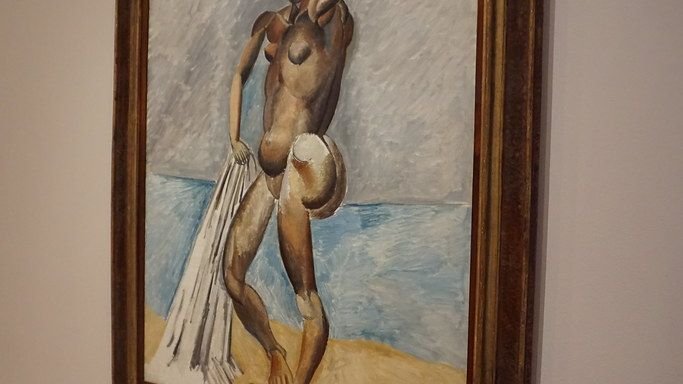
Pablo Picasso reshaped the art world in ways that still echo today. He co-founded Cubism alongside Georges Braque, shattering traditional perspectives and paving the way for abstract art.[1][2]
His relentless experimentation across painting, sculpture, printmaking, and ceramics challenged viewers to see the world anew. Works like Guernica captured the horrors of war with raw power, influencing generations of artists.[3]
1. His Full Name Contains 23 Words
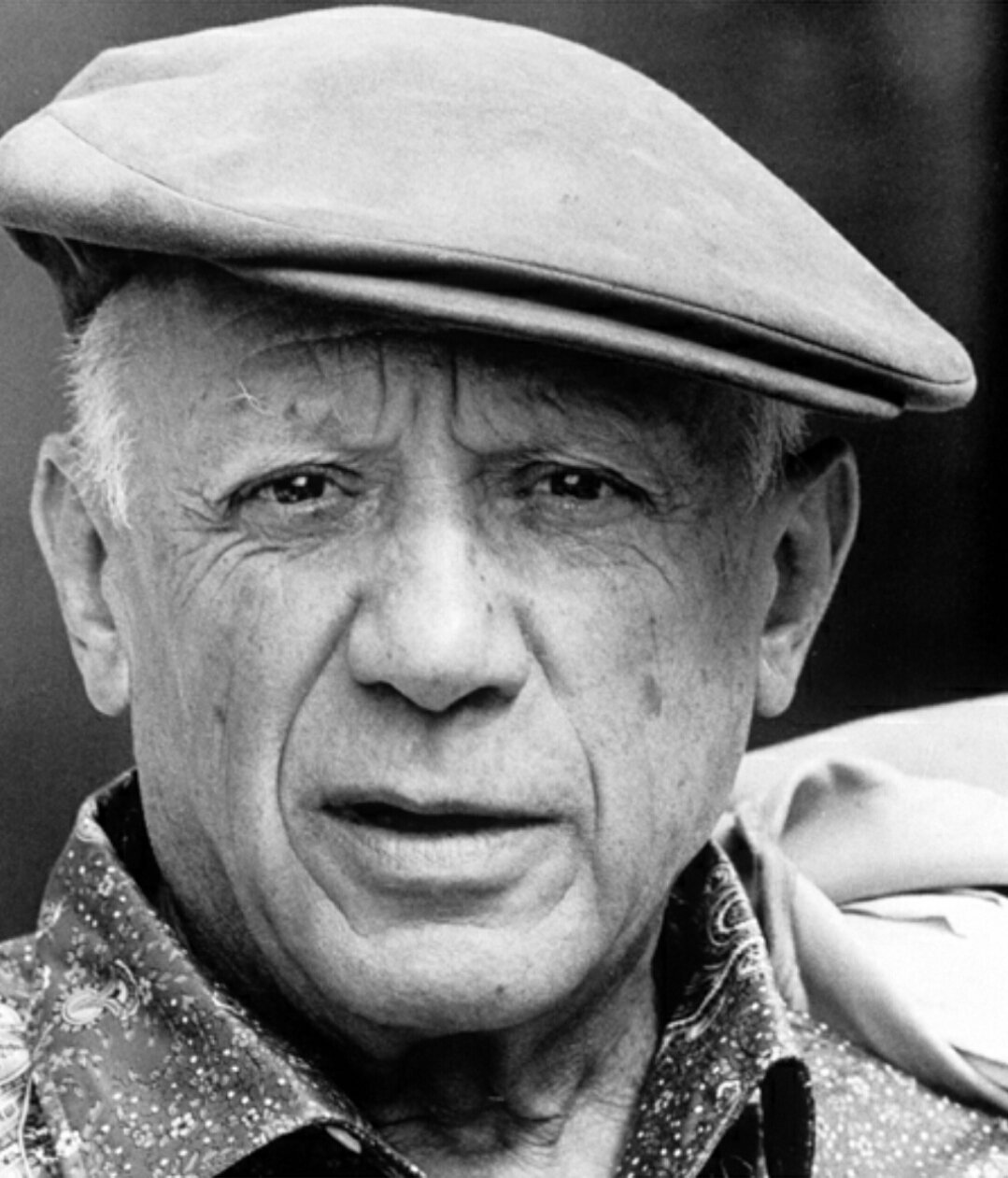
Pablo Picasso’s complete name is Pablo Diego José Francisco de Paula Juan Nepomuceno María de los Remedios Cipriano de la Santísima Trinidad Martyr Patricio Clito Ruíz y Picasso. This mouthful honors saints, relatives, and religious figures, a common Spanish tradition.[4] He chose “Picasso,” his mother’s surname, over his father’s for his career.
Most people know him simply as Picasso, making the full version a hidden surprise. It reflects the cultural depth behind his iconic persona and shows how he distilled a vast heritage into a single, punchy name. This fact underscores his roots in a tradition-rich family.
2. His First Word Was “Pencil”
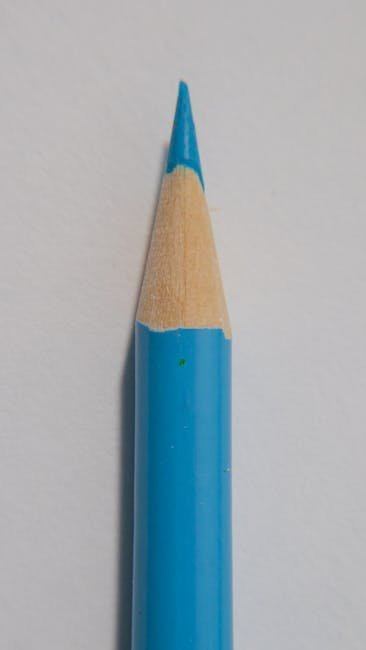
Picasso’s mother recalled his first word as “piz,” short for lápiz, the Spanish term for pencil. With an artist father, José Ruiz, art permeated his early life from the start. By age seven, he received formal training, hinting at his prodigious talent.[4][5]
This detail surprises because it suggests destiny shaped him before he could speak fully. It highlights why his output exploded so young, setting him apart from typical child prodigies. Few artists embody their calling from the cradle quite like this.
His lifelong passion stemmed from those beginnings, fueling innovations across decades.
3. The Midwife Thought He Was Stillborn
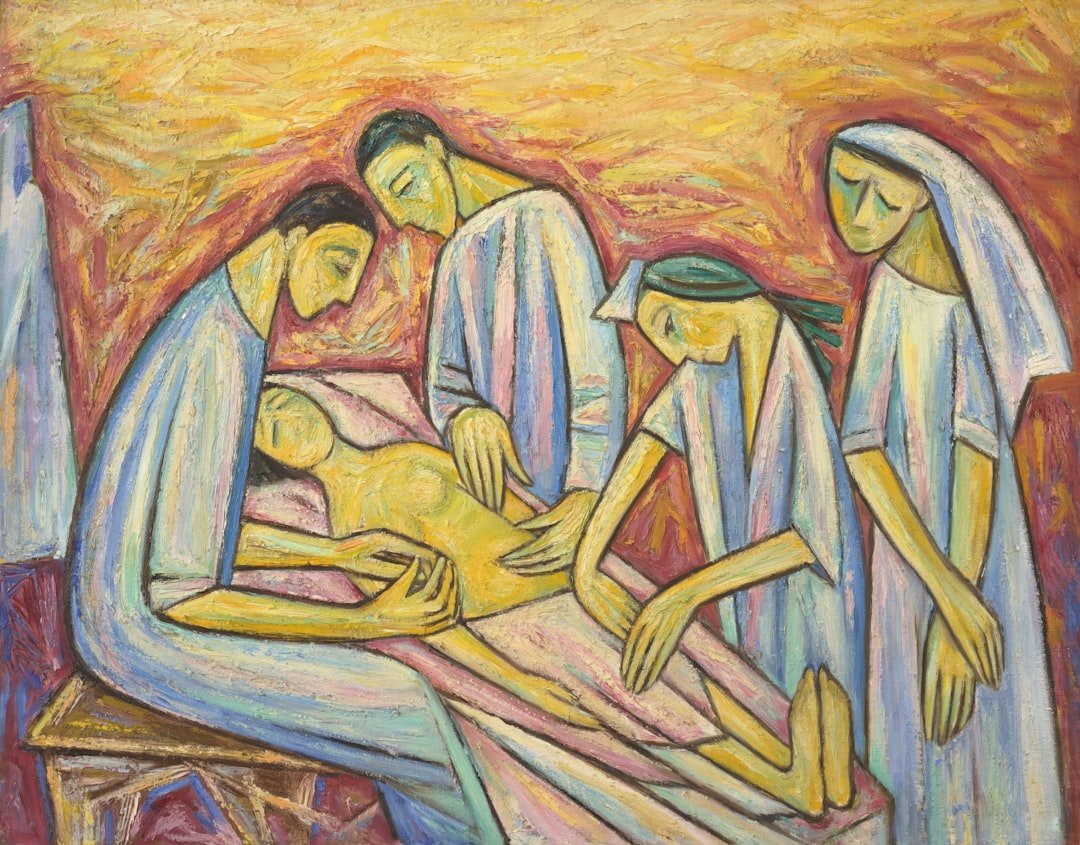
Picasso’s birth proved dramatic; the midwife believed him dead and left him on a table while tending his mother. His uncle, Dr. Salvador, intervened by blowing cigar smoke in his face, prompting a reaction. This revived the frail newborn in Málaga, Spain, on October 25, 1881.[4]
The story astonishes for its old-time remedy and narrow escape. It adds a gritty, human layer to the legend of a genius who almost didn’t make it. Such tales reveal the precarious start behind his monumental legacy.
4. His Father Vowed to Quit Painting at Age 13
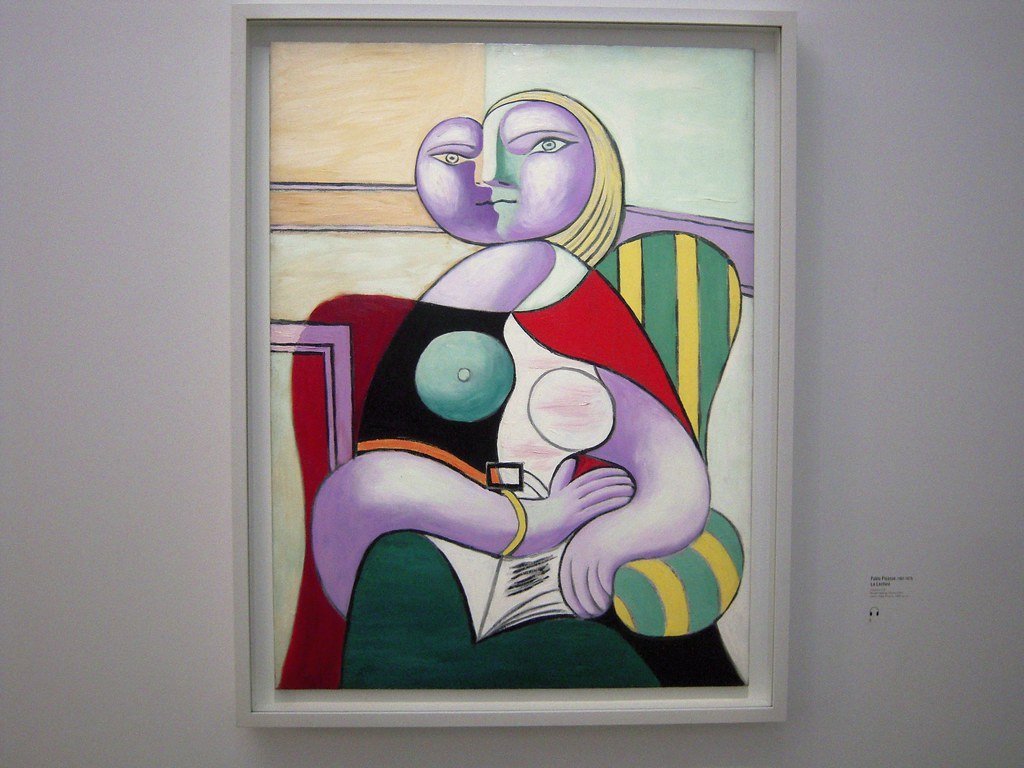
Ruiz discovered young Pablo painting over his unfinished pigeon sketch with stunning precision. Overwhelmed, the father declared his son had surpassed him and swore off painting himself. This moment marked Picasso’s eclipse of his mentor early on.[5]
It’s striking how a teenager humbled a professional artist, foreshadowing Picasso’s dominance. This family dynamic fueled his confidence, pushing boundaries others wouldn’t touch. The anecdote emphasizes nurture meeting raw gift perfectly.
Paintings by Ruiz exist later, but the vow captured the shift in their worlds.
5. He Was Suspected in the Mona Lisa Theft
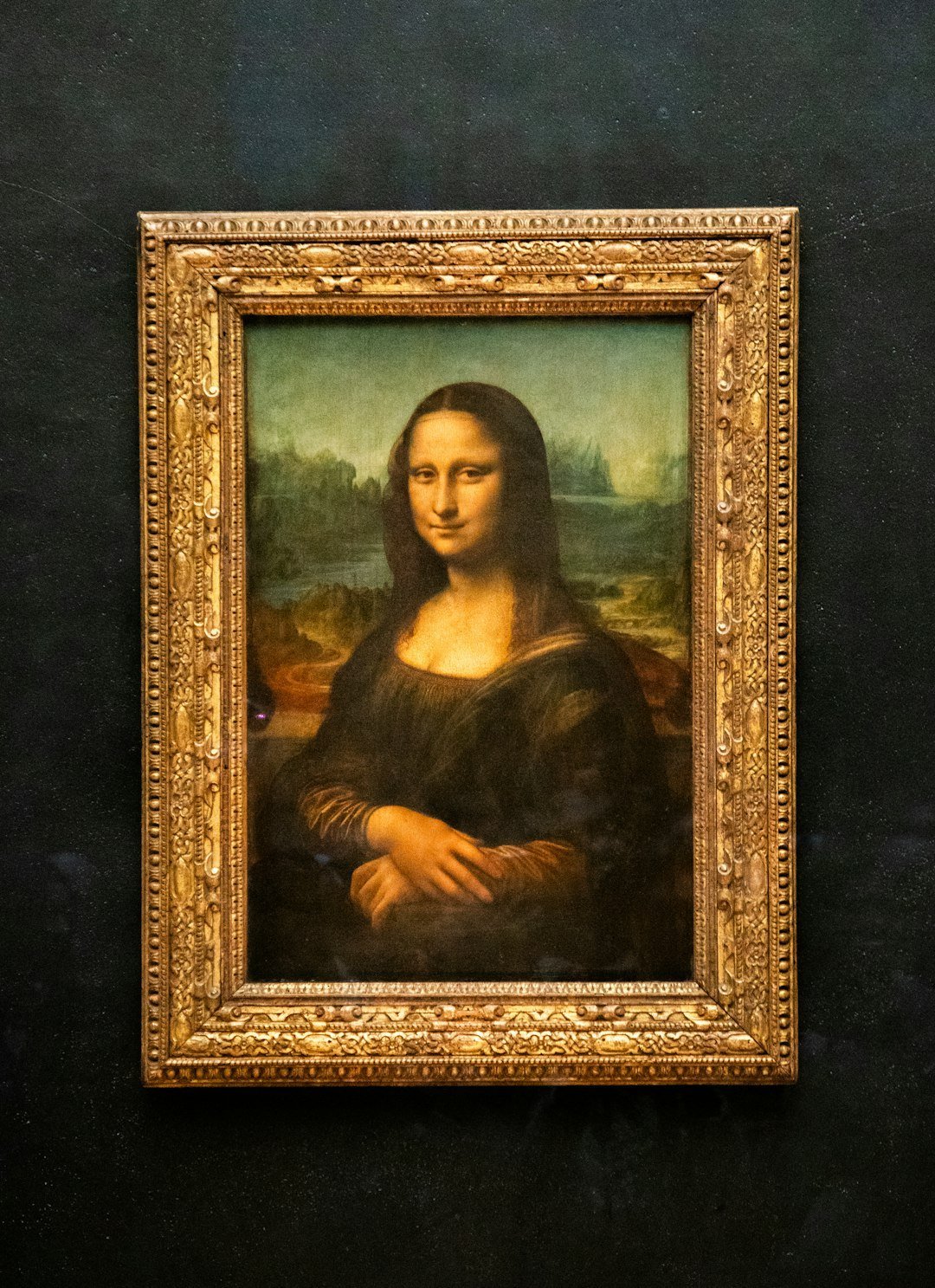
In 1911, Picasso and poet Guillaume Apollinaire faced accusations over the Louvre’s Mona Lisa heist. Police raided Picasso’s studio after finding stolen Iberian statues linked to Apollinaire’s circle. Though cleared, the incident rattled the young artist.[6][7]
This brushes Picasso with crime’s shadow, far from his refined image. It reveals his bohemian Paris days, collecting artifacts that blurred lines. The surprise lies in how close he came to derailing his rise.
6. He Created Around 50,000 Works
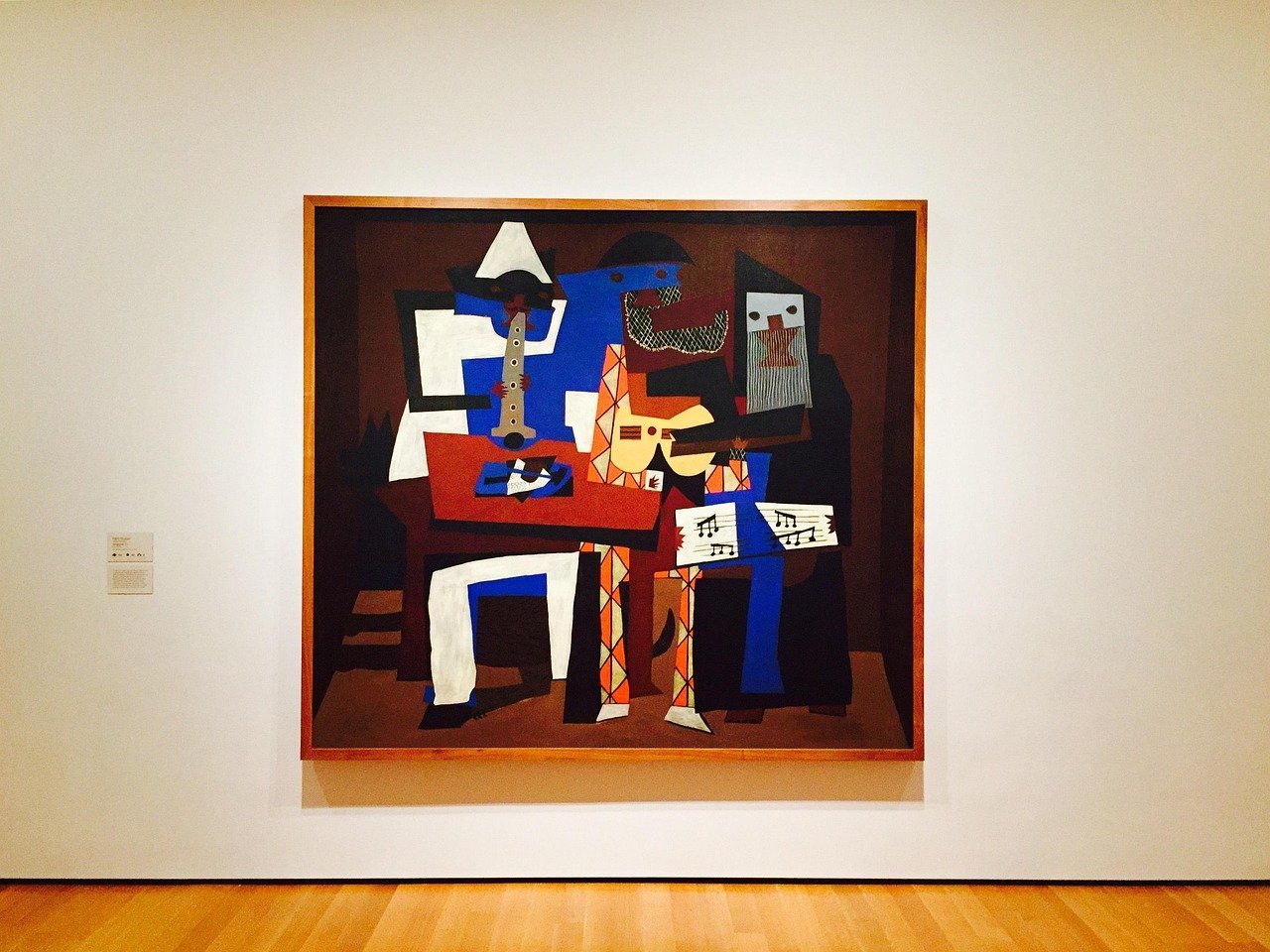
Picasso produced roughly 50,000 pieces, including paintings, prints, sculptures, and ceramics over eight decades. That’s about two per day from adulthood onward. His output dwarfs most artists, spanning styles from Blue Period to Cubism.[8][9]
The sheer volume stuns, showing tireless drive behind reinvention. It matters because this flood reshaped markets and museums worldwide. No one matched his pace, cementing influence through quantity and quality.
Estimates vary, but the scale remains staggering.
7. He Burned His Paintings for Heat
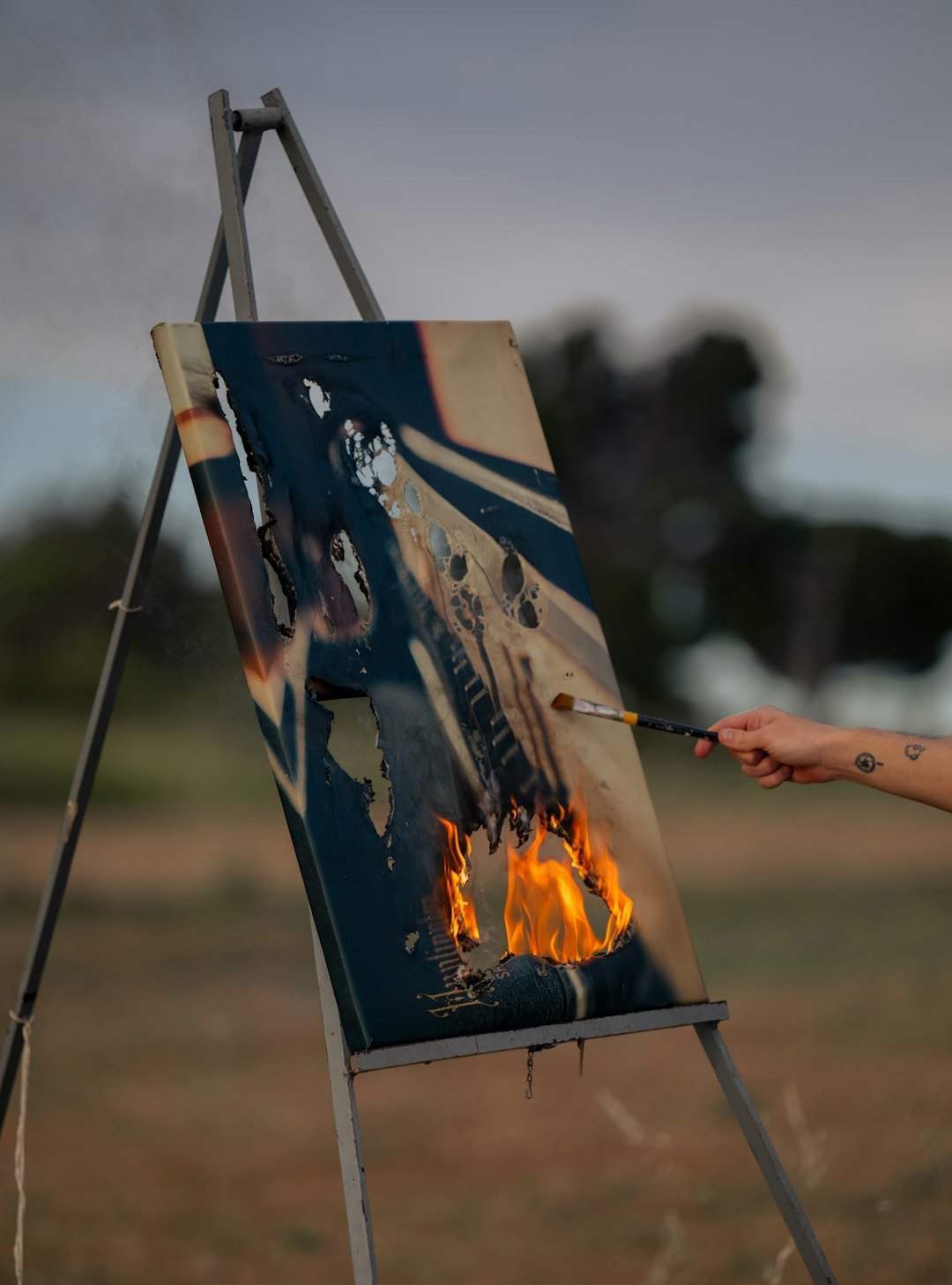
During lean Paris years around his Blue Period, Picasso burned early canvases to stay warm. Starving and poor, he prioritized survival over preserving all work. This desperation marked his gritty climb from obscurity.[10]
It’s jarring to imagine genius fuel turned firewood, highlighting art’s harsh realities. Those lost pieces might have altered views of his evolution. The fact humanizes him, proving even prodigies faced brutal hurdles.
8. More of His Works Have Been Stolen Than Any Artist’s
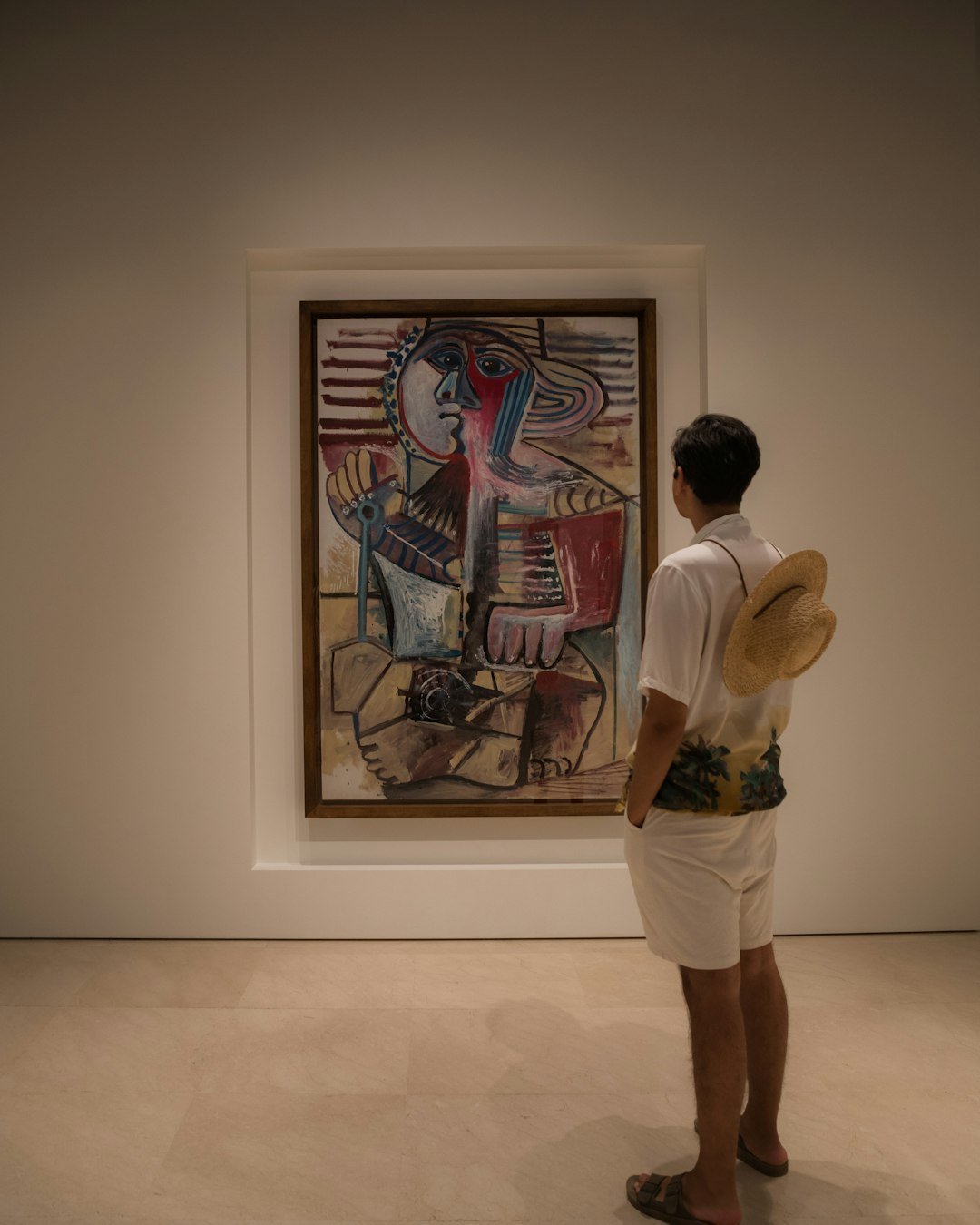
Over a thousand Picasso pieces appear on stolen art registries, topping all others. His fame and abundance make him prime target for thieves. From sketches to masterpieces, losses span his career.[11]
This irony surprises, as popularity breeds vulnerability. It underscores his cultural weight, even in absence. Recoveries continue, keeping his name in headlines decades later.
Security around his art reflects this ongoing saga.
9. His Beloved Dachshund Lump Starred in a Show

Picasso adored dogs, especially dachshund Lump, a gift from friend David Douglas Duncan. Lump lounged for portraits and even inspired a 2009 museum exhibit of Picasso’s dog-themed works. He owned various breeds, blending pets into his creative world.[12]
The whimsy delights, revealing a softer side amid intensity. A pet getting its own show flips artist-subject norms. It shows how personal bonds infused his vast output.
10. He Gifted a Massive Sculpture to Chicago for Free
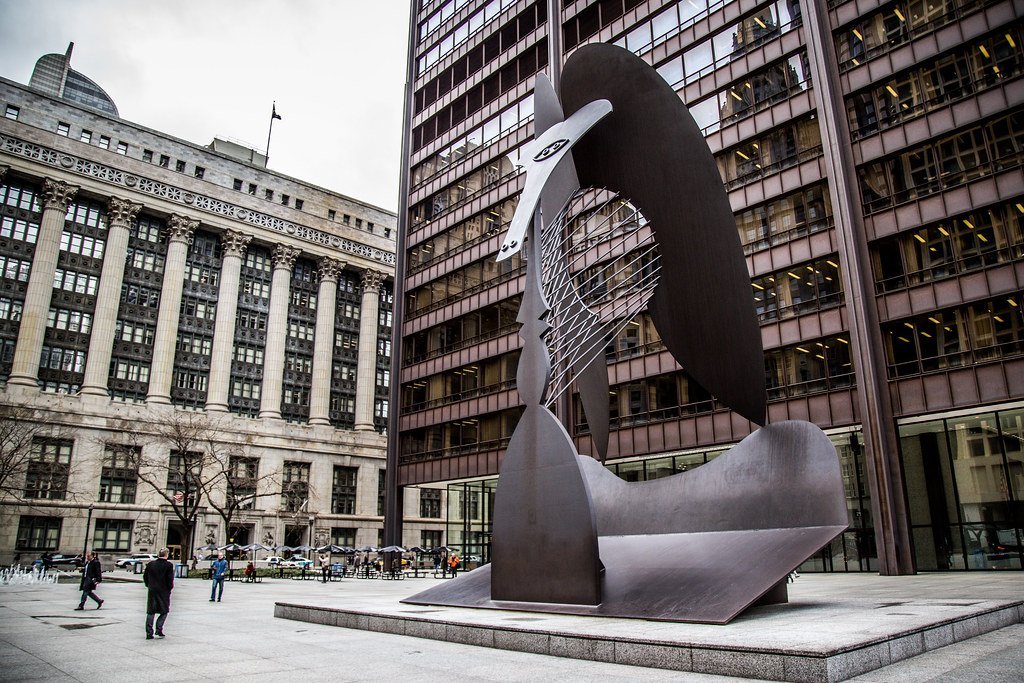
In 1963, Picasso designed a monumental public sculpture for Chicago’s Civic Center, now Daley Plaza. He refused payment, sending the full-scale version as a gift after crafting a maquette. The abstract form draws millions yearly.[13]
This generosity surprises from a savvy businessman artist. It highlights civic pride late in life, bridging Europe and America. The enduring landmark proves his global reach beyond galleries.
Why Picasso Still Matters
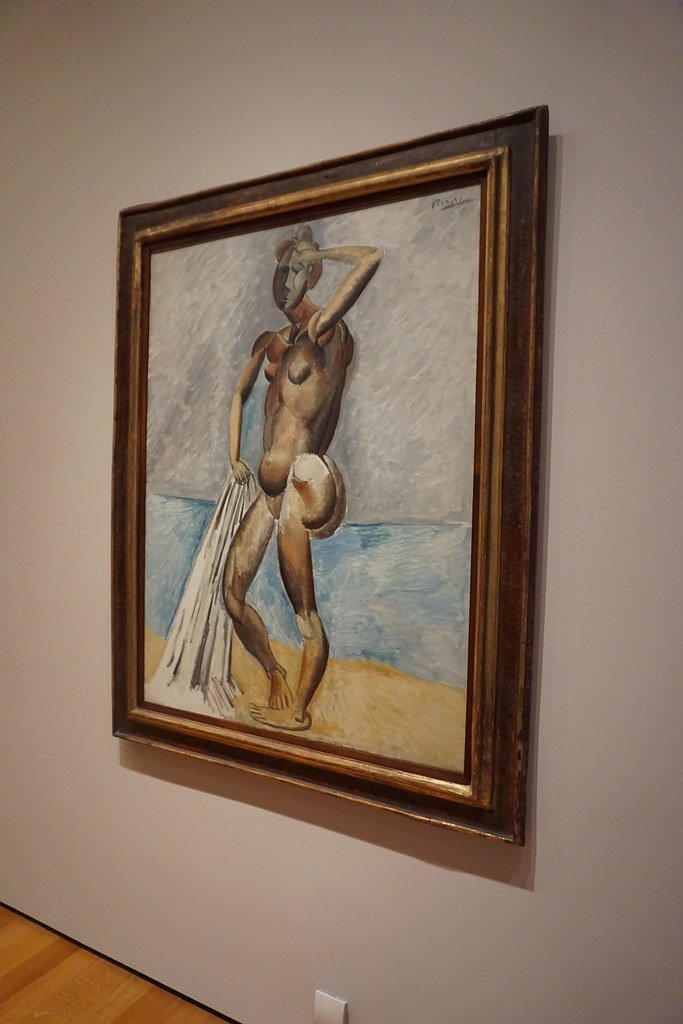
Picasso’s breakthroughs dismantled old rules, inspiring abstract and modern movements. His adaptability across media keeps him relevant in digital ages too.
Even now, his works spark debate on form, politics, and emotion. He reminds us art thrives on bold disruption, a lesson for creators everywhere.[1]
CEO-Co-Founder
