

- 20 Authors Who Use Music to Outline Their Plots - September 22, 2026
- 20 Books That Read Like They Were Written in One Breath - September 22, 2026
- The 20 Musicians Who Said No to Fame - September 21, 2026
Advertisements serve as snapshots of their era. They capture prevailing attitudes, values, and aspirations while often reinforcing them. Vintage campaigns, in particular, reveal how society evolved from rigid gender roles to emerging civil rights awareness.
These ads did more than sell products. They mirrored cultural shifts, sometimes accelerating them through bold imagery and slogans. Looking back highlights progress in norms around health, equality, and consumerism.[1][2]
Camel Cigarettes: Doctors Smoke Camels in the 1940s
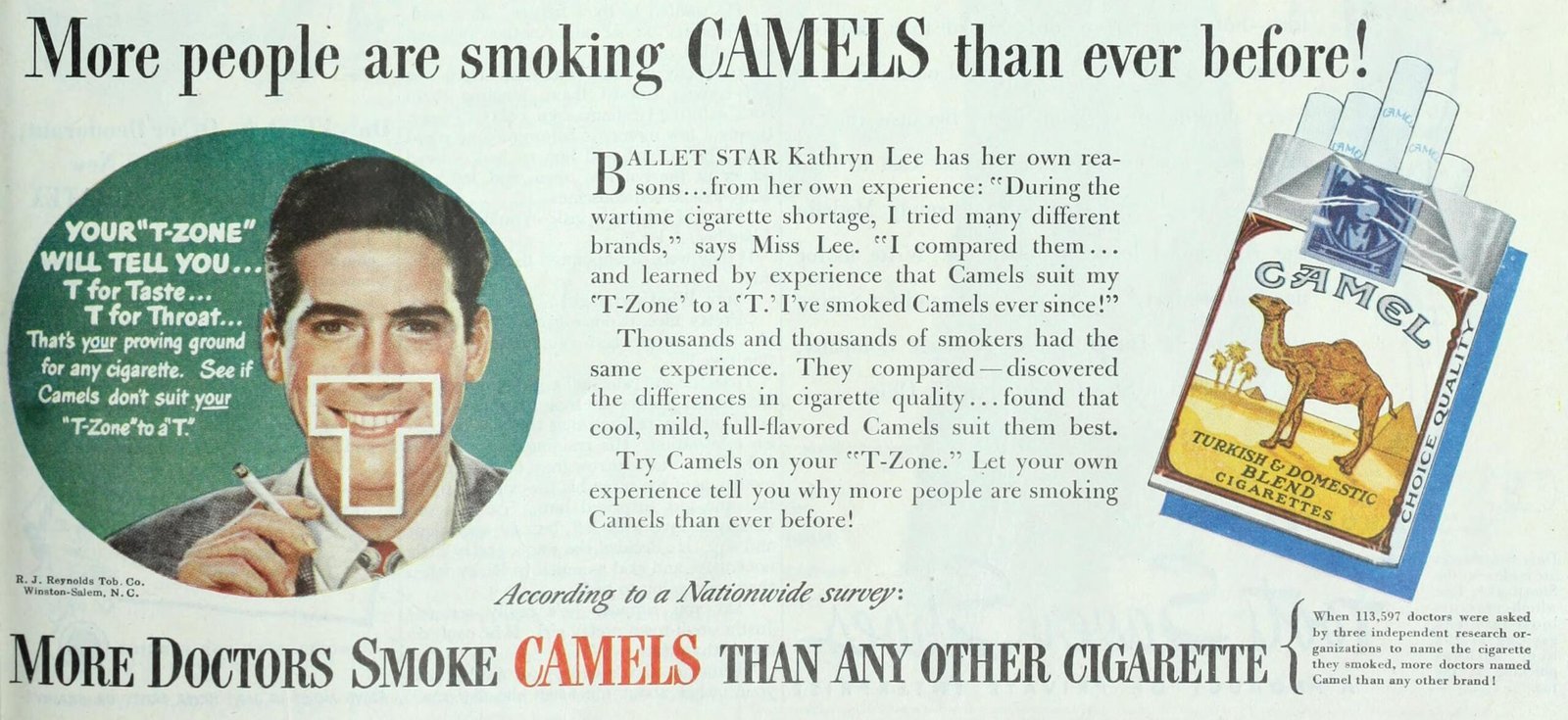
Brand: R.J. Reynolds Tobacco Company for Camel cigarettes. Era: 1940s. The core message claimed more doctors smoked Camels than any other cigarette, using white-coated physicians to build trust.
This campaign reflected a time when smoking was medically endorsed and socially ubiquitous. It preyed on authority figures to normalize tobacco use amid little awareness of health risks. Society viewed cigarettes as harmless or even beneficial, a stark contrast to today’s warnings. The ads underscore how public health perceptions have transformed dramatically.[3]
De Beers: A Diamond is Forever from 1947
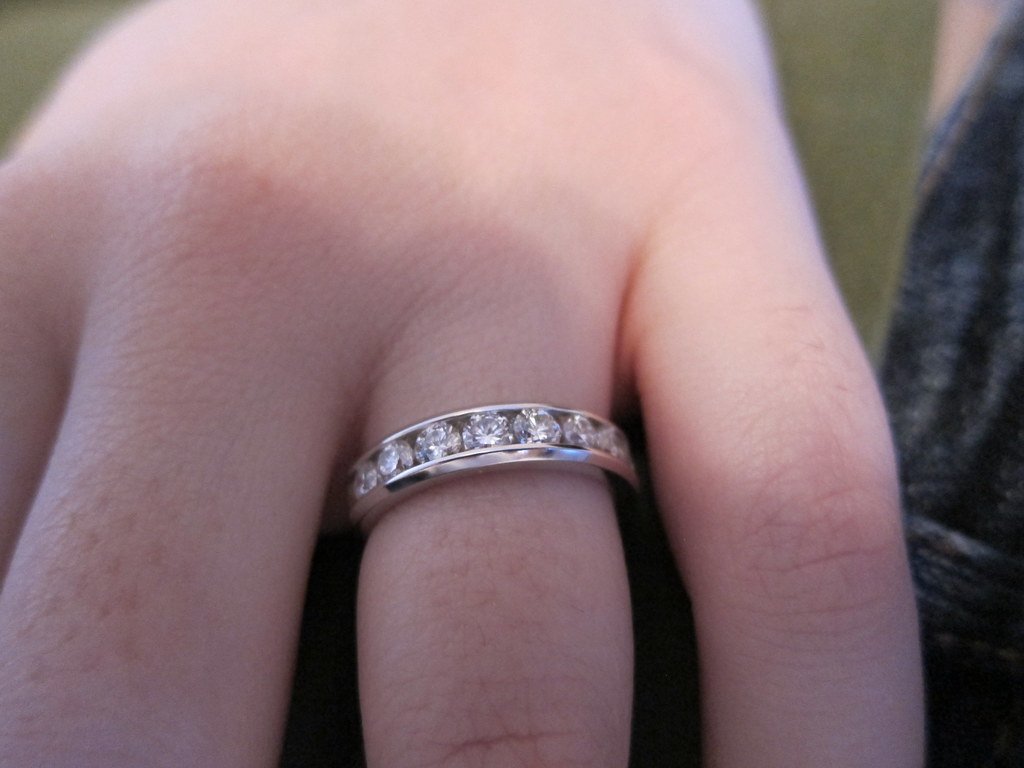
Brand: De Beers diamond company. Era: Late 1940s. The slogan “A Diamond is Forever” positioned diamonds as eternal symbols of love, essential for engagements.
Post-Depression and wartime scarcity made luxury seem unattainable. This campaign created a new tradition, making diamond rings a marriage staple for millions. It reveals booming consumerism and romantic ideals shaped by marketing. Diamonds shifted from elite status to everyday aspiration.[1][4]
Van Heusen Ties: A Man’s World in 1951
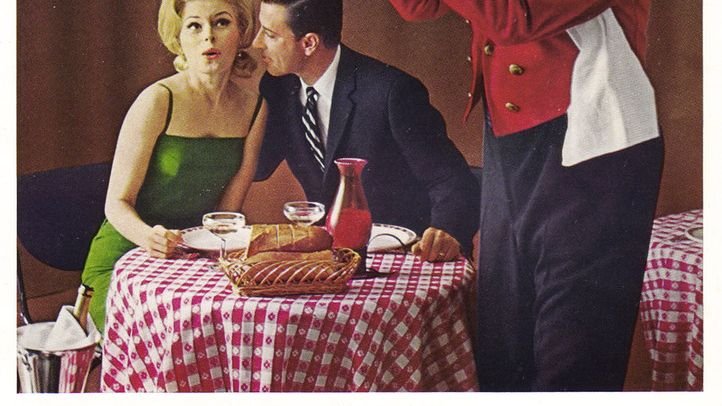
Brand: Van Heusen. Era: 1951. The message urged men to “show her it’s a man’s world” through bold tie patterns that asserted dominance.
Ads depicted women serving breakfast in bed, happy in submission. This captured rigid post-war gender hierarchies where men led households. Society prized male authority, with women finding fulfillment in support roles. Such imagery highlights the slow push toward equality.[2]
Marlboro: The Marlboro Man Emerges in 1955
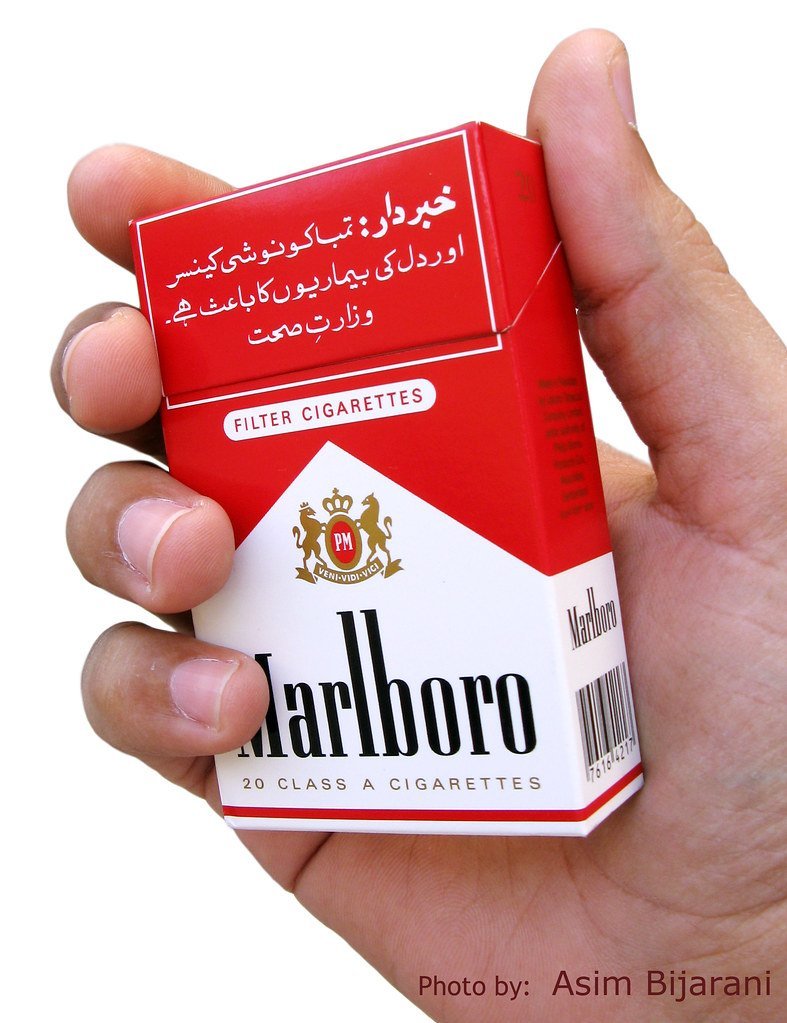
Brand: Philip Morris for Marlboro cigarettes. Era: Mid-1950s. Cowboys on vast plains symbolized rugged independence, flipping Marlboro from a women’s brand to masculine icon.
Sales tripled in years, tying smoking to frontier freedom. Post-WWII America celebrated individualism and strength. The campaign reflected cultural myths of self-reliance amid suburban conformity. It endures as a pinnacle of aspirational marketing.[1][5]
Alcoa Aluminum: Women Can Open It in 1953
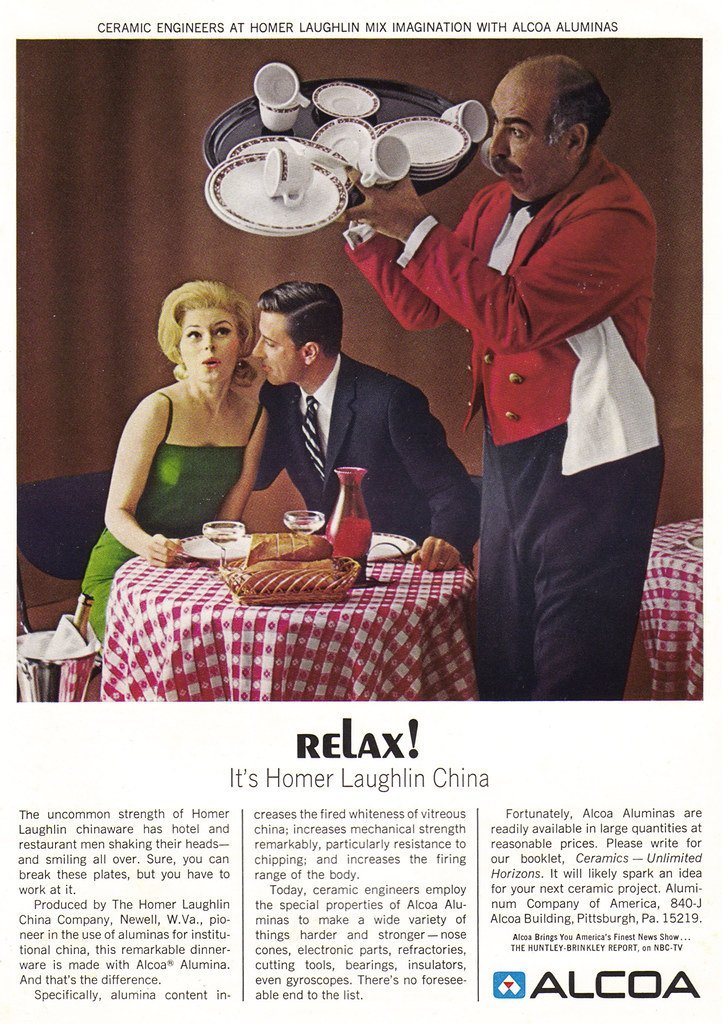
Brand: Alcoa Aluminum. Era: 1953. The twist-off cap ad marveled, “You mean a woman can open it?” implying female frailty.
It played on stereotypes of women needing male help for simple tasks. Mid-century norms confined women to domesticity, undervaluing their capabilities. This reveals everyday sexism baked into product pitches. Progress shows in today’s inclusive designs.[3]
Superman: Fighting Discrimination Around 1950
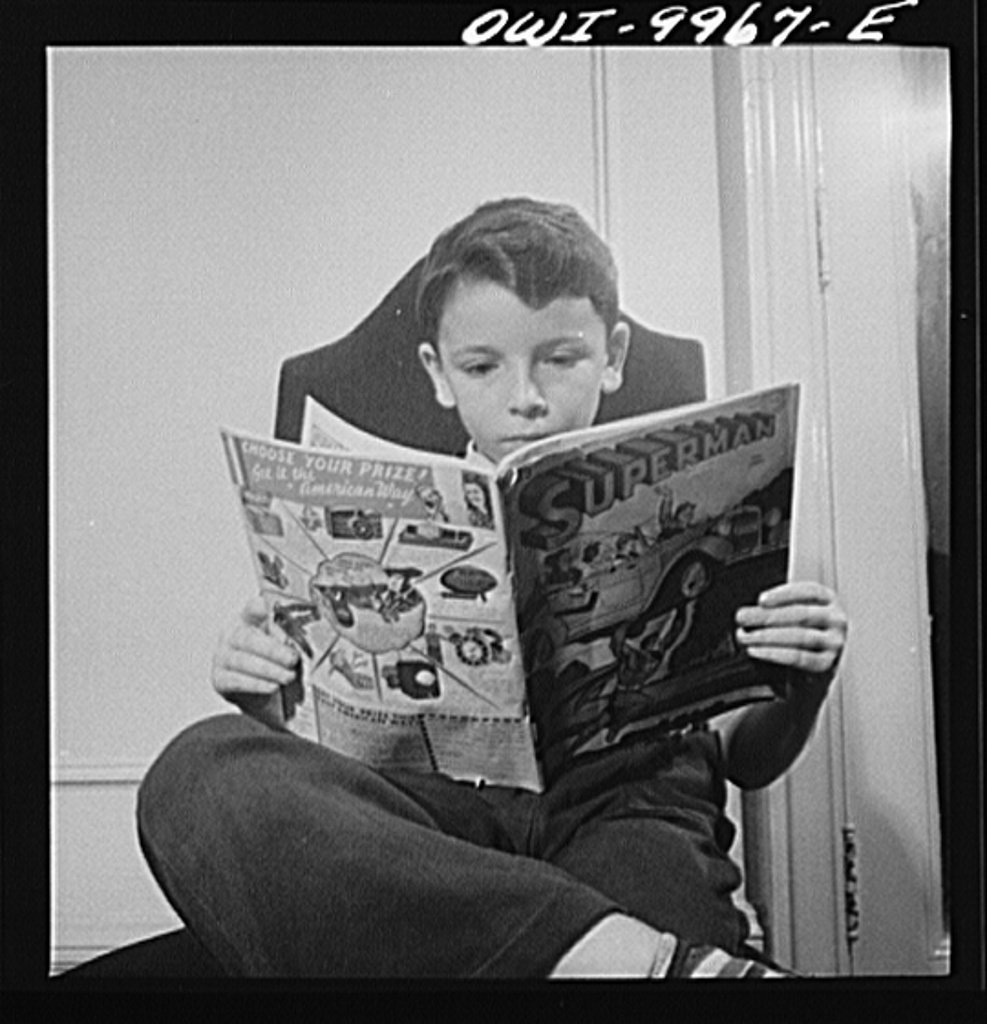
Brand: Superman comics promotion. Era: Circa 1950. The ad showed Superman battling racism and discrimination head-on.
Early Civil Rights stirrings made such messages bold yet progressive. It reflected growing unease with segregation amid post-war ideals of equality. Society grappled with hypocrisy between freedom rhetoric and reality. This marked advertising’s rare social advocacy.[6]
Volkswagen: Think Small in 1959
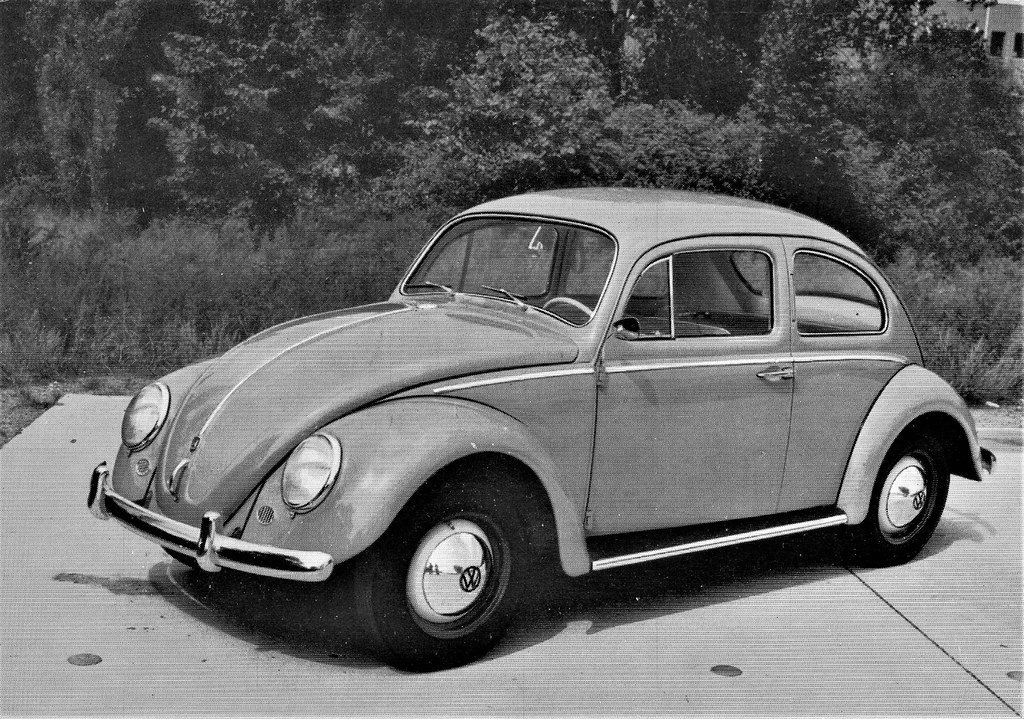
Brand: Volkswagen Beetle. Era: 1959. “Think Small” admitted the car’s tiny size with wit, bucking big-car boasts.
In an era of gas-guzzling giants, it embraced flaws honestly. This mirrored counterculture skepticism of excess and conformity. The campaign pioneered ironic advertising, influencing modern styles. It signaled shifting tastes toward simplicity.[1][7]
National Airlines: Fly Me in the 1970s

Brand: National Airlines. Era: 1970s. Stewardesses cooed, “I’m Jo, fly me,” sexualizing service roles.
It tapped “sex sells” amid loosening morals post-sexual revolution. Women in ads often embodied male fantasy over professionalism. This exposes objectification in travel marketing. Evolving standards now prioritize respect.[2]
Advertising as a Living History Book
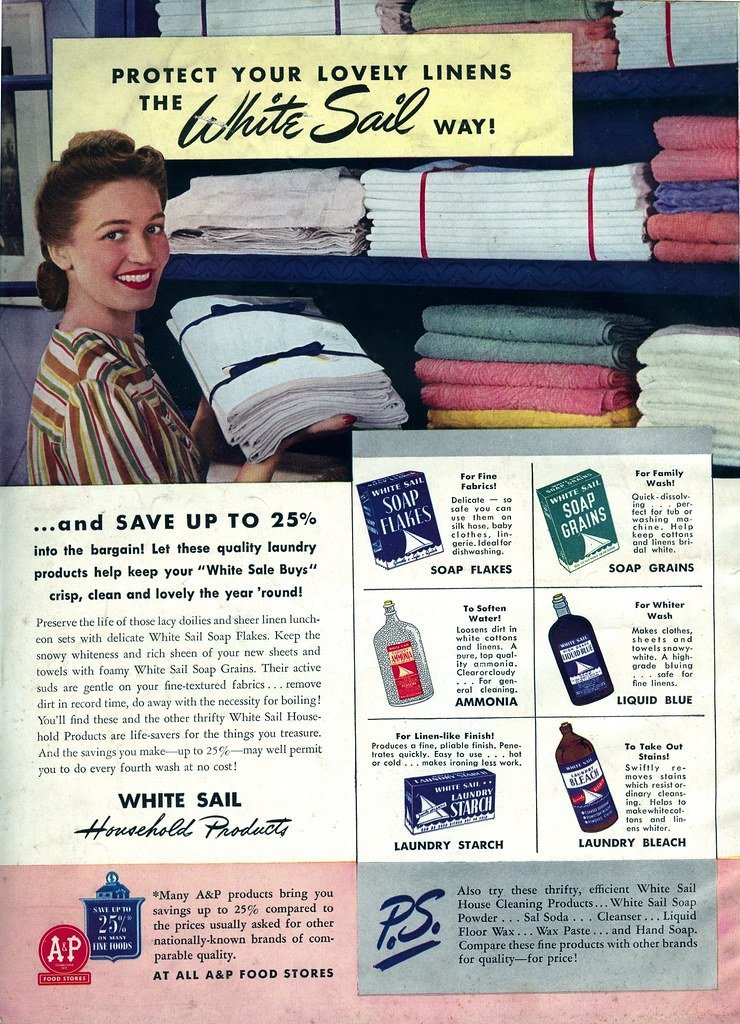
Vintage campaigns chronicle societal flux from blind trusts to awakened critiques. They sold more than goods; they packaged era-defining beliefs.
Today, we scrutinize ads through equity and truth lenses. These relics remind us how far we’ve come, yet echo persistent challenges. History unfolds one slogan at a time.[4]
CEO-Co-Founder
