

- The 20 Musicians Who Said No to Fame - September 21, 2026
- 20 Novels You’ll Think About Every Time You Travel - September 21, 2026
- 15 Festivals Happening This June You’ll Wish You Knew About Sooner - September 21, 2026
The 20th century unfolded like a whirlwind of human ingenuity. Scientists unraveled the atom’s secrets, peered into cells, and harnessed forces once thought magical. Progress accelerated, turning abstract ideas into tools that underpin modern existence.
Amid the headlines of relativity and moon landings, quieter revelations took root. These overlooked gems from labs around the world now touch daily routines in profound ways. Their stories reveal how persistence reshapes reality.
Blood Groups: Karl Landsteiner’s 1901 Revelation
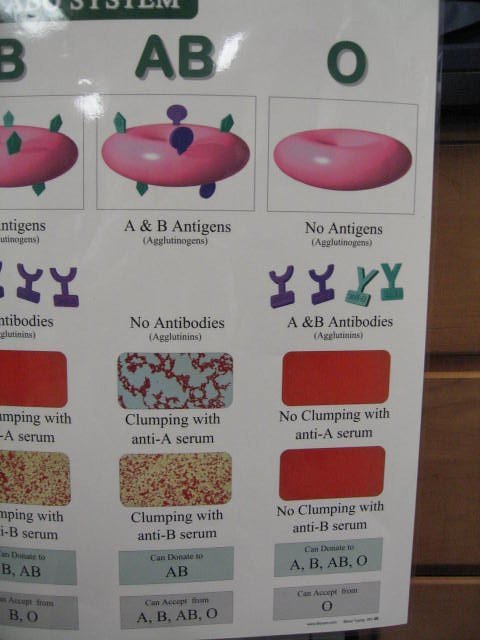
Karl Landsteiner, an Austrian biologist, noticed something peculiar while mixing blood samples in 1900. By 1901, he identified distinct human blood groups – A, B, AB, and O – explaining why transfusions often failed disastrously.[1][2]
This breakthrough made blood donations safe and routine. Today, it saves lives during surgeries, accidents, and births. Without it, emergency medicine would grind to a halt, as incompatible blood triggers deadly clots.
Insulin: Frederick Banting and Charles Best in 1921
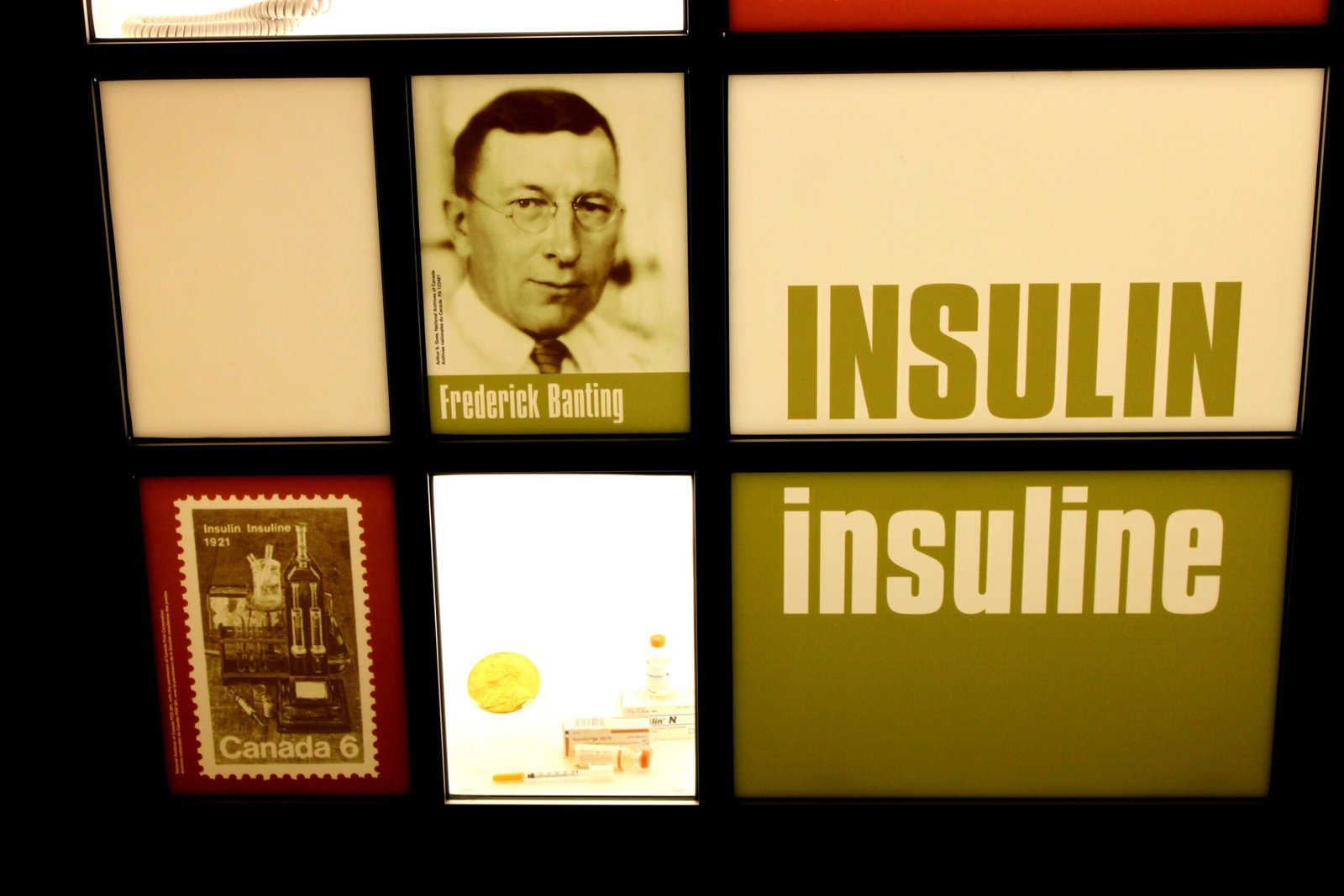
Frederick Banting, a Canadian surgeon, teamed with medical student Charles Best in 1921 to extract insulin from dog pancreases. Their experiments reversed diabetes symptoms in animals, proving the hormone’s vital role.[3][4]
Humans soon benefited, turning a fatal disease into a manageable one. Injections now allow millions to lead normal lives, from schoolchildren to athletes. This discovery slashed diabetes mortality and paved the way for biotech drugs.
Daily meals, exercise, and work become possible without constant fear.
Quasicrystals: Dan Shechtman’s 1982 Defiance
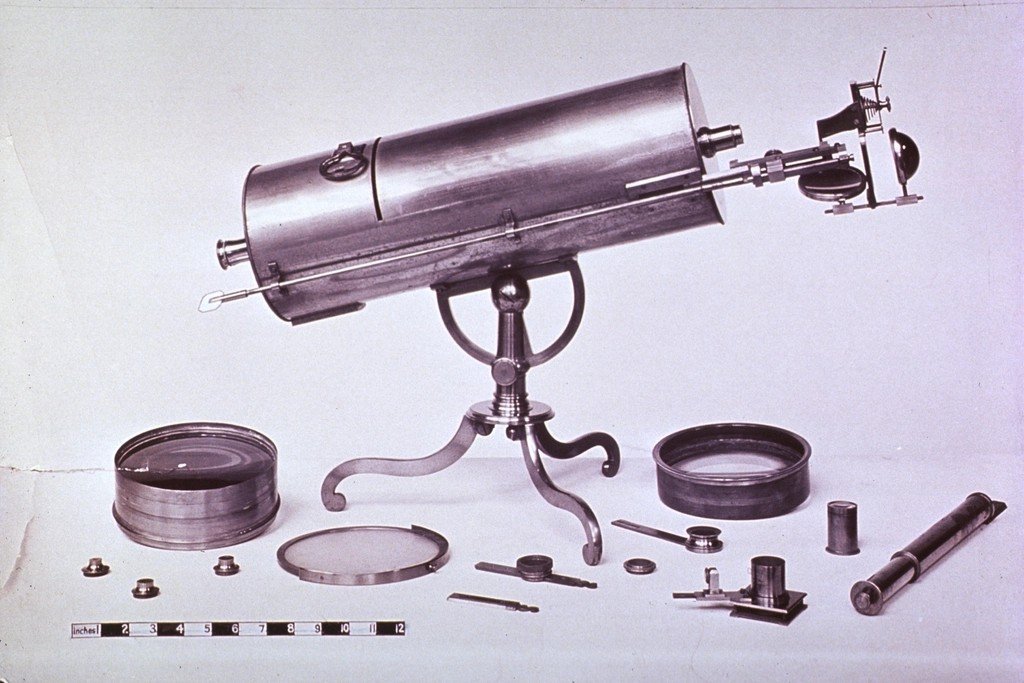
Israeli scientist Dan Shechtman spotted unusual patterns in aluminum-manganese alloy under an electron microscope in 1982. These quasicrystals defied traditional symmetry rules, earning ridicule before vindication.[5]
Practical uses emerged in durable coatings for engines and non-stick pans. They enhance LED efficiency and surgical tools too. Everyday items last longer and perform better thanks to this paradigm shift in materials science.
Buckminsterfullerene: Kroto, Curl, and Smalley in 1985
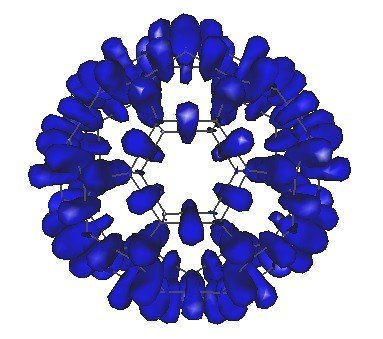
British chemist Harold Kroto joined Americans Robert Curl and Richard Smalley to vaporize graphite in 1985. They isolated C60, a soccer-ball-shaped carbon molecule dubbed buckyball.[6]
This fullerene family sparked nanotechnology. It influences drug delivery, stronger composites, and solar cells today. Subtle enhancements in medicine and electronics trace back to that cosmic-looking discovery.
Future batteries and cancer treatments build on its legacy.
Giant Magnetoresistance: Fert and Grünberg in 1988
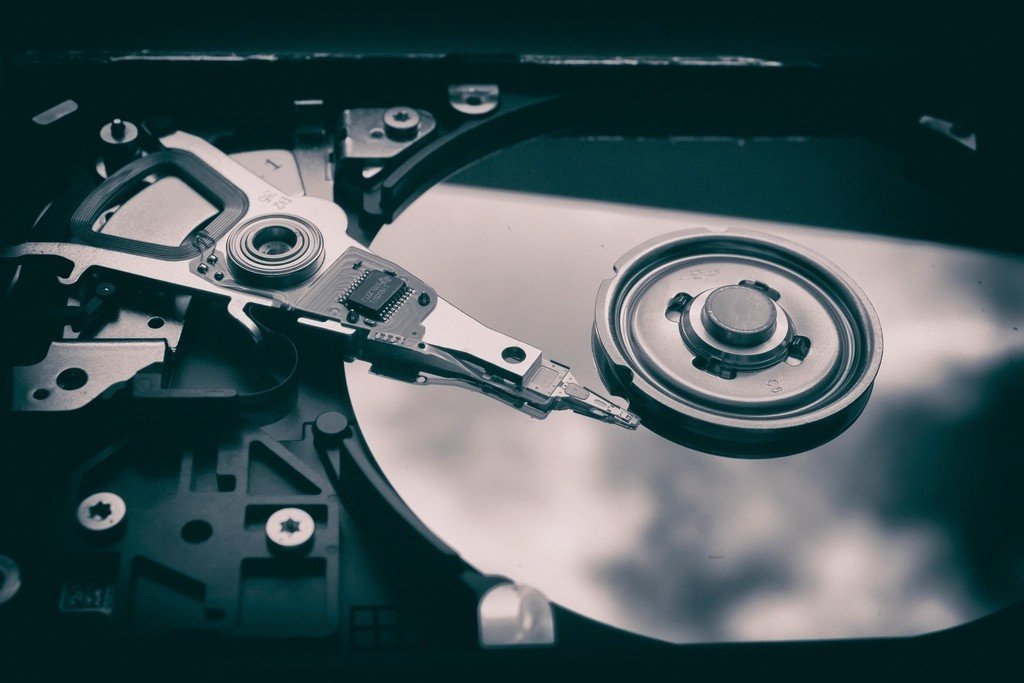
French physicist Albert Fert and German Peter Grünberg independently observed massive resistance changes in thin magnetic layers in 1988. This giant magnetoresistance effect miniaturized read heads.[7][8]
Hard drives exploded in capacity from megabytes to terabytes. Streaming videos, cloud storage, and smartphones owe their data hunger to it. Without GMR, digital life would crawl on outdated tech.
Flash Memory: Fujio Masuoka’s 1984 Invention
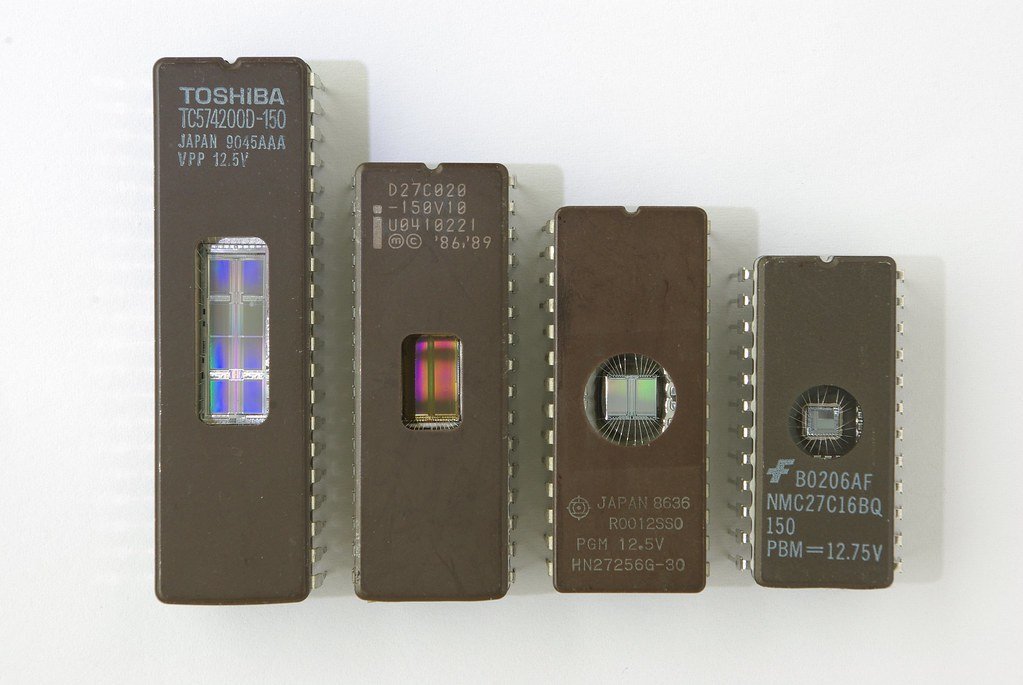
Toshiba engineer Fujio Masuoka devised electrically erasable memory in 1984, calling it flash for its speed. NOR and later NAND types stored data without power.[9]
USB drives, SSDs, and phone storage revolutionized portability. Photos, apps, and maps fit in pockets now. This non-volatile tech erased floppy disks from existence.
Entire libraries squeeze into keychains.
Fiber Optics: Charles Kao in 1966
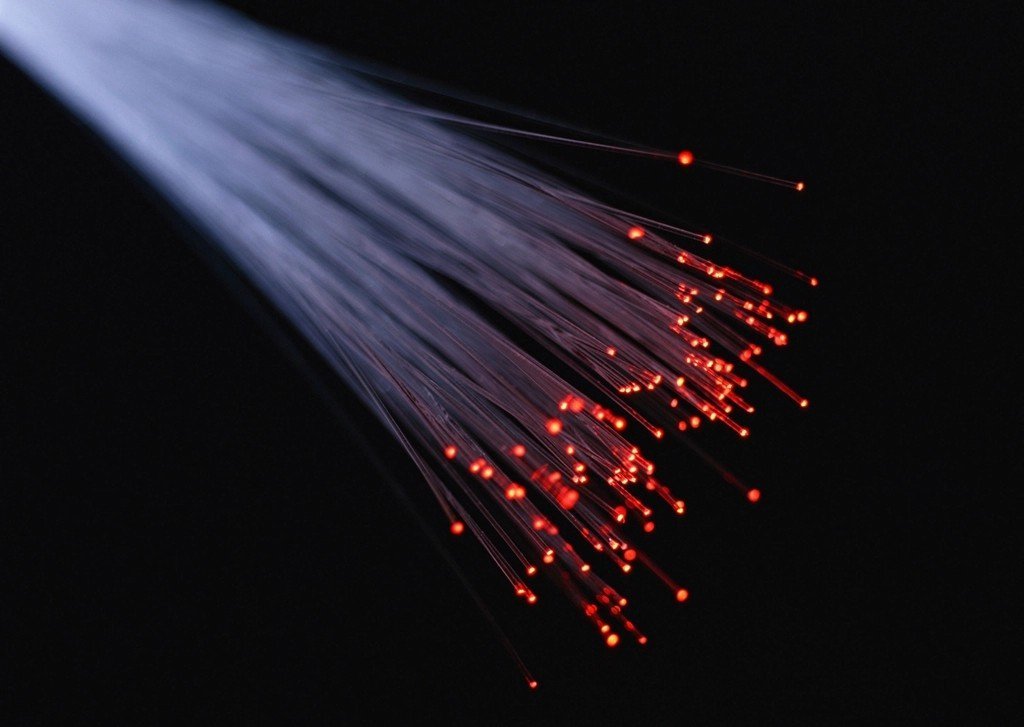
Chinese-born engineer Charles Kao argued in 1966 that pure glass fibers could carry light signals over long distances. His calculations spurred low-loss cable development.[10]
Internet speeds soared, enabling video calls and global trade. Undersea cables link continents daily. High-definition streaming and remote work rest on this backbone.
MRI Imaging: Paul Lauterbur in 1973
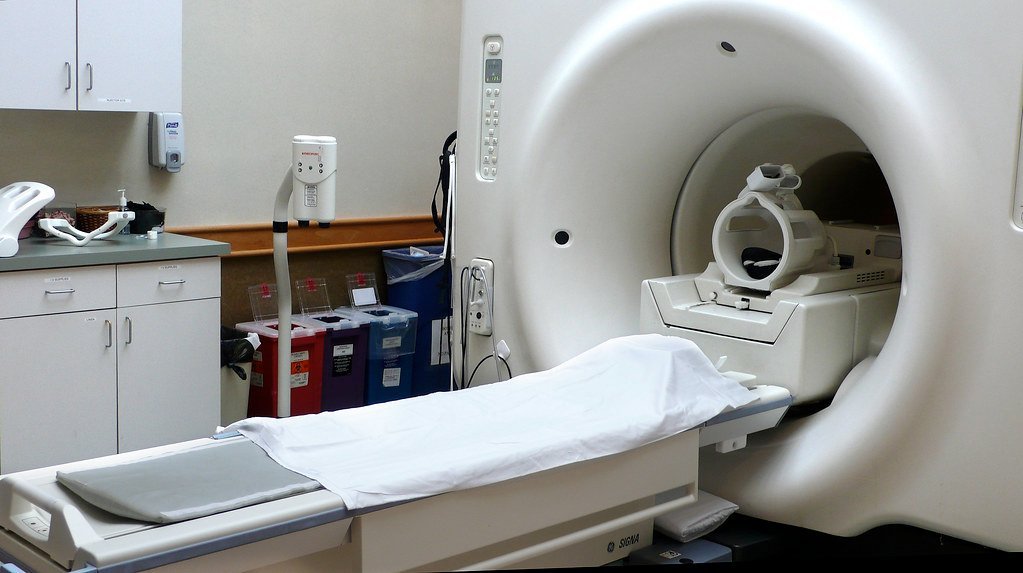
American chemist Paul Lauterbur used magnetic field gradients in 1973 to produce the first 2D NMR images. This laid MRI foundations for body scans.[11]
Doctors diagnose tumors, injuries without surgery. Routine scans guide treatments and checkups. Billions benefit from clearer, safer medical insights.
It transformed hospitals worldwide.
Visible LEDs: Nick Holonyak in 1962
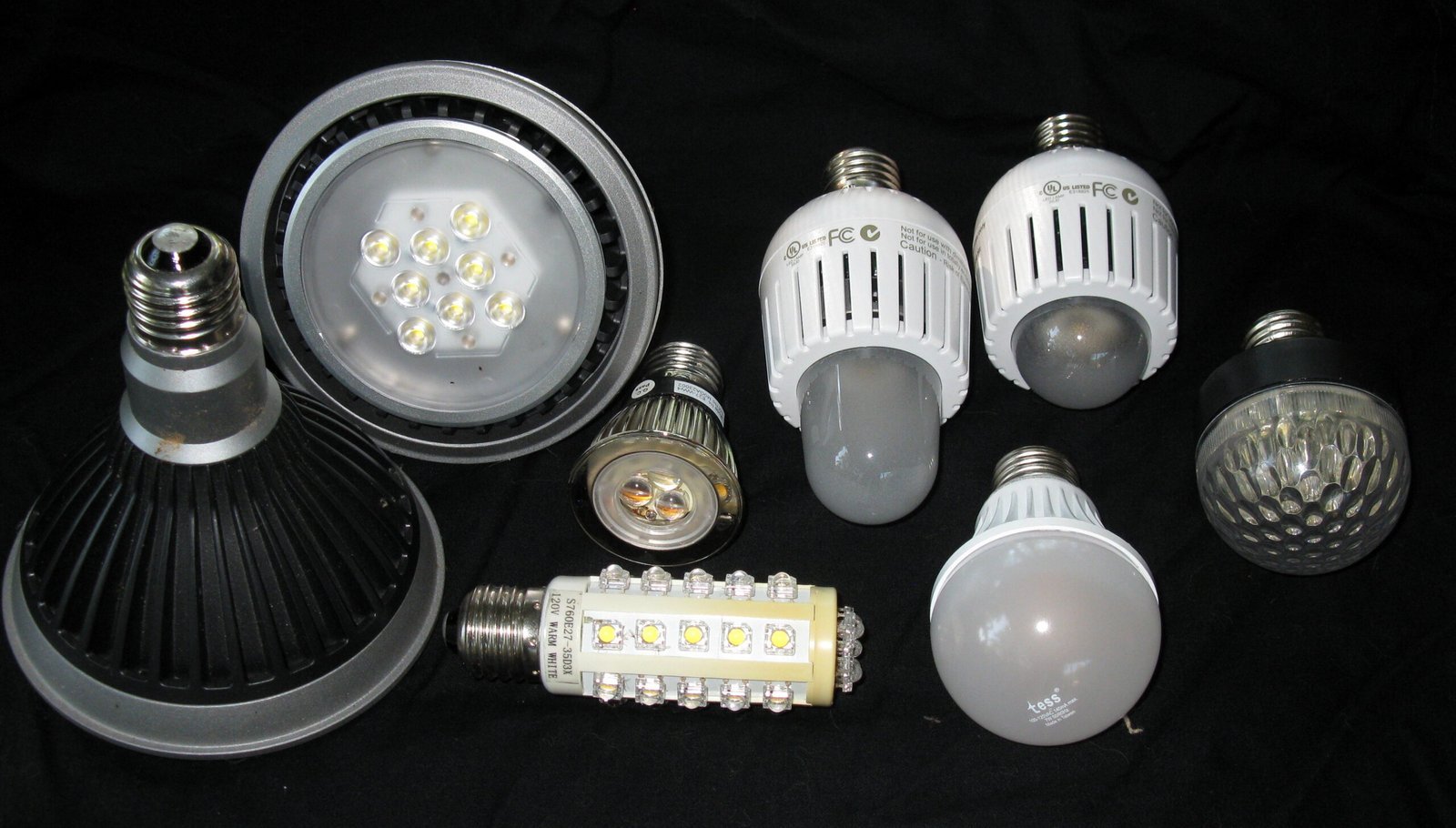
General Electric researcher Nick Holonyak crafted the first visible-spectrum LED in 1962, glowing red from gallium arsenide phosphide. It shifted from infrared.[12]
Traffic lights, TVs, and bulbs now use efficient LEDs. They slash energy bills and last decades. Screens in watches to billboards light daily paths.
Helicobacter Pylori: Marshall and Warren in 1982
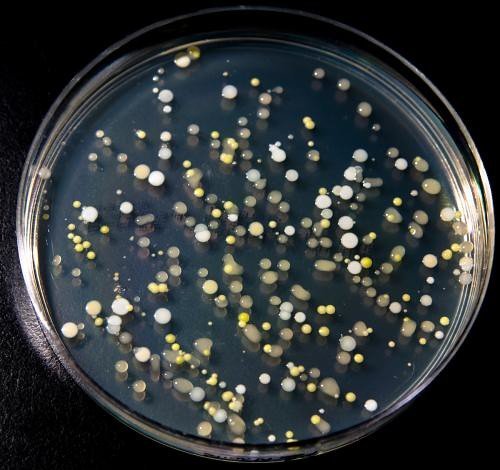
Australian pathologist Robin Warren and gastroenterologist Barry Marshall cultured spiral bacteria from stomachs in 1982. They linked Helicobacter pylori to ulcers.[13]
Antibiotics cure most cases, avoiding operations. Millions dodge pain and surgery yearly. Heartburn remedies shifted from acid blockers to bug zappers.
How These Discoveries Shape Our World
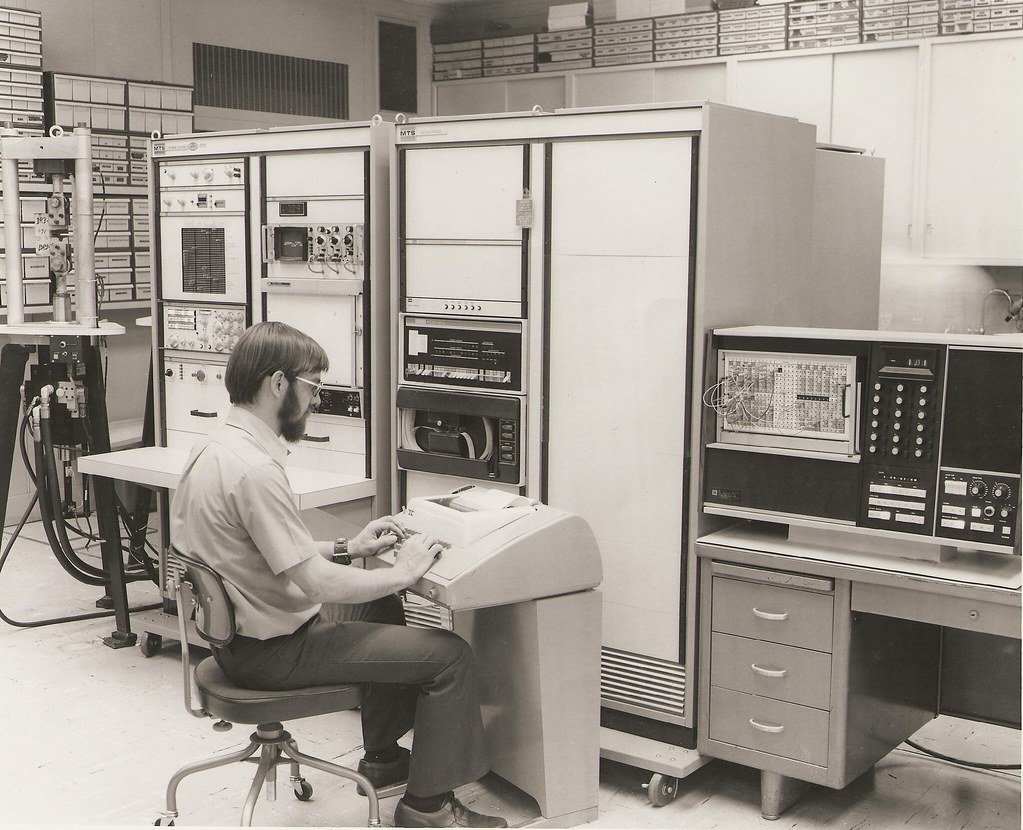
These 20th-century feats weave into the fabric of 2026 life. Blood flows safely, data zips invisibly, bodies heal without cuts. Quiet labs birthed conveniences taken for granted.
Science’s momentum continues, promising more hidden revolutions ahead. Each reminds us: curiosity compounds into everyday miracles.
CEO-Co-Founder
