

- Top 10 Movie Soundtracks of All Time - September 20, 2026
- The Surprising Benefits of Reading Books in Their Original Languages - September 19, 2026
- Top 10 Demanded Houseplants In The US – And How To Treat Them - September 19, 2026
Dance floors at modern festivals often pulse with energy drawn straight from the past. Vintage moves from the 1960s and 1970s, born in sock hops and disco clubs, find new life amid thumping bass and neon lights. These crazes captured a spirit of carefree expression that resonates today, bridging generations under the open sky.
Their simple steps and infectious rhythms made them instant hits back then. Crowds still break them out during retro sets or feel-good anthems, proving that good moves never truly fade. This lasting pull keeps festival vibes alive with a nod to history.
The Twist
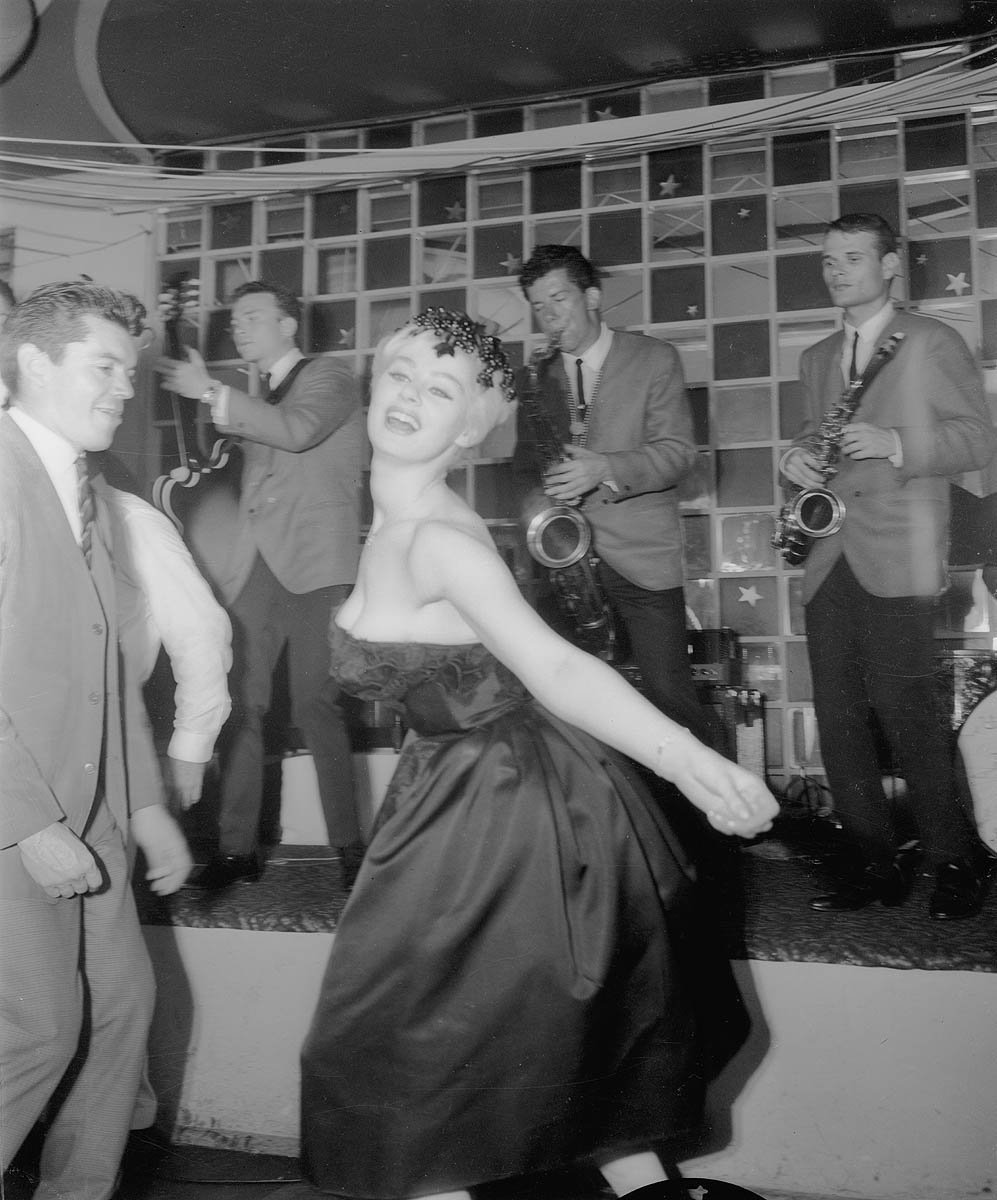
The Twist exploded onto the scene in 1960, thanks to Chubby Checker’s chart-topping hit.[1] Dancers simply shook their hips while keeping feet planted, mimicking towel-drying motions. It swept across America, from TV shows to high school gyms.
Its cultural impact reshaped social dancing, making partner work optional and solo flair king. Families and celebrities alike joined in, turning it into a national phenomenon. Today, festival-goers revive it during classic rock sets, its easy rhythm perfect for packed crowds.[2]
Mashed Potato
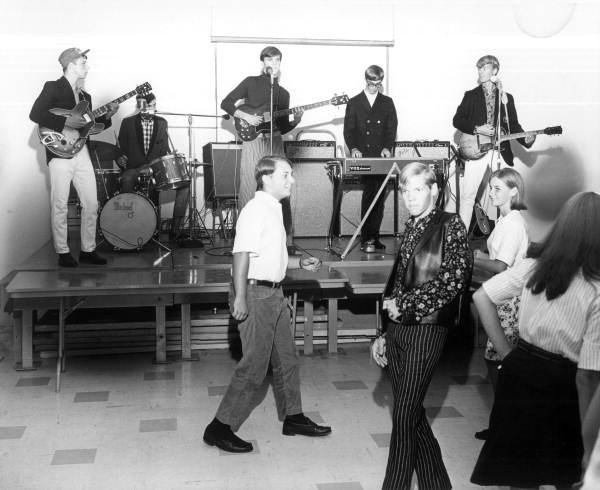
This quirky step hit big in 1962, popularized by Dee Dee Sharp’s song and James Brown’s live shows.[3] Dancers twisted one foot while sliding the other, like stirring a pot. It joined the wave of food-themed dances that defined early ’60s fun.
The craze boosted soul music’s reach and encouraged imaginative, humorous moves. Teens flocked to it at parties, adding flair to the era’s youth rebellion. Festivals now feature it in throwback moments, delighting older fans and intriguing the young.[2]
The Pony
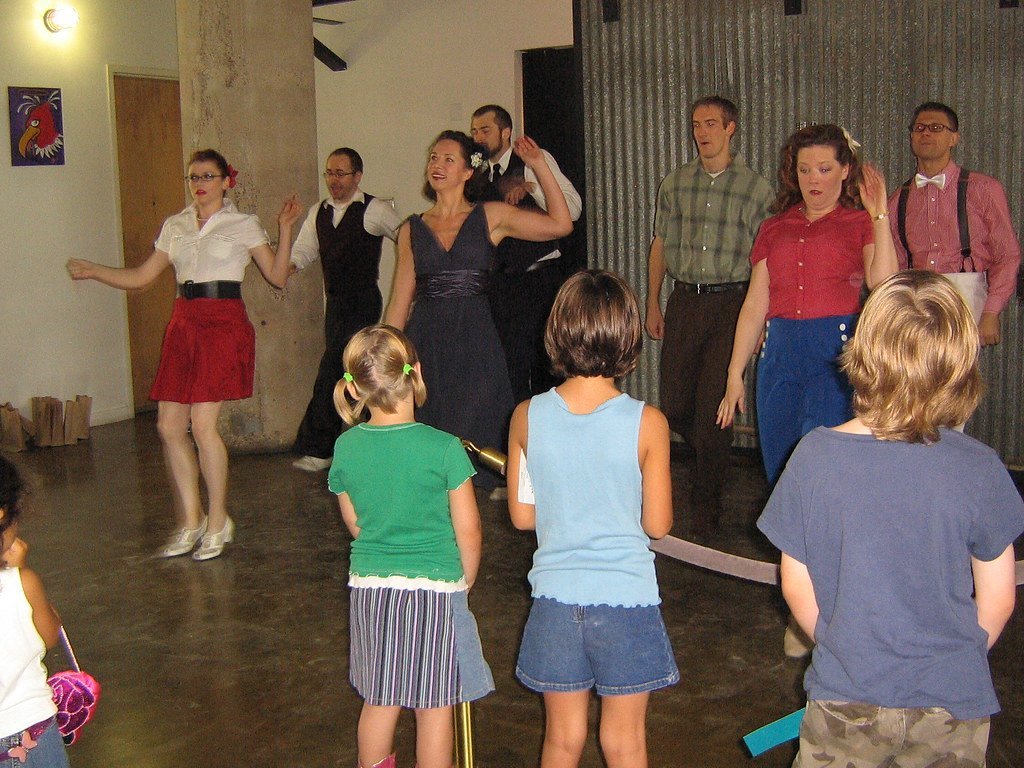
Emerging in 1961, The Pony rode high with Chubby Checker’s follow-up energy.[1] Performers trotted in place, swinging arms like a horse’s gallop. It captured the playful animal mimicry trend sweeping dance floors.
Culturally, it fueled the partnerless dance boom, empowering individuals on the floor. Radio play and TV demos spread it nationwide fast. At contemporary festivals, its bouncy vibe pops up in nostalgic line-ups, keeping spirits high.
Watusi
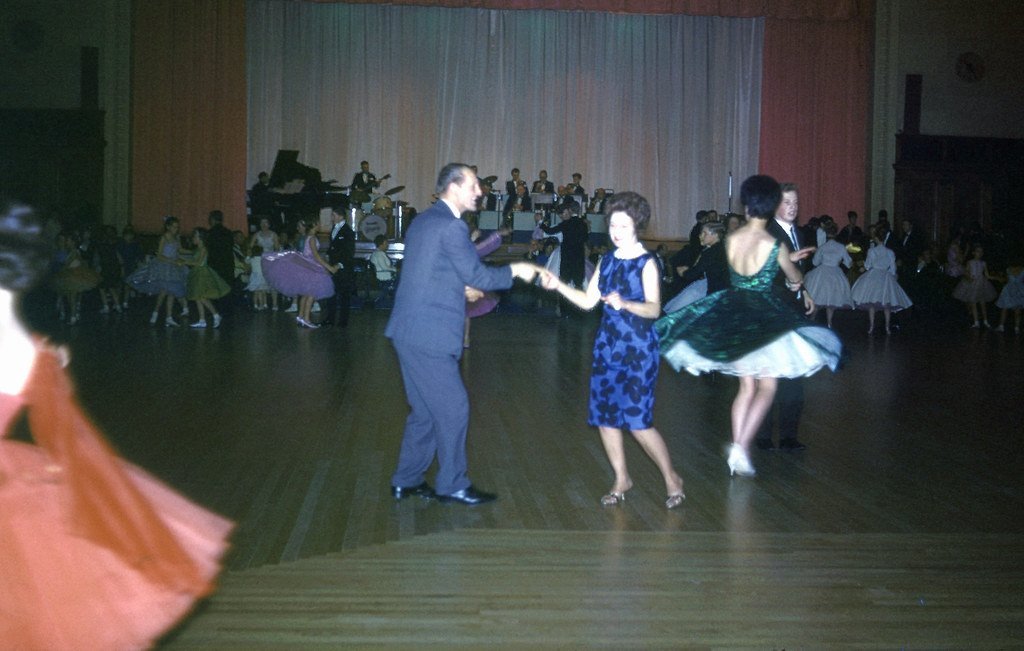
The Watusi swayed in during 1962, inspired by African tribal moves and Dee Dee Sharp’s tune.[1] Dancers rolled arms like waves while shifting weight side to side. It brought exotic flair to American teen culture.
Its impact highlighted growing interest in global influences amid civil rights shifts. Beach movies and sock hops made it a staple. Festival crowds still channel it during soulful grooves, its fluid motion timeless.
The Swim
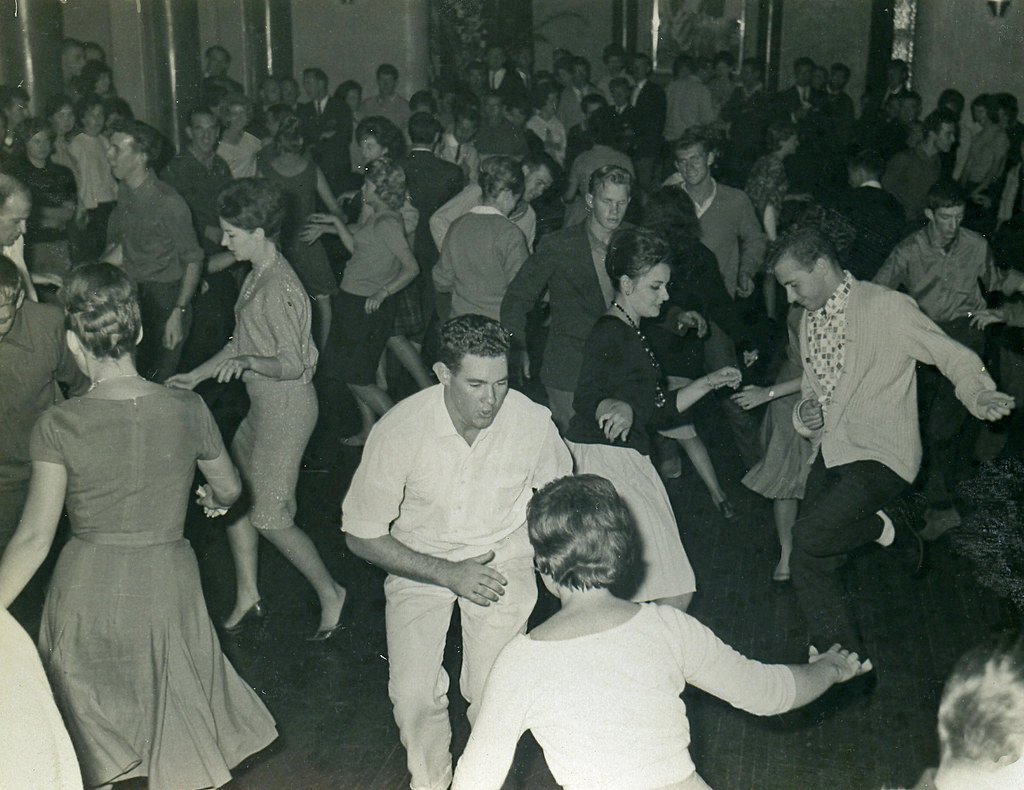
Launched in 1962, The Swim had dancers paddling arms as if breast-stroking through water.[1] Bobby Freeman’s song propelled its beachy, carefree appeal. It fit perfectly with summer party vibes.
The dance symbolized the era’s lighthearted escape from tensions. It appeared in films and variety shows, cementing its fame. Modern festivals resurrect it for funky breaks, adding whimsy to the mix.
The Monkey
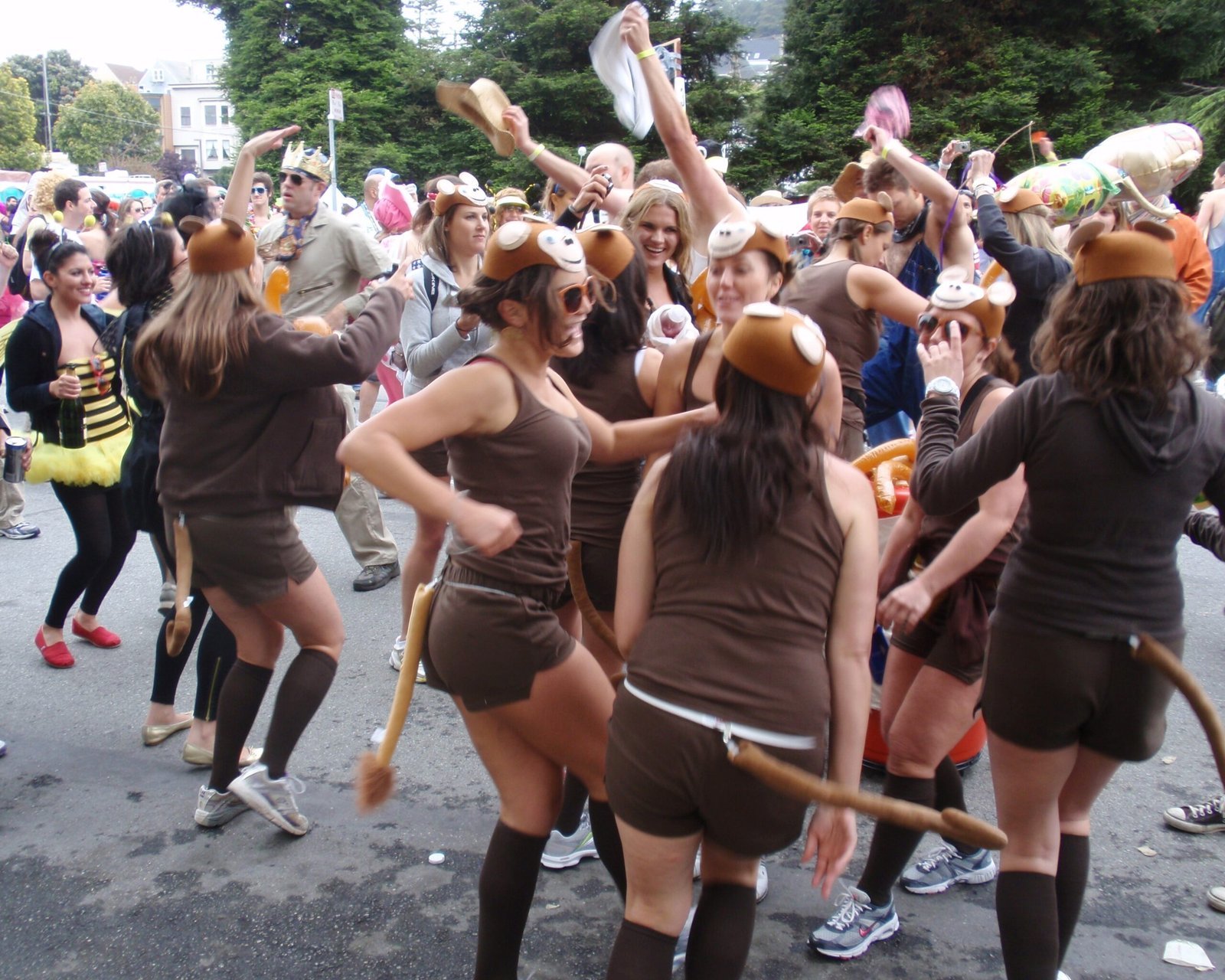
Major Gray’s 1963 hit sparked The Monkey, with arm-swinging and knee-bending ape imitations.[1] Quick, jerky motions defined its wild energy. It thrived alongside other animal dances.
Culturally, it amped up the silliness in youth gatherings, boosting R&B hits. TV performances helped it go viral before social media. Festival enthusiasts pull it out for high-energy throwbacks, loving the primal fun.
Hitch Hike
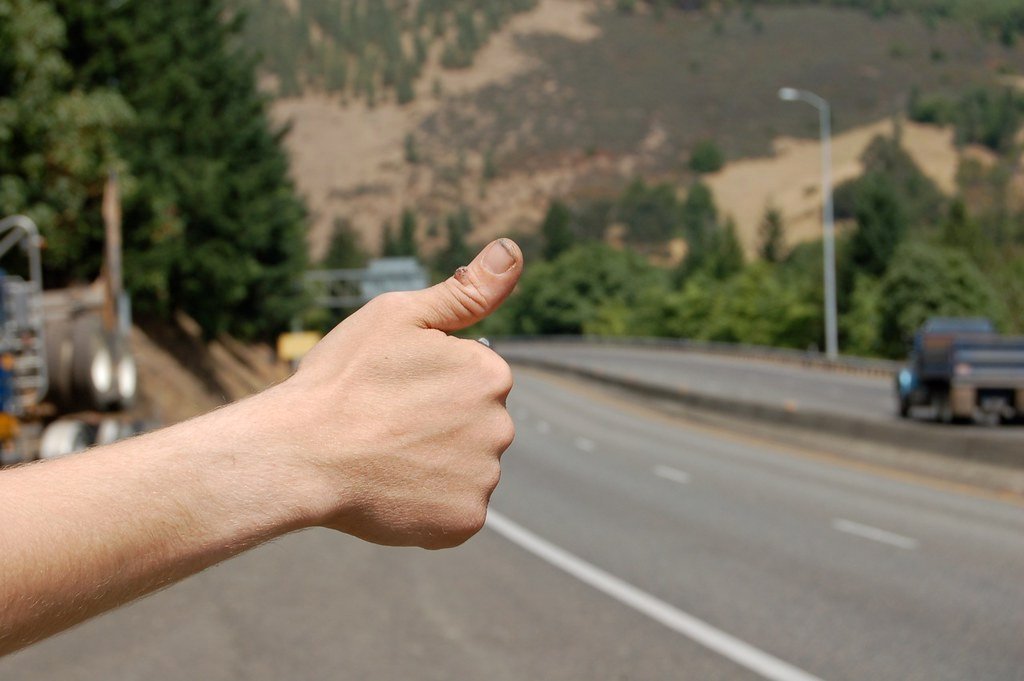
Marvin Gaye’s 1963 track birthed Hitch Hike, thumb-out gestures paired with hip shakes.[4] It evoked road-trip freedom in simple steps. Soul fans embraced it quickly.
The craze underscored Motown’s rising dominance in pop culture. Concerts and dances featured it prominently. Today, it surfaces at festivals during Motown revivals, thumb high and hips swaying.
Its narrative tie to travel added relatable charm.
The Frug
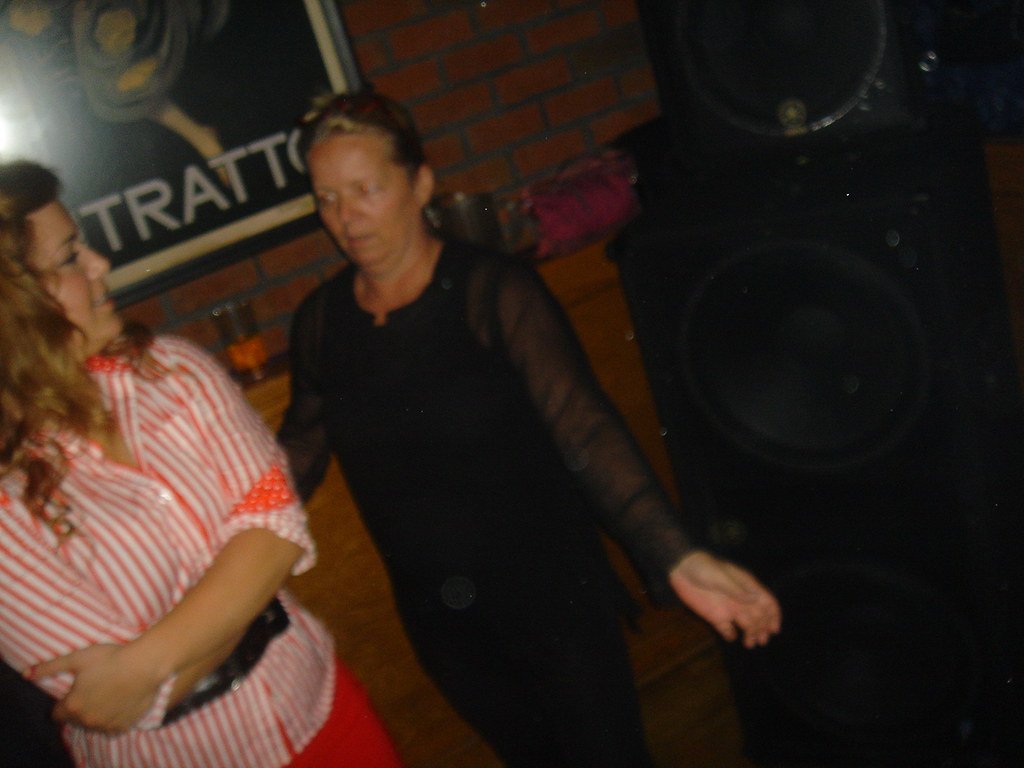
By 1964, The Frug shook up floors with sharp hip snaps and arm flicks.[1] Named after a fish, it evolved from earlier twists. Teens refined it into a cool staple.
It marked the shift toward edgier, mod styles in mid-’60s fashion and music. Surf rock and go-go scenes amplified its reach. Festivals keep it alive in surf or garage rock sets, its punchy style enduring.
The Hustle
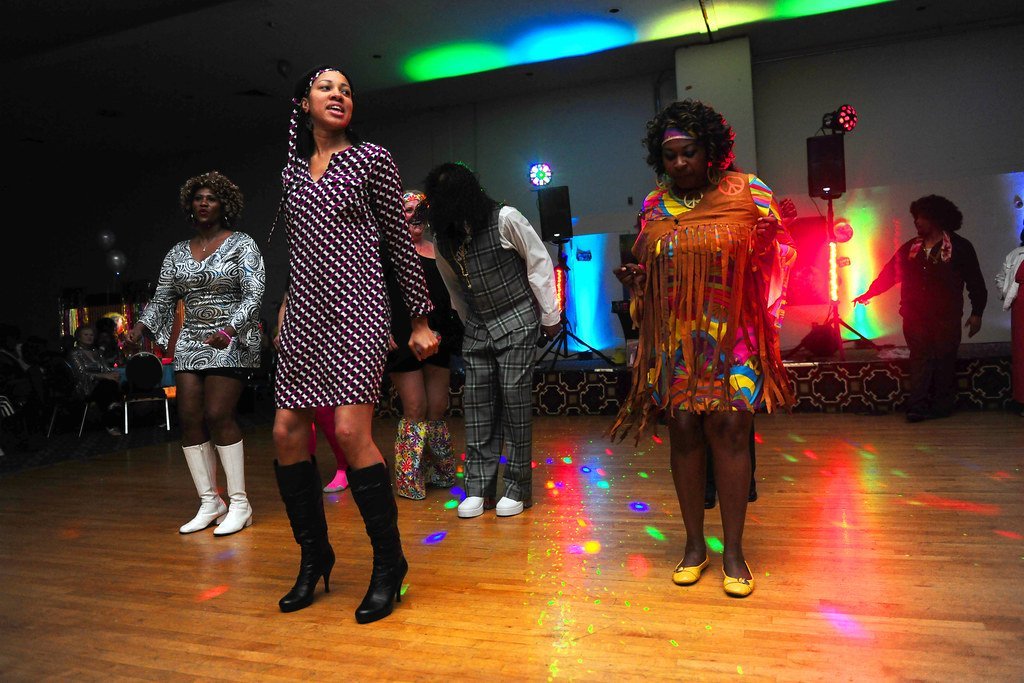
The Hustle dominated 1975 disco with Van McCoy’s inescapable disco hit.[5] Line or partner versions involved pointing and shuffling. Studio 54 crowds perfected it.
It ignited the disco explosion, filling clubs and crossing racial lines. Saturday Night Fever later echoed its fever. Festival dance tents host it during disco nights, lines forming effortlessly.
The Bump
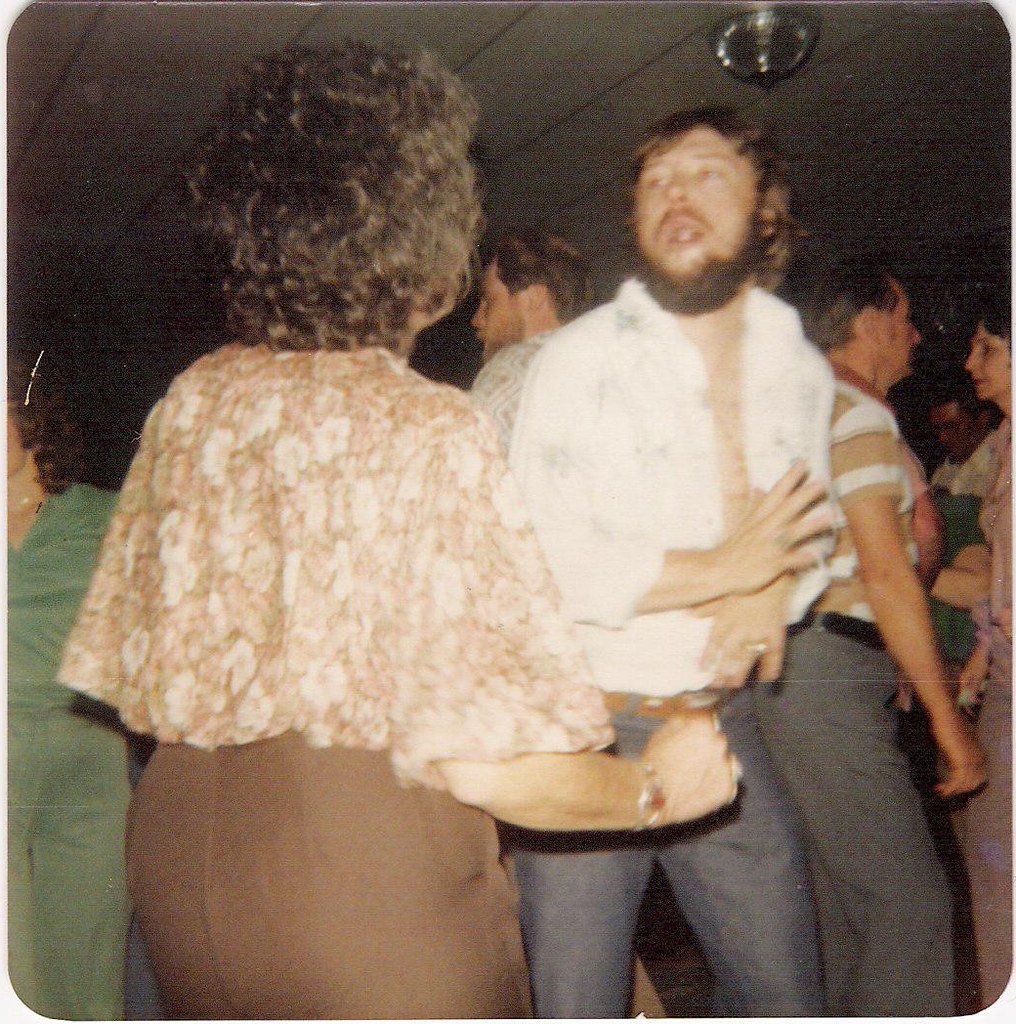
In the mid-1970s, The Bump had dancers hip-checking partners playfully.[6] Simple and bold, it matched disco’s physicality. Parties buzzed with its contact fun.
The move reflected the era’s flirtatious, high-energy nightlife. It appeared in countless ’70s clips and shows. At festivals, it sparks laughter in crowded, bumping crowds today.
Timeless Dance Movements
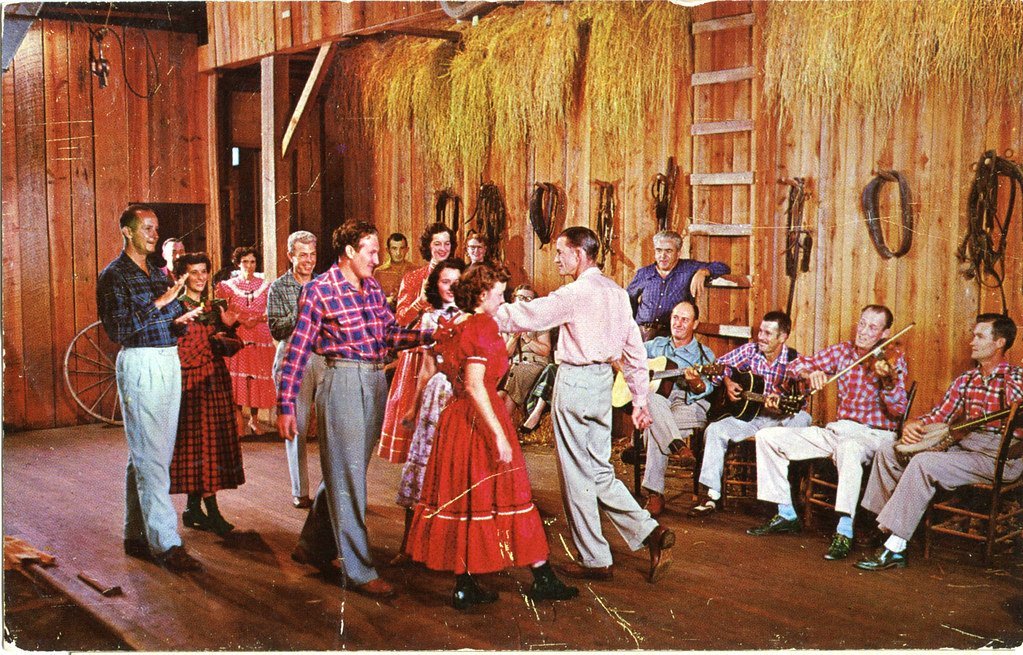
These 60s and 70s crazes prove dance thrives on simplicity and joy. Their steps, once fleeting fads, now weave into festival fabrics worldwide. Retro playlists and viral challenges keep them fresh for new crowds.
What endures is the communal spark they ignite. No matter the decade, a shared groove unites strangers. Next time beats drop, watch for a Twist or Hustle, and join the rhythm that never quits.

Besides founding Festivaltopia, Luca is the co founder of trib, an art and fashion collectiv you find on several regional events and online. Also he is part of the management board at HORiZONTE, a group travel provider in Germany.
