

- 20 Forgotten Writers Who Invented Modern Genres - September 21, 2026
- 10 Opening Lines That Were the Author’s Second Choice - September 21, 2026
- The 20 Quietest Songs That Leave the Loudest Impression - September 21, 2026
Great American writers often seem like solitary figures lost in thought. Their pages brim with insight and drama. Yet their own stories carried wild twists few could predict.
These lives pulsed with adventure, heartbreak, and sheer oddity. Such chaos fueled words that still echo today. Quiet reflection rarely defined them.
Edgar Allan Poe
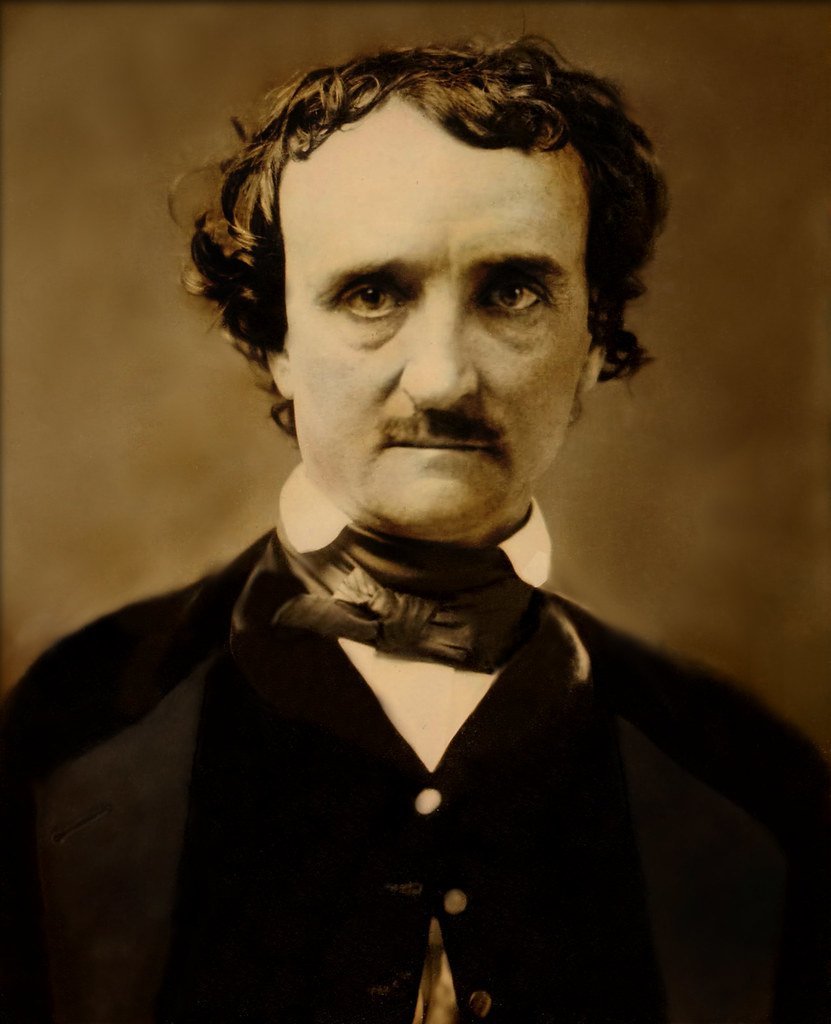
Poe bounced between foster homes after his parents died young. He racked up gambling debts at university, leading to family rifts. Later, his wife Virginia fell ill with tuberculosis, shadowing his final years in poverty and mystery.
These struggles seeped into tales like “The Raven” and “The Fall of the House of Usher.” Loss and madness became his hallmarks, turning personal torment into gothic chills. His work captured the fragility of the mind in ways that felt lived-in, not imagined.
Even his unexplained death in Baltimore fueled legends. Opium rumors swirled, but the raw edge of despair defined his legacy. Poe’s life proved a dark muse for American horror.
Mark Twain
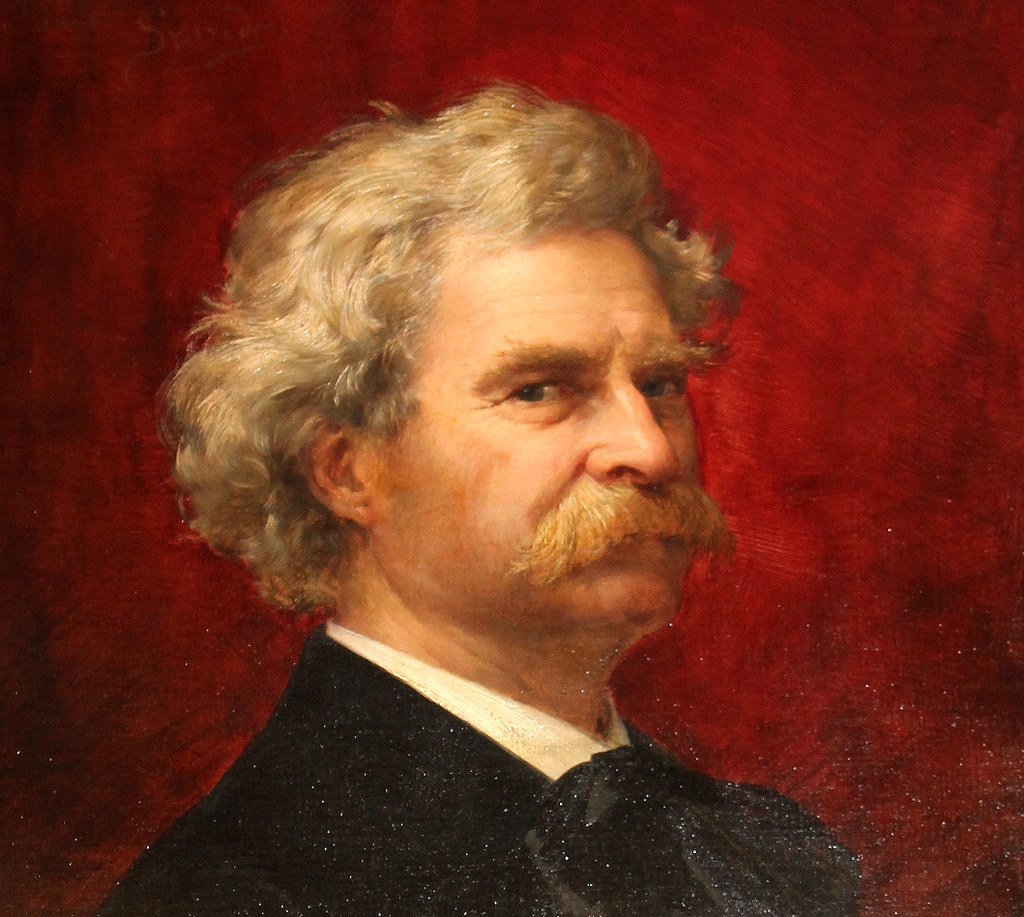
Twain, born Samuel Clemens, piloted steamboats on the Mississippi before striking gold in Nevada. Bankruptcy hit hard after bad investments, while diphtheria claimed his children one by one. He toured the world lecturing to pay debts, masking grief with sharp wit.
Adventures shaped “The Adventures of Huckleberry Finn,” blending river lore with social bite. Family losses added depth to his satire, like the quiet ache in “The Mysterious Stranger.” Twain’s humor hid a cynicism born from real blows.
He wore white suits year-round, a quirky trademark amid turmoil. That flair mirrored his voice, bold yet wounded. Life’s ups and downs sharpened his eye for human folly.
Ernest Hemingway
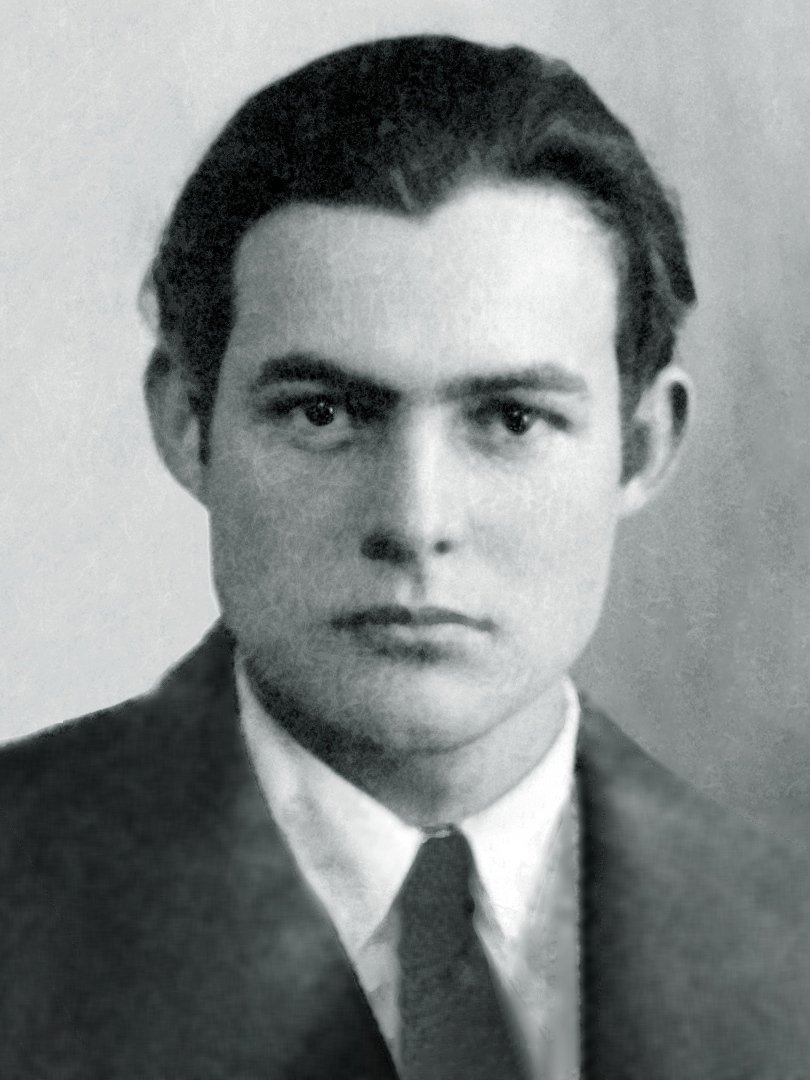
Hemingway chased wars as an ambulance driver in World War I, then covered the Spanish Civil War. Four marriages marked his path, alongside big-game hunts in Africa and deep-sea fishing. Concussions and depression haunted his later days, ending in suicide.
Such intensity forged his spare style in “The Old Man and the Sea.” Battlefield grit and lost loves echoed in “A Farewell to Arms.” He wrote what he lived, code of the brave man facing ruin.
Fishing tales from Cuba carried authentic salt. His bravado often concealed inner fractures. Those experiences lent his prose unshakeable force.
Even plane crashes in Africa added to the myth. Survival tales bled into fiction naturally. Hemingway embodied the rugged hero he penned.
F. Scott Fitzgerald
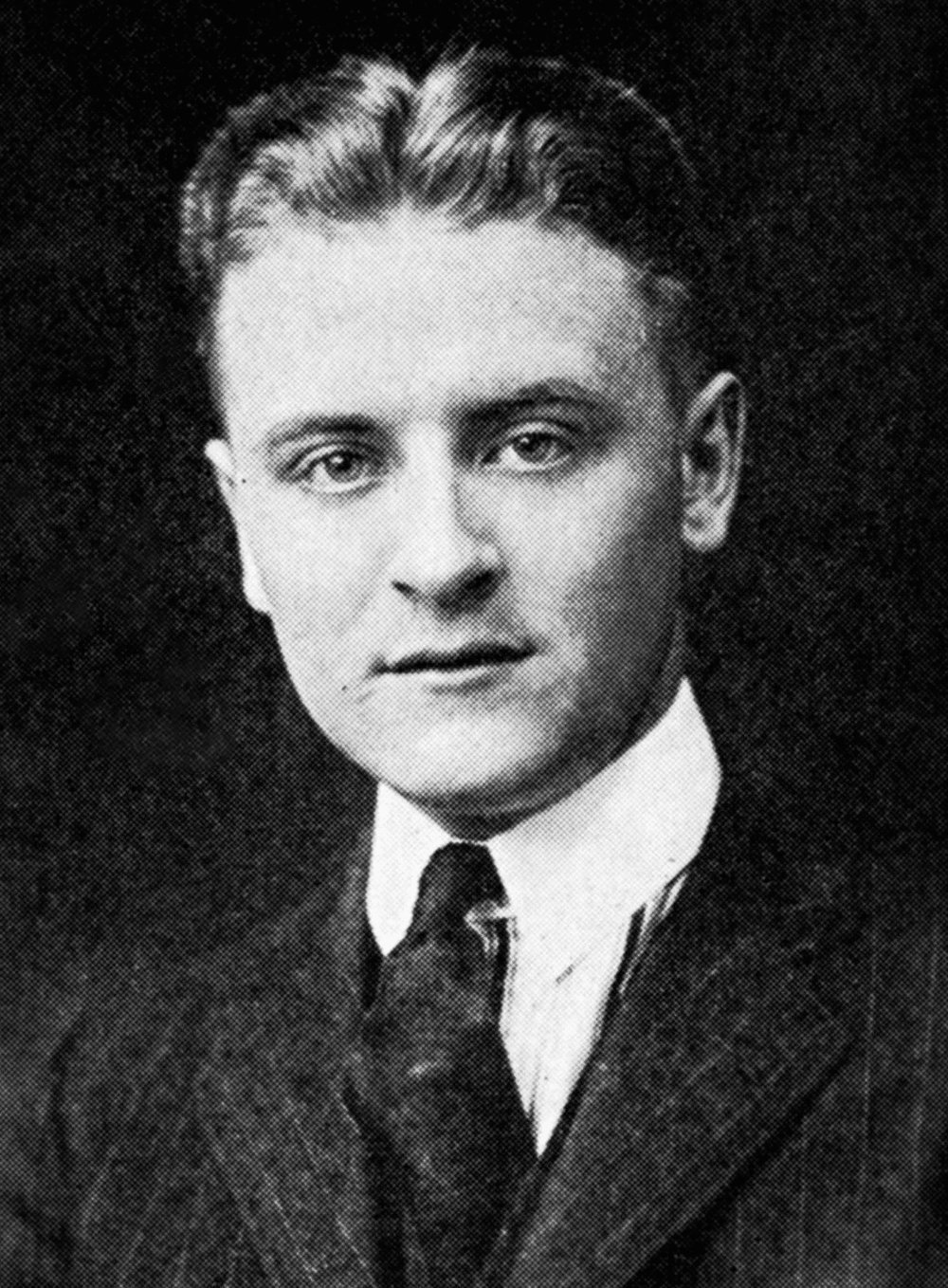
Fitzgerald partied through the Jazz Age with wife Zelda, both chasing glamour in New York and France. Alcohol gripped him young, while Zelda’s mental breakdowns led to institutions. Hollywood script work barely kept them afloat amid extravagance.
“The Great Gatsby” mirrored their glittering ruin, Jay Gatsby chasing a dream like Scott’s own. Zelda’s fire, once a spark, turned destructive, influencing his portraits of flawed beauty. Personal excess sharpened his critique of the American Dream.
He revised endlessly in asylums’ shadow. That discipline amid chaos produced timeless lines. Fitzgerald’s life was the novel he couldn’t escape.
Jack Kerouac
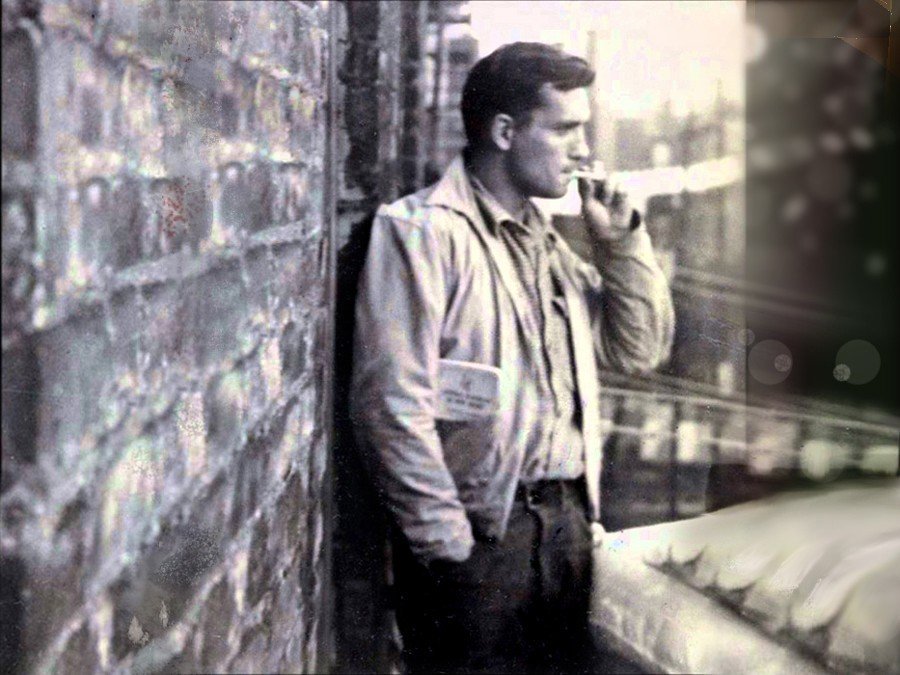
Kerouac hitchhiked across America with Neal Cassady, fueling endless road trips. He played football until injury sidelined him, then dove into jazz clubs and Buddhism. Alcohol consumed him by middle age, scribbling on rolls of paper in manic bursts.
“On the Road” captured that restless freedom, spontaneous prose mimicking cross-country highs. Buddhist quests added spiritual layers to his beatnik rants. Real miles driven lent urgency to escape dreams.
Mother’s basement became his writing den. Family ties grounded the wanderlust. Kerouac’s life raced like his sentences, unfiltered and urgent.
Fame overwhelmed the shy man behind the myth. Still, his raw energy reshaped youth culture. The road was his true co-author.
Truman Capote
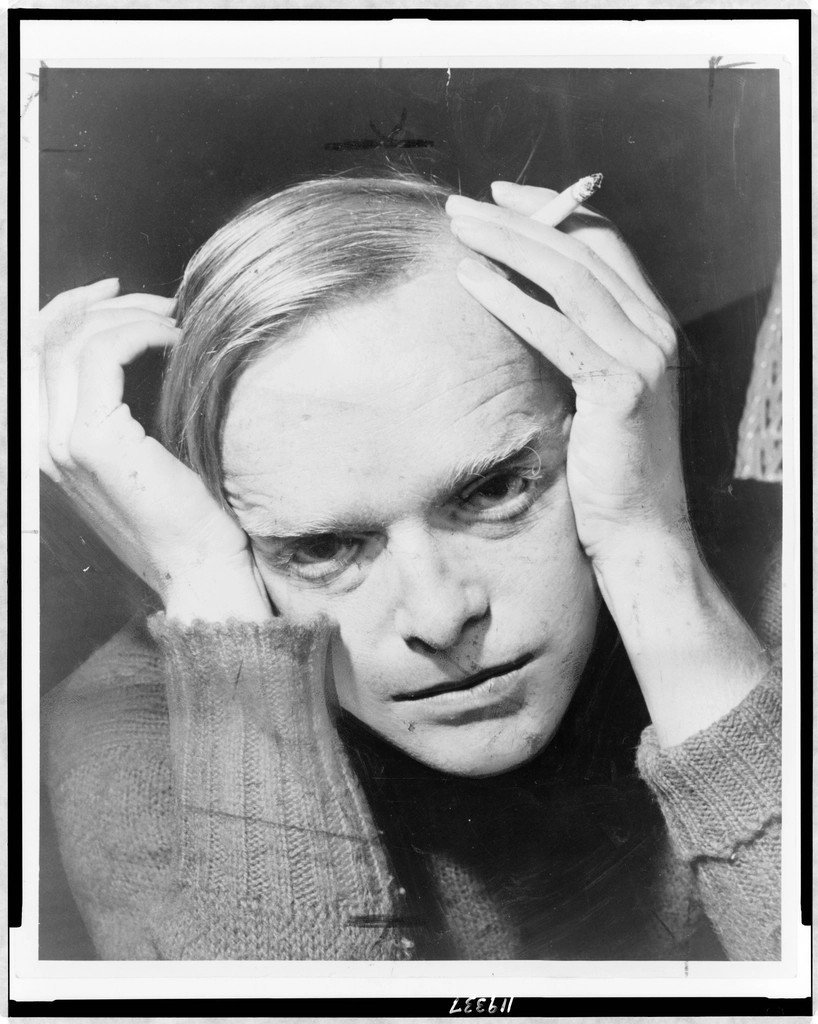
Capote grew up poor in the South, abandoned by parents early. He hobnobbed with New York elites, penning “Breakfast at Tiffany’s” amid high society. “In Cold Blood” obsessed him for years, blurring journalism and novel after murders shook Kansas.
That true-crime plunge birthed the nonfiction novel, raw details from killers’ mouths. Socialite betrayals later fueled his downfall, mirroring Holly Golightly’s fragile world. Personal reinvention echoed in his chameleon characters.
Black-and-white parties defined his sparkle. Yet isolation crept in with addiction. Capote’s flair made empathy piercing.
Hunter S. Thompson
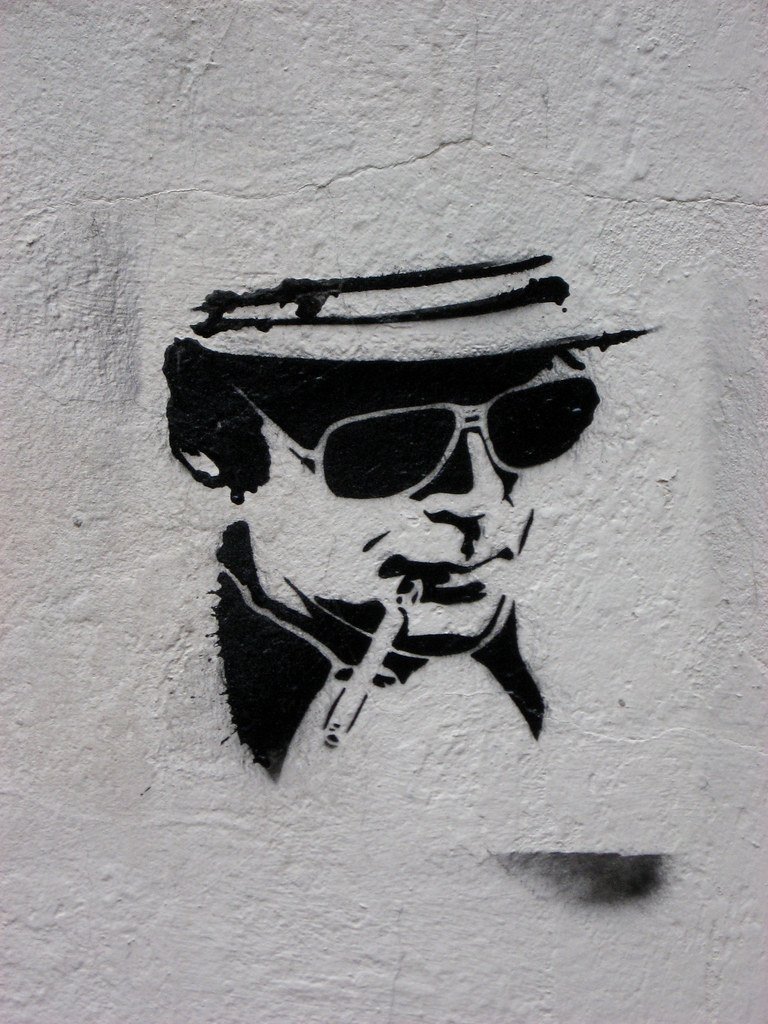
Thompson fired guns from his Kentucky porch, ran for sheriff on a freak platform, and toured with the Hell’s Angels. LSD-fueled rants birthed gonzo journalism, motorcycle chases his beat. Political campaigns and Vegas benders defined his chaos.
“Fear and Loathing in Las Vegas” exploded from drug haze, savage satire on American excess. Hell’s Angels immersion added brutal honesty to “Hell’s Angels.” He wrote as he lived, typewriter amid mayhem.
Running mate was a Chicano lawyer in shades. That absurdity sharpened his rage against the machine. Thompson’s life was performance art in ink.
Suicide closed the circle violently. His voice, wild and prophetic, endures. Gonzo became his unbreakable lens.
Lives That Breathed Into Literature
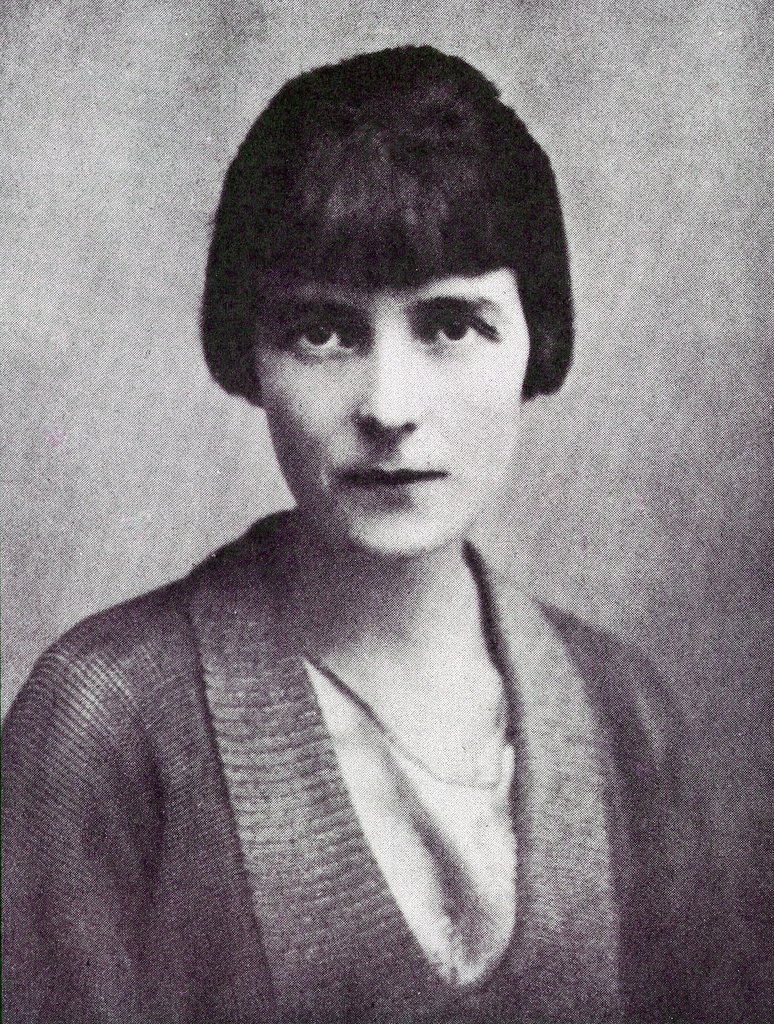
These authors turned personal storms into shared truths. Turmoil gave their words grit and heart. Quiet lives might yield tidy prose, but theirs roared with authenticity.
Drama sharpened their gaze on the human mess. Readers connect because the ink carries lived scars. In the end, eccentricity proved their greatest plot twist.

Besides founding Festivaltopia, Luca is the co founder of trib, an art and fashion collectiv you find on several regional events and online. Also he is part of the management board at HORiZONTE, a group travel provider in Germany.
