
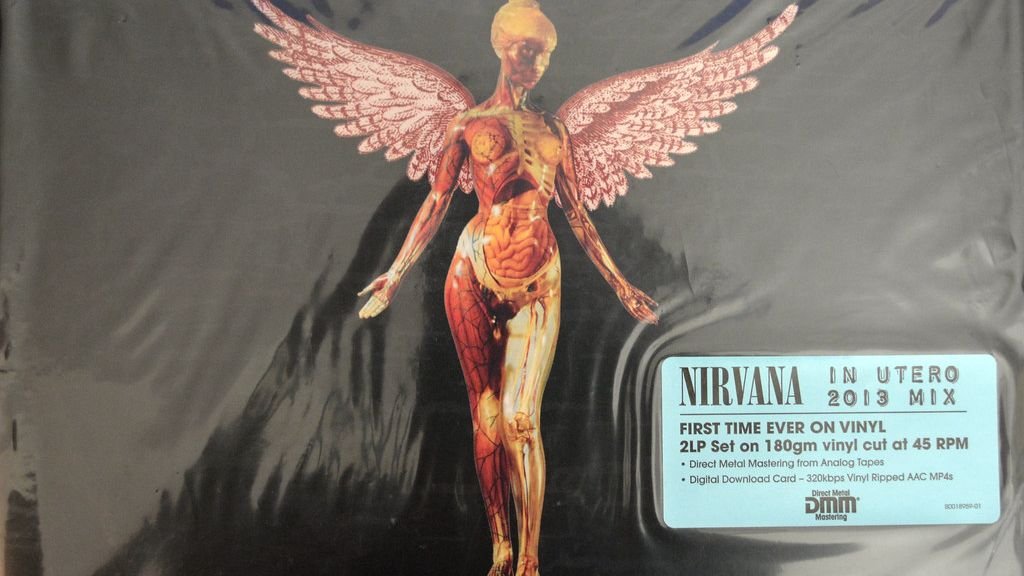

For any feedback please reach out to info@festivalinside.com
- 10 Music Videos That Changed How We See the Song - September 20, 2026
- 20 Books That Went Viral Before Going to Print - September 20, 2026
- Top 10 Movie Soundtracks of All Time - September 20, 2026
Hit singles grab the spotlight right away, blasting from radios and topping charts. Yet non-single tracks tucked deeper into classic albums often linger in the shadows at first. Fans rediscover them through repeated listens, live bootlegs, or online forums, turning them into quiet legends over decades.[1][2]
These deep cuts gain cult status slowly. They reward patience with intricate layers or raw emotion that singles sometimes gloss over. What starts as an overlooked moment becomes a favorite ritual for true devotees.
Fleetwood Mac’s Rumours: Silver Springs
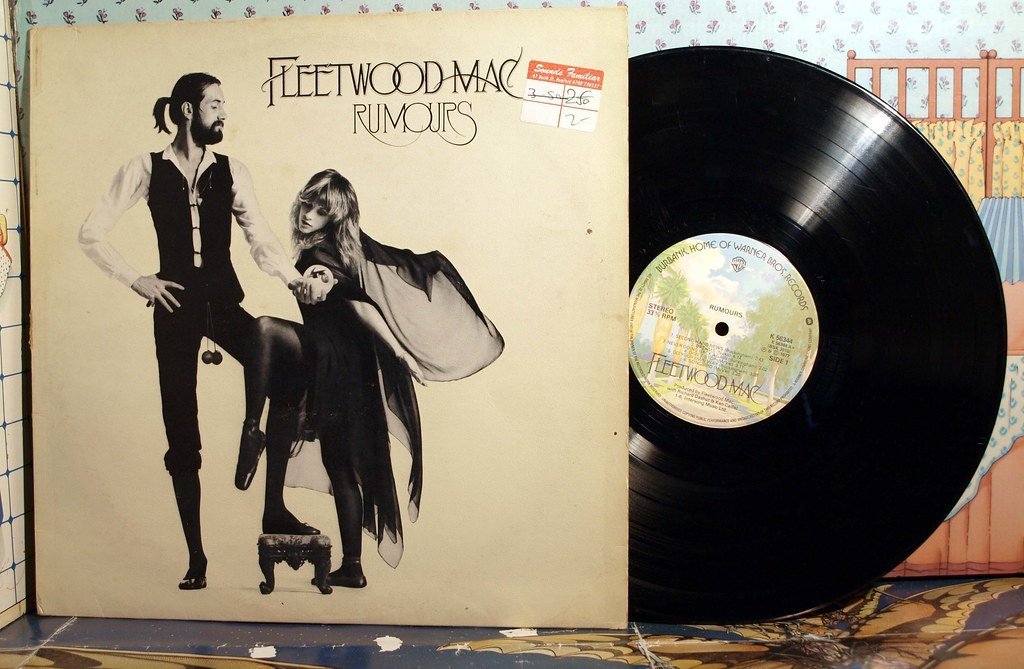
Fleetwood Mac’s 1977 masterpiece Rumours delivered massive hits like “Go Your Own Way.” Yet “Silver Springs,” initially relegated to a B-side, simmered with unresolved tension from Stevie Nicks’ breakup with Lindsey Buckingham. Fans clamored for it over time, pushing its inclusion on reissues and live sets.
The track’s haunting vocals and swelling drama make it a standout. It earned a Grammy nod in 1998 after years of grassroots love. Today, it rivals the album’s icons in emotional punch.[1]
Nirvana’s In Utero: Dumb
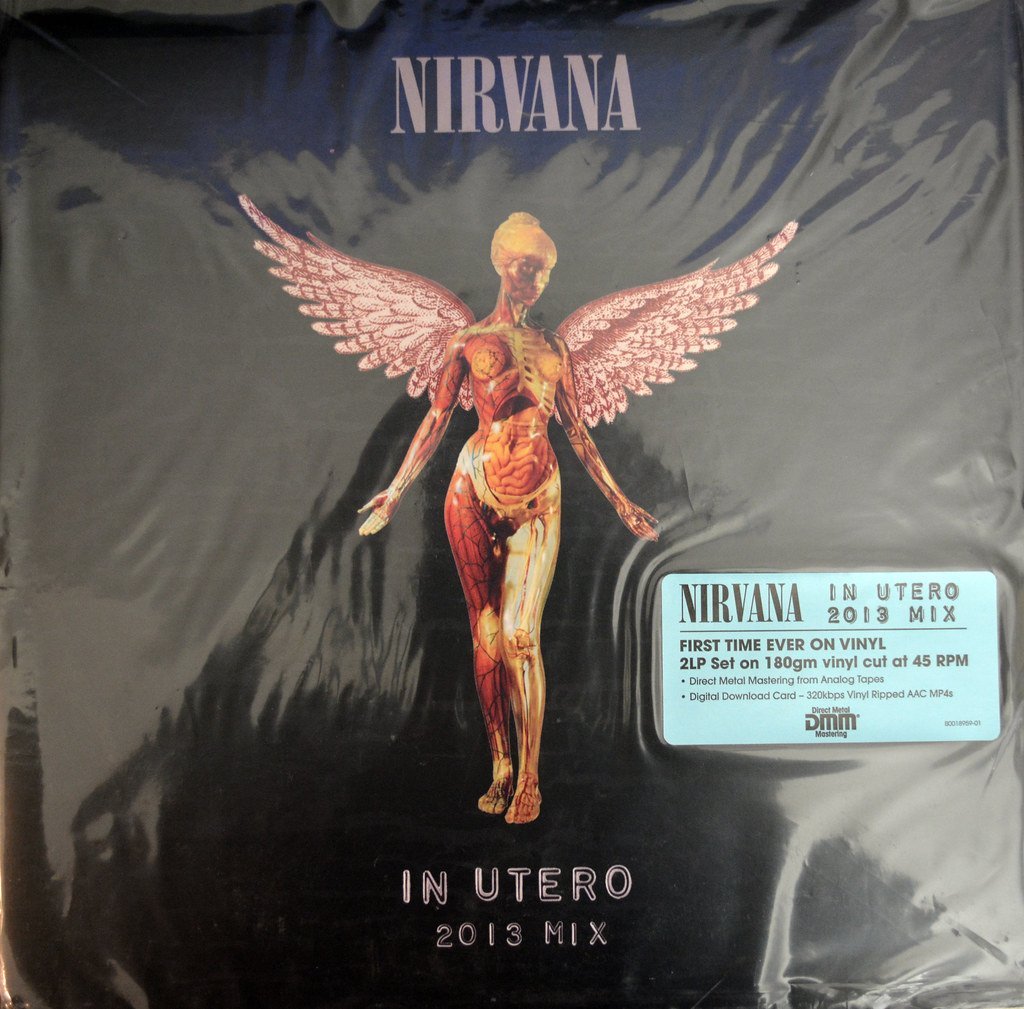
In Utero from 1993 packed grunge anthems amid Nirvana’s chaos. “Dumb” hid as a non-single, blending ukulele with bleak lyrics on numb escapism. Its Beatles-like melody contrasted the album’s rage, drawing in listeners who craved subtlety.
Over years, it surfaced in playlists and covers, cementing fan devotion. The song’s quiet despair mirrors Kurt Cobain’s world without overwhelming noise. It proves the album’s depth beyond “Smells Like Teen Spirit.”[1]
Bruce Springsteen’s Born in the U.S.A.: Downbound Train

Born in the U.S.A. in 1984 defined Springsteen’s blue-collar anthems. “Downbound Train” rode synth waves into a desperate tale of loss and drift. Never a single, its heartbreak built a steady following among E Street faithful.
The sparse arrangement amplifies the narrator’s fall. Fans now rank it with the album’s best for raw vulnerability. It lingers as a testament to overlooked storytelling power.[1][3]
Pink Floyd’s Meddle: Fearless
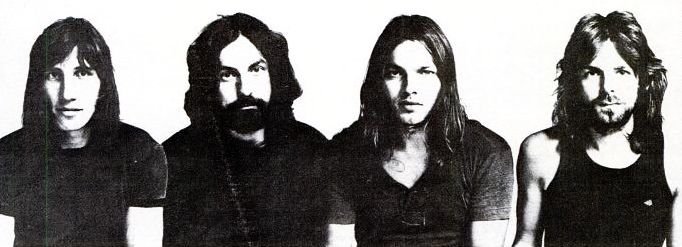
Meddle in 1971 bridged Pink Floyd’s experimental phase. “Fearless” opens acoustically, layering tension before fading into a crowd chant of “You’ll Never Walk Alone.” This non-single gem captures fragile resolve amid growing unease.
Its melodic warmth stands apart from epics like “Echoes.” Devotees cherish the subtle build and soccer terrace overlay. It rewards rewinds, revealing Floyd’s early mastery of mood.[2]
Led Zeppelin’s Physical Graffiti: Ten Years Gone
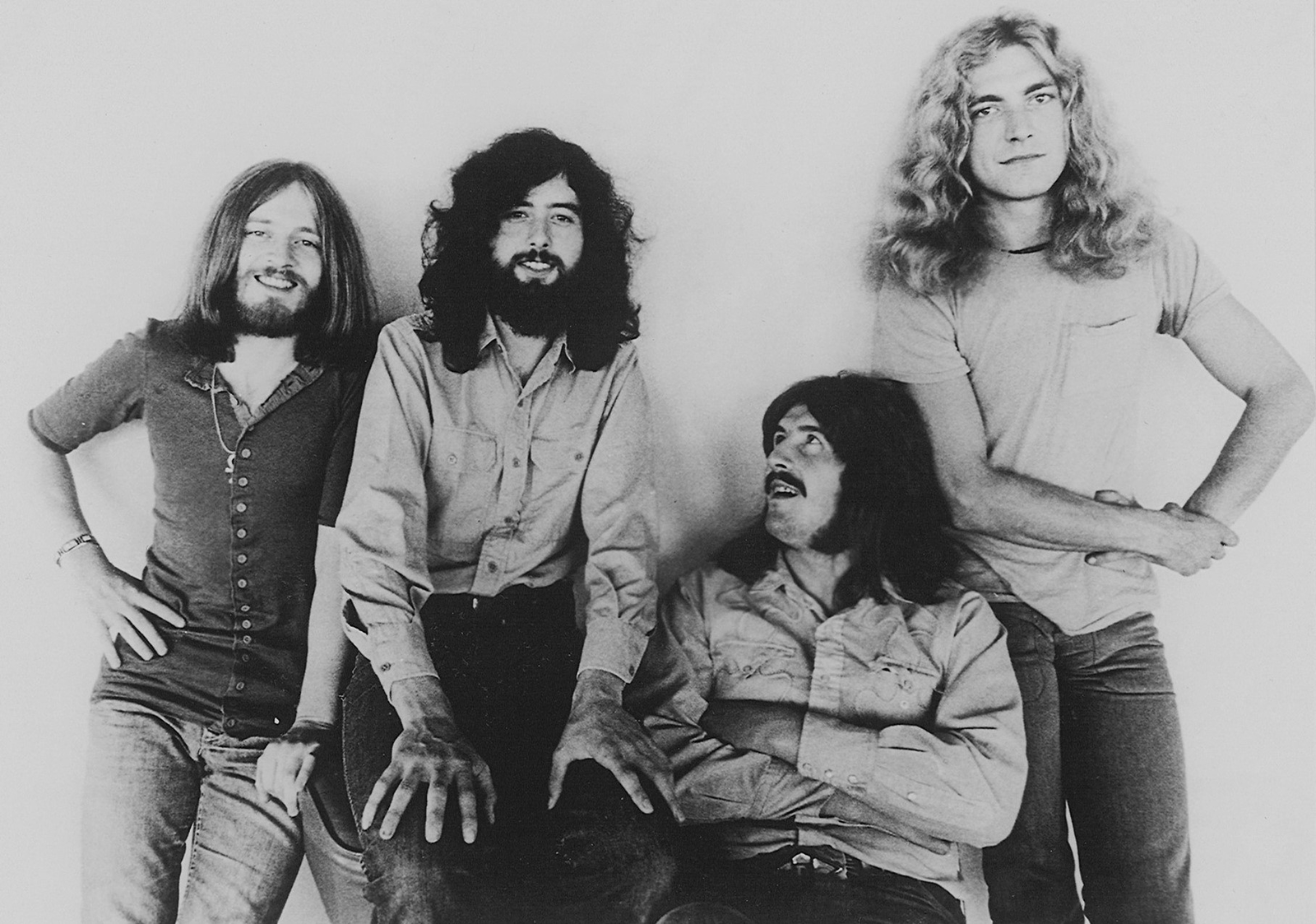
Physical Graffiti’s 1975 sprawl included “Kashmir.” “Ten Years Gone” evolved from an instrumental into a Plant-penned reflection on lost love. Layered guitars create a hypnotic sway that mesmerizes on repeat.
Many Zep heads call it the album’s pinnacle. Its emotional heft rivals “Stairway” in fan lore. The track showcases the band’s peak fusion of power and poetry.[2]
Rolling Stones’ Exile on Main St.: Sweet Virginia

Exile on Main St. from 1972 oozed gritty genius. “Sweet Virginia” dives into country shuffle with Jagger’s harp and sax flourishes. Tucked away, it embodies the Stones’ raw, unpolished soul.
Fans embrace its barroom warmth over flashier cuts. Harmonica drives the joy amid the album’s haze. It feels like a late-night jam that never quits.[2]
The Doors’ The Soft Parade: Shaman’s Blues
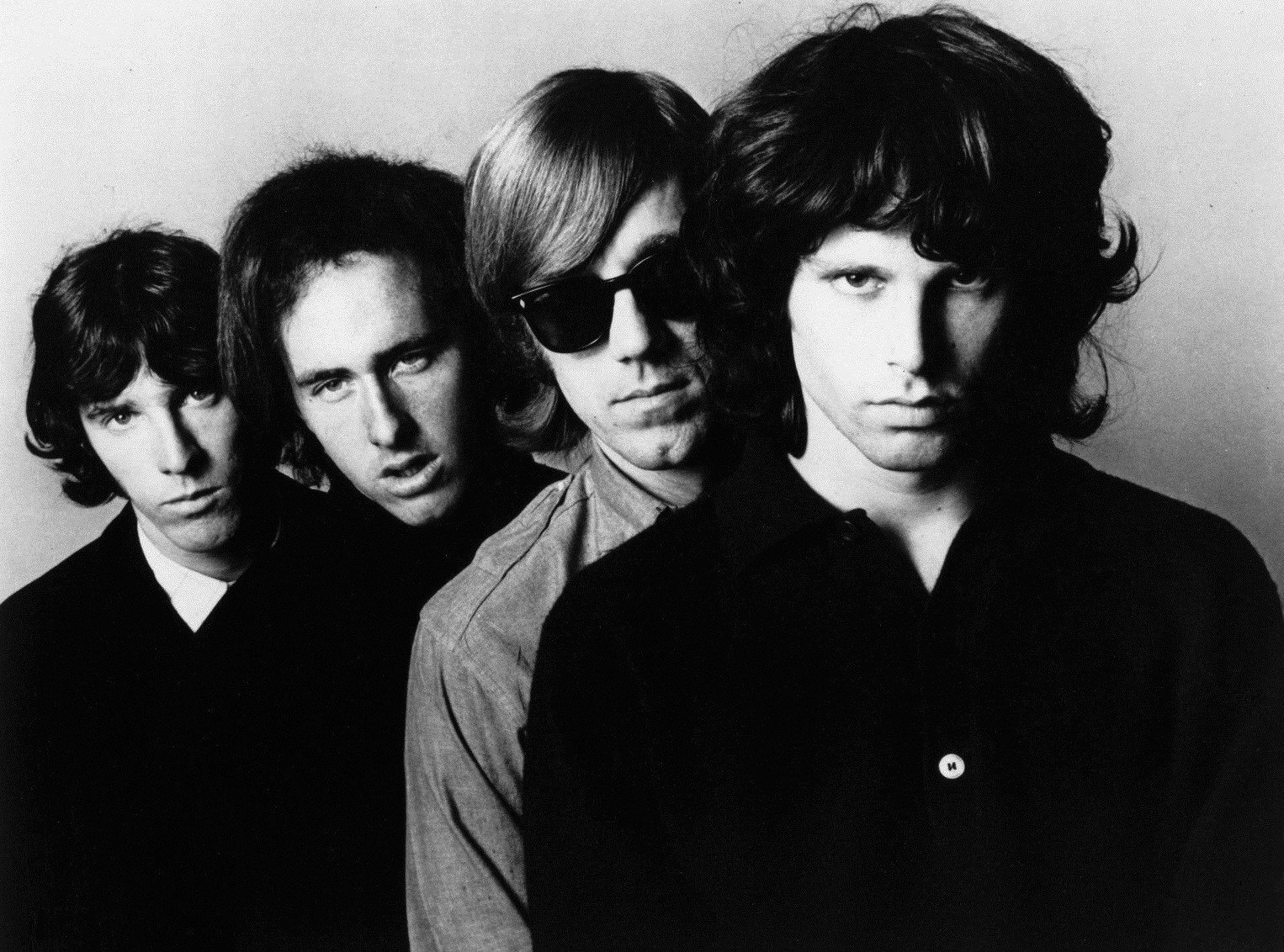
The Soft Parade in 1969 experimented with horns. “Shaman’s Blues” channels Morrison’s mystic poetry over brooding riffs. Brass accents add eerie depth without overpowering the vibe.
Doors diehards hail it as superior to singles. Its psychedelic introspection unfolds gradually. The song captures the band’s wild heart in quieter strokes.[4][3]
David Bowie’s Low: Always Crashing in the Same Car
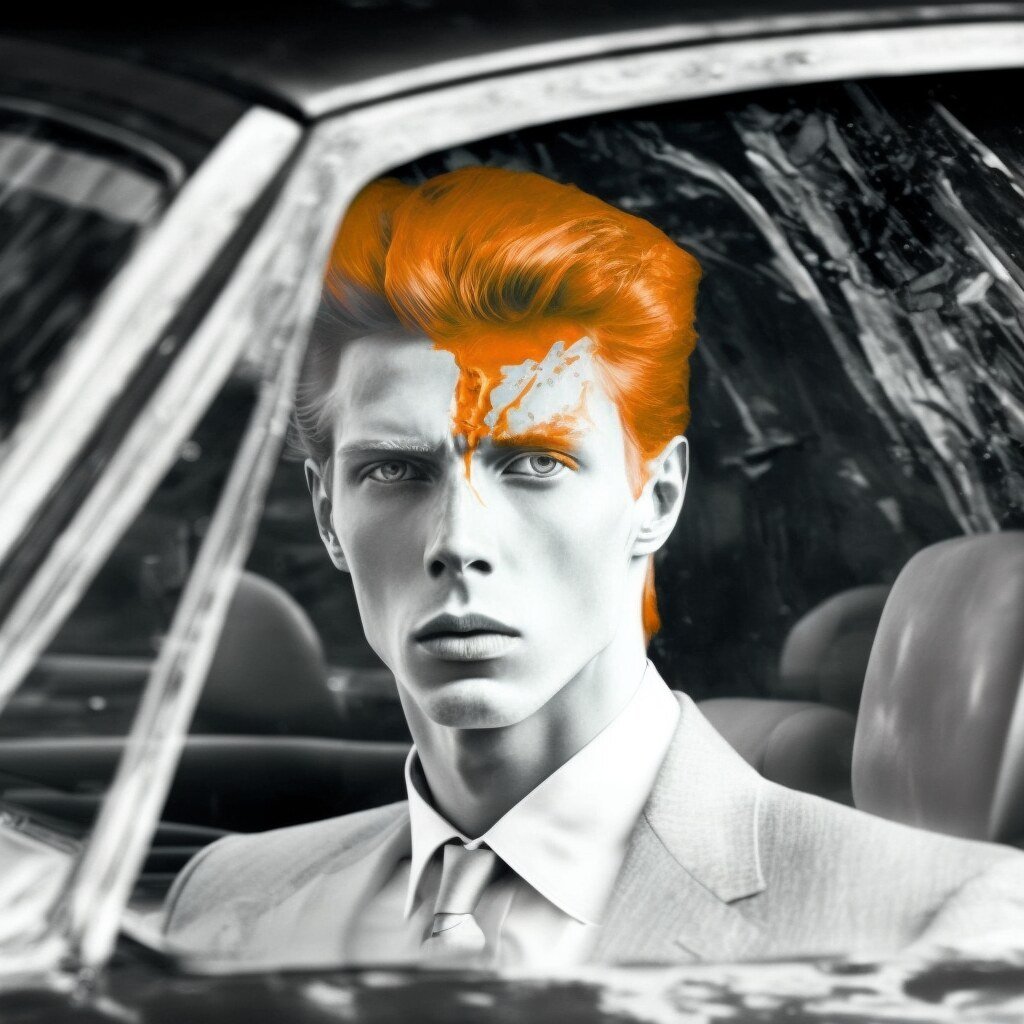
Low’s 1977 Berlin era split art rock and electronica. “Always Crashing in the Same Car” pulses with frantic guitars and Bowie’s detached howl. It mirrors personal turmoil in repetitive loops.
Fans dissect its cathartic drive on forums. The track’s energy rivals hits like “Sound and Vision.” It endures as a raw slice of Bowie’s reinvention.[3]
Hidden Gems Beyond the Hits

Classic albums thrive on these buried treasures. Singles hook the masses, but deep cuts forge lasting bonds with listeners. They invite endless discovery, proving albums hold more than first glances reveal.
Next spin, skip the familiar. Let the obscure pull you in. True gold often hides just past the shine.

Christian Wiedeck, all the way from Germany, loves music festivals, especially in the USA. His articles bring the excitement of these events to readers worldwide.
For any feedback please reach out to info@festivalinside.com
