


For any feedback please reach out to info@festivalinside.com
- 10 Music Videos That Changed How We See the Song - September 20, 2026
- 20 Books That Went Viral Before Going to Print - September 20, 2026
- Top 10 Movie Soundtracks of All Time - September 20, 2026
Street festivals hold a unique power to redefine quiet towns. They turn ordinary roads into stages for shared joy, drawing crowds that linger long after the event ends. Over time, these gatherings weave new threads into a place’s story, blending local traditions with fresh energy.
What begins as a local whim often sparks wider recognition. Businesses thrive on the influx. Residents find pride in their corner of the world, suddenly spotlighted. Such shifts happen gradually, rooted in community spirit and visitor appeal.
La Tomatina in Buñol, Spain
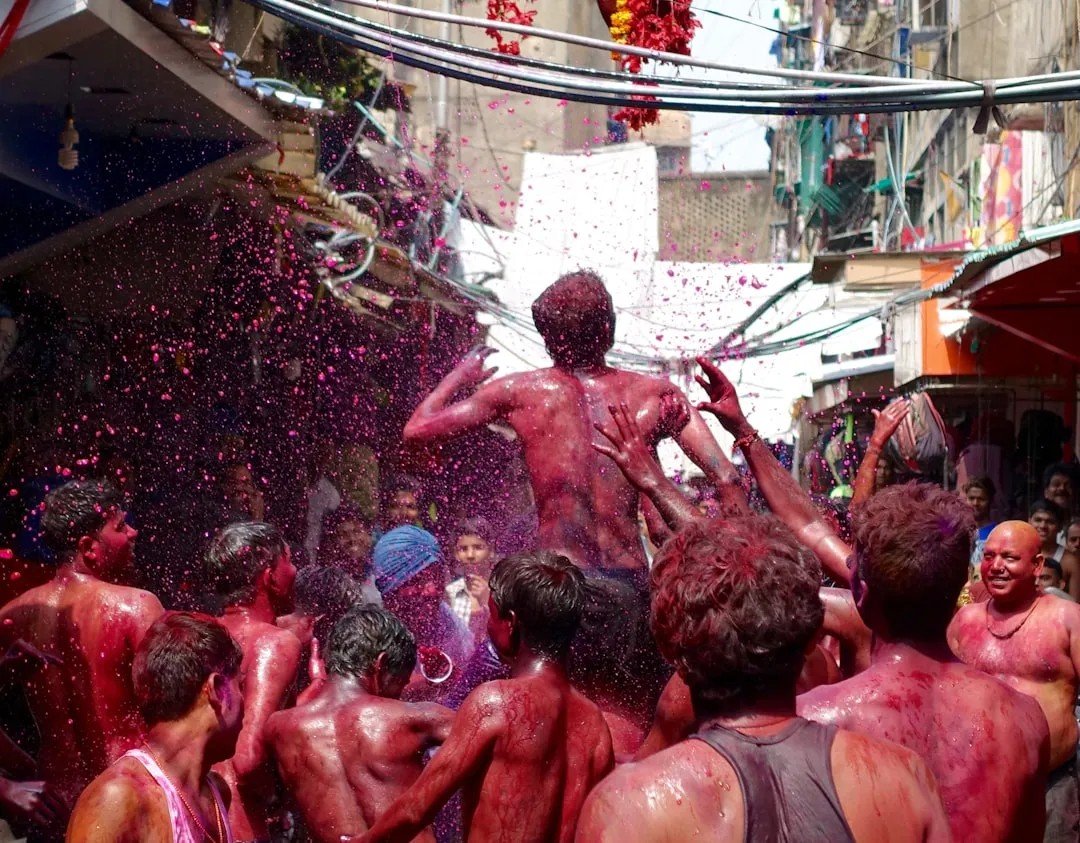
Buñol sits just outside Valencia, a modest town once known mainly to locals. Every August, La Tomatina erupts with over 20,000 people hurling more than 100 tons of ripe tomatoes along narrow streets.[1] This chaotic food fight has drawn tourists from over 50 countries, earning official status as an international tourist event.[2]
The festival pumps revenue into hotels, restaurants, and shops, sustaining the local economy year-round. Buñol’s identity now revolves around this messy tradition, fostering global fame from obscurity. Streets that once saw routine traffic now symbolize uninhibited fun and community bonds.
Gilroy Garlic Festival in Gilroy, California
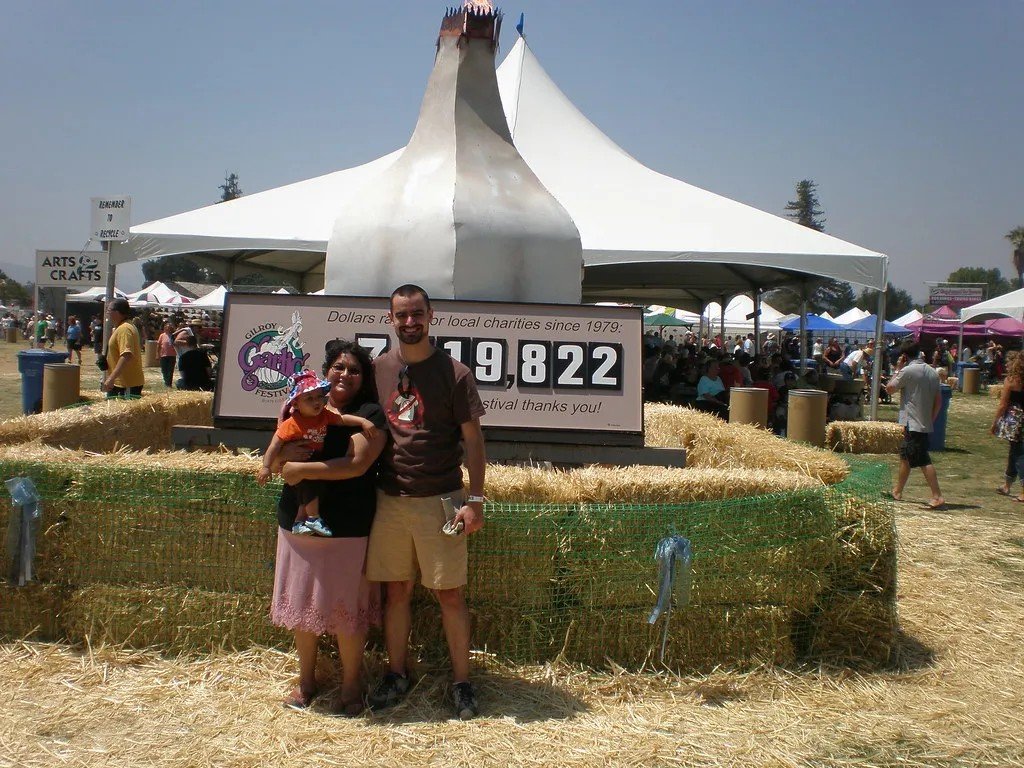
Gilroy, a farming community south of San Jose, crowned itself the Garlic Capital through this annual bash. The festival fills streets with garlic-infused foods, cooking demos, and live music, attracting huge crowds before its 2025 return after a hiatus.[3] It generates millions in local spending and has raised over $12 million for charities since 1979.[4]
Garlic scents the town’s air and soul, turning a crop into cultural icon. Downtown buzzes longer, with businesses crediting the event for steady foot traffic. Gilroy’s quiet farmlands now evoke bold flavors and festive spirit worldwide.
Tulip Time Festival in Holland, Michigan
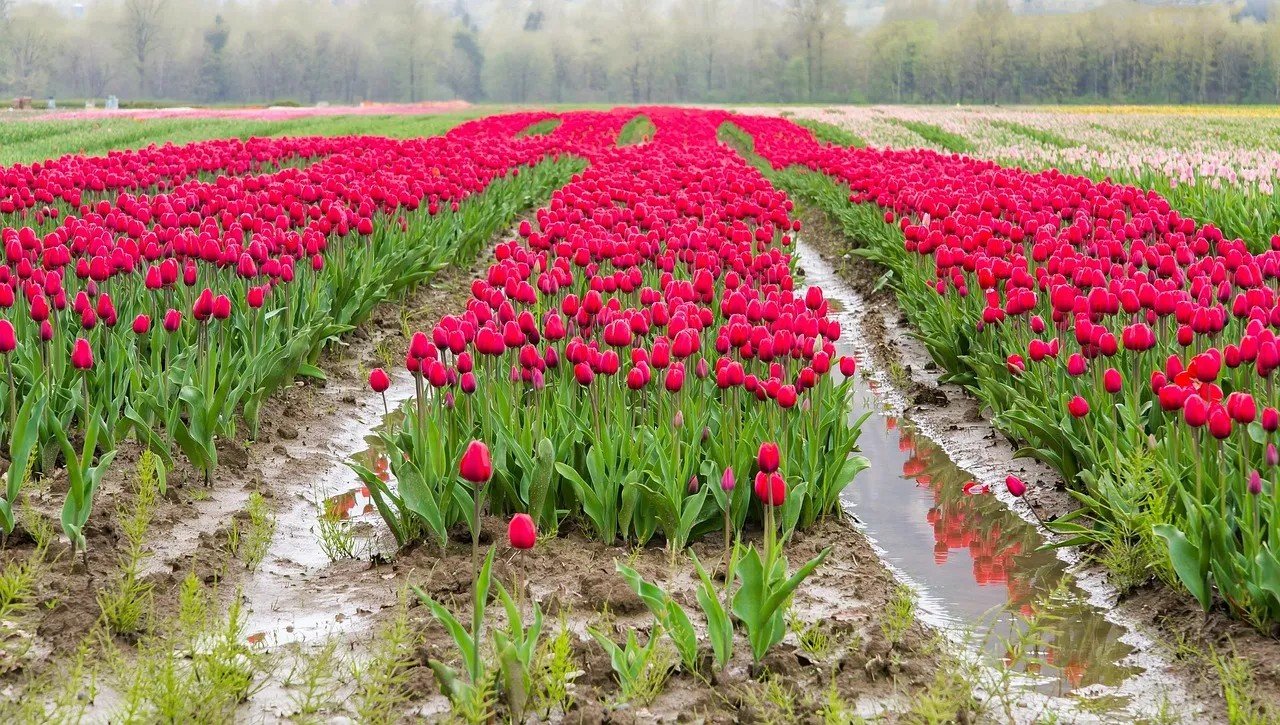
Holland traces its Dutch roots through this spring spectacle, where streets bloom with over five million tulips. Parades, wooden-shoe dances, and markets line the avenues, pulling nearly one million visitors in 2025 alone.[5] The economic ripple exceeds $50 million regionally, fueling hotels and eateries.[6]
Residents don traditional attire, reinforcing heritage amid the color explosion. The town sheds any sleepy image, emerging as a must-see floral haven. Streets stay vibrant, with lasting pride in this annual renewal.
ArtFields in Lake City, South Carolina

Lake City, a fading farming spot, found new life via ArtFields since 2013. Main Street shops host hundreds of Southern artworks, creating a 17-day art walk that draws crowds and $100,000 in artist prizes.[7] Over a dozen new stores have opened, making the festival the top economic engine.[8]
Downtown pulses with galleries and events, shifting identity from overlooked to arts hub. Locals embrace creativity, with revitalized blocks symbolizing hope. The town now models rural renewal through culture.
National Storytelling Festival in Jonesborough, Tennessee
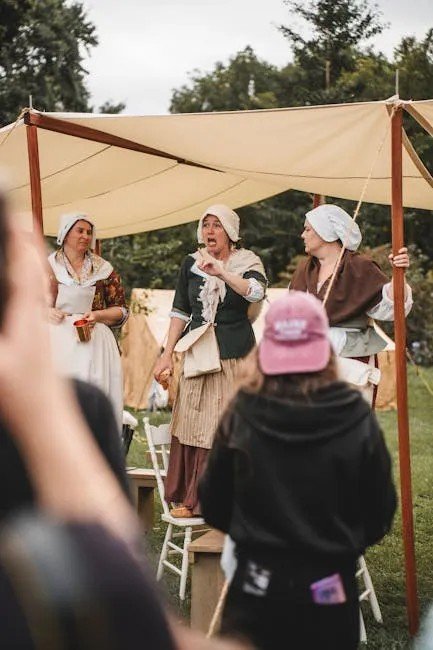
Jonesborough, Tennessee’s oldest town, hosts tellers under tents and on streets each October. Started small in 1973, it sparked a revival, dubbing the place the Storytelling Capital of the World.[9] Crowds fill historic lanes, blending Appalachian tales with modern crowds.
The event anchors a cultural ecosystem, boosting tourism and local arts. Quiet corners echo with narratives, reshaping rural roots into a narrative mecca. Community ties strengthen, drawing seekers of stories year-round.
Mushroom Festival in Kennett Square, Pennsylvania
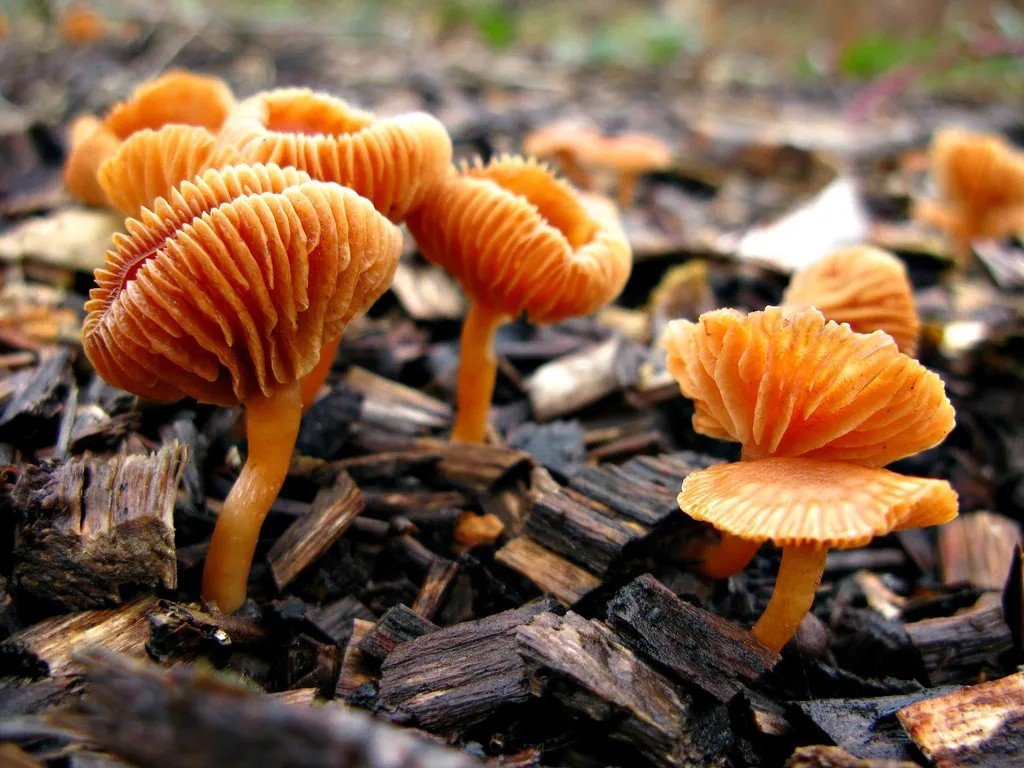
Kennett Square earns its Mushroom Capital title with a two-day street fair stretching a mile. Vendors, tastings, and demos pack State Street, growing from one block to national draw since the 1980s.[10] Thousands visit, supporting farms and granting funds to local groups.[11]
The fungi focus elevates everyday produce to celebration. Streets hum with education and eats, cementing borough pride. Economy gains from visitors linger, turning a niche crop into town hallmark.
Ramshackle Street Festival in Clayton, Georgia

Clayton flips a old “ramshackle” slur into pride with this June music blowout on Main Street. Stages host local bands, artisans demo crafts, and families play amid mountain views.[12] Thousands attend, sparking retail and dining growth.
The event unites merchants, reframing Clayton as a refined mountain gem. Streets rival bigger cities, fostering controlled progress. Identity blooms with talent and hospitality, pulling highway travelers downtown.
Pineapple Palooza in Bellefontaine, Ohio

Bellefontaine honors a quirky fountain legend with this summer street party. Food trucks, bands, and pineapple contests fill blocks, tying into broader downtown revival.[13] Crowds energize local spots, enhancing charm.
Once fading, the town now thrives on such gatherings. Streets activate with fun, boosting business and spirit. Playful lore defines the vibe, marking a turnaround through whimsy.
Festivals as Economic and Cultural Drivers
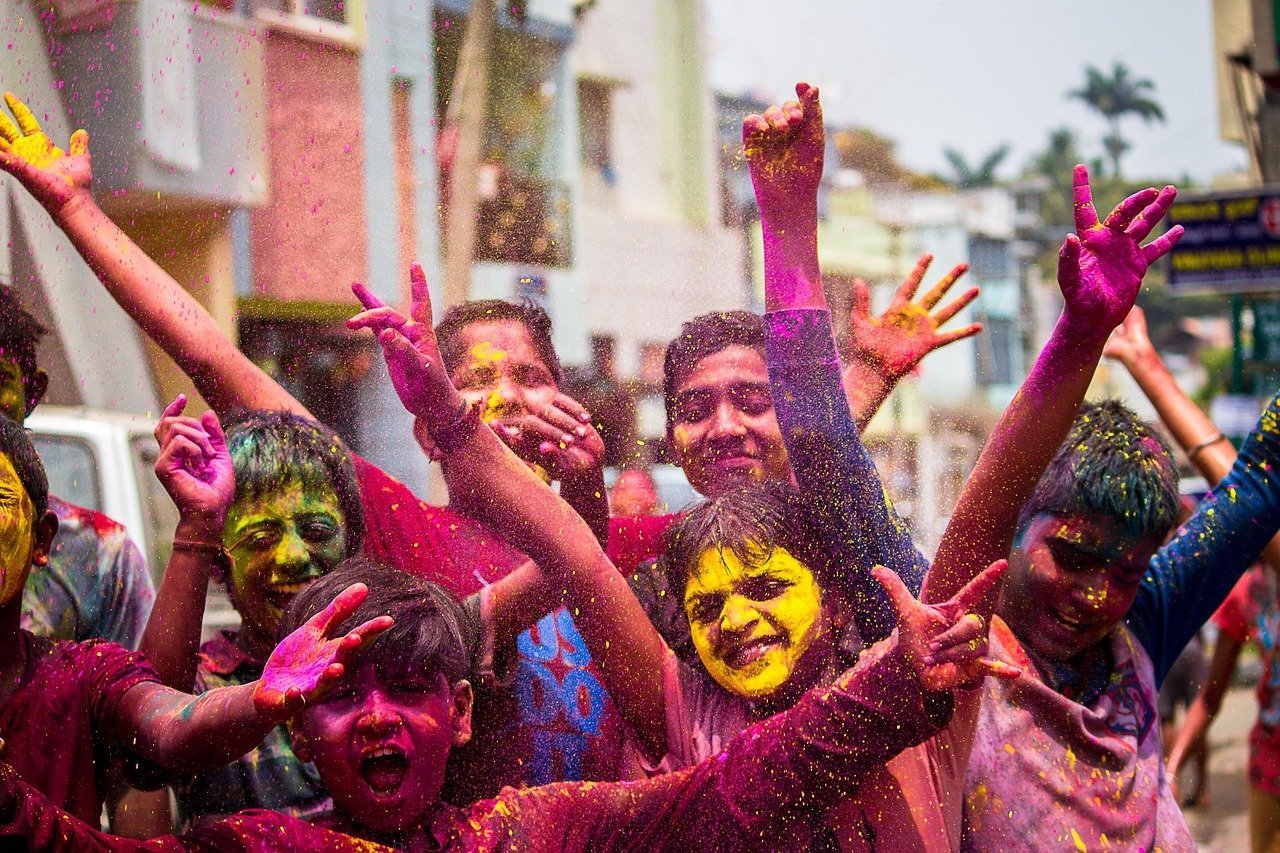
These events prove streets can anchor revival. They inject cash, from millions in visitor spending to new ventures sprouting nearby. Culture deepens as quirks become badges of honor.
Yet success demands local buy-in and planning. Towns evolve, balancing growth with roots. In the end, a single festival can echo for generations, proving place matters when people gather.

Christian Wiedeck, all the way from Germany, loves music festivals, especially in the USA. His articles bring the excitement of these events to readers worldwide.
For any feedback please reach out to info@festivalinside.com
