
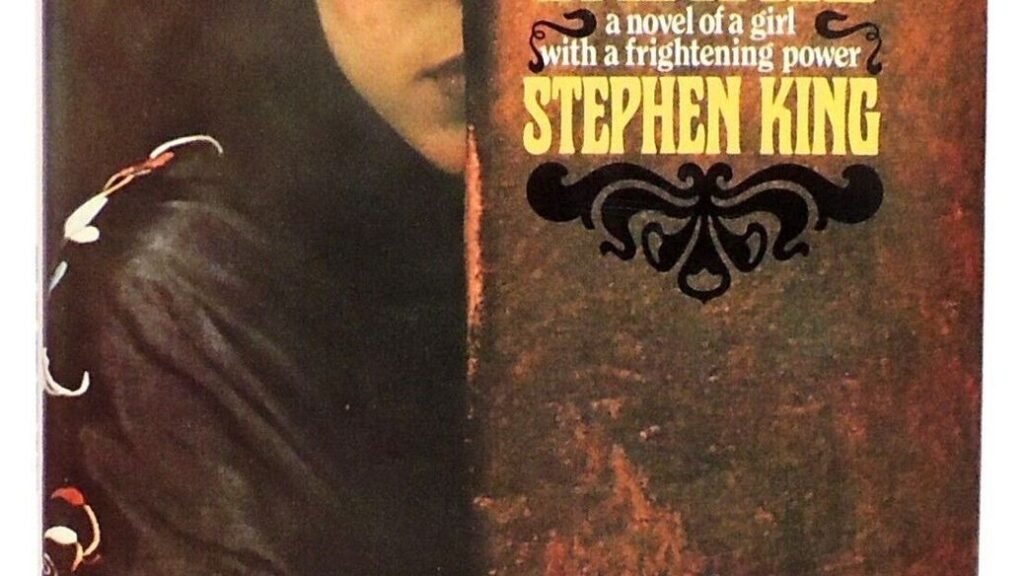
Countless beloved classics sat in drawers or bounced between publishers before finding their way into the world. Writers often faced dismissive notes or outright silence after pouring their hearts into manuscripts. These stories highlight how rejection shaped literary history.
Yet persistence turned those no’s into some of the most enduring works. What follows are ten examples of books that publishers nearly overlooked entirely.
Harry Potter and the Philosopher’s Stone by J.K. Rowling
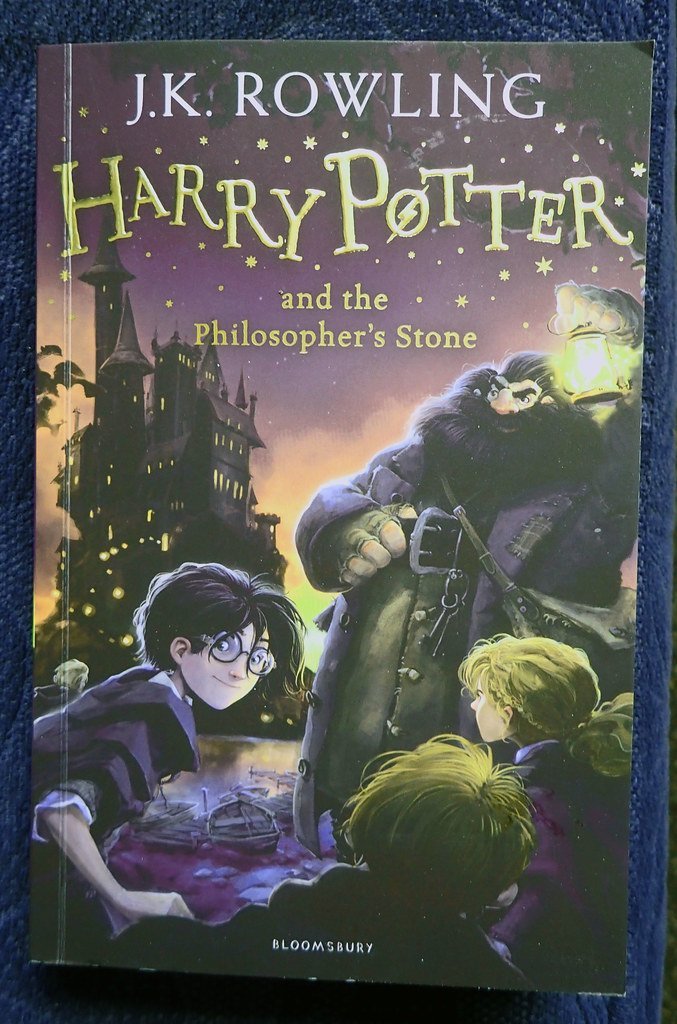
Published in 1997, this debut novel faced rejection from twelve publishers. Editors worried it appealed only to boys or lacked broad market potential. Rowling persisted until Bloomsbury took a chance, swayed partly by an eight-year-old reader’s enthusiasm.[1][2]
The book launched a seven-novel series that reshaped children’s literature. It sold hundreds of millions of copies worldwide and inspired blockbuster films. Today, it stands as one of the best-selling series ever, captivating readers across generations.[1]
Chicken Soup for the Soul by Jack Canfield and Mark Victor Hansen
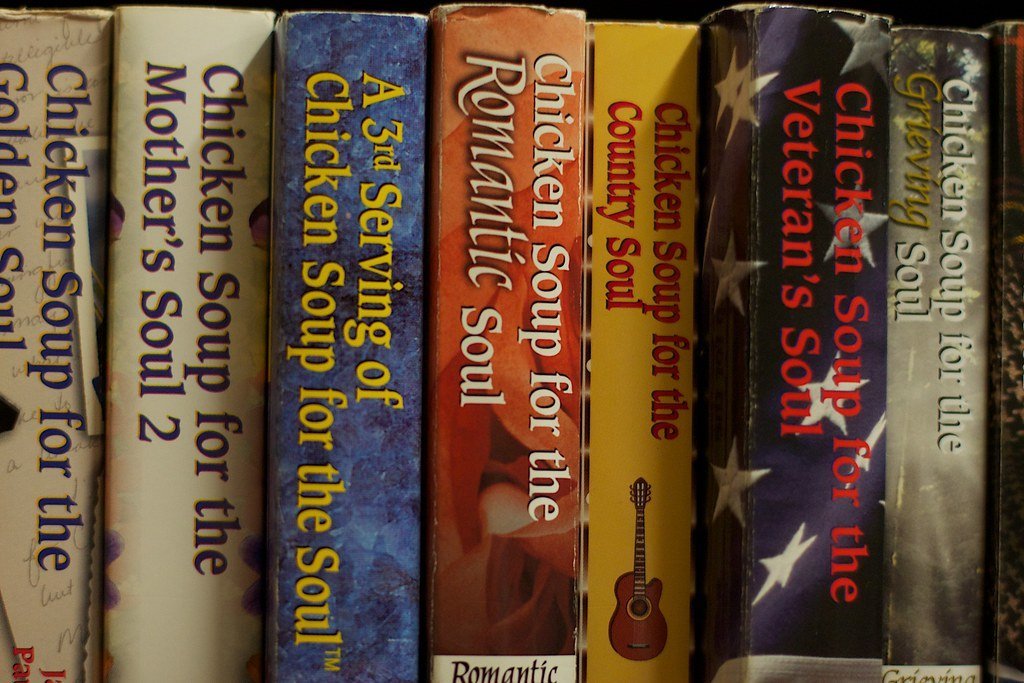
This inspirational anthology hit shelves in 1993 after enduring around 140 rejections. Publishers dismissed it as too feel-good, claiming anthologies rarely sold well. The authors refused to quit, pitching relentlessly until Health Communications accepted it.
Once released, it exploded into a massive franchise with over a hundred sequels. The series has comforted millions through personal stories of hope and resilience. Its success proved uplifting tales could dominate bestseller lists for decades.[1][3]
A Wrinkle in Time by Madeleine L’Engle

Madeleine L’Engle’s science fantasy appeared in 1962 following twenty-six rejections. Critics found its blend of physics, theology, and adventure too unconventional for young readers. Farrar, Straus and Giroux finally published it after years of doubt.
The novel won the Newbery Medal and became a cornerstone of children’s sci-fi. It has sold millions and influenced countless young minds with its themes of love conquering darkness. Adaptations keep its wonder alive for new audiences.[1][3]
Gone with the Wind by Margaret Mitchell
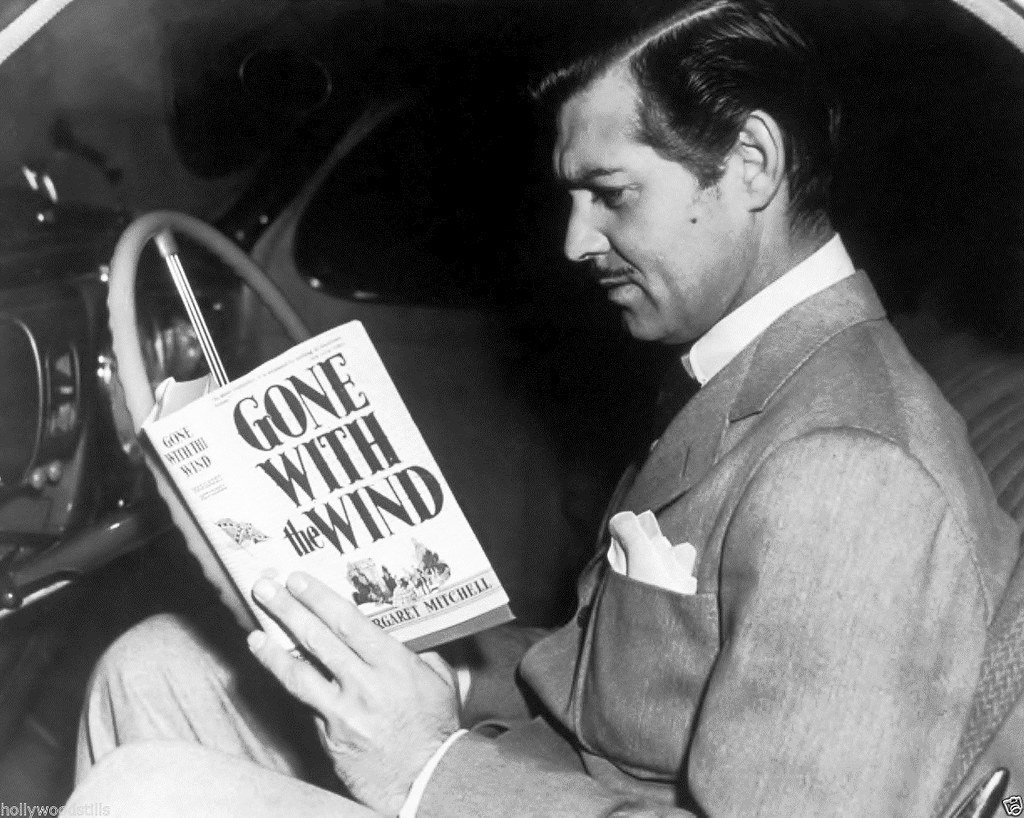
Margaret Mitchell’s epic Civil War tale reached readers in 1936 after thirty-eight rejections. Publishers questioned its length and doubted interest in Southern history. Macmillan eventually saw its potential and printed it.
It swept the Pulitzer Prize and sold tens of millions of copies. The story of Scarlett O’Hara captivated the world, spawning a legendary film. Its cultural footprint endures in discussions of resilience and romance.[1]
Carrie by Stephen King
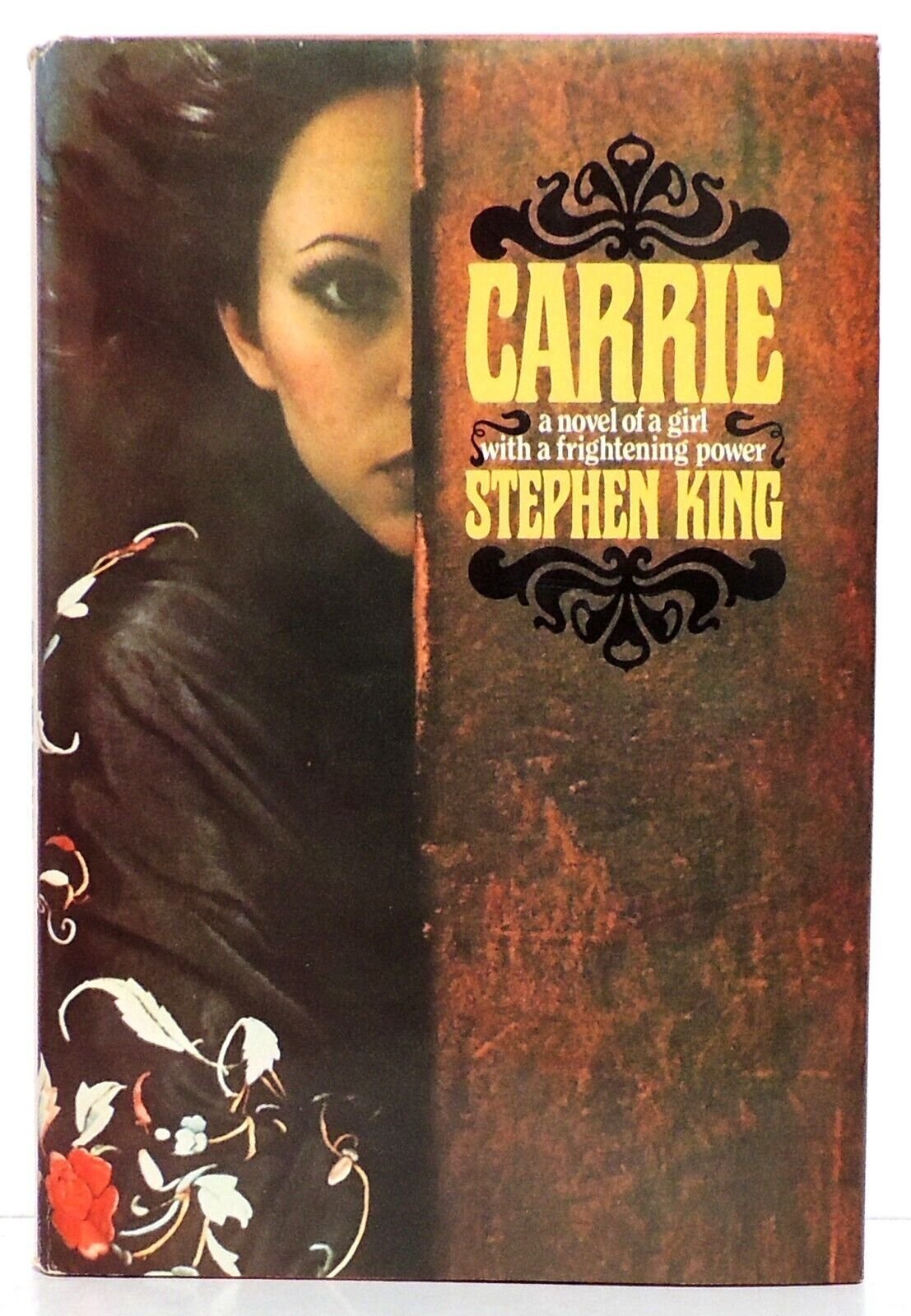
Stephen King’s first published novel, Carrie, came out in 1974 after thirty rejections. He nearly discarded the manuscript himself before his wife encouraged him to continue. Publishers overlooked its horror potential amid a tough market.
The paperback edition skyrocketed, selling millions and launching King’s career. It established him as the master of modern horror with over 350 million books sold overall. Films and adaptations cemented its shocking legacy.[3][2]
Lord of the Flies by William Golding
William Golding’s 1954 novel endured twenty-one rejections before Faber and Faber rescued it from the slush pile. Early feedback called it dull rubbish unfit for readers. Its dark take on human nature scared off many.
Now a classroom staple, it has sold tens of millions worldwide. Themes of civilization’s fragility earned Golding a Nobel Prize. Stage and film versions keep its chilling message relevant.[3][1]
And to Think That I Saw It on Mulberry Street by Dr. Seuss

Dr. Seuss’s first book debuted in 1937 after twenty-seven rejections. Publishers deemed it too whimsical and silly for children. A friend’s persistence landed it with Vanguard Press.
It kicked off a career that sold hundreds of millions of books. Seuss revolutionized picture books with rhyme and imagination. This tale remains a joyful entry into his whimsical world.[3]
The Diary of a Young Girl by Anne Frank
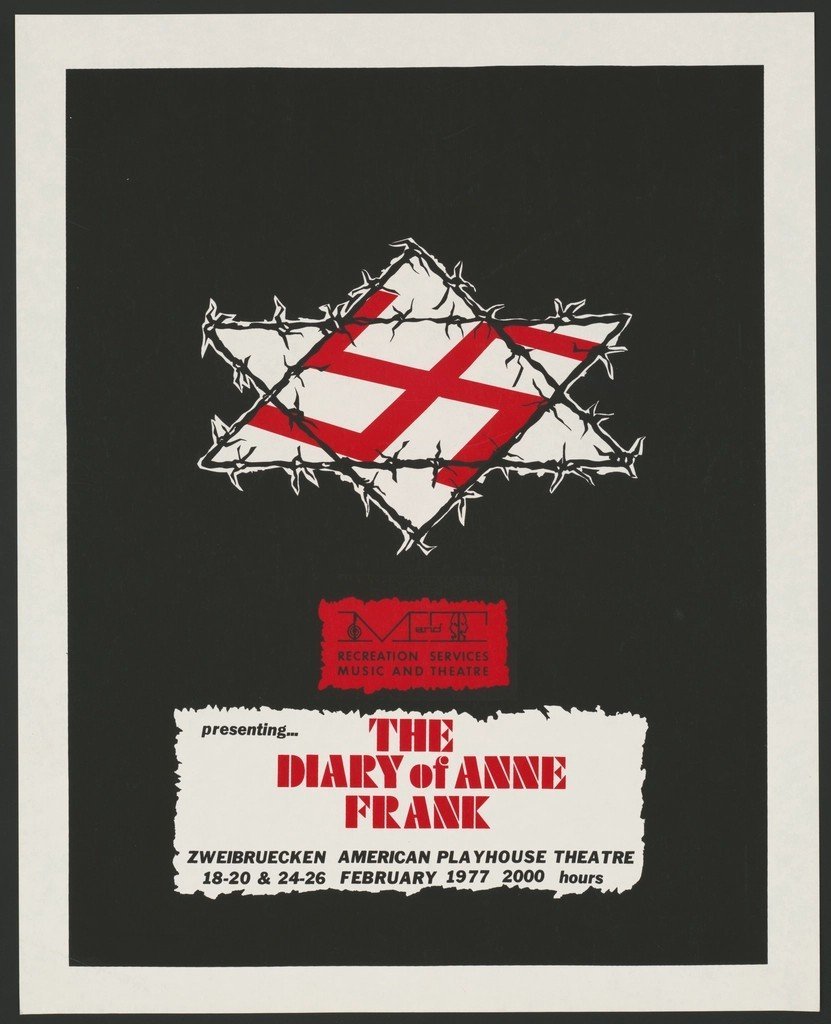
Anne Frank’s diary appeared in 1947 after fifteen rejections. Some saw it merely as a curiosity without unique insight. Contact Publishers recognized its profound humanity.
Translated into dozens of languages, it has sold tens of millions. It humanizes the Holocaust for generations and inspires empathy. Museums and plays preserve its poignant voice.[1]
Animal Farm by George Orwell
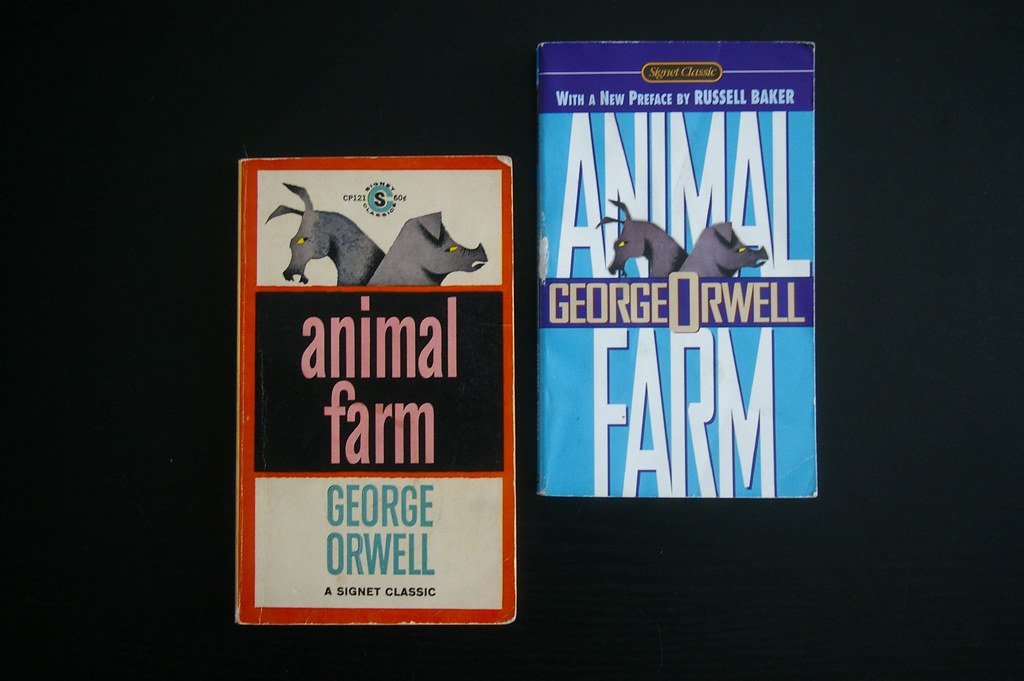
George Orwell’s 1945 fable faced multiple rejections over its anti-Soviet satire. Timing during wartime alliances made it risky. Secker and Warburg published it post-war.
It became a sharp critique of totalitarianism, selling millions. Schools teach its allegory on power’s corruption. Its brevity packs enduring political punch.[2][4]
Frankenstein by Mary Shelley
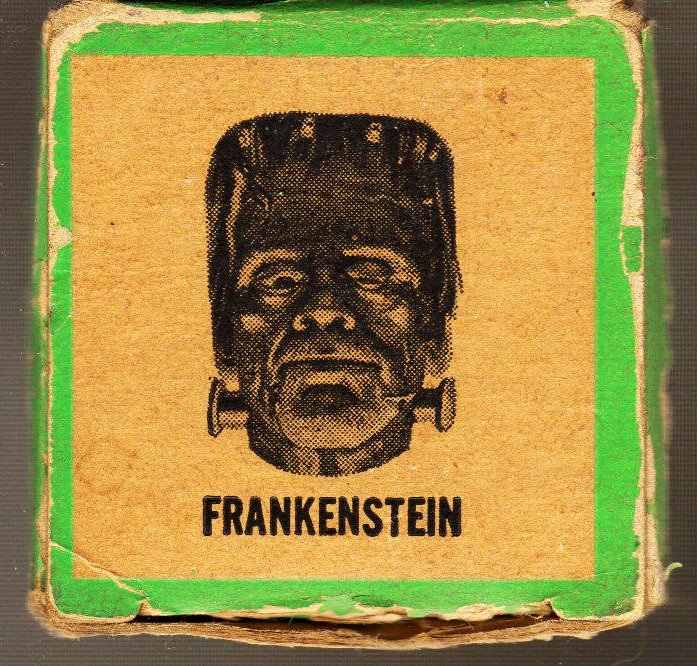
Mary Shelley’s 1818 gothic masterpiece dodged major publishers due to her youth. A small press issued it anonymously with modest print run. Early sales disappointed.
Later editions brought fame, influencing horror and sci-fi genres. The creature’s plight sparks endless adaptations and debates on creation. It endures as a timeless warning.[2][4]
The Lasting Lesson of Persistence

These stories reveal publishing’s gatekeepers can miss gems amid market fears. Authors who pushed forward reshaped culture and inspired millions. Rejection tests resolve but rarely predicts triumph.
Today’s writers might find solace here. A stack of no’s often precedes a breakthrough that echoes for generations.

- 37 Songs From the ’60s and ’70s With Meanings No One Caught the First Time - August 31, 2026
- 12 Legendary Concert Venues That Witnessed Unforgettable Musical Moments - August 31, 2026
- 10 Iconic Speeches That Dramatically Shaped Modern History - August 31, 2026

