

- True Art Transcends Generations, Speaking to Every Soul That Encounters It. - August 31, 2026
- 10 Fashion Trends From the Past That Deserve a Dramatic Comeback - August 31, 2026
- 31 Country Songs That Hide a Completely Different Story - August 31, 2026
Album covers serve more than just as striking visuals to grab attention in record stores. Many artists weave in subtle symbols, easter eggs, and personal nods that casual listeners overlook. These hidden details often tie directly into the music’s themes or the creator’s life, inviting fans to dig deeper.
From optical illusions to secret messages revealed by mirrors or light, classic sleeves hold surprises that have sparked endless discussions. Spotting them changes how you hear the tracks.
1. Revolver by The Beatles (1966)
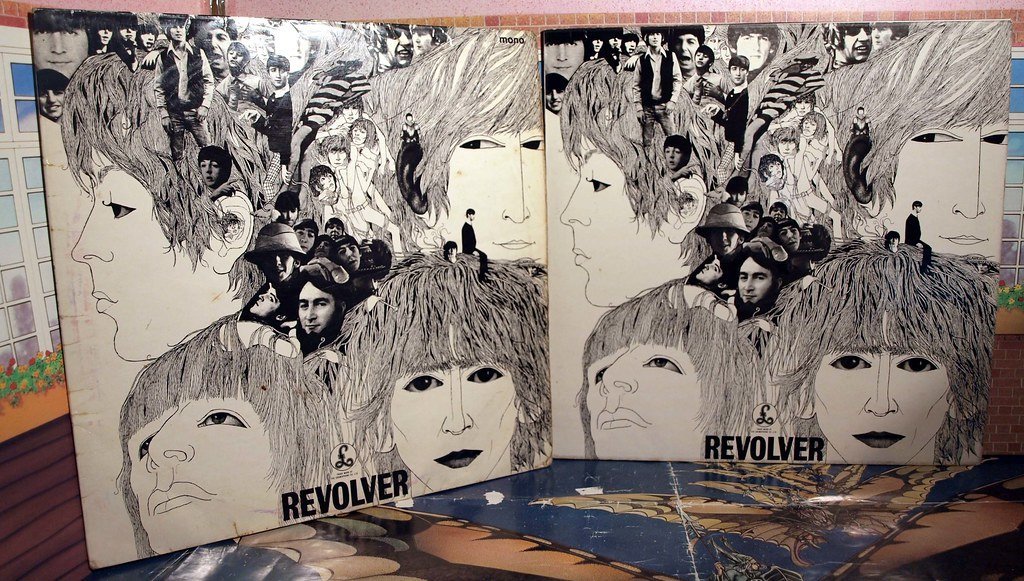
The collage-style artwork features drawn portraits of the band members amid psychedelic patterns and photos. Klaus Voormann, the designer, hid his own face and name within George Harrison’s hair on the right side.[1][2]
This self-referential touch adds a playful layer to the innovative sound of Revolver. It became a hallmark of the Beatles’ experimental era, influencing countless collage-based designs in rock art.
2. Their Satanic Majesties Request by The Rolling Stones (1967)
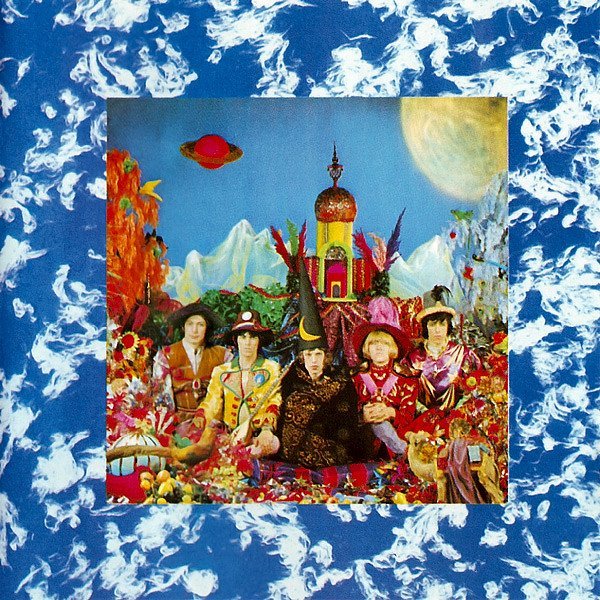
Folds of colorful fabric and flowers dominate the 3D-effect cover, meant to evoke psychedelic trips. Hidden within the patterns lurk faces of all four Beatles, a cheeky nod back to their Sgt. Pepper artwork.[1][3][2]
The rivalry-turned-respect between the bands amplified the cover’s buzz. It helped cement the Stones’ place in the psychedelic movement, with the 3D glasses originally included for full effect.
This Easter egg still delights collectors who view it under the right light.
3. White Light/White Heat by The Velvet Underground (1968)
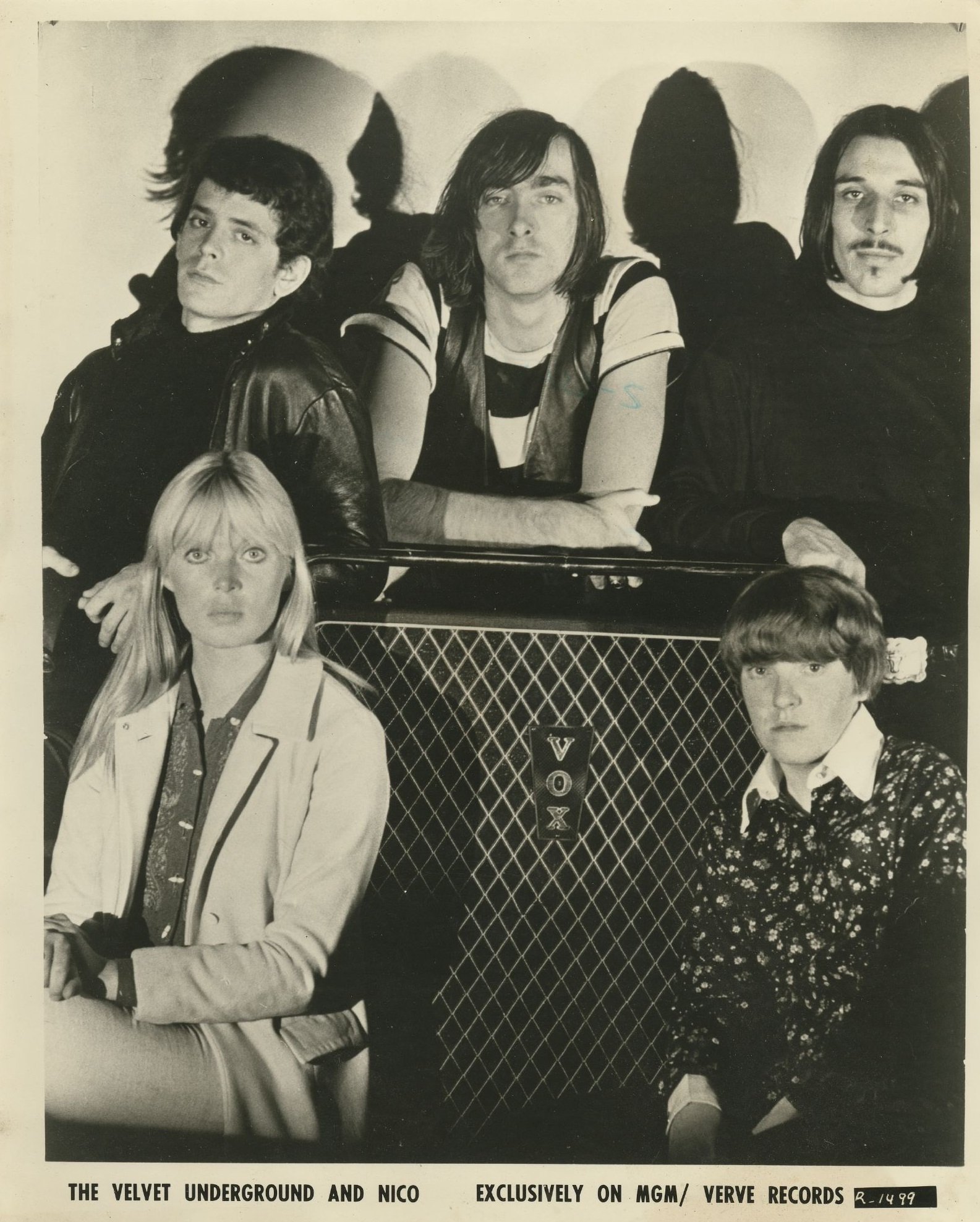
A stark black cover with a disembodied shoulder and arm sets a minimalist tone. Under specific lighting, a faint skull tattoo emerges on the arm, belonging to actor Joe Spencer.[1][3][2]
The ghostly image mirrors the album’s raw, experimental noise rock. Its subtlety influenced avant-garde packaging, proving less can reveal more.
4. Santana by Santana (1969)
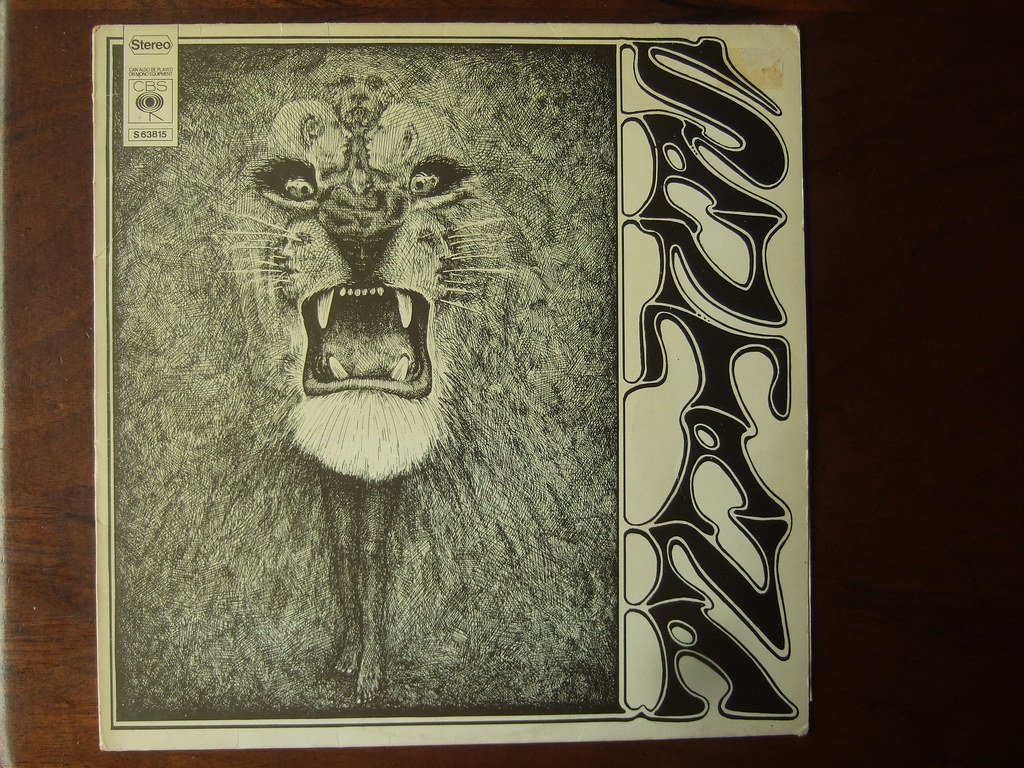
A fierce tiger snarls at the viewer in bold colors. Closer inspection reveals nine smaller faces forming the lion’s head, with its chin as a hula skirt hiding a woman between the eyes.[1][3]
This optical puzzle captures the band’s fusion energy. It boosted Santana’s breakthrough at Woodstock, making the cover a staple in Latin rock visuals.
Fans still trace the faces, enhancing live show lore.
5. Ram by Paul McCartney (1971)
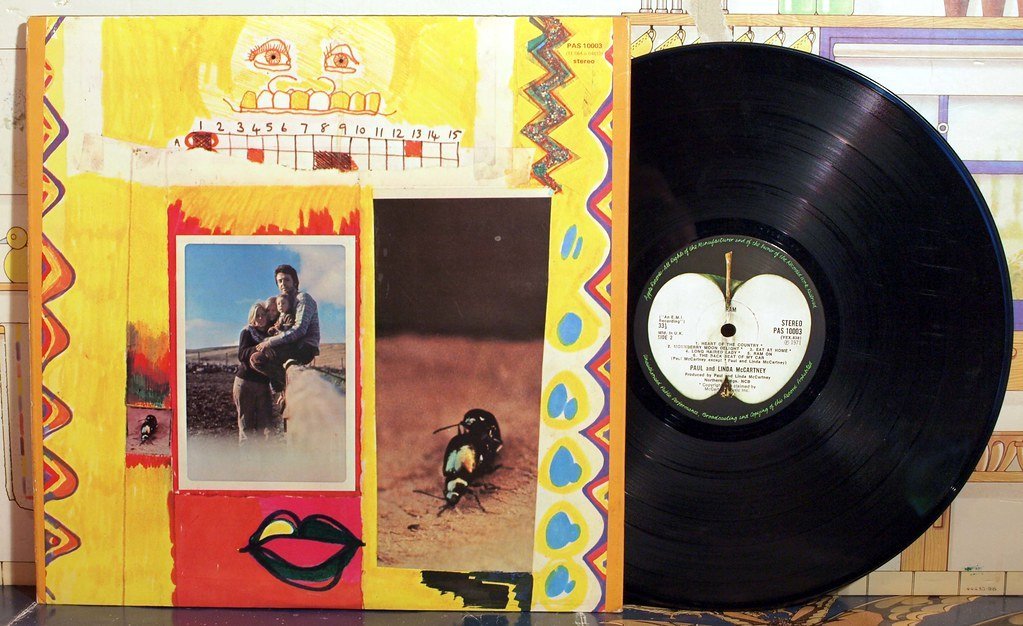
A whimsical scene shows two rams butting heads amid pastoral fields. Tiny letters spelling “L.I.L.Y.” appear on the front, standing for “Linda I Love You.”[4][3][2]
The tender message reflects McCartney’s post-Beatles domestic bliss. It humanized his solo work, resonating with fans during his family-focused phase.
6. Untitled (Led Zeppelin IV) by Led Zeppelin (1971)
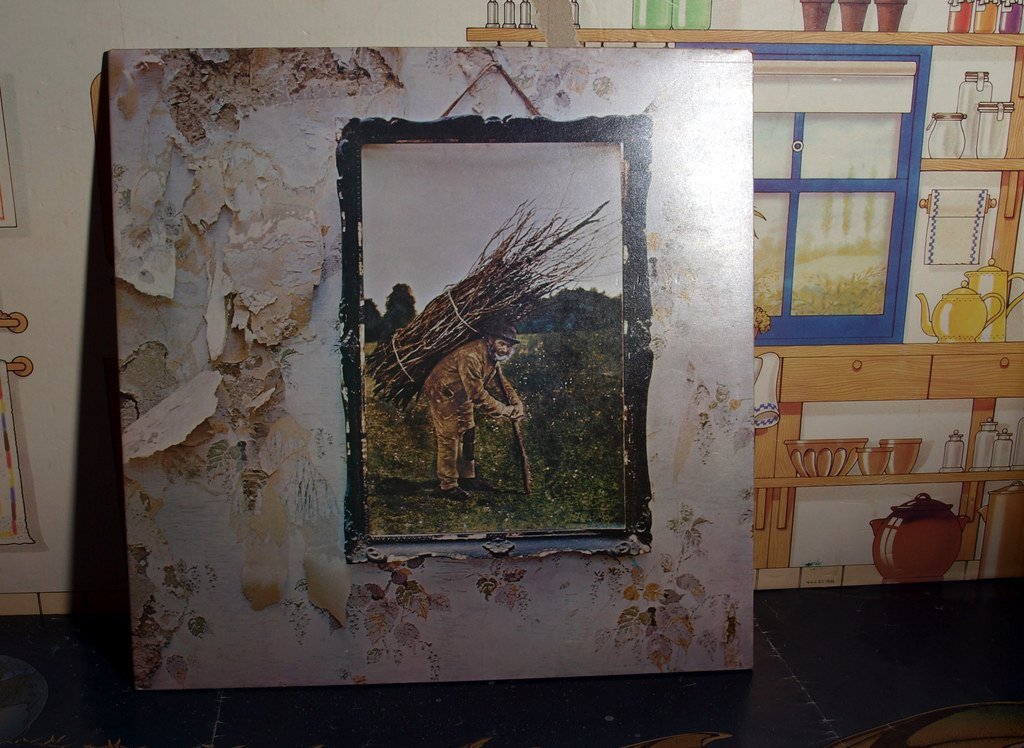
An old hermit carries a bundle up a misty hill in the gatefold. Held to a mirror, the rocks transform the figure into a horned devil.[3][2]
This duality echoes the album’s mystical hard rock vibes. Symbols like the hermit fueled Zeppelin’s enigmatic reputation, inspiring occult-themed art in heavy metal.
The cover endures as one of rock’s most mysterious.
7. Pussy Cats by Harry Nilsson (1974)
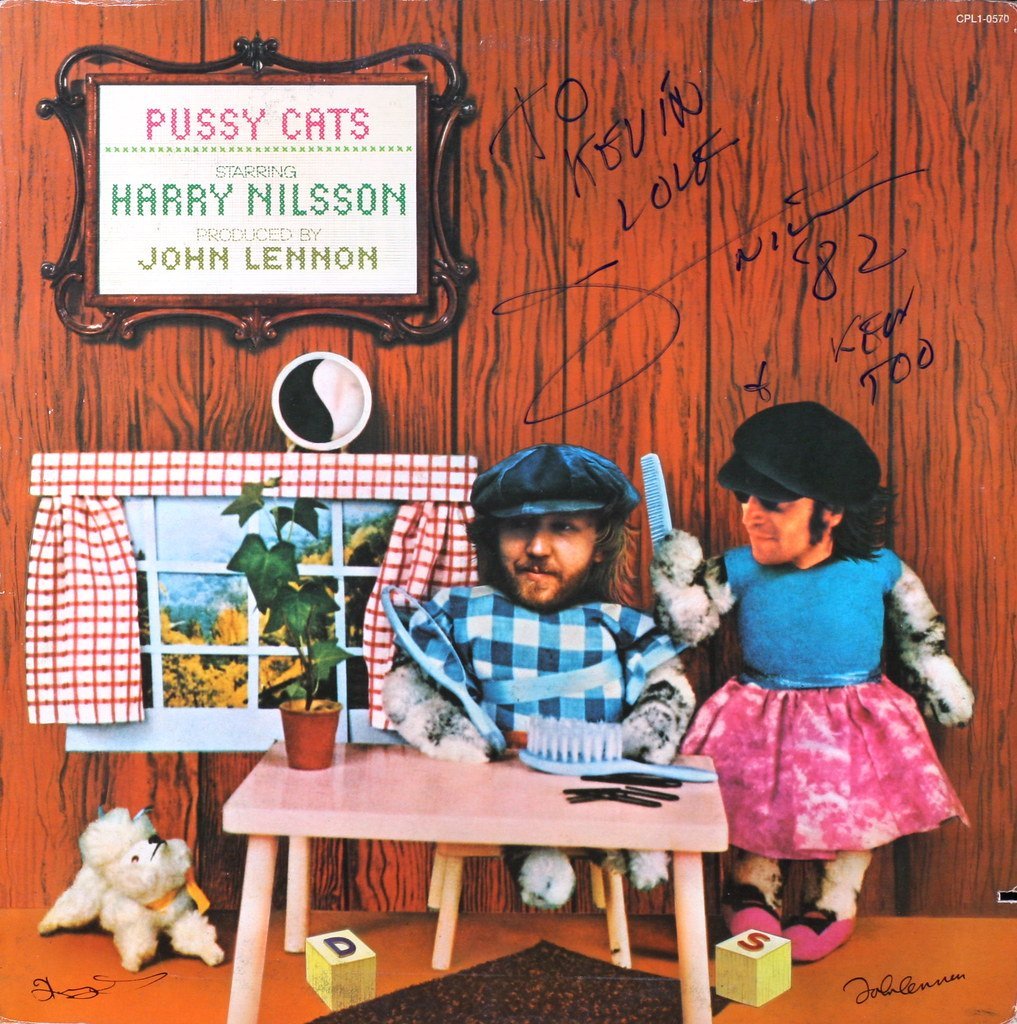
A cluttered room scene with a table holds toys labeled “D” and “S” on either side of a rug. Together, they spell “DRUGS” under the table, a nod to Lennon-era excesses.[4][1]
The cheeky reference ties to the chaotic production with John Lennon. It captured ’70s rock’s wild side, becoming a cult favorite among insiders.
8. Mob Rules by Black Sabbath (1981)
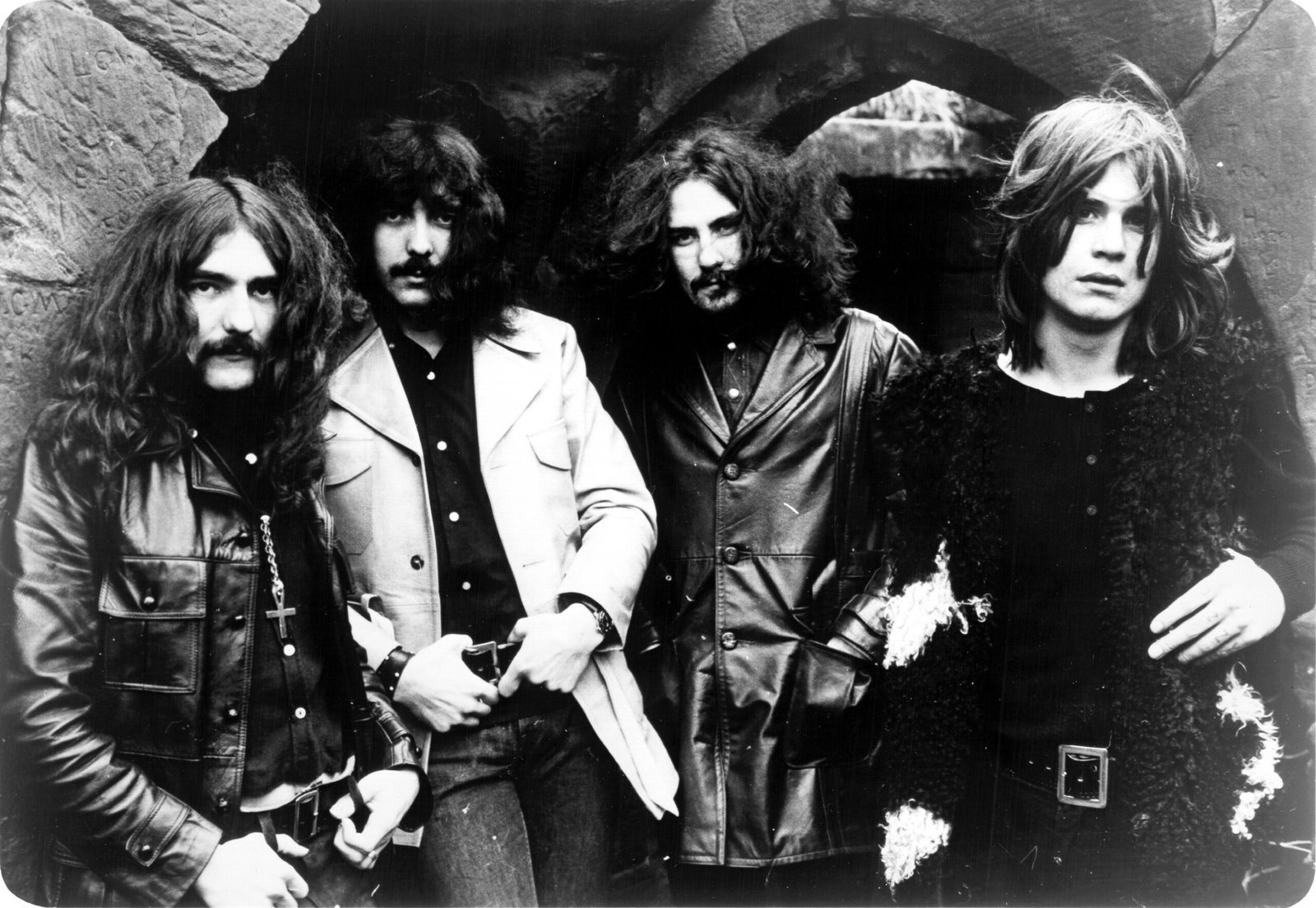
A bloody canvas splatters across the front. Within the red streaks hides Satan’s face, with “Ozzy” faintly readable nearby.[4]
This demonic detail matches the metal intensity post-Ozzy. It reinforced Sabbath’s dark legacy, thrilling horror-metal enthusiasts.
Artist Greg Hildebrandt’s work set a grim standard for genre sleeves.
9. Licensed to Ill by Beastie Boys (1986)
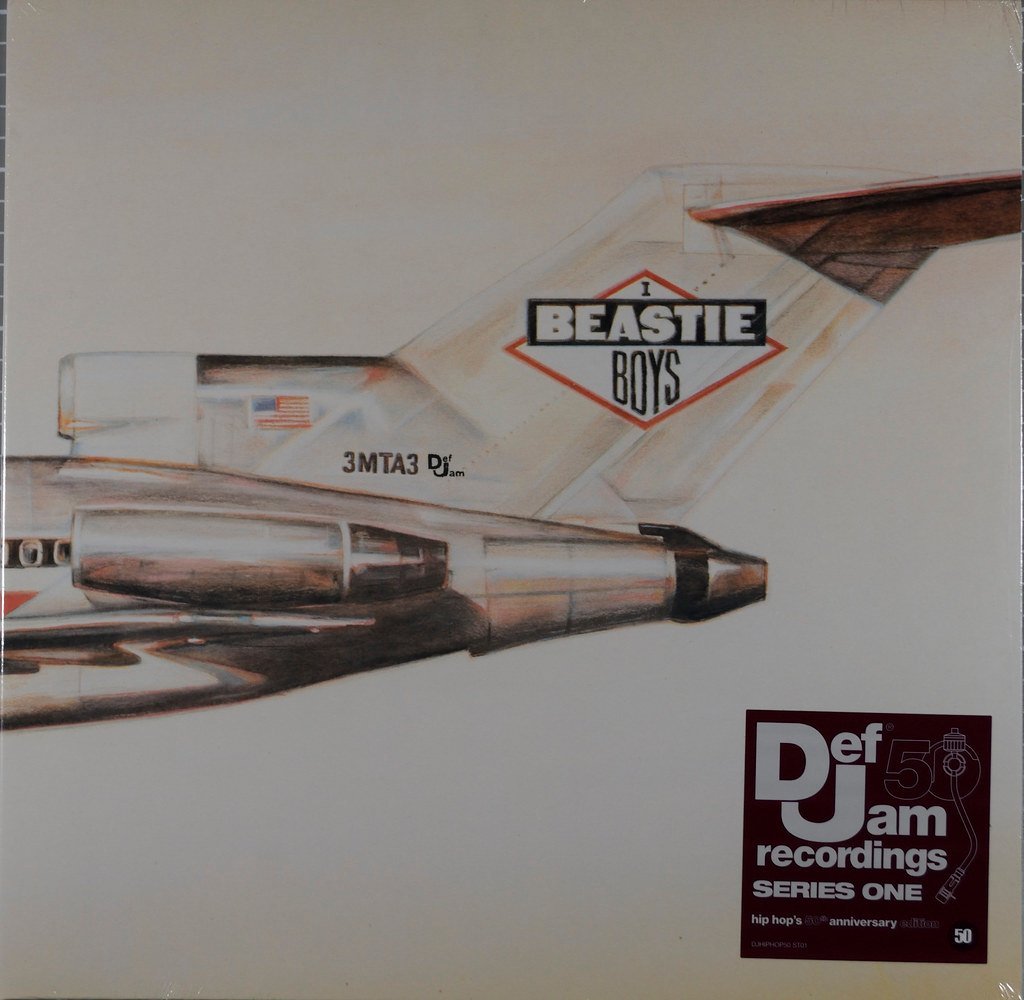
A hijacked plane hurtles forward, tail number “3MTA3” prominent. Reversed in a mirror, it reads “EAT ME.”[4][1][3][2]
The irreverent gag fit the rap-rock debut’s brash humor. It propelled the Beasties to stardom, blending hip-hop rebellion with visual pranks.
10. Somewhere in Time by Iron Maiden (1986)
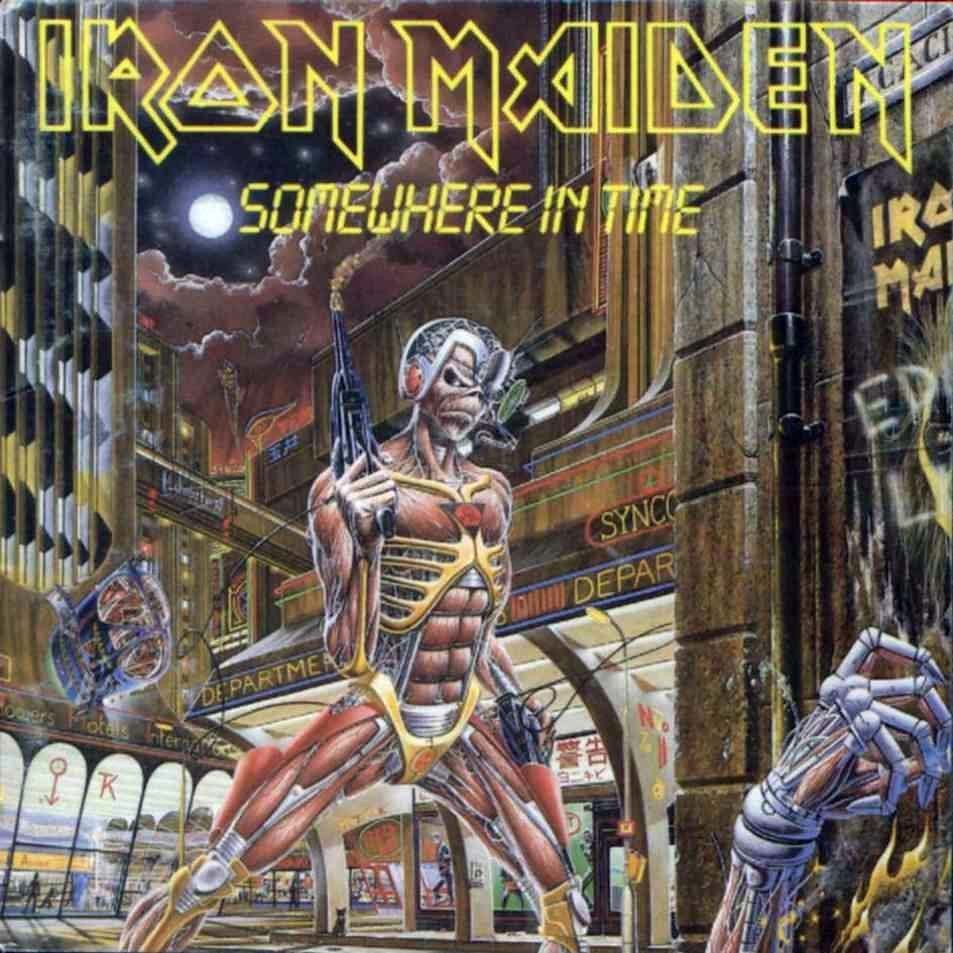
A cyberpunk cityscape frames mascot Eddie amid futuristic towers. A reversed banner reads “This is a very boring painting.”[3][2]
Artist Derek Riggs packed dozens more nods to Maiden lore. This self-deprecating jab boosted the NWOBHM icons’ fan engagement through intricate art.
The cover’s details reward repeated views, much like their epics.
Conclusion: The Power of Visual Storytelling
These hidden gems show how album art extends the music’s narrative. Designers and artists craft layers that spark discovery long after the needle lifts.
In a streaming age of thumbnails, revisiting physical sleeves reminds us of rock’s tactile magic. One close look, and the story unfolds anew.
CEO-Co-Founder
