

- 8 Gardening Hacks That Will Make Your Roses Bloom Like Never Before - August 11, 2026
- 8 Incredible Beaches Around the World You Won’t Believe Are Real - August 11, 2026
- 10 Classical Music Masterpieces That Will Transport You Through Time - August 11, 2026
Rock bands often reach dizzying heights of success only to shatter under the weight of their own stardom. Internal tensions, from clashing egos to creative rifts, frequently erupt when the spotlight burns brightest. Industry pressures like grueling tours and business disputes add fuel, turning triumph into sudden collapse.[1][2]
These unexpected splits leave fans stunned and reshape music landscapes. What follows are ten striking examples where fame’s peak became the breaking point.
The Beatles
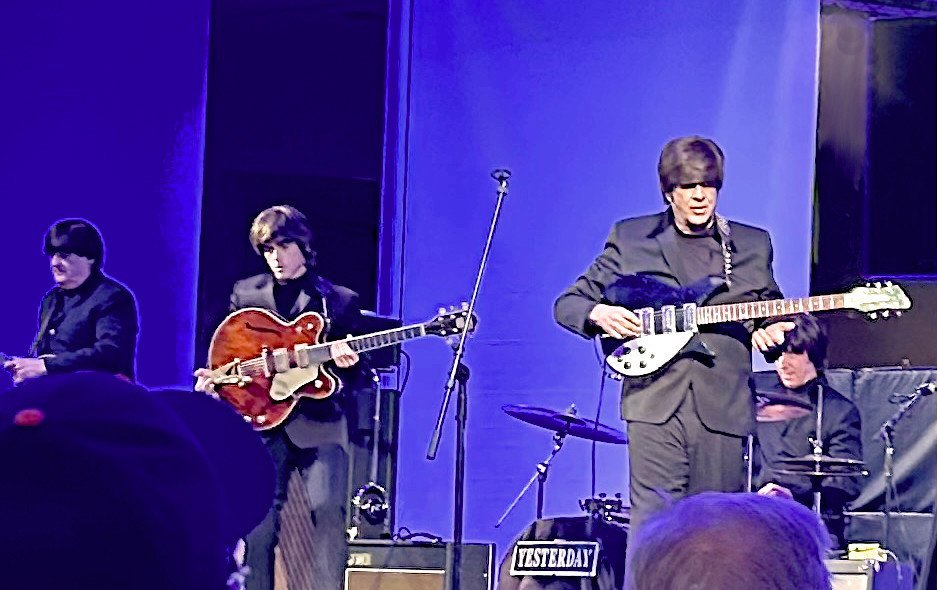
The Beatles dominated the 1960s with Beatlemania, releasing blockbuster albums like Abbey Road amid massive global hysteria. Tensions simmered after manager Brian Epstein’s 1967 death, sparking power struggles and business woes with new manager Allen Klein. John Lennon privately announced his exit in 1969, but Paul McCartney went public in 1970 via his solo album press release, catching others off guard.[2][3]
The breakup ended rock’s most influential era, with members diving into solo paths – Lennon’s raw activism, McCartney’s pop polish, Harrison’s spiritual depth, and Starr’s steady groove. Legal battles over assets lingered for years. Their catalog endures as timeless, influencing generations without a full reunion.[4]
The Police
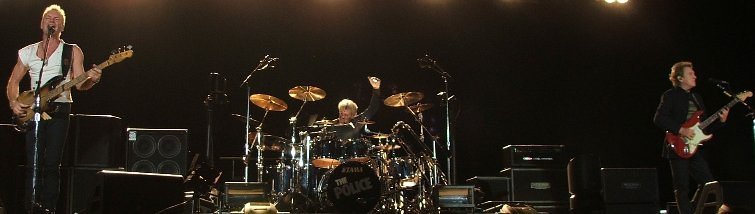
By 1983, The Police ruled arenas with Synchronicity, their biggest album yet, blending reggae, rock, and pop mastery. Sting’s growing songwriting dominance frustrated guitarist Andy Summers and drummer Stewart Copeland, who felt sidelined in what started as a democracy. The band entered hiatus post-tour in 1984, with Sting launching his solo career via The Dream of the Blue Turtles, effectively dissolving the group by 1986.[1][2]
Sting thrived solo, while Copeland scored films and Summers explored jazz. Brief reunions hit in 2007 for a lucrative tour and a 2022 one-off, but no new music emerged. The split preserved their legacy untarnished by potential decline.[4]
Oasis
Oasis peaked in the 1990s Britpop explosion with Definitely Maybe and What’s the Story Morning Glory, selling millions and filling stadiums. Brothers Noel and Liam Gallagher’s feud boiled over for years, marked by public spats and physical clashes. In 2009, a backstage brawl at a Paris festival – sparked by Liam’s clothing promo – prompted Noel to quit just before showtime, canceling the tour.[1][2]
Noel formed High Flying Birds, Liam tried Beady Eye then solo work. The brothers stayed bitterly estranged until a 2025 reunion tour announcement. Oasis’s anthems remain stadium staples, their drama fueling enduring mythos.[3]
The Smiths
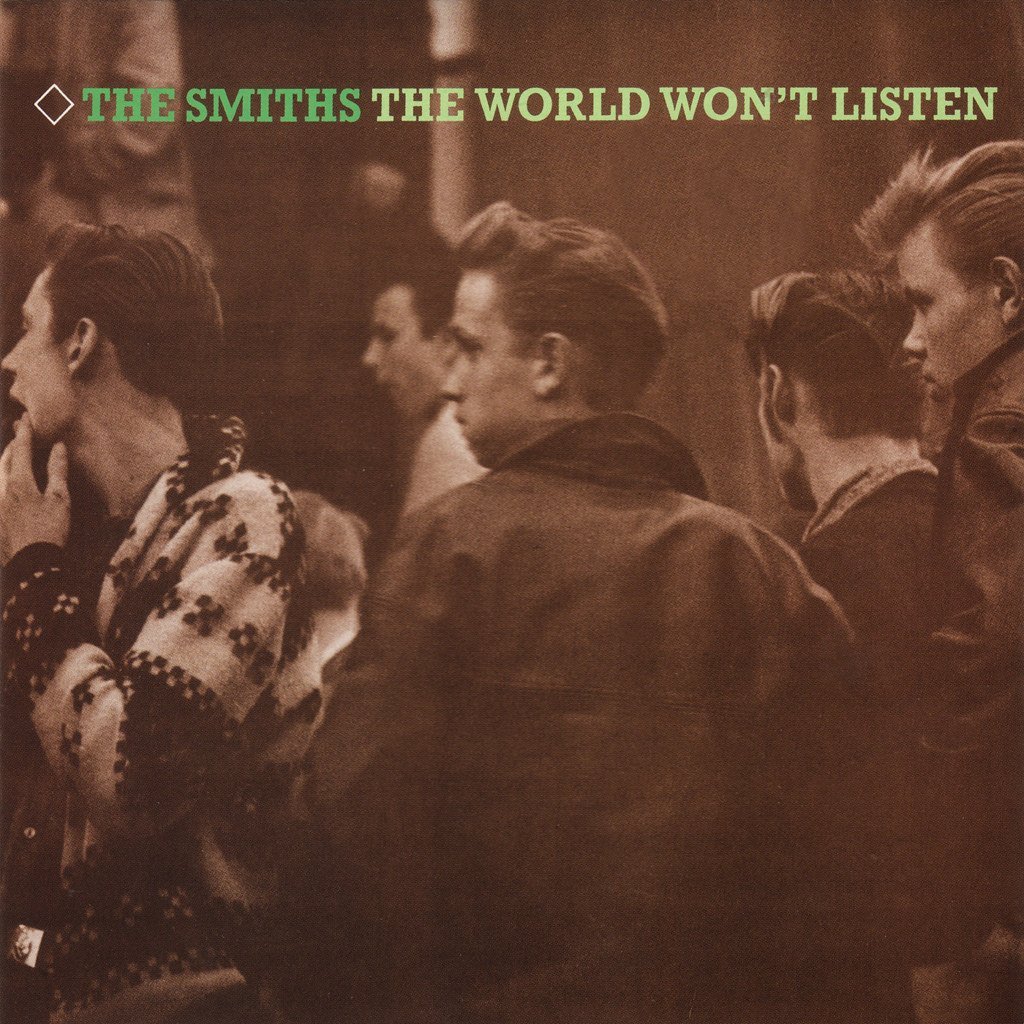
The Smiths crafted jangle-pop masterpieces through the 1980s, with albums like The Queen Is Dead cementing cult status. Guitarist Johnny Marr grew restless, pushing sonic experiments while Morrissey clung to their signature style. Marr quit in 1987 after becoming de facto manager amid firings, feeling trapped with no path forward; Morrissey learned via tabloid headlines.[1][2]
Morrissey built a solo career on witty introspection, Marr collaborated across genres. No reunion ever materialized despite fan pleas. Their brief run left an indelible indie rock blueprint.[3]
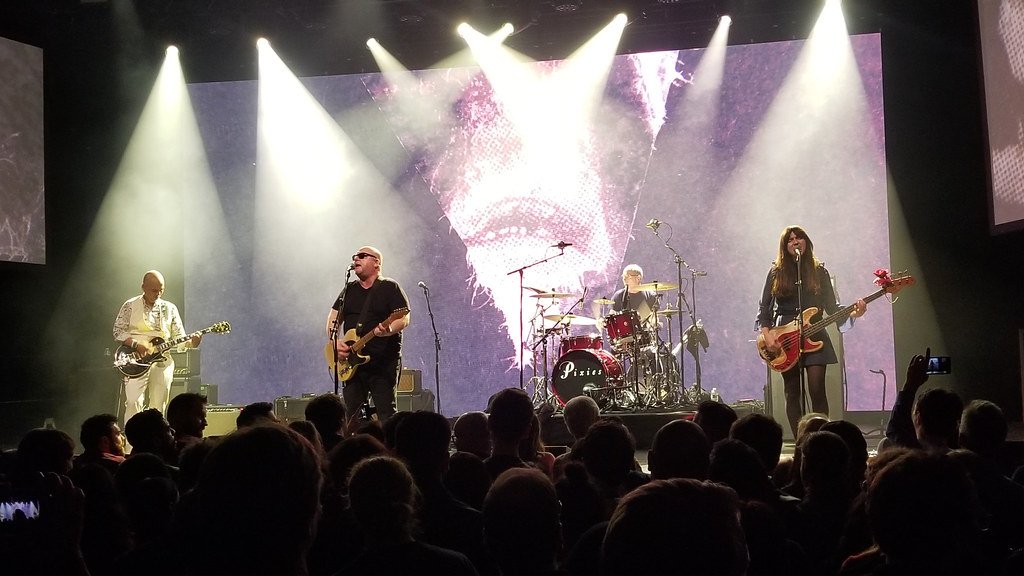
Pixies
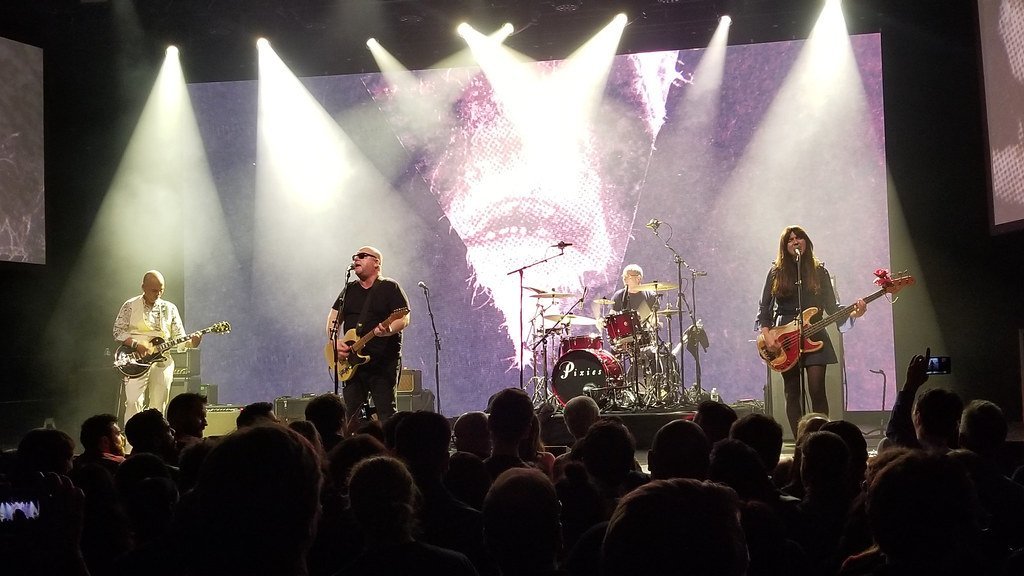
Pixies surged in the early 1990s alternative scene, influencing grunge with dynamic albums like Doolittle. Frontman Black Francis (Frank Black) abruptly announced the split on BBC Radio in 1993, blindsiding bassist Kim Deal and others via journalists or vague calls. Underlying tensions, especially between Francis and Deal, had festered without resolution.[2]
Deal formed The Breeders, Francis went solo as Frank Black. They reunited in 2004 for tours but split again later. Pixies’ raw energy inspired Nirvana and beyond, their surprise end amplifying mystique.[2]
Talking Heads
Talking Heads fused funk, punk, and art rock into hits like Once in a Lifetime, peaking with the 1984 concert film Stop Making Sense. David Byrne informed the press in 1991 that the band was done, shocking Tina Weymouth, Chris Frantz, and Jerry Harrison – no tour had happened in years, but they were still seen as active.[2][3]
Byrne pursued eclectic solo ventures, the others formed Tom Tom Club. A 2002 Hall of Fame reunion and 2023 Stop Making Sense event yielded no music. Their innovative sound reshaped new wave permanently.[3]
Cream
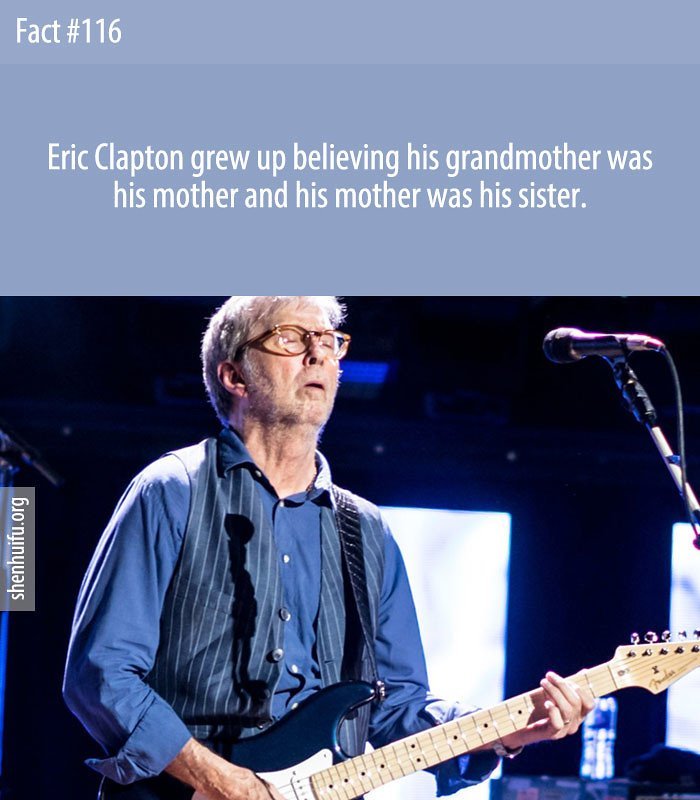
The supergroup Cream blazed through 1966-1968 with blues-rock firepower on Disraeli Gears and Wheels of Fire, packing venues worldwide. Drummer Ginger Baker and bassist Jack Bruce’s hatred, rooted in past bands with knife threats and sabotage, overwhelmed Eric Clapton’s mediation efforts. Clapton announced the end in 1968, leading to a farewell album.[5][3]
Clapton launched a legendary solo arc, Bruce and Baker scattered projects. A tense 2005 reunion fizzled fast. Cream pioneered power trios, their short fury echoing in heavy rock.[3]
The Eagles
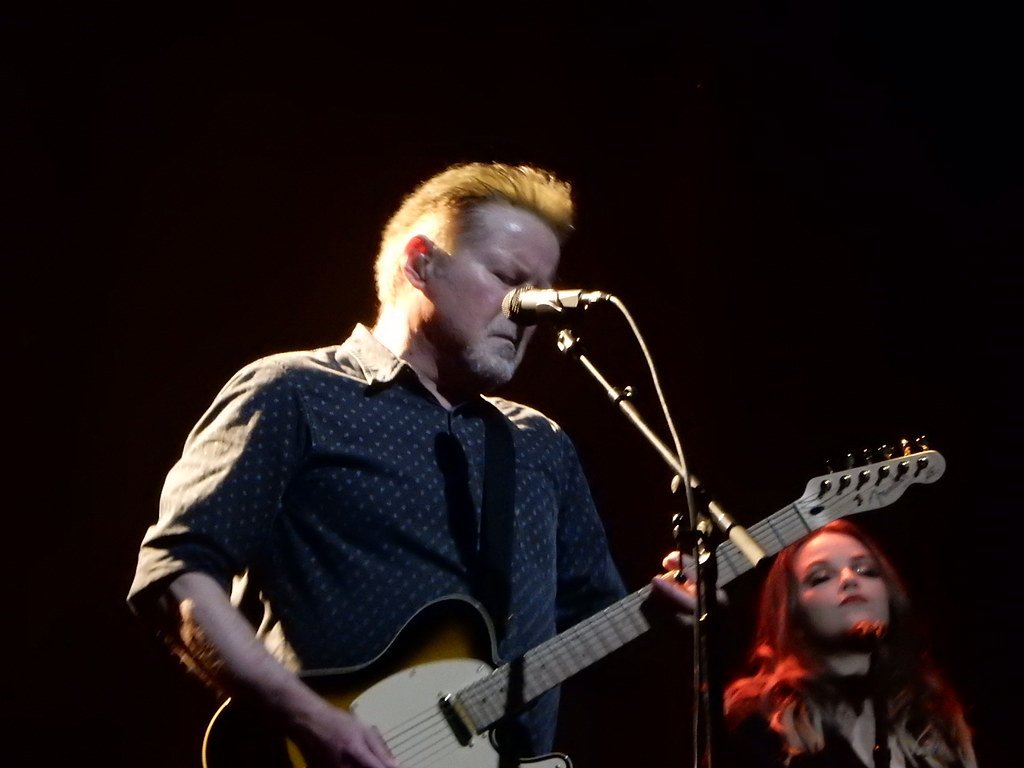
The Eagles ruled 1970s airwaves with Hotel California, selling out stadiums amid country-rock dominance. Creative control and royalty fights peaked in 1980 at a benefit concert, where Glenn Frey and Don Felder nearly came to blows onstage. The band called it quits indefinitely right after.[1][3]
They reformed in 1994 for Hell Freezes Over, touring profitably with changes; Felder sued post-2001 firing. Frey’s 2016 death shifted dynamics further. Their hits define easy-listening rock classics.[4]
Guns N’ Roses
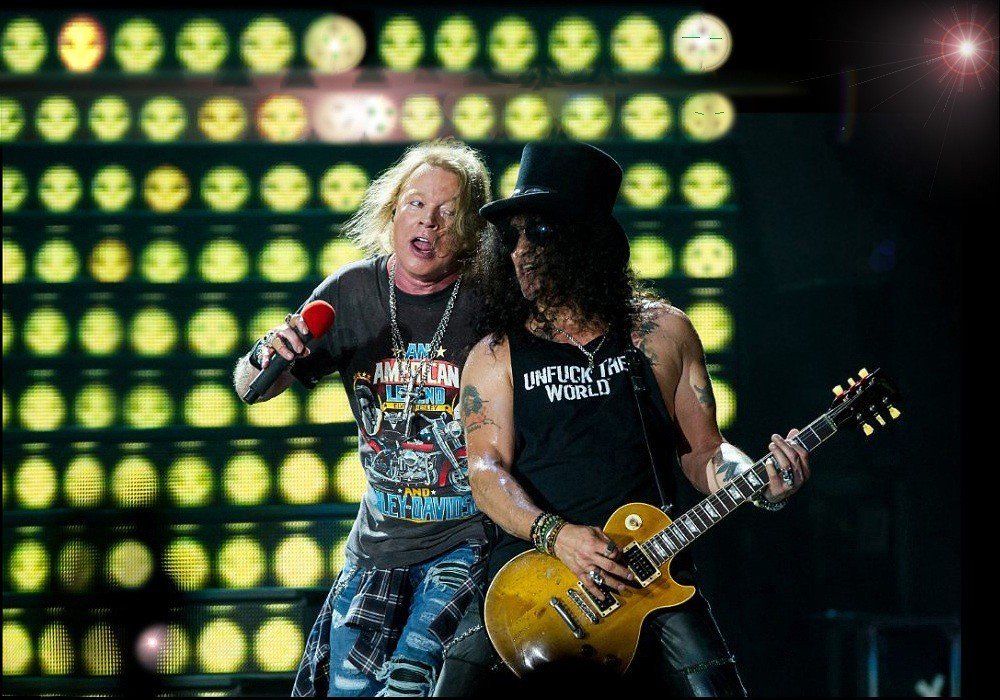
Guns N’ Roses exploded in the late 1980s with Appetite for Destruction, then Use Your Illusion era packed arenas despite chaos. Axl Rose’s controlling antics triggered exits: Steven Adler fired in 1990 for drugs, Slash in 1996 over creative clashes, Duff McKagan in 1997. The original lineup crumbled by 1997.[1][3]
Rose kept the name for Chinese Democracy in 2008; partial reunions toured from 2016. Slash and Duff thrived in Velvet Revolver then rejoined. The split diluted their raw edge but preserved gritty legend.[3]
Rage Against the Machine
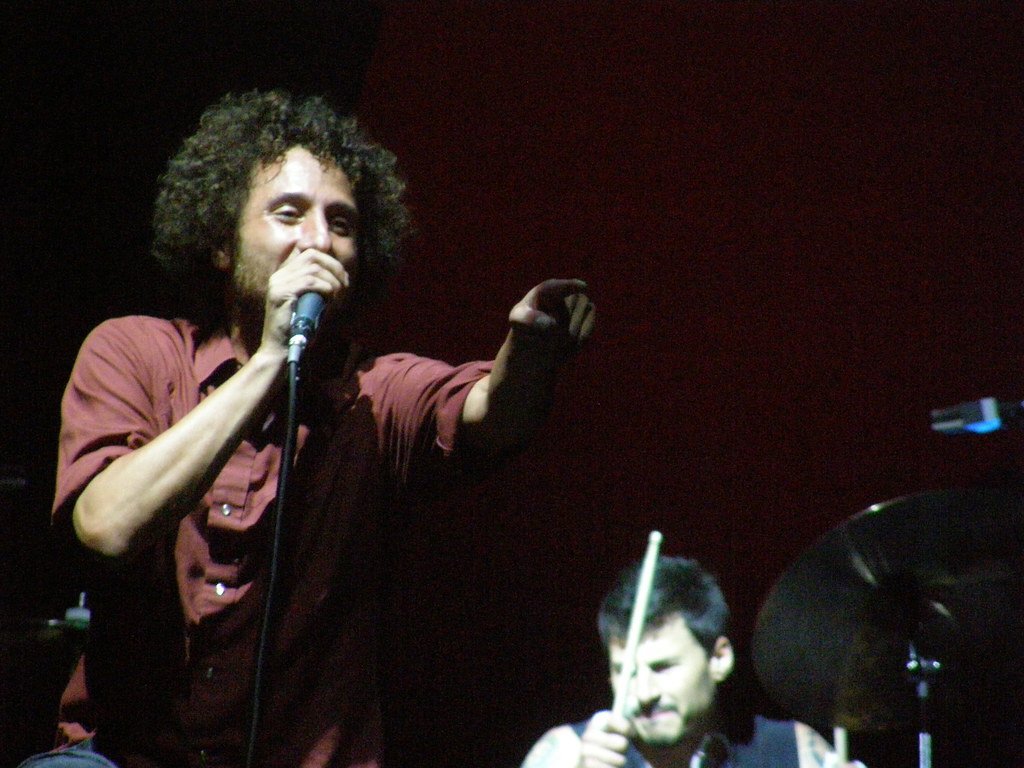
Rage Against the Machine raged at 2000’s peak post-The Battle of Los Angeles, blending rap-metal fury with activism. Zack de la Rocha quit amid decision-making gridlock on merch and ideology during tour. His statement blindsided Tom Morello and others.[2]
Morello, Commerford, and Wilk formed Audioslave with Chris Cornell. Rage reunited sporadically, like 2007 and 2022 tours cut short. Their revolutionary fire still ignites protest anthems.[4]
Reflections on Rock’s Fragile Alliances
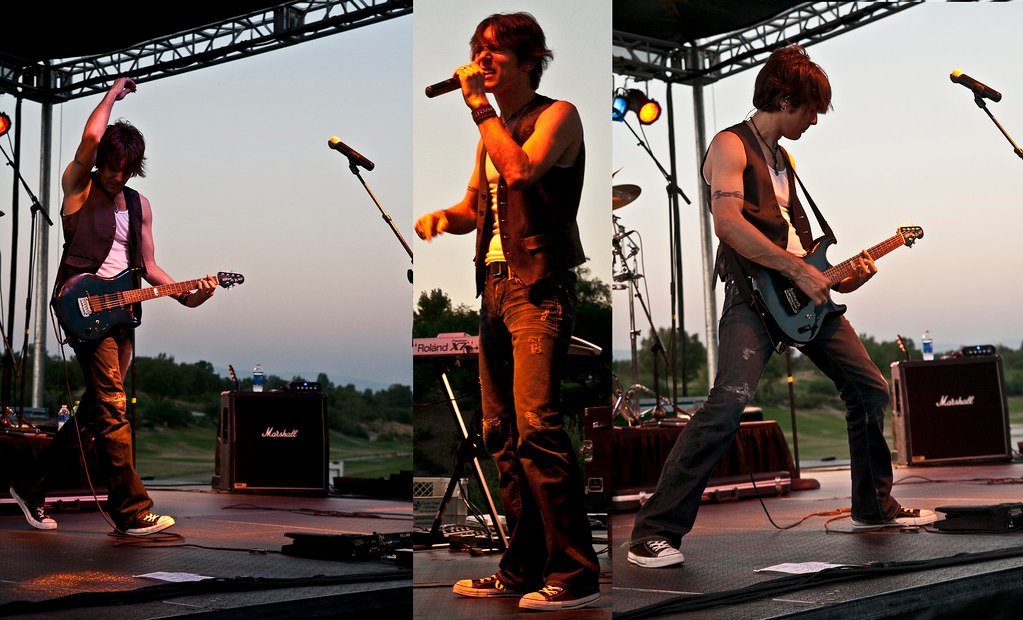
These breakups reveal how collaboration in rock thrives on chemistry yet crumbles under pressure. Egos clash, visions diverge, and fame amplifies every fracture, often beyond repair.
Yet the music outlives the drama, proving great bands etch permanence even in brevity. History shows tension can spark genius, but balance remains rock’s elusive rhythm.[5]

Besides founding Festivaltopia, Luca is the co founder of trib, an art and fashion collectiv you find on several regional events and online. Also he is part of the management board at HORiZONTE, a group travel provider in Germany.
