
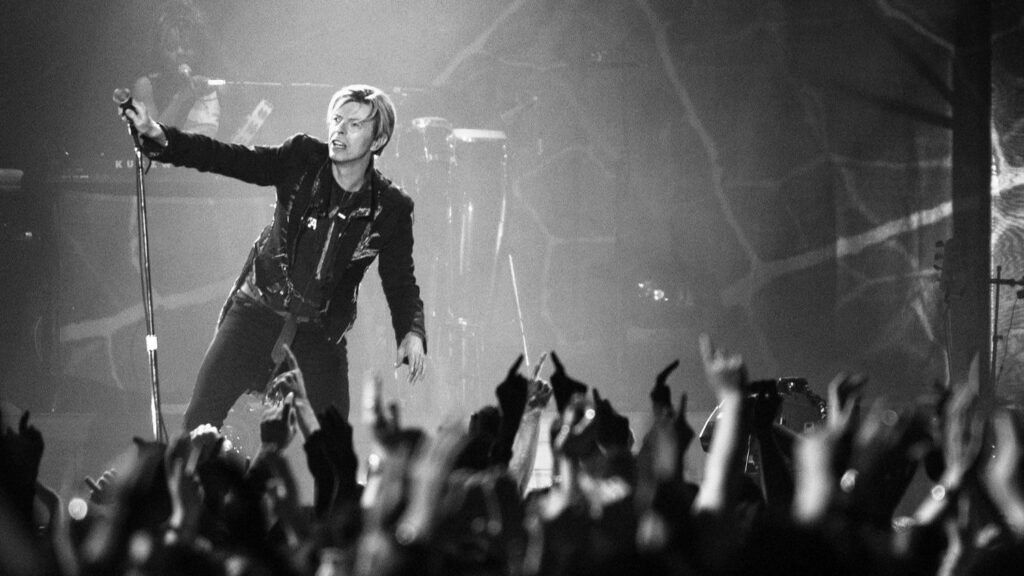
Music festivals often turn ordinary songs into something transcendent. Crowds sway together, voices blend into a single roar, and a track etched into memory forever. These moments bind performers and audiences in ways studio recordings never could.
What starts as a composition in a quiet room evolves through live energy. A pivotal performance at a massive event cements its status. Over time, it becomes a ritual, summoning the same thrill years later.
Queen’s “Bohemian Rhapsody” at Live Aid
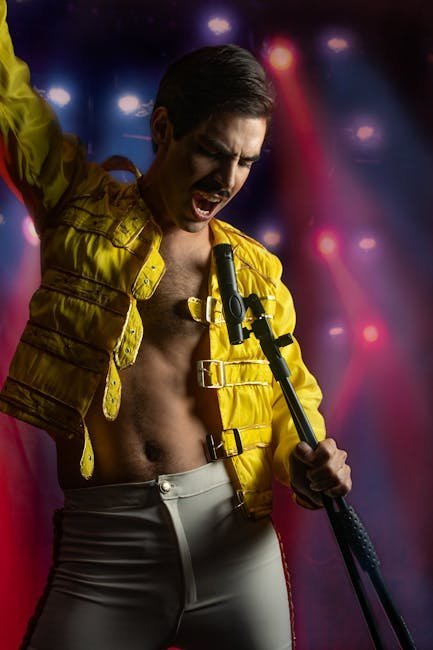
Released in 1975 on A Night at the Opera, Bohemian Rhapsody broke molds with its operatic structure and six-minute sprawl. Queen crafted it as a rock opera, blending ballad, hard rock, and choral chaos. Few expected it to top charts back then.
Live Aid in 1985 changed everything. Freddie Mercury commanded Wembley Stadium’s 72,000 fans through a 20-minute set, peaking with the anthem’s layered harmonies echoed by the crowd. Despite Queen’s hiatus and Freddie’s health struggles, they stole the show from a global lineup. That performance revived their career and set a benchmark for live spectacle, still hailed as rock’s pinnacle.
Jimi Hendrix’s “The Star-Spangled Banner” at Woodstock
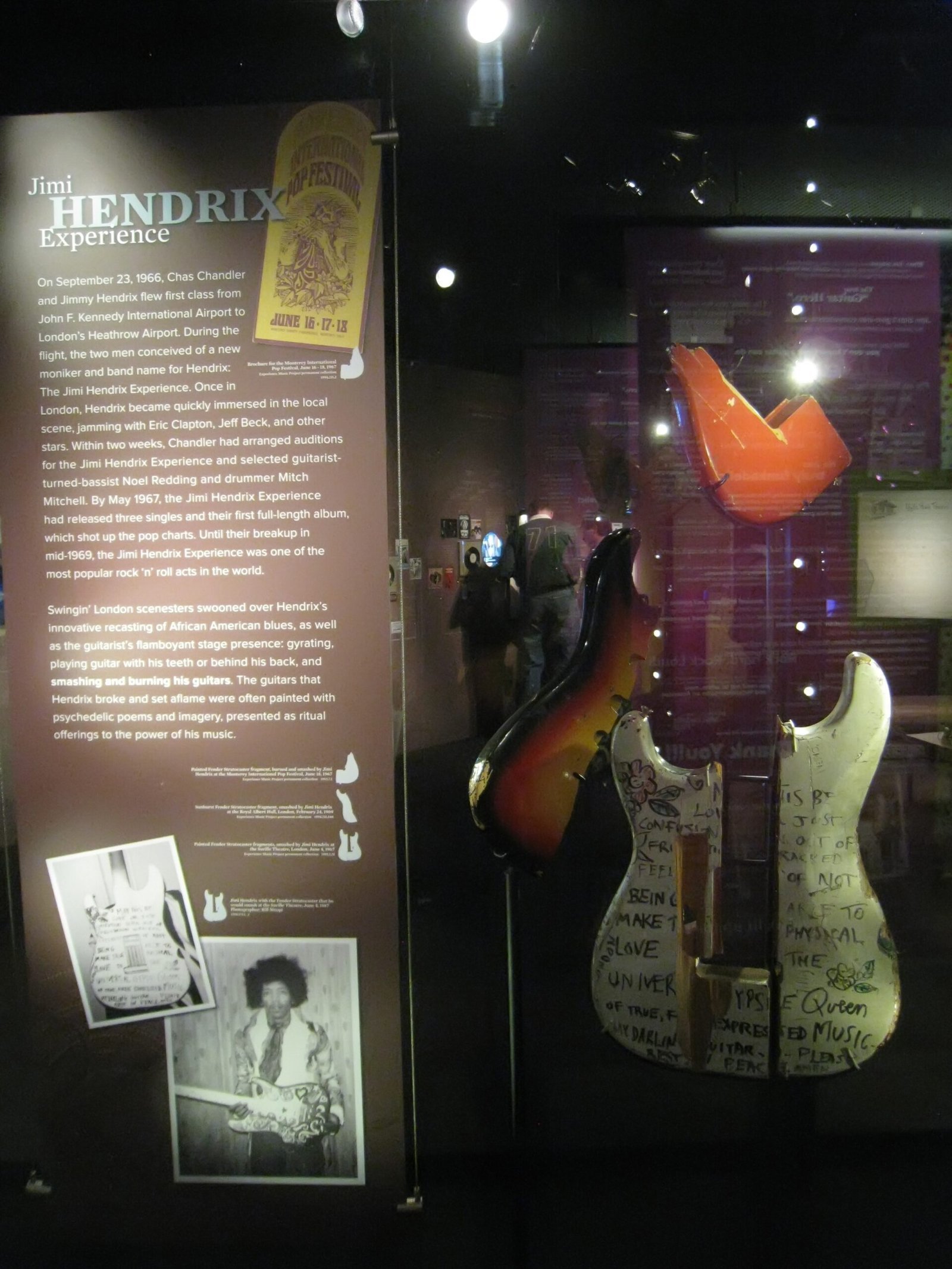
Uploaded by SunOfErat, CC BY 2.0)
Hendrix drew from the U.S. national anthem, twisting it into a raw guitar improvisation. He debuted this fiery take amid the Vietnam War era, using feedback and distortion for emotional depth. The song captured protest without words.
Woodstock 1969 slotted Hendrix for a Monday dawn gig after rain delays. Nearly empty fields filled as he unleashed wailing sirens and rocket blasts on his Stratocaster, mirroring war’s horror. This unscripted slot closed the festival, defining counterculture rebellion. Today, it symbolizes Woodstock’s spirit, replayed endlessly as a call for peace.
Nirvana’s “Smells Like Teen Spirit” at Reading Festival
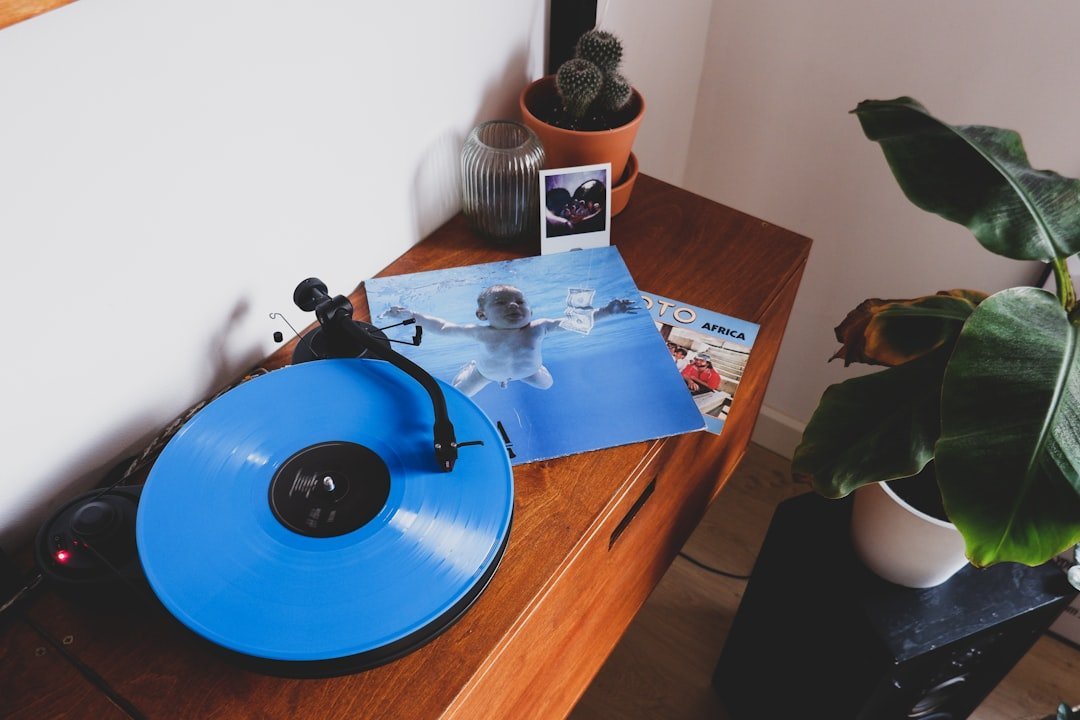
The 1991 Nevermind lead single exploded grunge into mainstream fury. Kurt Cobain wrote it half-jokingly about apathy, inspired by a deodorant slogan. Its raw riff and screamed chorus ignited a generation.
Reading 1992 tested Nirvana amid breakdown rumors. Cobain rolled onstage in a wheelchair and gown, mocking his fragility before unleashing the track with brutal force. The set peaked grunge’s dominance, blending chaos and precision. It remains a festival blueprint, evoking raw youth rebellion decades on.
Pulp’s “Common People” at Glastonbury
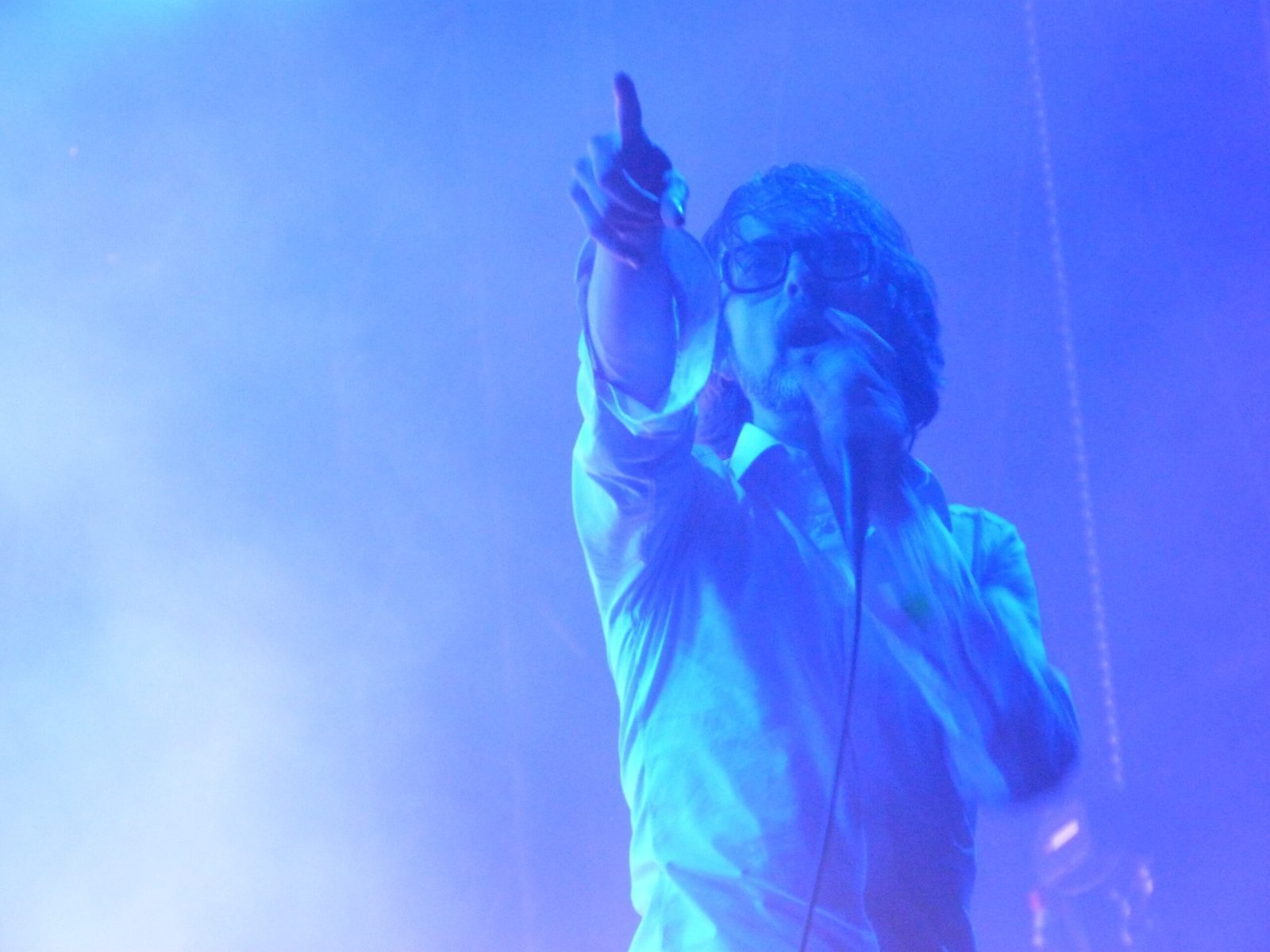
Jarvis Cocker penned this 1995 single as a sharp class satire. She came from Greece, he sang, but could not grasp working-life grind. Its piano hook and building rage hit Britpop’s nerve.
Glastonbury 1995 thrust Pulp into headliner chaos after Stone Roses bailed. The Pyramid Stage erupted in a sea of voices chanting every word, Jarvis prowling like a storyteller king. That raw connection propelled them to stardom. Now, it sparks universal singalongs, a timeless jab at inequality.
David Bowie’s “Heroes” at Glastonbury
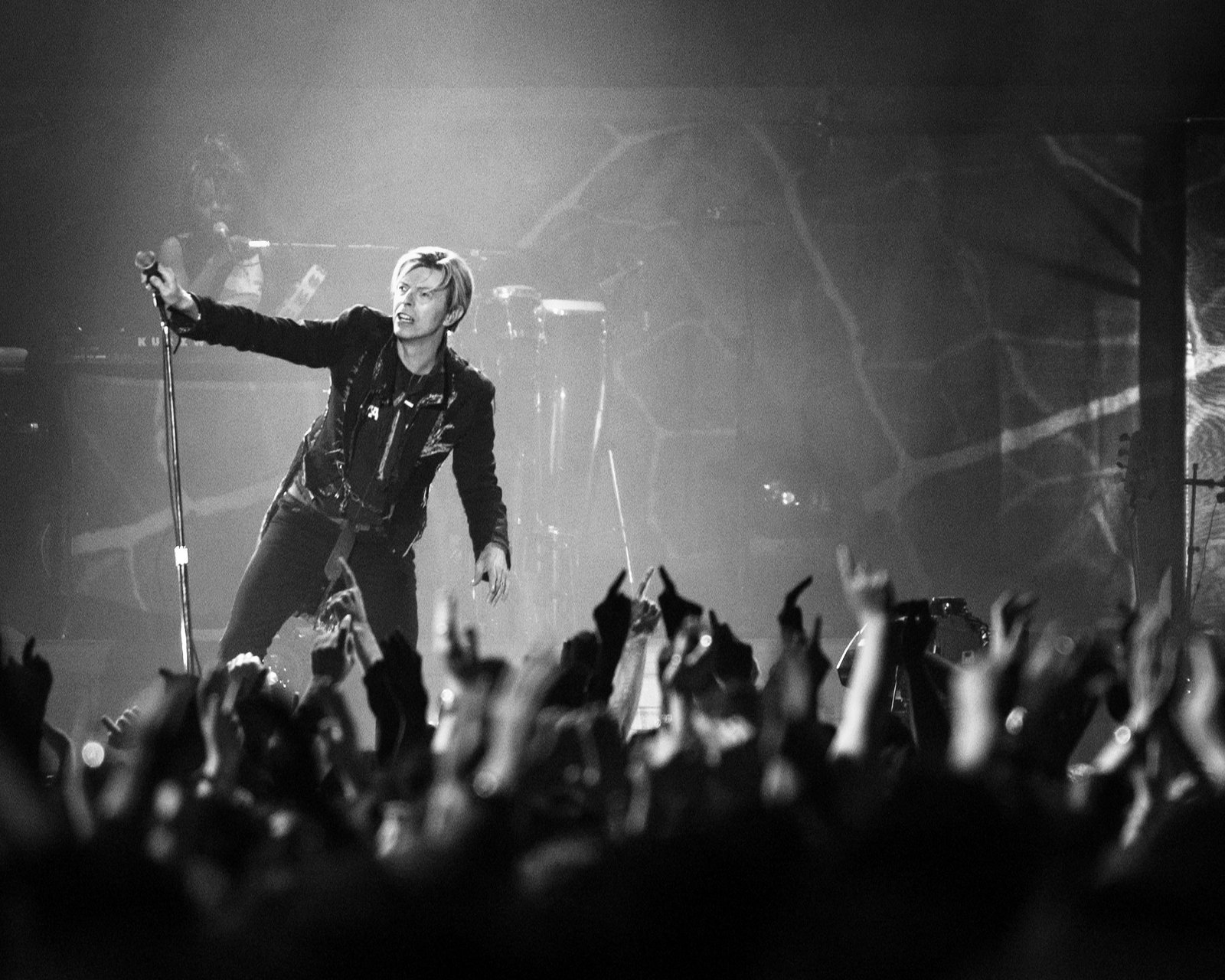
From 1977’s Berlin Trilogy, Heroes dreamed of fleeting triumph against walls. Bowie and Brian Eno layered it with ambient hope amid Cold War divide. The title evoked everyday heroism.
Glastonbury 2000 saw Bowie reclaim the Pyramid Stage crown. He stretched the chorus into anthemic glory, 100,000 fans roaring back under night skies. BBC glitches couldn’t dim its glow, later fully released. It endures as a beacon of resilience in live lore.
Beyoncé’s “Crazy in Love” at Glastonbury
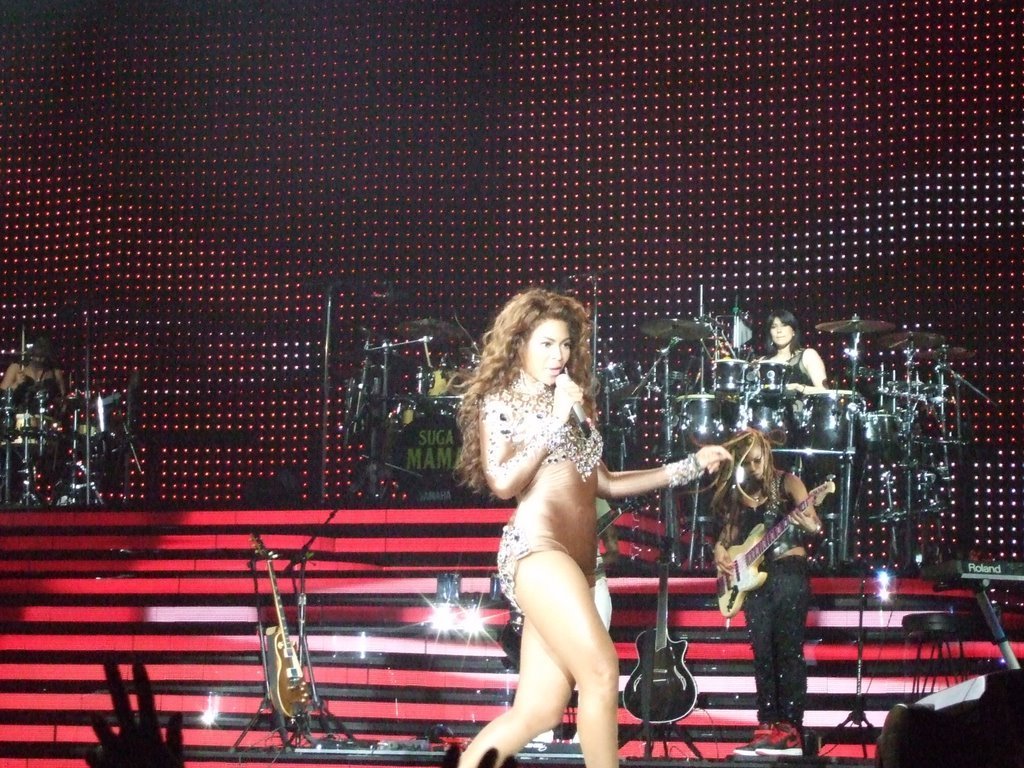
Her 2003 solo debut single fused Chi-Lites sample with horn blasts and fierce vocals. Beyoncé co-wrote it post-Destiny’s Child, claiming pop throne. Uh oh, she got it bad, the hook pulsed.
As first Black woman headlining Pyramid in 2011, she opened with unbridled power. The field transformed into a dancing mass, her command undeniable amid U.K. rain. It shattered doubts about her festival fit. The moment solidified her as live royalty, replayed for empowerment vibes.
These anthems thrive because festivals forge unbreakable bonds. Strangers unite in song, turning notes into shared memory. What begins personal becomes collective ritual.
Next time a crowd surges on a familiar riff, feel the history pulse. These tracks remind us music heals divides, one massive chorus at a time.

- Certain Festival Anthems Have a Dramatic History You Never Kued Existed. - August 26, 2026
- 10 Dramatic Moments in Sports History That Are Still Talked About Today. - August 26, 2026
- Classic Novels Often Contain Dramatically Different Endings in Early Drafts. - August 26, 2026

