
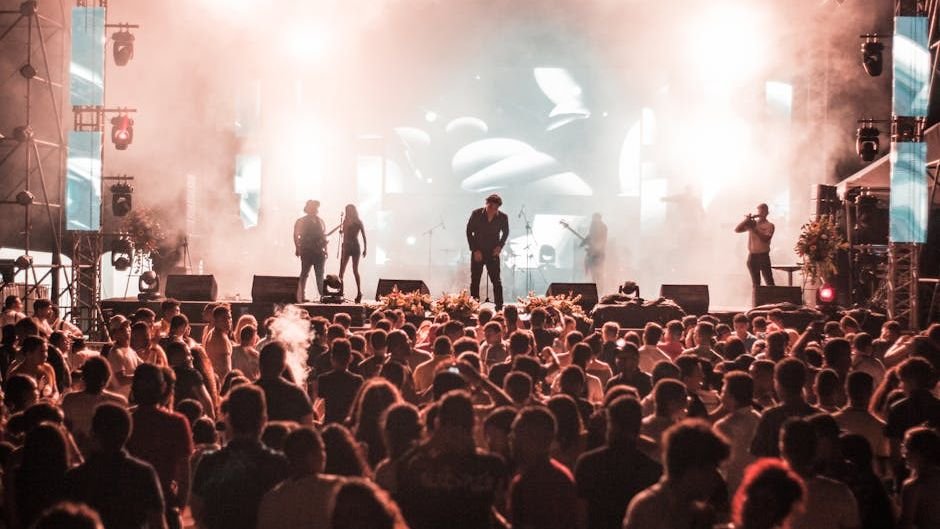
Few moments in music history capture the raw chaos and communal thrill of live festivals like certain unforgettable sets. These performances often arrive amid mud, rain, or controversy, yet they redefine the event and echo through decades.
They mark turning points for artists and audiences alike, blending technical brilliance with cultural timing. What starts as a fleeting high becomes a cornerstone of musical lore.[1][2]
Jimi Hendrix at Woodstock 1969
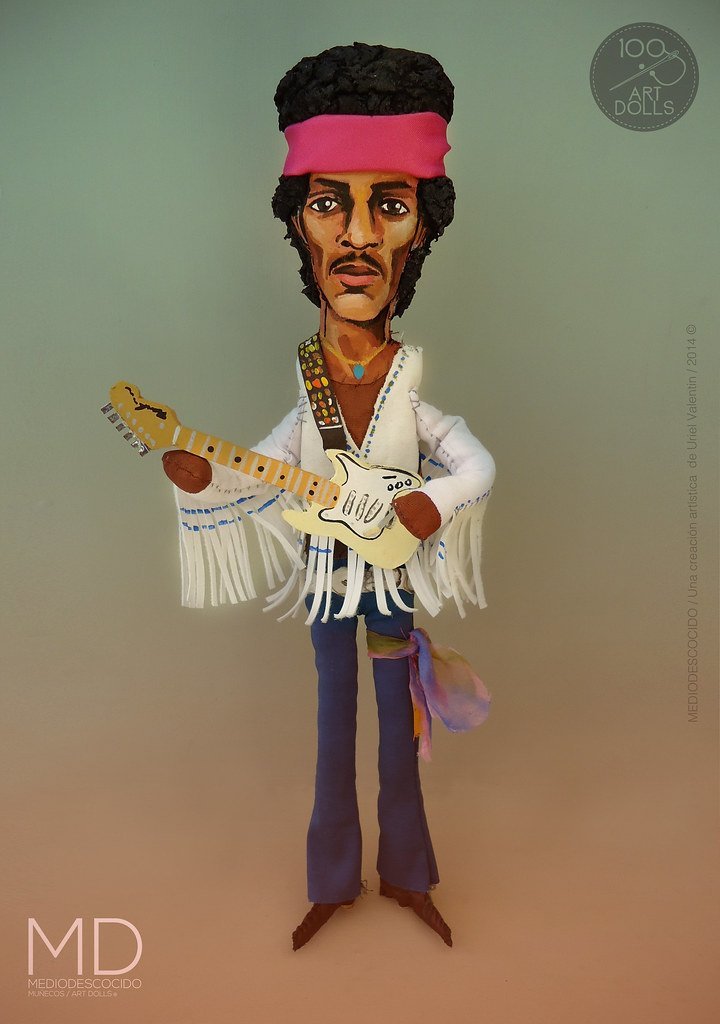
Woodstock unfolded over three rain-soaked days in August 1969, drawing hundreds of thousands to a New York farm for a counterculture pinnacle. Jimi Hendrix closed the festival on Monday morning, well past schedule, with a band including Billy Cox and Mitch Mitchell. His rendition of “The Star-Spangled Banner” warped the anthem through feedback and distortion, evoking bombs and sirens amid the Vietnam era backdrop.
This set cemented Woodstock as the era’s defining statement, with Hendrix’s guitar work symbolizing rebellion and innovation. Footage from the event turned it into visual shorthand for the 1960s’ end, influencing generations of musicians. The performance’s improvisational fire still draws comparisons in rock history.[3][4]
Nirvana at Reading Festival 1992
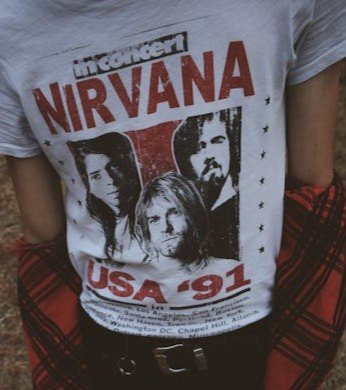
Reading Festival in 1992 buzzed with grunge fever as Nirvana headlined amid breakup rumors and Kurt Cobain’s recent rehab stint. Cobain rolled onstage in a wheelchair and hospital gown as a prank, only to explode into a 78-minute tear through Nevermind and Bleach tracks. The crowd of 50,000 surged as the band demolished instruments at the close.
Professional video captured the set’s kinetic proof of Nirvana’s peak power, silencing doubters and ranking it among rock’s finest. It marked their last UK show, amplifying its mythic status in grunge’s timeline. Decades later, clips fuel debates on the genre’s rawest highs.[5][2]
Radiohead at Glastonbury 1997
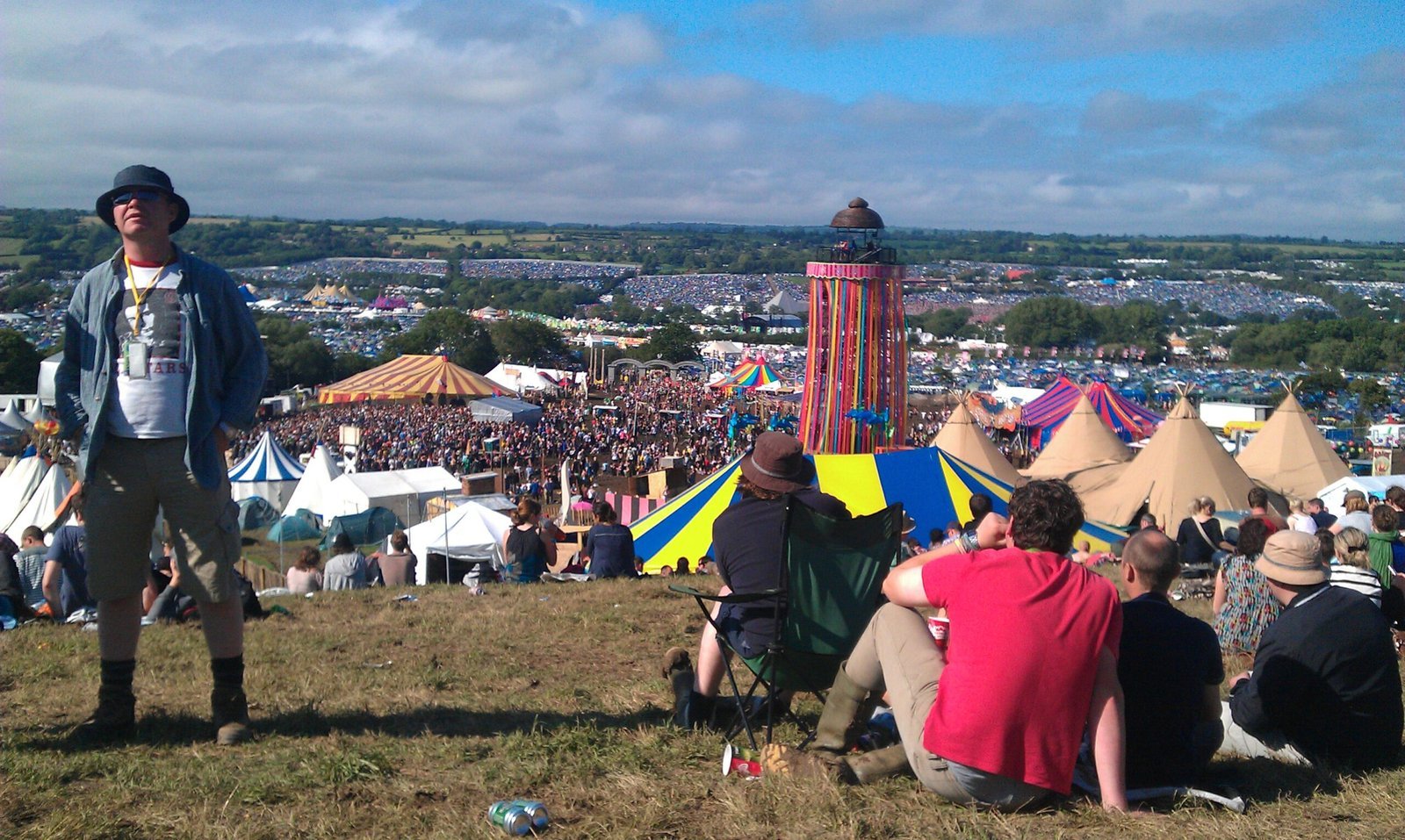
Glastonbury’s Pyramid Stage hosted Radiohead a month after OK Computer’s release, under relentless rain turning fields to mud. They opened with “Lucky” and closed “Street Spirit,” weaving paranoia and beauty through the storm. A rare “Creep” encore connected with the soaked faithful.
The performance framed the album’s major-label breakthrough, blending alienation with catharsis for a defining alt-rock moment. It shaped Glastonbury’s reputation for transformative sets, with fans still citing it as a high-water mark. Radiohead’s evolution owes much to that night’s intensity.[2][4]
David Bowie at Glastonbury 2000
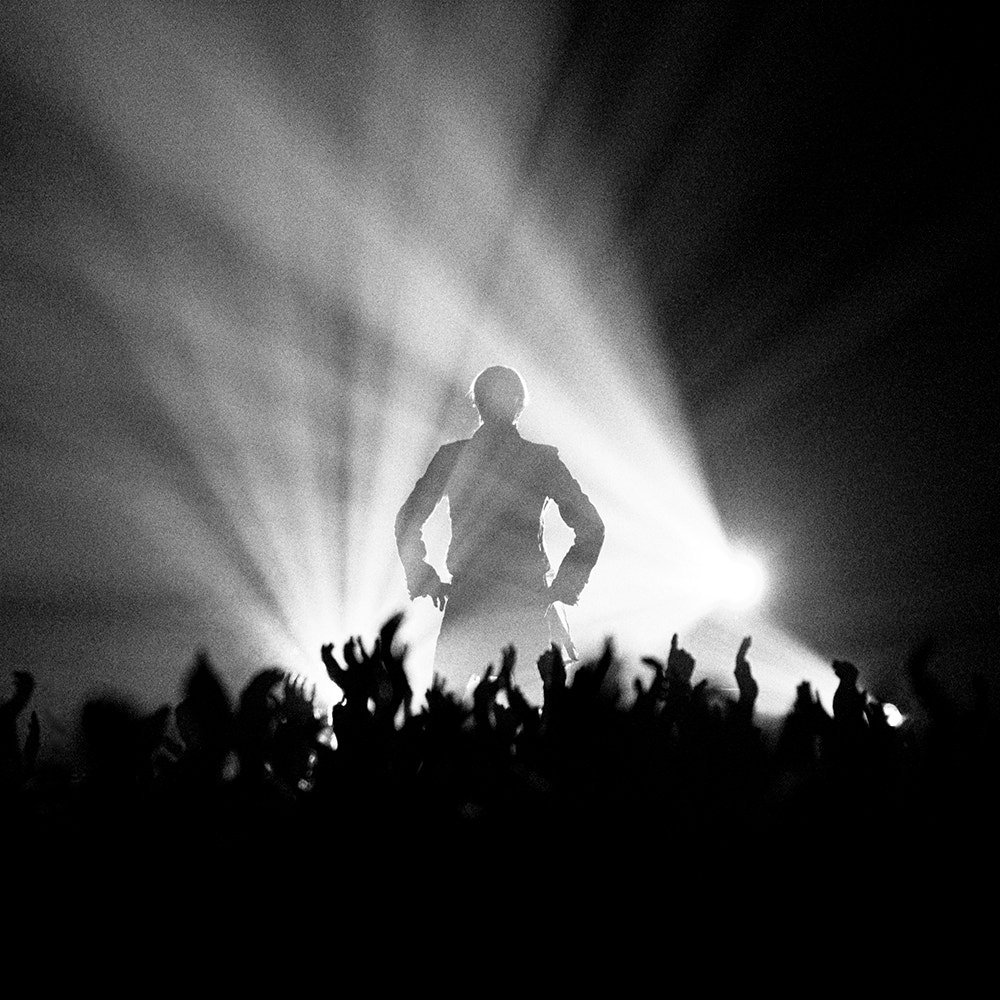
Glastonbury welcomed David Bowie back after nearly 30 years, placing him on the Pyramid Stage to usher in the new millennium. His career-spanning set mixed hits like “Changes” with fresh material from Earthling and Hours. The “Heroes” encore stretched timelessly, captivating the massive crowd.
Billed as Glastonbury’s finest hour, it showcased Bowie’s chameleon genius and stage command despite vocal strains. The event bridged his past innovations with contemporary edge, inspiring tributes long after. It remains a benchmark for festival artistry.[5][3]
Prince at Coachella 2008
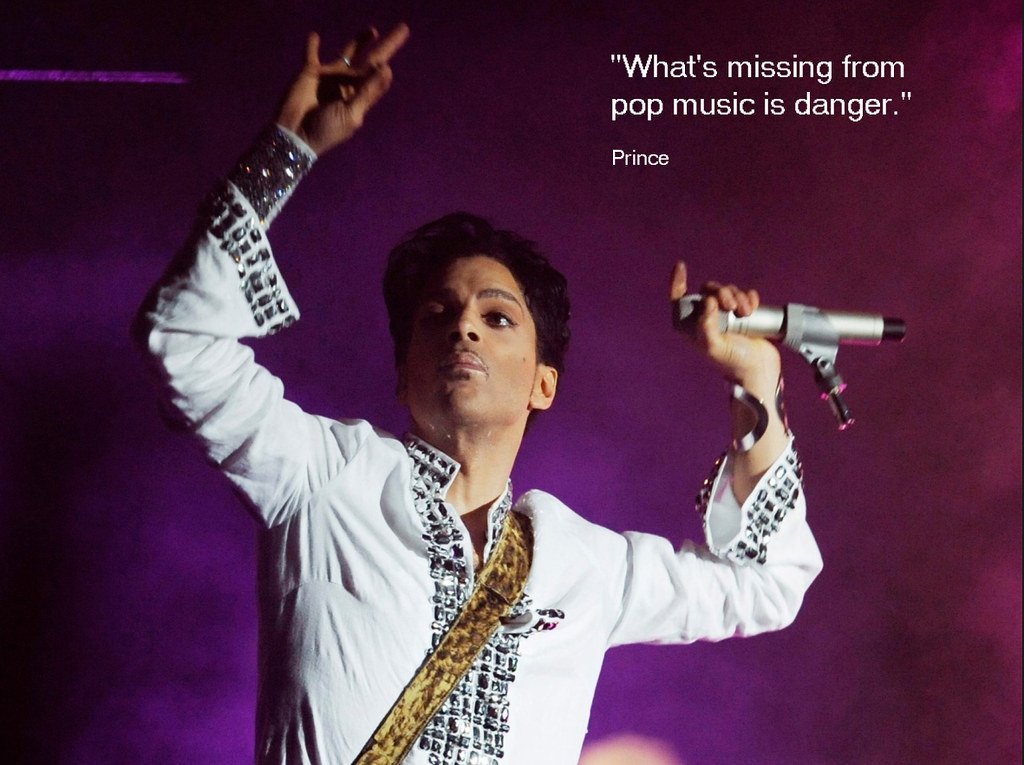
Coachella’s desert night in 2008 saw Prince command the main stage after a weekend of hip-hop and indie acts. He opened with an eight-song covers medley, twisting Radiohead’s “Creep,” Beatles’ “Come Together,” and B-52s’ “Rock Lobster.” Hits like “Kiss” and “Purple Rain” followed under starry skies.
The seamless genre mash-up redefined festival headlining, blending funk mastery with surprise. Clips spread virally, elevating Coachella’s prestige and Prince’s live legend. It endures as a masterclass in crowd hypnosis.[5][3]
Jay-Z at Glastonbury 2008
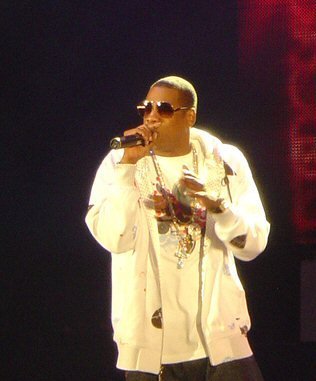
Glastonbury’s 2008 booking of Jay-Z as first rap headliner sparked backlash from rock purists like Noel Gallagher. Dressed in a parka, he stormed the Pyramid Stage with hits and a cheeky “Wonderwall” nod. The massive crowd embraced the shift, dancing through anthems like “99 Problems.”
His triumph broadened the festival’s scope, proving hip-hop’s festival dominance. It paved doors for diverse bookings and reshaped UK perceptions of rap. The set’s bold energy still echoes in lineup debates.[2]
Rage Against the Machine at Coachella 2007
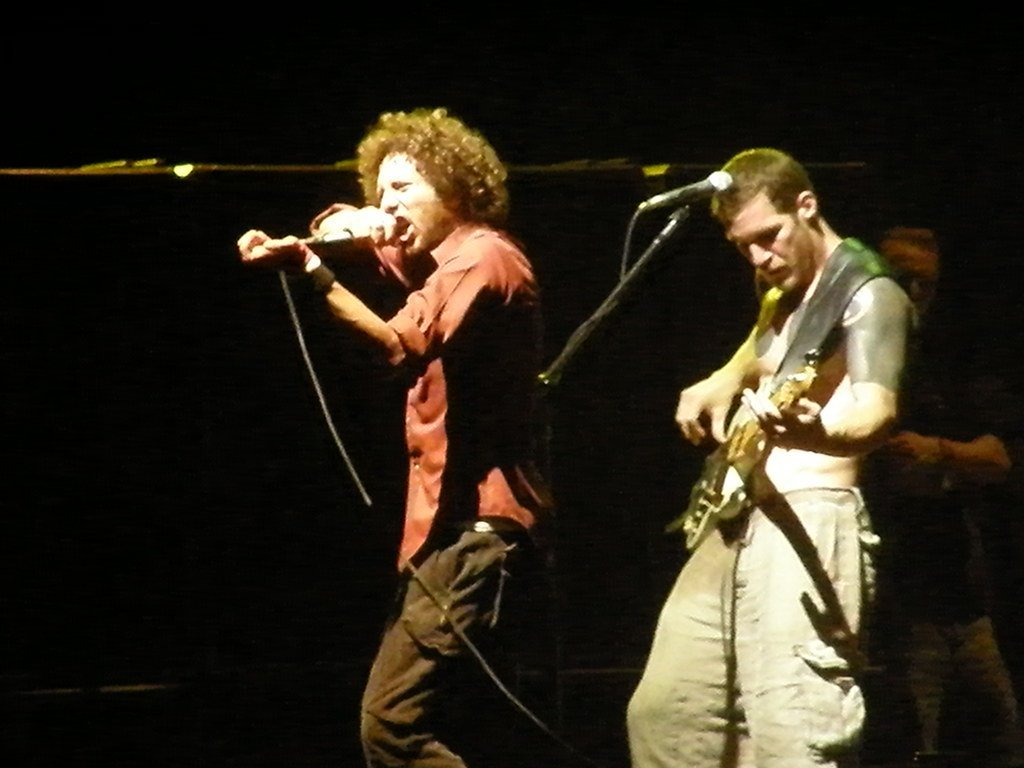
Coachella 2007 marked Rage Against the Machine’s reunion after seven years, fueling anti-Bush fury. Zack de la Rocha railed against presidents as war criminals between “Wake Up” and “Bulls on Parade.” They closed with “Killing in the Name,” igniting the crowd.
The political blast revived their protest legacy, dominating festival talk and headlines. It underscored live music’s activist power, with footage amplifying their return. Rage’s sets continue drawing from this template.[5][1]
The Mythology of Live Music
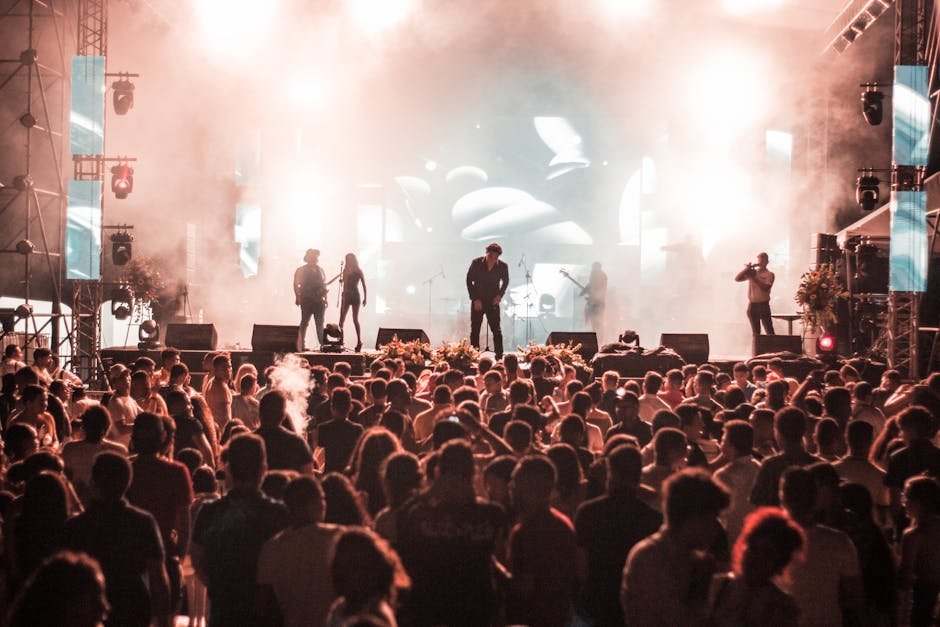
These electrifying sets weave a tapestry where festivals become sacred grounds for shared transcendence. They remind us how vulnerability, timing, and sheer force can birth enduring stories.
Live music thrives on such myths, passed through grainy videos and eyewitness tales. In an era of polished streams, they affirm the irreplaceable spark of the moment.[1][2]

- Certain Festival Anthems Have a Dramatic History You Never Kued Existed. - August 26, 2026
- 10 Dramatic Moments in Sports History That Are Still Talked About Today. - August 26, 2026
- Classic Novels Often Contain Dramatically Different Endings in Early Drafts. - August 26, 2026

