
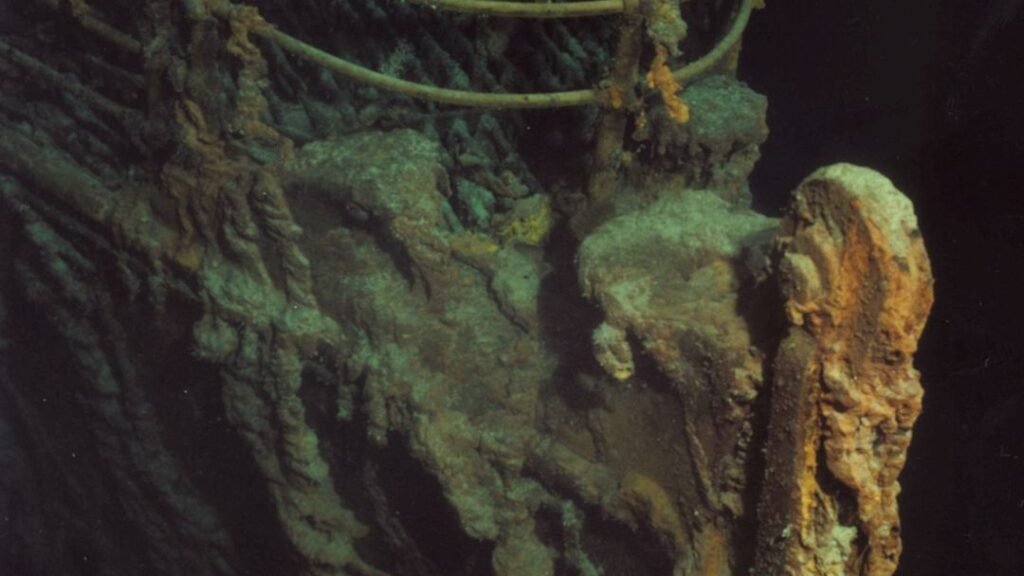
Unexpected connections tied to the Titanic disaster still capture the imagination of historians and everyday readers more than a century later. The ship’s sinking on April 15, 1912, after striking an iceberg, claimed over 1,500 lives and sparked endless fascination with its prelude and aftermath.
These links range from literary parallels to personal survivals that defy odds. They remind us how history sometimes weaves patterns too precise for pure chance.[1][2]
The Prophetic Novel Futility, or the Wreck of the Titan
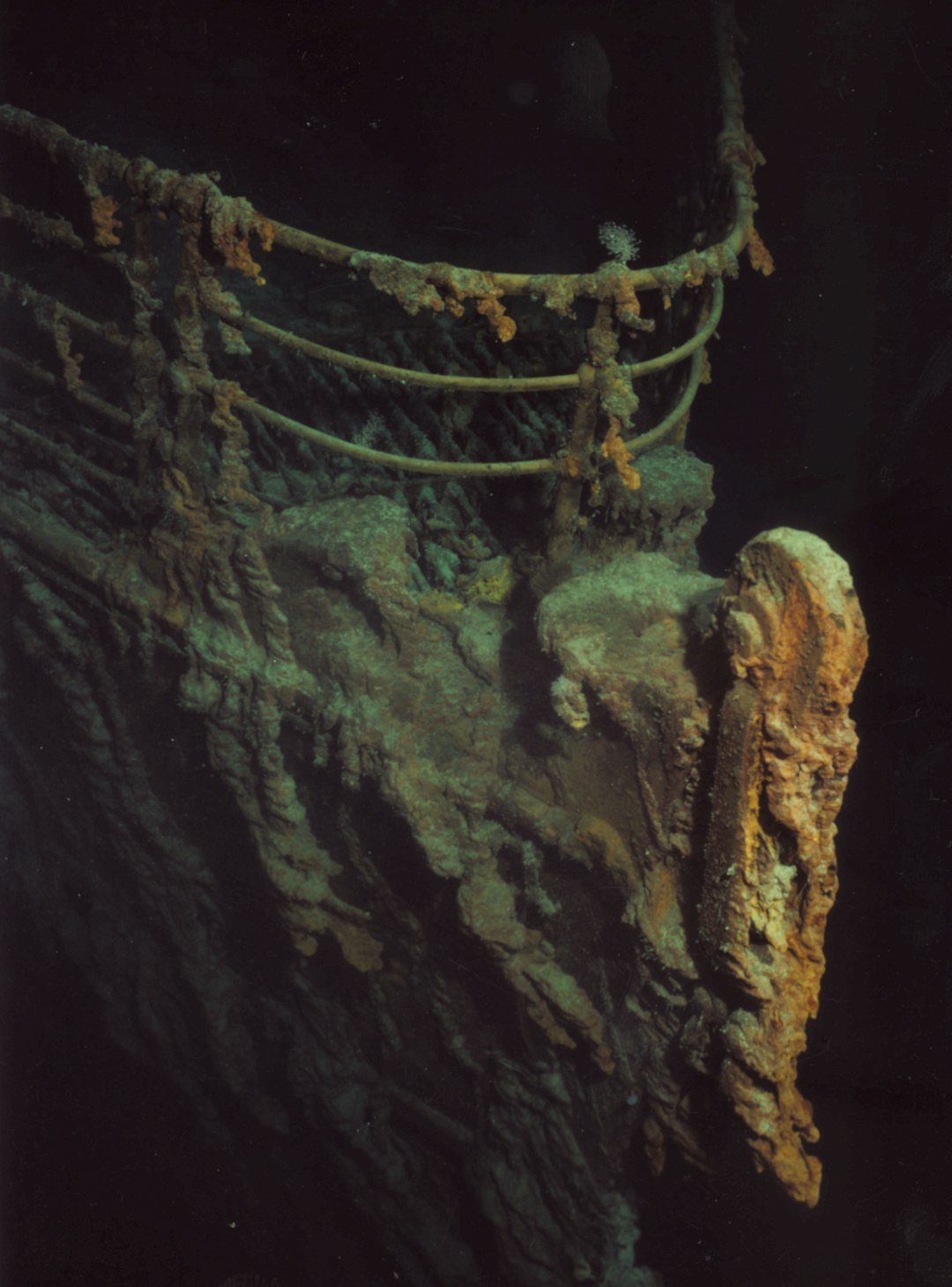
In 1898, author Morgan Robertson published Futility, or the Wreck of the Titan, describing a massive luxury liner named Titan. This fictional vessel, deemed practically unsinkable with watertight compartments, struck an iceberg in the North Atlantic during an April voyage and sank due to insufficient lifeboats.
The real Titanic shared striking similarities: nearly identical length, speed around 22-25 knots at impact, and the same fatal shortcomings in lifeboat capacity. Robertson’s tale, out of print until after 1912, resurfaced amid the tragedy, fueling debates on foresight versus coincidence.[1][2]
William T. Stead’s Eerie Premonitions
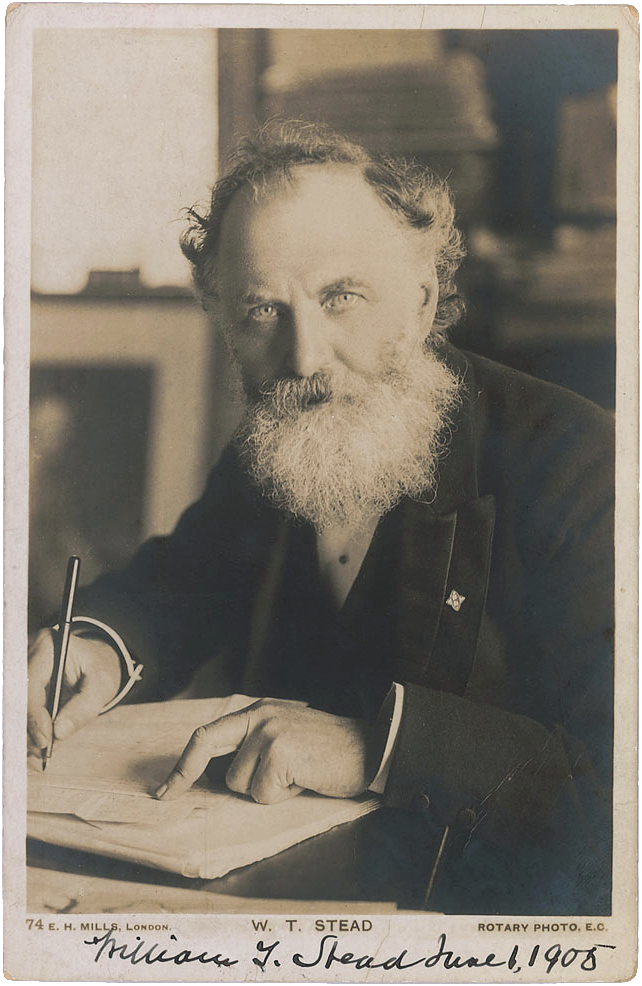
Journalist William T. Stead, a pioneer of investigative reporting and spiritualism enthusiast, penned two stories decades before boarding the Titanic. His 1886 piece detailed a passenger ship collision leading to mass drowning from too few lifeboats, while a 1892 tale involved an iceberg strike and rescue efforts.
Stead perished on the Titanic, mirroring elements from his own fiction in uncanny detail. His interest in the occult added layers to the story, as contemporaries pondered if he sensed his fate. These writings highlighted real maritime safety flaws long ignored by the industry.[1][2]
Violet Jessop and the Triple Shipwreck Survival

Violet Jessop served as a stewardess across White Star Line’s Olympic-class liners, facing disaster each time. In 1911, she endured the RMS Olympic’s collision with HMS Hawke near Southampton, escaping unharmed.
She survived the Titanic’s sinking the next year, then nursed aboard HMHS Britannic in 1916, leaping from a lifeboat as it sank after striking a mine. Jessop’s repeated brushes with catastrophe on sister ships stand as one of maritime history’s most improbable tales. Her memoirs later chronicled the ordeals with quiet resilience.[3][4]
The Cursed Fate of the Olympic-Class Triplets
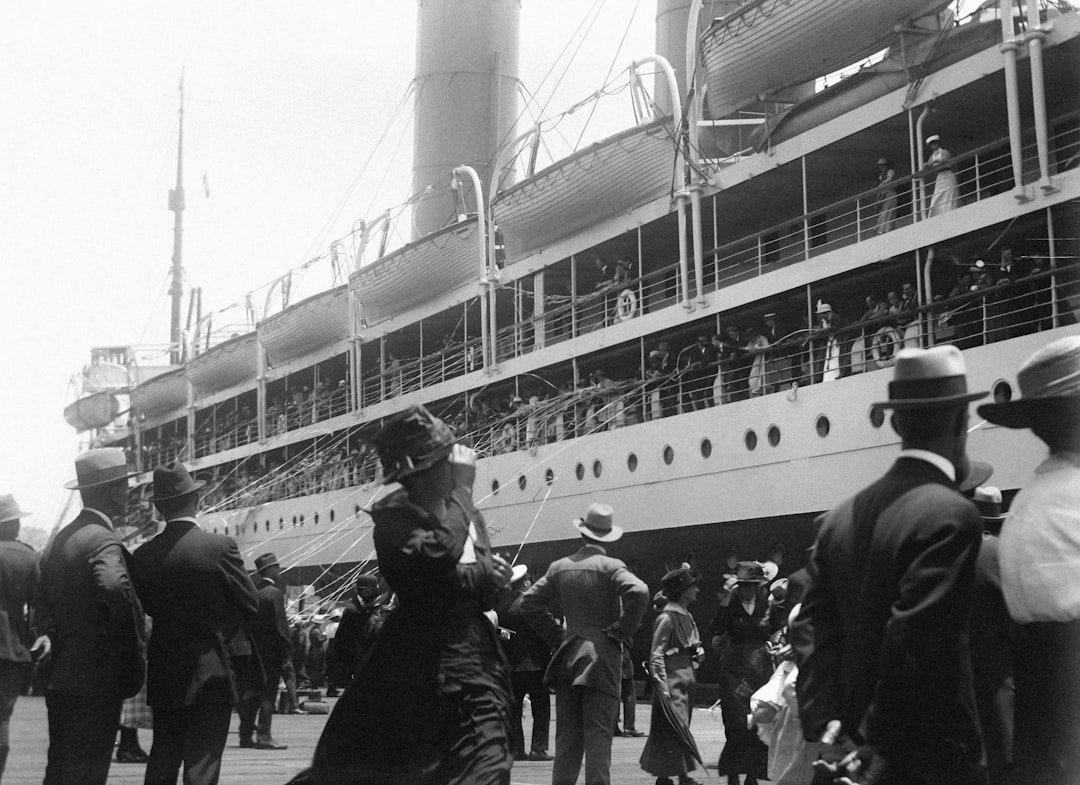
The Titanic belonged to a trio of grand liners: Olympic, Titanic, and Britannic, all built by Harland & Wolff. Olympic rammed HMS Hawke just months before Titanic’s maiden voyage, damaging both vessels severely.
Britannic, repurposed as a hospital ship in World War I, sank fastest of all in 1916 after an explosion near Greece. This sequence of calamities for identical ships, launched within years of each other, puzzled observers and amplified Titanic lore. No single cause linked them, yet the pattern lingers.[3]
The Supermoon and Dislodged Icebergs
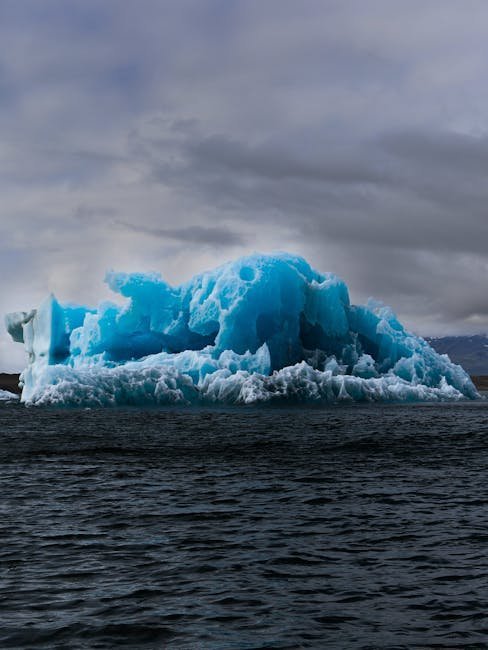
On April 14, 1912, the full moon approached Earth closer than in 1,400 years, aligning with a close solar position and spring tides. This rare setup created powerful currents that loosened massive icebergs from Greenland glaciers, pushing them into shipping lanes.
Titanic navigated directly into this hazard zone, heightening the risk amid calm seas that hid bergs until too late. Astronomers later connected these celestial events to the disaster’s prelude, blending science with serendipity. It underscores how cosmic forces can intersect with human endeavors unexpectedly.[1]
The Enduring Mystery of the Titanic
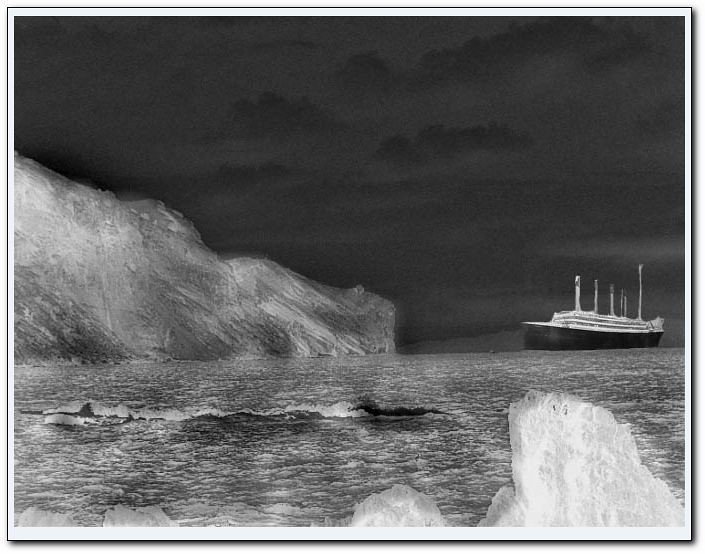
The Titanic saga endures partly because these coincidences blur lines between chance and something deeper. Historians sift facts from folklore, yet the ship’s shadow persists in culture and inquiry.
Reality’s twists often outpace invention, leaving us to ponder the fragile threads of history. The ocean depths guard final secrets, but the echoes above surface keep drawing us back.


