
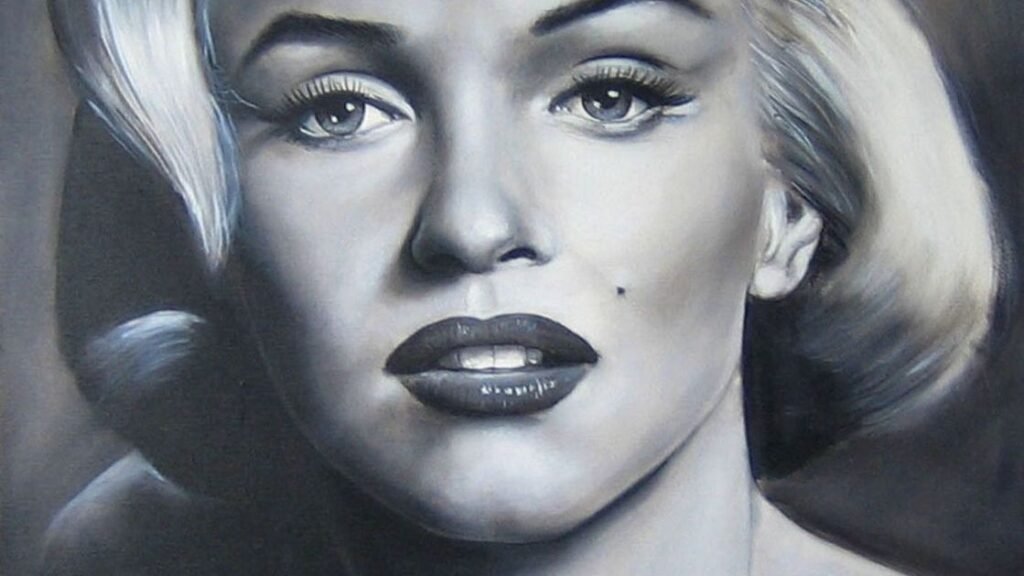

The studio era of Hollywood, spanning roughly from the late 1920s to the early 1950s, transformed actors into larger-than-life figures. Major studios like MGM, Warner Bros., and Paramount controlled every aspect of filmmaking, from casting to publicity. This system churned out stars whose faces and personas became synonymous with glamour and escapism during tough economic times.
Audiences worldwide hung on their every role, turning them into cultural icons. These celebrities did more than entertain. They defined trends in fashion, romance, and even social norms, leaving a blueprint for stardom that endures today.
The Studio System’s Unrivaled Control

Studios signed actors to exclusive long-term contracts, dictating their careers down to haircuts and dating lives. This iron grip ensured a steady pipeline of tailored movies, maximizing profits through star vehicles. Publicity departments crafted myths around performers, fueling fan magazines and newsreels that blanketed the globe.
The legacy shows in how these factories mass-produced hits like Casablanca and Gone with the Wind. Even as antitrust rulings dismantled the system by the late 1940s, it set the standard for celebrity worship. Modern blockbusters still echo that formula of building icons around franchises.
Clark Gable’s Kingly Charisma
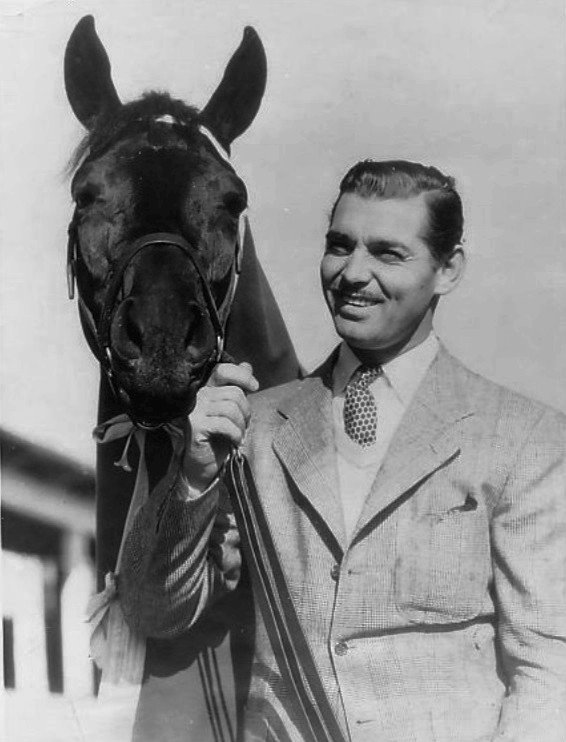
front back, Public domain)
Gable embodied rugged masculinity in films like It Happened One Night, where his shirtless scene sparked a nationwide trend. MGM promoted him relentlessly as the “King of Hollywood,” pairing him with top leading ladies across dozens of pictures. His gravelly voice and smirk made him irresistible to Depression-era crowds seeking heroes.
His influence lingered in portrayals of tough-yet-tender men, from action leads to romantic rogues. Gone with the Wind cemented his status, with Rhett Butler’s exit line etched in pop culture. Gable’s work ethic and box-office pull shaped how studios gambled on male leads for decades.
Bette Davis’s Fierce Independence
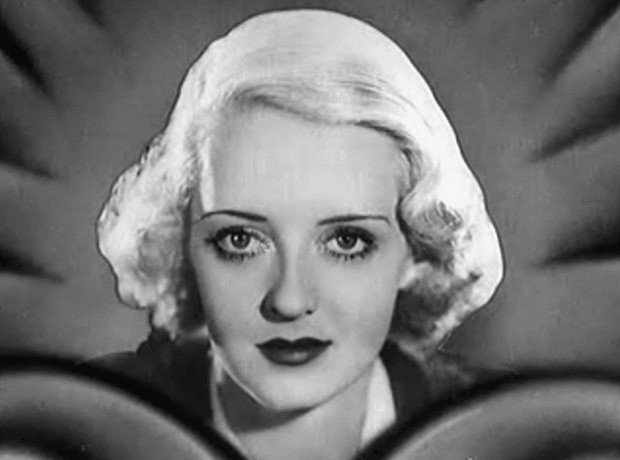
Davis brought raw intensity to roles in Whatever Happened to Baby Jane? and All About Eve, often clashing with studios over scripts. Warner Bros. initially resisted her demands, but her Oscar wins proved her draw. She redefined women on screen as complex, ambitious forces rather than mere ornaments.
Her legacy thrives in actresses tackling unlikable characters with nuance. Davis’s chain-smoking candor off-screen mirrored her on-screen edge, inspiring generations. She outlasted the studio era, proving talent could trump contracts.
Humphrey Bogart’s Cynical Cool
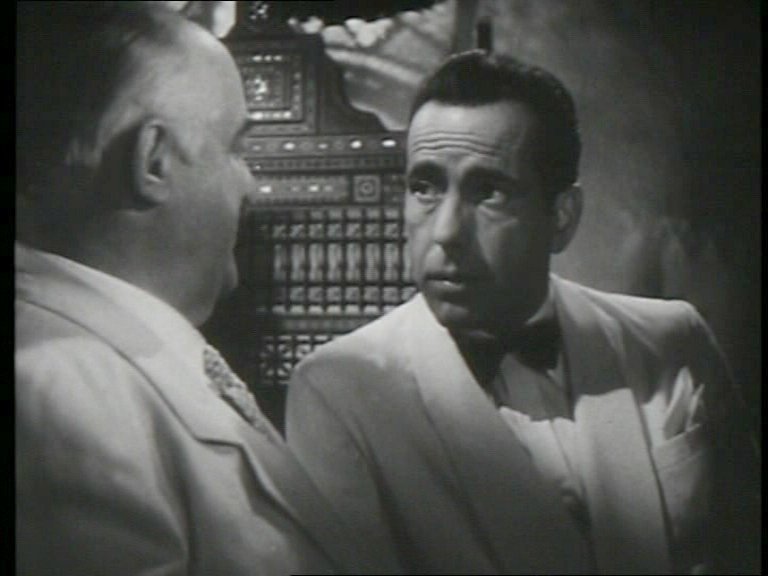
Bogart morphed from gangster types in Warner Bros. noirs like The Maltese Falcon into the ultimate anti-hero in Casablanca. His world-weary delivery and trench coat became noir staples, captivating post-war audiences. Studios molded his image from bit player to leading man through gritty crime dramas.
His partnership with Lauren Bacall amplified their mystique, blending real-life romance with reels. Bogart’s influence defines detective archetypes in TV and film today. He symbolized Hollywood’s shift toward morally gray stars as innocence faded.
Katharine Hepburn’s Defiant Grace
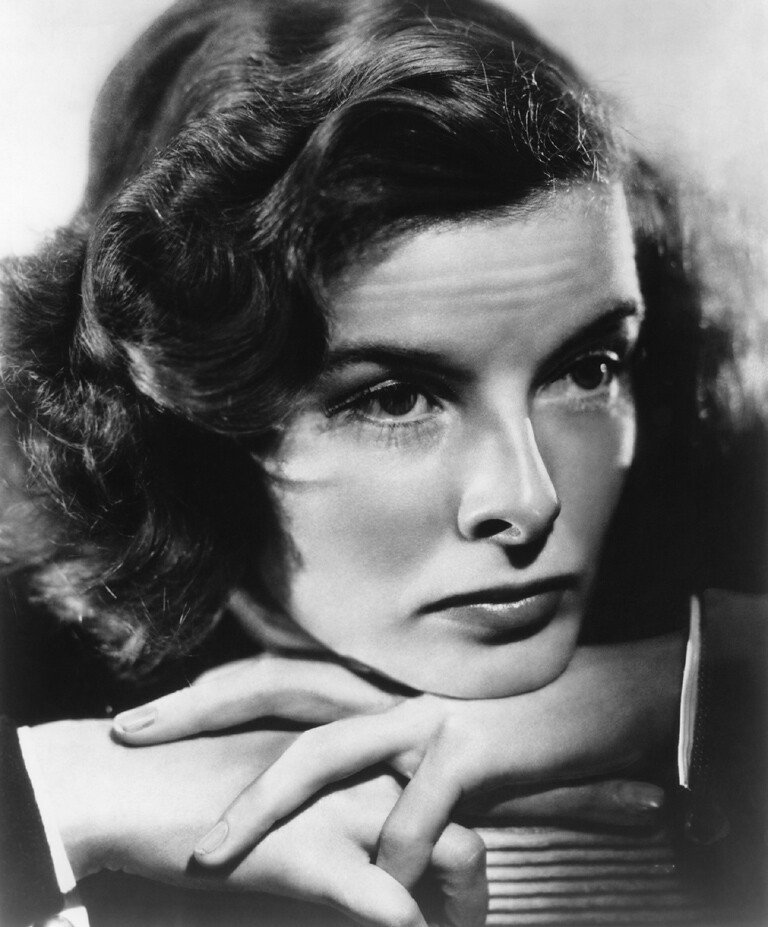
Hepburn shattered molds with spirited roles in Bringing Up Baby and The Philadelphia Story, favoring wit over glamour. RKO and MGM suspended her for rejecting projects, yet her stage successes forced comebacks. She championed trousers and short hair, challenging 1930s femininity norms.
Four Oscars marked her unparalleled acclaim, influencing trailblazing women in entertainment. Hepburn’s longevity bridged eras, mentoring stars like Spencer Tracy. Her poise under pressure remains a benchmark for authentic stardom.
Marilyn Monroe’s Timeless Allure
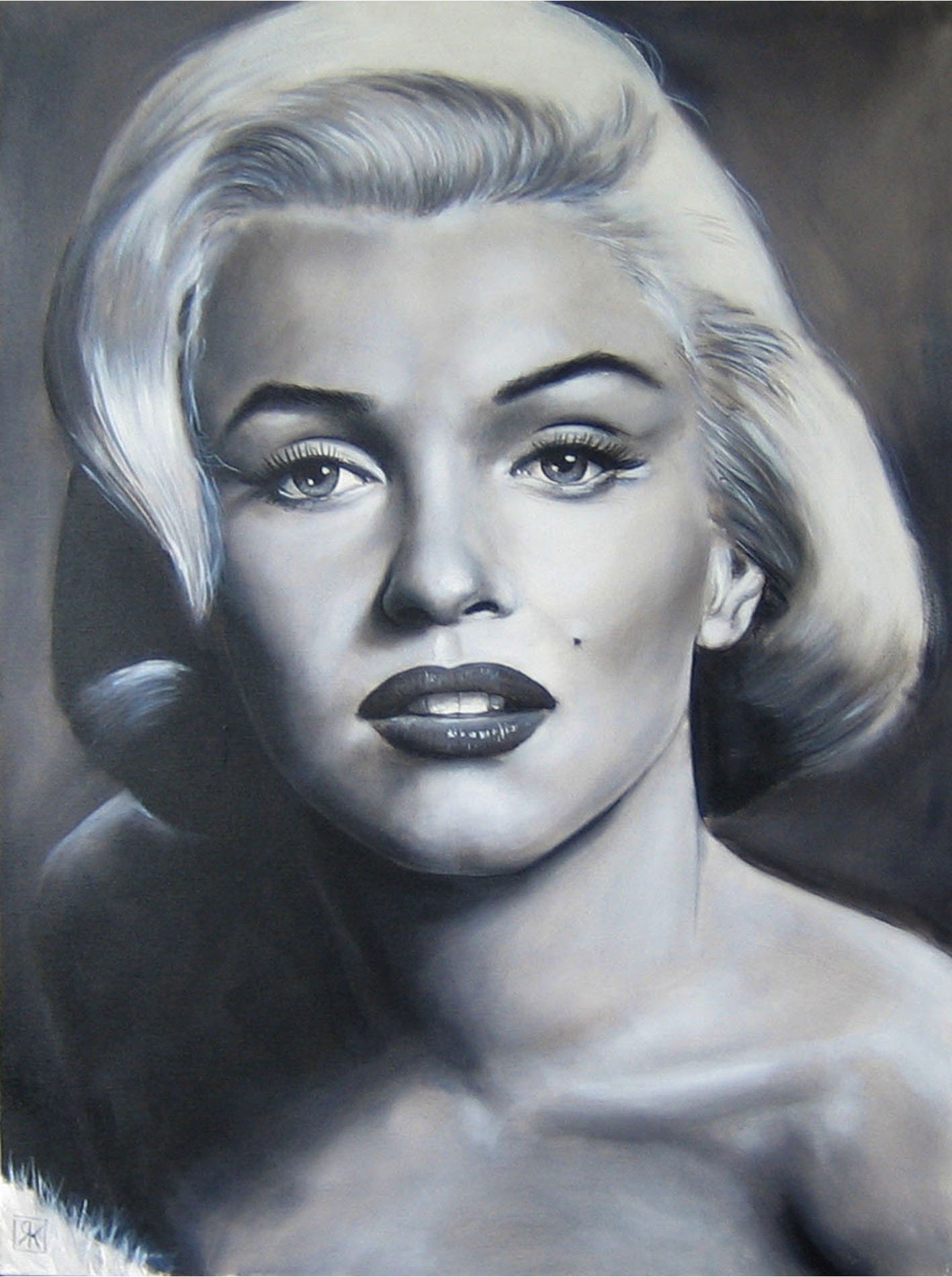
Monroe rose from Fox contract player to bombshell in Gentlemen Prefer Blondes and Some Like It Hot, her breathy voice and curves engineered by studio stylists. Publicity stunts and pin-up fame masked deeper struggles, yet she packed theaters globally. Her platinum image defined sex appeal for the 1950s.
Monroe’s vulnerability in Bus Stop hinted at dramatic range, paving ways for multifaceted blondes. Her tragic end amplified mythic status, studied in gender and fame critiques. She endures as Hollywood’s ultimate symbol of beauty’s double edge.
Judy Garland’s Vocal Wizardry
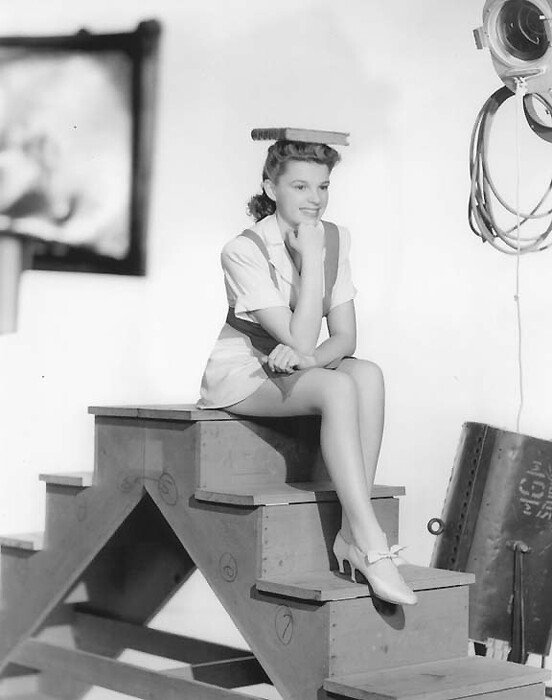
Garland’s youthful energy lit up MGM musicals like The Wizard of Oz, where Dorothy’s journey resonated universally. Studio pressures slimmed her down and pushed grueling schedules, forging a powerhouse singer-dancer. Her Over the Rainbow became an anthem of hope amid world wars.
Carnegie Hall triumphs revived her career, influencing diva traditions in music and film. Garland’s raw emotion inspired performers like Barbra Streisand. Her story highlights the system’s toll on child stars, a cautionary echo today.
Legacy of Hollywood’s Golden Era
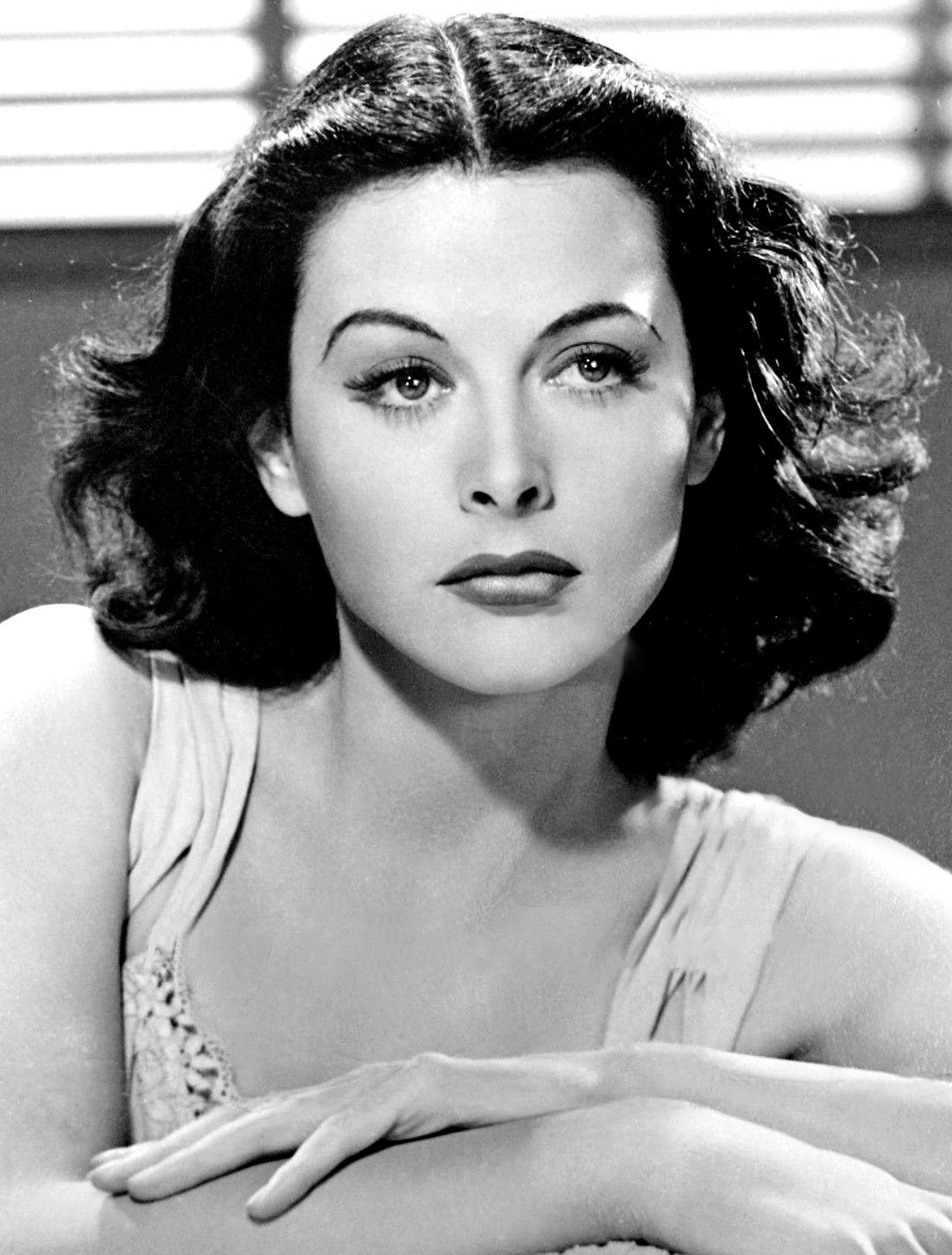
The studio decades forged celebrities who transcended screens, embedding themselves in collective memory. Their films offered refuge and aspiration, grossing fortunes while exporting American dreams abroad. Though television and independents eroded the monopoly, the star system’s blueprint persists in global media empires.
These icons remind us of cinema’s power to forge identities. Hollywood’s formative years proved one era’s galaxy can illuminate paths for all that follow. Their light still guides entertainment’s vast universe.

Besides founding Festivaltopia, Luca is the co founder of trib, an art and fashion collectiv you find on several regional events and online. Also he is part of the management board at HORiZONTE, a group travel provider in Germany.
