
Famous quotations often drift from their true sources. Repetition in books, speeches, and now social media cements them to the wrong names. Translation errors and dramatic retellings in films add layers of confusion.
Popular media amplifies these mix-ups. A pithy line fits a figure’s image so well that origins fade. The result shapes how we remember history itself.[1][2]
“Let Them Eat Cake” – Marie Antoinette
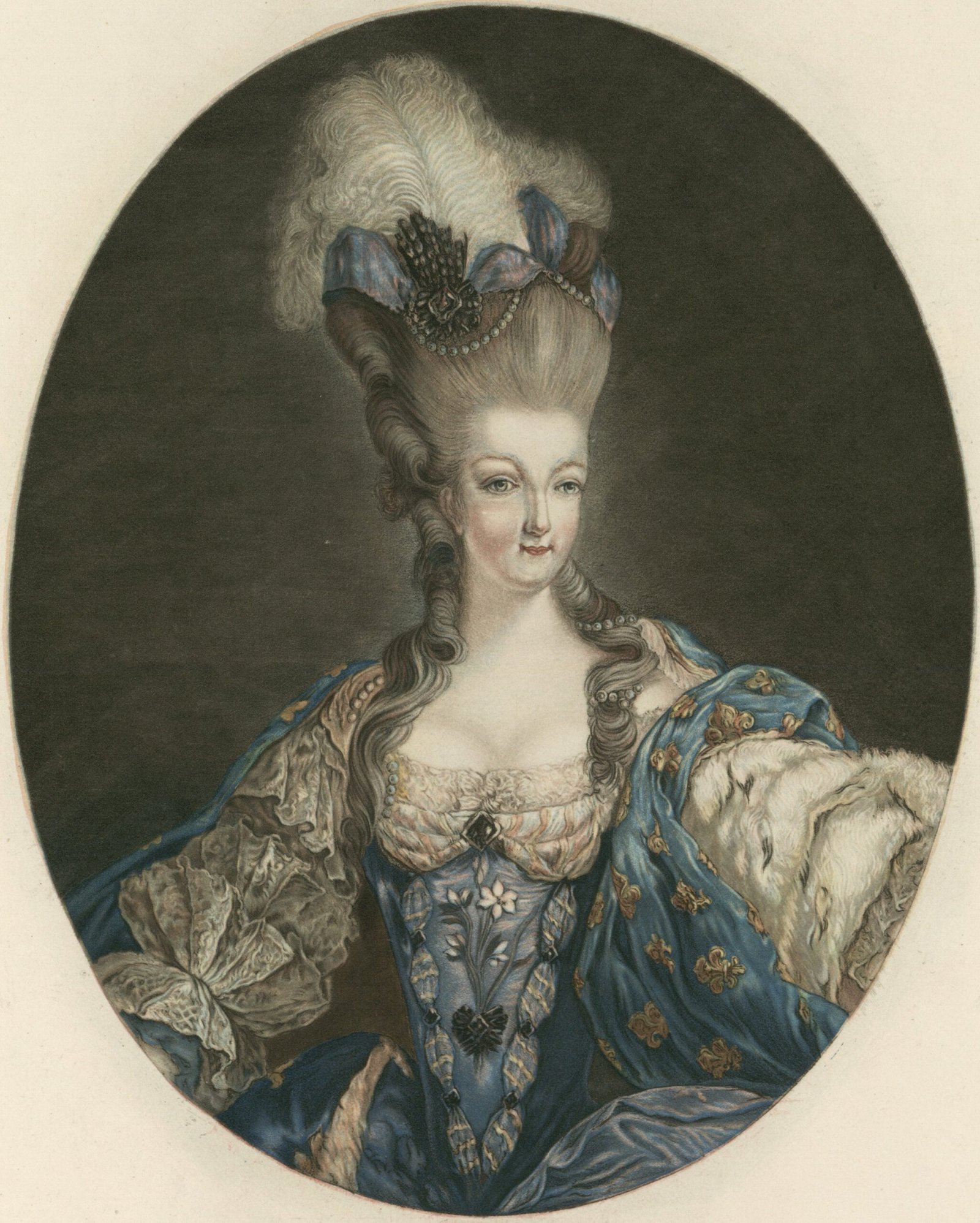
People link this phrase to Marie Antoinette during the French Revolution. It paints her as clueless about starving peasants. The story suggests she said it upon hearing of bread shortages.
Jean-Jacques Rousseau actually described a similar remark in his Confessions years earlier. He attributed it to an unnamed great princess before Antoinette’s time. Revolutionaries spread it as propaganda to vilify the monarchy, sticking the line to her forever.[2][3]
“I Disapprove of What You Say, but I Will Defend to the Death Your Right to Say It” – Voltaire
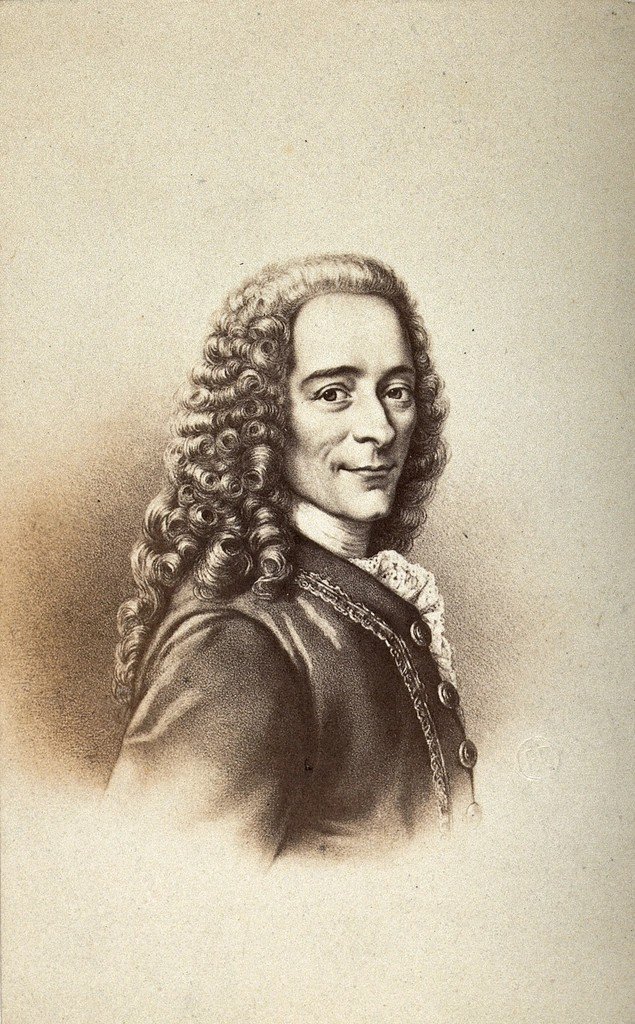
This defense of free speech seems perfect for the Enlightenment thinker Voltaire. It captures his battles against censorship. Many books and posters credit him directly.
Evelyn Beatrice Hall wrote it in 1906 as a summary of Voltaire’s attitude in her biography The Friends of Voltaire. Readers mistook the paraphrase for his words. It spread through quote collections and libertarian writings, gaining iconic status.[1][2]
“Insanity Is Doing the Same Thing Over and Over Again and Expecting Different Results” – Albert Einstein
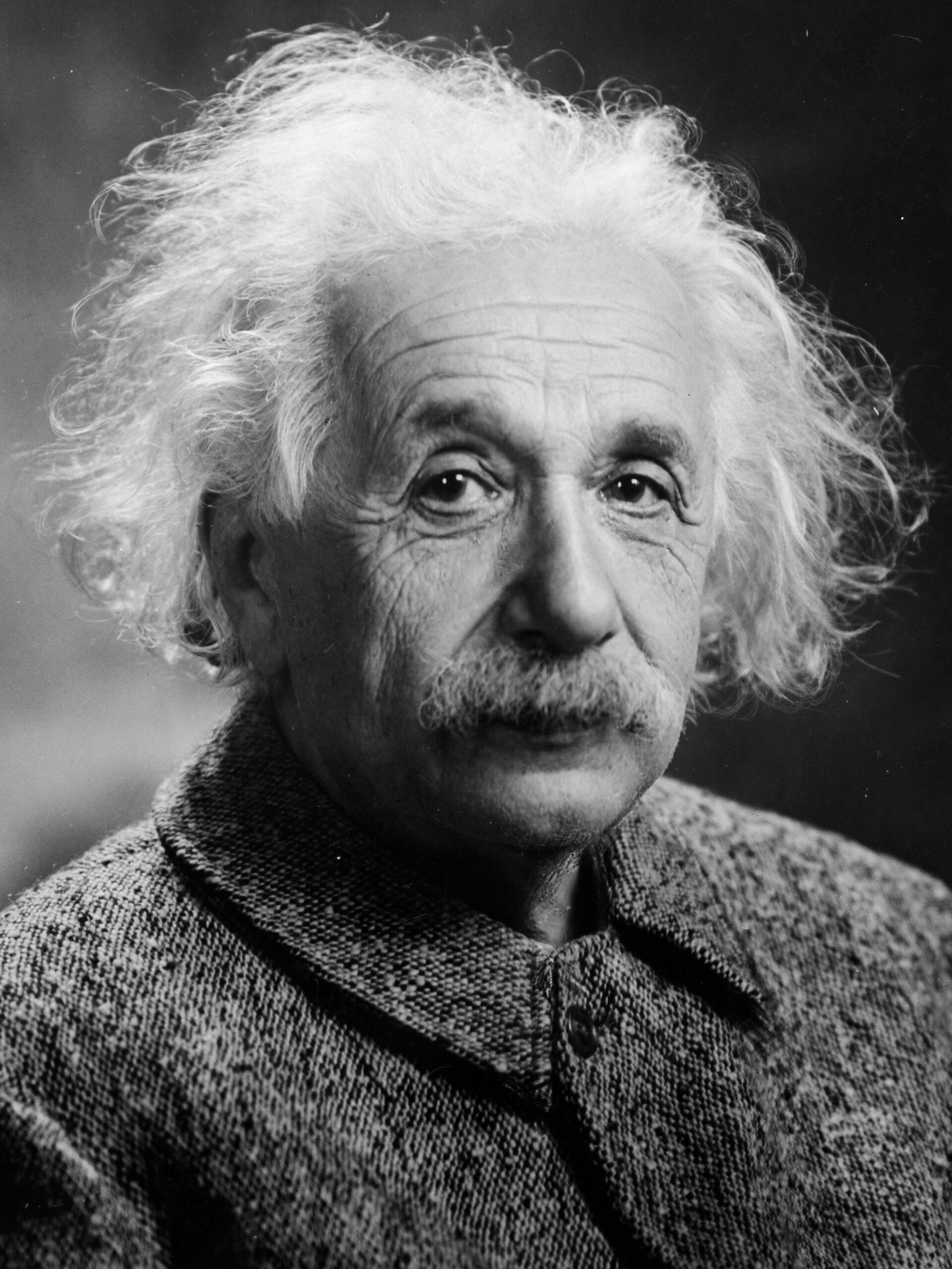
Einstein gets tagged with this self-help staple about repetitive failure. It fits his image as a genius spotting folly. Posters and motivational speeches repeat it endlessly.
The line first appeared in a 1981 Narcotics Anonymous pamphlet or Rita Mae Brown’s 1983 novel Sudden Death. No record ties it to Einstein. Internet memes and business books attached his name for authority, making it viral.[2]
“Be the Change You Wish to See in the World” – Mahatma Gandhi
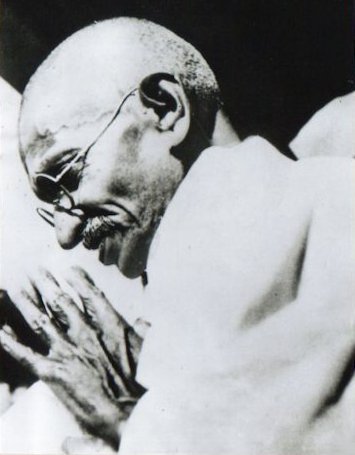
Gandhi’s supposed call to personal action resonates with activists. It aligns with his nonviolence philosophy. T-shirts and speeches invoke it as his wisdom.
The exact words do not appear in his writings or speeches. It stems from a loose paraphrase of his ideas on self-transformation. Popular culture simplified it into a slogan, spreading via books and online graphics.[2][4]
“A Lie Can Travel Halfway Around the World While the Truth Is Putting on Its Shoes” – Mark Twain
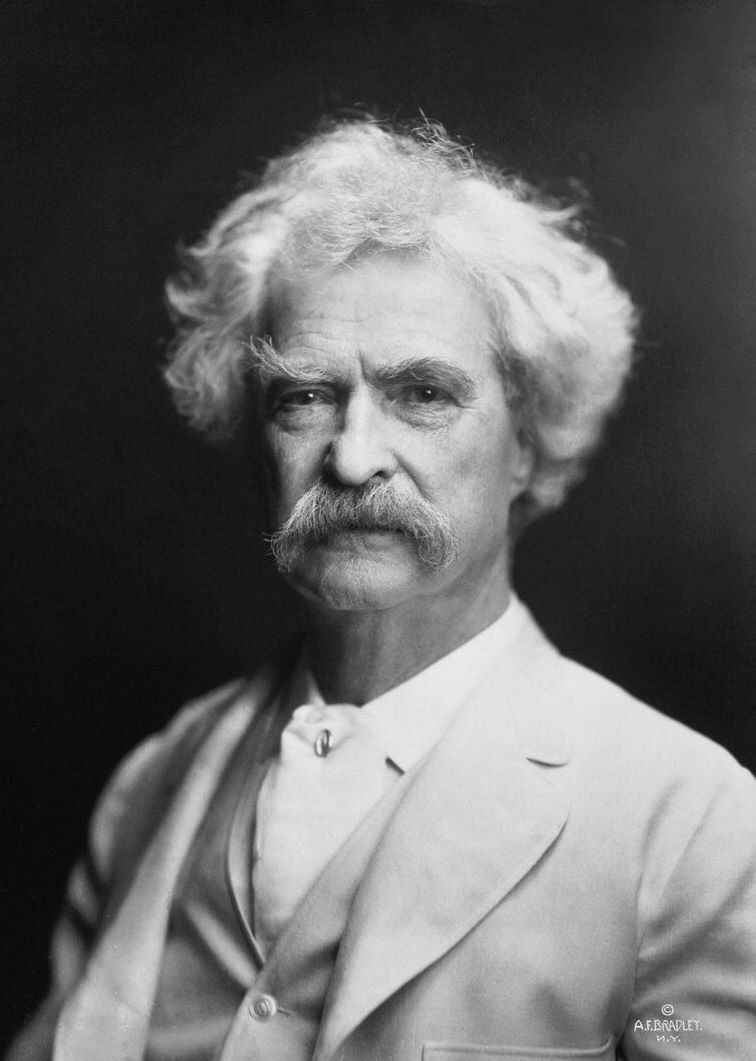
Twain’s wit makes this viral truth seem his. It mocks how falsehoods outpace facts. Journalists and bloggers cite him often.
Charles Spurgeon preached a version in 1855; Jonathan Swift had an earlier variant. Twain never said it. Quote anthologies mixed it up, and the internet boosted Twain’s claim.[1]
“I Cannot Tell a Lie” – George Washington
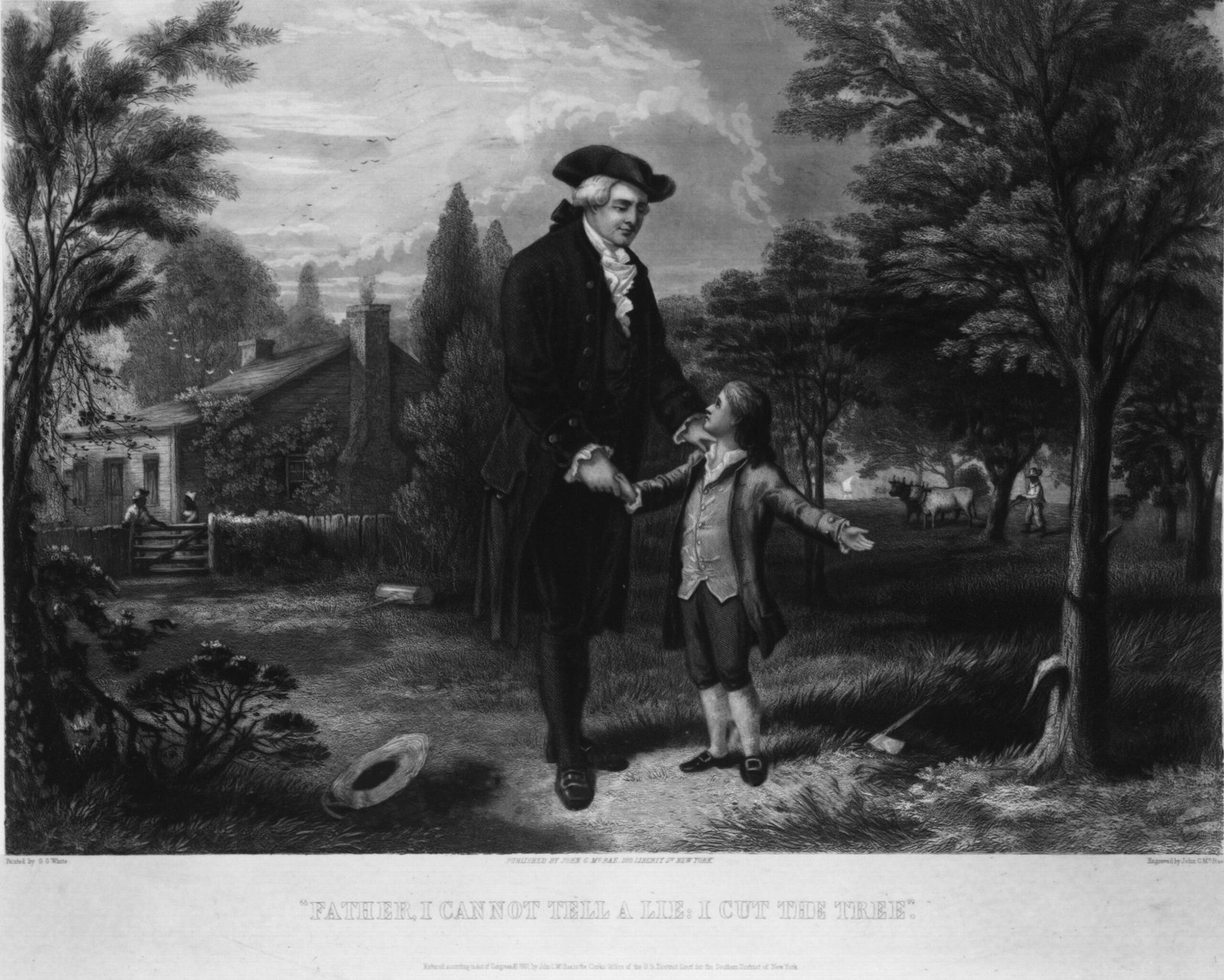
Washington’s cherry tree confession symbolizes honesty. Schoolbooks teach it as childhood truthfulness. It reinforces his mythic integrity.
Mason Weems invented the tale in his 1800 biography to sell copies. No contemporary accounts exist. The story endured in children’s literature, embedding the line in American lore.[2][5]
“The Only Thing Necessary for the Triumph of Evil Is for Good Men to Do Nothing” – Edmund Burke
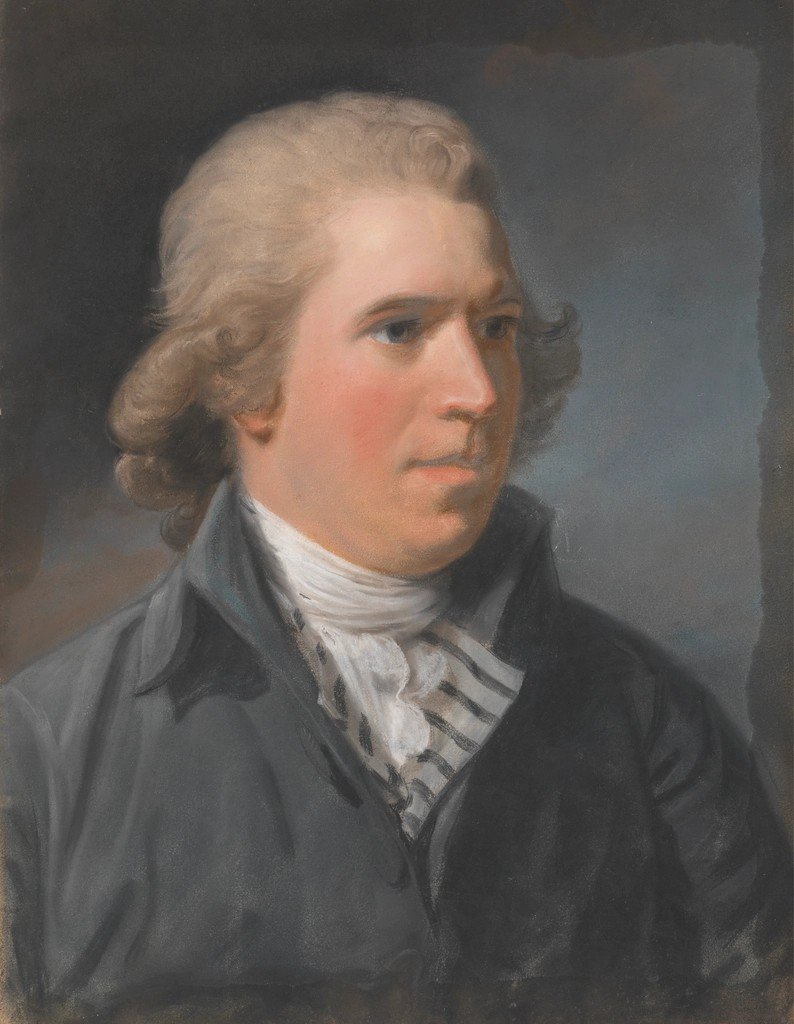
Burke, the conservative philosopher, seems to warn against apathy. It stirs moral action in speeches. Conservatives quote it frequently.
No Burke text contains it exactly; variants appear later. John Stuart Mill or others may have inspired it. 19th-century sermons and 20th-century politics popularized the mislink.[2]
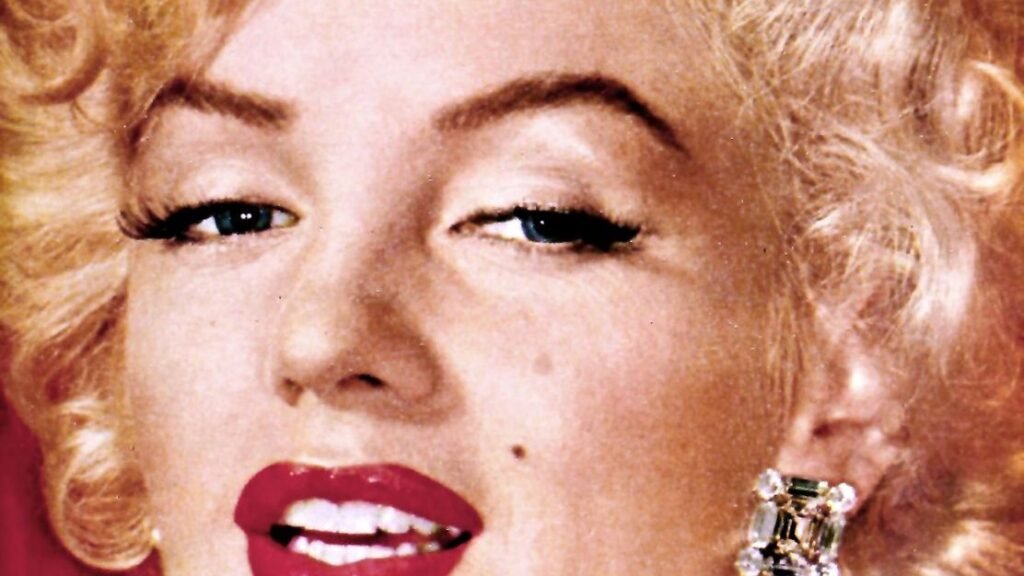
“Well-Behaved Women Seldom Make History” – Marilyn Monroe
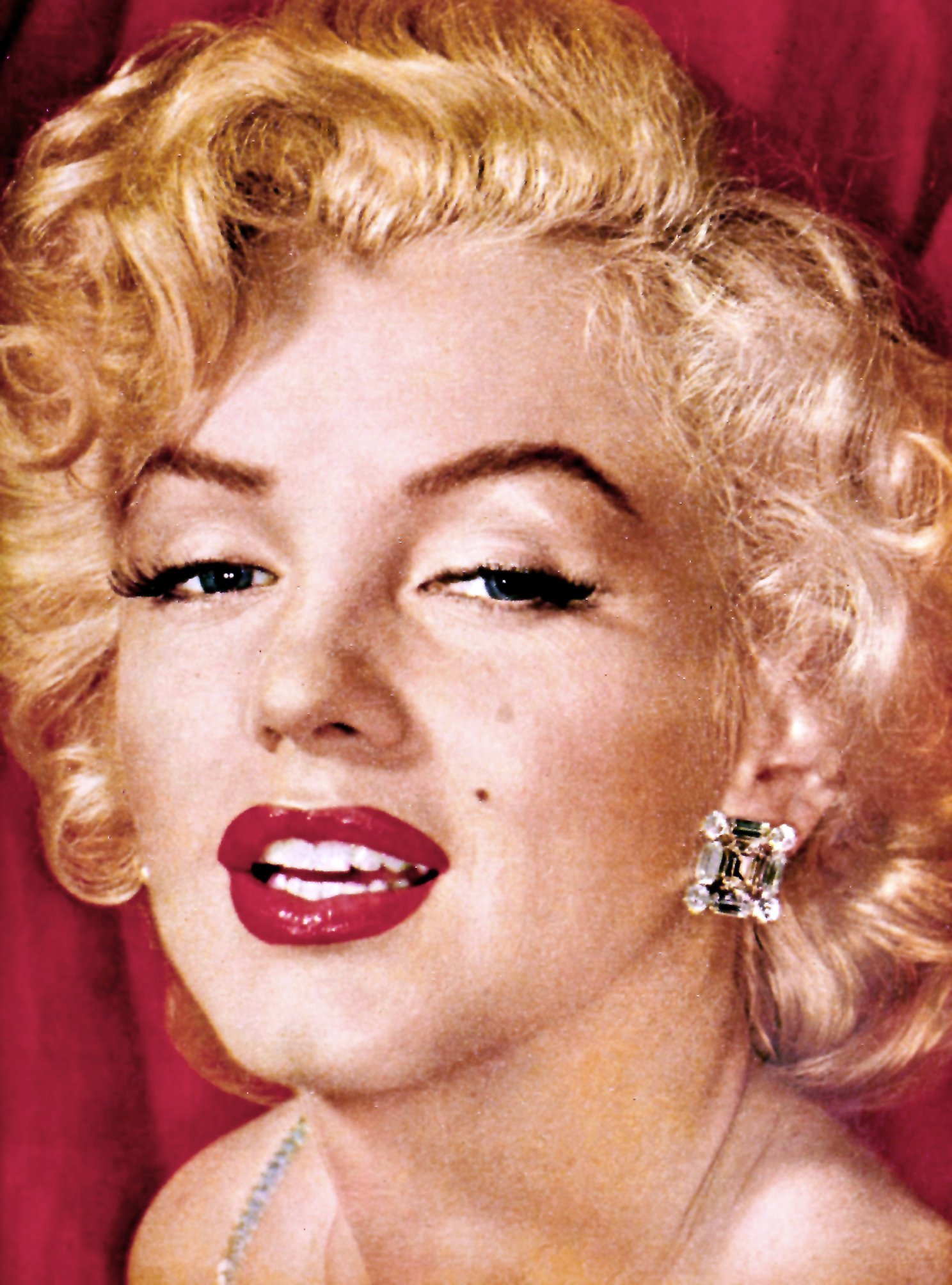
Monroe’s glamour pairs with this feminist rallying cry. It suggests rebellion over conformity. Feminists adopt it widely.
Historian Laurel Thatcher Ulrich wrote it in a 1976 journal article. “Rarely” became “seldom” in popular use. Women’s movement posters and books shifted credit to Monroe.[1][4]
“An Eye for an Eye Makes the Whole World Blind” – Mahatma Gandhi
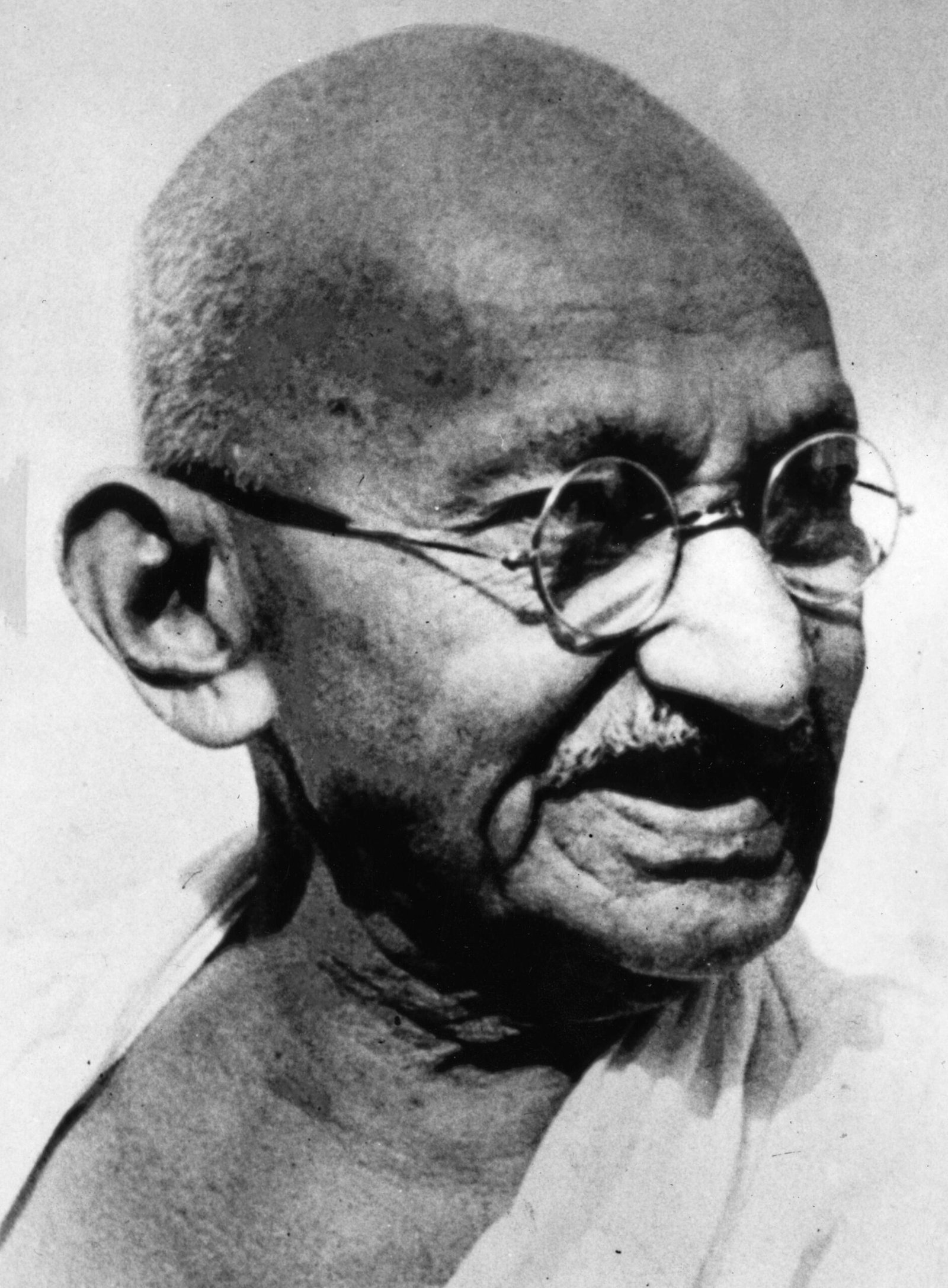
Gandhi’s pacifism fits this revenge critique. It promotes non-retaliation. Peace advocates repeat it.
No verified Gandhi source has the phrase. It emerged in 20th-century writings about him. Sermons and films attached it to his name for emphasis.[2]
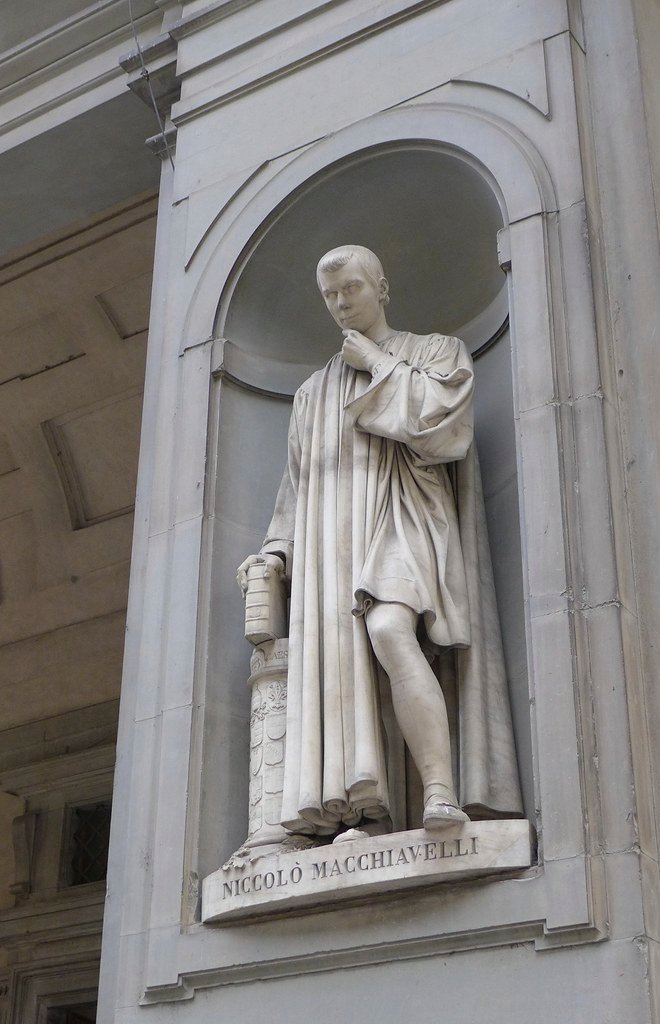
“The End Justifies the Means” – Niccolò Machiavelli
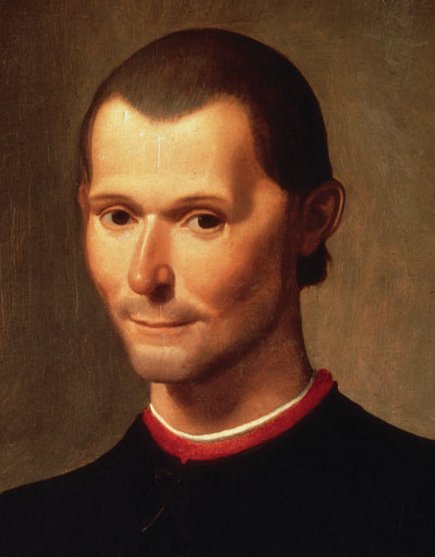
Machiavelli’s pragmatism invites this ruthless summary. Politicians invoke it cynically. It defines realpolitik.
Ovid expressed the idea centuries earlier; Machiavelli discussed results but not the phrase. Translators and critics paraphrased loosely. Political discourse cemented the link.[1][4]
“There’s a Sucker Born Every Minute” – P.T. Barnum
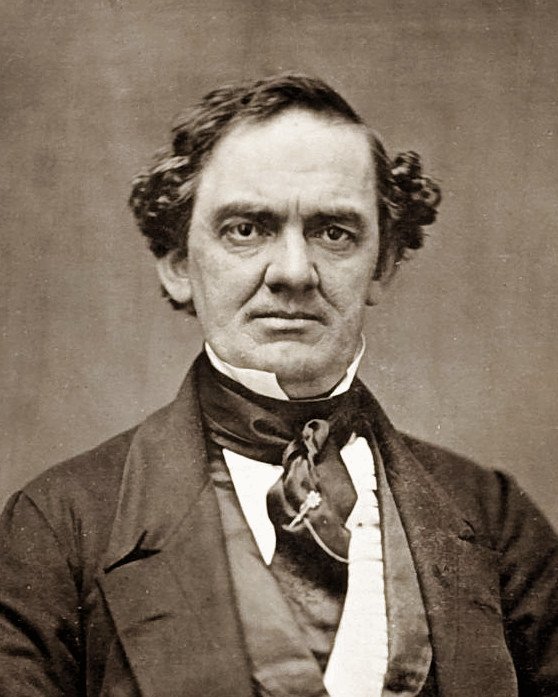
Barnum, the showman, seems to boast about gullible crowds. It mocks easy marks. Business uses it ironically.
A rival showman, David Hannis, said it about Barnum’s exhibits. Gamblers spread it earlier. Barnum’s larger-than-life image claimed ownership.[2]
“Et Tu, Brute?” – Julius Caesar
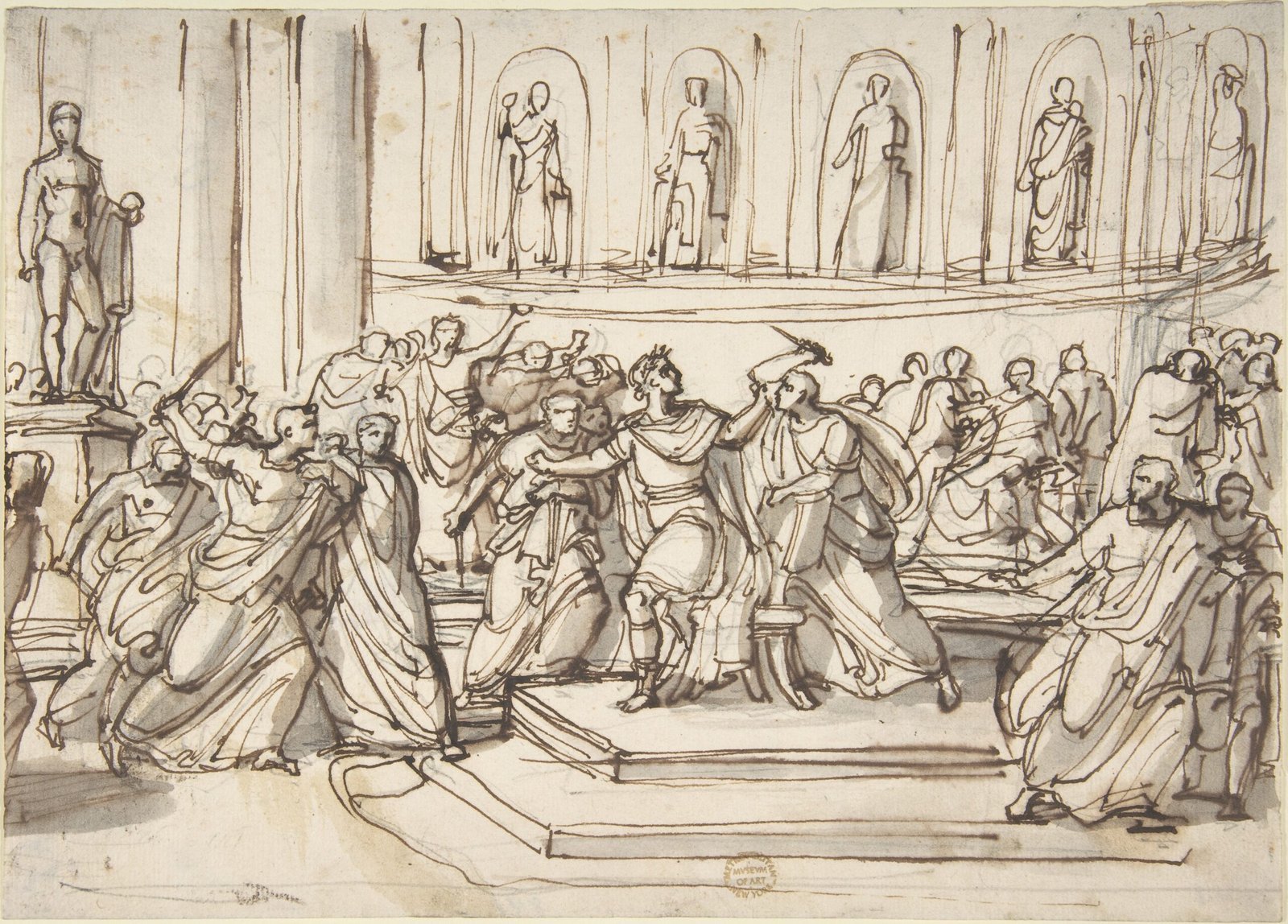
Caesar’s betrayal lament fits dramatic history. Shakespeare’s play immortalized it. Films reinforce the deathbed words.
Shakespeare coined it; ancient sources like Suetonius report silence or Greek words. No Roman record matches. Theater and pop culture made it Caesar’s line.[3]
“I See No Ships” – Horatio Nelson
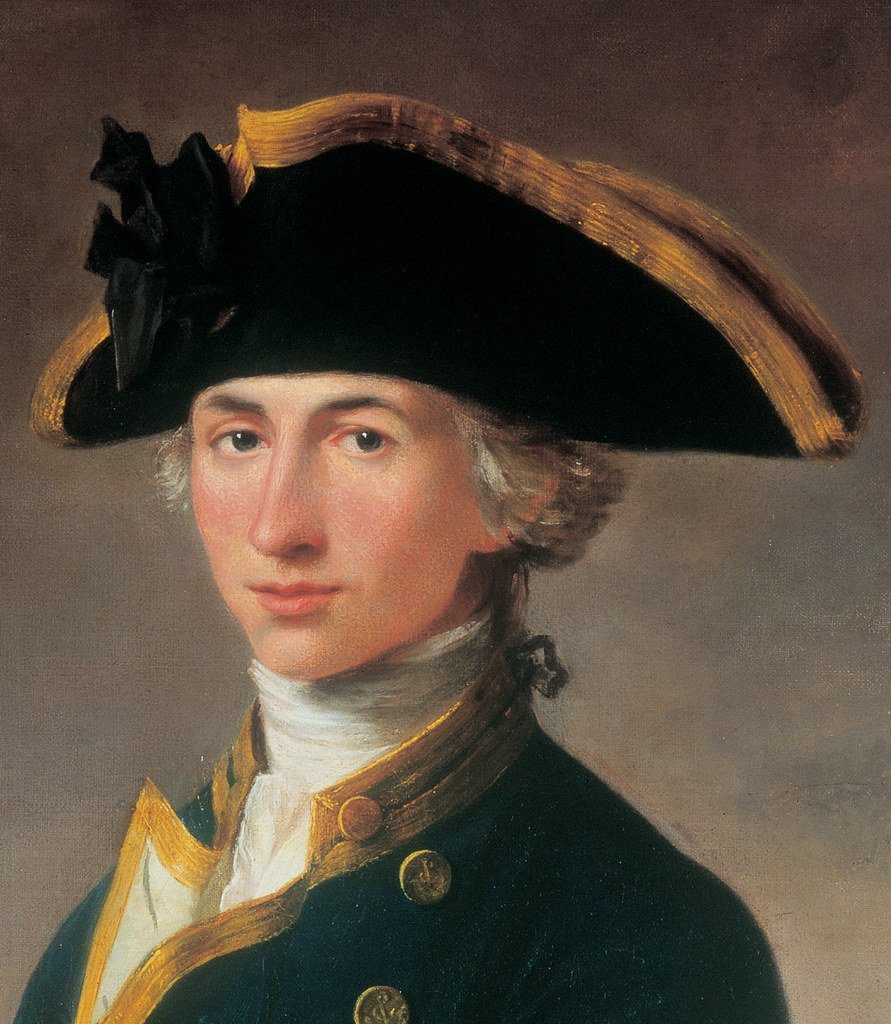
Nelson’s defiance at Copenhagen evokes this signal ignore. It shows bold leadership. Naval lore cherishes it.
He said, “I really do not see the signal,” citing his blind eye. Paraphrase simplified it. Biographies and paintings spread the crisp version.[3]
“We Are Not Amused” – Queen Victoria
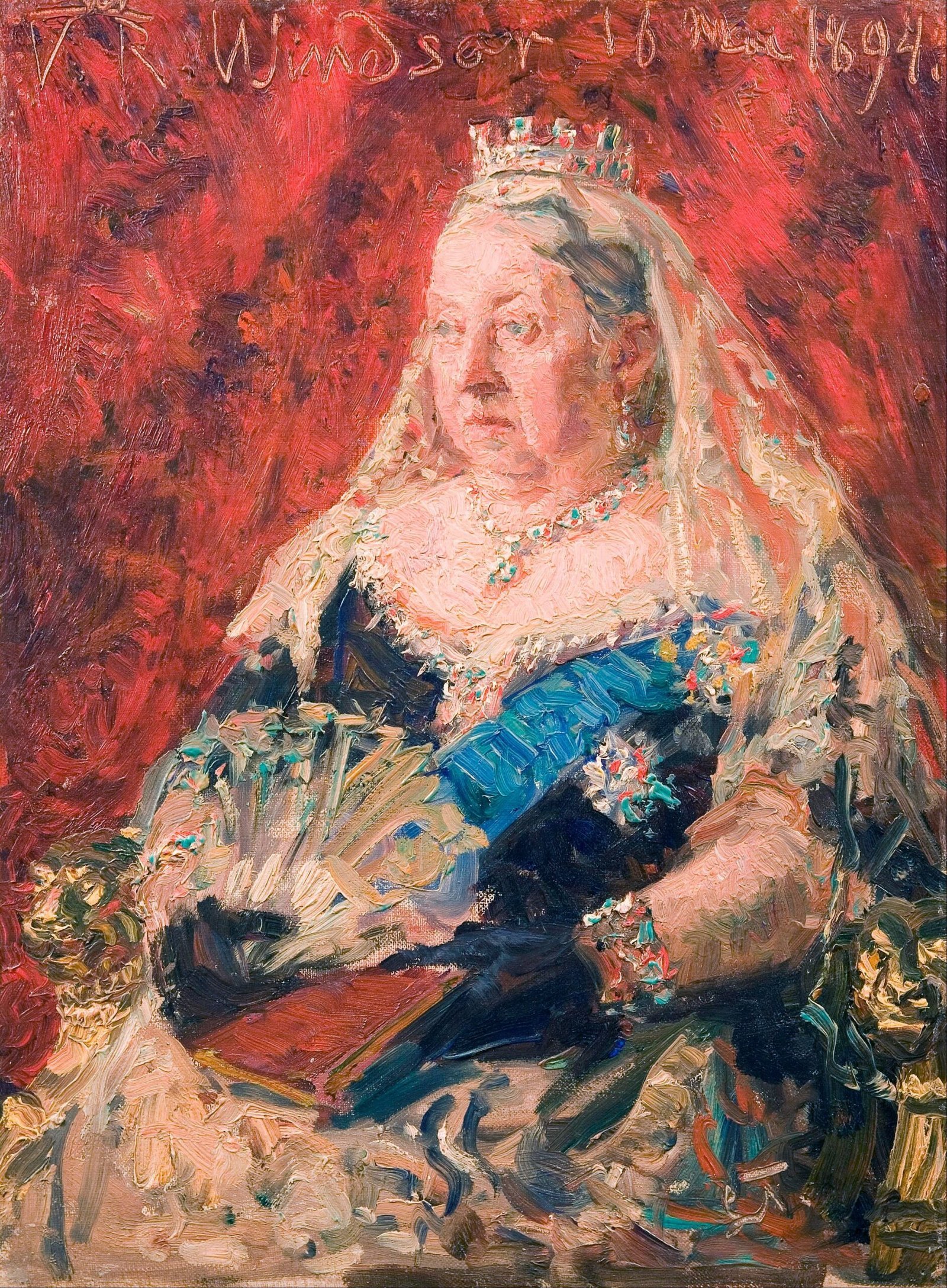
Victoria’s prim disapproval defines her era. Courtiers supposedly heard it often. It symbolizes stuffiness.
Her granddaughter denied she ever said it; a courtier fabricated the story. Gossip at Windsor Castle birthed it. Victorian caricatures popularized the myth.[3]
“The Only Good Indian Is a Dead Indian” – Philip Sheridan
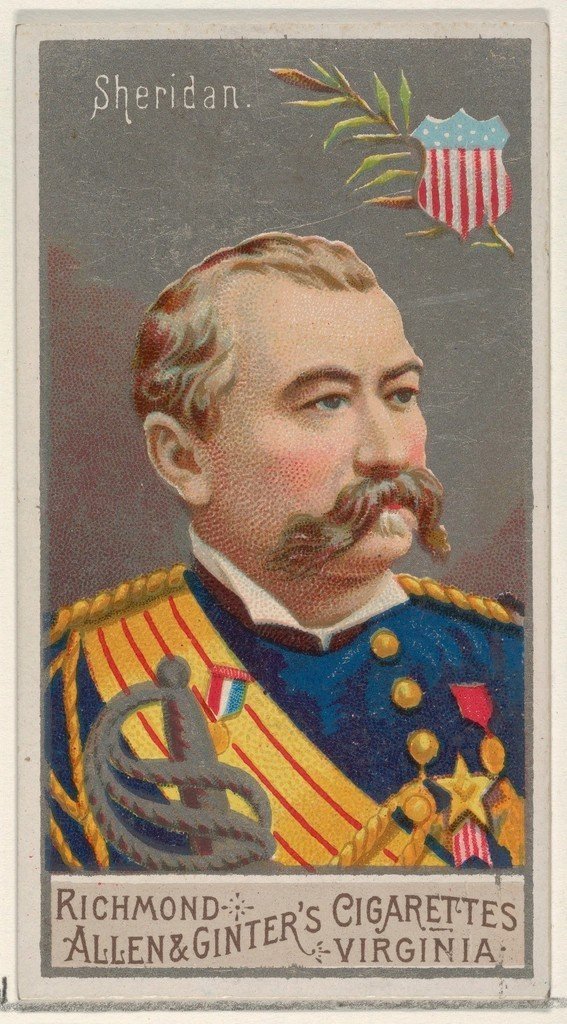
General Sheridan’s frontier ruthlessness fits this slur. It embodies conquest attitudes. Westerns echo it.
Sheridan denied saying it; a newsman twisted “good Indians I ever saw were dead.” No direct quote exists. Press sensationalism during Indian Wars spread it.[5]
Conclusion
These misattributions reveal how stories trump facts in memory. They craft legends that endure longer than truths. History bends to what sounds right.
Yet questioning sources sharpens our view. Myths persist, but clarity reclaims the past. In a quote-saturated world, precision honors real voices.[1]

- 10 Celebrities Who Started Out on ‘The Mickey Mouse Club’. - August 22, 2026
- 12 Rock Anthems From The 70s And 80s That Still Pack A Punch Live - August 22, 2026
- 15 Famous Quotes Misattributed To Historical Figures That Everyone Believes. - August 22, 2026

