

For any feedback please reach out to info@festivalinside.com
- Short Novels: 8 Theories That Sound Ridiculous – Until They’re Right - July 21, 2026
- The Most Expensive Tech Fails in History - July 21, 2026
- 10 Mind-Blowing AI Innovations Changing the World - July 21, 2026
Hollywood loves turning books into movies. Yet directors often reshape stories to fit the screen, adding spectacle or tweaking tones for wider appeal. These changes can create entirely new experiences.
Sometimes a novel’s dark edges get softened. Other times, visions expand into visual wonders. The results redefine the originals in bold ways.[1][2]
The Shining (1980)
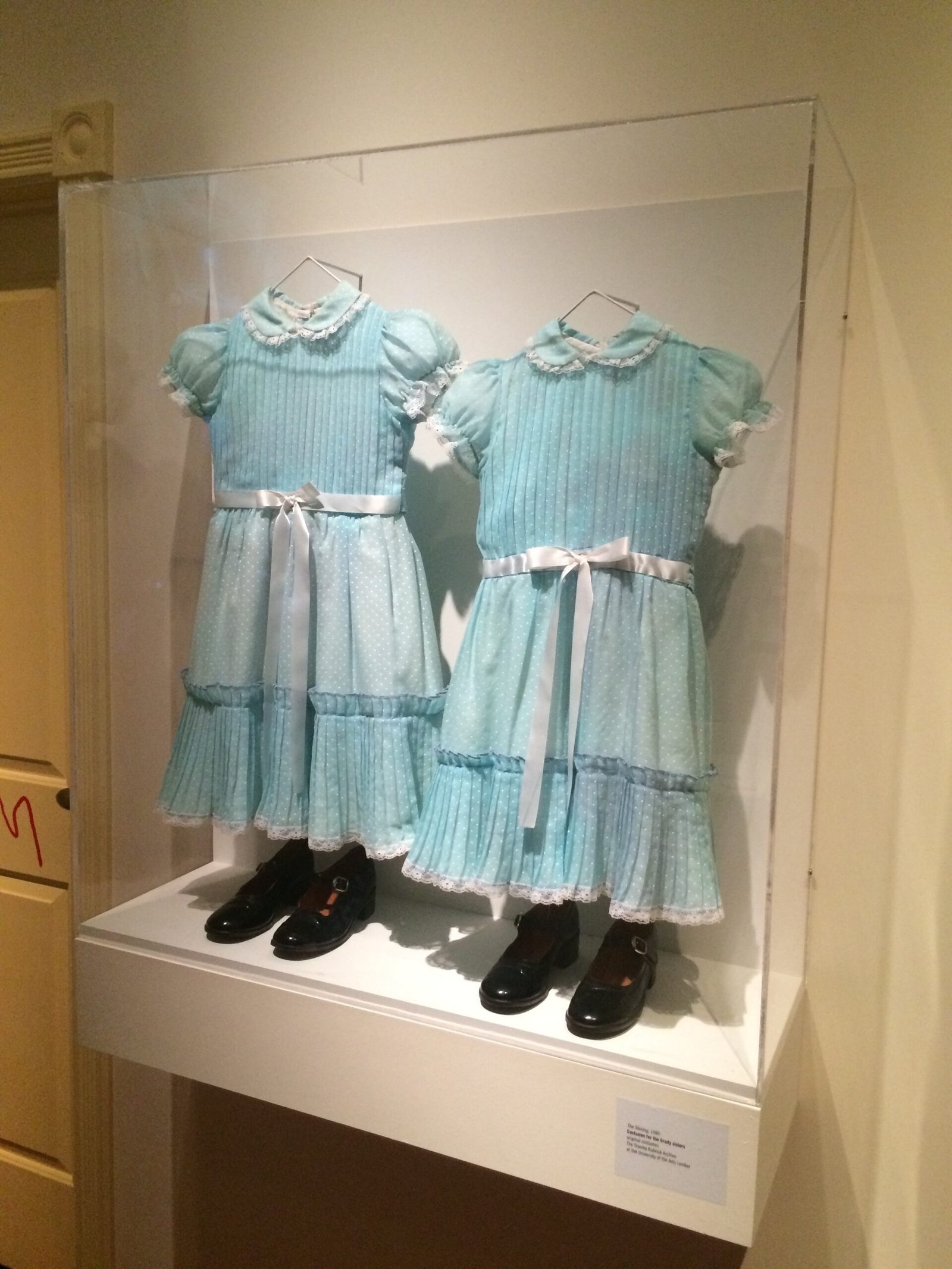
Stephen King’s novel portrays Jack Torrance as a flawed father who ultimately fights the hotel’s evil. Stanley Kubrick flips this. His Jack descends into madness without redemption, driven by isolation rather than clear supernatural forces. Wendy and Danny’s roles shift too, with less psychic depth for the boy.
Kubrick aimed for psychological horror over King’s ghostly tale. Runtime forced cuts to subplots like the hedge maze’s full role. The film emphasizes ambiguity, making viewers question reality itself.[3]
Forrest Gump (1994)
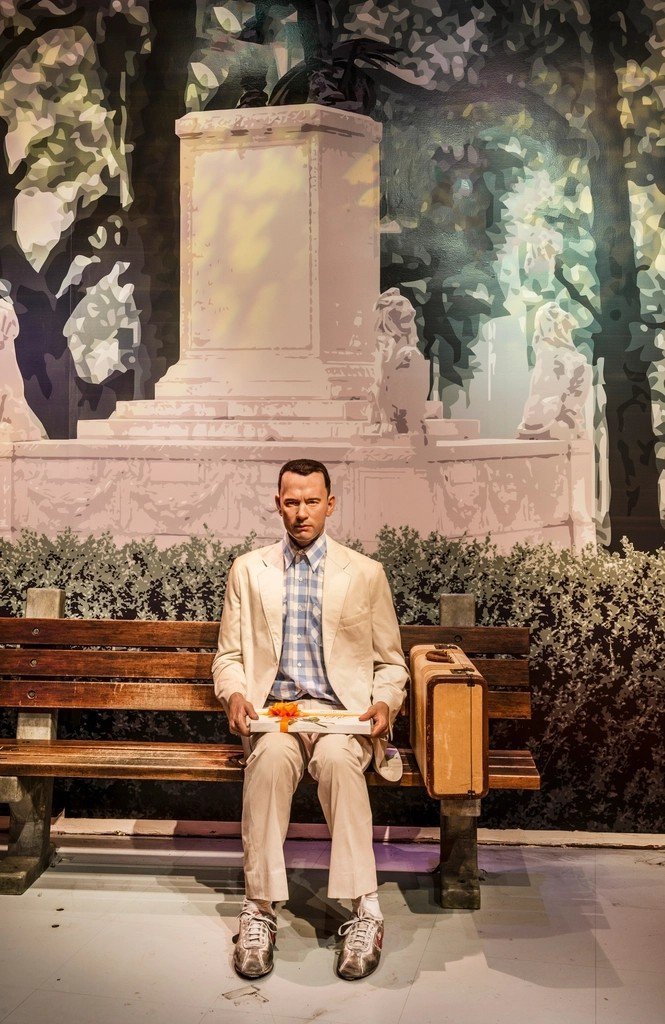
Winston Groom’s Forrest speaks crudely and embarks on wild adventures like becoming an astronaut or wrestling. The movie crafts a gentle, wide-eyed everyman who stumbles through history. Jenny’s arc changes too, losing some book cynicism for poignant tragedy.
Director Robert Zemeckis wanted an uplifting American epic. The book’s episodic chaos suited a two-hour frame less well. Visual effects let Forrest “meet” icons, boosting charm and box office draw.[4]
Blade Runner (1982)
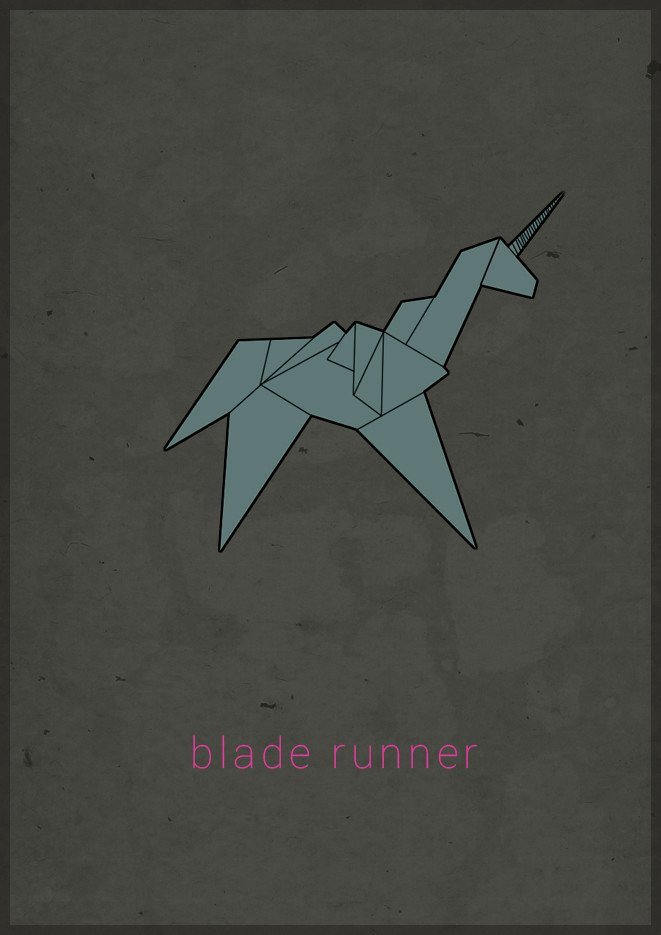
Philip K. Dick’s novel features a human Deckard hunting androids who yearn for empathy. Religion via Mercer and his empathy box dominates. Romance feels secondary, and replicants lack the film’s brooding allure.
Ridley Scott crafted a neon noir future. He voiced over Deckard’s humanity debate for mystery. Visuals prioritized moody atmosphere over the book’s philosophical riffs.[5]
The Wizard of Oz (1939)
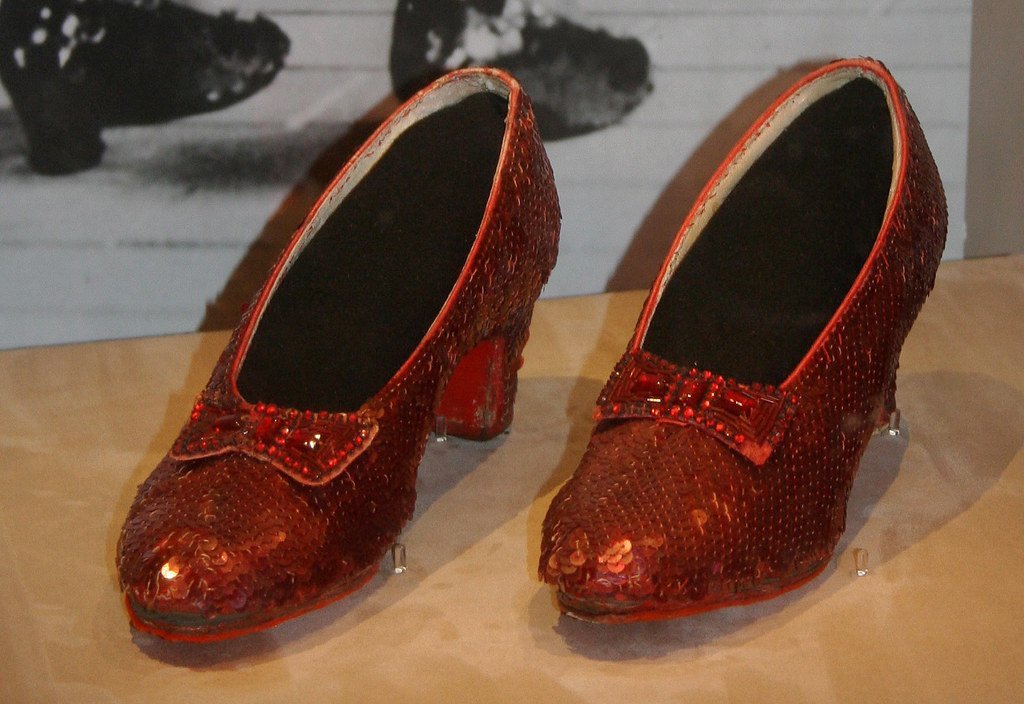
L. Frank Baum’s Dorothy wears silver slippers, not ruby ones. She first meets truth-telling Munchkins, not her Kansas pals as companions. The witch melts via water, but no poppy field knockout or “Over the Rainbow.”
MGM pushed Technicolor magic and Judy Garland’s songs. Silver shoes clashed with rubies’ pop on screen. Musical numbers expanded whimsy for family crowds.[6]
Mary Poppins (1964)
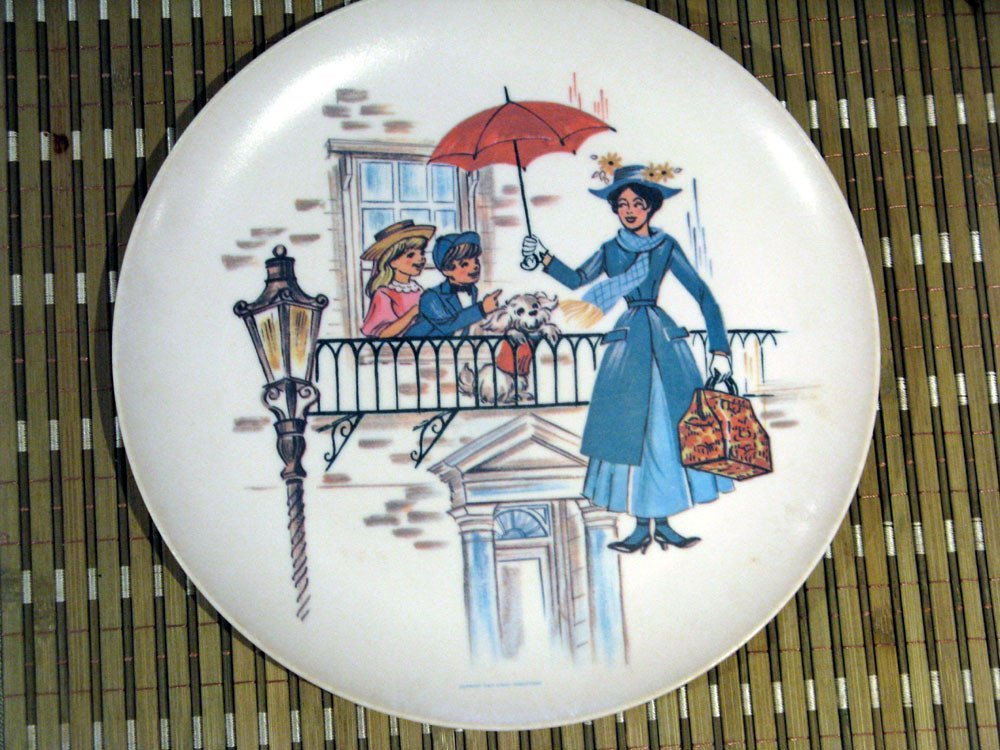
P.L. Travers’ nanny is vain and short-tempered, with stern magic. No jolly chimney sweep Bert or rooftop dance. Adventures feel abrupt and less whimsical.
Disney sought feel-good family fare. Travers hated the saccharine tone. Songs and animation blended live-action for visual delight.[2]
Breakfast at Tiffany’s (1961)
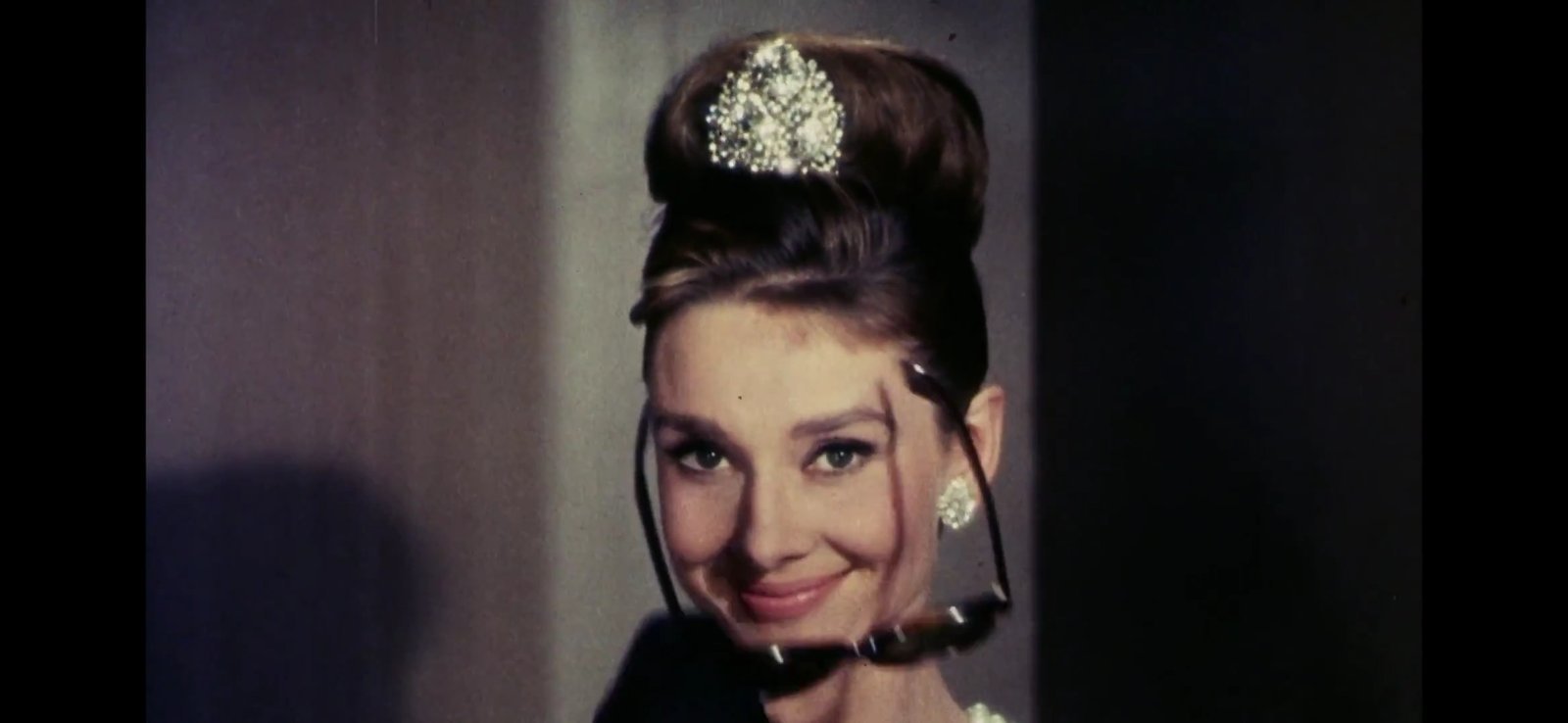
Truman Capote’s Holly Golightly works as a call girl. The narrator crushes on her platonically as a gay man. No happy romance or named cat.
1960s censors toned down sex work. Audrey Hepburn’s glamour softened edges. Blake Edwards added rom-com polish for stars’ appeal.[1]
Willy Wonka & the Chocolate Factory (1971)
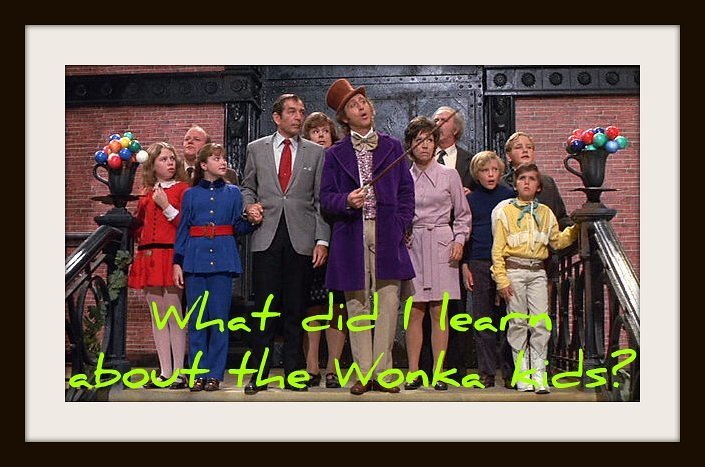
Roald Dahl keeps Grandpa Joe bedridden until the ticket. No Oompa-Loompa songs or Slugworth spy tempting kids. Moral lessons hit harder without tunes.
Gene Wilder’s quirky Wonka stole focus. Mel Stuart added music for kids. Dahl disliked the goofy vibe.[7]
The Little Mermaid (1989)
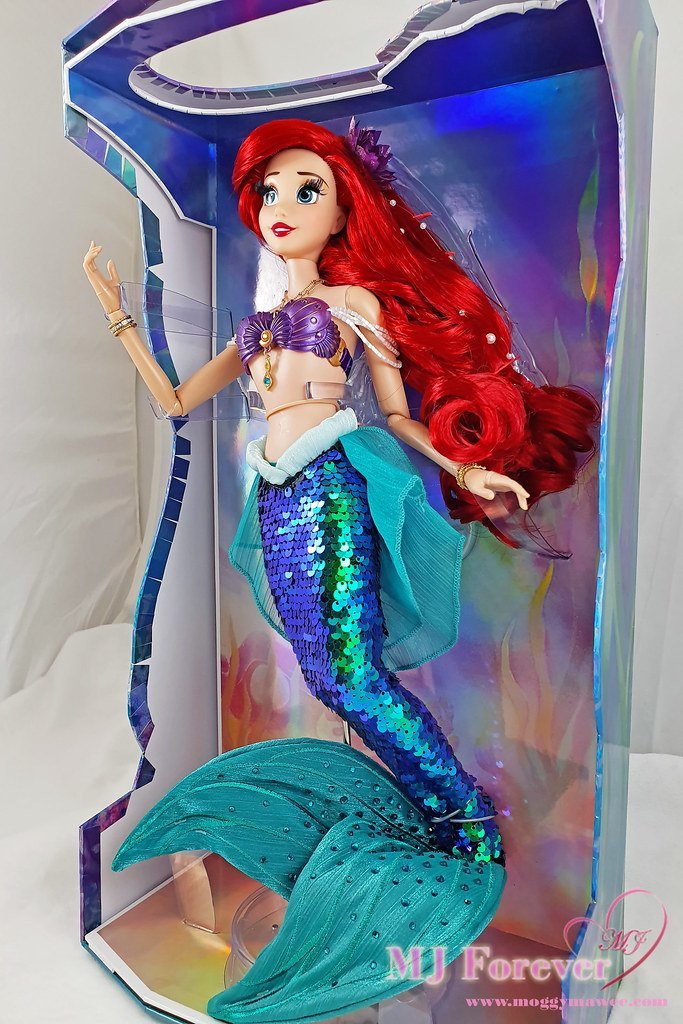
Hans Christian Andersen’s mermaid sacrifices voice for legs but stabs no sister. Prince weds another; she dissolves into foam without true love. Ursula absent as villain.
Disney crafted a princess happy end. Alan Menken’s songs amplified romance. Dark fairy tale got kid-friendly uplift.[8]
Jurassic Park (1993)
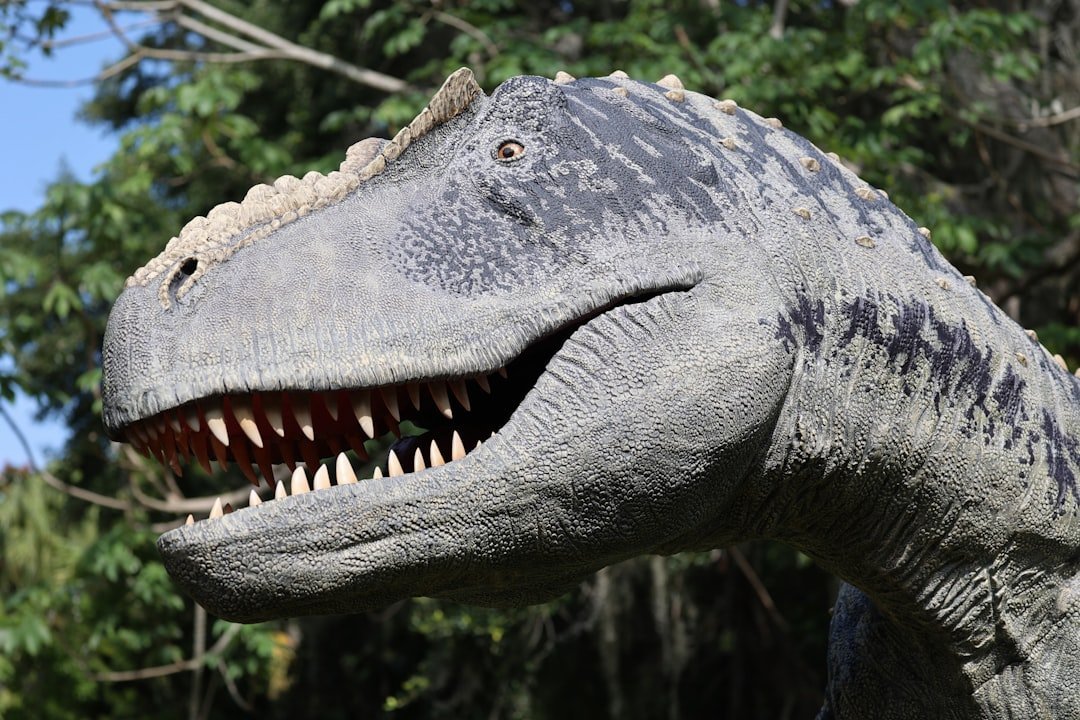
Michael Crichton’s Gennaro dies gruesomely on toilet. Muldoon survives briefly; Nedry meets raptor. T-Rex attacks in rain, not paddock breakout first.
Spielberg amped thrills with effects. Gore dialed back for PG-13. Characters simplified for pace.[8]
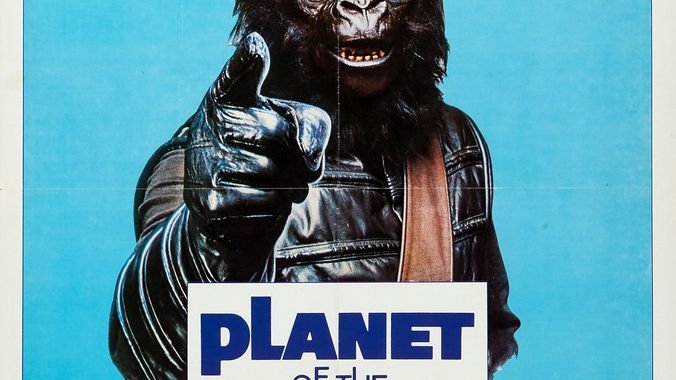
Planet of the Apes (1968)
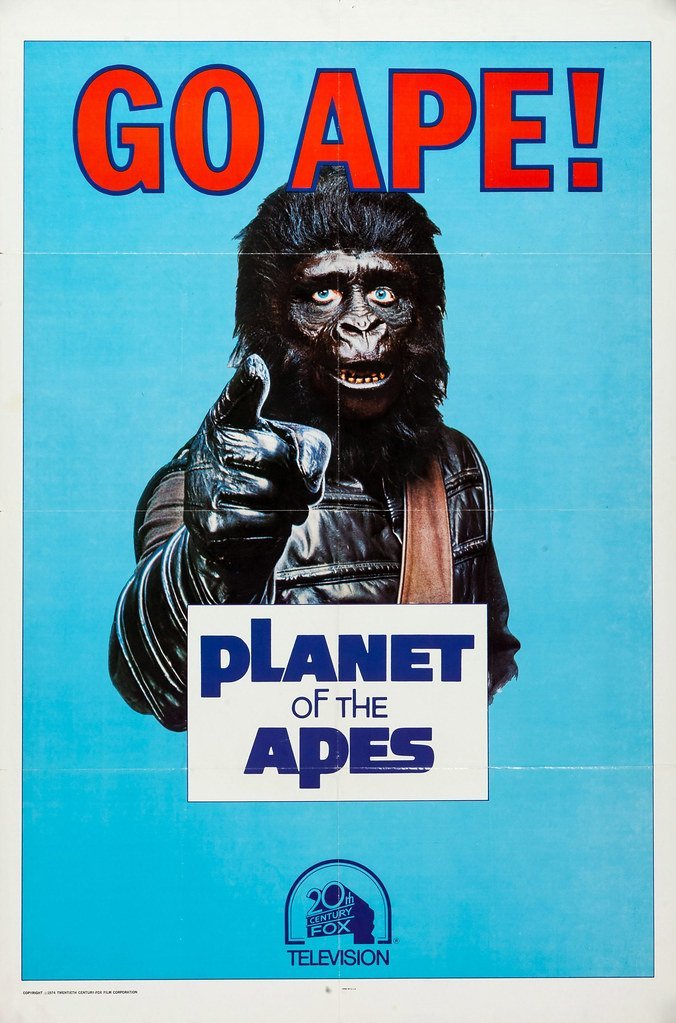
Pierre Boulle’s astronauts crash after hibernation; planet reveals as future Earth via Statue of Liberty. Apes more structured society. Taylor speaks from start.
Charlton Heston’s shock twist punched harder. Makeup and effects wowed. Cold War allegory sharpened.[8]
2001: A Space Odyssey (1968)
Arthur C. Clarke’s short story “The Sentinel” sparks monolith find. No HAL betrayal or psychedelic finale. Dave Bowman becomes Star Child simply.
Kubrick co-wrote expansion with Clarke. Visuals explored evolution, AI fears. Abstract ending puzzled but mesmerized.[5]
Jaws (1975)
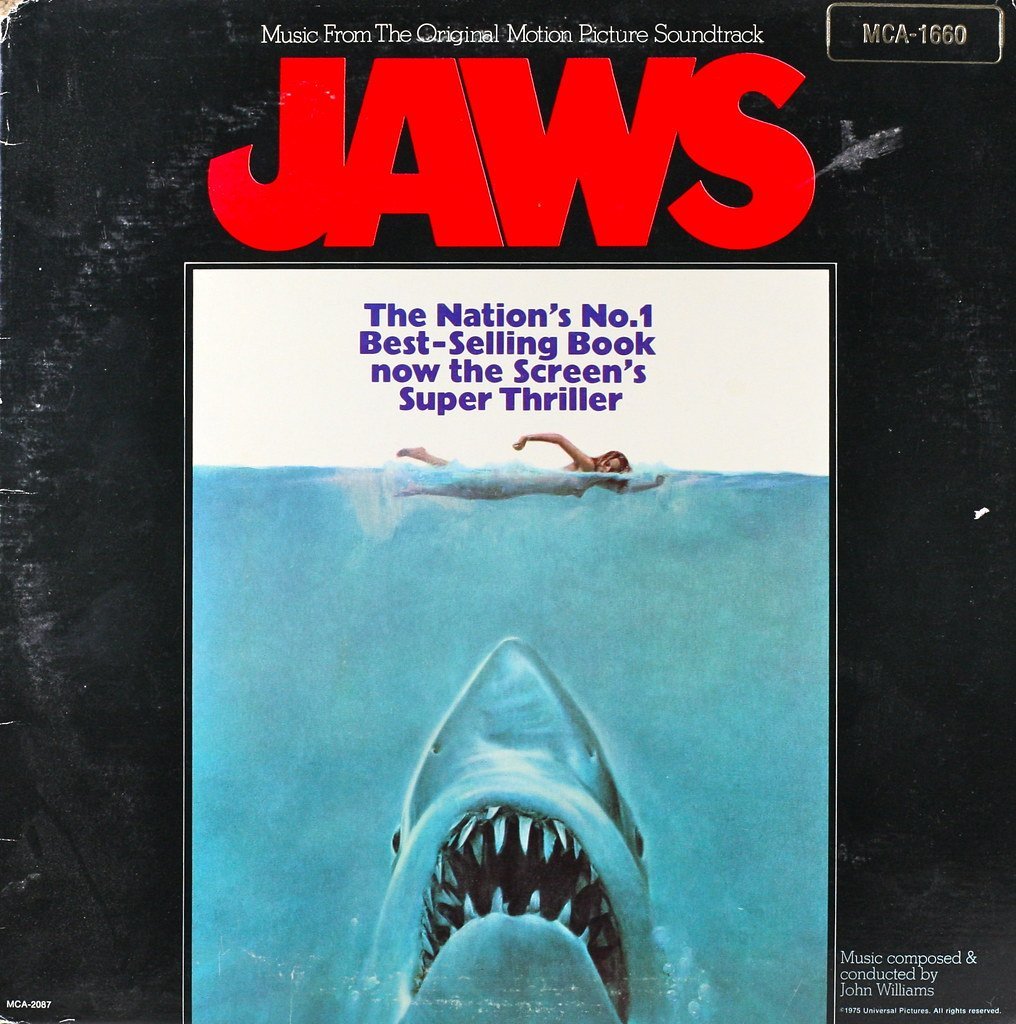
Peter Benchley’s Chief Brody cheats with Hooper’s girlfriend. Quint perishes caged by shark. Hooper survives.
Spielberg cut affair for heroism. Mechanical shark woes built tension. Blockbuster summer born.[2]
Frankenstein (1931)
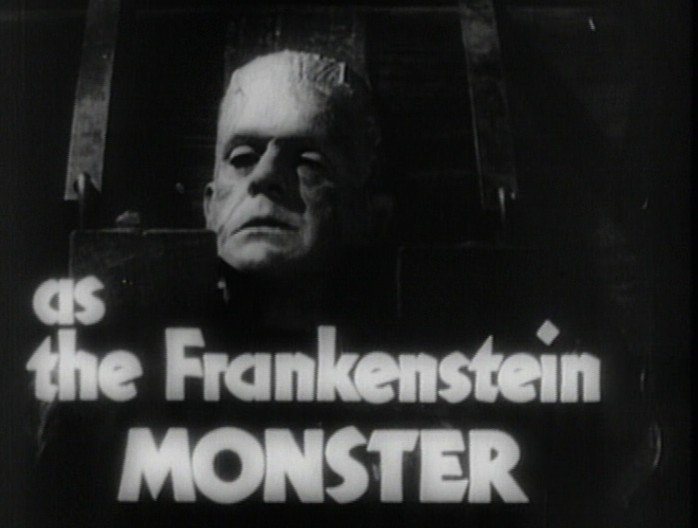
Mary Shelley’s monster reads poetry, speaks eloquently. Kills indirectly like drowning kid. Victor survives longer.
James Whale made brute sympathetic yet scary. Boris Karloff’s makeup iconic. Pre-code horror simplified tragedy.[9]
Who Framed Roger Rabbit (1988)
Gary K. Wolf’s novel is noir murder mystery. Roger censored comic; no live-toon world. Eddie Valiant hates toons.
Robert Zemeckis built toon physics fun. Animation milestone. Plot twisted for comedy.[9]
O Brother, Where Art Thou? (2000)
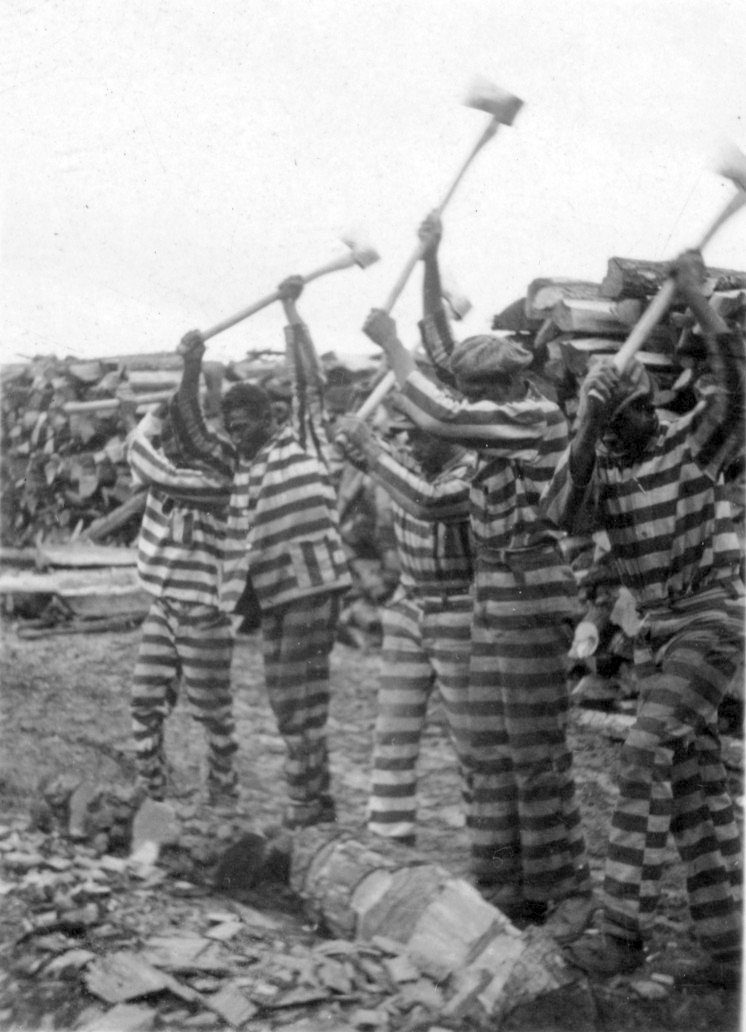
Homer’s Odyssey inspires loosely: sirens, Cyclops, suitors. Coens set in 1930s South with blues, KKK. No gods direct.
Folk music soundtrack defined era. Chain gang escape added humor. Epic quest folkified.[10]
Reimagining Stories on Screen
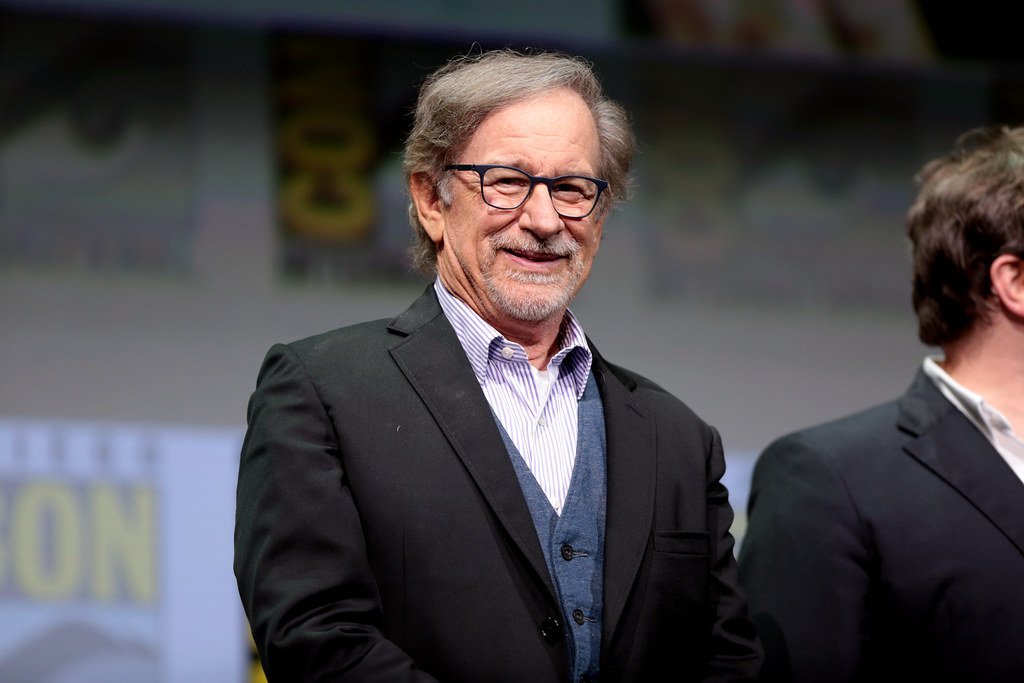
These films prove cinema reinterprets boldly. Books offer depth; movies deliver immediacy. Directors like Kubrick or Spielberg honor spirits while forging icons.
Changes spark debate yet endure. They remind us art evolves across mediums. Next reread might surprise alongside the screen version.[1]

Christian Wiedeck, all the way from Germany, loves music festivals, especially in the USA. His articles bring the excitement of these events to readers worldwide.
For any feedback please reach out to info@festivalinside.com
