

For any feedback please reach out to info@festivalinside.com
- The 20 Songs You Didn’t Realize Were Written as Apologies - July 22, 2026
- The Cowboys of Hollywood – Actors Who Defined the Western Genre - July 22, 2026
- From Holiday Classics to Timeless Anthems – 12 Songs That Make Cash Forever - July 22, 2026
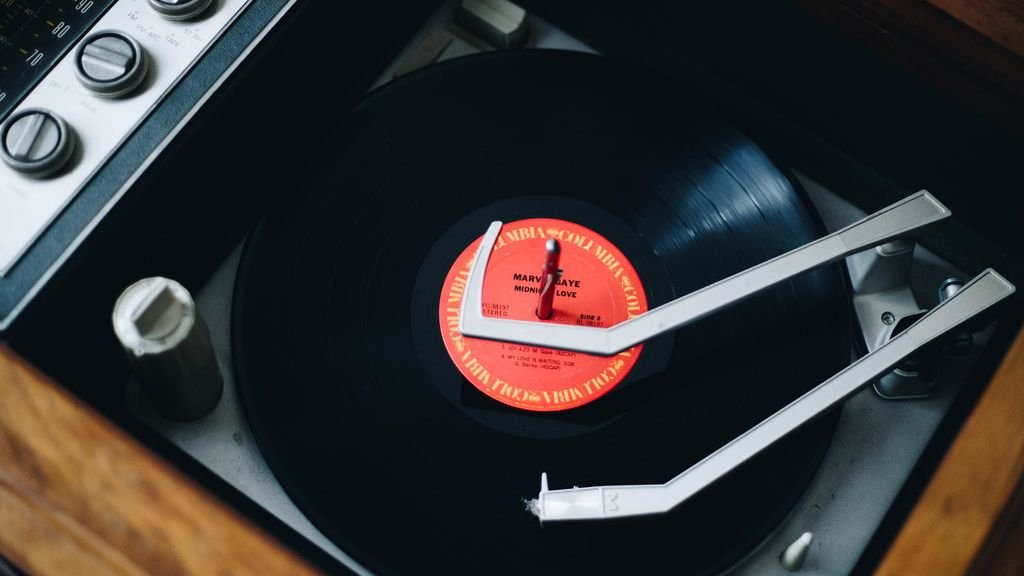
There are decades that nudge music forward, and then there are decades that tear it open and rebuild it entirely. The 1960s and 1970s were the latter. The album era, generally defined as spanning the mid-1960s through the mid-2000s, placed the long-playing record at the center of recorded music expression and consumption. Before that shift took hold, music was largely a singles game. Within just a few years, the album became the primary vehicle for artistic ambition, cultural commentary, and outright experimentation.
The arrival of the Beatles in the US in 1964 is credited as heralding the classic album era, and as one scholar observed, the album became a key aspect of the countercultural movement of the 1960s, with its musical, aesthetic, and political themes. What followed was two decades of extraordinary creativity, where musicians stopped writing songs and started building worlds. These ten records capture that transformation as well as anything ever pressed to vinyl.
1. The Beatles – Sgt. Pepper’s Lonely Hearts Club Band (1967)
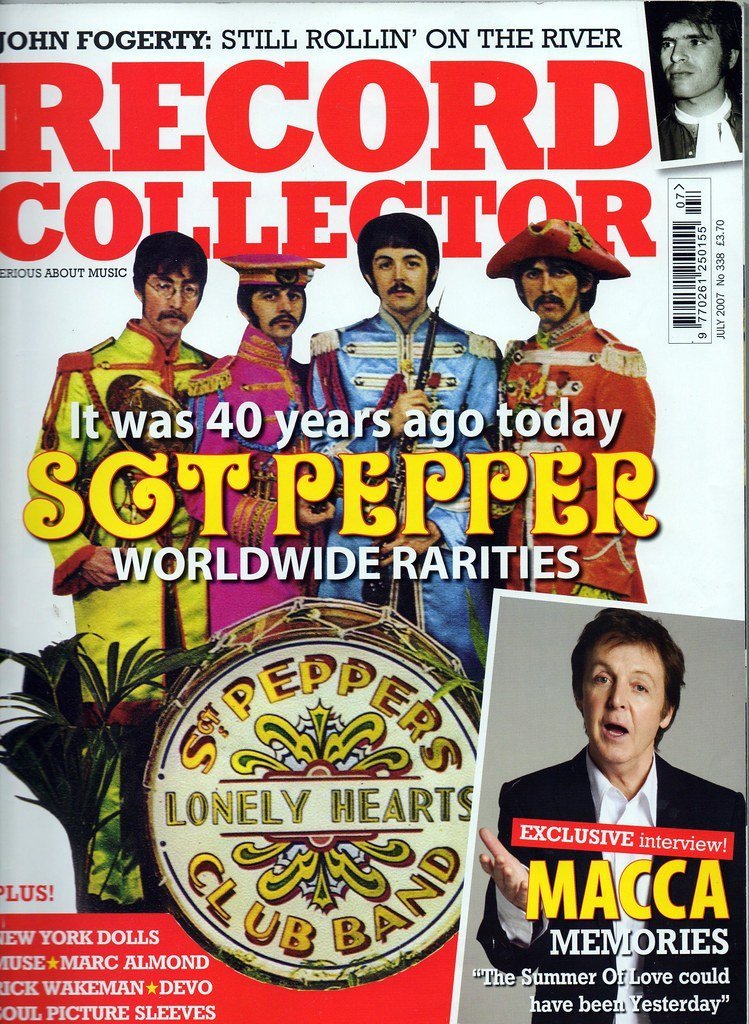
Released on May 26, 1967, Sgt. Pepper’s Lonely Hearts Club Band is regarded by musicologists as an early concept album that advanced the roles of sound composition, extended form, psychedelic imagery, record sleeves, and the producer in popular music. The studio work behind it was unprecedented in scope. Whereas the Beatles’ first album had been recorded in about ten hours in a single day, an estimated 700 hours of work went into recording Sgt. Pepper between November 1966 and April 1967, and the idea of continuing until a record was finished helped producer George Martin redefine “the studio as an instrument.”
The album had an immediate cross-generational impact and was associated with numerous touchstones of the era’s youth culture, such as fashion, drugs, mysticism, and a sense of optimism and empowerment. Critics lauded it for its innovations in songwriting, production, and graphic design, for bridging a cultural divide between popular music and high art, and for reflecting the interests of contemporary youth and the counterculture. Its release was a defining moment in pop culture, heralding the album era and the 1967 Summer of Love, while its reception achieved full cultural legitimization for popular music and recognition for the medium as a genuine art form.
2. Bob Dylan – Highway 61 Revisited (1965)
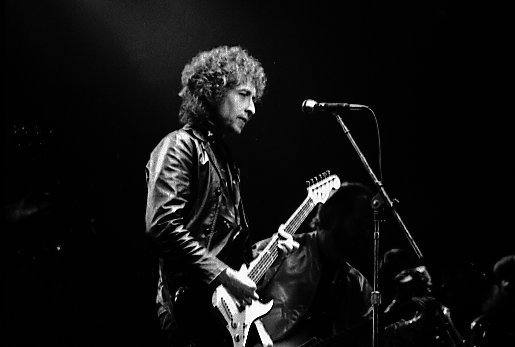
Dylan’s 1965 album Highway 61 Revisited was a key moment in his transition from acoustic folk to electric rock. The album opens with “Like a Rolling Stone,” a song that shattered traditional song structures and redefined what a hit single could be. Few artists had taken such a deliberate leap into unfamiliar territory and emerged with something so precisely right for the moment.
Highway 61 Revisited was a bridge between folk and rock, influencing everyone from the Beatles to Bruce Springsteen. The album’s raw, unapologetic lyrics helped pave the way for more direct and personal storytelling in popular music. Known for his poetic lyricism and socio-political commentary, Dylan transformed folk music into a powerful platform for expressing cultural change. That shift reverberates through nearly every singer-songwriter who followed.
3. The Beach Boys – Pet Sounds (1966)
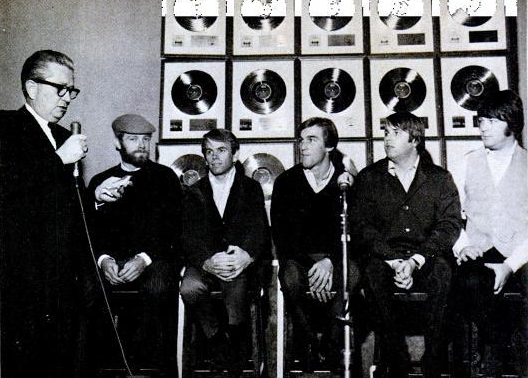
Pet Sounds, released in 1966, was the brainchild of Brian Wilson and is widely considered one of the most innovative albums in pop music history. With its lush arrangements, complex harmonies, and emotional depth, it broke new ground in the world of music production. The album’s use of unconventional instruments, like theremins and bicycle bells, gave it a distinct sound that stood out from the typical rock and roll of the time.
Pet Sounds is a West Coast classic known for its emotional depth. Its impact on other musicians was immediate and lasting. Pet Sounds was a massive influence on Sgt. Pepper, demonstrating how one record’s artistic courage could directly push another artist toward their own breakthrough. Wilson’s production vision essentially raised the ceiling for what pop music could achieve.
4. Aretha Franklin – I Never Loved a Man the Way I Love You (1967)
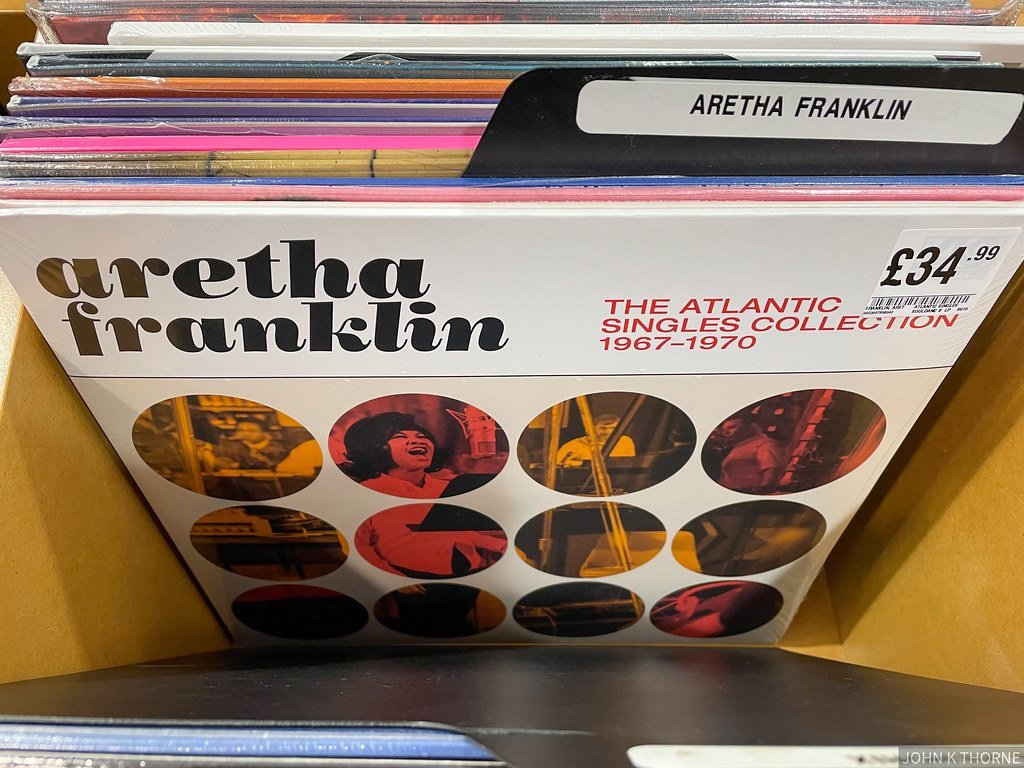
The 1960s weren’t just about rock music. Soul and R&B were also experiencing a renaissance, thanks in part to artists like Aretha Franklin. Her 1967 album I Never Loved a Man the Way I Love You was a landmark moment in the history of soul music, cementing Franklin’s status as the “Queen of Soul.” Franklin’s powerful, gospel-infused vocals brought a level of emotional intensity to her music that few could match.
Aretha Franklin’s Atlantic debut is the place where gospel music collided with R&B and rock and roll and became soul. Robert Christgau cited the album as establishing an “aesthetic standard” of rhythmic drive and melody that defined the era. The record wasn’t just influential within soul music. It set a benchmark for emotional honesty in recorded performance that artists across every genre have reached toward ever since.
5. Marvin Gaye – What’s Going On (1971)
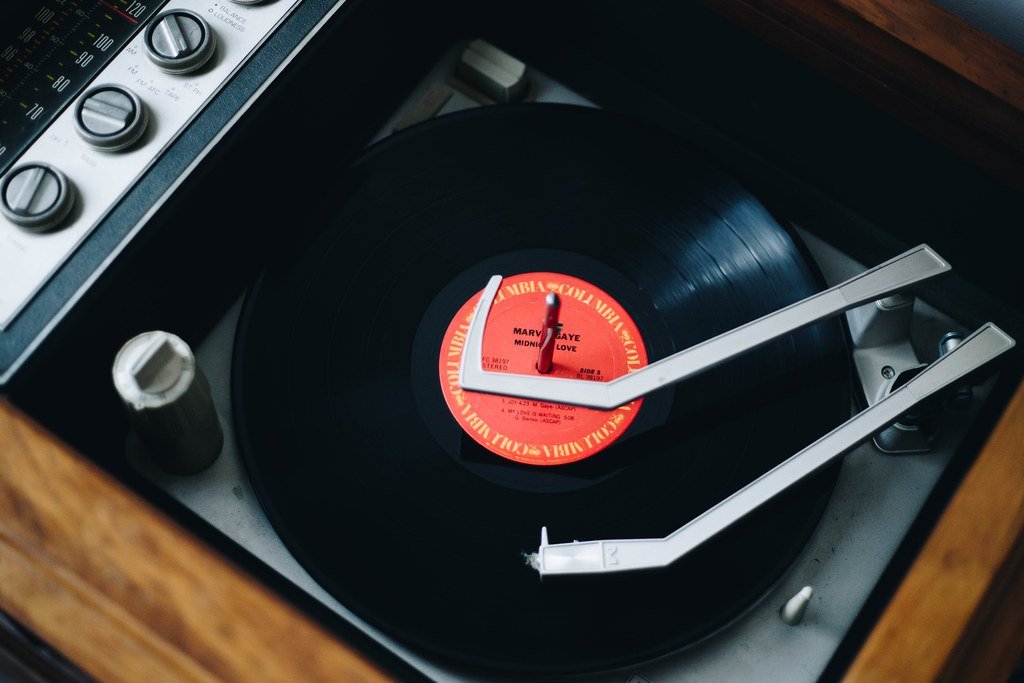
Marvin Gaye’s classic 1971 concept album What’s Going On features songs that reflected on the Vietnam War, the environment, and the racial divide. It was a sharp departure from the Motown formula. Rather than conforming to the label’s polished, radio-ready singles approach, Gaye insisted on a suite-like structure that treated the album as a continuous, politically conscious statement.
After What’s Going On, Black musicians at Motown and elsewhere felt a new freedom to push the musical and political boundaries of their art. The album’s reach was generational. Marvin Gaye knocked the Beatles off the top of Rolling Stone’s overhauled Greatest Albums of All Time list, with What’s Going On moving up to the number one position. Its themes of war, ecology, and urban suffering feel no less urgent decades later.
6. The Rolling Stones – Exile on Main St. (1972)
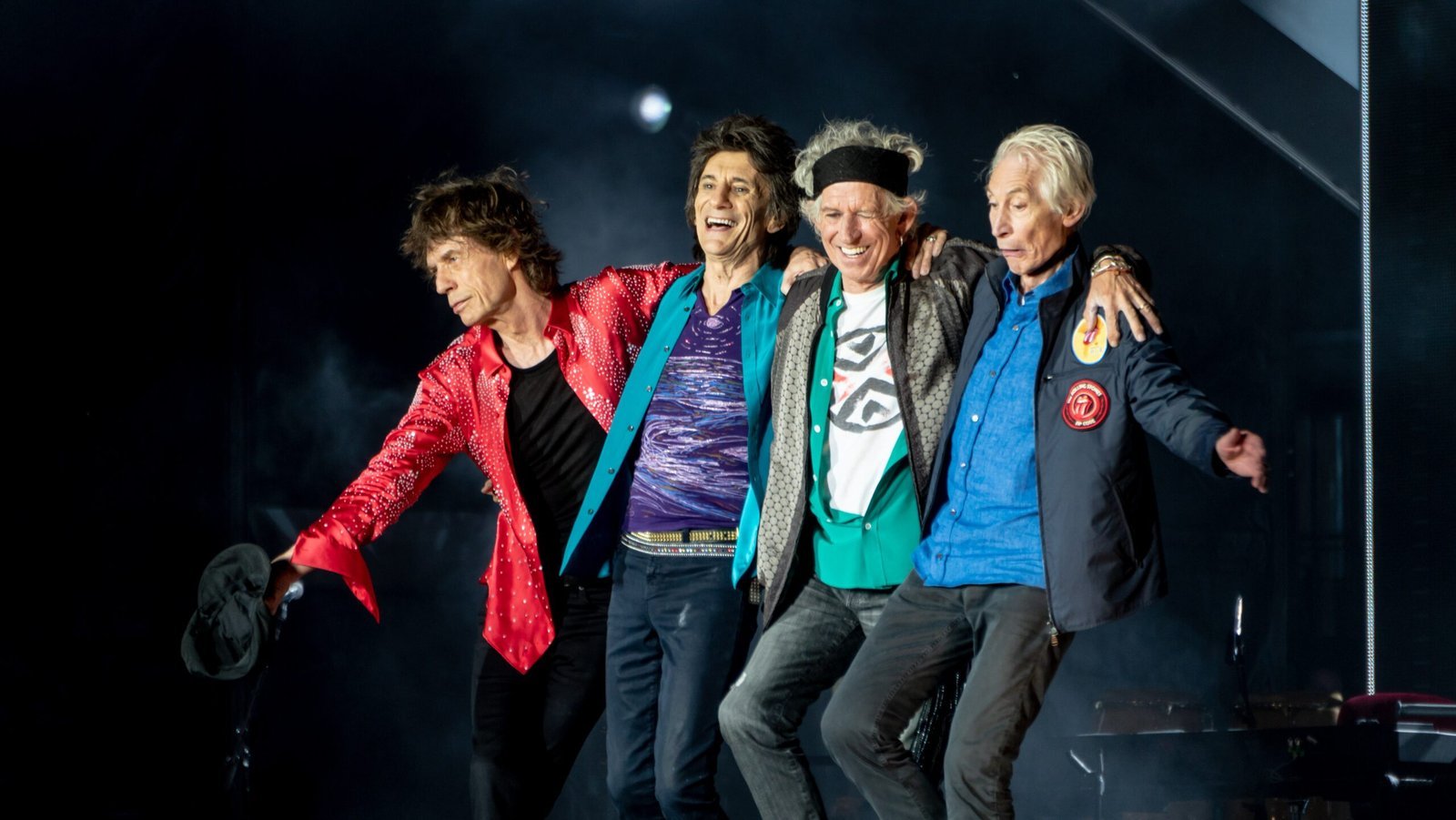
In May of 1972, the Rolling Stones released their 10th British studio album and first double LP, Exile on Main St. Reception was mixed, but the album is now considered a landmark. A dirty whirl of basement blues and punk boogie, the double LP was described by Keith Richards as “maybe the best thing we did,” containing the Stones’ greatest album and their definitive songwriting statement of outlaw pride and dedication to grit and cold-morning redemption.
The album reshaped expectations around polish and production, legitimizing rawness and imperfection in mainstream rock. Its impact can be traced through decades of artists who prioritized feel, cohesion, and roots influence over immediacy. Its enduring appeal is such that it topped the UK chart twice, 38 years apart. Not many double albums can claim anything close to that kind of longevity.
7. Pink Floyd – The Dark Side of the Moon (1973)
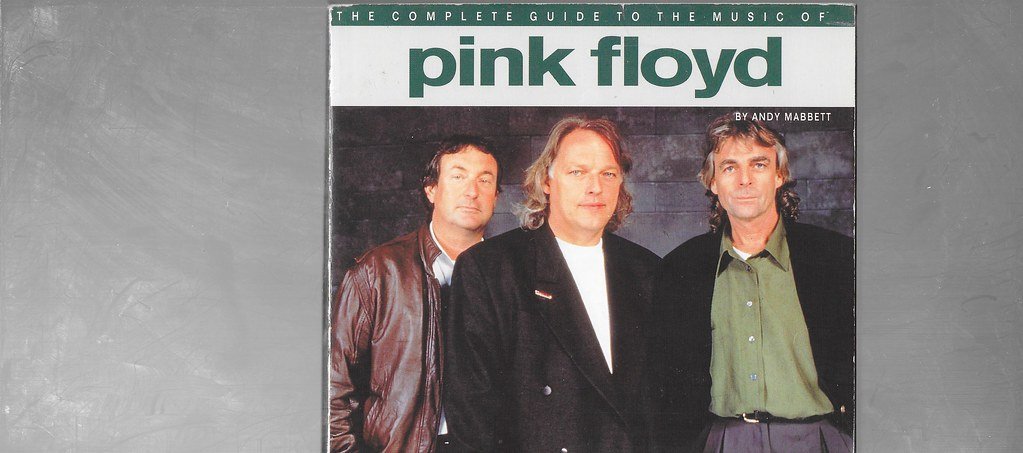
The Dark Side of the Moon is the eighth studio album by Pink Floyd, released in 1973. It was conceived as a concept album that would focus on the pressures faced by the band during their arduous lifestyle, and also deal with the mental health problems of former band member Syd Barrett. The group employed multitrack recording, tape loops, and analogue synthesisers, including experimentation with the EMS VCS 3 and a Synthi A.
By 2013, The Dark Side of the Moon had sold over 45 million copies worldwide, making it the band’s best-selling release, the best-selling album of the 1970s, and the fourth-best-selling album in history. In 2012, the album was selected for preservation in the United States National Recording Registry by the Library of Congress for being “culturally, historically, or aesthetically significant.” The Dark Side of the Moon has paved the way for much of the alternative or experimental rock sounds we enjoy today, from Tame Impala and Radiohead to Dream Theater and Porcupine Tree.
8. Led Zeppelin – Led Zeppelin IV (1971)
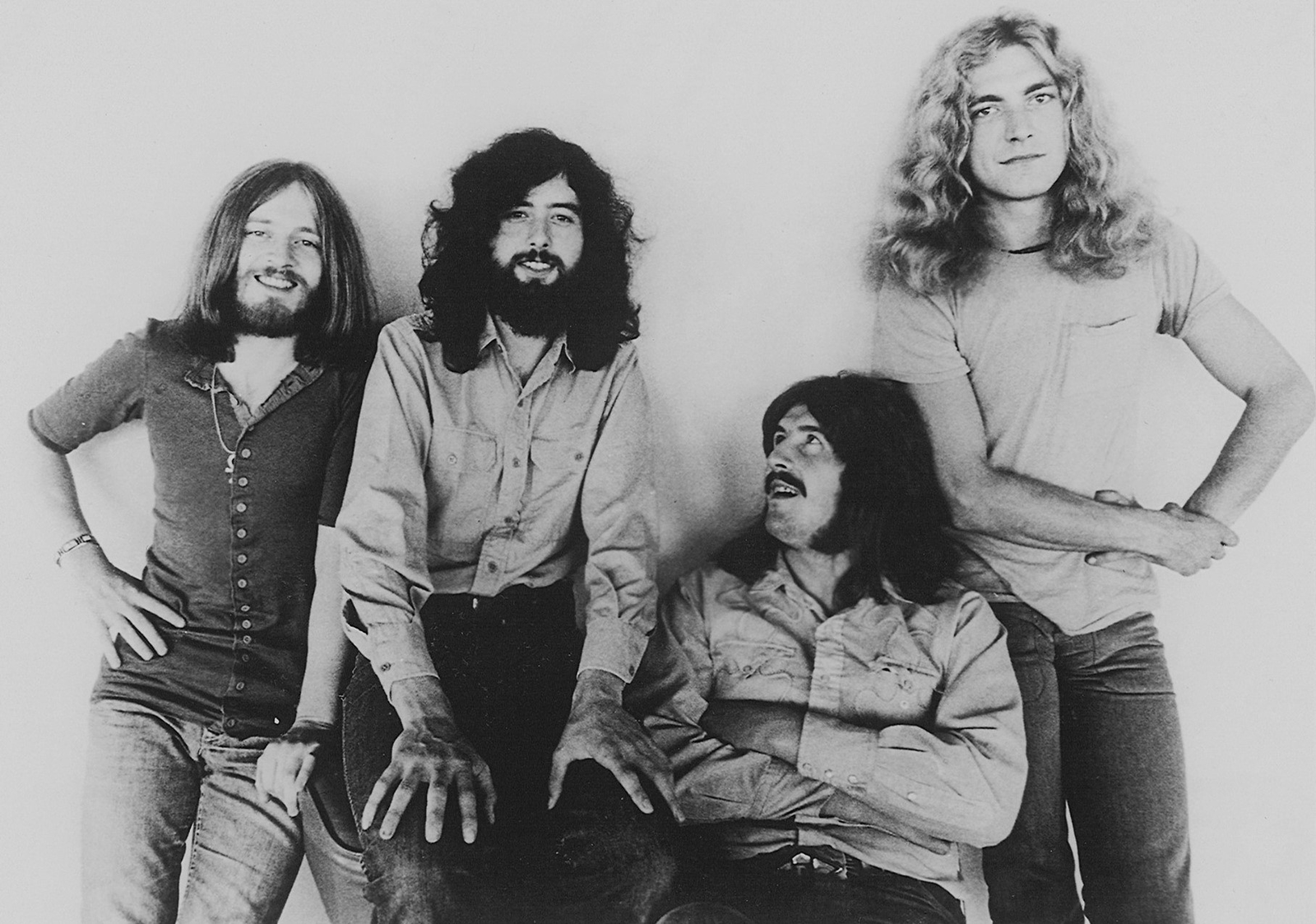
https://www.ledzeppelin.com/photos/led-zeppelin/promo/1971-promo, Public domain)
Jimmy Page’s “light and shade” production reached its zenith here, balancing the mystical acoustic folk of “Going to California” with the world-ending drum thunder of “When the Levee Breaks.” The record contains the genre’s national anthem in “Stairway to Heaven,” but the entire album is a masterclass in atmospheric power. Led Zeppelin blended blues rock with hard rock elements to create a unique sound that influenced countless bands to come.
Led Zeppelin IV has left a lasting legacy alongside records like The Dark Side of the Moon and Abbey Road as one of rock’s defining statements. The album’s range is what sets it apart. In a single listen, it moves from bruising heaviness to quiet melancholy to mythological grandeur. Their music was characterized by distorted guitar sounds, driving rhythms, and lyrics that often delved into themes of mysticism, rebellion, and raw human emotion. Few records manage that breadth without losing their center.
9. David Bowie – The Rise and Fall of Ziggy Stardust and the Spiders from Mars (1972)
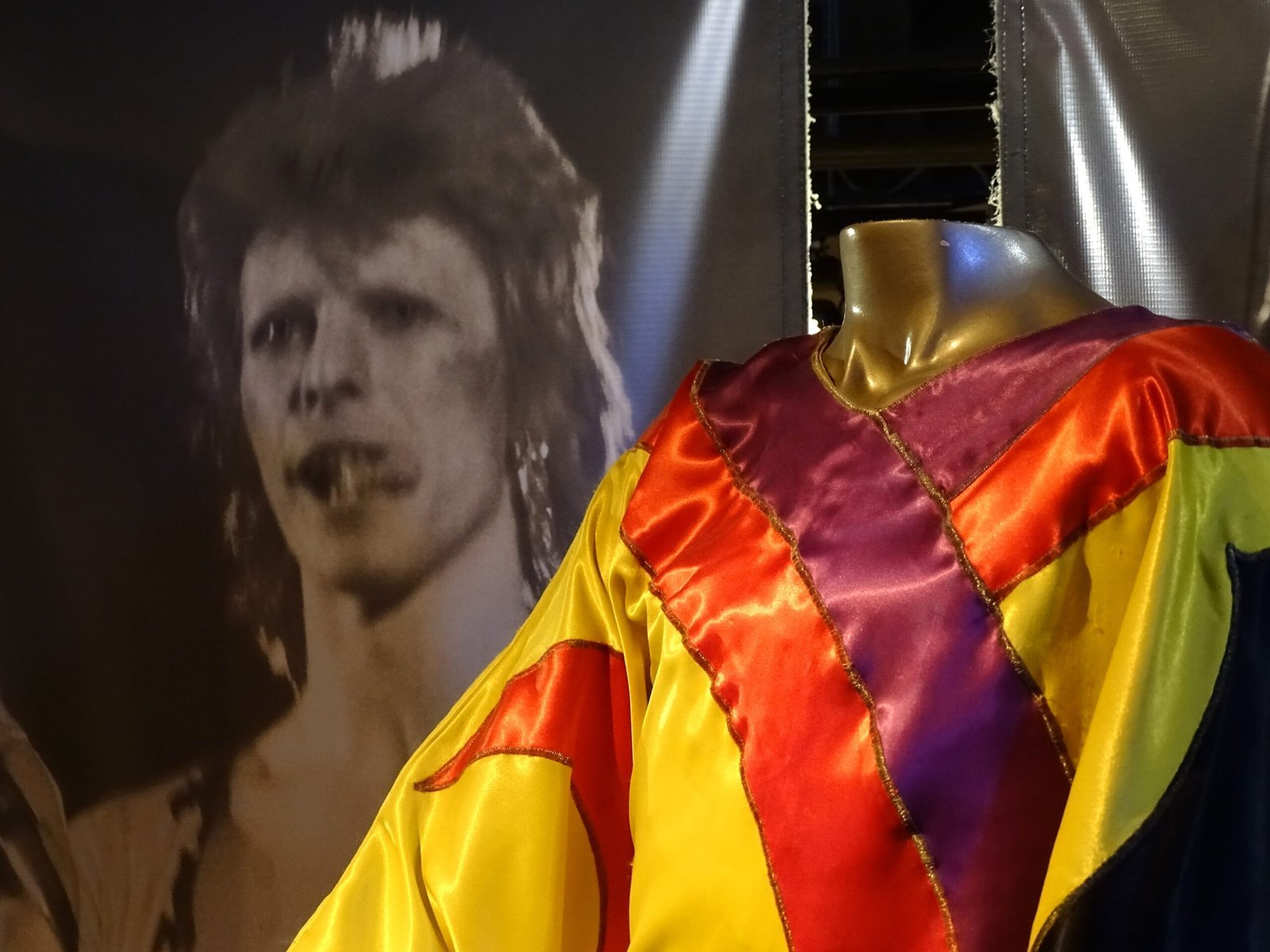
David Bowie wasn’t just a musician but a cultural icon, and The Rise and Fall of Ziggy Stardust is one of the reasons why. Released in 1972, this concept album introduced the world to Bowie’s alter ego, Ziggy Stardust, a flamboyant, androgynous rock star from outer space. The album mixes glam rock with science fiction themes, creating a sound that was ahead of its time.
The album challenged traditional notions of gender, identity, and what it meant to be a rock star. Ziggy Stardust inspired a new generation of musicians and artists, including punk, new wave, and alternative rock bands. Bowie’s theatrical style and genre-blurring approach have left a lasting impact on music and fashion. By merging high-concept sci-fi with Mick Ronson’s muscular guitar riffs, he created a glamorous, gender-bending spectacle that saved rock from its post-hippie drift.
10. Fleetwood Mac – Rumours (1977)
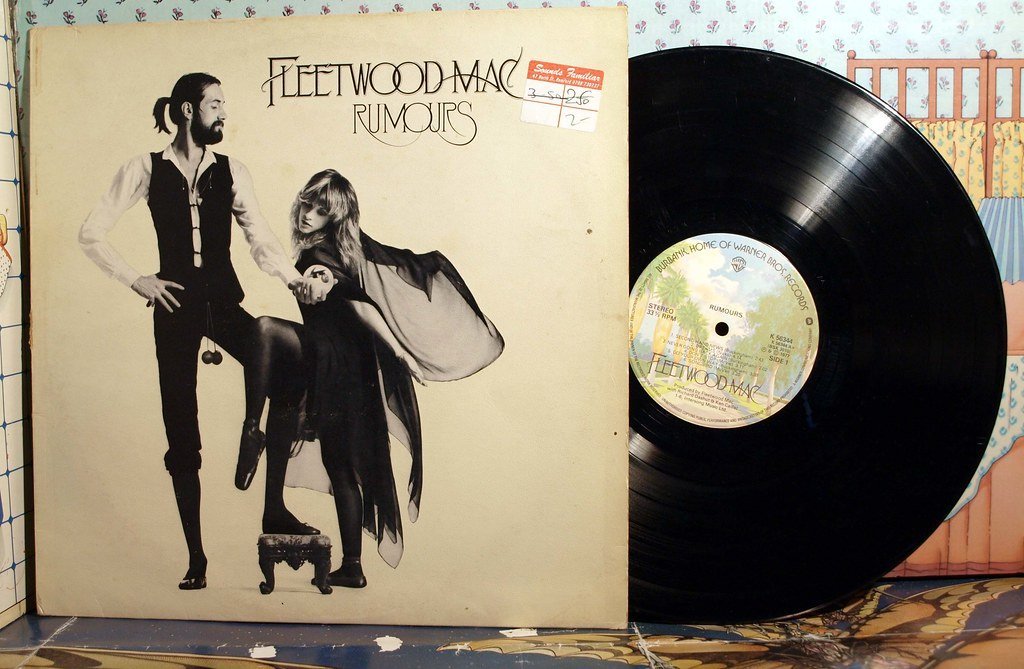
With Rumours, Fleetwood Mac turned private turmoil into gleaming, melodic public art. The band’s two couples broke up during the protracted sessions for the album. The resulting tension didn’t fracture the music. It sharpened it. Rumours achieved remarkable commercial success, reaching number one on the charts in several countries, including the United States and the United Kingdom.
Released in late 1976, Hotel California marked a clear turning point for Eagles. The group had already achieved massive success, but this album moved beyond easygoing harmonies into darker, more self-aware territory. Musically polished yet emotionally unsettled, it captured a band, and a decade, starting to question the cost of its own success. Rumours achieved something comparable for Fleetwood Mac: a record made under genuinely difficult personal circumstances that somehow arrived as one of the most cohesive, melodically rich works of the decade. One of the best-selling albums of all time, Rumours is the epitome of 1970s rock.
The Enduring Legacy of Two Extraordinary Decades
The classic rock albums of the 1960s defined the sound and spirit of a tumultuous decade, paving the way for future genres like punk, alternative, and heavy metal. These landmark releases continue to influence and inspire musicians today, cementing the 1960s as a transformative era in the history of rock music. The 1970s only deepened that work.
The 1970s were a transformative decade for music, and these albums played a pivotal role in shaping the sounds that would come to define not just the era, but future generations of artists. From the experimental sounds of Pink Floyd and David Bowie to the cultural impact of Marvin Gaye, these records are more than just music: they are snapshots of a moment in time, capturing the spirit, struggles, and dreams of a generation.
What stands out about the great albums of these eras isn’t just how good they sound – it’s how confident they are. These records don’t rush, don’t over-explain, and don’t try to win attention in the first thirty seconds. They assume the listener is willing to sit with them. Over time, what becomes clear is that these albums last because they focus on structure, mood, and honesty rather than immediacy. In an era of playlists and algorithm-driven listening, that quality feels more remarkable, not less.

Christian Wiedeck, all the way from Germany, loves music festivals, especially in the USA. His articles bring the excitement of these events to readers worldwide.
For any feedback please reach out to info@festivalinside.com
