

- 21 Songs That Captured America’s Urban Life - October 3, 2026
- 15 American Writers Who Changed the Global Literary Scene - October 3, 2026
- The 23 Secret Origins of American Blues Legends - October 2, 2026
There is something remarkable about the way television can lodge itself inside a generation’s memory. A theme song, a catchphrase, a familiar living room set – these things become shared shorthand, the kind of cultural glue that binds people who may have little else in common. For decades, the weekly ritual of gathering around a television screen was one of the defining experiences of American life.
These shows did more than entertain us. They gave us shared references, shaped our values, and influenced how we see the world. In our current fragmented media landscape, where we all watch different things at different times, it is worth remembering when television brought us together. What follows is a look at fifteen of those shows – where they came from, what they meant, and what became of them.
Friends (1994–2004)
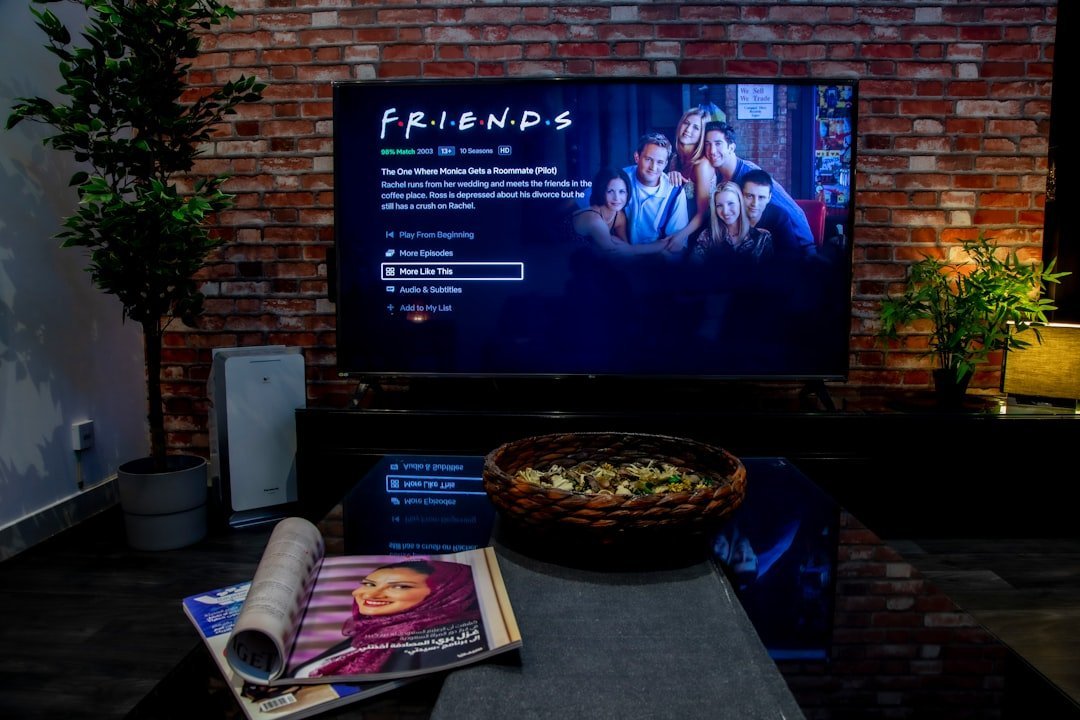
“Friends” was a cultural phenomenon during its ten-year run. The show followed a group of six friends living in New York City and their hilarious and heartwarming misadventures. It normalized the idea that your closest relationships don’t have to be blood relatives. For a generation moving away from home for college and careers, this was revolutionary.
Friends shifted the average network sitcom’s focus from families to younger twenty and thirty-somethings, a concept that was attempted in earlier decades but never took hold until the nineties. Without the series, there would be no How I Met Your Mother, New Girl, The Big Bang Theory, Happy Endings, or Community. After the show ended, Jennifer Aniston returned to TV as star and executive producer on Apple TV+’s The Morning Show, which earned her a SAG Award, and she was nominated for Outstanding Lead Actress in a Drama Series at the 2024 Emmy Awards. The cast was also shadowed by personal loss: Matthew Perry, who played Chandler, died in October 2023 at age 54. An autopsy revealed that his death was caused by the acute effects of ketamine, with coronary artery disease listed as a contributing factor.
Seinfeld (1989–1998)
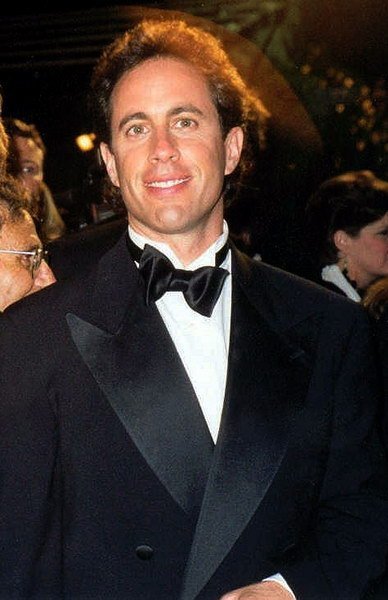
Seinfeld is an American television sitcom created by Larry David and Jerry Seinfeld. It originally aired on NBC from July 5, 1989, to May 14, 1998, with a total of nine seasons consisting of 180 episodes. While Friends offered a sweeter, more romantic look at the personal and professional lives of some aimless thirty-somethings, Seinfeld offered a more cynical spin on the same premise. Seinfeld introduced a cynical, apathetic edge to network sitcom writing, influencing shows like Curb Your Enthusiasm, It’s Always Sunny in Philadelphia, Broad City, and even the darker outings of How I Met Your Mother.
The show ended up winning ten Emmys and three Golden Globes, and it has been off the air for more than two decades. Of the four leads, Julia Louis-Dreyfus’ most famous role in recent years is unquestionably that of Selina Meyer on HBO’s political satire Veep, for which she won five straight Emmy Awards for Outstanding Lead Actress in a Comedy Series. Jerry Seinfeld, meanwhile, dropped the Netflix stand-up special 23 Hours to Kill in 2020 and in 2024 directed, co-wrote, and starred in the satirical movie Unfrosted.
M*A*S*H (1972–1983)
(Original text : eBay item
photo front
photo back), Public domain)
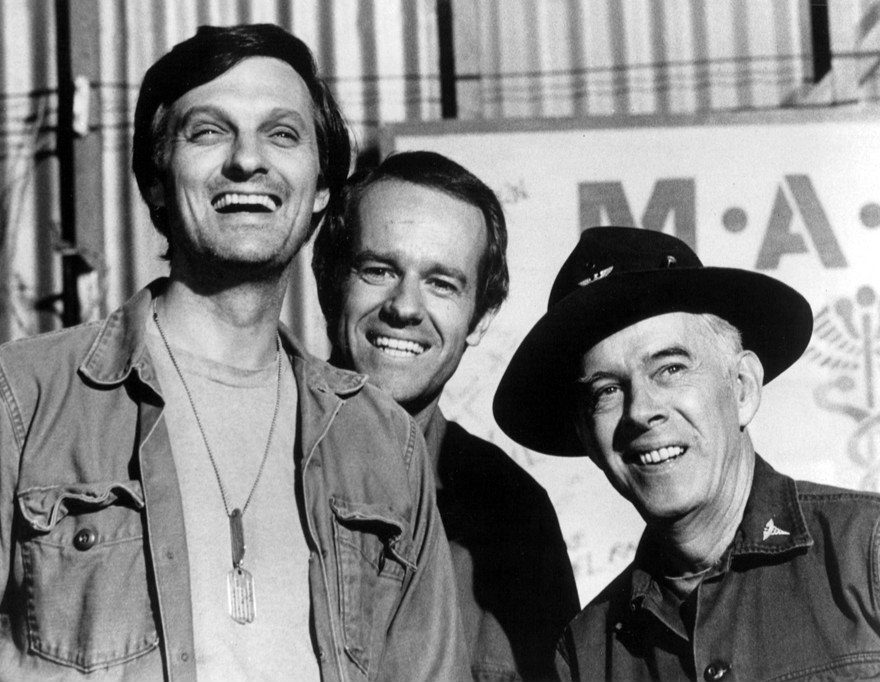
M*A*S*H was a poignant dramedy set during the Korean War. It masterfully blended humor and heartache, offering insightful commentary on the futility of war. The show featured an ensemble cast led by the charismatic Alan Alda. Created by Larry Gelbart, M*A*S*H remains a watershed American sitcom that helped redefine the TV format during the 1970s.
Only a few television episodes – such as the finales of Seinfeld, Cheers, and Roots – have surpassed the M*A*S*H finale’s viewership numbers, making it a lasting cultural phenomenon. M*A*S*H broke new ground by addressing complex themes with wit and compassion. The show remains a timeless classic, cherished for its innovative storytelling and memorable characters. Alan Alda continued a full acting and directing career long after the series ended, and remains one of the most respected figures in American television history.
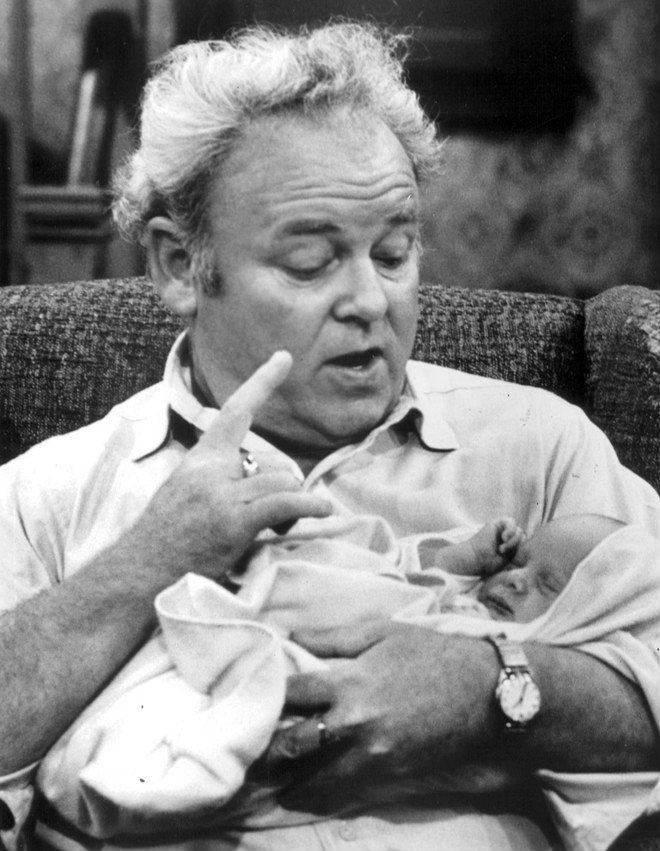
All in the Family (1971–1979)
(Original text : eBay item
photo front
photo back), Public domain)
All in the Family revolutionized TV sitcoms by addressing social issues head-on. Archie Bunker, a gruff, opinionated patriarch, became a symbol of the era’s prejudices and societal changes. The show courageously tackled topics like racism, women’s rights, and the Vietnam War, sparking important conversations across the country.
All in the Family was notable for making its central family a genuinely dysfunctional one, allowing creator Norman Lear to truly innovate within the boundaries of network television norms. The Simpsons, Married With Children, Arrested Development, Roseanne, and Modern Family all owe a creative debt to the Bunkers, while Maude and The Jeffersons were direct spinoffs from the series. The legacy of All in the Family remains one of the most important cultural artifacts of the twentieth century. Jean Stapleton, who played Edith Bunker, won three Emmys and two Golden Globes for the role before passing away peacefully in 2013.
The Simpsons (1989–Present)
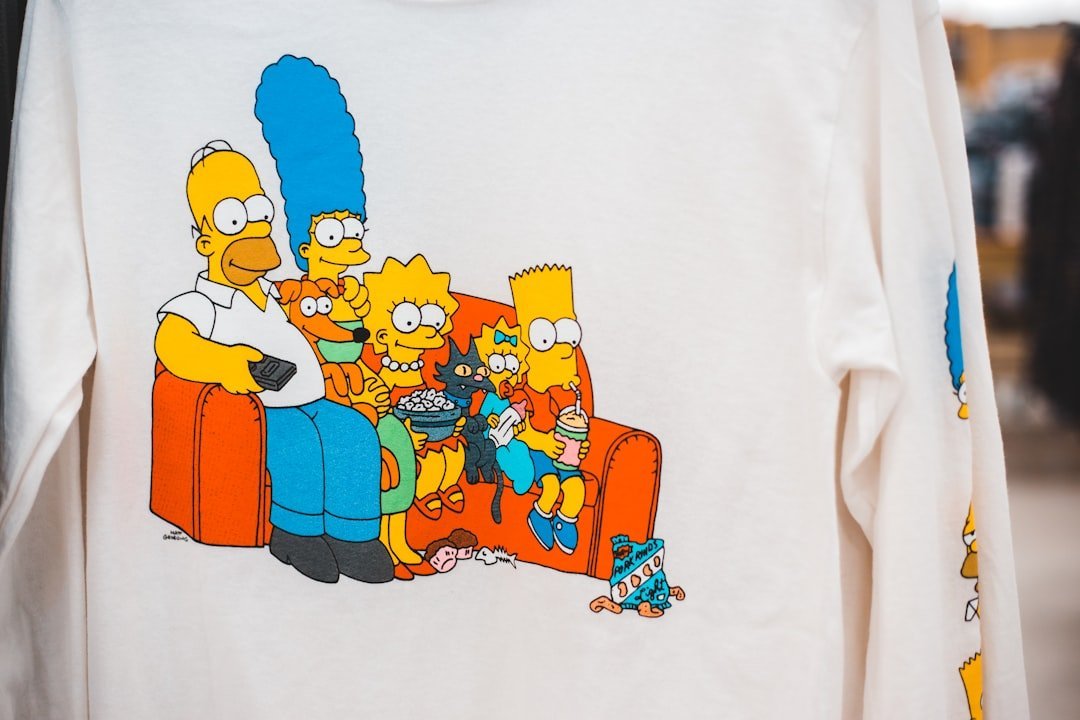
The Simpsons has been on the air since 1989 and is the longest-running American sitcom. More than just a comedy, the show became a kind of cultural mirror, reflecting and satirizing every corner of American life – politics, religion, celebrity, consumerism – with a sharpness that few shows have matched before or since.
As of The Simpsons season 36’s finale, the show is the longest-running scripted primetime American TV show in history. However, even its 35-year history accounts for less than half of the network sitcom’s time on TV. The Simpsons is still going strong. Homer, Bart, Marge, Lisa, and Maggie have been iconic characters for decades and multiple generations of youth and adults alike. With more than 35 years on the air, the show holds the world record for the longest-running animated sitcom.
The Fresh Prince of Bel-Air (1990–1996)
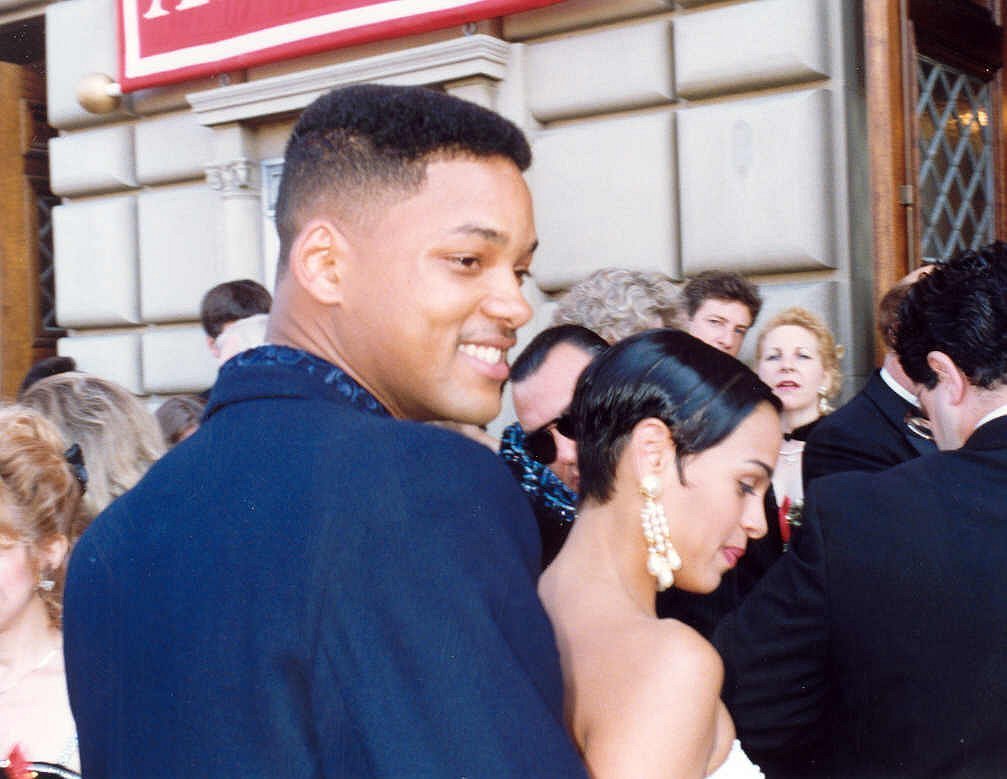
Will Smith’s charismatic portrayal of a street-smart teenager from West Philadelphia who moves in with his wealthy relatives in Bel-Air captured the hearts of audiences worldwide. The Fresh Prince of Bel-Air combined humor with poignant storytelling, addressing issues of race and identity while maintaining a sense of relatability. The show’s impact is enduring, with its memorable characters and themes still resonating with viewers today.
The Fresh Prince’s appeal lay not just in Smith’s natural charisma but in the show’s ability to balance comedy with thoughtful explorations of class, race, and family dynamics. Episodes like the famous reunion with Will’s father showcased the show’s dramatic range, while catchphrases and the iconic theme song became embedded in popular culture. The Carlton dance, performed by Alfonso Ribeiro, remains instantly recognizable decades later, demonstrating the show’s lasting cultural impact. Will Smith, of course, became one of the biggest movie stars on the planet, while Alfonso Ribeiro has hosted America’s Funniest Home Videos since 2015.
The X-Files (1993–2018)
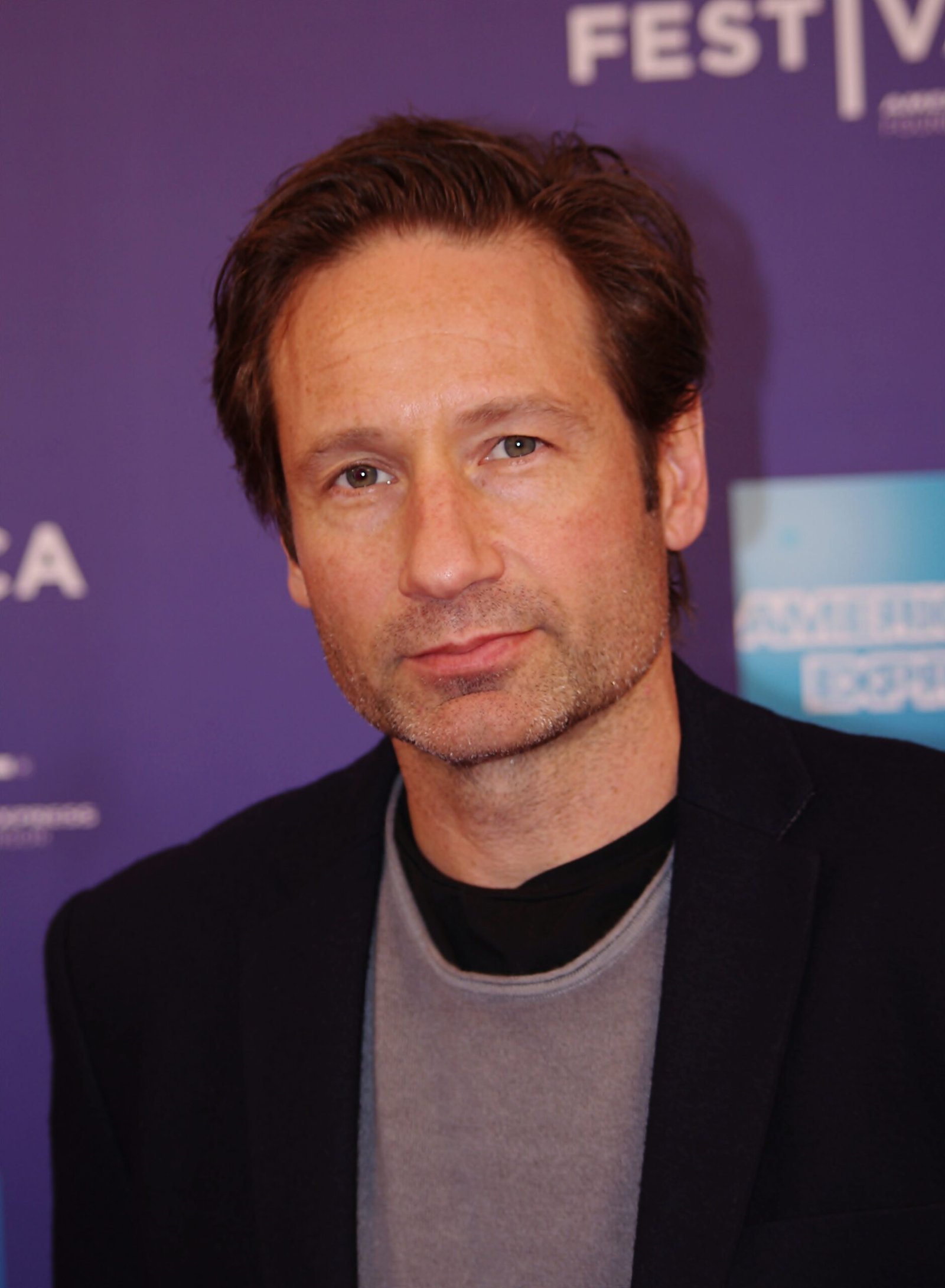
The X-Files arrived at the perfect cultural moment. Government distrust was rising, the internet was emerging, and conspiracy theories were going mainstream. Mulder and Scully didn’t just investigate paranormal cases – they modeled a new kind of partnership: professional equals with different perspectives who respected each other deeply.
The show originally ran from 1993 to 2002, while its 10th season aired in 2016 and its 11th and final season aired in 2018. The show also hit the big screen in two feature films. The X-Files legacy still resonates among a new generation of UFO chasers and believers of the unknown. Reports have since circulated that a new reboot was in early casting stages, signaling the franchise’s continued commercial appeal even as it faces the challenge of finding fresh ideas within a well-worn mythology.
Twin Peaks (1990–1991, 2017)

Twin Peaks was very ahead of its time when it debuted on TV screens in 1990. The seamless blending of a conventional detective story with supernatural elements had viewers tuning in week after week to get the next piece of the puzzle. Its creator, David Lynch, brought a cinematic surrealism to the small screen that had genuinely never been seen before, reshaping what audiences and writers thought television could do.
Twin Peaks was a huge influence in changing how television was perceived as a medium, introducing the concept of a show mythology that would later become standard practice for prestige TV. Since the third season ended in 2017, Lynch and co-creator Mark Frost had expressed interest in making another season. However, Lynch died in January 2025, making the production of any future episodes unlikely. His passing marked the end of any realistic hope for a fourth chapter – a quiet, permanent close on one of television’s most unusual legacies.
The Golden Girls (1985–1992)
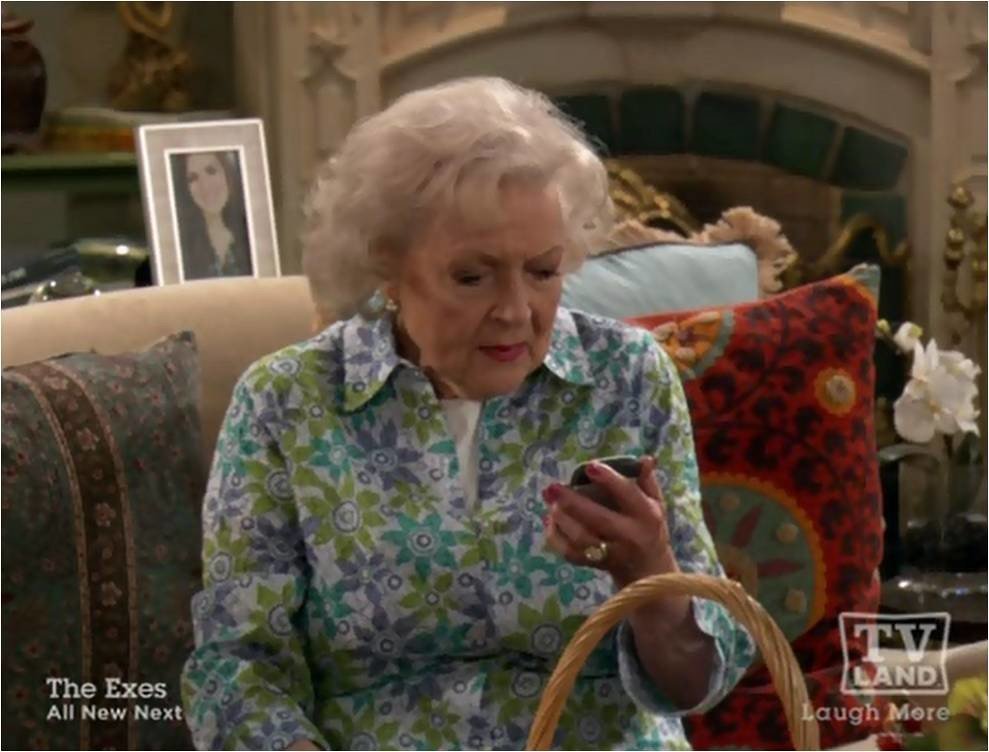
The Golden Girls, which premiered in 1985, challenged stereotypes about aging by portraying four older women living together in Miami as vibrant, sexual beings with full lives ahead of them. The show’s emphasis on found family and the importance of support systems resonated deeply with viewers.
With an all-time great lead cast including Bea Arthur, Betty White, Rue McClanahan, and Estelle Getty, The Golden Girls was notable for its focus on single female heroines in their later lives. Where most sitcoms centered on the family unit, The Golden Girls prioritized a demographic who were rarely centered on network television. All four lead actresses have since passed away, with Betty White being the last surviving member. White died on December 31, 2021, just weeks before her 100th birthday, and was mourned publicly as one of the most beloved figures in American entertainment history.
Happy Days (1974–1984)
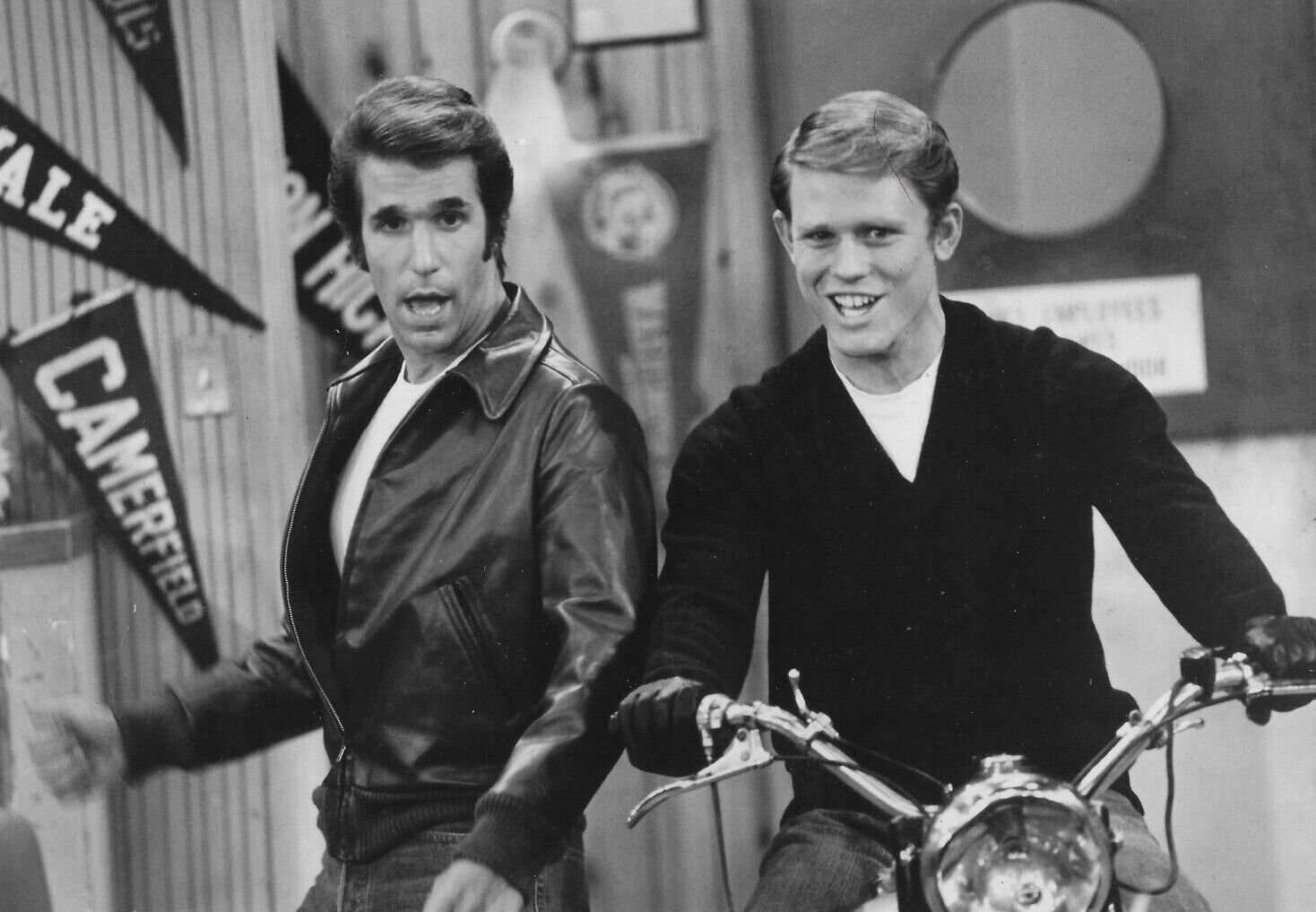
photo front
photo back
Transferred from en.wikipedia by SreeBot, Public domain)
Happy Days was a sitcom that ran from 1974 to 1984. It was set in the 1950s and followed the life of teenager Richie Cunningham and his family and friends. The show’s iconic characters and catchphrases have become a part of pop culture. The character of Fonzie, with his leather jacket and cool demeanor, became a cultural icon. Happy Days celebrated the spirit of friendship and family, leaving an indelible mark on pop culture and 1970s television.
The show was also responsible for gifting the English language a useful phrase: “jumping the shark,” coined after Fonzie literally jumped over a shark on water skis in a much-criticized episode. As a cornerstone of TV history, Happy Days continues to be celebrated for its charm and timeless appeal. Henry Winkler, who played Fonzie, has remained consistently active in Hollywood, earning an Emmy in 2018 for his supporting role in the HBO dark comedy Barry.
The Twilight Zone (1959–1964)

photo front
photo back, Public domain)
The Twilight Zone, a seminal anthology series created by Rod Serling, has transcended its original broadcast run in numerous ways. The show’s profound storytelling and twist endings have become a template for modern science fiction anthologies. Its legacy endures with multiple revivals, the latest of which aired in 2019, weaving contemporary social issues into its trademark blend of the strange and speculative.
The show’s anthology format and twist endings became cultural touchstones. “It’s like a Twilight Zone episode” entered our vocabulary as shorthand for the uncanny and unexpected. Its storytelling techniques still influence creators today. Black Mirror is essentially The Twilight Zone for the digital age. Rod Serling died in 1975, but his creation has proven almost indestructible – cycling through revivals, reboots, and pop culture references for more than six decades and counting.
The Jeffersons (1975–1985)
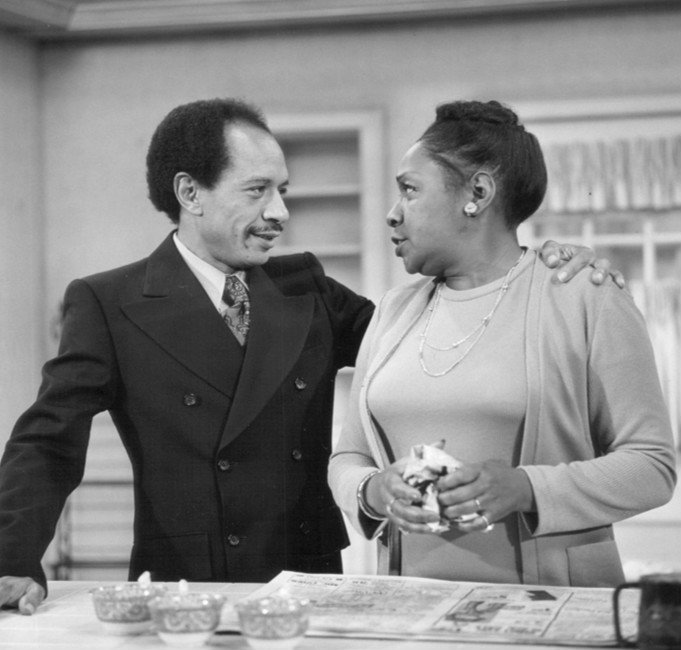
photo front
photo back
Transferred from en.wikipedia by SreeBot, Public domain)
The Jeffersons was a groundbreaking sitcom that showcased the upward mobility of an African American family. It followed George and Louise Jefferson as they navigated life in an upscale Manhattan apartment. The show addressed issues of race and class with humor and grace, challenging stereotypes and promoting inclusivity.
Spinning out of All in the Family, the series ran for eleven seasons and became one of the longest-running Black sitcoms in network television history at the time. Sherman Hemsley, who played the boisterous and lovable George Jefferson, became one of the most recognizable characters of his era. The show’s theme song, with its optimistic message of moving on up, became a genuine cultural anthem, and its influence can be traced through decades of subsequent Black-led sitcoms on American television.
Star Trek (1966–1969)
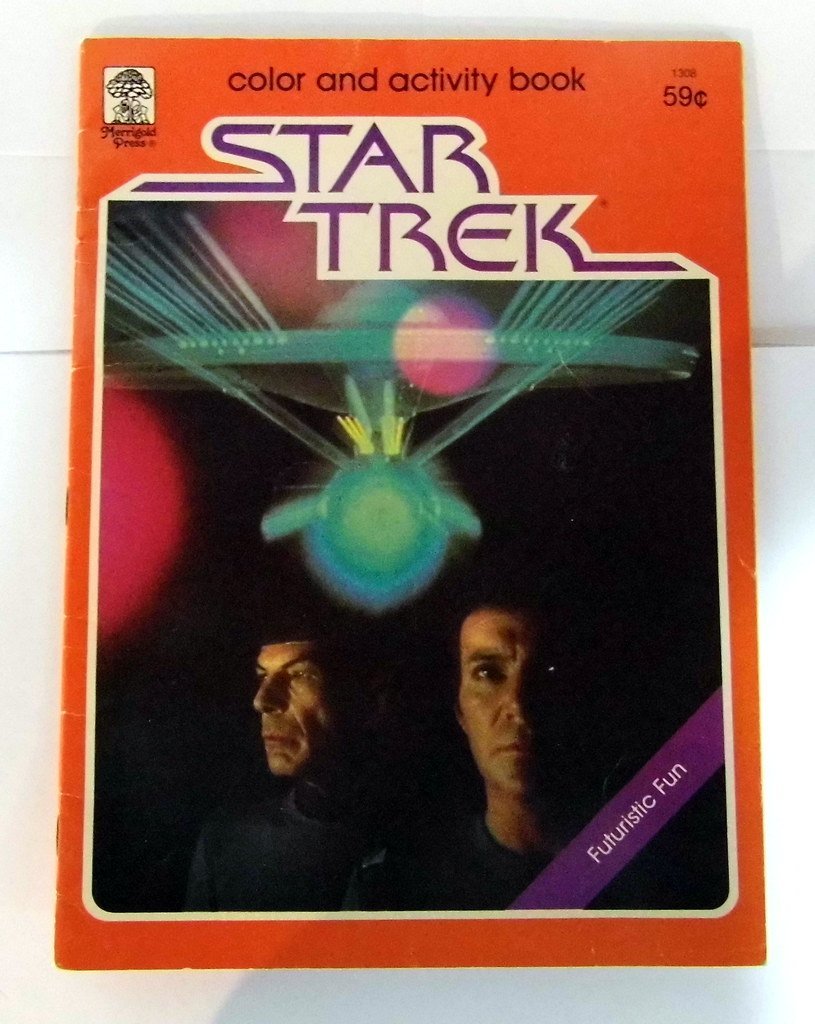
Star Trek has boldly sustained its popularity since its inception in the 1960s, sparking a generational franchise of television series, films, and books. Its optimistic vision of the future and the continued voyages of starship crews exploring the galaxy serve as a testament to the show’s durable appeal. The franchise has since expanded, with notable spin-offs such as Star Trek: The Next Generation charting new territories yet upholding the spirit of exploration and unity that defines the original series.
What made Star Trek unusual for its time was a genuine commitment to diversity – a multiracial crew at a moment when such casting was anything but standard on American television. The original series ran for only three seasons and was cancelled, yet it found its footing in syndication and grew into one of the most commercially successful franchises in entertainment history. Today, multiple Star Trek series continue to stream across different platforms, a testament to a vision that proved far more durable than anyone predicted in 1969.
Buffy the Vampire Slayer (1997–2003)
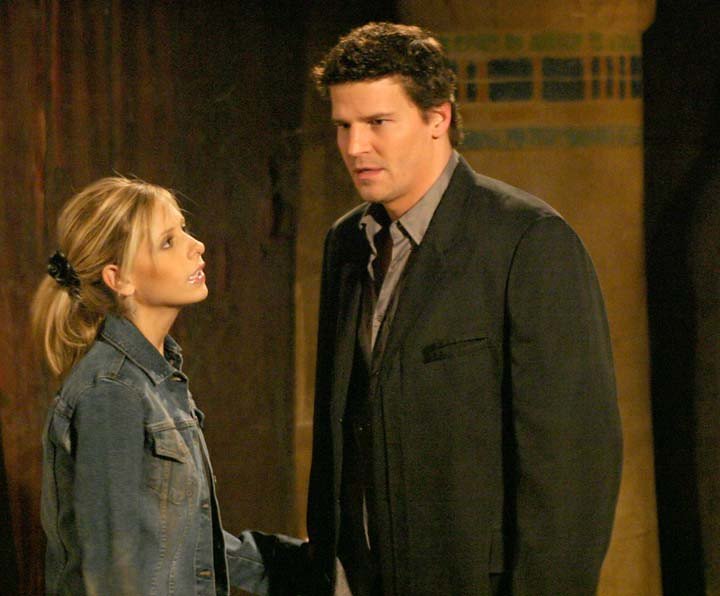
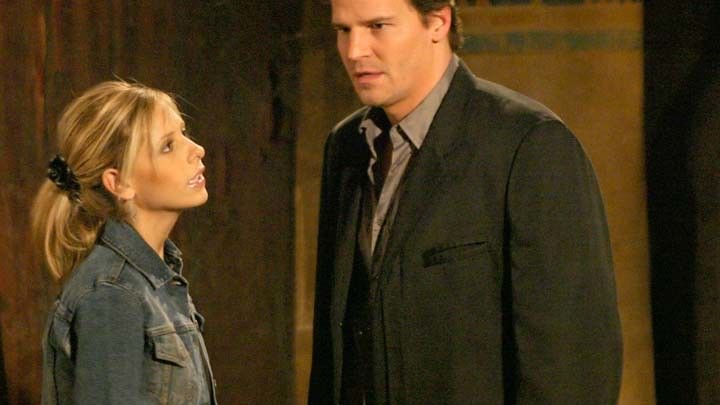
Few shows of the 1990s balanced genre entertainment with genuine emotional intelligence quite like Buffy the Vampire Slayer. Created by Joss Whedon, the series used its supernatural setting as a metaphor for the very real difficulties of adolescence and early adulthood – loneliness, loss, identity – and did so with wit and genuine dramatic weight. It also placed a young woman at the center of the action in a way that felt different, even transgressive, for prime-time television at the time.
A long-awaited continuation of Buffy the Vampire Slayer received a pilot order from Hulu in February 2025 and found its new vampire slayer with new casting announced in May. Many of the original cast members have continued working steadily. Sarah Michelle Gellar, who played Buffy, returned to television in the 2022 Peacock horror comedy Wolf Pack, while the show’s revival has drawn both excitement and measured expectation from a fanbase that has waited more than two decades for a return.
The Brady Bunch (1969–1974)
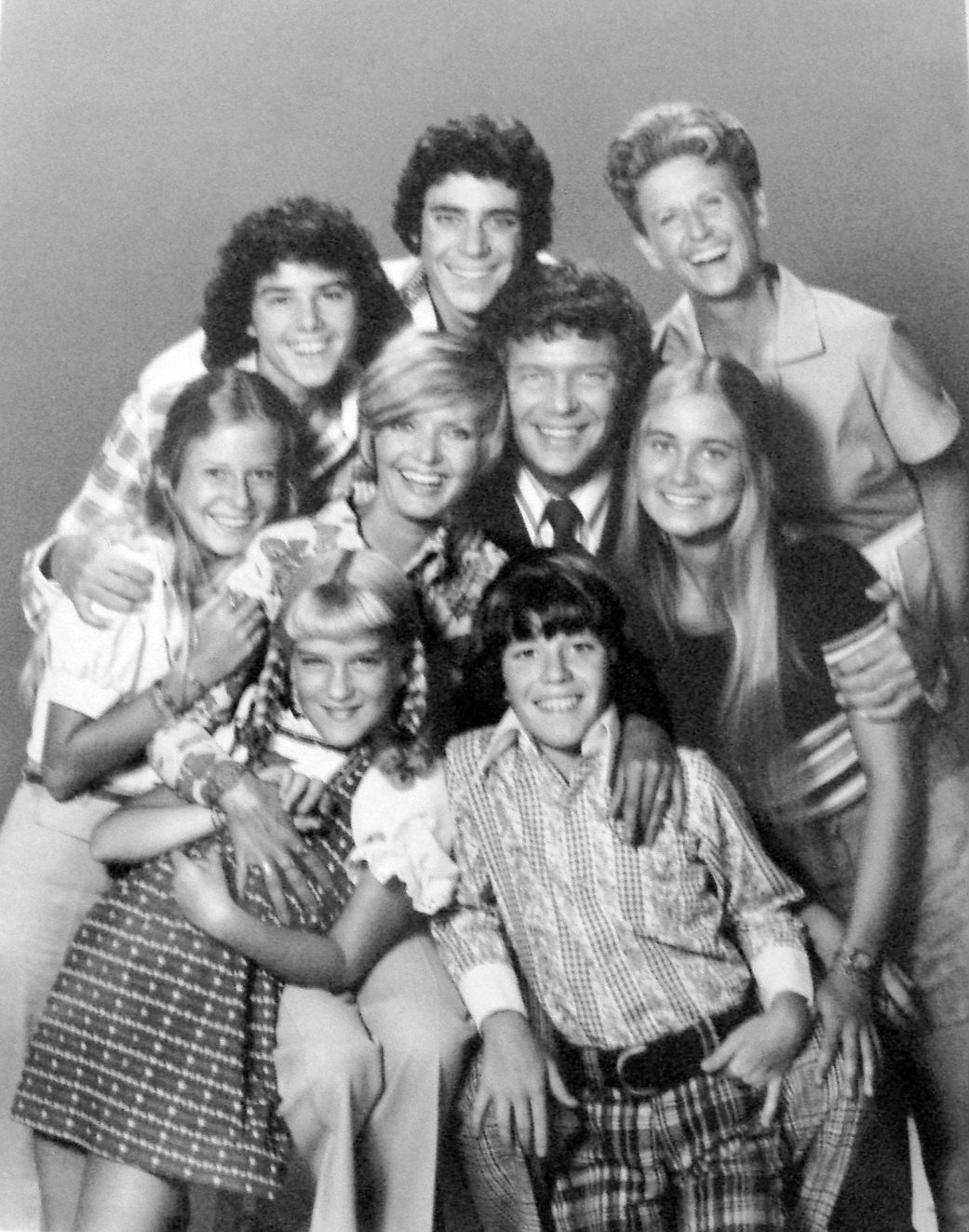
photo front
photo back, Public domain)
The Brady Bunch followed the everyday adventures of the Brady family, highlighting values like love, teamwork, and acceptance. It became a cultural touchstone, influencing fashion and language. Through its lighthearted approach, The Brady Bunch portrayed an idealized vision of family life, leaving a lasting legacy in the world of television.
It is a show that has arguably become more famous after its cancellation than it ever was during its original run. Reruns kept the Brady family in households for decades, and the series inspired reunion movies, a short-lived spinoff, an HGTV renovation project involving the actual house, and countless parody references. The Brady Bunch inspired subsequent shows and movies that sought to recapture the original’s family-centered heart. The surviving cast members have remained in public life, frequently gathering for anniversary projects, demonstrating just how tenaciously a show about a blended family from the early 1970s can hold onto a place in the cultural imagination.
A Reflection on Legacy
These classic shows still matter because they dealt with universal themes: friendship, family, justice, hope, fear, and what it means to be human. They remind us that great storytelling transcends technology. Whether broadcast on three channels or streaming on three hundred, stories that speak to our shared humanity will always find their audience.
These programs weren’t just entertainment – they became cultural touchstones that brought families together and sparked conversations across generations. From groundbreaking sitcoms that tackled social issues with humor to gripping dramas that kept viewers on the edge of their seats, they redefined what TV could achieve. The characters and stories introduced during these eras continue to resonate, leaving a legacy that shaped the shows we love today.
What stands out, looking back across these fifteen shows, is how many of them were built around an urgency to say something true. Whether it was Norman Lear using comedy to challenge bigotry, or Rod Serling smuggling moral allegory into science fiction, the best of these programs never confused popularity with comfort. They understood that an audience gathered together around a screen was a rare kind of attention – and they tried, at their best, to deserve it.

Besides founding Festivaltopia, Luca is the co founder of trib, an art and fashion collectiv you find on several regional events and online. Also he is part of the management board at HORiZONTE, a group travel provider in Germany.
