

- 14 Hidden Literary Masterpieces From America’s Gilded Age - October 3, 2026
- The Secret Role of 16 Musicians in American Civil Rights - October 3, 2026
- 20Books That Transformed America’s Relationship With Money - October 3, 2026
There’s a certain quiet deception to famous places. We visit them, photograph them, commit them to memory, and then walk away believing we’ve understood them. The reality is often quite different. Beneath the polished surfaces of America’s most recognizable sites lies a hidden layer of history, deliberate decisions, strange compromises, and deeply human stories that rarely make it onto the guided tour.
Some of these secrets are structural. Others are encoded in symbolism or buried in unfinished ambitions. A few were hidden in plain sight all along, waiting for someone curious enough to look down at the floor, up at a ceiling, or through a crack in the marble.
The Statue of Liberty, New York Harbor
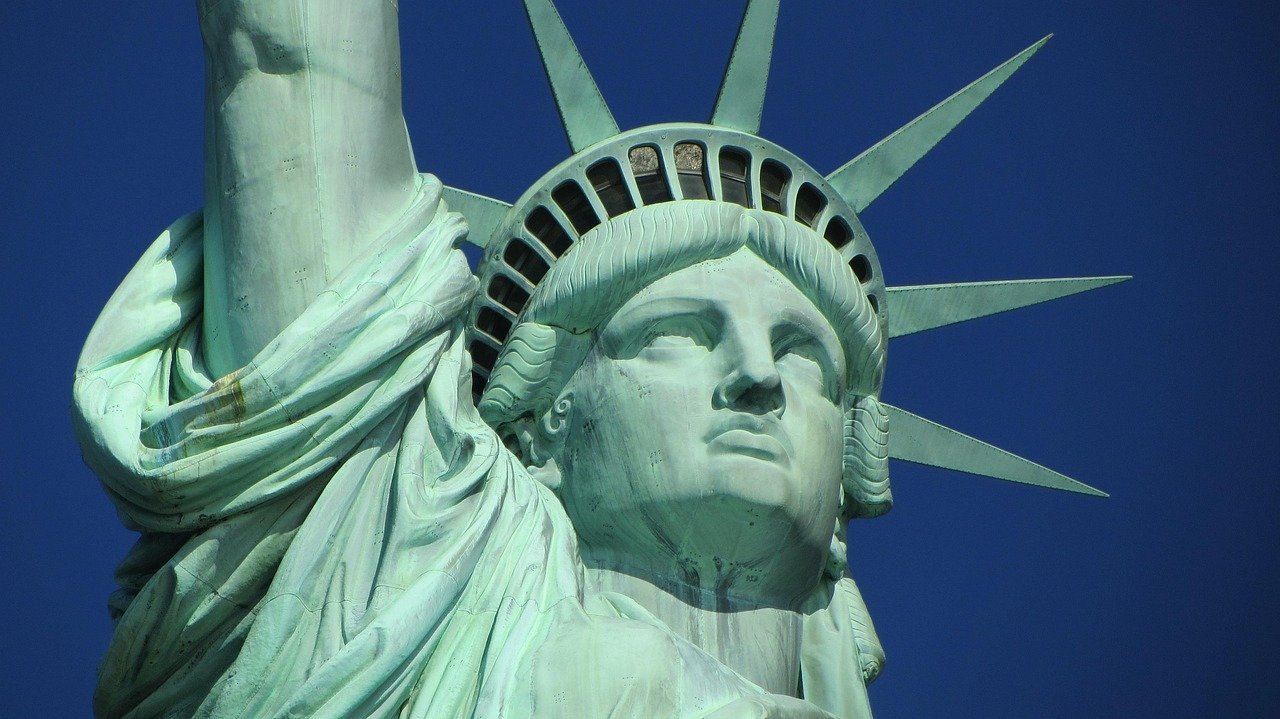
The Statue of Liberty is one of the most recognized symbols of freedom in the world, but there’s more to her story than most people realize. Her face was modeled after sculptor Frédéric Auguste Bartholdi’s mother, Charlotte Bartholdi. Known for her strength, intelligence, and commanding presence, Charlotte raised Frédéric after his father’s death, and he sought to capture those qualities in the statue’s serene yet powerful expression.
A powerful symbol often missed by visitors viewing her from below is located at the statue’s feet. Partially hidden by her robes, Lady Liberty is depicted stepping forward, away from a broken shackle and chain. This represents humanity breaking free from oppression, tyranny, and servitude. While symbolizing freedom generally, it particularly resonated in the context of the abolition of slavery in the United States, which occurred just years before the statue was conceived.
The skeleton of the statue consists of an iron structure. At the time, the central supports were the largest freestanding iron structure in the world. They would eventually be supplanted by another creation by the same designer: Gustave Eiffel’s namesake Parisian tower. Most visitors have no idea that the same engineer built both.
Mount Rushmore, South Dakota
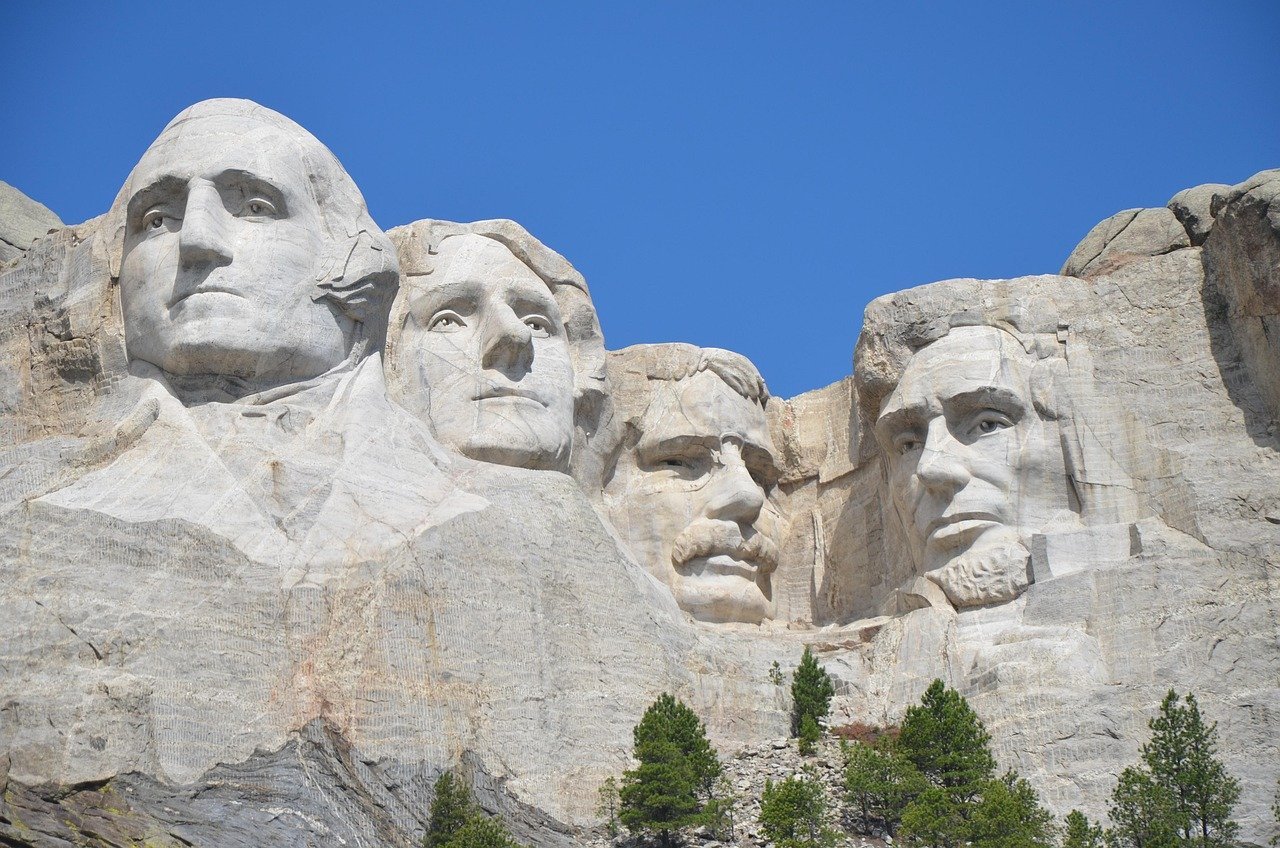
As grandiose as the monument is today, its original vision was even more so. There’s no better evidence for that than the fact that the monument’s equally grandiose artist began work on a hidden room within the mountain, designed to inform future civilizations about why the sculptures were there.
Construction on Mount Rushmore began in 1927, and sculptor Gutzon Borglum began his massive “Hall of Records” in 1938. Positioned just behind Abraham Lincoln’s hairline, he envisioned this chamber housing all the information about the mountain and the country anyone would ever need, including historical artifacts such as the Constitution and the Bill of Rights. Visitors would climb an 800-foot rock staircase and gaze up through an 18-foot tall doorway at a gold-plated eagle stretching 38 feet wide.
The sculptor never really calculated how much the Hall of Records would cost, which contributed to the project’s undoing. Congress, which had stepped in to fund the memorial, balked at giving him a blank check, and work on the hall was halted in 1939 after legislators directed that the faces of the presidents were the only parts of the monument that should be completed. Today, the chamber holds a 1,200-pound granite capstone that contains a titanium vault, which houses a wooden box holding 16 porcelain tablets, etched with the words of the Declaration of Independence, the Constitution, the Bill of Rights, and the Gettysburg Address.
Hoover Dam, Nevada and Arizona
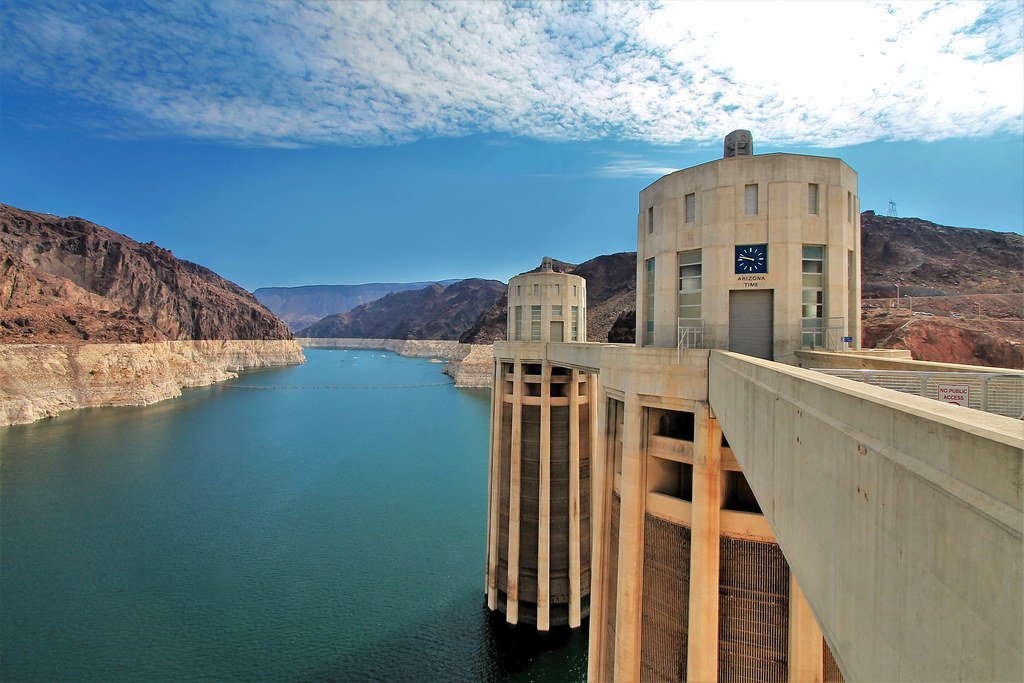
The Hoover Dam encodes its founding date in the stars. At the base of the dam’s dedication monument is a terrazzo star chart designed to stand the test of time. It pinpoints the positions of the major celestial bodies on the day of the dam’s dedication, September 30, 1935. The idea was that, even if every record were lost, future generations could look to the stars and decode the dam’s origins.
The plaza’s terrazzo floor is actually a celestial map that marks the time of the dam’s creation based on the 25,772-year axial precession of the earth. Visitors to the Hoover Dam may not be able to truly appreciate this work of art in its entirety because it’s impossible to see the piece all at once. Instead, you can see some of the different spots and dates, which include the North Star’s position as the ancient Egyptians built the pyramids.
The dam also holds a secret room that is not just a hidden space; it’s a tribute to the artistry and culture of the region. Decorated with murals by Allen Tupper True, the room was designed to honor the Native American heritage of the area and the workers who built the dam. It remains inaccessible to the public, seen only by maintenance crews.
Grand Central Terminal, New York City
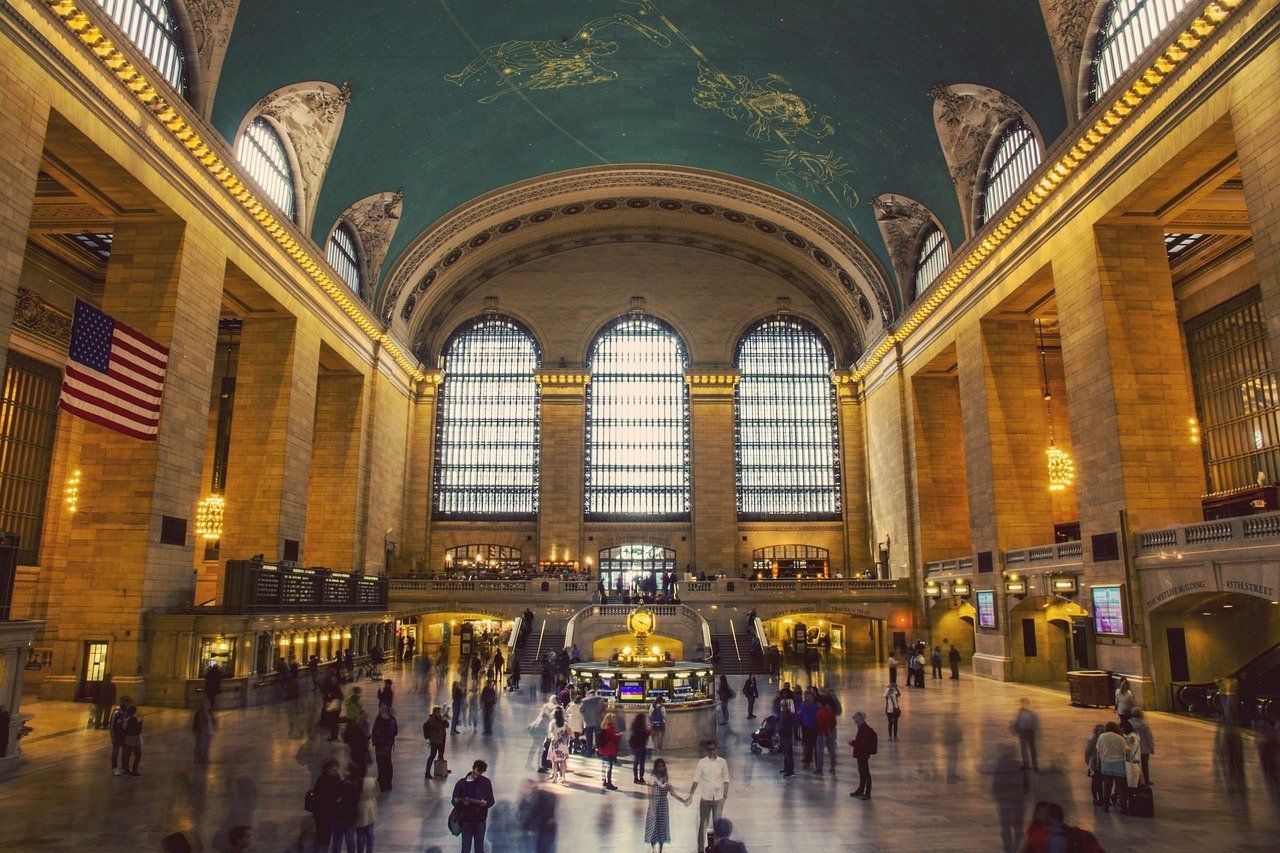
Inside the Main Concourse of Grand Central Terminal, there is a celestial map painted across the ceiling with the constellations shown in reverse. Allegedly the artist was given a diagram from an atlas which was projected the wrong way. A 1913 New York Times article even noted the confusion just weeks after the terminal opened. The Vanderbilt family, who financed the construction, offered a more poetic explanation, saying the artwork was intended to be viewed from a divine perspective, looking down from the heavens rather than up from Earth.
Grand Central Terminal overwhelms with chandeliers and constellations, but one of its best secrets sits at ear level near the Oyster Bar. In the whispering gallery, arched tiles carry sound along the curve so a soft voice in one corner reaches the opposite side clearly. Commuters rush past, thinking only about departure boards and clocks, while couples, kids, and curious rail fans quietly test the acoustics.
Unlike many of the city’s other architecturally significant structures from the late 19th and early 20th centuries, Grand Central wasn’t demolished in the name of progress. Committees and individuals, including former First Lady Jacqueline Kennedy Onassis, fought to keep it standing. Its survival is itself a kind of secret triumph.
The Lincoln Memorial, Washington D.C.
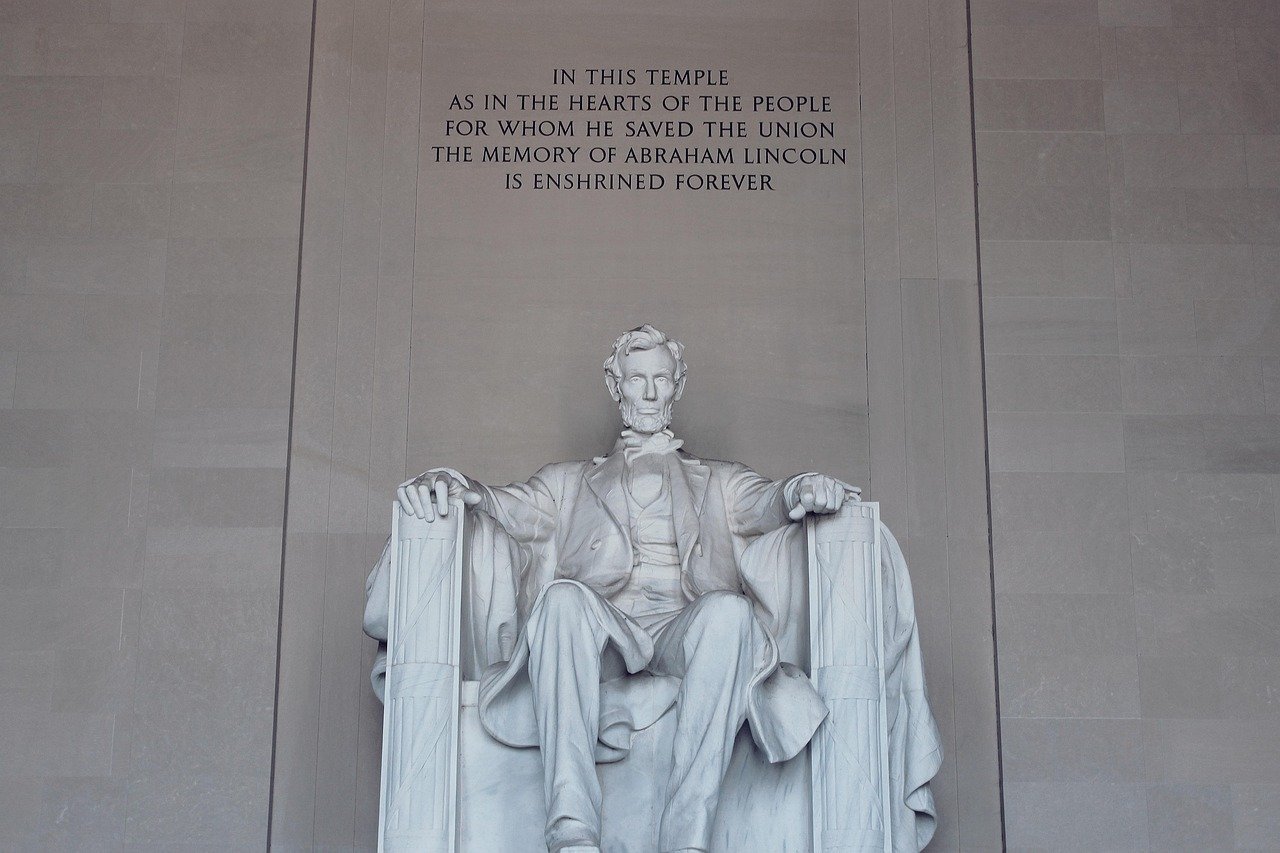
Inside the Lincoln Memorial, visitors read carved speeches that seem flawless, yet one panel carries the ghost of a mistake. A stonecutter once carved the word “future” as “euture,” then tried to fix the error by deepening the vertical line and reshaping the letter. The repair is still visible to anyone patient enough to scan the text. That faint slip in the marble sits under soaring architecture and a solemn statue, proving even the most careful tributes come from human hands.
About 40 percent of the monument is actually hidden underground in the shape of a giant, cathedral-like vault. This underground chamber, colloquially known as the Lincoln undercroft, serves as a foundation for the heavy marble monument sitting on top of it. Beneath the iconic Lincoln Memorial is a hidden basement, an underground chamber filled with graffiti and natural stalactites. This little-known space offers a stark contrast to the monument’s pristine exterior, revealing a forgotten world below.
The Golden Gate Bridge, San Francisco
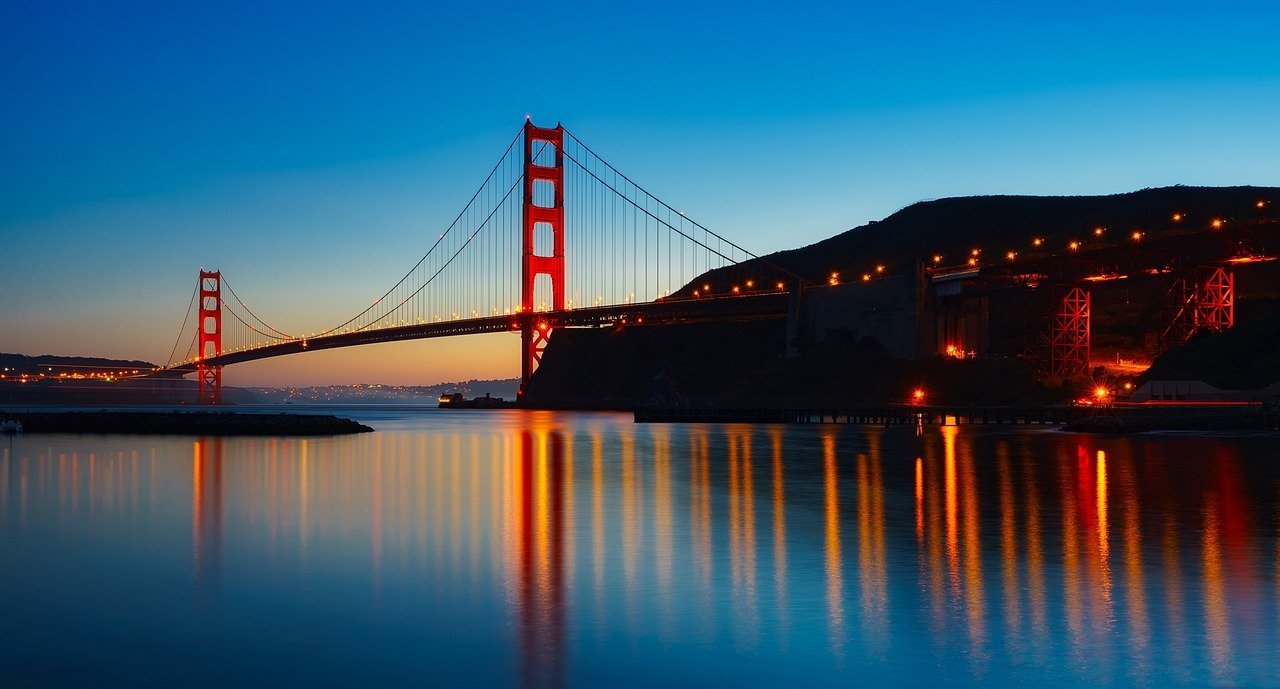
The Golden Gate Bridge seems like it has always been painted its famous orange-red, yet that color started as a practical primer on exposed steel. Early engineers proposed gray or black, but architect Irving Morrow argued for the vivid shade, which kept the structure visible in fog and striking against land and sea. Crews still maintain that exact tone, constantly repainting cables and towers. A choice made in a design debate now defines the bridge more than its towers do.
During the bridge’s construction, a safety net was strung beneath to help prevent laborer deaths, and it saved 19 lives. On December 1, 1951, a windstorm revealed swaying and rolling instabilities of the bridge, resulting in its closure. In 1953 and 1954, the bridge was retrofitted with lateral and diagonal bracing that connected the lower chords of the two side trusses. This bracing stiffened the bridge deck in torsion so that it would better resist the types of twisting that had destroyed the Tacoma Narrows Bridge in 1940. The bridge’s history of quiet structural crises is rarely told.
The White House, Washington D.C.
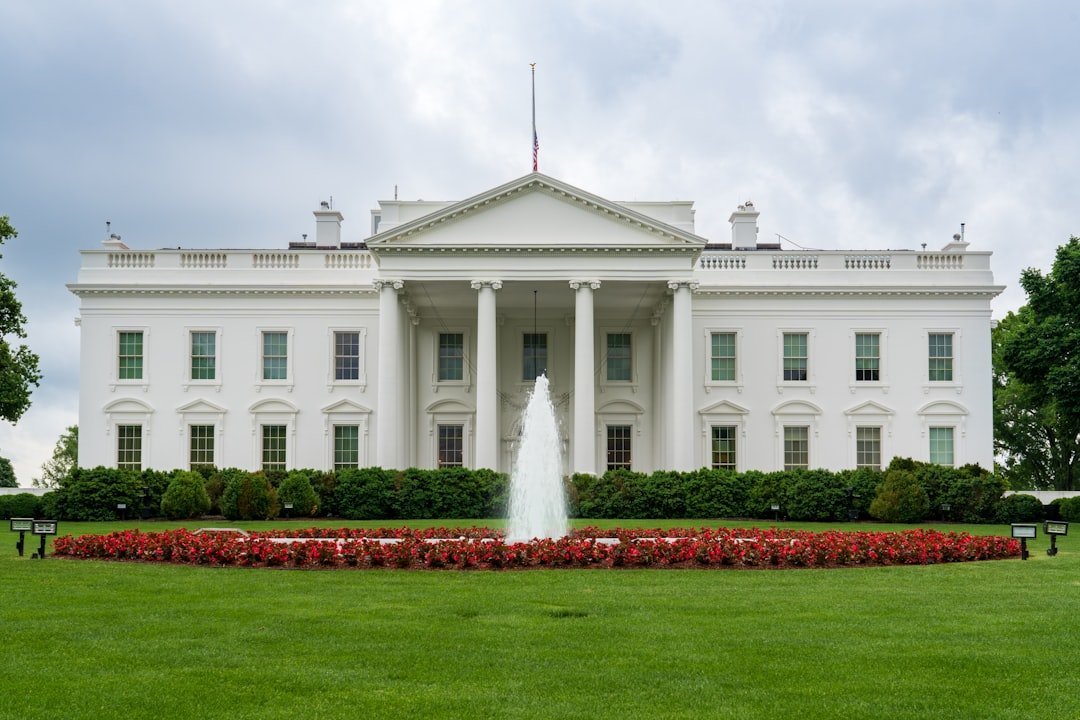
According to the White House Historical Association, there is in fact only one genuine secret passageway: an emergency passage known as the Presidential Emergency Operations Center, which lies underneath the White House. The underground passage was constructed beneath the East Wing during Franklin D. Roosevelt’s presidency, just after the bombing of Pearl Harbor in 1941.
The White House was modeled after an 18th-century Anglo-Irish estate called Leinster House, which did in fact have many secret passageways. However, architect James Hoban opted for a much simpler design for the White House, skipping the network of secret passageways and choosing instead a largely open-plan design. The myths of labyrinthine tunnels connecting to the Capitol largely remain myths, though the one confirmed wartime shelter more than makes up for it in historical weight.
The White House building encompasses over 180 rooms total. While most of these rooms are offices, there are also recreational rooms for the first family, like a bowling alley and movie theater. Few visitors realize how much ordinary life, and extraordinary history, coexist within the same walls.
The Liberty Bell, Philadelphia
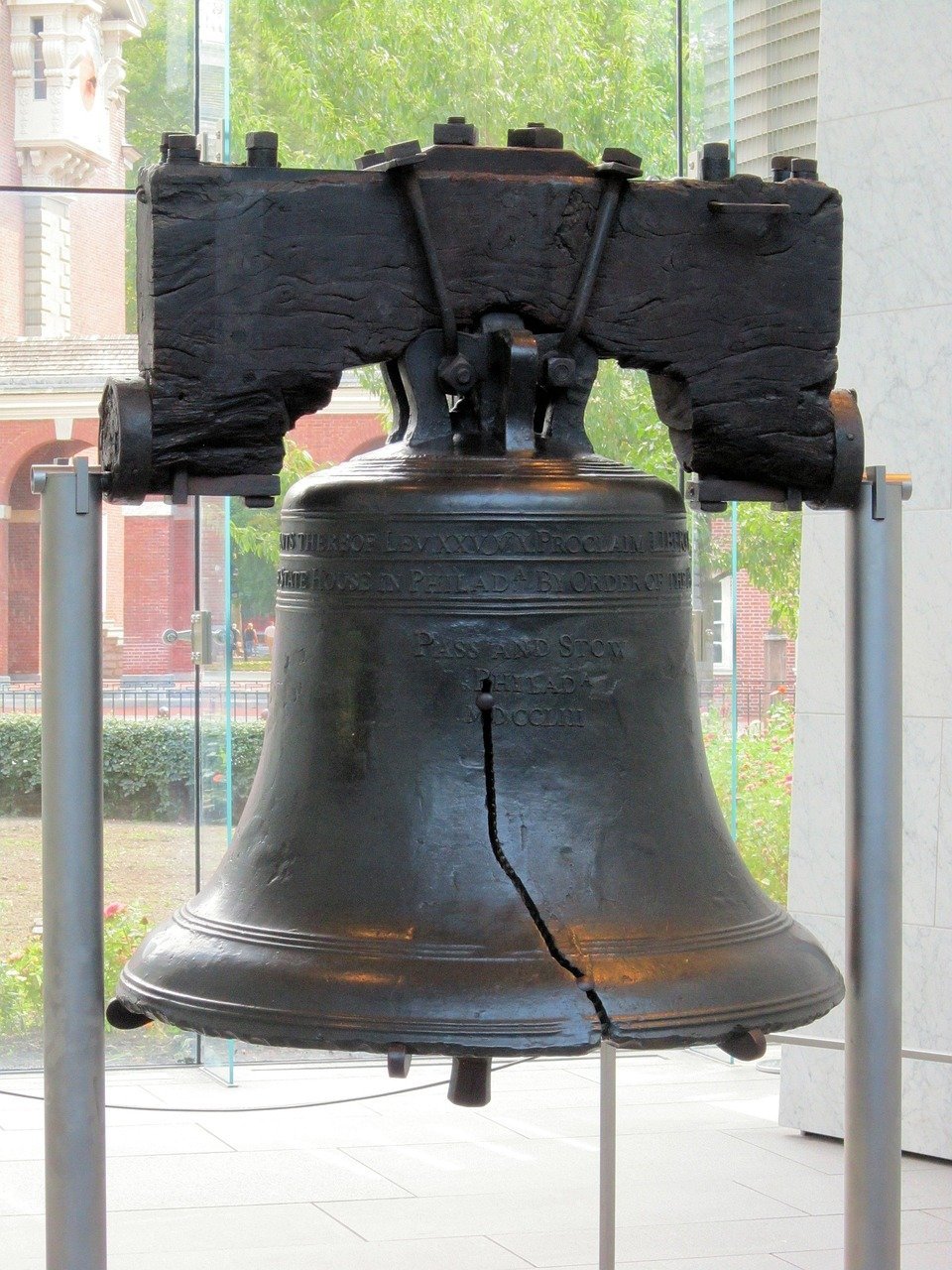
The Liberty Bell in Philadelphia is famous for its crack, but the story behind it is less well-known. The bell cracked during its first test ring in 1752 and was recast twice by local workmen John Pass and John Stow. Despite their efforts, the bell cracked again in the early 19th century, rendering it unusable. Today, the crack symbolizes the bell’s storied past and the enduring fight for liberty.
What most people don’t appreciate is that the bell’s famous inscription, “Proclaim Liberty Throughout All the Land,” was originally chosen for a different purpose entirely. The words were selected to commemorate the 50th anniversary of William Penn’s 1701 Charter of Privileges for Pennsylvania, not the American Revolution. The connection to independence and freedom came later, when abolitionists adopted the bell’s message and imagery in the 1830s and gave it the symbolic weight it carries today.
One World Trade Center, New York City
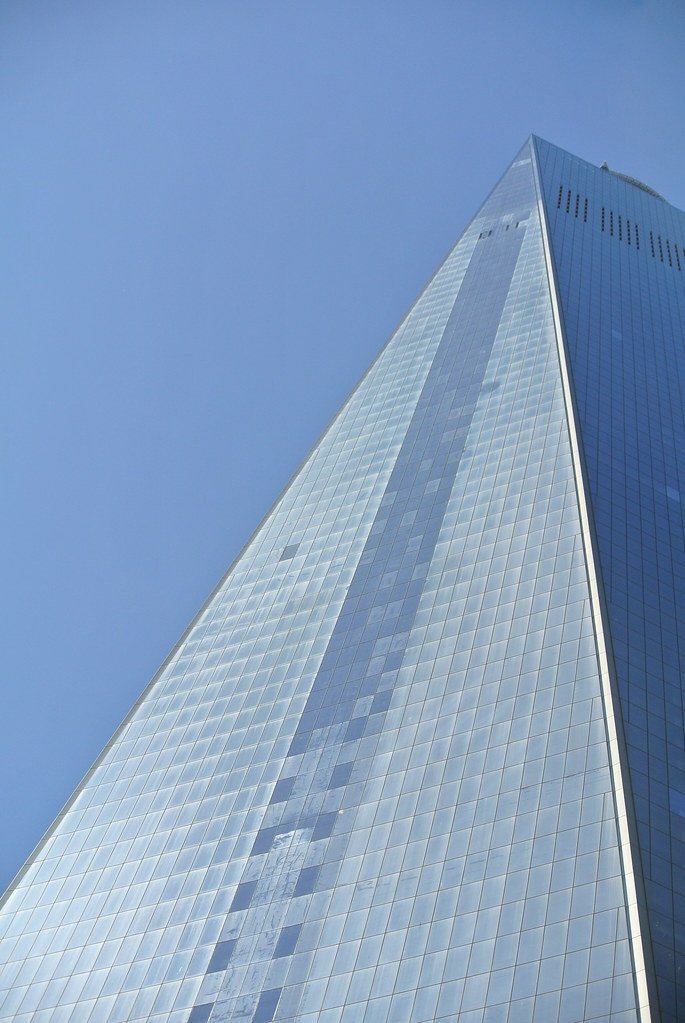
As the tallest building in the United States, One World Trade Center represents not only rebuilding following the attacks of 9/11, but also a vertical tribute to America’s founding. Its height, including its spire, reaches a precise 1,776 feet, commemorating the year the Declaration of Independence was signed. But there’s more hidden math in its architecture. The building itself is 1,362 feet tall, matching the height of the original South Tower. Add the observation deck, and the total reaches 1,368 feet, mirroring the height of the former North Tower.
These encoded numbers weren’t accidental. Architects David Childs and the Skidmore, Owings & Merrill team wove historical continuity directly into the physical dimensions of the structure, creating a building that functions simultaneously as a skyline statement and a memorial. Standing before it, most people see only glass and steel. The numbers running through it are invisible to the naked eye, and perhaps that’s the point.
The Gateway Arch, St. Louis
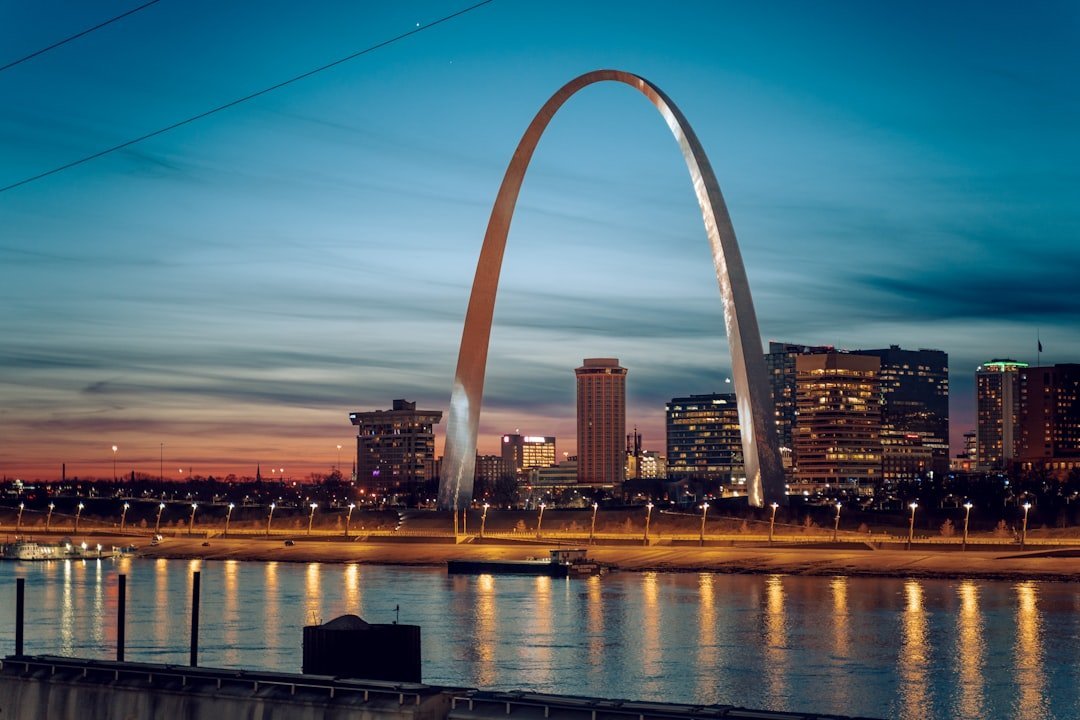
From the outside, the Gateway Arch looks like a simple stainless steel curve, smooth and silent. Inside, a compact tram system moves small pods through the legs, rotating them so passengers stay upright as they climb into the narrow viewing room at the top. The mechanism rides inside a sort of hybrid between an elevator and a Ferris wheel, all hidden behind metal plates. A clean line in the skyline turns out to be a careful piece of moving engineering.
The arch’s engineering was also far more mathematically precise than its graceful appearance suggests. Its shape follows a weighted catenary curve, a form derived from the natural drape of a chain, scaled and inverted to achieve structural stability. Architect Eero Saarinen’s design was chosen in a 1947 competition, yet the arch wasn’t completed until 1965, nearly two decades later. What appears effortless from across the Mississippi River is the result of one of the most complex steel construction projects ever undertaken in the United States.
A Final Thought
There’s something genuinely reassuring about the idea that places we think we know can still surprise us. Familiarity, it turns out, is not the same as understanding. Whether it’s a hidden chamber blasted into granite, a star map laid into a concrete floor, or a typo quietly corrected in marble, these details remind us that every landmark is ultimately the product of human effort, human ambition, and human imperfection. The most interesting version of any famous place is almost always the one you have to look for.
CEO-Co-Founder
