
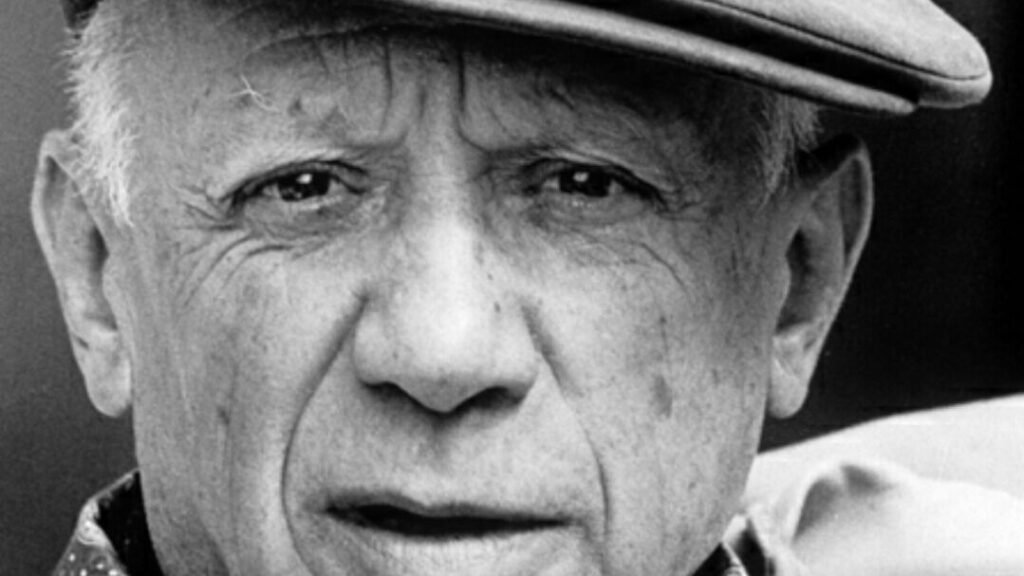
Pablo Picasso reshaped modern art through relentless innovation, pioneering Cubism and challenging traditional perspectives on form and space. His work bridged painting, sculpture, and even poetry, influencing generations of artists and thinkers.
Picasso’s cultural reach extended beyond canvases, touching politics, fashion, and design. He turned personal turmoil into visual revolutions, leaving a legacy that still sparks debate in galleries worldwide.
Picasso’s Full Name Contains 23 Words
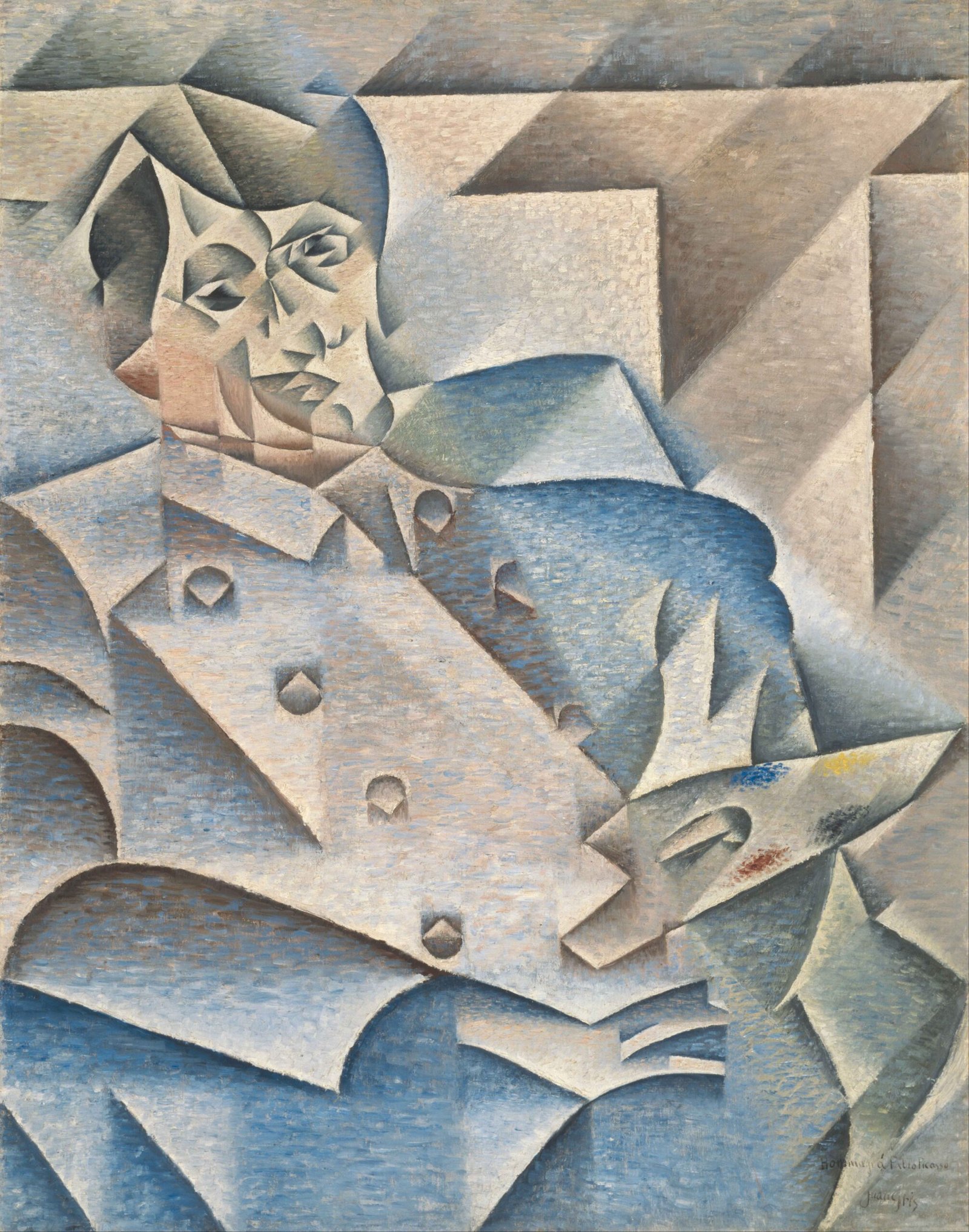
Born in 1881 in Málaga, Spain, Picasso received a baptismal name honoring saints and family: Pablo Diego José Francisco de Paula Juan Nepomuceno María de los Remedios Cipriano de la Santísima Trinidad Martyr Patricio Clito Ruíz y Picasso.[1][2] This tradition reflected Spanish naming customs, blending paternal Ruiz with maternal Picasso, which he later adopted professionally for its resonance. The lengthy moniker hinted at the expansive life ahead.
Artistically, choosing “Picasso” over “Ruiz” marked his early assertion of identity, influencing how he signed works and built his brand. It underscored his break from convention, mirroring innovations in his paintings. This personal detail reveals the roots of his bold self-presentation.[2]
His First Word Was “Pencil”
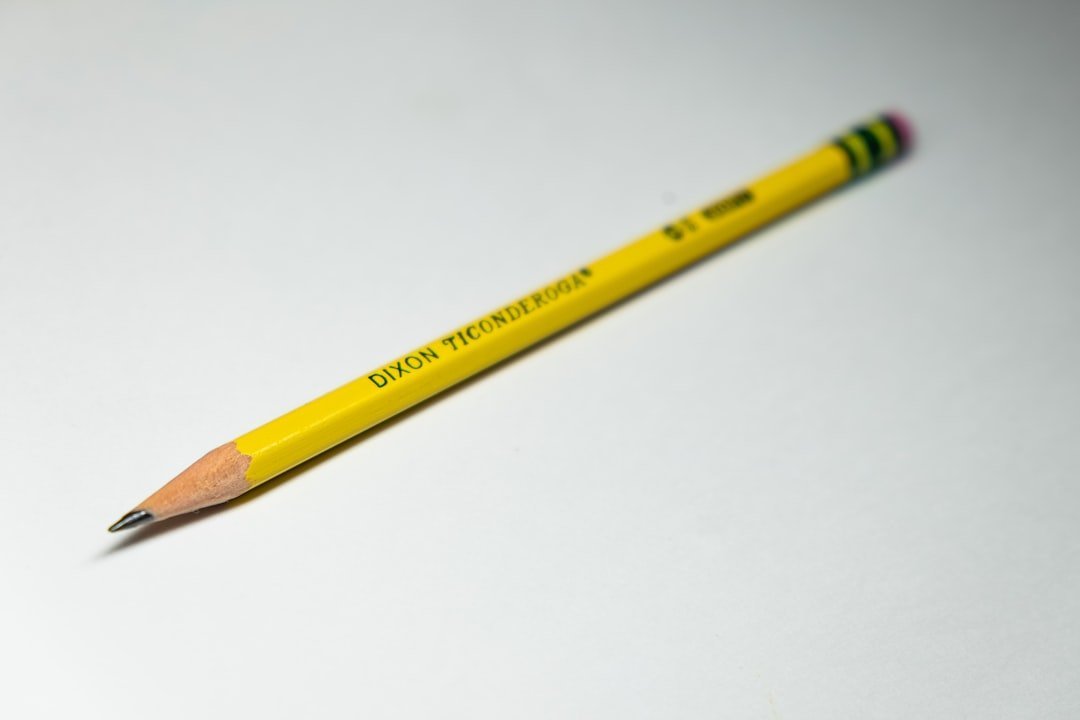
Picasso’s mother recalled his first utterance as “piz,” shorthand for lápiz, the Spanish term for pencil, signaling an innate artistic drive from infancy. His father, an art professor specializing in birds, began formal lessons at age seven in Málaga. This early immersion shaped his prodigious talent, evident by age nine in paintings like Le Picador.[1][2]
The anecdote highlights how family environment fueled his development, leading to styles from realism to abstraction. It connects to his lifelong output, where drawing remained central. Such origins explain his fluid mastery across mediums.[3]
The Midwife Thought He Was Stillborn
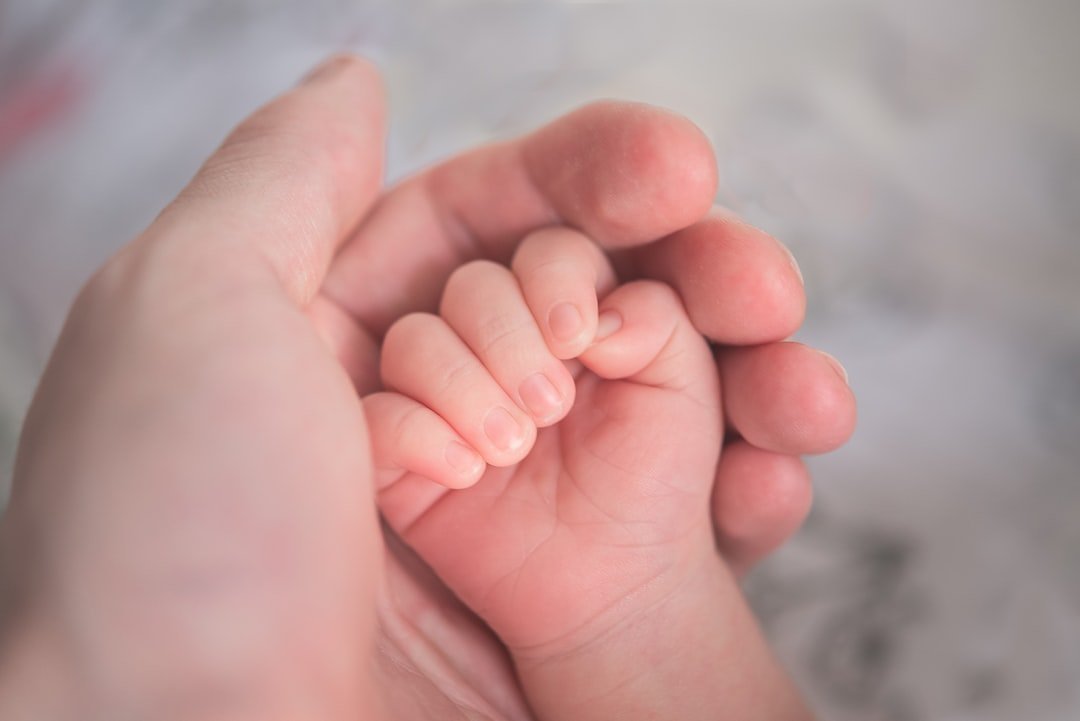
Picasso’s birth proved dramatic; the midwife deemed him lifeless and set him aside to aid his mother. His uncle, doctor Salvador, intervened, reportedly reviving the infant through unconventional means amid family distress in Málaga. This near-death start contrasted his vibrant career spanning decades.[1]
Surviving such origins infused his work with themes of life and distortion, seen in Cubist deconstructions. It adds human fragility to his mythic status, enriching interpretations of pieces like Guernica. The story grounds his genius in resilience.[2]
Father Handed Over the Brush at Age 13
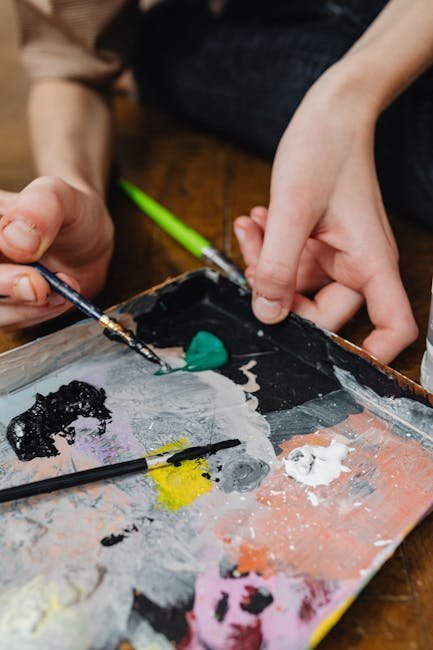
José Ruiz, Picasso’s father and art teacher, bred pigeons and taught rigorously, but at 13, he ceased painting upon seeing Pablo finish a pigeon sketch with superior skill. This moment in Barcelona marked paternal recognition of surpassing talent. Their bond stayed complex, blending pride and tension.[1][2]
Artistically, early validation propelled Picasso toward experimentation, birthing Cubism. Father’s academic influence provided foundation for rebellion. It illustrates mentorship’s role in his evolution from prodigy to innovator.
Suspected in the Mona Lisa Heist
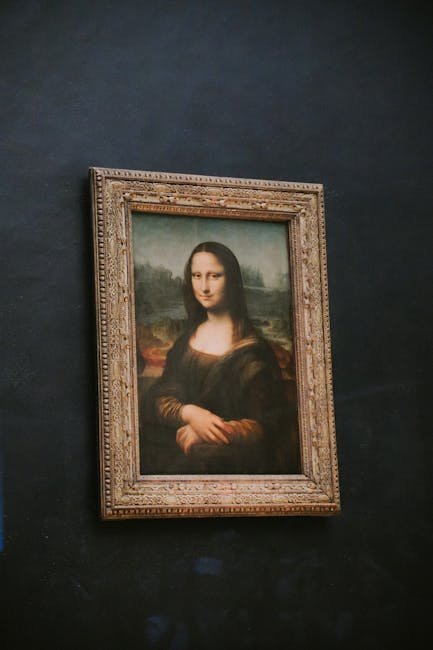
In 1911, amid the Louvre’s Mona Lisa theft, poet Guillaume Apollinaire implicated Picasso, leading to his brief detention in Paris. Though cleared, the episode stemmed from Picasso’s acquisition of Iberian statues from the museum. The true thief, a guard, returned it years later.[1][2]
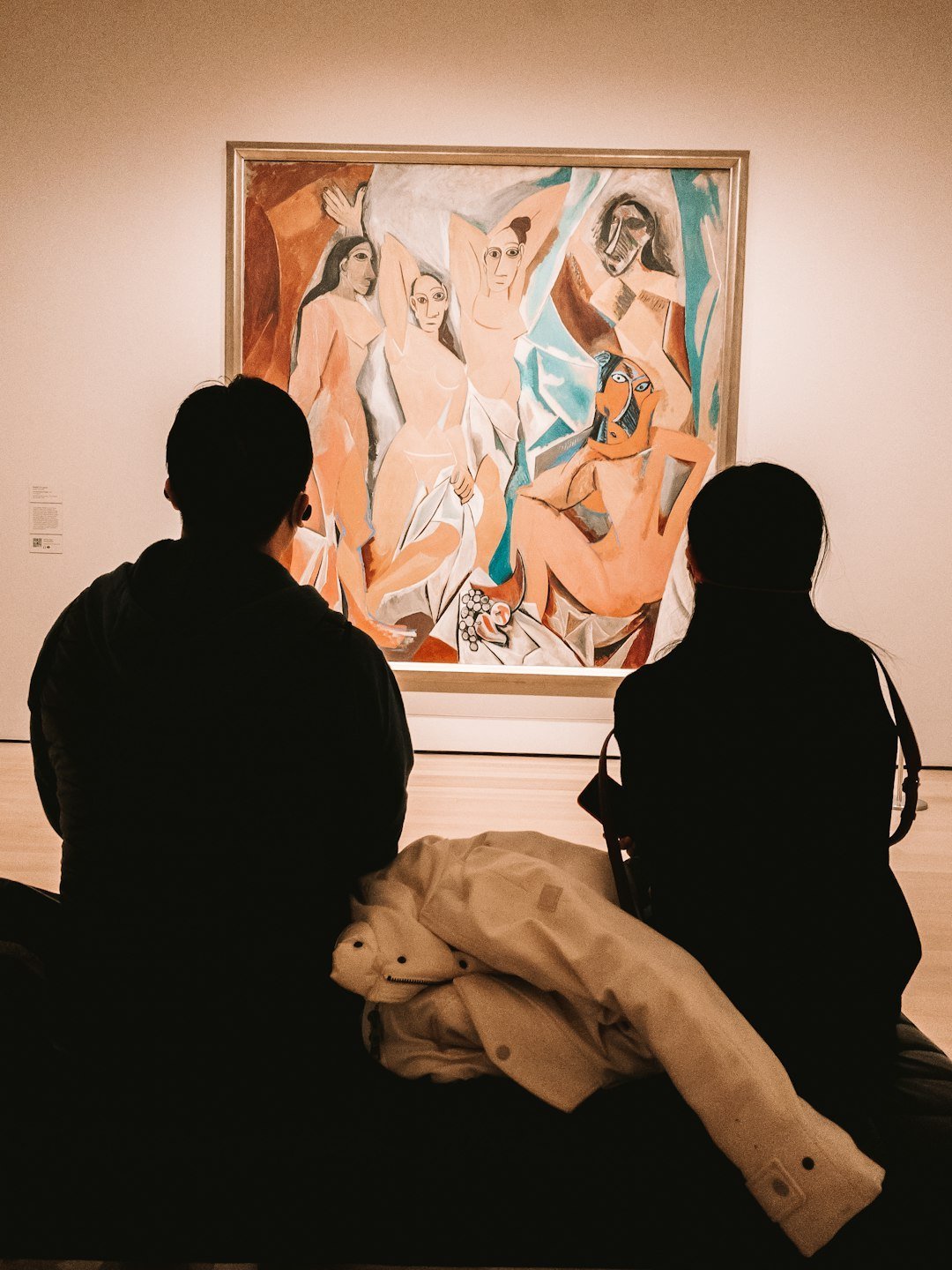
This brush with scandal occurred during his formative Paris years, fueling boundary-pushing like collage. It reflects his fascination with primitives, inspiring Les Demoiselles d’Avignon. The incident humanizes his avant-garde pursuits.
Co-Inventor of Collage Technique
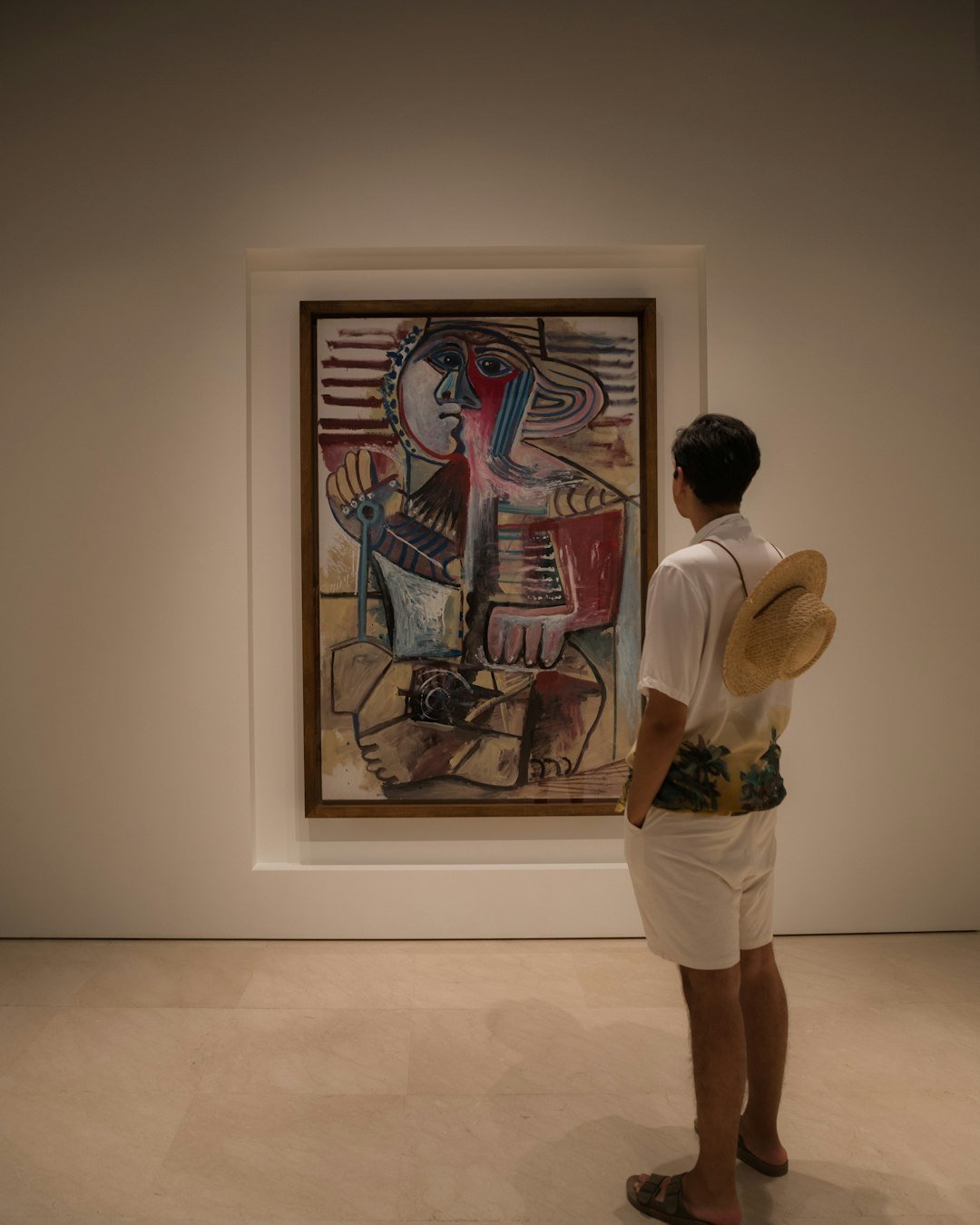
Around 1912, Picasso and Georges Braque glued paper fragments into paintings, birthing synthetic Cubism from papier collé experiments in Paris. This shattered canvas boundaries, incorporating real-world elements. It evolved from analytic Cubism’s fragmentation.[2]
The innovation democratized art, blending high and low materials, influencing Dadaism onward. Picasso’s wallpapers and newsprint added narrative layers to abstraction. It exemplifies his rule-breaking essence.
Most Prolific Artist in History
Over 78 years, Picasso produced roughly 147,800 works: 13,500 paintings, 100,000 prints, 34,000 illustrations, 300 sculptures. This output, averaging several daily, stemmed from ceaseless creativity across phases. Guinness recognizes his unmatched volume.[1][2]
Such productivity enabled stylistic shifts, from Blue Period melancholy to joyful ceramics. It allowed deep exploration, impacting modern multiples like prints. Volume underscores his tireless reinvention.
Secret Life as Poet and Playwright
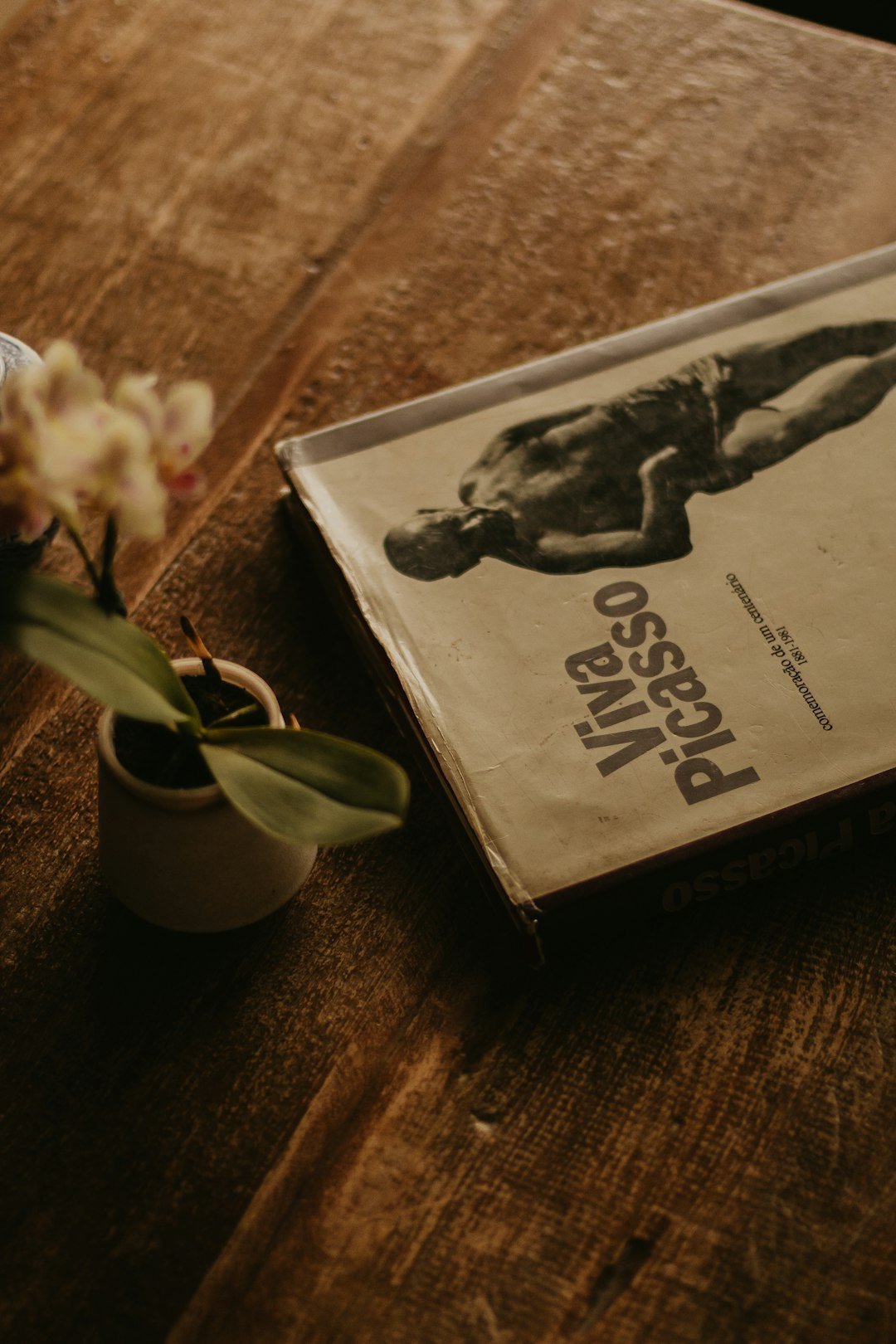
Post-1935 divorce, Picasso penned over 300 poems and surrealist plays like Desire Caught by the Tail, blending stream-of-consciousness with visuals. These literary ventures paralleled painting, performed among intellectuals. He predicted poetry might eclipse his canvases.[1][3]
This multimedia approach enriched his oeuvre, fusing words and images akin to Cubist multiplicity. Plays echoed distorted figures in paintings. It reveals holistic creativity beyond visual art.
Creator of the Dove of Peace
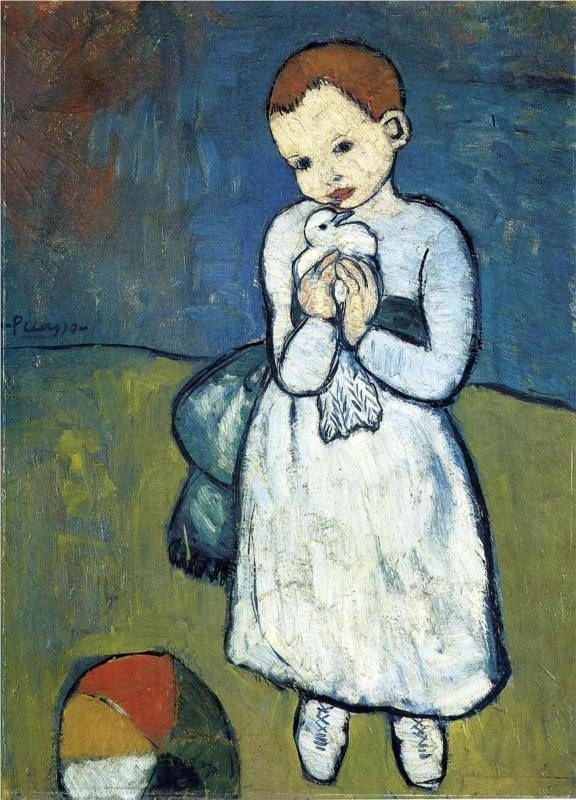
In 1949, for the World Peace Congress, Picasso sketched a dove from childhood pigeon drawings, becoming pacifism’s emblem. Rooted in Málaga memories, it spread globally post-WWII. He named daughter Paloma after it.[4][5]
Artistically, simple lines conveyed hope amid Guernica’s horror, blending politics and form. It influenced poster art and symbols. The dove ties personal history to universal impact.
Joined the French Communist Party
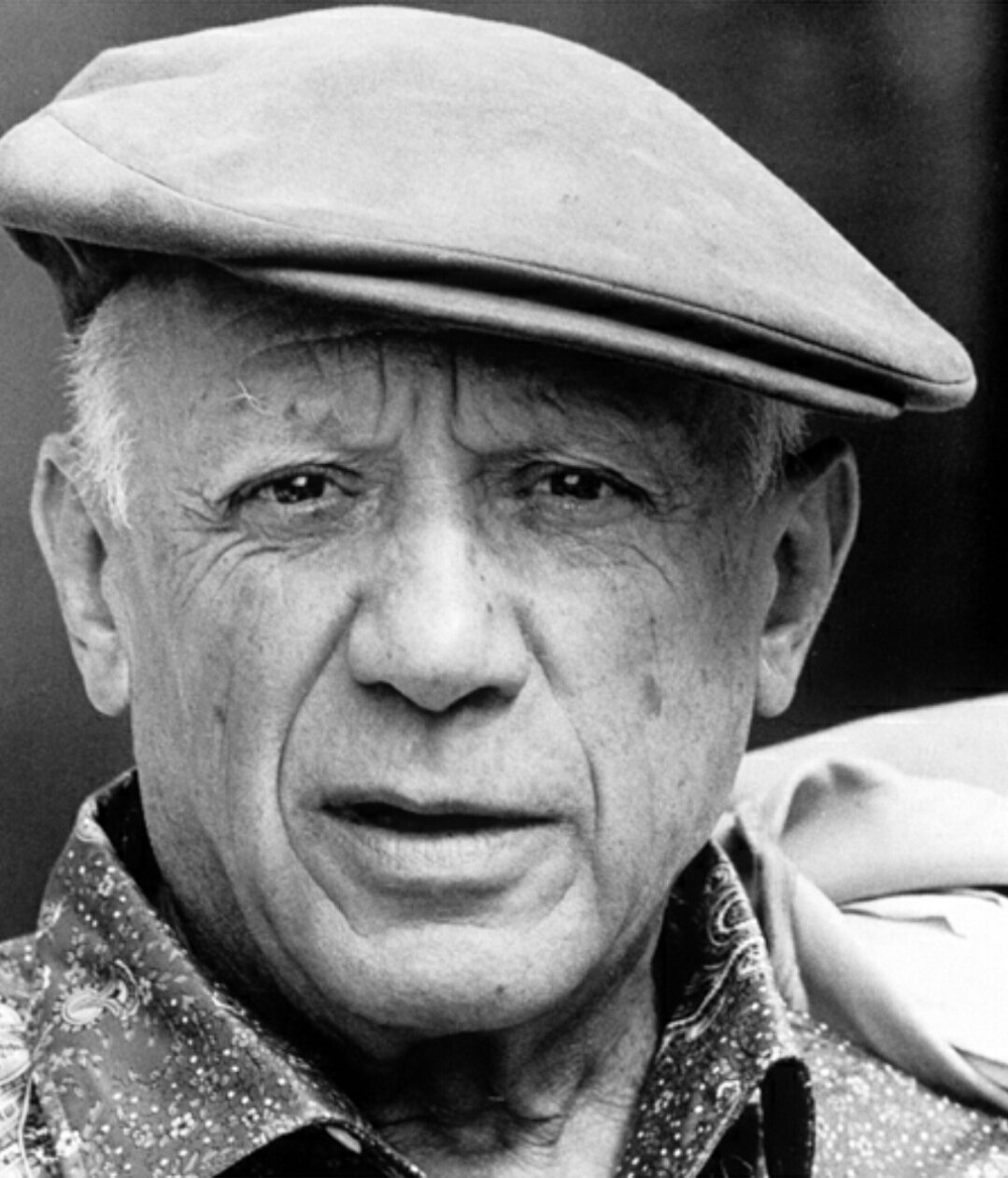
Outraged by fascism in 1944, Picasso affiliated with the French Communist Party, staying until death despite controversies. This stance amplified Guernica’s anti-war message during Spanish Civil War exile. He opposed Franco publicly.[4]
Politically charged art gained edge, merging ideology with abstraction. Membership fueled late works’ urgency. It positions him as activist innovator.
Picasso’s Enduring Legacy
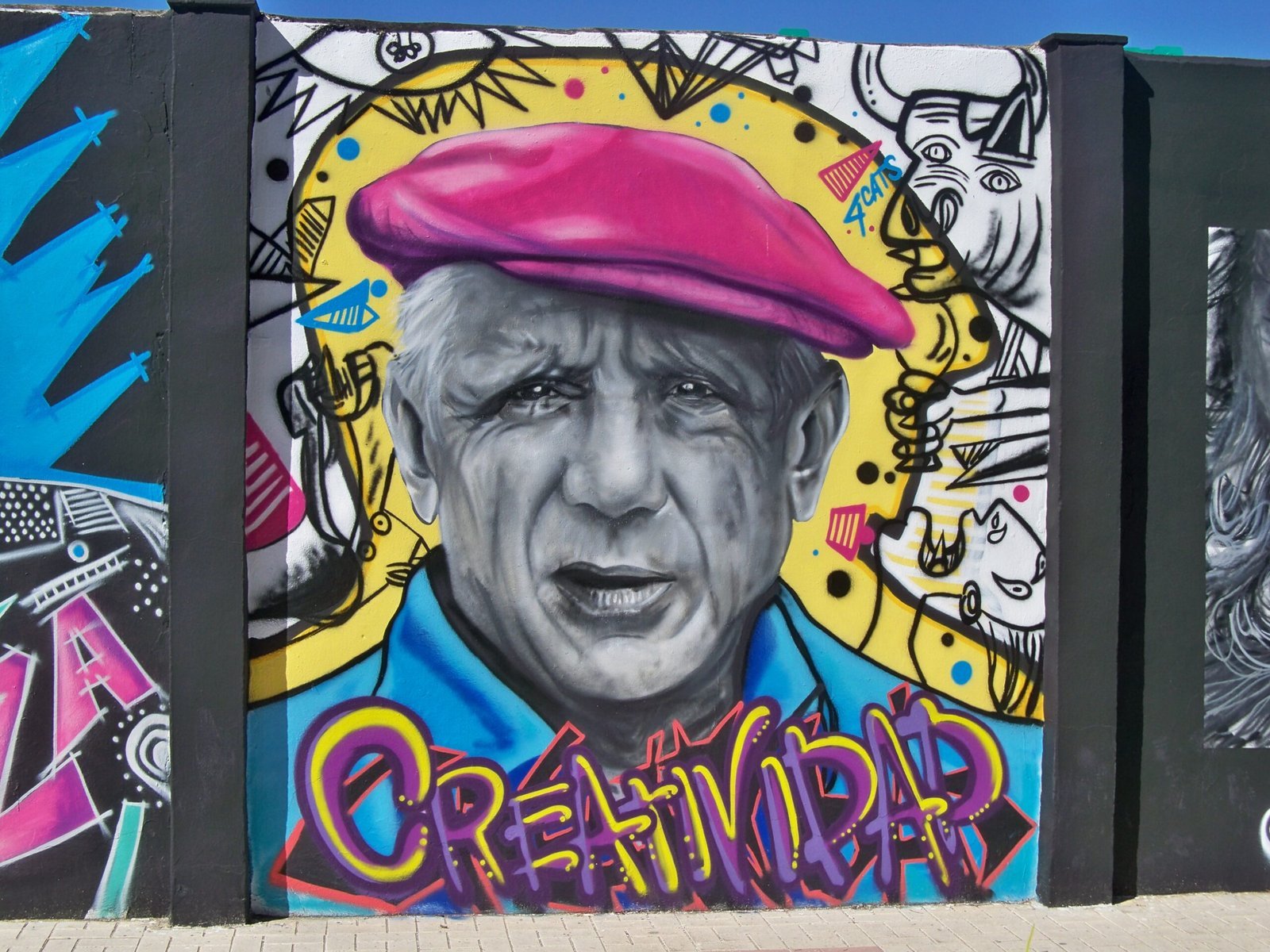
Picasso’s innovations continue shaping contemporary art, from fragmented forms to multimedia hybrids. Museums worldwide draw crowds to his vast output, proving timeless provocation.
His life, blending genius and controversy, reminds us creativity thrives in flux. In 2026, his influence persists quietly, inspiring new boundary-breakers.

- 12 Classic TV Shows With Shocking Behind-the-Scenes Dramas You Never Knew - September 10, 2026
- 10 Novels That Were Initially Dismissed, Only to Become Timeless Masterpieces - September 10, 2026
- The ’80s Were a Wild Ride of Style and Sound That Changed Everything - September 10, 2026

