

- 8 Gardening Hacks That Will Make Your Roses Bloom Like Never Before - August 11, 2026
- 8 Incredible Beaches Around the World You Won’t Believe Are Real - August 11, 2026
- 10 Classical Music Masterpieces That Will Transport You Through Time - August 11, 2026
There are centuries of music history, and then there is the 1900s. Something shifted in that particular hundred years – technology, migration, war, social upheaval – and the musicians who lived through it didn’t just reflect the times. They shaped them. They invented entirely new languages of sound, challenged who got to be heard, and rewired what popular music could mean to the people who listened to it.
The artists on this list didn’t simply sell records. They changed the direction of entire genres, influenced generations of musicians who came after them, and in many cases altered the cultural fabric of their societies in ways that stretched far beyond any single song or album. These are fifteen figures whose work still echoes through everything we hear today.
1. Louis Armstrong
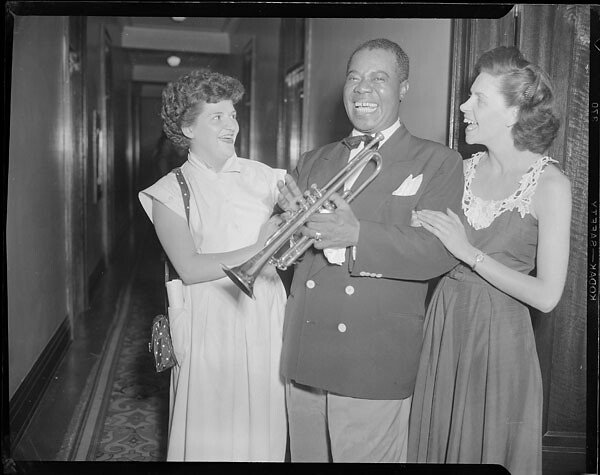
Coming to prominence in the 1920s as an inventive trumpet and cornet player, Armstrong was a foundational influence in jazz, shifting the focus of the music from collective improvisation to solo performance. That single shift – from ensemble to soloist – restructured how musicians thought about expression, creativity, and identity within a band. One of jazz’s first true virtuosos, his influence over his contemporaries was so powerful that nearly every trumpeter to record between 1927 and 1940 sounded like one of his followers.
His swing-style trumpet playing influenced virtually all jazz horn players who followed him, and the swing and rhythmic suppleness of his vocal style were important influences on singers from Billie Holiday to Bing Crosby. Armstrong’s influence extended far beyond jazz; the energetic, swinging rhythmic momentum of his playing was a major influence on soloists in every genre of American popular music. Armstrong is the most important American musical figure , and his influence is incalculable, extending beyond nearly a century of jazz to include everyone from Leonard Bernstein to the Rolling Stones.
2. The Beatles
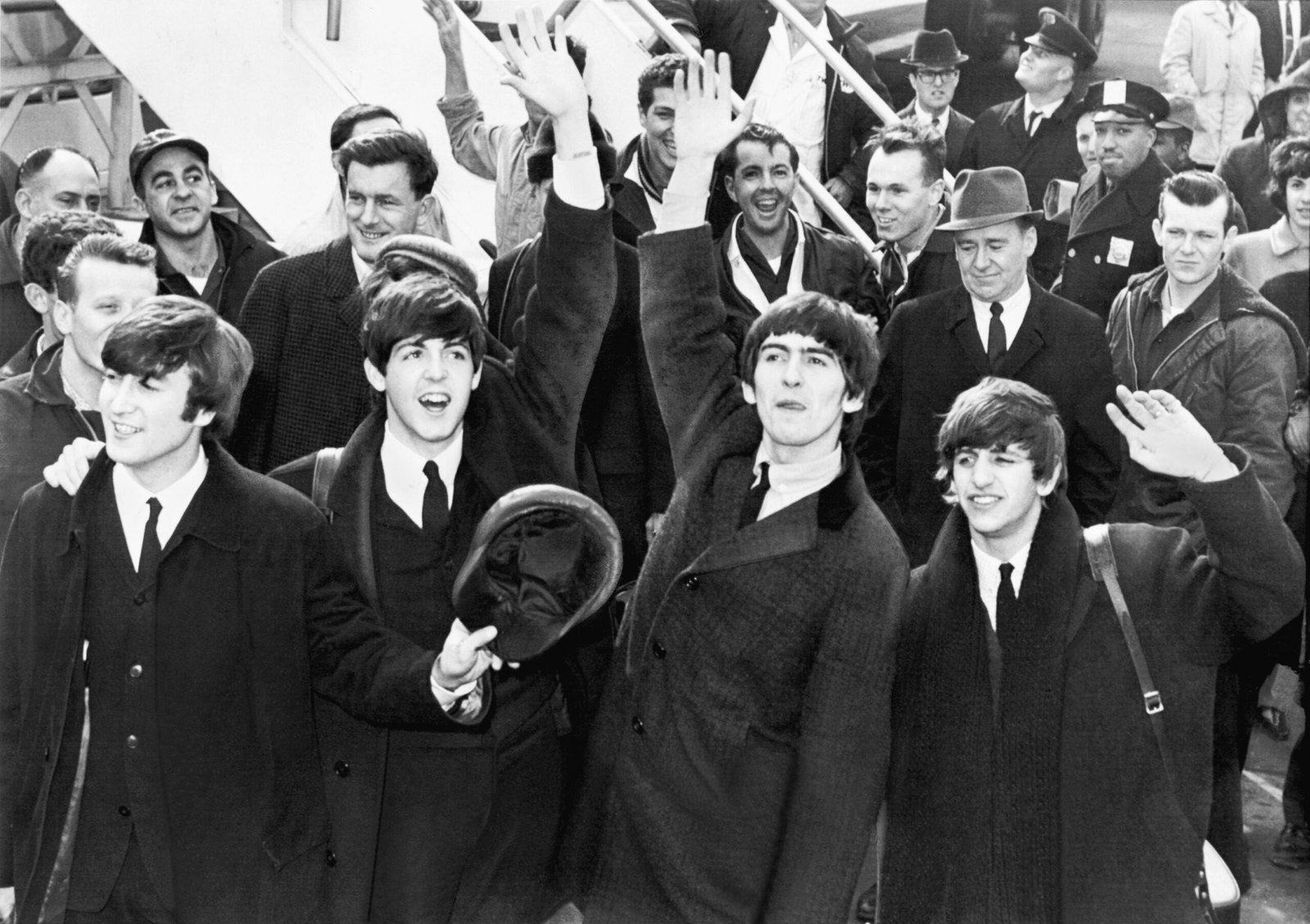
The Beatles are one of the most influential and successful bands in the history of popular music, known for their innovative music, cultural impact, and experimentation with various genres. The unique melodic structures and sounds of tracks like “A Day in the Life,” “Help!,” “A Hard Day’s Night,” and “All My Loving” set the band apart and created a standard for others to follow. They didn’t just make great music – they continually reinvented their own sound across a remarkably short active career.
Their innovative music, cultural impact, and experimentation with various genres have made them a beloved and enduring part of music history, and their influence can be seen in many areas, from the development of psychedelic rock to the rise of singer-songwriters. The tremendous influence of The Beatles impacted nearly every musician who came after them. Few bands have simultaneously shaped melody, lyrics, studio technique, and cultural attitude the way they did.
3. Elvis Presley
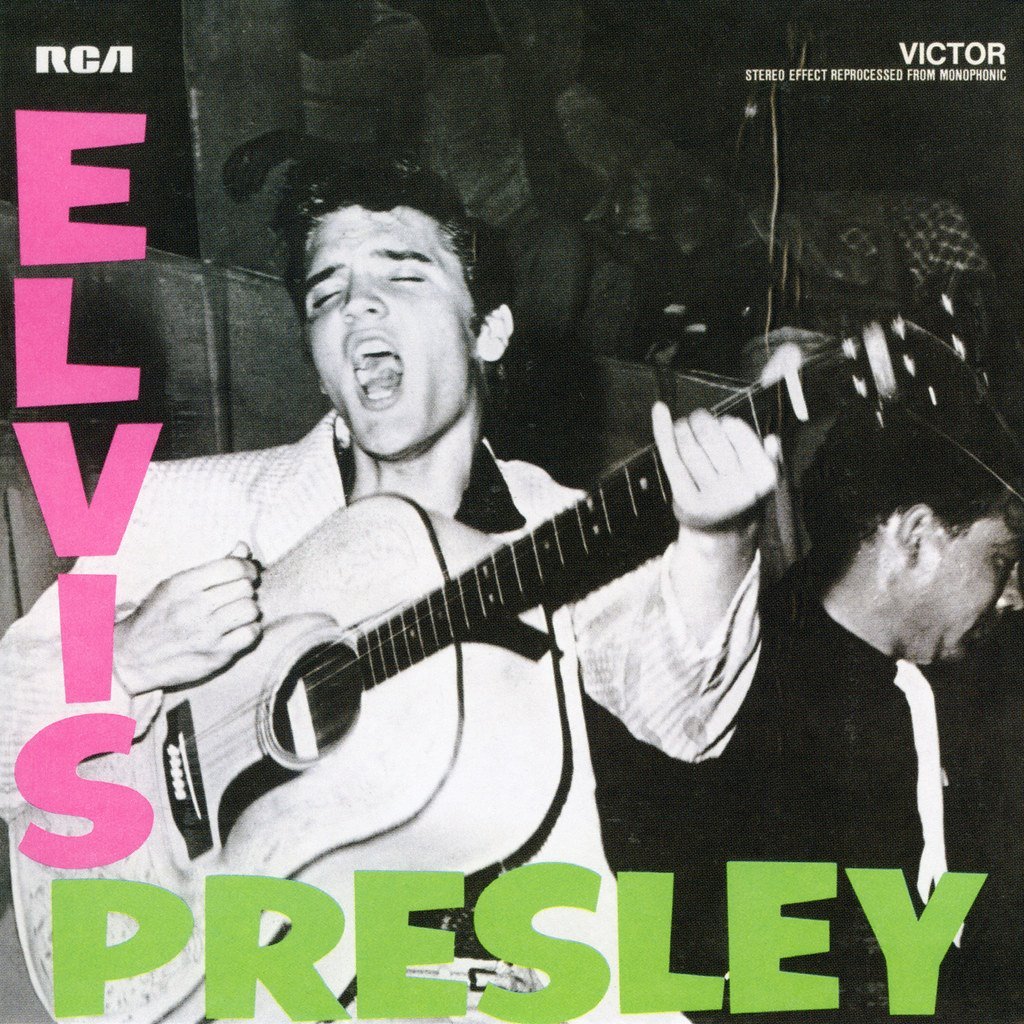
Elvis Presley’s unique blend of rockabilly, gospel, and rhythm and blues helped to define the sound of early rock and roll. Elvis created an important societal bridge by incorporating traditional “black music” into a new sound that enchanted the mainstream during a time when race relations were strained. His arrival in the mid-1950s represented a genuine rupture in popular culture, not merely a musical development.
Elvis Aaron Presley was widely dubbed the “King of Rock and Roll” and regarded as a pivotal cultural icon , with his energetic musical interpretation and provocative performance style bridging racial music traditions in a shifting era. He is the only performer to have been inducted into three separate music Halls of Fame and throughout his career set records for concert attendance, television ratings, and recording sales, remaining one of the best-selling and most influential artists in the history of popular music.
4. Bob Dylan
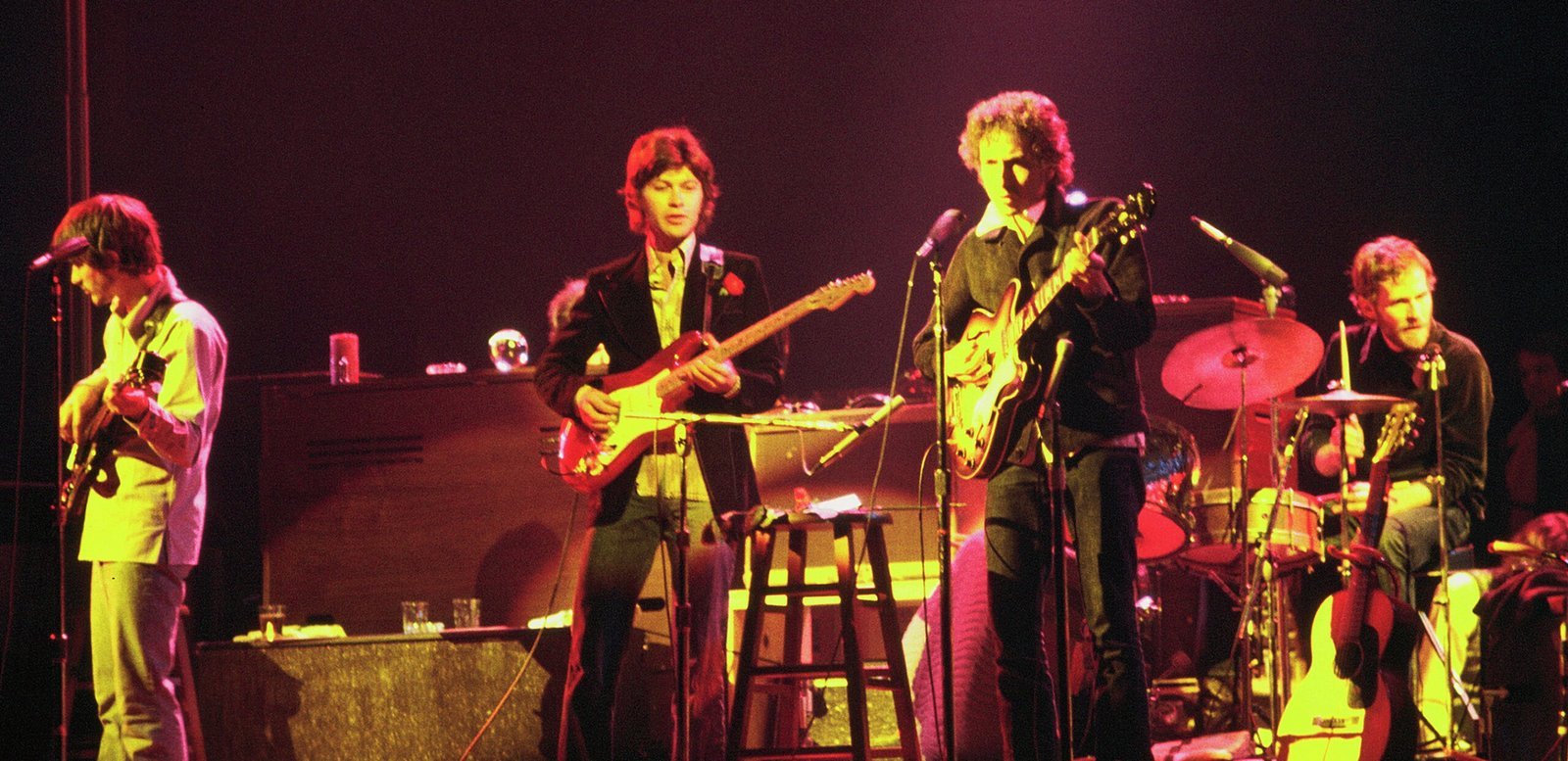
Inarguably one of the most important artists , Bob Dylan reshaped popular music by “having created new poetic expressions within the great American song tradition,” according to the Swedish Academy, which presented him with the Nobel Prize for Literature in 2016. He brought literary ambition into the body of popular song in a way that had never been quite so deliberate or far-reaching. Dylan made more than 40 albums and wrote hundreds of songs that were recorded by everyone from Marlene Dietrich to Jimi Hendrix.
The 1960s saw rock evolve into a countercultural force, epitomized in part by Bob Dylan’s poetic lyricism. His willingness to move between folk, rock, country, and gospel – often at the cost of alienating his own audience – proved that creative restlessness was itself a form of integrity. Dylan was named one of Time magazine’s Top 100 most important artists , an acknowledgment that reflects how widely his reach extended beyond any single genre or era.
5. Jimi Hendrix
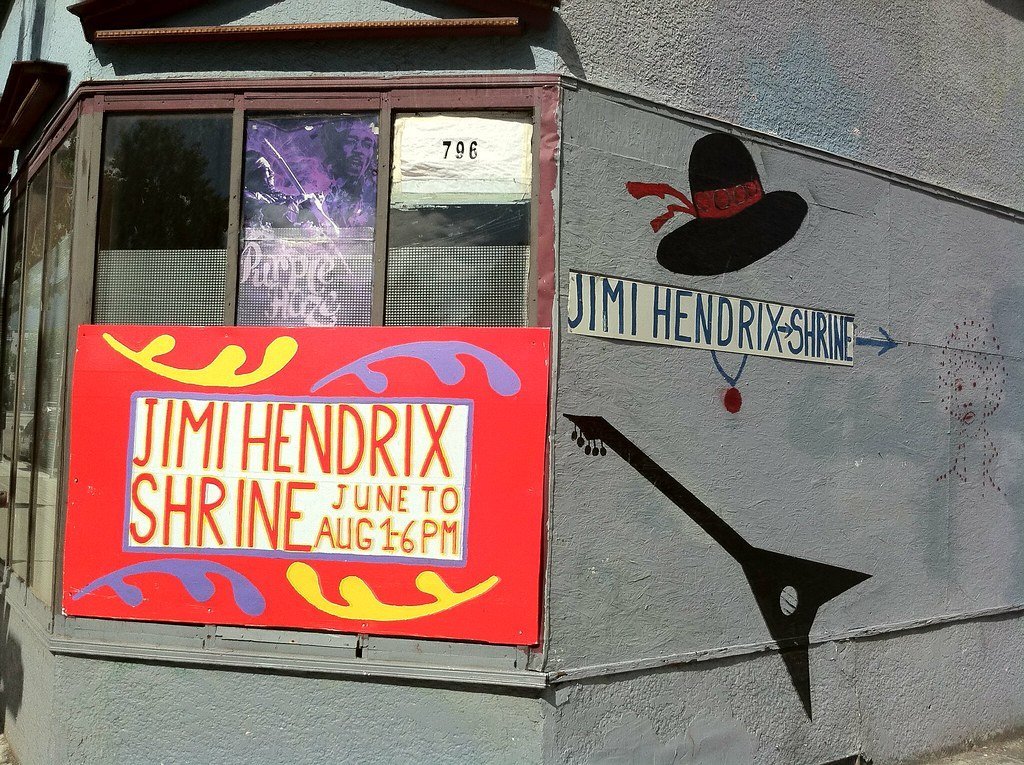
A master wizard on the guitar, Jimi Hendrix effortlessly fused blues and rock through his amazing abilities as a songwriter. He didn’t merely play electric guitar differently – he physically and conceptually transformed what the instrument was understood to be capable of. His approach to feedback, distortion, and improvisation opened a space that guitarists have been exploring ever since.
Jimi Hendrix “redefined the electric guitar in his own image”, a description that captures how completely personal and unconventional his style was. Hendrix proved a crucial catalyst for Miles Davis’s own artistic evolution, and influences from Hendrix had been creeping into Miles’ music since 1967. That cross-pollination – a rock guitarist fundamentally shaping the direction of jazz – illustrates just how wide Hendrix’s sonic shadow actually fell.
6. James Brown
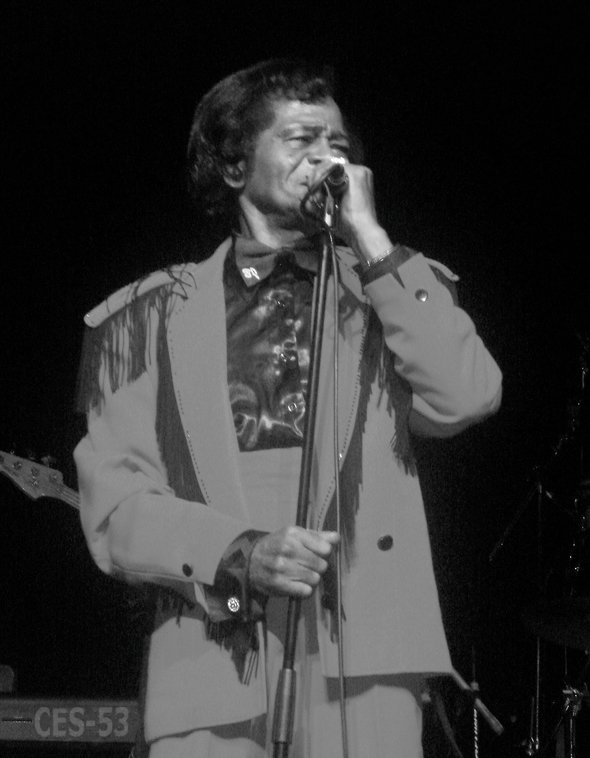
James Joseph Brown was an American singer, dancer, musician, record producer, and bandleader – the central progenitor of funk music and a major figure of 20th century music, in a career that lasted more than 50 years, during which he influenced the development of several music genres. His rhythmic innovations, built around syncopated bass lines and percussive vocal delivery, laid the structural foundation for both funk and hip-hop. No single musician did more to establish rhythm itself as the primary vehicle of expression in popular music.
The Godfather of Soul, the inventor of funk, the grandfather of hip-hop – he’s cited as a seminal influence by artists ranging from Mick Jagger to Michael Jackson to Afrika Bambaataa to Jay-Z. He is the most sampled musical artist of all time, according to WhoSampled. That last fact alone says everything about how completely his rhythmic vocabulary became the common property of popular music in the decades that followed.
7. Aretha Franklin
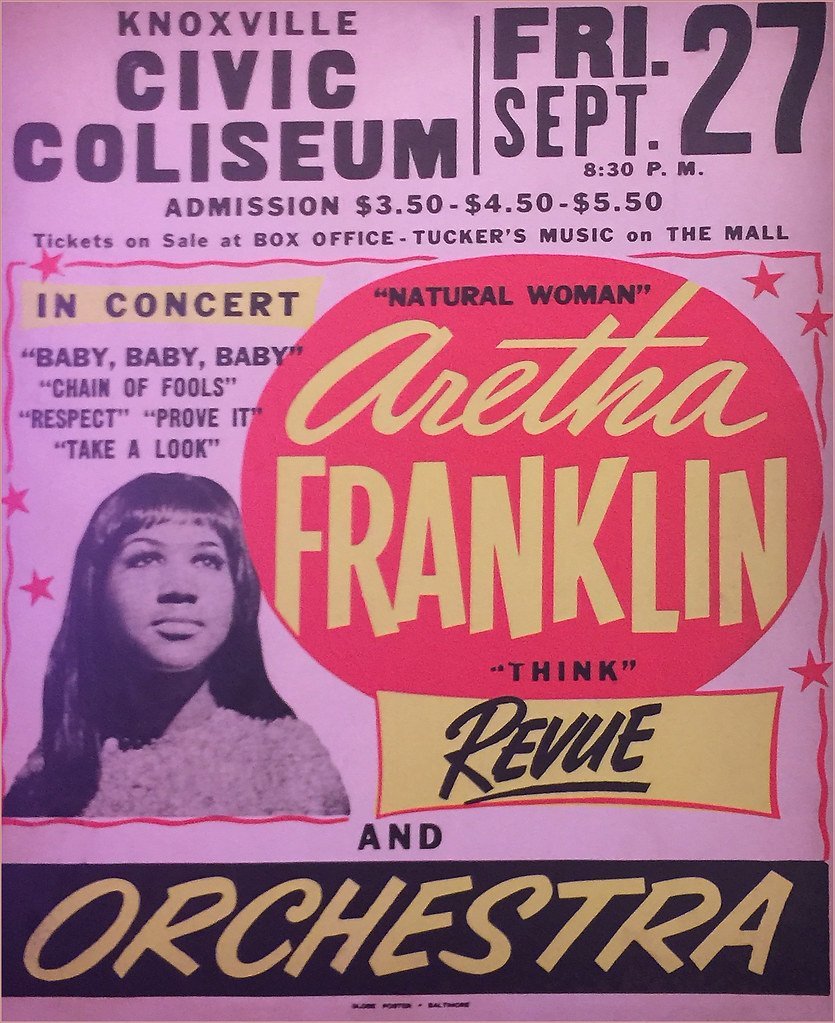
Aretha Franklin was among the most influential artists shaping the development of R&B across its evolution into soul and beyond. Her voice carried a weight and emotional precision that set a new standard for what vocal performance could mean. She brought gospel fire into secular music without losing any of its spiritual gravity, a synthesis that defined an entire era of American popular song.
She will be known as one of the most influential singers of all time, and as an activist who spoke of the world through her music, and used music as a tool for truth, justice, and soul. Her recordings from the late 1960s onward became touchstones for generations of vocalists across R&B, pop, and gospel. Aretha Franklin poured emotion and messages into the hybrid musical styles that shaped the industry. It’s a legacy built not on spectacle but on sheer, undeniable artistic command.
8. Miles Davis
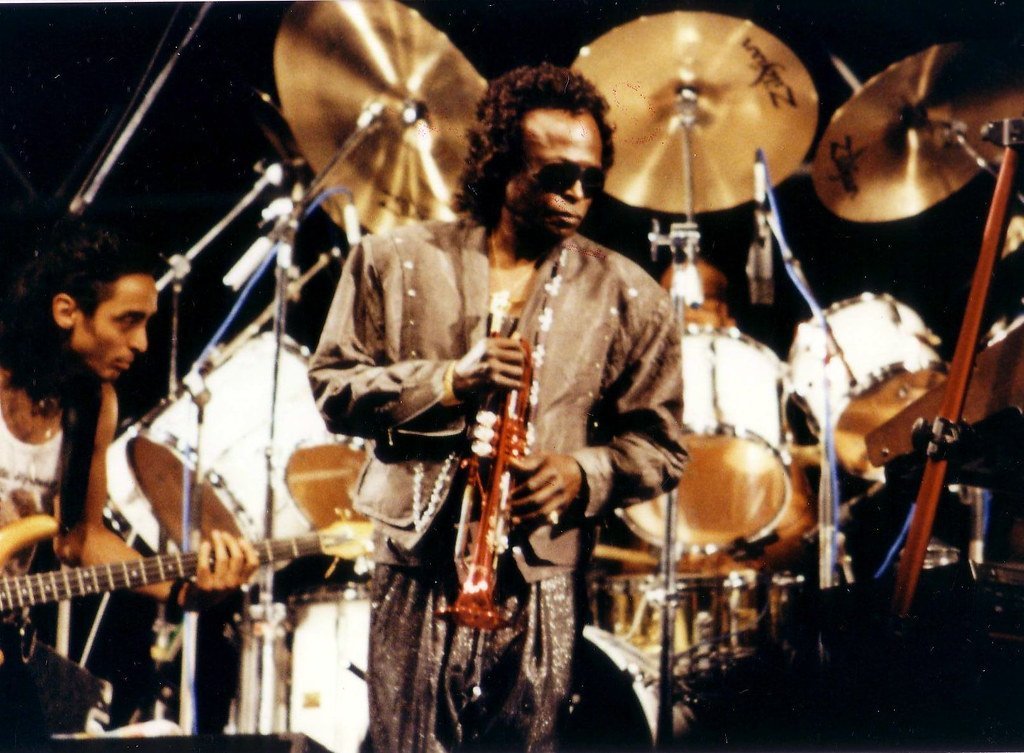
Miles Davis changed the course of music three times, which is as concise and accurate a summary of his importance as any longer account could offer. He moved from bebop to cool jazz to hard bop, and then electrified everything with albums like “Bitches Brew” that helped invent jazz fusion. Each transition unsettled audiences and fellow musicians alike – and each one proved right.
Miles Davis, alongside Louis Armstrong, Duke Ellington, and others, turned personal and collective strife into transcendent creativity, and redefined jazz’s boundaries in ways that reflected America itself. Davis had a particular genius for recognizing talent and catalyzing it. Many of the musicians who passed through his bands – John Coltrane, Bill Evans, Herbie Hancock, Chick Corea – went on to become defining figures in their own right. His influence was essentially a school of music in motion.
9. Chuck Berry
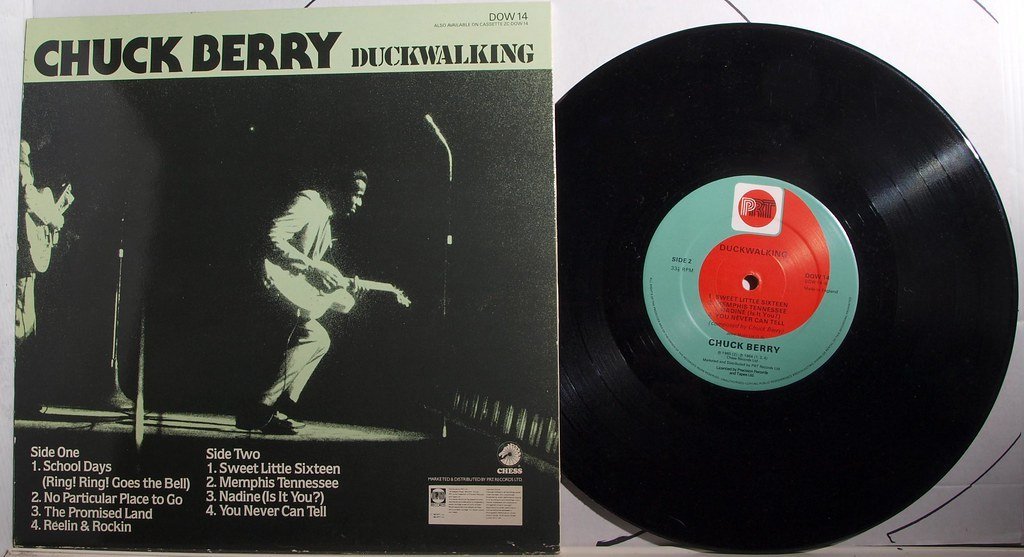
Emerging in the 1950s, rock and roll fused blues, gospel, and country, with pioneers like Chuck Berry electrifying audiences and challenging racial and social norms. Berry essentially wrote the grammar of rock and roll guitar – the double-string licks, the rhythmic drive, the duck walk showmanship – and the musicians who learned from him range from Keith Richards and John Lennon to virtually every guitar-based band that followed. Chuck’s guitar style has been an influence on virtually every guitar player that came after him.
Chuck Berry’s songs painted pictures of an idealized American teenage life, and as one of the forefathers of rock and roll, he appealed to both Black and white audiences and was instrumental in bridging them together. His songwriting combined sharp social observation with irresistible rhythm, giving rock and roll its first genuinely literary sensibility. Very little of what followed in rock music is imaginable without what Berry built in the mid-1950s.
10. Michael Jackson
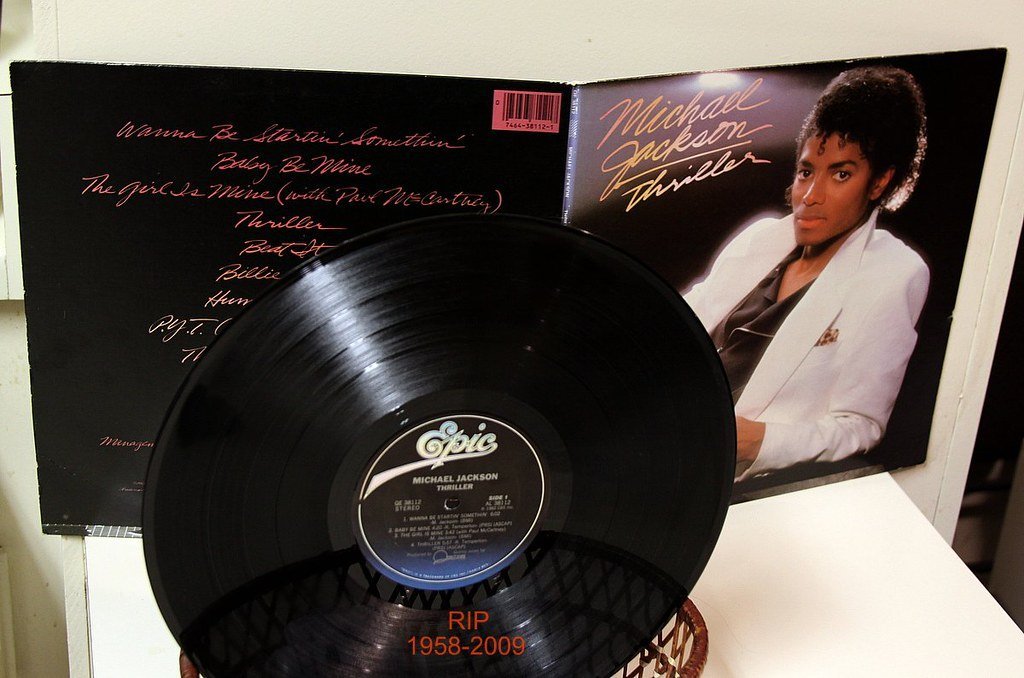
When “Thriller” burst onto the scene in 1982, quickly becoming the best-selling album of all time, it revolutionized the industry – the genre-crossing album brought artistic visual storytelling in music videos, an emphasis on performance and dance, and propelled popular music toward desegregation, all of which redefined pop music and inspired generations of performers. From the start of his performing career, Jackson incorporated dance moves into a stage presence that invited comparison with James Brown and Tina Turner, and he went on to popularize street dances such as popping, locking, the robot, and his signature move, the moonwalk.
His album “Thriller” became the best-selling album by any artist of any race in the history of the music industry, winning a record-setting seven Grammy awards, breaking down color barriers on radio and TV, and redefining the possibilities of popular music on a global scale. Jackson’s influence can be seen in many areas, from the rise of pop stars like Justin Timberlake to the continued popularity of music videos. He didn’t just dominate the charts – he changed the visual and performative ambitions of what pop stardom could mean.
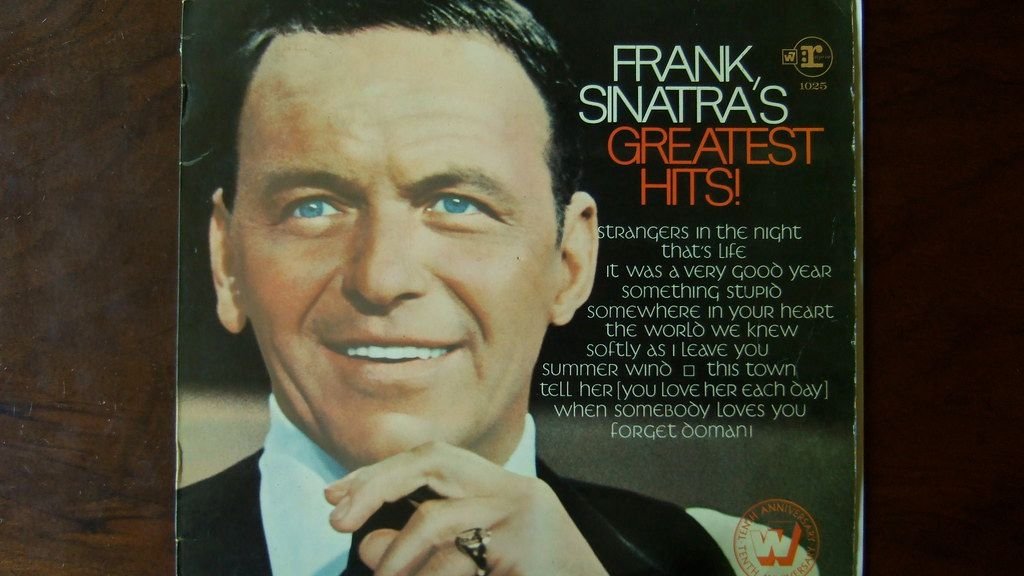
11. Frank Sinatra
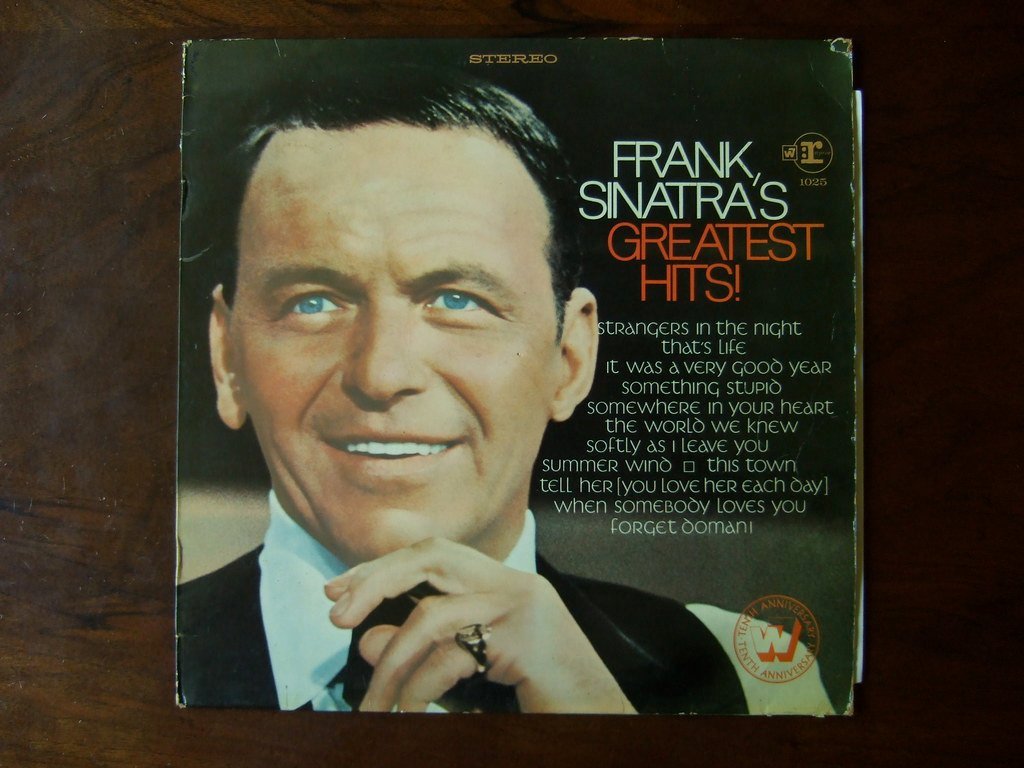
Francis Albert Sinatra was an American singer, actor, and producer who was one of the most popular and influential musical artists , and one of the best-selling music artists of all time, having sold more than 150 million records worldwide. His understanding of the microphone as an intimate tool rather than simply an amplifier transformed how popular vocals were conceived and delivered. Where Bing Crosby was the first popular musician to utilize the microphone, Sinatra was the first to master it – he would change his position from the mic to suit the mood, making it seem like the radio disappeared, and it was just you and him in the room.
Sinatra’s interpretive depth – the way he read a lyric as lived emotional experience rather than text – established a template for phrasing that countless vocalists studied and absorbed. We can also thank him for the invention of the concept album, when he made “In the Wee Small Hours of the Morning.” That record, released in 1955, demonstrated that an album could sustain a single emotional mood across its full length, an idea that would reverberate through rock and soul for decades to come.
12. Duke Ellington
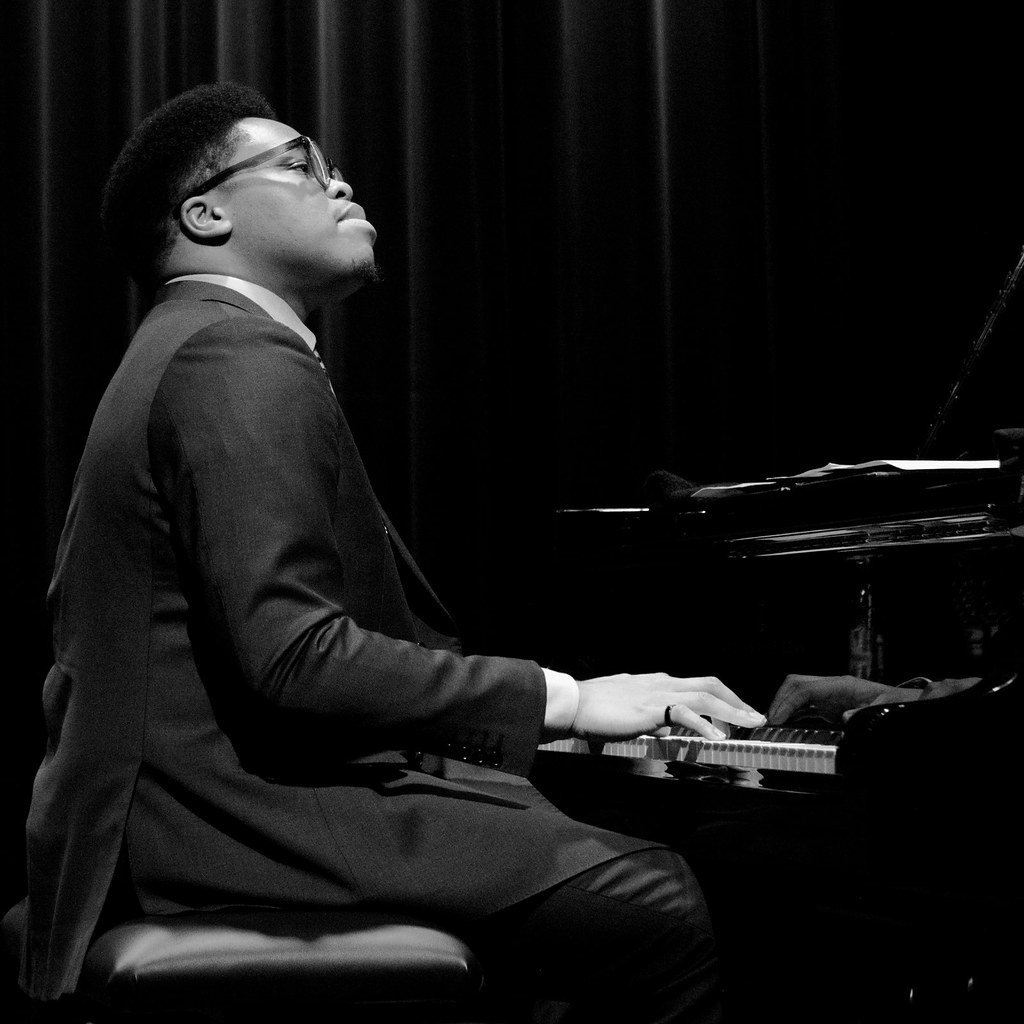
Duke Ellington, alongside Louis Armstrong and Billie Holiday, turned personal and collective strife into transcendent creativity and helped define the reach of jazz as a global language. As a composer, bandleader, and pianist, Ellington expanded what jazz could structurally contain – weaving elements of classical form, blues feeling, and big band orchestration into a sound that was entirely his own. His orchestra became one of the most sophisticated and durable musical institutions .
Ellington composed over a thousand works during his career, ranging from short popular numbers to extended suites that rivaled classical concert pieces in their ambition. His approach to orchestration – treating each musician’s voice as a unique tonal color – gave jazz compositional depth it had never previously possessed. The span of his career, from the 1920s well into the 1970s, meant that he bridged almost every major era of jazz development, remaining relevant and vital across all of them.
13. Billie Holiday
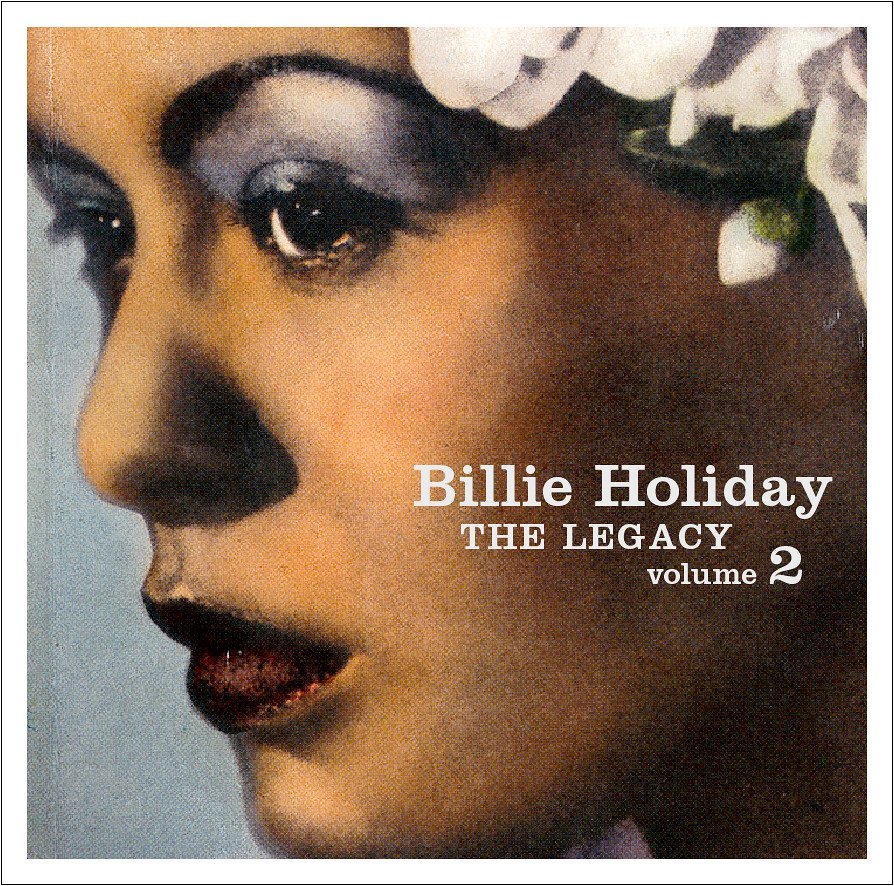
Billie Holiday’s influence on the art of singing is hard to quantify precisely because it operates at such a fundamental level. The informal, swinging vocal style that Louis Armstrong crafted during the Harlem Renaissance impacted Billie Holiday – and Holiday then absorbed those lessons and pushed them into new emotional territory entirely. She transformed jazz singing into something closer to autobiography, making the song inseparable from the person delivering it.
Her 1939 recording of “Strange Fruit,” a protest against the lynching of Black Americans, stands as one of the most politically significant recordings of the entire century – a moment when popular music explicitly confronted racial violence in a way that was genuinely dangerous for the artist performing it. Soul greats whose roots were founded deep in gospel and rhythm and blues, including Ray Charles and Sam Cooke, were shaped by the vocal and emotional traditions Holiday helped establish. Her phrasing, timing, and emotional directness became a permanent inheritance for every jazz and soul vocalist who followed.
14. Bob Marley
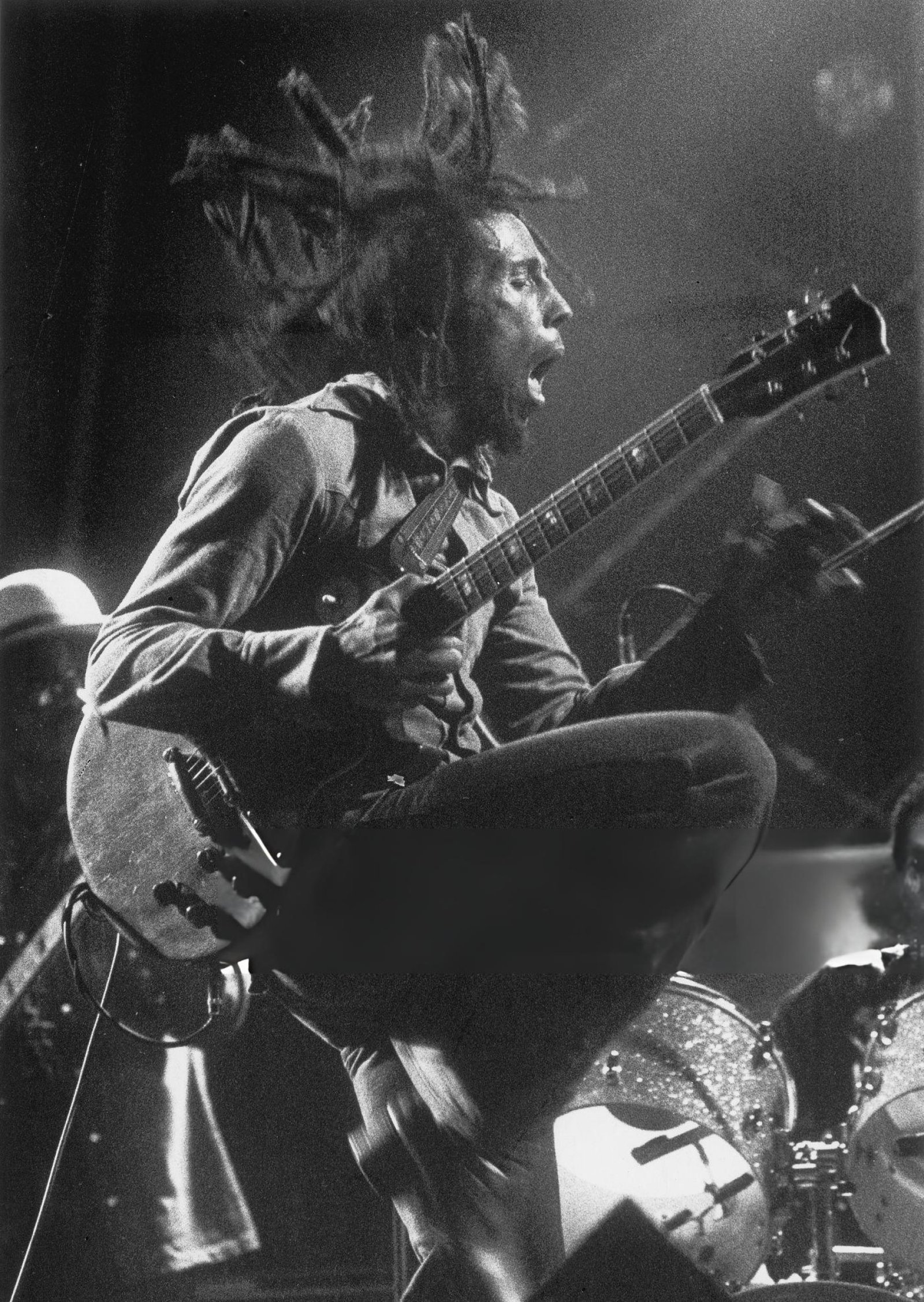
Bob Marley was a courageous ambassador who cultivated worldwide passion for a formerly under-celebrated music. Reggae existed before Marley, but his recordings gave it global reach and transformed it into a vehicle for spiritual and political expression that resonated far beyond Jamaica. His music arrived in living rooms, cafes, and venues across the world carrying messages about liberation, identity, and resistance – not as ideology, but as feeling.
Marley’s ability to merge melody and message without sacrificing either is what separates him from most musicians who attempted politically charged popular music. His albums drew on Rastafarian philosophy, African heritage, and hard-lived personal experience, producing songs that felt universal precisely because they were so specific. The international reach of reggae in the decades since his death in 1981 is essentially inseparable from the cultural ground Marley prepared.
15. Ray Charles
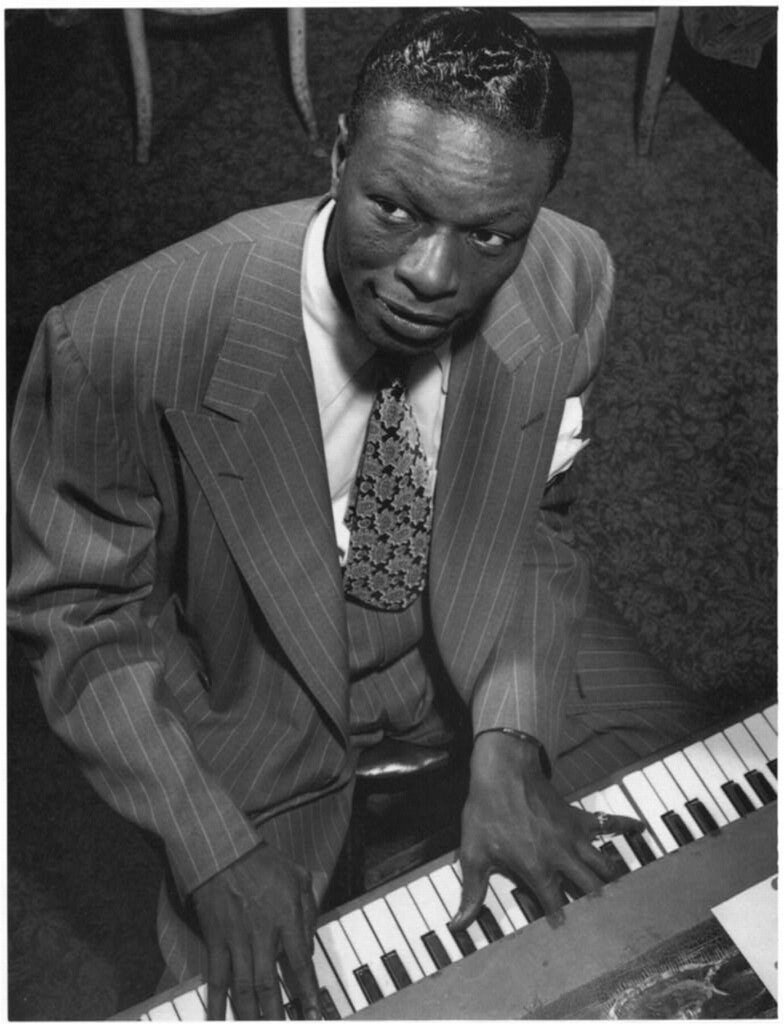
Ray Charles was among the pioneers of the R&B subgenres of the 1950s and 1960s who fundamentally remapped the landscape of American popular music. His particular innovation was bringing the raw emotional charge of gospel into secular R&B and pop, a synthesis that created what we now simply call soul music. That merger was controversial at the time – gospel communities considered it a transgression – but its long-term influence on music, film scoring, country, and pop has been enormous.
Charles was also a remarkable pianist and arranger, and his willingness to work across genres – recording a landmark country album, “Modern Sounds in Country and Western Music,” in 1962 – demonstrated a creative breadth that few artists of his era matched. Ray Charles shaped the development of R&B across its evolution into soul and beyond. His voice carried both the joy and the weight of lived experience in equal measure, and the tradition of the singer-pianist in popular music owes an enormous debt to what he established.
Conclusion: The Sound That Shaped the Modern World
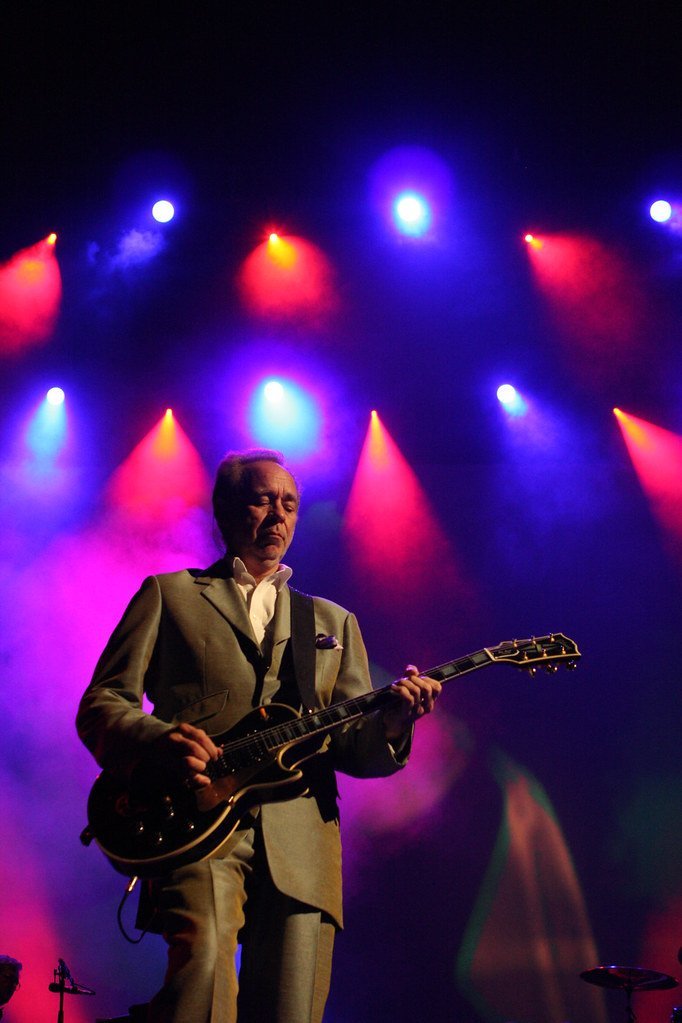
What this list reveals, more than anything else, is how much of contemporary music traces back to a relatively small group of artists who were willing to risk everything on a new idea. Some of them broke racial barriers that shaped American society. Others reinvented instruments, recording techniques, or the very relationship between performer and audience. These individuals had the most influence and importance on popular music and popular culture in the course of 100 years, helped define their generations, were sources of culture change and clash, and their impact is still evident in today’s music and society.
Music in the 20th century was never just entertainment. It was a mirror, a protest, a prayer, and a love letter – sometimes all at once. The fifteen musicians here didn’t simply occupy that century. They built it, note by note, and the architecture they left behind is still the one we live inside.

Besides founding Festivaltopia, Luca is the co founder of trib, an art and fashion collectiv you find on several regional events and online. Also he is part of the management board at HORiZONTE, a group travel provider in Germany.
