

- 12 Bestselling Books That Were Initially Rejected by Dozens of Publishers - September 9, 2026
- Your Dramatic Life Story Told Through 10 Classic Novels (Based on Your Zodiac Sign) - September 9, 2026
- 18 Classic Rock Songs That Change Completely After One Lyric Is Explained - September 9, 2026
The music industry has always been a strange forecaster. An album can land on shelves to near-total silence, get dismissed by critics, sell disappointingly few copies, and then, years or decades later, quietly become the record that defined a generation. It happens more than most people realize.
The music world is full of stories about misunderstood albums that critics and fans initially rejected but later embraced as groundbreaking masterpieces. These musical revelations often challenged conventions, arrived ahead of their time, or marked such dramatic departures from artists’ previous work that listeners simply weren’t ready for them. What’s fascinating is just how consistently wrong first impressions can be. Critics can be spectacularly wrong, audiences can be slow to catch on, and sometimes an album requires years, even decades, for its true significance to be recognized.
Here are ten albums that went from overlooked to indispensable.
The Velvet Underground and Nico – The Velvet Underground (1967)

The Velvet Underground’s debut album with German vocalist Nico bombed spectacularly when it dropped in 1967, barely scraping to Number 199 on the Billboard charts. Critics found its experimental sound and taboo subjects like drug use and sexual deviance too “abrasive” to handle, as it was just too far outside what people thought pop music should be. Due to its abrasive, unconventional sound and controversial lyrical content, the album underperformed commercially and polarized critics upon release. Various record stores banned the album, many radio stations refused to play it, and magazines refused to carry advertisements for it.
In the following decades, The Velvet Underground and Nico received widespread critical acclaim, being regarded as ahead of its time, and was included on numerous all-time best album lists. The Observer placed it at No. 1 in their list of the “50 Albums That Changed Music” and Pitchfork ranked it as the best album of the 1960s. It has been characterized as the original art-rock record, influencing many subgenres of rock and alternative music, including punk, garage rock, krautrock, post-punk, post-rock, noise rock, shoegaze, gothic rock, art punk, and indie rock. The old saying, popularized by musician Brian Eno, still rings true: “The first Velvet Underground album only sold 10,000 copies, but everyone who bought it formed a band.”
Pet Sounds – The Beach Boys (1966)
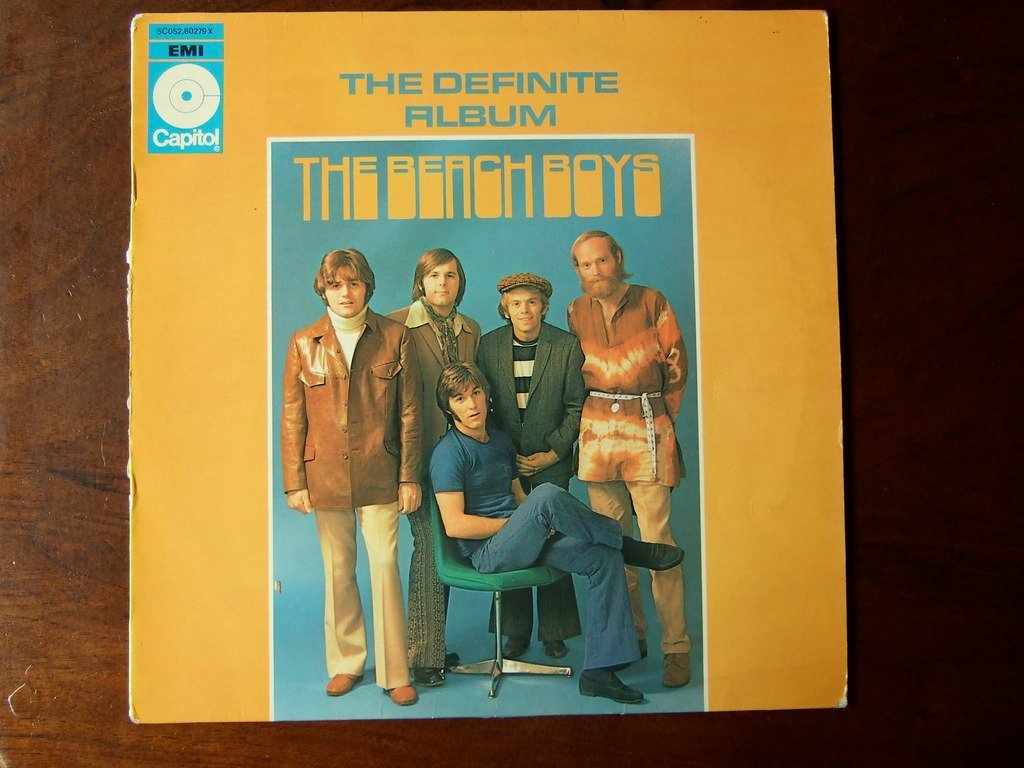
Beach Boys fans expecting to hear more carefree celebrations of cars and girls and surfing rendered in precise All-American harmonies wouldn’t have been sure what to make of the intricate, impressionistic orchestral-pop arrangements that Brian Wilson laid on them here. Though the trippy “Sloop John B” and the dreamy “Wouldn’t It Be Nice” were both Top 10 hits, Pet Sounds was the group’s lowest charting LP of original material since their 1962 debut, Surfin’ Safari. Fans of the Beach Boys’ earlier beach-themed songs found the new experimental and deeper approach challenging to appreciate. The album was ahead of its time, and its complexity was not what fans expected from the band.
Over the years, Pet Sounds gained recognition for its innovative sound and is now considered one of the greatest rock albums ever made. Eventually, the album became a pivotal part of music history. Fifty years later, most agree that the Beach Boys’ orchestral-pop masterpiece Pet Sounds is an unassailable classic. It’s a record that inspired artists as varied as the Beatles, who reportedly took it as a direct challenge when crafting Sgt. Pepper’s Lonely Hearts Club Band.
Exile on Main St. – The Rolling Stones (1972)
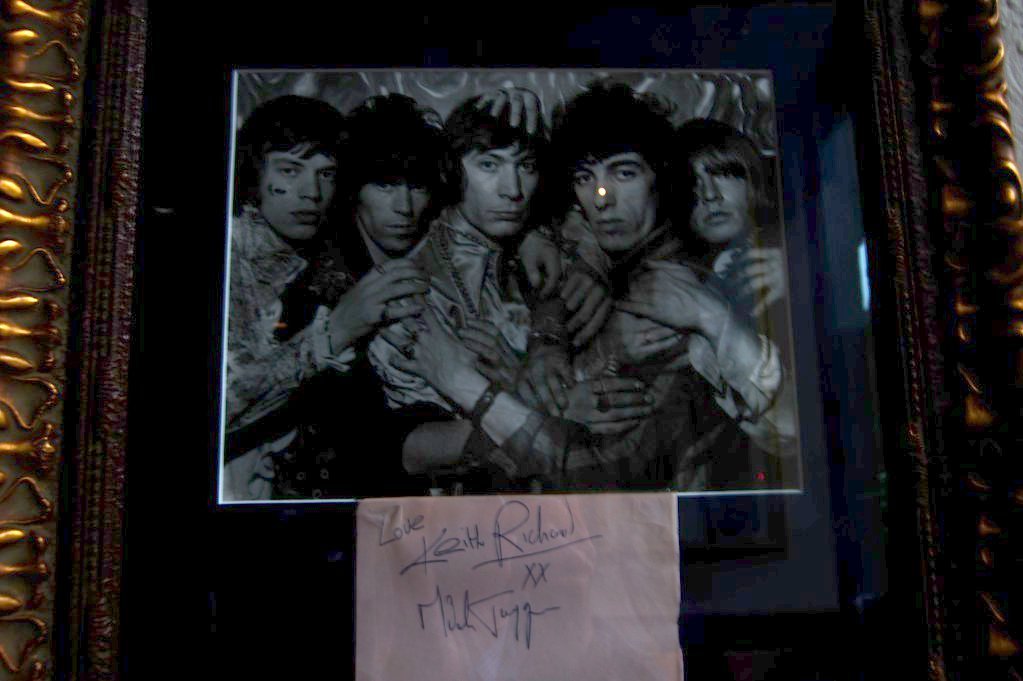
The Stones’ sprawling double album Exile on Main St. got a pretty lukewarm reception when it landed in 1972. Critics found it messy and unfocused, especially compared to their earlier albums. Recorded in the dank basement of Keith Richards’ French villa while they were basically hiding from British tax collectors, the album’s murky production and wild genre-hopping between blues, country, rock, and soul left both reviewers and fans scratching their heads.
What’s now considered its greatest strength, that raw, unpolished sound, was seen as its biggest flaw back then. Over time, people started to appreciate its gritty authenticity and genre-blending approach as capturing the very essence of rock and roll. These days, Exile consistently ranks among the greatest albums ever made and stands as the definitive Stones record, pretty incredible considering how many people initially shrugged it off. The album’s rehabilitation is one of rock criticism’s most dramatic reversals.
Pinkerton – Weezer (1996)
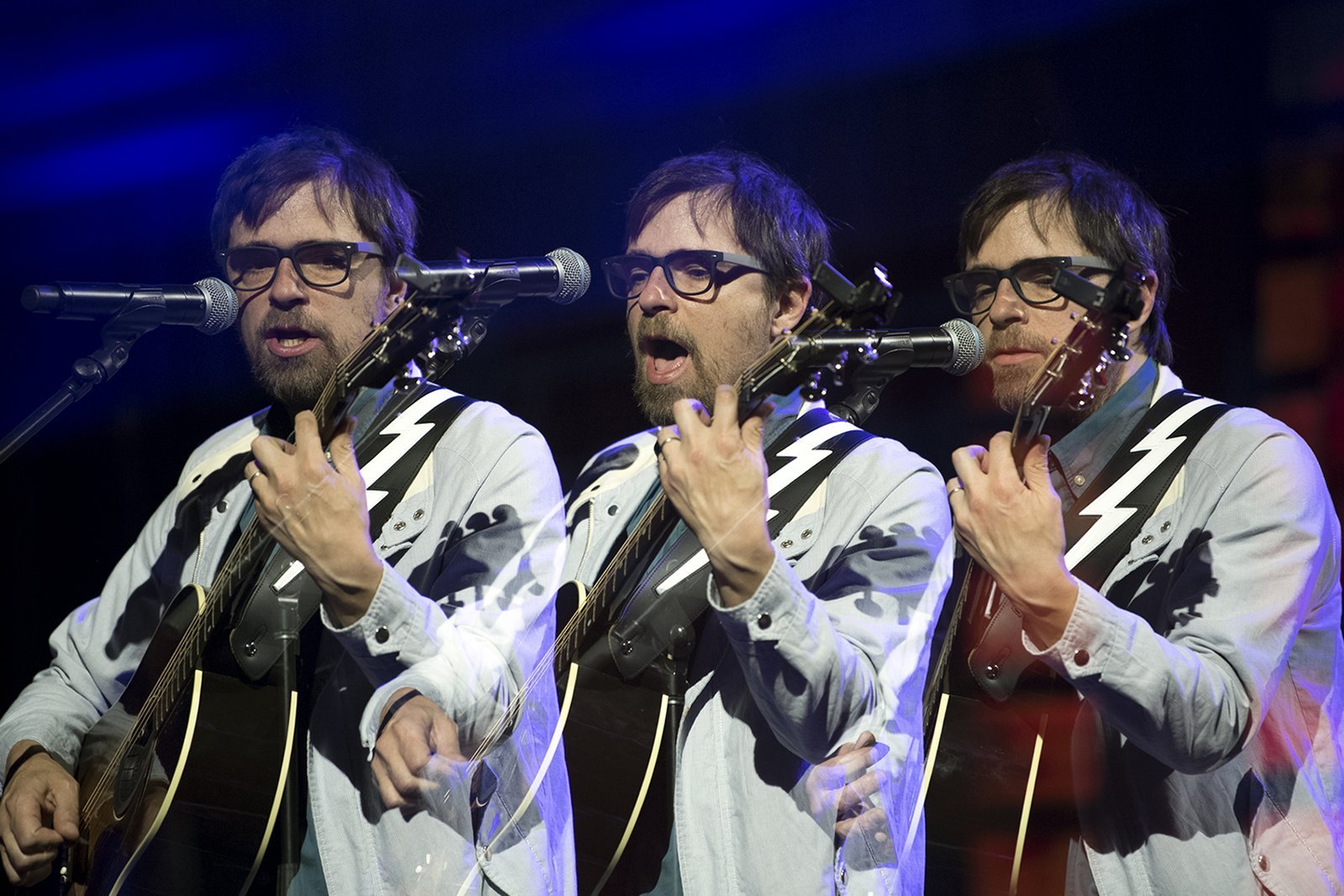
Pinkerton hit stores on September 24, 1996, and was quickly labeled a commercial and critical disappointment. It debuted at number 19 on the US Billboard 200, failing to meet sales expectations. It received mixed reviews; Rolling Stone readers voted it the third-worst album of 1996. The raw, confessional nature of the record was a shocking departure from the band’s polished, radio-friendly debut, and frontman Rivers Cuomo would spend years distancing himself from it.
In the following years, Pinkerton amassed a cult following through internet word of mouth. A wave of mainstream emo bands including Jimmy Eat World, Saves the Day, Dashboard Confessional and Motion City Soundtrack began citing it as an influence. In subsequent years, Pinkerton was reassessed and achieved acclaim. Several publications named it one of the best albums of the 1990s, and it was certified platinum in the US in 2016. Pinkerton has become the gold standard for Weezer records, with each new release held up against what initially seemed like a career-ending flop.
Tusk – Fleetwood Mac (1979)
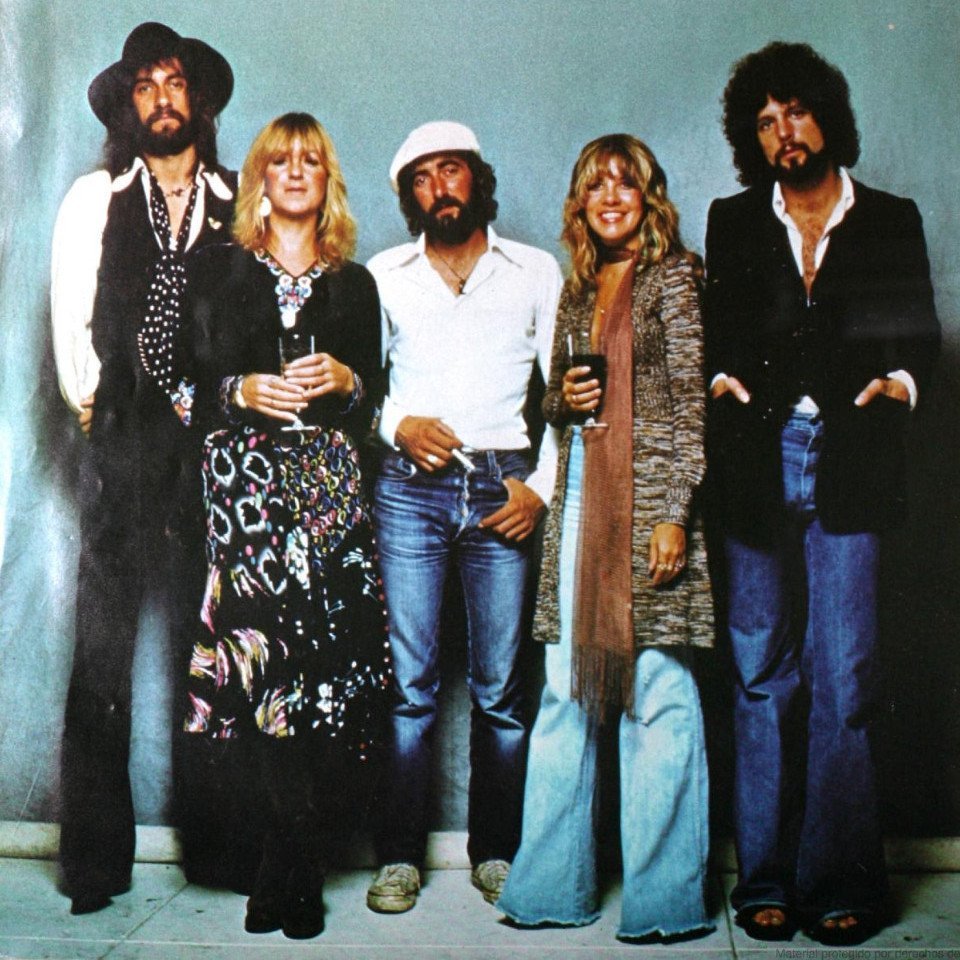
After Rumours became a monster hit, Fleetwood Mac took a huge creative gamble with Tusk, a sprawling double album that cost a ridiculous $1 million to produce in 1979 dollars. Lindsey Buckingham’s experimental approach left fans bewildered, as they wanted Rumours part two, not this weird artistic statement. Tusk went on to sell four million copies, an impressive amount by any standards, but fell well short of Rumours’ eight-figure haul, leading Warner Bros. executives and industry pundits to deem it a disappointment. A few valid theories helped explain why Tusk undersold relative to expectations, including its higher price point as a double album, its dearth of radio-ready fare, and the mixed critical reception that greeted it due to its perceived lack of cohesion.
As time passed, Tusk gradually earned recognition as Fleetwood Mac’s most daring and creative work, with its eclectic, risk-taking approach winning love from musicians and critics who now see it as hugely influential on modern indie rock. In an interview in 2019, Fleetwood described Tusk as his “personal favourite.” That shift in perspective from the band’s own members is perhaps the most telling sign that the album’s legacy eventually found its footing.
Big Star’s #1 Record – Big Star (1972)
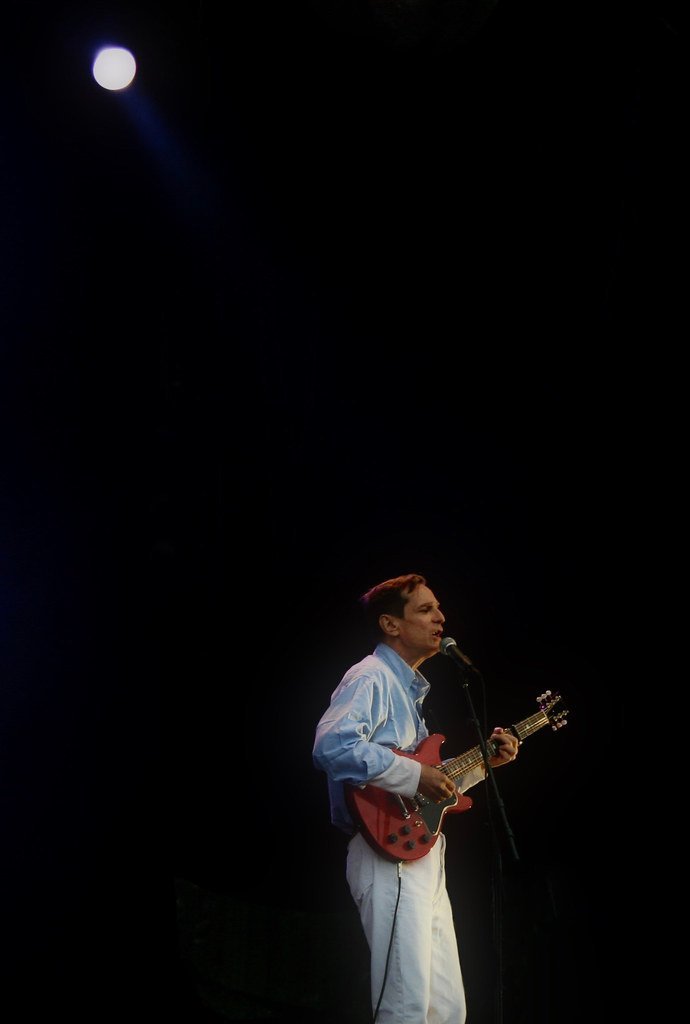
Both the band name Big Star and the album title #1 Record have taken on an ironic, self-deprecating air in the LP’s long life as a cult classic. Given Alex Chilton’s teenage fame as the voice of the Box Tops’ Hot 100 chart-topper “The Letter,” there was good reason in 1972 to believe that his new band, whose label Ardent was distributed by soul powerhouse Stax Records, had a bright future. While #1 Record’s homespun sound and insistent hooks gained positive reviews from the press, Big Star struggled to tour or land radio airplay, and few copies were stocked on record store shelves.
After founding member Chris Bell’s exit, Chilton made two more Big Star albums before giving up on the group and going solo, but the band’s legend only grew as they became a central influence of the power pop genre. By the end of the nineties, a reconstituted Big Star was a popular touring attraction, “Thirteen” was a popular cover among indie bands, and “In the Street” was the theme song of That ’70s Show. By the 1990s, this album became a cult classic. Maybe they were just ahead of their time.
Forever Changes – Love (1967)
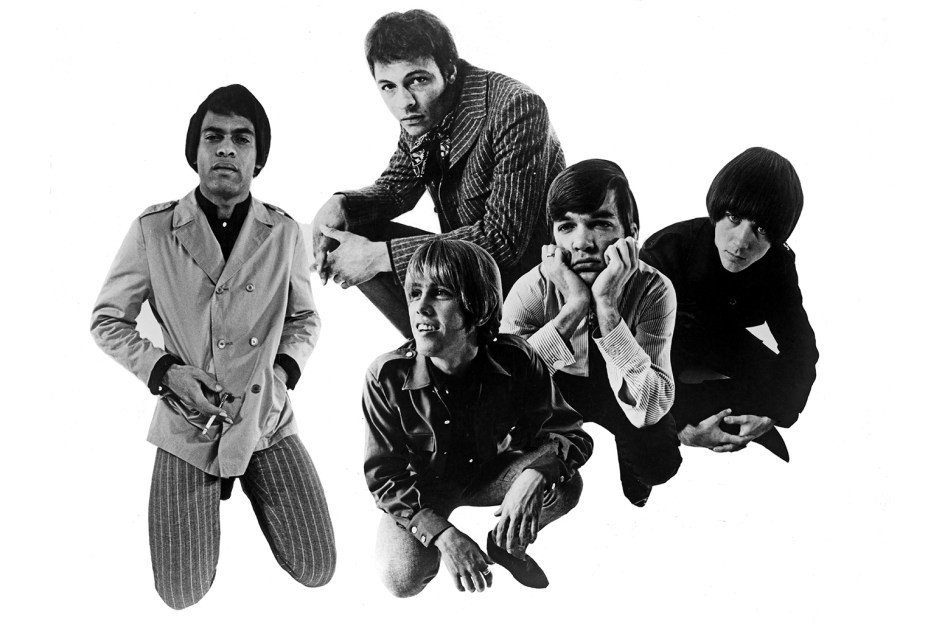
The friction between its gloriously ornate textures and frontman Arthur Lee’s somewhat paranoid lyrics, inspired by the seedier side of the Summer of Love as well as internal tensions within the band, made it a tough sell, despite a few relatively positive critical notices and the band’s label, Elektra, taking out a Sunset Strip billboard. The album arrived in 1967 at a cultural moment saturated with psychedelia, and its chamber-pop arrangements and wary, introspective tone set it apart in ways listeners weren’t prepared to appreciate.
Later on, Forever Changes would be heralded both for its prescience and for its intricacy, with Lee bringing the album to the stage after being released from a five-and-a-half-year incarceration. The 1967 album Forever Changes by Love is an absolute classic now. It consistently appears near the top of critics’ lists covering the greatest albums of the 1960s, a status that would have seemed improbable to most listeners who encountered it at the time.
Pink Moon – Nick Drake (1972)
During his lifetime, Nick Drake’s Pink Moon went almost entirely unnoticed, with minimal sales and little critical attention. The album’s spare arrangements and melancholic songwriting were quietly powerful, but only found appreciation years later. Drake recorded the entire album in just two sessions and reportedly dropped the tapes off at his label’s reception desk without speaking to anyone. He died in 1974, never having experienced any significant recognition.
Rediscovered by new generations, its haunting beauty and intimate atmosphere have inspired countless artists and listeners alike. Its influence can be heard in the work of countless acclaimed musicians, from Elliott Smith to Bon Iver, and even Sufjan Stevens. The album’s stripped-down, acoustic sound and introspective lyrics have inspired a generation of singer-songwriters. A Volkswagen commercial in 1999 that featured the title track introduced Drake’s music to an entirely new audience, decades after his death.
The Kinks Are the Village Green Preservation Society – The Kinks (1968)
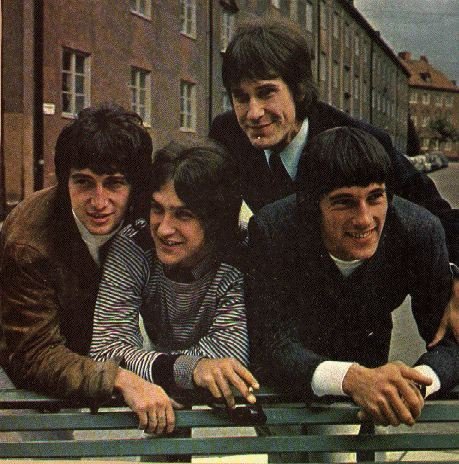
This 1968 album by The Kinks has been praised by fans and many musicians, including The Who’s Pete Townshend, who called it a “masterwork.” Despite its current status as a nostalgic and beloved classic rock album, it initially flopped. On its release, it sold only around 100,000 copies and failed to make any significant impact on the charts. The commercial failure might be attributed to its release date, which coincided with The Beatles’ famous “White Album.” It had no obvious hits, no psychedelic grandstanding, and no attempt at chasing the sounds dominating the charts.
Years later, the album’s brilliance was finally recognized, and it became The Kinks’ best-selling album, achieving the recognition it deserved. Ray Davies’ gentle, deeply English songwriting on the record now reads as visionary, a piece of counterculture that rejected counterculture on its own terms. The album’s themes of nostalgia, preservation, and national identity have only grown more resonant over time, making it one of the most warmly revisited British rock records of the era.
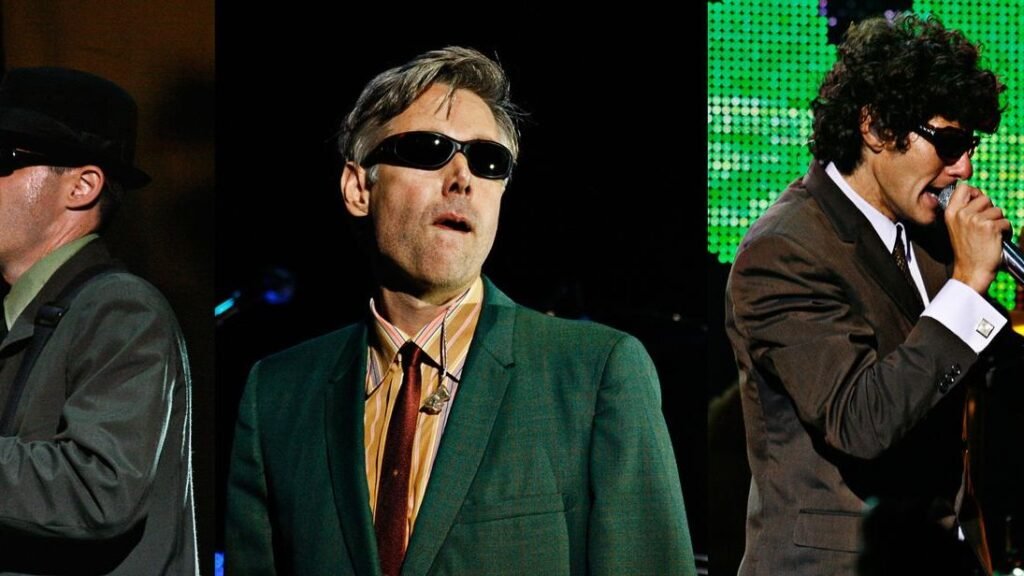
Paul’s Boutique – Beastie Boys (1989)
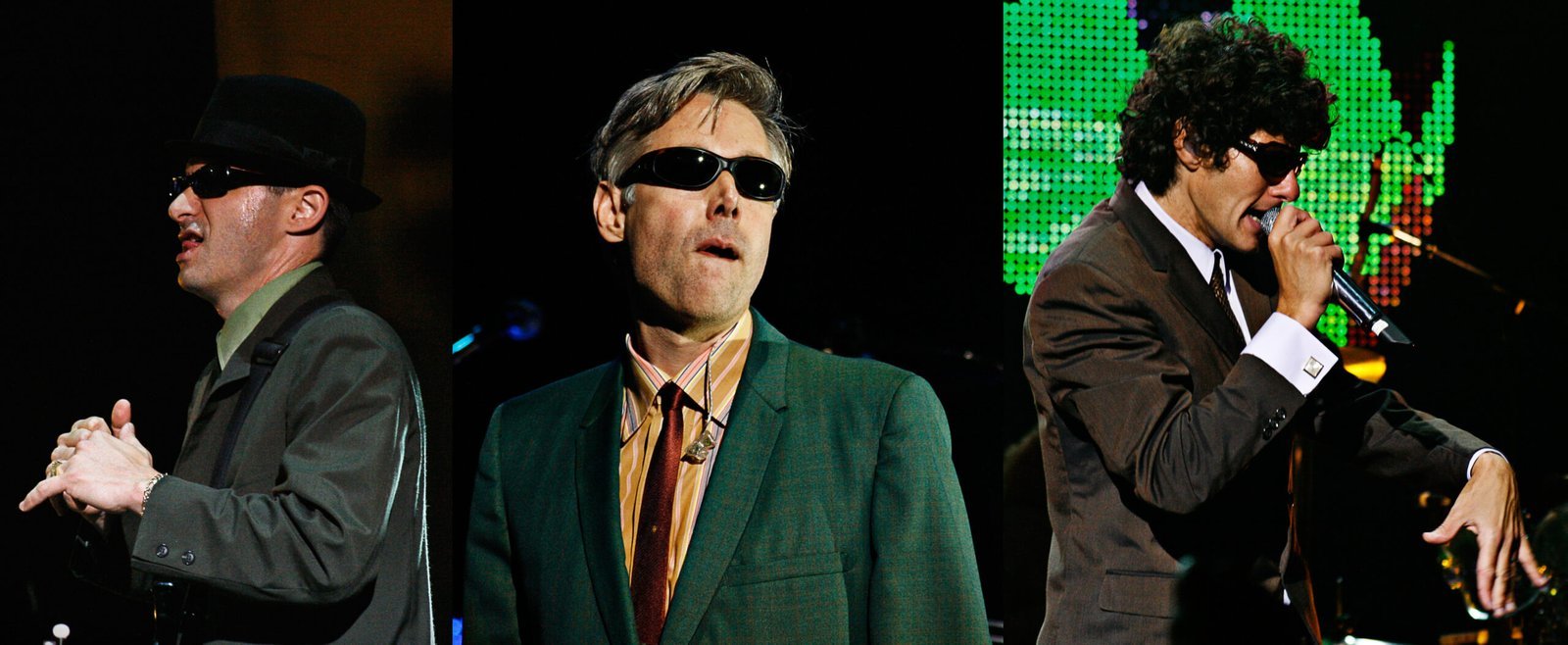
By the time the trio split from Def Jam and reappeared nearly three years later with visionary, sampledelic Dust Brothers production replacing their hard rock riffs, it appeared that the zeitgeist had moved on. “Hey Ladies” grazed the Top 40, and the album initially moved only a few hundred thousand copies, peaking at Number 14, still the lowest charting proper album of the band’s career. Fans expecting more bratty, beer-soaked party rap were genuinely baffled by the collage-like complexity of what they heard instead.
The album’s forward-thinking sound incubated a new audience by the time the more successful follow-up Check Your Head came around. The Dust Brothers’ dense production style, too ahead of its time in 1989, was vindicated by the acclaim for Beck’s Odelay in 1996. Just before the album’s 10th birthday in 1999, Paul’s Boutique was certified double platinum. Today it’s widely regarded as one of the most inventive hip-hop records ever made, a record that essentially mapped the outer limits of what sampling could achieve.
How Time Shapes What We Hear
Looking back at these ten albums, a pattern emerges that goes beyond simple redemption stories. The journey from commercial disappointment to celebrated classic reveals how profoundly our perceptions of art can transform over time. From experimental rock ventures to genre-defining statements, these albums demonstrate that initial reception hardly determines lasting impact.
Audience taste is shaped by context. What feels jarring, inaccessible, or simply wrong in one era can become the very thing that makes an album feel essential in another. The culture catches up, or a new generation arrives without the expectations the original audience carried. Sometimes it takes a single film placement, a reissue, or an internet forum thread to reopen a conversation that had been prematurely closed.
Unlike most flops, these albums have found the recognition they deserve later. Some were simply ahead of their time while others were rediscovered thanks to their artists’ later success and fame. The lesson isn’t that commercial failure signals greatness. Most flops are simply flops. Rather, it’s that the measure of a record, how deeply it speaks to human experience, how durably its ideas hold up, often takes longer to settle than the initial sales figures suggest. Some of the most important music ever made spent years waiting for the world to arrive at its door.
CEO-Co-Founder
