


- 15 Rock Anthems That Defined a Generation and Still Sound Amazing Today - August 11, 2026
- 12 Unforgettable Movie Quotes You Can Still Use in Everyday Conversation. - August 11, 2026
- 10 Music Festivals That Changed the World - August 11, 2026
A single chart-topping song can launch an artist into the spotlight, but its true value often unfolds over decades. Royalties from radio play, streaming platforms, and digital downloads provide steady income long after the hype fades. Licensing deals for commercials, movies, and TV shows add substantial boosts, turning one moment of fame into lasting financial security.
Streaming services like Spotify have revitalized older hits, exposing them to new generations. Media placements keep the songs relevant, ensuring creators collect performance fees worldwide. These revenue streams quietly accumulate, proving that a one-hit wonder can sustain wealth far beyond its peak.
PSY’s “Gangnam Style”

The 2012 release of “Gangnam Style” exploded globally with its catchy beat and iconic horse dance, amassing over 4.1 billion YouTube views.[1] This viral phenomenon marked PSY’s only major international smash, topping charts in multiple countries. Initial sales and downloads generated immediate windfalls, but the song’s cultural staying power fueled ongoing success.
PSY’s net worth sits at around $60 million, much of it tied to the track’s enduring popularity.[1] Streaming royalties continue to flow from billions of plays, while licensing for ads and events adds layers of income. He even leveraged the hit to launch his own label, P Nation, extending its financial legacy.
Sir Mix-a-Lot’s “Baby Got Back”
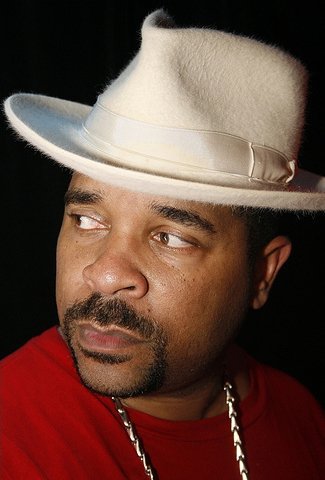
In 1992, “Baby Got Back” became a provocative anthem, hitting number one and ranking as the year’s second best-selling single.[1] Sir Mix-a-Lot’s bold lyrics captured attention, leading to multi-platinum sales. The track’s humor and edge made it a staple in pop culture.
His estimated net worth reaches $30 million, with the song as the cornerstone.[1] Appearances in shows like Friends and countless commercials have generated sync fees over the years. Streaming and radio play keep royalties coming, sustaining earnings well into the streaming era.
Billy Ray Cyrus’s “Achy Breaky Heart”

“Achy Breaky Heart” line-danced its way to the top of country charts in 1992, selling millions and sparking a craze.[1] This upbeat track defined Cyrus’s breakthrough, though follow-ups never matched its fever. Its simple appeal crossed over to mainstream audiences.
Cyrus holds a $20 million net worth, rooted in the song’s blockbuster status.[1] Line dance revivals and TV features have renewed interest, driving licensing revenue. Ongoing streams and performances ensure the hit pays dividends decades later.
Vanilla Ice’s “Ice Ice Baby”

Released in 1990, “Ice Ice Baby” blended rap with a Queen sample, topping charts and selling over a million copies quickly.[1] Vanilla Ice rode the wave to stardom, but it remained his lone peak. The song’s infectious hook made it unforgettable.
His $12 million net worth reflects royalties from sales and the lawsuit settlement with Queen.[1] Nostalgic playlists and media uses, like in films, generate steady sync income. Streaming has introduced it to younger listeners, prolonging its payout.
Gotye feat. Kimbra’s “Somebody That I Used to Know”

This 2011 breakup track topped charts worldwide, selling millions and earning multiple Grammys. Its unique video and duet style captivated fans.[2] Gotye’s quirky art-pop marked his only U.S. number one.
Over 2.17 billion Spotify streams alone translate to about $12.6 million CAD in royalties.[3] The song’s $10 million contribution to his net worth comes from continued plays and covers. Licensing for ads keeps the checks arriving years on.
Bobby McFerrin’s “Don’t Worry, Be Happy”
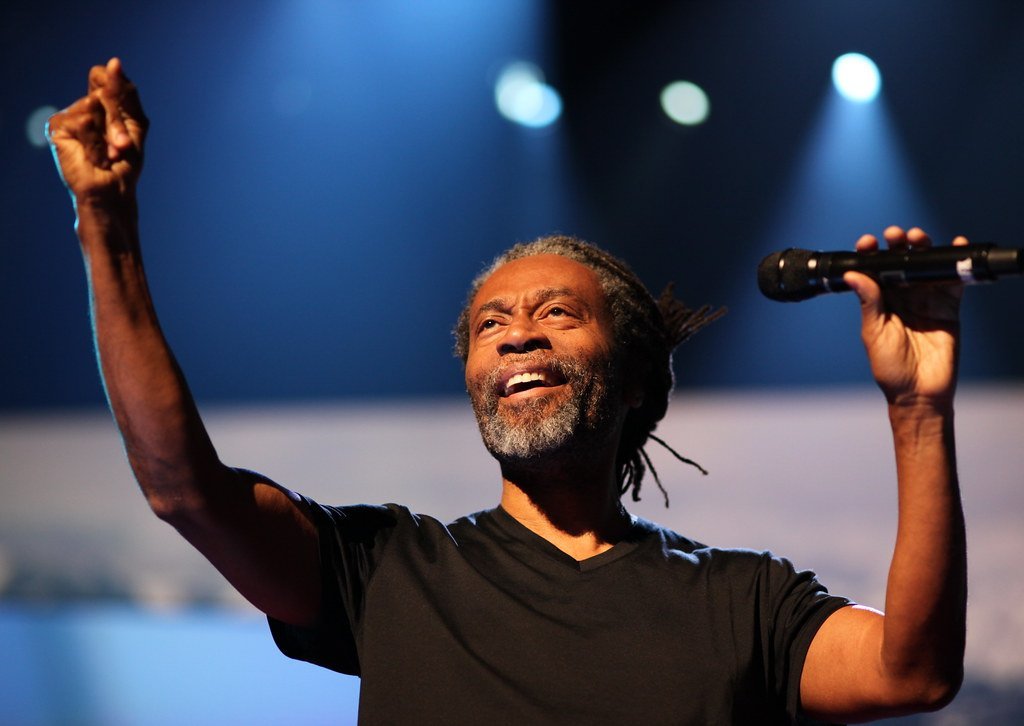
The 1988 a cappella hit topped the Billboard Hot 100 with its whistling melody and feel-good message. McFerrin’s vocal innovation shone through. It won a Grammy and became a cultural touchstone.
His $5 million net worth draws heavily from the track’s ubiquity.[4] Films, commercials, and sports events license it regularly for sync fees. Streaming and radio ensure performance royalties flow indefinitely.
Toni Basil’s “Mickey”
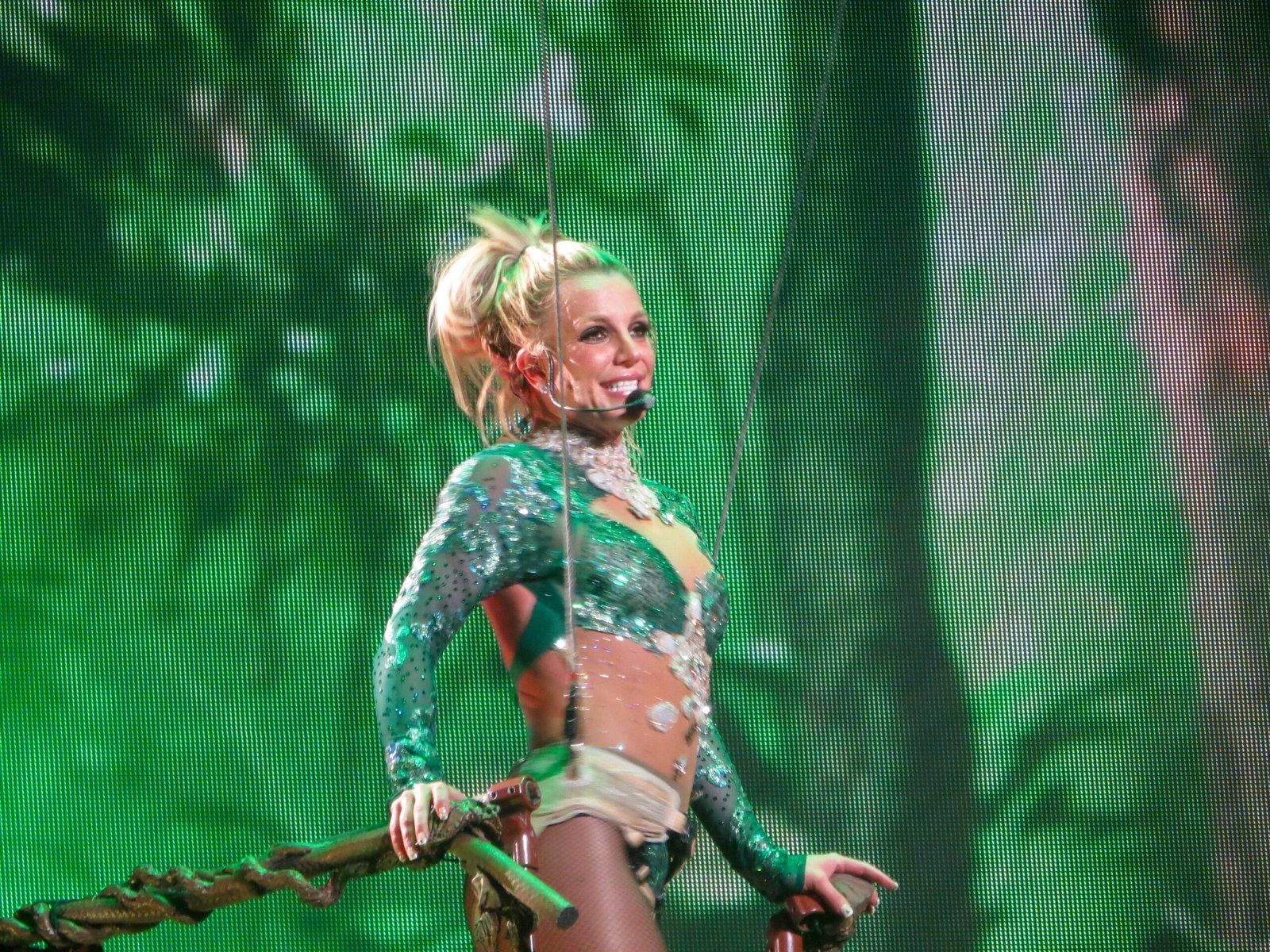
“Mickey” cheered its way to number one in 1982, with cheerleader chants and high energy. Basil’s adaptation of a Racey song went platinum. It defined ’80s pop fun.
She boasts a $5 million net worth sustained by the hit.[4] Sports arenas and movies feature it often, yielding licensing cash. Digital platforms revive it for new fans, bolstering royalties.
Lou Bega’s “Mambo No. 5”
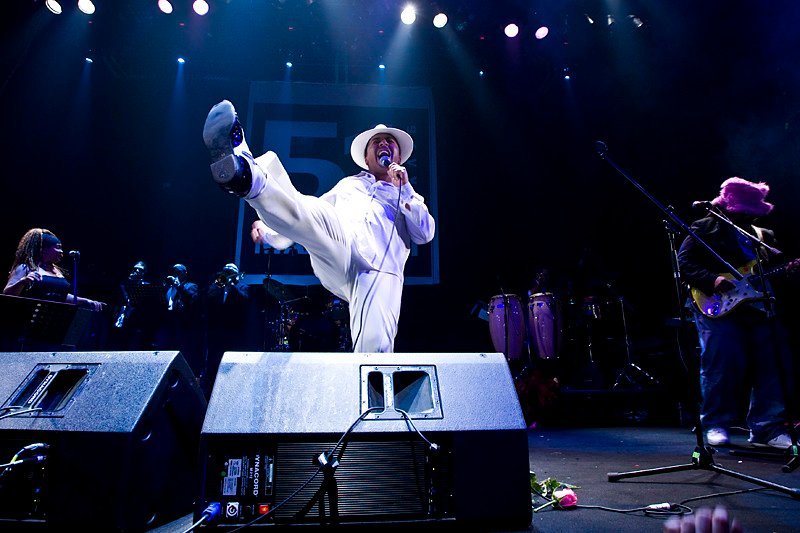
This 1999 remake of a 1960s classic topped charts with swing revival flair. Bega’s playful update sold millions globally. It sparked dance floor mania.
Estimated $4.5 million in royalties from 777 million Spotify streams.[3] Party playlists and weddings keep it spinning, generating performance income. Media syncs add to its long-tail earnings.
The Proclaimers’ “(I’m Gonna Be) 500 Miles”

The 1988 Scottish duo’s walking anthem hit big in 1993 via the Benny & Joon soundtrack. Its foot-stomping energy endures. Twins Charlie and Craig Reid made it iconic.
910 million Spotify streams yield about $5.3 million in royalties.[3] Films and memes perpetuate its use, driving sync deals. Radio play worldwide sustains the flow.
Norman Greenbaum’s “Spirit in the Sky”
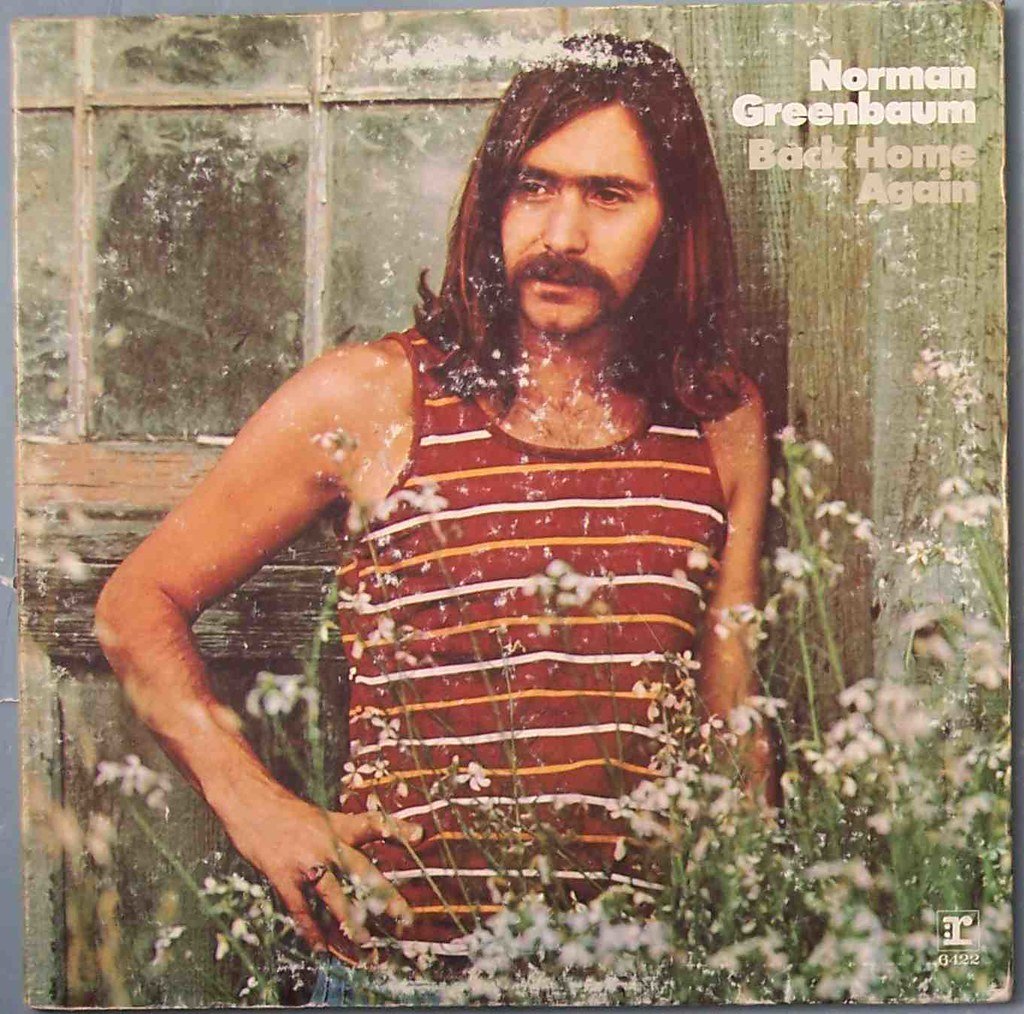
Released in 1969, this gospel-rock track reached number three with heavenly guitars. Greenbaum crafted a one-off masterpiece. It resonated across genres.
He has lived off royalties for decades, with steady income from airplay.[5] Covers by artists like Doctor and the Medics revived it, boosting collections. Films and ads license its uplifting vibe regularly.
The Hidden Legacy of One Song

These tracks show how a lone hit can build quiet fortunes through persistent revenue channels. Royalties compound over time, rewarding creators patiently. One big moment often proves enough in music’s unpredictable world.
Streaming democratizes access, while licensing taps cultural nostalgia. The business beneath the charts reveals true endurance. A single song’s power lingers far beyond the fade-out.
CEO-Co-Founder
