


- 15 Rock Anthems That Defined a Generation and Still Sound Amazing Today - August 11, 2026
- 12 Unforgettable Movie Quotes You Can Still Use in Everyday Conversation. - August 11, 2026
- 10 Music Festivals That Changed the World - August 11, 2026
Imagine picking up a book written centuries ago and feeling it speak directly to your soul. The greatest works of literature endure not because of fancy language or historical trivia. They dive deep into the raw stuff of being human. Love that twists the heart. Ambition that blinds. Fear that paralyzes. Injustice that burns. Questions of who we are. The shadow of death. Moral dilemmas that keep us up at night.
Across eras and borders, readers from every walk of life spot pieces of themselves in these tales. A farmer in 1600s England nods along with a tech worker in 2026 Tokyo. These stories don’t fade. They echo. Let’s explore how some timeless masterpieces reveal truths that time can’t touch.
Hamlet by William Shakespeare
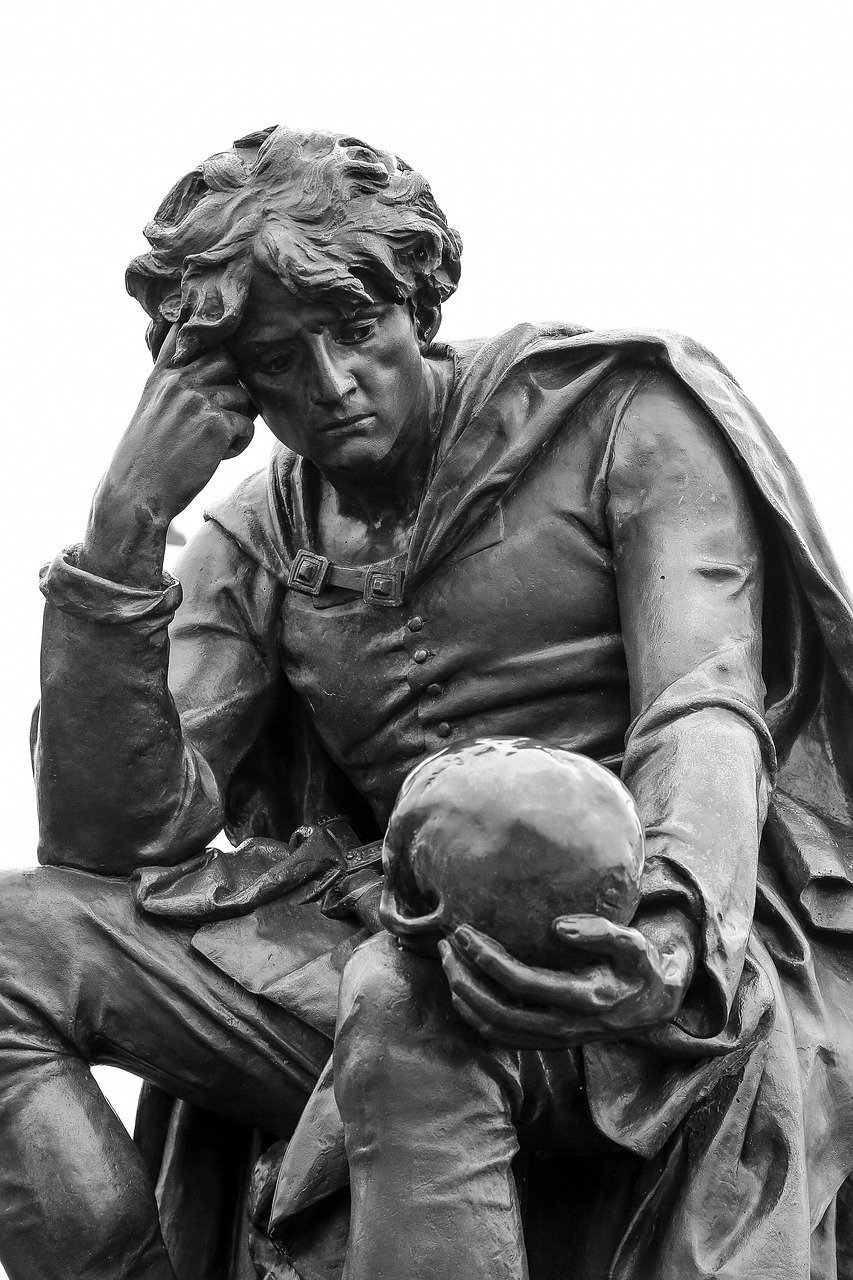
At its core, Hamlet wrestles with mortality and moral conflict. Prince Hamlet confronts his father’s ghost and spirals into doubt about life, death, and revenge. Shakespeare crafts this through soliloquies that bare the prince’s tormented mind. “To be or not to be” captures the agony of existence itself.
Modern readers still feel that chill. We face our own ghosts, whether lost loved ones or regrets. In a world of quick fixes, Hamlet’s hesitation reminds us that big choices demand soul-searching. His paralysis mirrors our own stalls before life’s big leaps. Truly, death’s mystery unites us all.
Crime and Punishment by Fyodor Dostoevsky
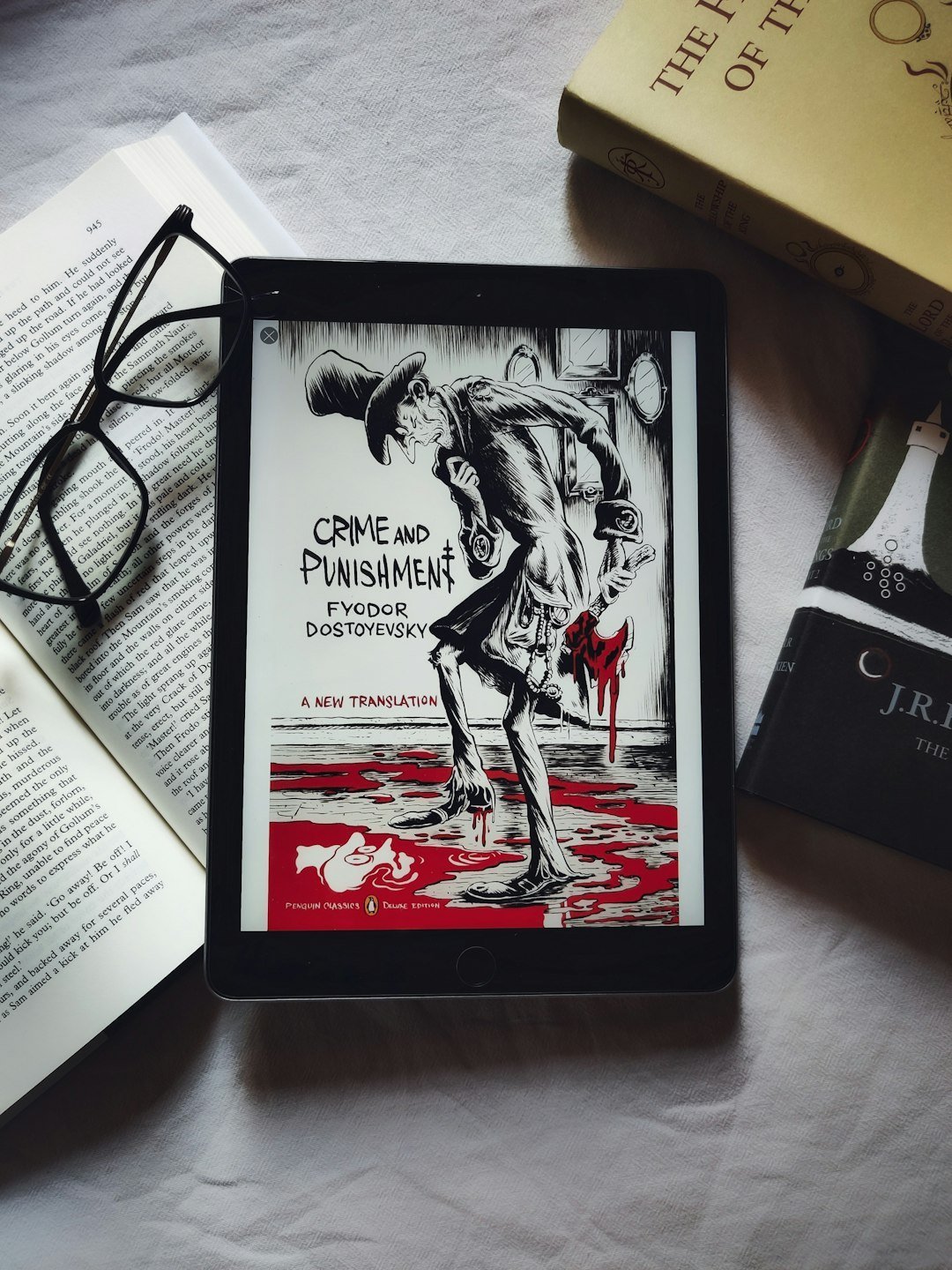
Dostoevsky plunges into guilt and moral responsibility through Raskolnikov, a poor student who murders for ideology. The narrative tracks his crumbling psyche as conscience devours him. Vivid inner monologues show how one act ripples into torment. Poverty and pride fuel his crime, but redemption lurks.
Today’s rushed society nods at this. We justify small wrongs, only to face inner trials later. Raskolnikov’s suffering warns that no one escapes self-judgment. In an age of moral gray zones, the novel insists actions carry eternal weight. It hits hard, every time.
Pride and Prejudice by Jane Austen
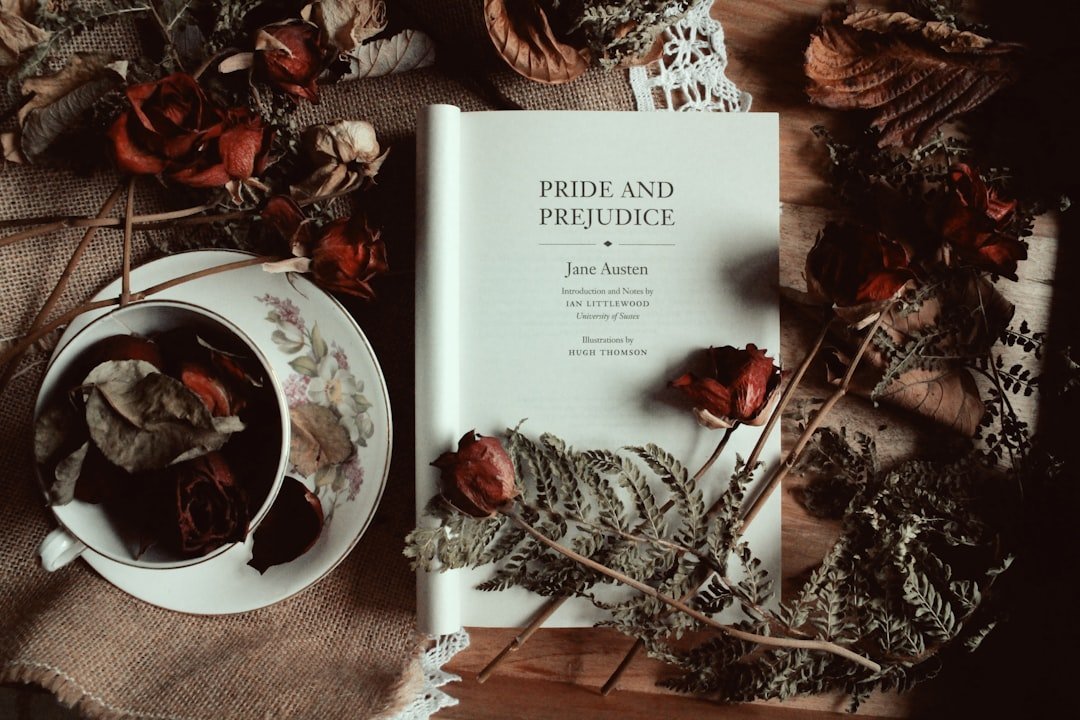
Jane Austen spotlights love, social belonging, and class barriers via Elizabeth Bennet’s sharp wit. Characters navigate marriages driven by money and status. Through banter and misunderstandings, Austen reveals how pride blinds hearts. Elizabeth’s growth shows love’s triumph over snobbery.
We still chase acceptance in cliquey worlds, from offices to social feeds. Elizabeth’s defiance inspires those bucking expectations. Her story proves true connection cuts through facades. Honestly, who hasn’t misjudged someone at first glance? Austen’s insights feel fresh as ever.
The Great Gatsby by F. Scott Fitzgerald

Fitzgerald exposes ambition’s hollow chase in Jay Gatsby’s obsessive dream of wealth and lost love. The Jazz Age glitters, but narration through Nick Carraway peels back the rot. Gatsby reinvents himself, yet clings to illusions. Excess masks deep loneliness.
Now, with influencers flaunting riches, Gatsby’s tragedy stings. We pursue “more” thinking it fills voids, just like him. The green light across the bay symbolizes endless wanting. It resonates because dreams often crash on reality’s shore. A stark warning for our go-go era.
Beloved by Toni Morrison
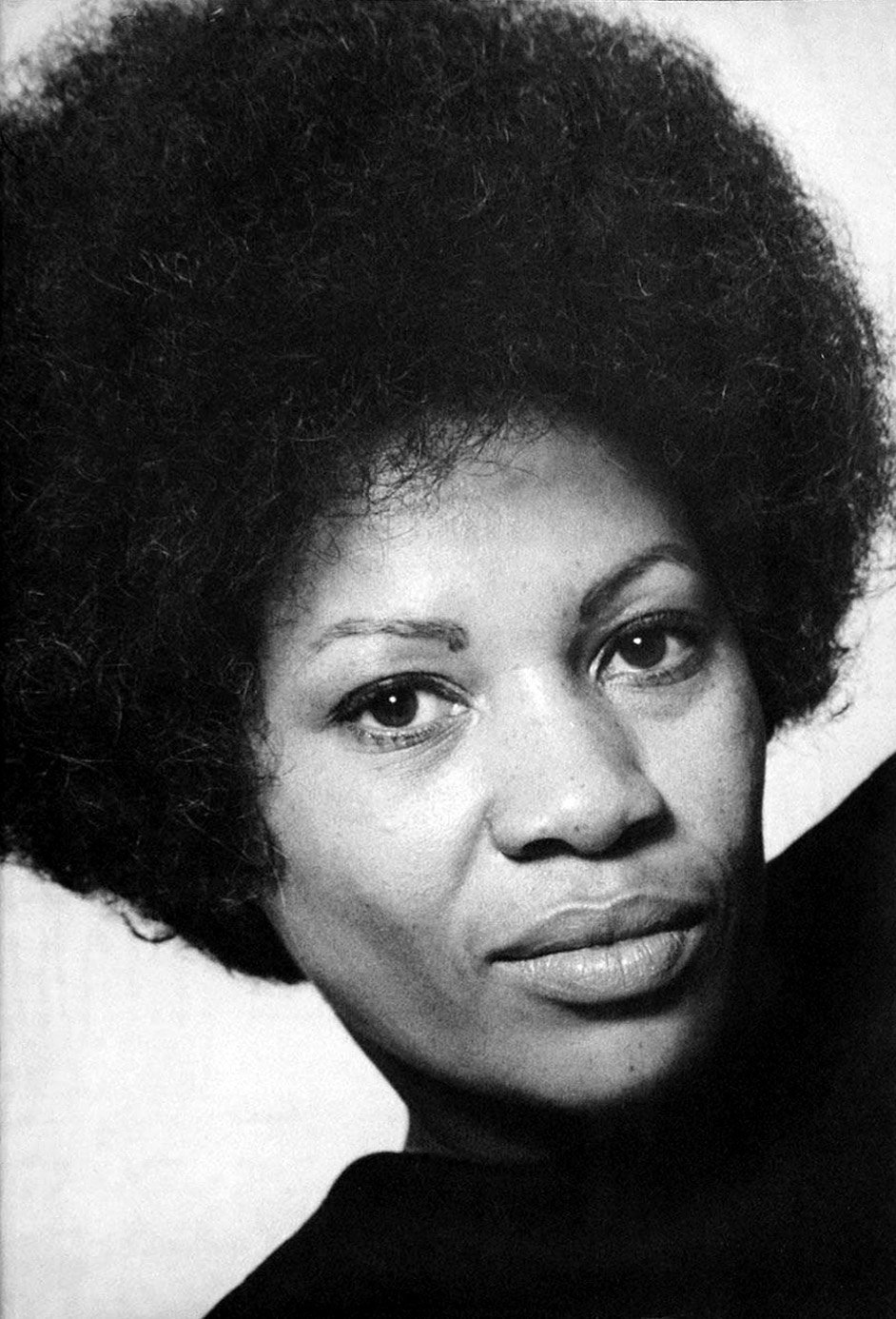
Toni Morrison confronts identity, trauma, and injustice in Sethe’s haunted life post-slavery. The ghost of her murdered child embodies suppressed pain. Nonlinear storytelling weaves memory and myth. Sethe’s choices question freedom’s cost.
Modern struggles with heritage and scars echo this raw power. In divided times, Beloved demands we face history’s ghosts. Sethe’s fierce motherhood moves anyone who’s fought for family. Morrison shows healing demands truth. Its grip never loosens.
Things Fall Apart by Chinua Achebe
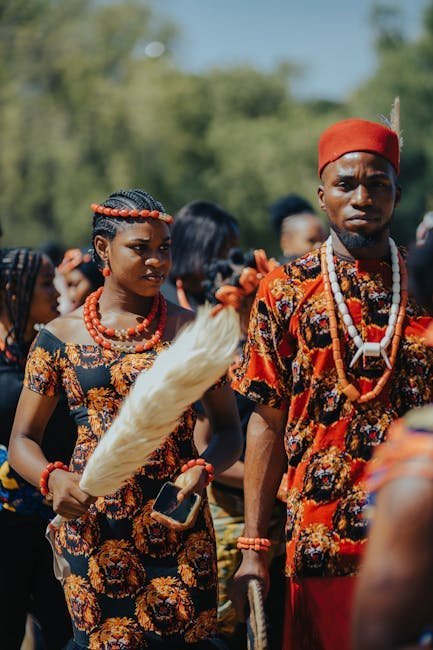
Chinua Achebe explores cultural identity and colonialism’s clash through Okonkwo, a fierce Igbo warrior. Tradition crumbles under British rule. His rigid masculinity leads to downfall. The narrative balances village life with encroaching change.
Globalization still uproots communities today. Okonkwo’s pride in fading ways mirrors displaced peoples everywhere. We see how fear of weakness destroys from within. Achebe’s tale urges understanding across divides. It challenges us to adapt without losing soul.
Moral Responsibility
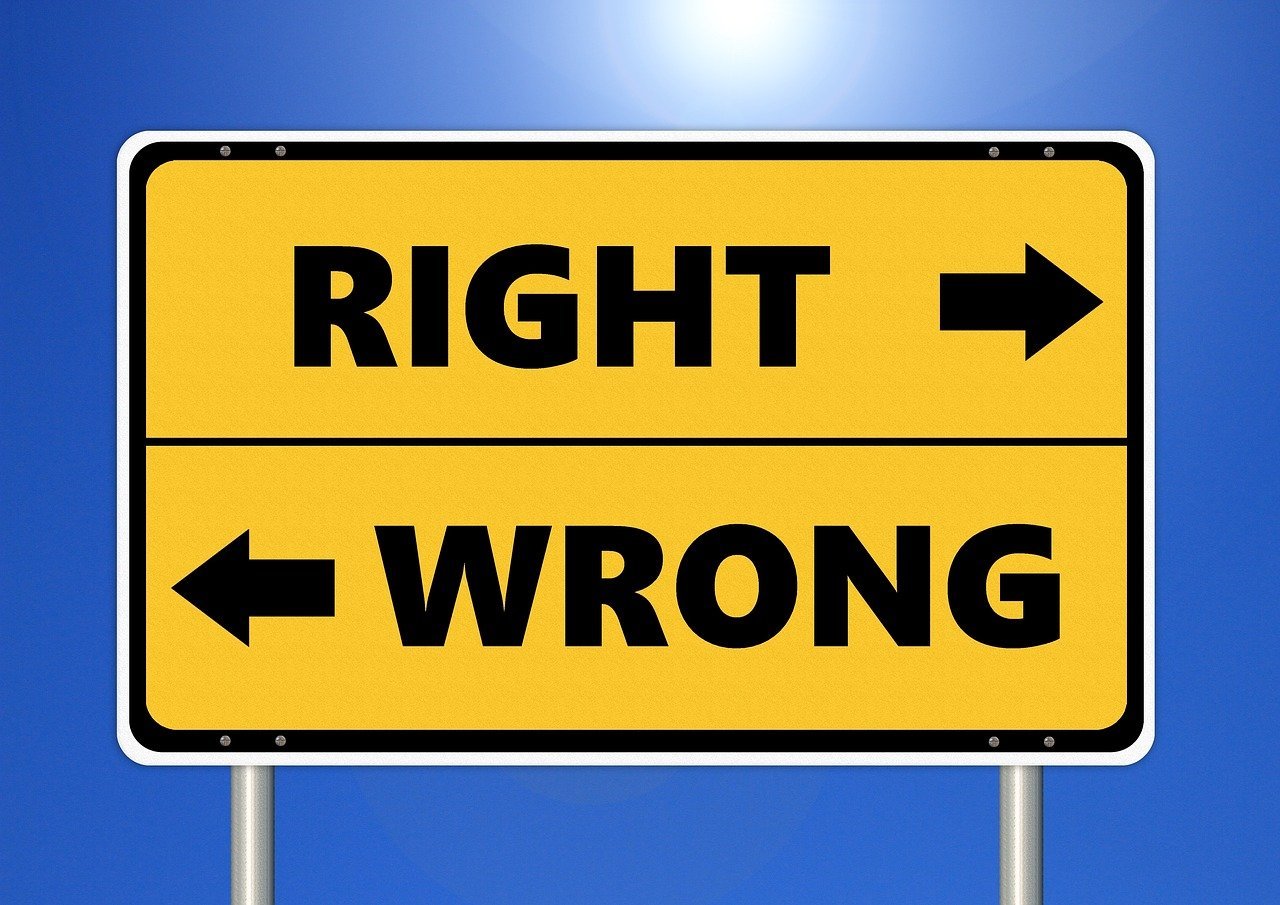
Great literature hammers home that choices define us. Heroes falter, yet face consequences head-on. Authors use flawed protagonists to probe right from wrong. Think of inner voices clashing with actions. No escape from the fallout.
In our ethical mazes, these stories guide without preaching. They show redemption possible, but hard-won. Readers today apply lessons to daily dilemmas. Personal accountability feels urgent amid blame games. Literature keeps that fire lit.
Social Belonging

Humans crave tribes, and books capture that ache. Outcasts seek circles, often at great cost. Narratives build worlds where acceptance hinges on norms. Rejection stings universal.
Online echo chambers amplify this now. Stories remind us true bonds transcend labels. Characters’ quests mirror our friend hunts. They teach empathy bridges gaps. Belonging starts within, literature whispers.
Personal Freedom

Freedom’s illusion drives many plots. Chains come from society, self, or fate. Rebels push boundaries, sparking chaos or growth. Authors contrast captivity with bold leaps.
We chase liberty in rules-heavy lives. These tales warn it demands sacrifice. Modern quests for autonomy echo ancient ones. Literature celebrates the fight, win or lose. It fuels our own bids for wings.
Justice

Injustice fuels epic struggles across pages. Wronged souls demand balance, human or divine. Twisty plots question fair play. Victims rise, or systems crush.
Today’s headlines scream for equity, just like these fictions. Books probe why justice slips away. They inspire action without easy answers. Readers leave fired up. Timeless call to right wrongs.
Alienation

Loneliness isolates even crowds. Protagonists drift, misunderstood. Stream-of-consciousness bares the void. Connection feels distant, painful.
Digital isolation amps this today. Stories validate the drift, offer glimmers of bridge-building. They humanize the alone. In shared reading, we find kin. Literature heals quiet despairs.
The Search for Meaning

Life’s “why” haunts every era’s tales. Wanderers quest purpose amid absurdity. Symbols and journeys light paths. Doubts persist, yet sparks ignite.
Our frantic world mirrors that hunt. Books provide maps without destinations. They affirm the search itself matters. Readers nod, enriched. Meaning hides in the turning pages.
Conclusion

Literature stands as humanity’s mirror, reflecting eternal struggles with unflinching clarity. These works bridge generations, turning personal turmoil into shared wisdom. They challenge, comfort, provoke. In 2026 or any year, they remind us we’re not alone in the mess.
Pick up one today. Let it stir something deep. What timeless truth hits you hardest? Share in the comments.
CEO-Co-Founder
