

- 7 Movie Endings That Were Changed at the Last Minute - September 20, 2026
- Why Some Songs Hit Harder at Night - September 20, 2026
- The 20 Authors Who Predicted the Future Without Trying - September 20, 2026
Think about the last song that stopped you dead in your tracks. The one that made you feel something deep and real, something you couldn’t quite explain. Now ask yourself: do you actually know who made it? Not just the face on the album cover, but the real architect – the session musician hunched over a keyboard at 2 a.m., the songwriter who handed over a life-changing melody for next to nothing, the producer who quietly stitched it all together.
Behind every great hit is a great songwriter, or two, or more. The lyricists and composers who write some of the greatest tracks in history can go unsung. Honestly, the more you dig into music history, the more you realize how many brilliant contributors have been swallowed whole by the machinery of fame. The spotlight is narrow, and it tends to land on the same few faces. Let’s change that, even for a moment. Let’s dive in.
Raphael Ravenscroft – The Man Behind the Most Iconic Sax Riff in Pop History

Here’s a fact that might genuinely shock you. Raphael Ravenscroft was a British musician, composer, and author best known for playing the saxophone riff on Gerry Rafferty’s 1978 song “Baker Street.” That wailing, bluesy melody – the one you can hum from memory right now – almost didn’t happen at all. Rafferty had already composed “Baker Street” with a long instrumental break, unsure of what to fill it with, when his producer suggested a saxophone. Their first choice, Pete Zorn, was unavailable, and reportedly it was Ravenscroft’s unusual name that landed him the audition.
The saxophone break on “Baker Street” has been described as “the most famous saxophone solo of all time” and “the most recognizable sax riff in pop music history.” There’s a bitter twist to this story though. His payment that fateful day was standard union rate of £27.50 a session, and that check initially bounced. The song, meanwhile, reportedly earned Rafferty tens of thousands in royalties every year. Still, Ravenscroft’s impact didn’t stop there.
From his breakthrough with “Baker Street,” he went on to perform with Pink Floyd, ABBA, and Marvin Gaye. Other performing credits include work with Daft Punk, Robert Plant, and Bonnie Tyler. Ravenscroft’s contribution to “Baker Street” is said to have been responsible for a resurgence in the sales of saxophones and their use in mainstream pop music and television advertising. One session musician, one slightly flat saxophone, and an entire era of music shaped forever. That’s the power of an unsung hero.
LaShawn Daniels – The Songwriter the Whole Industry Quietly Relied On
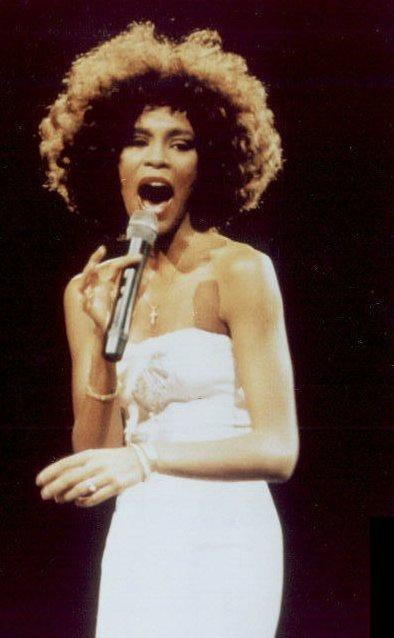
LaShawn Daniels was an acclaimed songwriter who wrote for superstars Michael Jackson, Whitney Houston, Beyoncé, and Lady Gaga. Let that sink in. That is not one legacy. That is several lifetimes worth of cultural impact, all attributed to a man whose name most casual music listeners would draw a blank on. Most known as the man behind the iconic Destiny’s Child hit “Say My Name,” Daniels won a Grammy Award in 2001 for best R&B Song for the track.
Daniels co-wrote several Grammy-nominated songs including Tamar Braxton’s “Love and War,” Toni Braxton’s “He Wasn’t Man Enough,” and “The Boy is Mine,” a track featuring Brandy and Monica. He also contributed on Beyoncé’s “Telephone,” Jennifer Lopez’s “If You Had My Love,” and Michael Jackson’s “You Rock My World.” I think if you lined up those songs and told someone a single person helped shape all of them, they’d simply refuse to believe you.
Behind every great hit is a great songwriter, or two, or more. The lyricists and composers who write some of the greatest tracks in history can go unsung. The industry sometimes spotlights the vocal talent rather than the writing talent. Daniels passed away far too young at just 41. His death, as those around him noted, revealed just how deeply undervalued the architects of so much beloved music truly are. The theme of “Say My Name” was inspired by a real relationship experienced by Daniels himself – which makes his invisibility behind the curtain all the more strangely poetic.
Chuck Rainey – The Bass Player Who Held Everyone’s Music Together

Let’s be real: bassists are almost always the last people anyone remembers. There’s something almost cosmically unfair about that. When you watch “Amazing Grace,” the astonishing Aretha Franklin documentary shot in 1972, you may notice a wiry young man in a silver blazer, modest Afro and shades sitting down and anchoring the free-flying music around him with his strong and steady basslines. That’s Chuck Rainey, one of the great bassists of his generation, overlooked because he mostly lent his tasteful playing to other performers’ bands, not his own.
Think of him like the foundation of a skyscraper. Nobody photographs the foundation. Nobody writes breathless magazine profiles about it. Yet without it, the whole beautiful structure simply falls down. Rainey spent decades being exactly that kind of structural genius for artists across jazz, R&B, and soul. His fingerprints are everywhere in the music of that era, quietly making everyone around him sound better.
His story is a familiar one in the world of session musicians. There are a host of studio musicians, unknown arrangers, producers, and writers who have been the unknown or underappreciated talent behind the stars and big names. These are men and women who never get their due, their names largely unknown to the general public, some who eschew the spotlight deliberately, others who are simply overshadowed, but on whose shoulders the music we love has been built. Rainey deserves not just recognition but reverence.
Little Steven Van Zandt – The Jersey Shore Sound’s Real Architect
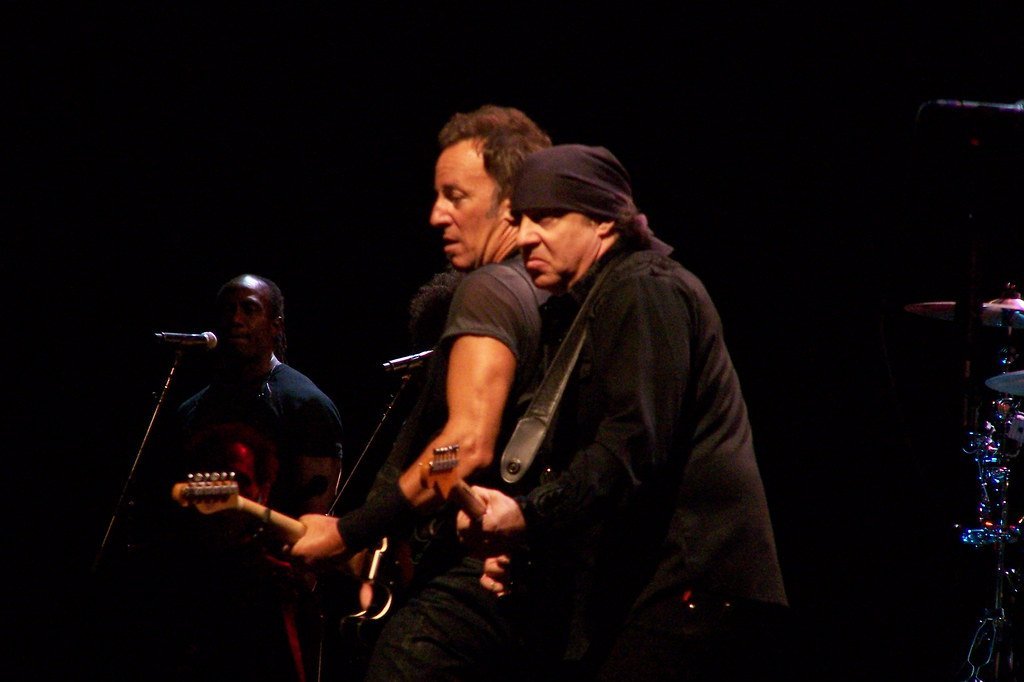
Most people know Steve Van Zandt from his time in Bruce Springsteen’s E Street Band, or perhaps from his role in “The Sopranos.” Very few, however, grasp the true depth of his creative contribution. Van Zandt is lesser known but just as influential for his production and songwriting, shepherding, writing for, and producing lesser-known Jersey acts like Southside Johnny and the Asbury Jukes. He is one of a handful who should be credited with the Jersey Shore sound.
Van Zandt shares production credits on Springsteen’s “Darkness on the Edge of Town,” “The River,” and “Born in the USA.” His nasally vocal is often the go-to harmony for Springsteen live, and next to Clarence Clemmons, it is Van Zandt that Bruce audiences identify with at those rousing live shows. Think about that for a second. He helped craft some of the most defining rock albums of the twentieth century, yet his name rarely appears in the headline.
It’s a strange kind of invisibility to inhabit. You’re close enough to the fire to feel the heat and help fuel it, but the history books remember only the person holding the torch. Van Zandt has been gracious about it throughout his career, perhaps because his love for the music itself was always bigger than any need for personal glory. That’s a kind of quiet greatness that deserves far more applause.
Rodgers and Hart – The Songwriting Duo That History Nearly Forgot
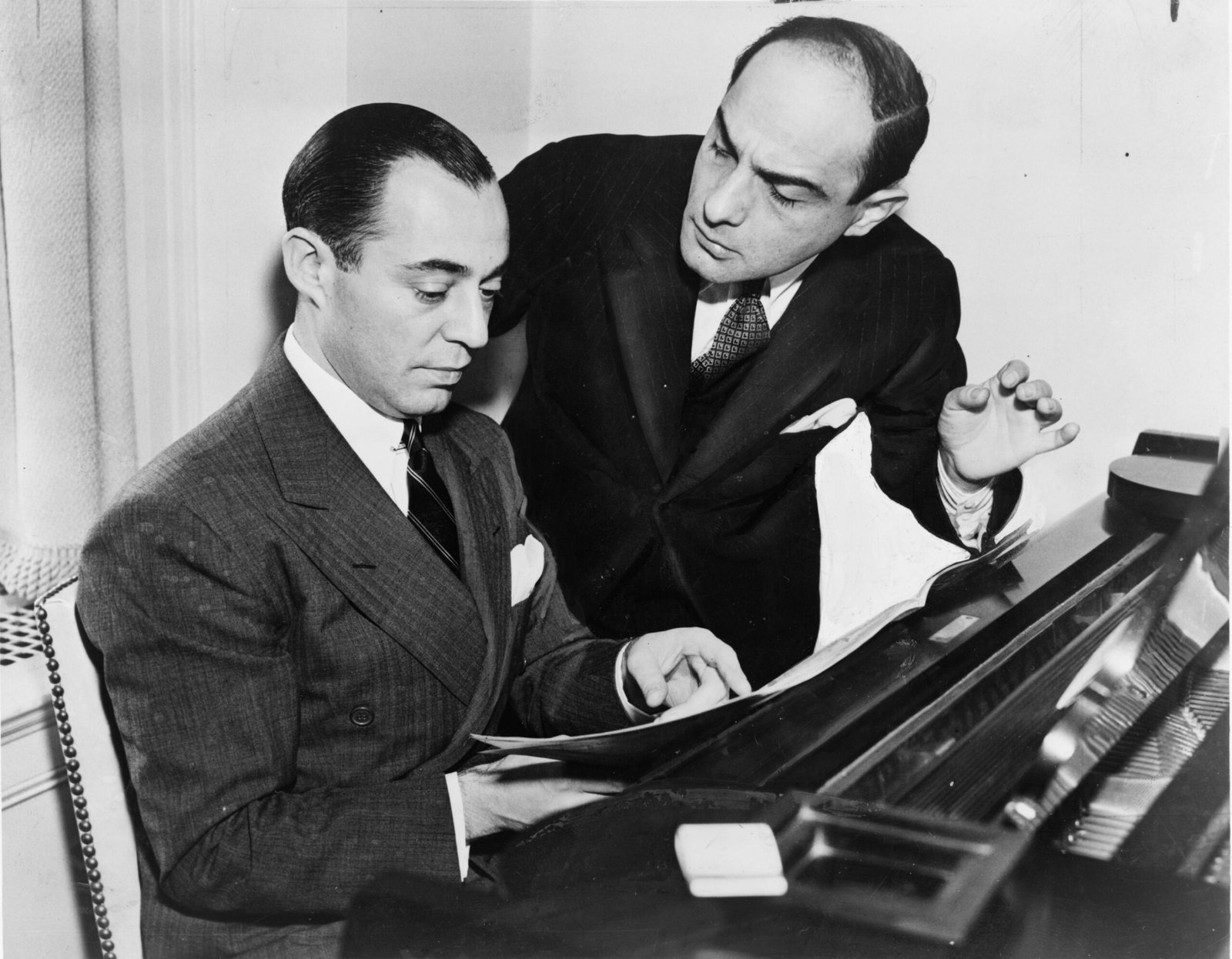
Here’s the thing about historical canonization in music – it tends to drift toward the familiar, the rockist, and the recent. Many, many musicologists place Rodgers and Hart on the shortlist of all-time great songwriters, right up there with transformative figures like Bob Dylan, Paul McCartney, and John Lennon. Yet their names barely register in mainstream musical conversations today. That’s not just an oversight. Honestly, it’s a genuine failure of cultural memory.
Rodgers and Hart wrote over 500 clever songs, most of them loaded with earworms and marked by intricate chord sequences and melodies that stretch out far longer than two measures. Their contribution to the American songbook is staggering. Think of the Broadway tradition, the Great American Song era, the foundations upon which pop music as we know it was built. These two men were laying bricks for that entire edifice.
The frustrating irony is that their songs continue to be performed, recorded, and cherished around the world. Some songs are well known but the songwriter forgotten – consider how many popular songs are well known but few know the composer. Rodgers and Hart are a perfect example of this phenomenon. Their melodies live on in concert halls and supper clubs. Their names, meanwhile, gather dust. That imbalance needs fixing.
Kenny Gamble and Leon Huff – The Philadelphia Soul Pioneers
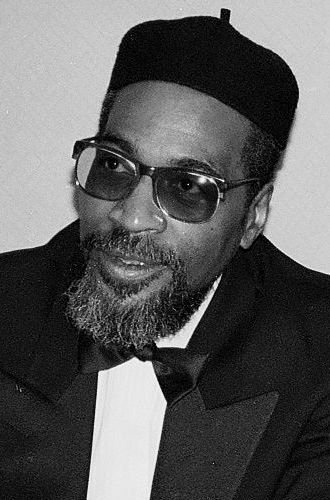
If you’ve ever felt your soul genuinely move to a piece of music, there’s a reasonable chance Kenny Gamble and Leon Huff had something to do with it. Gamble and Huff launched Philadelphia International Records in 1971, assembling a crew of musicians and engineers around them, and throughout the Seventies, they were near-permanent fixtures on the R&B charts, working with singers including the O’Jays, Lou Rawls, and Teddy Pendergrass. The Philadelphia Sound they created wasn’t just a regional style. It was a whole emotional universe.
Their genius lay in understanding that popular music could be both commercially irresistible and musically sophisticated. The lush strings, the deep pocket grooves, the soulful arrangements – none of this happened by accident. Gamble and Huff meticulously constructed a sound that felt both timeless and entirely of its moment. It’s hard to overstate how much of modern R&B flows directly from their Philadelphia laboratory.
It’s genuinely puzzling that their names haven’t become as universally recognizable as the stars they helped build. The music industry has a troubling habit of elevating performers while rendering producers and songwriters effectively invisible. Gamble and Huff are among the clearest casualties of that tendency. The good news is that the music itself, that warm, expansive, deeply human Philadelphia Soul, refuses to disappear.
Ester Dean – The Hit Machine Nobody Talks About
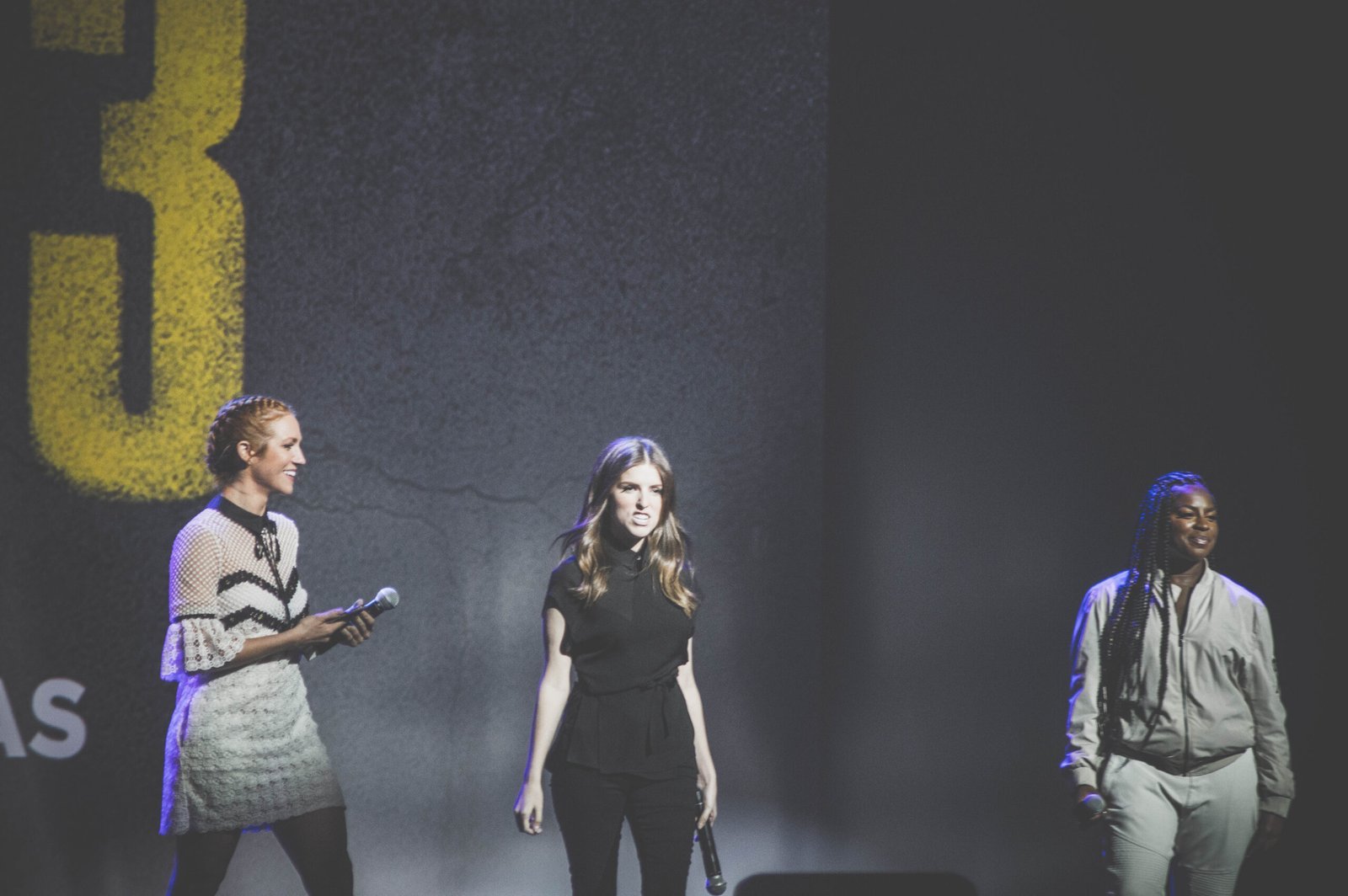
Ask the average pop music listener to name the person behind some of Rihanna’s and Katy Perry’s biggest smashes. Blank stares. That’s partly because there’s not as much amplification for Black women who are songwriters. Ester Dean is a person who has been responsible for making hits for Rihanna, Katy Perry, and Nicki Minaj. The invisible hand behind some of the most played songs of the past two decades, Dean is the kind of creative force whose influence is felt by essentially everyone but acknowledged by relatively few.
It’s a structural problem, not a talent problem. The music industry has always been better at celebrating the finished product than acknowledging the craftspeople who built it. Think of it like a beautiful handmade piece of furniture that everyone admires. Most people never think to ask who actually carved it. As a songwriter, a lot of times all this work is getting done – sometimes arranging, sometimes singing backgrounds. You hear this end product, and no one knows if this person dreamt the whole idea.
Dean’s prolific output represents a category of creative brilliance that deserves its own spotlight, not a footnote in someone else’s biography. The songs she helped create have filled stadiums, topped charts across dozens of countries, and embedded themselves into the emotional memory of an entire generation of listeners. She is, by any honest measure, a legend. The title just hasn’t caught up with the reality yet.
Dave Flemons – The Keeper of a Nearly Lost American Tradition
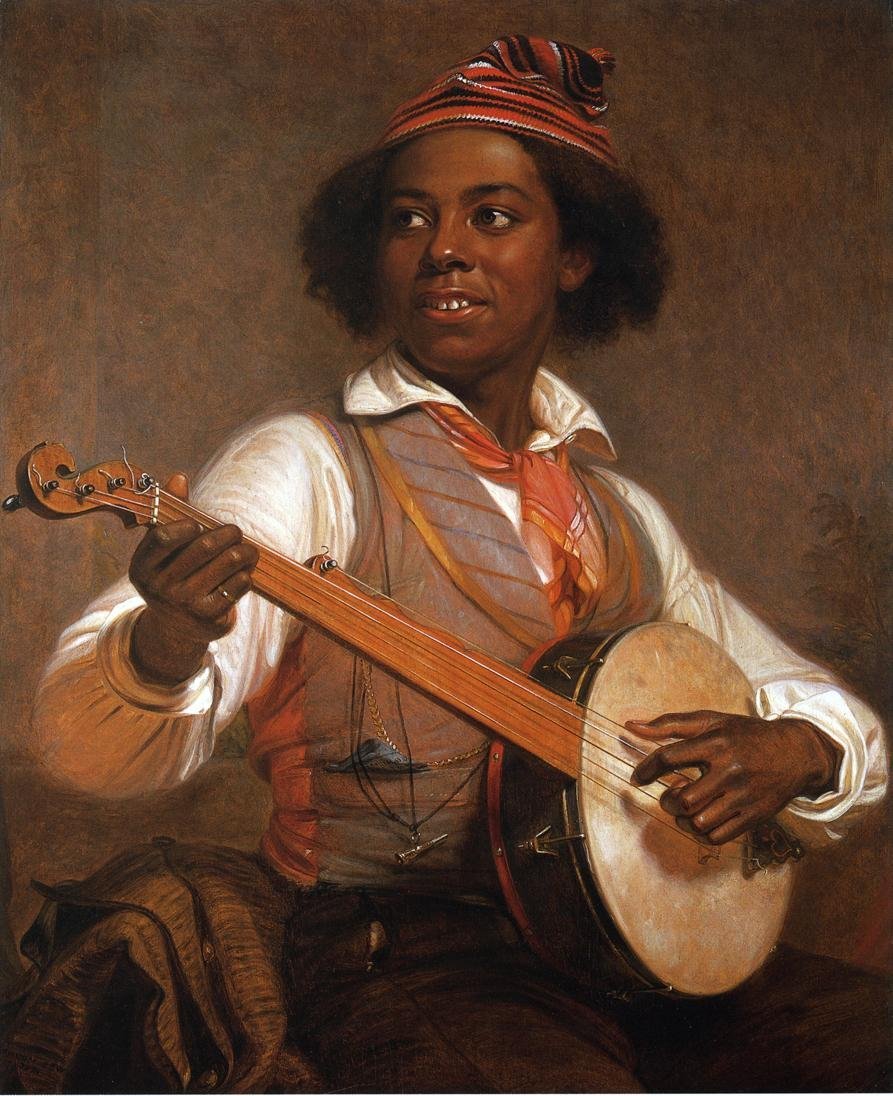
Some musical heroes don’t just create new things. They rescue old ones from permanent erasure. As co-founder of the Carolina Chocolate Drops in 2005, Flemons reminded the world of the mostly forgotten tradition of African-American string bands. Playing banjo, bones, acoustic guitar, and ceramic jug, Flemons demonstrated how those instruments fit into not only a Black musical lineage but also a modern hunger for rural music. That’s not a small thing. That’s an act of cultural preservation that reverberates far beyond any single performance.
It’s easy to underestimate what it means to keep a tradition alive. Imagine a fire that’s been burning for generations, starting to gutter and fade. Flemons walked up and added fuel, carefully and deliberately, at exactly the right moment. Without people like him, entire chapters of musical history can simply vanish within a single generation. We would lose not just the sounds but the stories they carry.
His work stands as a reminder that heroism in music isn’t always about innovation. Sometimes it’s about memory, stewardship, and a stubborn refusal to let something beautiful be forgotten. Flemons continues to perform and research musical history, making him one of those rare artists whose legacy grows more significant with every passing year.
Jack Mullin – The Engineer Who Gave Birth to the Modern Recording Studio

This one might genuinely blow your mind. Before a single note of modern music could be recorded, layered, or perfected, someone had to invent the tools to make that possible. Jack Mullin, along with Bing Crosby, gave birth to modern recording studio technology. From the 1950s forward, people started making records that were impossible to reproduce in the real world. The studio itself became a workshop, an instrument unto itself with unlimited sonic possibilities. It no longer was about faithfully capturing a performance but using the studio to create something brand new.
Every multitrack recording that has ever existed, every overdub, every echo effect, every carefully layered vocal harmony – all of it traces its lineage back to the foundational work done by engineers like Mullin. An early production unit also made its way to guitarist Les Paul, who was also a compulsive inventor. He modified the machines even further, learning how to make multi-track recordings. Because of this, entire parts could be re-recorded without having to start everything over again. Special effects like echo and reverb could be applied. The volume of each track could be controlled separately.
I think about this and feel a strange mixture of wonder and frustration. Every era of popular music, from Elvis to Beyoncé to whatever is topping the charts in 2026, stands on the shoulders of people like Mullin. Yet his name is absent from virtually every musical conversation. He didn’t write a song or perform on a stage. He did something arguably more foundational. He built the room where everything happens.
The Invisible Arrangers – The Unsung Architects of Sound
There is an entire category of musical genius that almost never receives its due: the arranger. These are the people who take a raw song and drape it in strings, add the brass that hits like a thunderclap, place the countermelody that makes a chorus soar. There are a host of studio musicians, unknown arrangers, producers, writers, and artists of every stripe and from every era who have been the unknown or underappreciated talent behind the stars and big names. They are the invisible architecture of nearly every beloved record.
Consider how different your favorite songs would sound stripped of their arrangements. It’s almost an uncomfortable thought. Take away the strings from a classic soul ballad, the horn punches from a funk record, the oceanic reverb from a great rock anthem, and suddenly you realize how much of the emotional weight was being carried by people whose names appear in tiny print at the bottom of a liner note, if they appear at all.
The recognition gap here isn’t just about credit. It shapes how future generations understand music and what it takes to create something truly extraordinary. These musicians produced incredible music that, for various reasons, didn’t reach a wide audience. Whether it was due to poor marketing, bad timing, or simply being ahead of their time, their contributions often went unnoticed. Recognizing arrangers and behind-the-scenes architects is one of the most overdue corrections in music history.
Conclusion: It’s Time to Broaden the Pantheon

Music history, as it’s commonly told, is built around stars. But stars don’t shine alone. They need the people behind the telescopes to discover them, and they need the builders who constructed those telescopes in the first place. These are men and women who never get their due, their names largely unknown to the general public, some who eschew the spotlight deliberately, others who are simply overshadowed, but still on whose shoulders the music we love has been built.
The pantheon of musical greatness should be vast, not a velvet-rope club of the famous few. It should include the session player who recorded a sax riff for £27 and changed pop music forever. It should include the songwriter who handed a Grammy-winning melody to another artist and then returned quietly to his desk. It should include the engineer who invented the room where all the magic happens.
Honestly, the stories of these hidden pioneers are often more fascinating, more human, and more moving than the stories we already know. As we revisit music history, it’s important to remember the unsung heroes who made the music so special. Their contributions continue to resonate, influencing today’s artists and shaping the sound of modern music. Next time a song moves you, follow the thread. See where it really leads. You might just discover a legend nobody told you about. Which unsung hero of music deserves more recognition in your view? Let us know in the comments.

Besides founding Festivaltopia, Luca is the co founder of trib, an art and fashion collectiv you find on several regional events and online. Also he is part of the management board at HORiZONTE, a group travel provider in Germany.
