

- 8 Gardening Hacks That Will Make Your Roses Bloom Like Never Before - August 11, 2026
- 8 Incredible Beaches Around the World You Won’t Believe Are Real - August 11, 2026
- 10 Classical Music Masterpieces That Will Transport You Through Time - August 11, 2026
History class never quite prepares you for the real thing. Most of us grow up thinking the past was a slow, predictable march of kings, battles, and discoveries. Steady. Logical. Explainable. Then you stumble across a story about an army losing a war to birds, or a city paralyzed by unstoppable dancing, and the whole tidy version just falls apart.
The truth is, reality has always had a flair for the dramatic. Sometimes absurd, sometimes terrifying, sometimes both at the same time. These are the stories that get left out of textbooks, and honestly, that’s a shame. Be prepared to have everything you thought you knew about history seriously challenged.
The Great Emu War: Australia vs. Birds (1932)

Let’s be real, if someone pitched this as a movie script, they’d be laughed out of every studio in Hollywood. During the Great Depression, farmers in Western Australia were encouraged to grow wheat. Unfortunately, this attracted migrating emus. The large, flightless birds devastated the crops and became a regular nuisance.
The Australian army was sent on a mission to gun down the emus with machine guns, but the birds turned out to be surprisingly difficult targets. The military effectively “lost” the war against the emus. The birds scattered, regrouped, and essentially outsmarted a professional armed force. Think about that for a moment.
The consequences were both embarrassing and practically significant. Farmers continued to struggle without meaningful relief, and the episode became a cautionary tale about the limits of brute military force. I think history rarely dishes out humility quite so entertainingly as it did here.
The Dancing Plague of Strasbourg (1518)
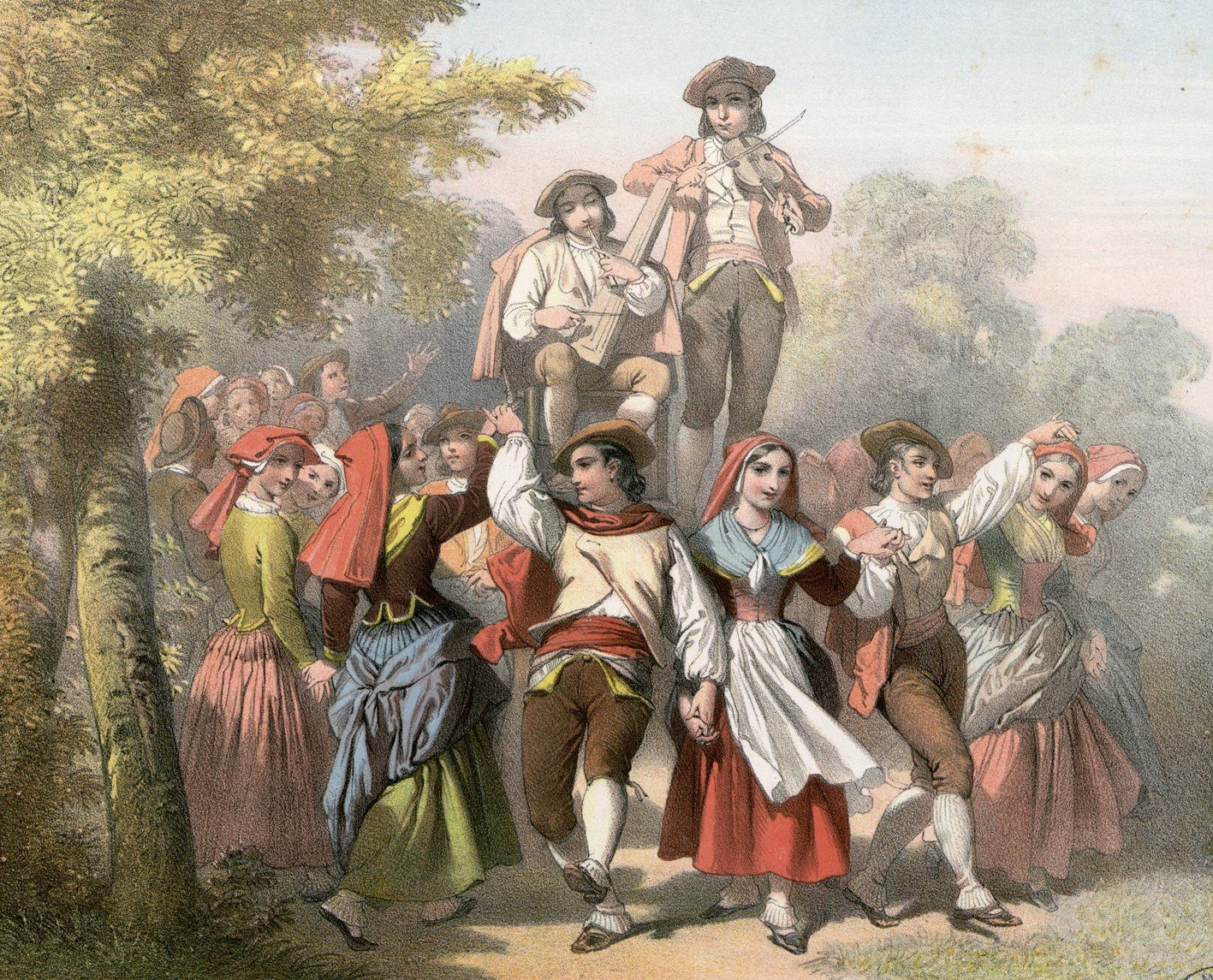
In July 1518, a woman in Strasbourg named Frau Troffea began dancing uncontrollably, continuing for days despite exhaustion and bloody feet. What started as one woman’s bizarre compulsion soon spread through the city like wildfire. Within weeks, approximately 400 people had joined her in relentless, joyless dancing that persisted for about two months.
The epidemic proved deadly, with reports suggesting up to 15 deaths daily at its peak and around 100 total fatalities from heart attacks, strokes, and exhaustion. People demanded answers, but city officials seemed just as confused as everyone else. Initially, the council concluded that the dancing stemmed from “overheated blood” in the brain and actually encouraged more dancing, providing guild halls and musicians.
Historian John Waller argues that the event was an instance of mass hysteria triggered by extreme stress from poverty, disease, and starvation in Strasbourg at the time. He believes the region’s strong belief in St. Vitus, a saint said to curse sinners with dancing mania, created an “environment of belief” that enabled the collective psychosis. It’s a haunting reminder of how deeply superstition and suffering can intertwine.
The Great Molasses Flood of Boston (1919)
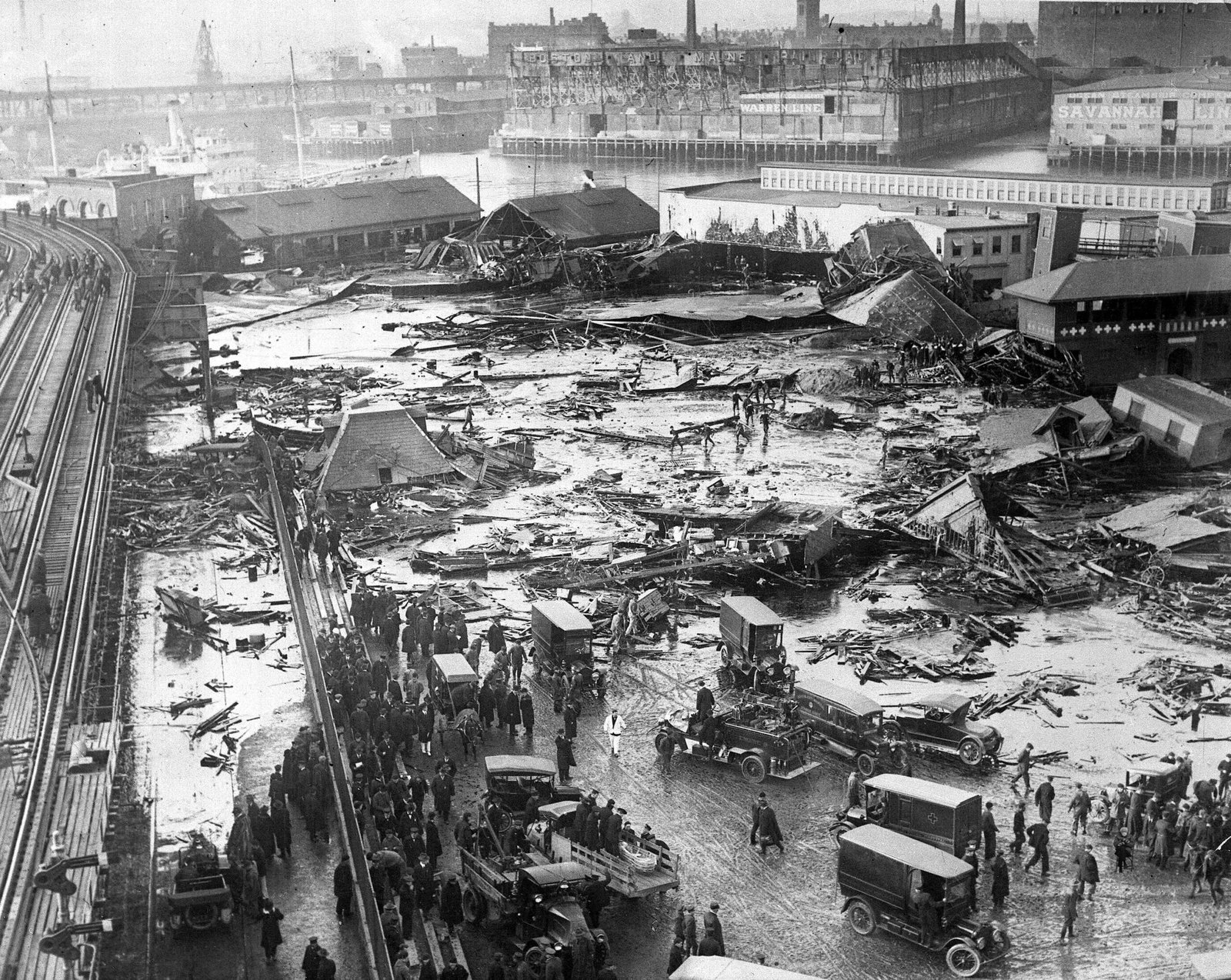
Honestly, if you told a stranger that a wave of syrup once killed people in a major American city, they’d probably think you were joking. In 1919, the North End of Boston experienced a bizarre and deadly catastrophe known as the Great Molasses Flood. A massive storage tank filled with over 2 million gallons of molasses burst, unleashing a wave of sticky syrup that flowed through the streets at 35 miles per hour. The disaster killed 21 people, injured 150, and caused significant property damage, leaving a lasting impact on the city.
The Great Molasses Flood highlights the unexpected and often overlooked dangers of industrial accidents. The sheer volume and speed of the molasses created a deadly force that was impossible to outrun. This tragic event underscores the importance of proper maintenance and safety standards in industrial operations.
The flood led to one of the first major successful lawsuits against a large corporation in American history, setting a landmark precedent for corporate accountability. Witnesses reportedly claimed the city smelled of molasses for years afterwards. Some say it still does on a hot summer day. Truth, as they say, is far stranger than fiction.
The 1904 Olympic Marathon: Sports History’s Most Chaotic Race
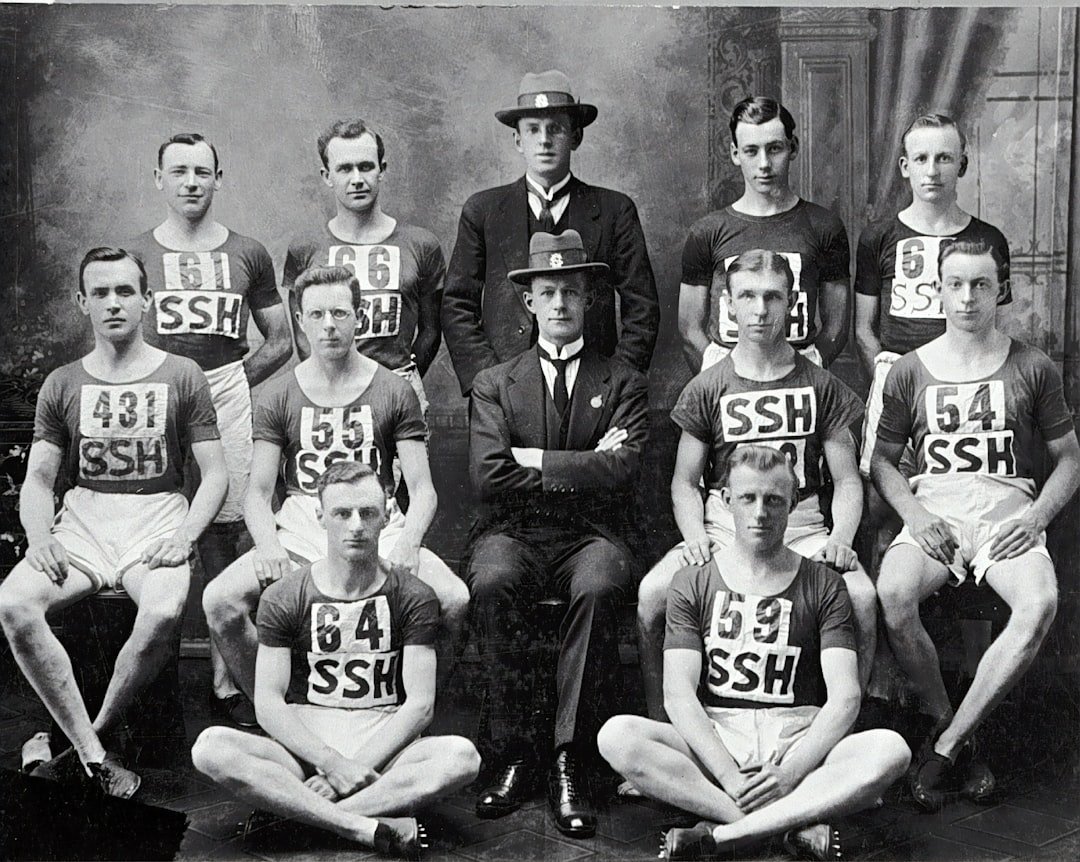
The 1904 Olympic Marathon in St. Louis is infamous for being one of the most disorganized and bizarre races in Olympic history. The marathon course featured only one water station, creating severe dehydration risks for the runners. The winner, Fred Lorz, was disqualified after it was discovered that he had ridden part of the course in a car. The eventual winner, Thomas Hicks, completed the race with the help of strychnine and brandy, substances used by his trainers to keep him going despite the dangerous conditions.
The chaos of the 1904 marathon didn’t stop there. Many runners resorted to stealing food from spectators and even taking naps along the course to endure the sweltering heat and dusty roads. This race has become a legendary example of early Olympic mismanagement, highlighting the growing pains of organizing such a massive international event.
It reads like a sketch comedy, not a proud chapter of athletic history. The fact that this race is considered part of the Olympic legacy at all is a testament to the forgiving nature of institutional memory. Sometimes history just shrugs its shoulders and moves on.
Napoleon Bonaparte Chased by Rabbits (1807)

Napoleon conquered most of Europe, reshaped entire nations, and terrified world leaders for decades. So it’s a particular kind of poetic justice that one of his most memorable defeats involved not armies, not weather, not geography, but rabbits. In 1807, Napoleon Bonaparte organized a rabbit hunt for his men in France. In an act of delicious irony, the thousands of rabbits swarmed and chased the emperor and his men.
The reason for the chaos was a logistical blunder. Instead of releasing wild rabbits used to foraging for food, Napoleon’s staff had gathered tame, domesticated rabbits. When released, the domesticated animals didn’t scatter in fear. They charged toward the humans, associating them with food. Hundreds, possibly thousands, of rabbits swarmed Napoleon’s entire entourage.
The scene of one of history’s greatest military minds fleeing in a carriage from a flood of rabbits is almost too rich to process. It was embarrassing enough that contemporary accounts buried the story for years. The consequences were minimal for France, of course, but the episode is a brilliant reminder that even the mightiest figures in history are not immune to the universe’s sense of humor.
The Tanganyika Laughter Epidemic (1962)

This one genuinely sounds like the setup to a supernatural thriller. In 1962, the village of Kashasha in Tanganyika, now Tanzania, experienced a bizarre phenomenon known as the Tanganyika Laughter Epidemic. It began with a few students at a mission-run boarding school who started laughing uncontrollably. This laughter quickly spread, affecting over 1,000 people in the surrounding communities. The outbreak was so disruptive that schools had to close for months, and the epidemic remains one of the most unusual cases of mass hysteria.
The Tanganyika Laughter Epidemic highlights the power of psychological phenomena and the impact of social and environmental factors on mental health. It demonstrates how emotions and behaviors can spread rapidly within a community under certain conditions. The laughter was accompanied by crying, fainting, and physical pain, so it was far from joyful.
Scientists and psychologists still debate the precise mechanisms behind this event. The most widely accepted explanation involves mass psychogenic illness, a phenomenon where anxiety and stress manifest physically across a group. It’s a deeply unsettling reminder that the human mind can generate epidemic-level symptoms from nothing more than collective fear.
The Pig War: A Conflict Started Over Breakfast (1859)

Here’s the thing, most wars are started over land, power, or ideology. This one was started over a pig eating potatoes. It all began with the 1846 Oregon Treaty, which was supposed to give one nation control over the San Juan Islands for both military strategy and resource opportunity. However, ambiguous wording gave both the U.S. and UK ownership over them, leading to heated conflict. This tension erupted when a pig from the British Hudson Bay Farm was shot by Lyman Cutlar, an American settler, igniting the great Pig War.
The strangest thing about this conflict was that there weren’t any casualties or any open conflict. For the next 12 years, it was mostly a peaceful standoff that culminated with international arbitration deciding to give the United States full control of the islands in 1872. Though the war was mostly a strange occurrence, it went down in history as an example of small events triggering large disputes.
There’s a surprisingly important lesson buried in the ridiculousness. Ambiguous language in international treaties can have enormous consequences. The lesson was noted. The pig, unfortunately, did not survive to see the resolution.
The Erfurt Latrine Disaster: A Meeting That Ended in Catastrophe (1184)
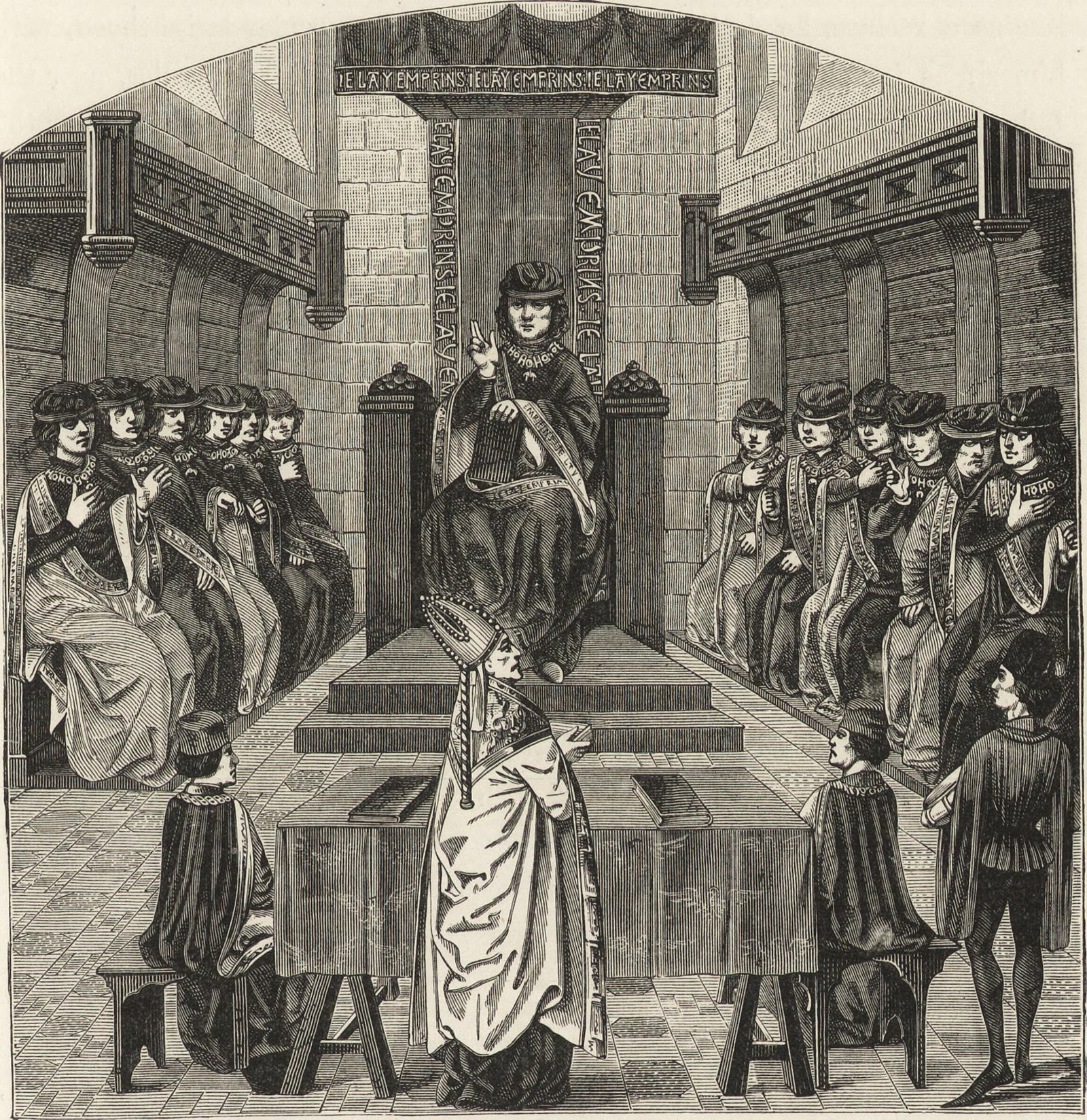
Medieval history has no shortage of gruesome events, but few are quite as darkly absurd as what happened in Erfurt, Germany in 1184. A grand royal assembly turned into a nightmarish tragedy when the weight of the gathered nobles caused the wooden floor to collapse. This catastrophic failure sent dozens of high-ranking officials plummeting into a latrine cesspit below. Around 60 nobles met a gruesome fate, drowning in liquid excrement.
The political fallout was significant. An assembly meant to resolve conflicts and consolidate power instead resulted in the sudden, undignified death of scores of noblemen. The disaster not only highlighted the perilous state of medieval architecture but also led to significant political upheaval due to the sudden loss of so many influential figures.
It’s hard to say for sure how differently European political history might have unfolded had those nobles survived. What we do know is that this event stands as perhaps the most grimly comic illustration of how quickly power can literally collapse beneath you. No metaphor needed.
Operation Paul Bunyan: A Tree-Cutting Mission That Nearly Sparked Nuclear War (1976)
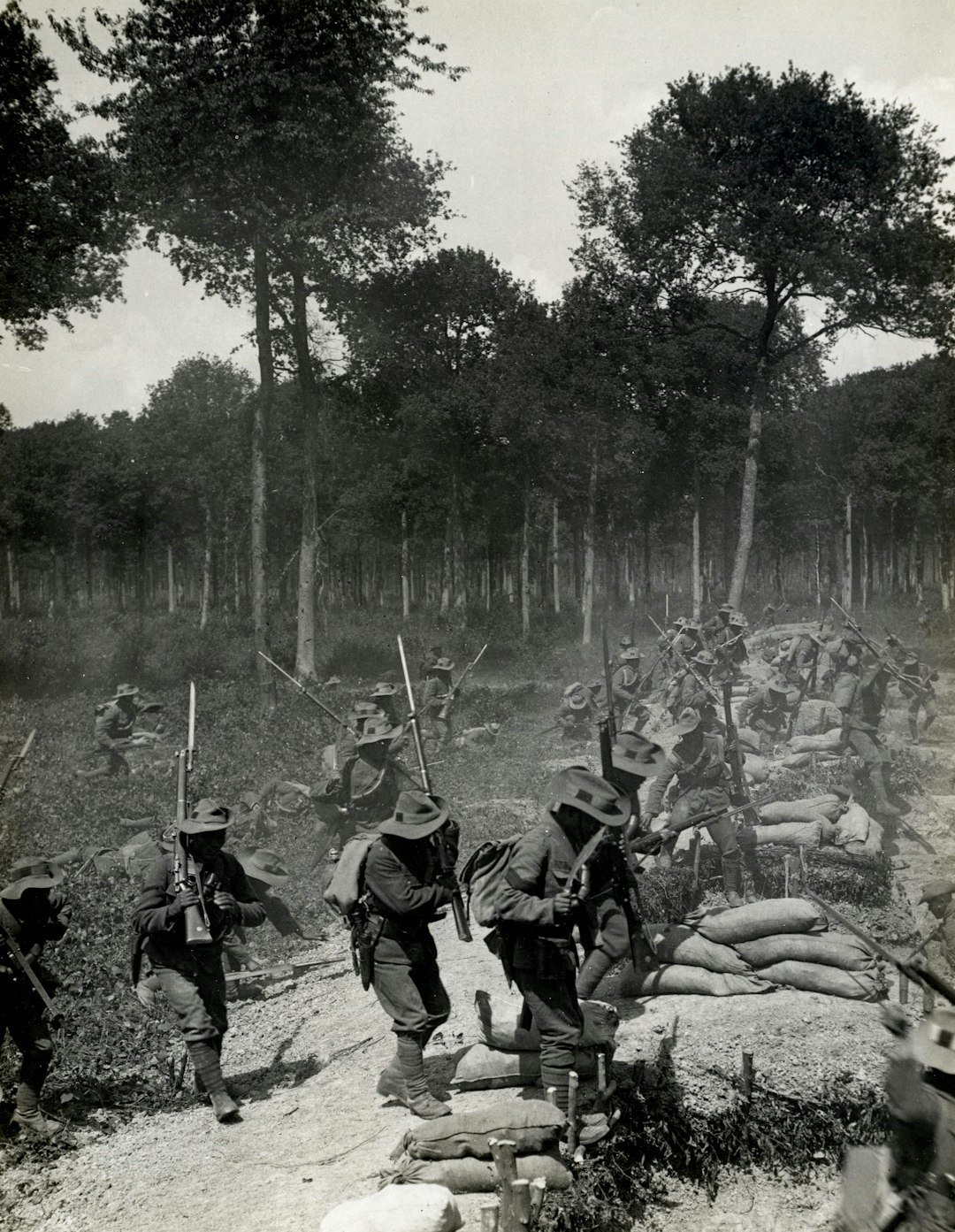
The Cold War produced many tense standoffs, but few escalated from something as mundane as a landscaping dispute. In 1976, the Korean Demilitarized Zone was the center stage for what almost led to full-scale nuclear warfare between the two nations. A poplar tree was obstructing sight lines between checkpoints for the United Nations Command. This prompted them to send personnel to chop the tree down. North Korean forces attacked and killed Captain Arthur Bonifas and First Lieutenant Mark Barrett, prompting Operation Paul Bunyan.
The U.S. response was overwhelming. Operation Paul Bunyan deployed a massive joint military force, including Special Forces soldiers, combat engineers, and air support, to cut down the tree this time, under armed protection. North Korea, facing an extraordinary show of force, ultimately backed down.
The tree was cut. The crisis was resolved. The whole episode underlines just how precarious global stability can be when even the smallest territorial flashpoints are surrounded by nuclear-armed powers and hair-trigger tensions. A tree nearly ended the world. Let that sink in.
The Great Stink of London (1858)
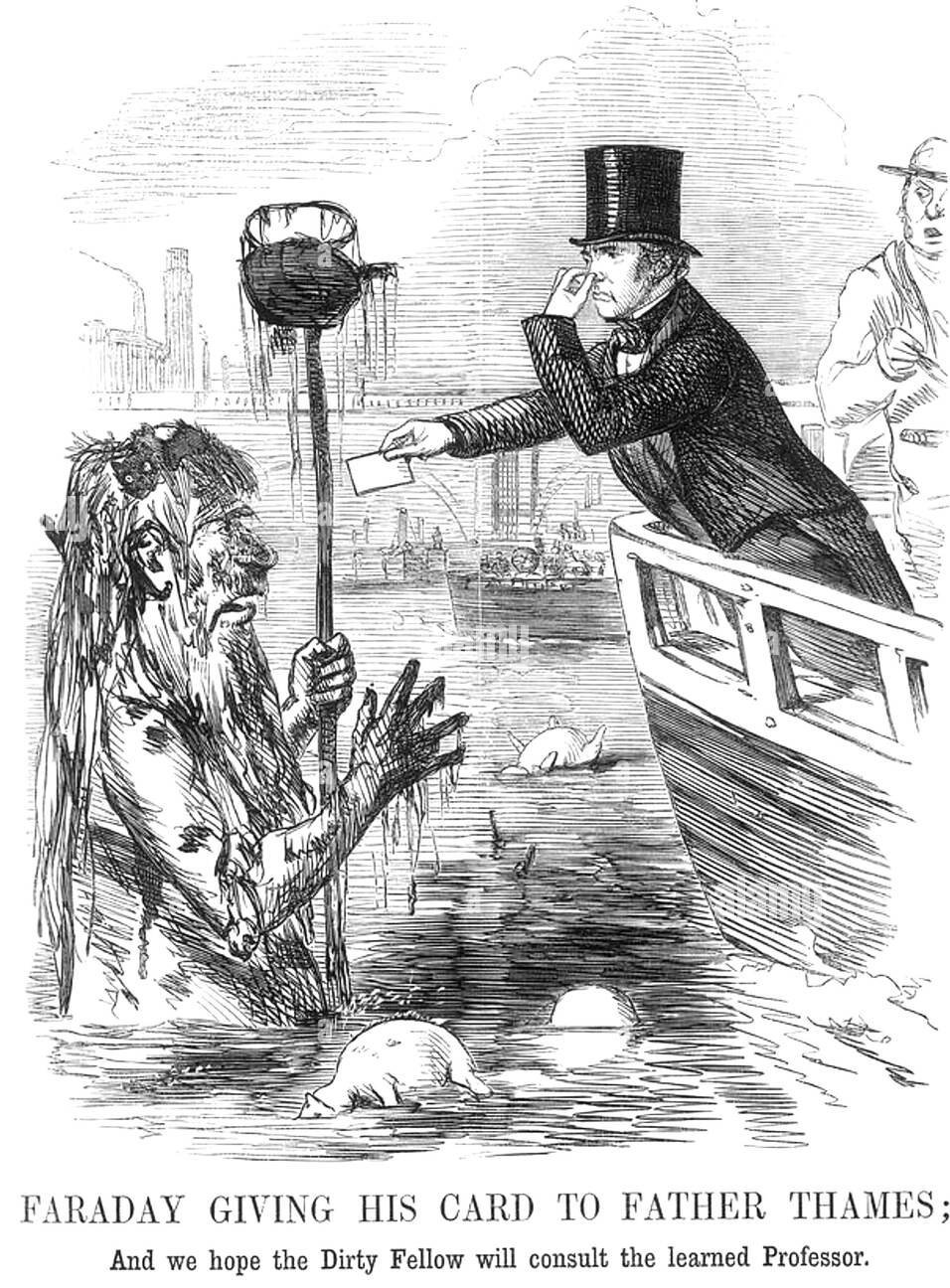
Sometimes history changes not because of wars, elections, or revolutions, but because of smell. In the summer of 1858, the River Thames in London became so polluted with sewage that the overwhelming stench forced the government to take immediate action. This event, known as the Great Stink, was a public health crisis that led to the rapid development of a modern sewer system. The intervention of engineer Joseph Bazalgette resulted in significant improvements in sanitation and helped prevent future outbreaks of cholera and other diseases.
For years before 1858, politicians had debated sanitation reform without reaching any real conclusion. Yet within weeks of the Great Stink, Parliament fast-tracked funding for Bazalgette’s sewer network. The reason was brutally simple: the stench had invaded the Houses of Parliament themselves, and the lawmakers could no longer ignore what the poor had been suffering for decades.
It’s one of history’s great ironies that the powerful only acted when they personally experienced the consequences of ignoring the vulnerable. The Great Stink essentially built modern London’s infrastructure. Sometimes progress needs a really, really bad smell to get started.
The Kentucky Meat Shower (1876)
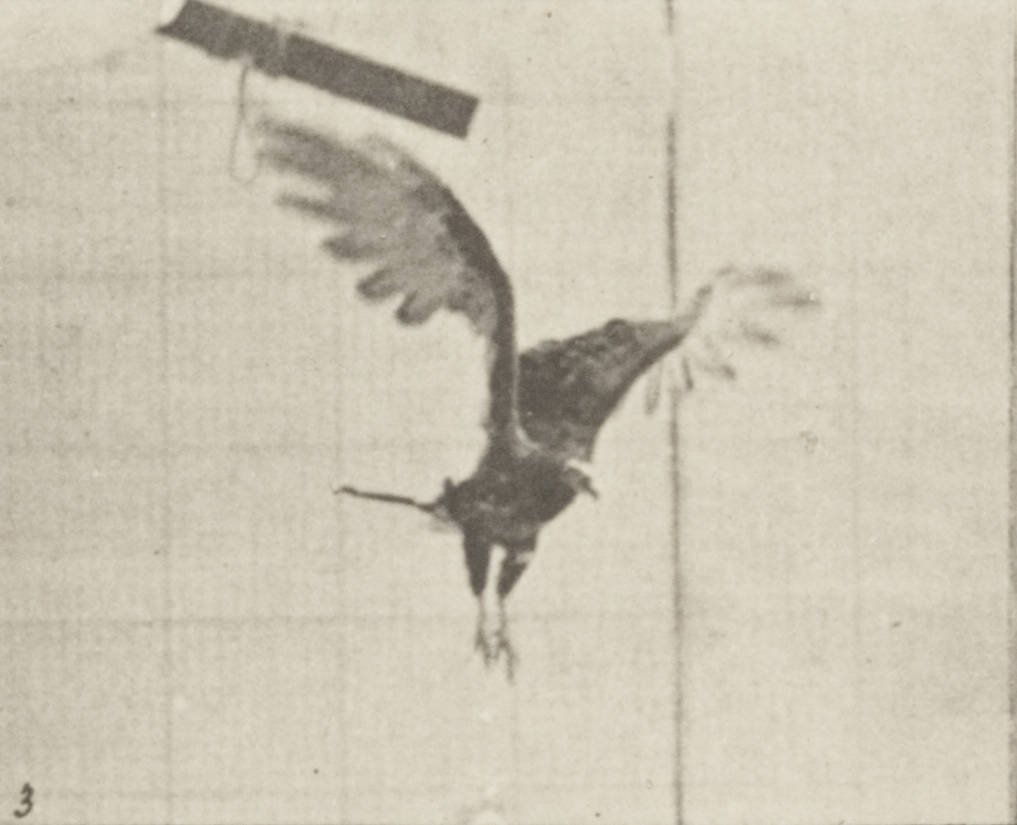
No, that headline is not a mistake. On March 3, 1876, in Olympia Springs of Bath County, Kentucky, an apocalyptic amount of meat chunks of various sizes fell from the sky, covering a large 100-by-50-yard area. Chunks of flesh, reportedly identified as muscle, cartilage, lung, kidney, and even brain tissue, rained down on a completely ordinary afternoon.
There is no single accepted hypothesis for why this happened, but the most plausible one is that the meat chunks were vomited by a large flock of vultures flying above. It fits both the dispersion of the meat and the typical behavior of vultures, which is to vomit food when they feel threatened.
The event was documented by scientists of the time, including reports in Scientific American, so this is not folklore. It genuinely happened. While the vulture theory is widely accepted today, the event remains unconfirmed, and as a piece of history, it belongs in a category entirely its own. Truth really does not need a co-writer.
The Death of Aeschylus: Killed by a Falling Tortoise
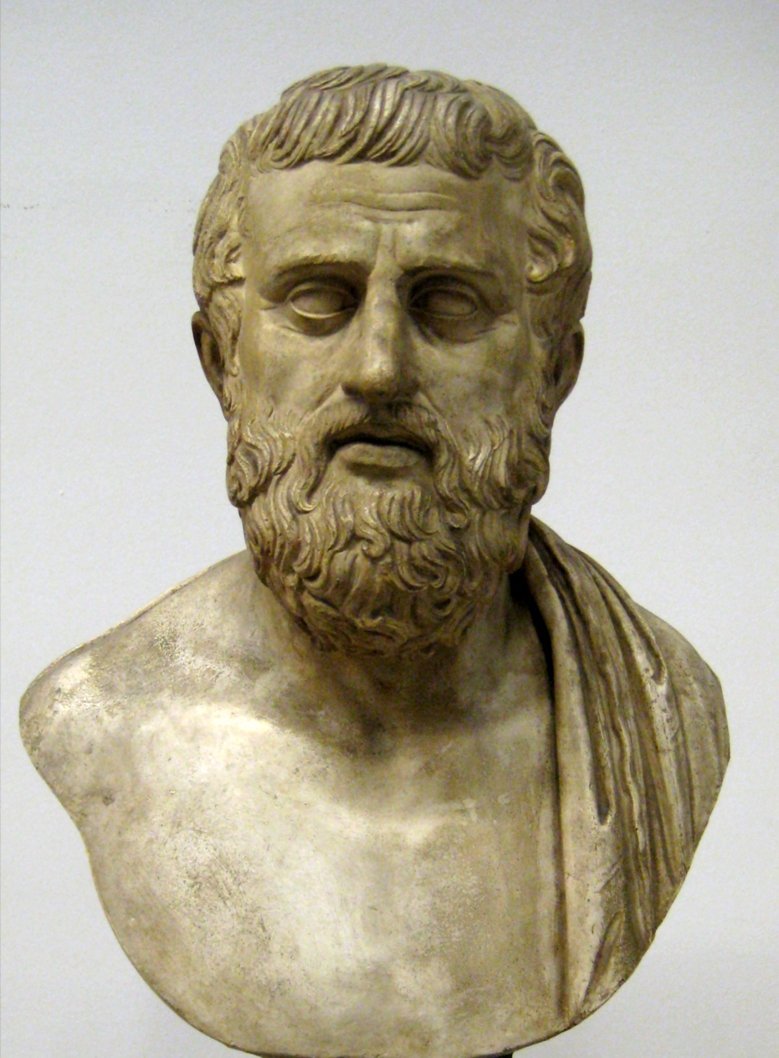
Ancient Greece gave the world philosophy, democracy, and theater. It also, apparently, gave us one of the strangest deaths ever recorded. An eagle dropped a tortoise on the head of Aeschylus. The bird mistook his bald head for a rock and tried to crack the reptile’s shell open by dropping it on him. Aeschylus, widely regarded as the father of tragedy, died in one of history’s most absurdly ironic ways.
The story, recorded by ancient writers including Valerius Maximus and Pliny the Elder, has been debated by historians for centuries. Whether entirely accurate or embellished over time, it persists as one of antiquity’s most enduring anecdotes. The man who invented dramatic irony met his end in a moment that could have been scripted by the gods themselves.
What makes this story so memorable is the sheer cosmic joke of it. A playwright who built his career on exploring fate and destiny apparently could not escape his own. There is something almost poetic, if profoundly dark, about that.
Three Popes in One Year (1978)
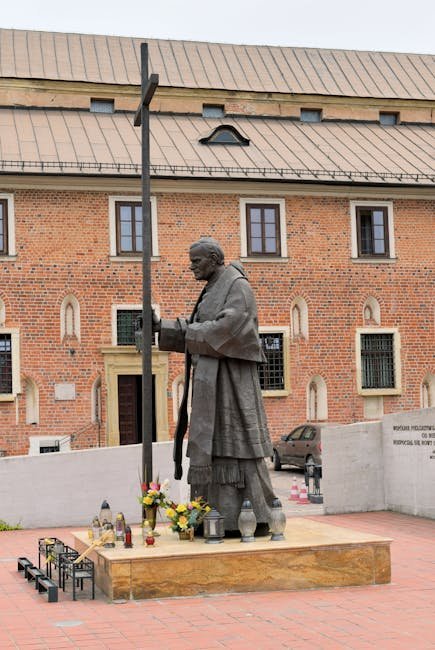
The Catholic Church has seen power struggles, schisms, and centuries of political intrigue. Still, 1978 stands out as one of its most unusual years in modern memory. Pope Paul VI died on August 6, 1978, leading to the election of the new pope, Cardinal Albino Luciani, on August 26 of that same year. He passed away on September 28, 1978. With two passings almost back to back, the Catholic Church needed a replacement fast. On October 16, 1978, John Paul II was elected the new pope.
He was also the first non-Italian pope elected in over 455 years. This event hasn’t happened again and might not ever, but it’s certainly one for the books. Pope John Paul I’s papacy of just 33 days remains one of the shortest in Church history.
The sudden death of John Paul I sparked considerable speculation at the time, and conspiracy theories surrounding his passing have lingered for decades. Whether or not there was anything suspicious, the year 1978 reshaped the direction of the Catholic Church profoundly. John Paul II went on to become one of the most historically significant popes of the modern era, serving for nearly 27 years.
Conclusion: History Has No Script

The events above share one thing in common: none of them were supposed to happen. They defied logic, expectations, and in some cases, the basic laws of decency and common sense. History is a treasure trove of the unexpected, filled with tales that challenge our understanding of the past. Sometimes the truth is so bizarre it seems stranger than fiction, blending the incredible with the factual.
What these stories ultimately reveal is that history is not a straight road. It’s a wild, lurching, frequently absurd journey driven by human folly, natural chaos, and pure accident in equal measure. We can study patterns, analyze causes, and build grand theories. The past will still find a way to surprise us.
Perhaps the most humbling takeaway is this: if the people living through these events had been told what was about to happen, not one of them would have believed it. Which raises a fascinating question worth sitting with: what event happening right now, in 2026, will future generations read about and refuse to believe was real? What do you think? Share your thoughts in the comments.

Besides founding Festivaltopia, Luca is the co founder of trib, an art and fashion collectiv you find on several regional events and online. Also he is part of the management board at HORiZONTE, a group travel provider in Germany.
