

For any feedback please reach out to info@festivalinside.com
- 10 Iconic Movie Soundtracks That Defined an Era and Are Still Essential Listening - August 17, 2026
- 12 Unexpected Connections Between Ancient History and Modern Pop Culture Phenomena - August 17, 2026
- 10 Iconic Fashion Trends From the 70s and 80s Making a Dramatic Return This Season. - August 17, 2026
Classic rock anthems blast from radios and stadiums, fueling road trips and late-night jams. Yet behind those epic riffs and soaring vocals lie stories ripped from nightmares. Personal losses, fiery disasters, brutal injustices, and campus bloodshed shaped these tracks in ways that hit harder than any power chord.
Political storms and freak accidents poured fuel on the creativity. Songwriters turned chaos into catharsis, embedding real-world grit into lyrics that still resonate decades later. Ready to hear the raw truths? Let’s dive into the 12 shocks that birthed these timeless hits.[1][2]
“Smoke on the Water” by Deep Purple
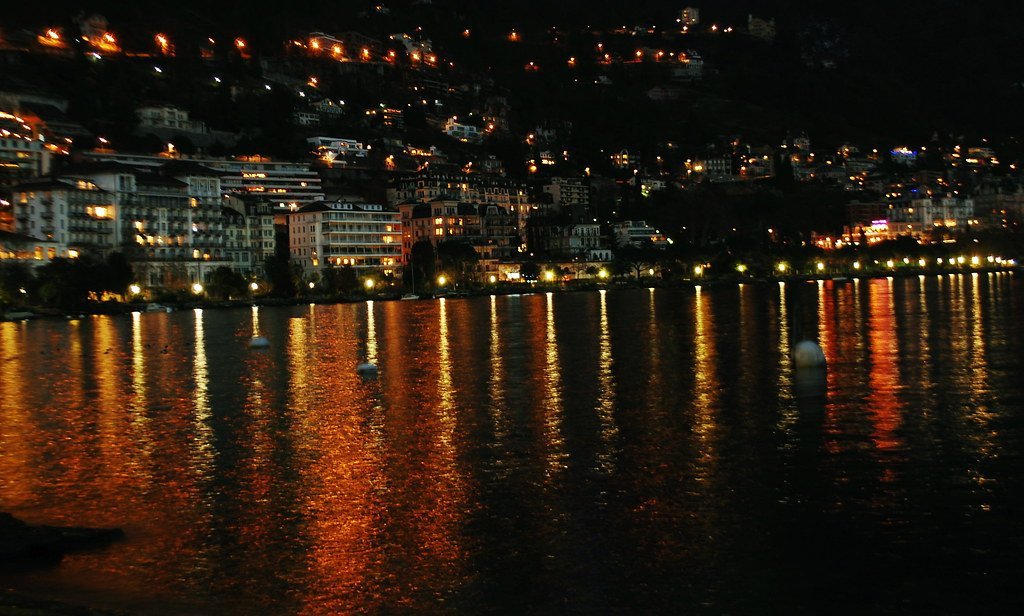
Deep Purple arrived in Montreux, Switzerland, in 1971 to record their next album at the historic casino. Fate twisted when a fan fired a flare gun during Frank Zappa’s concert, igniting the wooden roof. Flames devoured the building as the band watched smoke billow over Lake Geneva from their hotel balcony.[2][3]
No one died, but the inferno destroyed gear and forced a venue scramble. The riff-born anthem chronicles the madness, with lines like “some stupid with a flare gun burned the place to the ground” capturing the absurdity. Fans embraced it as a gritty survivor tale, propelling it to staple status and cementing Deep Purple’s legend.[4]
“American Pie” by Don McLean
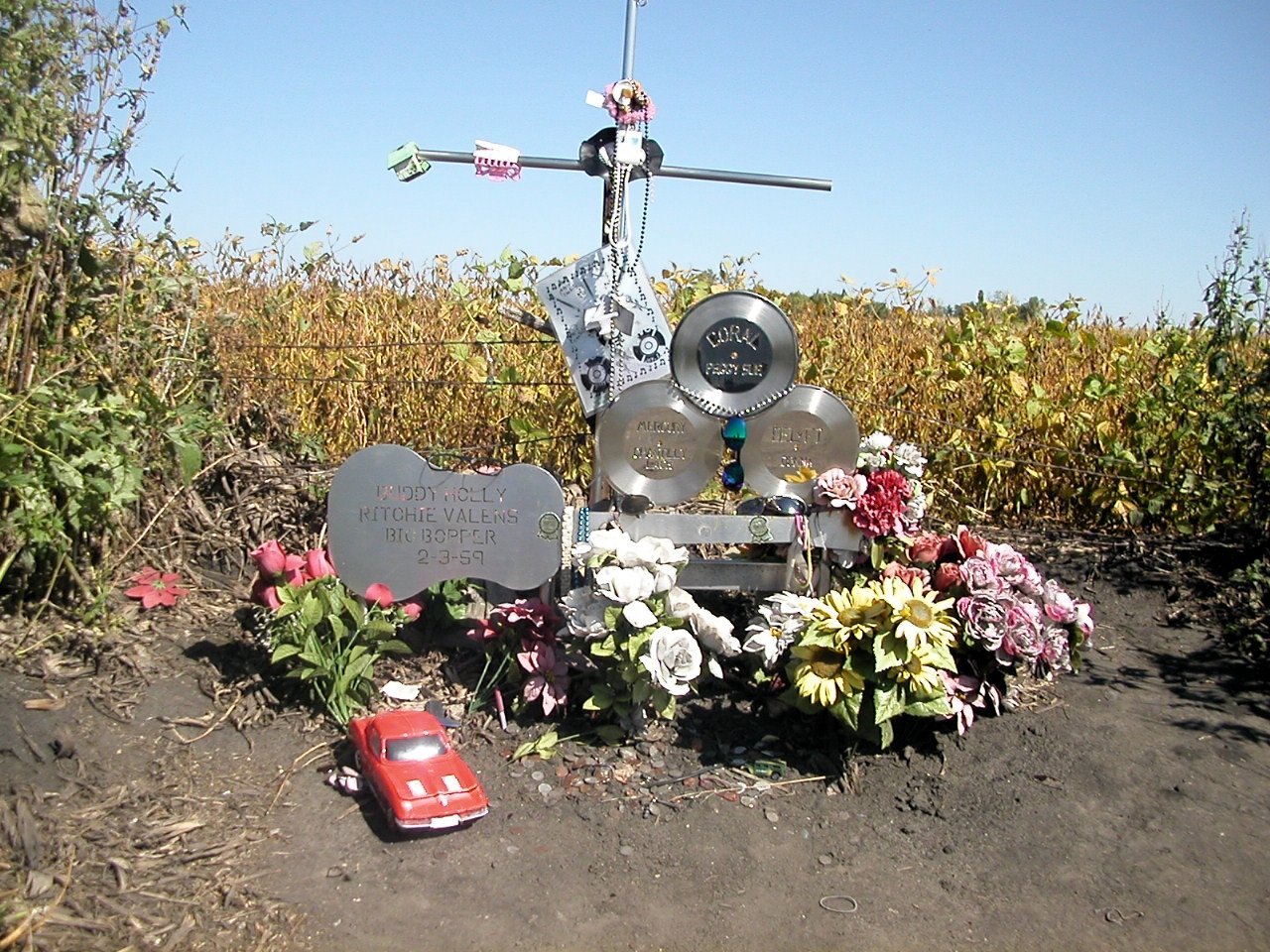
A fateful plane crash on February 3, 1959, claimed Buddy Holly, Ritchie Valens, and The Big Bopper. Young Don McLean delivered papers that morning, the headline shattering his world. That “day the music died” lingered, blending with his lonely youth and family grief into an eight-minute epic.[1]
Lyrics weave the crash with cultural upheavals, from JFK’s death to Vietnam’s shadow. McLean dodged direct explanations, letting mystery fuel endless debates. The song exploded as a nostalgic powerhouse, topping charts and defining loss in rock history. Honestly, it feels even heavier knowing the personal anchor.[2]
“Hurricane” by Bob Dylan
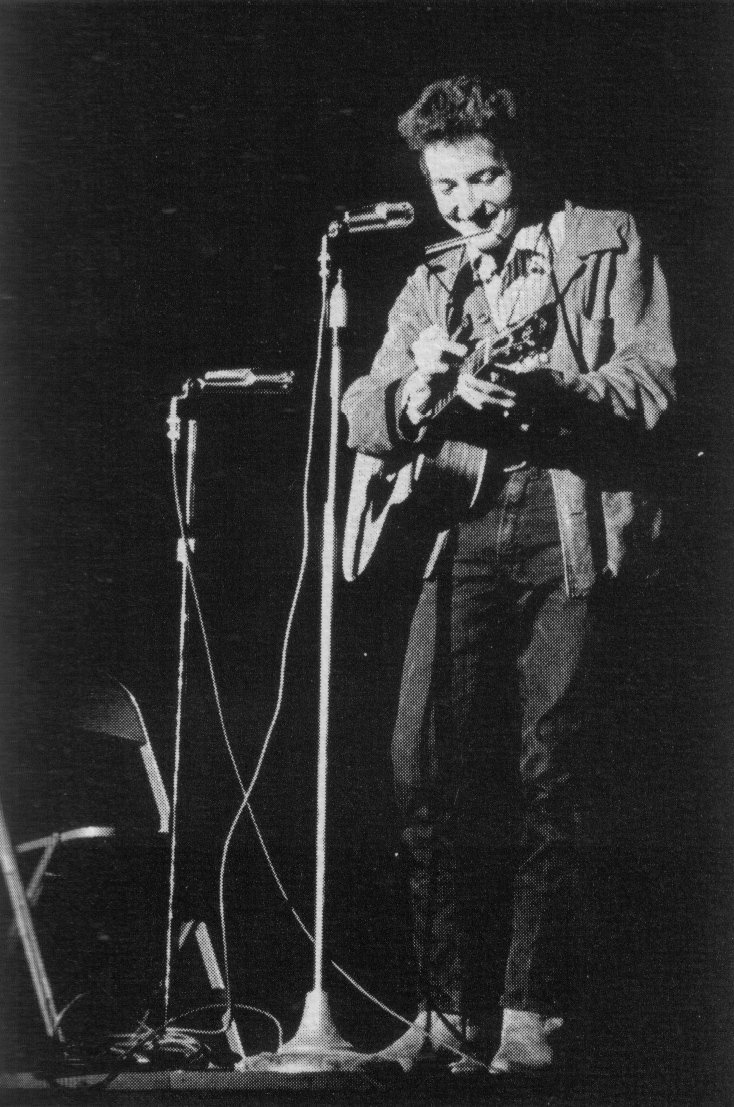
Boxer Rubin “Hurricane” Carter faced a nightmare in 1966 New Jersey. Authorities pinned a triple murder on him amid racial bias, landing the champ nearly two decades behind bars. Evidence crumbled later, freeing him in 1988 after a fight exposing the sham trial.[1]
Dylan channeled fury into this protest roar, painting the “pig-circus” injustice verse by verse. It rallied support for Carter, boosting awareness and his exoneration push. Reception soared as a civil rights battle cry, proving rock could swing for justice. The raw anger still punches through every listen.[4]
“Ohio” by Crosby, Stills, Nash & Young
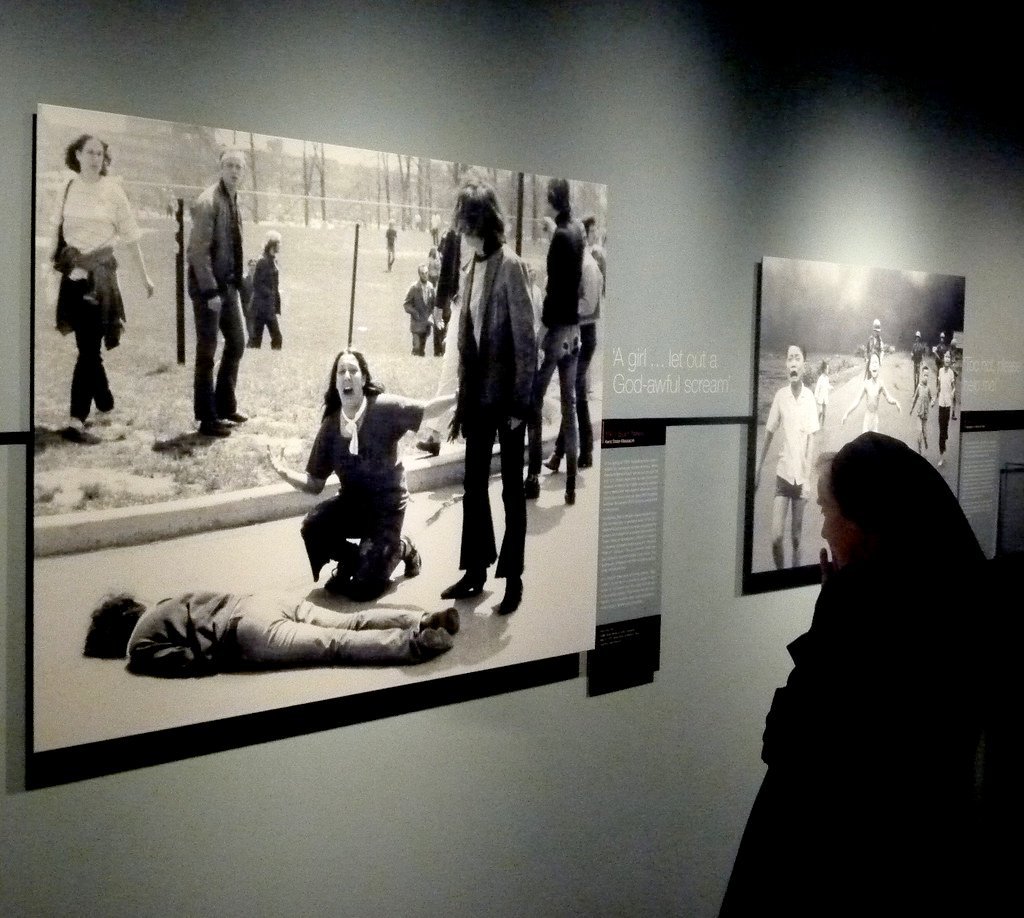
May 4, 1970, at Kent State University, National Guardsmen opened fire on anti-war protesters. Four students lay dead, nine wounded, igniting national outrage. Stephen Stills penned the track in days, fueled by a gut-wrenching news photo.[2]
“Four dead in Ohio” hits like a gunshot, condemning the violence outright. Released as a single over their hit, it shifted focus to urgency. The anthem fueled protests, etching the tragedy into collective memory and amplifying rock’s political bite. Chilling how fast art weaponized grief.
“Baba O’Riley” by The Who
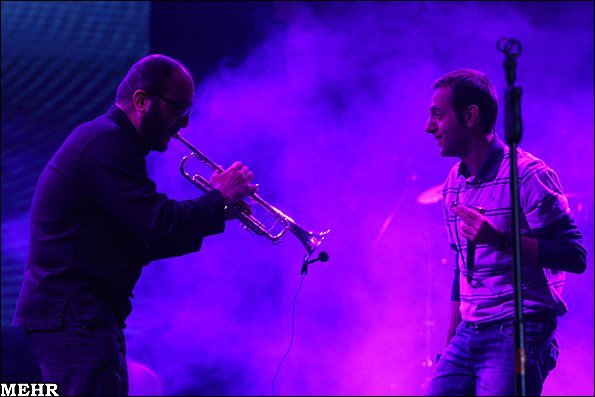
Pete Townshend drew from guru Meher Baba and a theremin whiz for the title. Deeper shock stemmed from Woodstock’s 1969 wreckage, where acid-fried teens trashed fields and suffered brain damage. Desolation hit hard amid the festival myth.[1]
“Teenage wasteland” laments lost youth, ironic cheers masking the lament. The synth-driven opener became a concert war cry, boosting Who’s arena dominance. It layered spiritual quest with gritty reality, deepening fan connection. I know it sounds wild, but that edge elevates it.
“Riders on the Storm” by The Doors
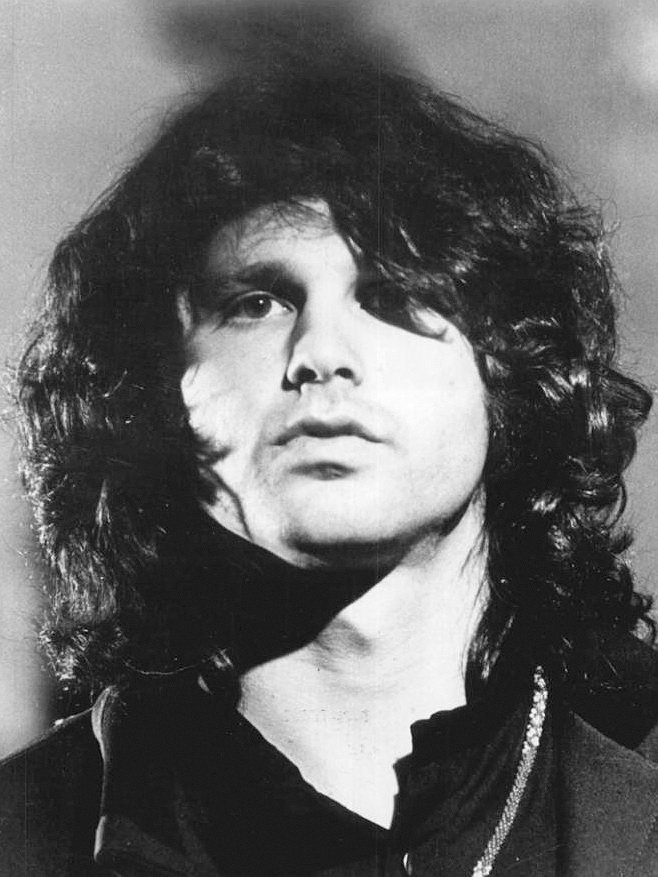
photo front
photo back, Public domain)
Serial killer Billy Cook terrorized in 1950-51, slaughtering six including a family hitchhiking. Jim Morrison soaked up the tale, blending it with stormy LA vibes. The eerie track drips menace from those real bloodstains.[2][3]
Lyrics prowl like a predator, thunder underscoring the killer’s crawl. Morrison’s final vocal take haunts, mirroring his own end. Fans hail it as Doors’ masterpiece, its film-noir dread ensuring endless replays. Talk about life imitating art’s darkest turn.
“When the Levee Breaks” by Led Zeppelin
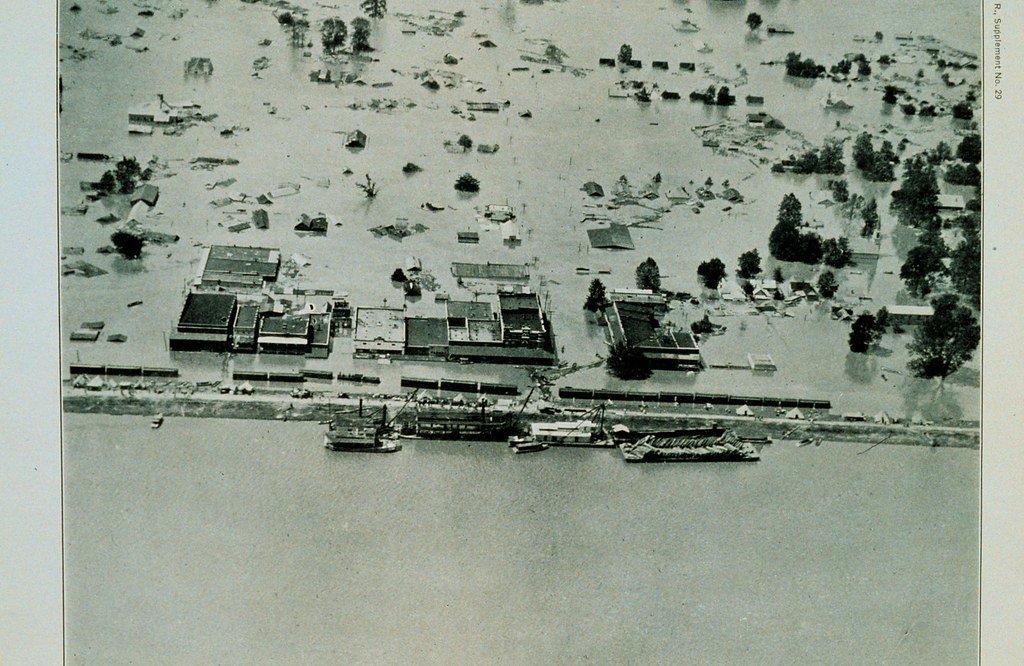
The 1927 Great Mississippi Flood drowned nearly 1,000, mostly Black sharecroppers, shattering levees and lives. Zeppelin revived Memphis Minnie’s blues lament, Bonham’s drums thundering the deluge. Devastation echoed through rock’s bones.[2]
Plant’s wail captures fleeing masses, the beat a sampled storm beast. It anchors IV’s sprawl, influencing hip-hop breaks worldwide. Reception grew mythic, symbolizing raw power from historical agony. Here’s the thing: floods feel biblical now more than ever.
“I Don’t Like Mondays” by The Boomtown Rats

January 29, 1979, 16-year-old Brenda Spencer unleashed hell on a San Diego school. Principal and custodian dead, kids and cops wounded; her motive? “I don’t like Mondays.” Bob Geldof read the horror, stunned into song.[2]
“Silicon chip inside her head” dissects senseless rage. UK charts crowned it, Geldof swearing off US promo from backlash. It sparked gun debates, cementing Rats’ notoriety. Shocking how casual cruelty birthed a top hit.
“Shine On You Crazy Diamond” by Pink Floyd
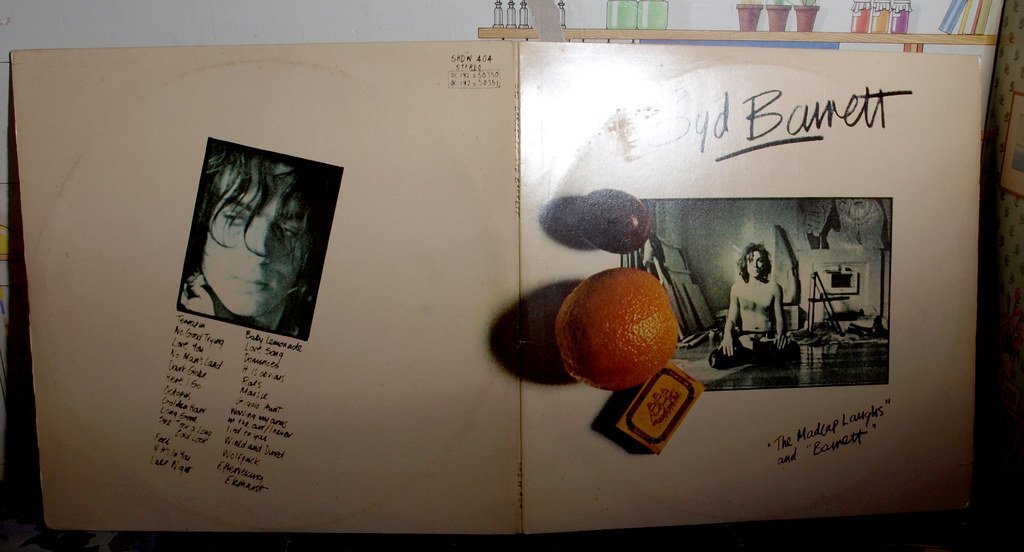
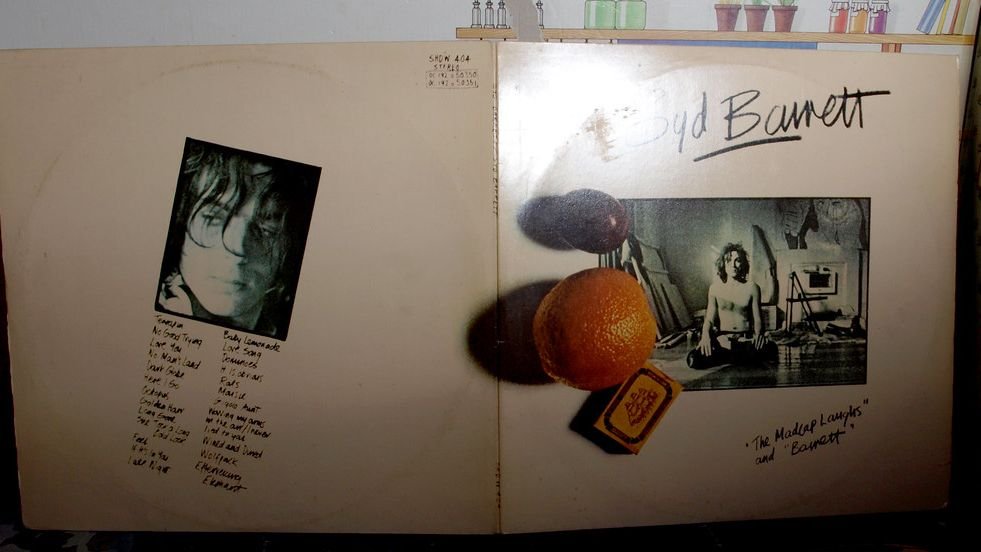
Syd Barrett, Floyd’s genius founder, unraveled from LSD, ousted amid breakdowns. Bandmates mourned their spark as he faded into obscurity. The epic suite honors his fractured light.[5]
Gilmour’s guitar weeps, lyrics anagram “SYD” in tribute. Wish You Were Here soared on nostalgia’s wave, Barrett crashing a session unknowingly. It humanized madness, deepening Floyd’s introspective rep. Heartbreaking genius lost, eternally echoed.
“Layla” by Derek and the Dominos
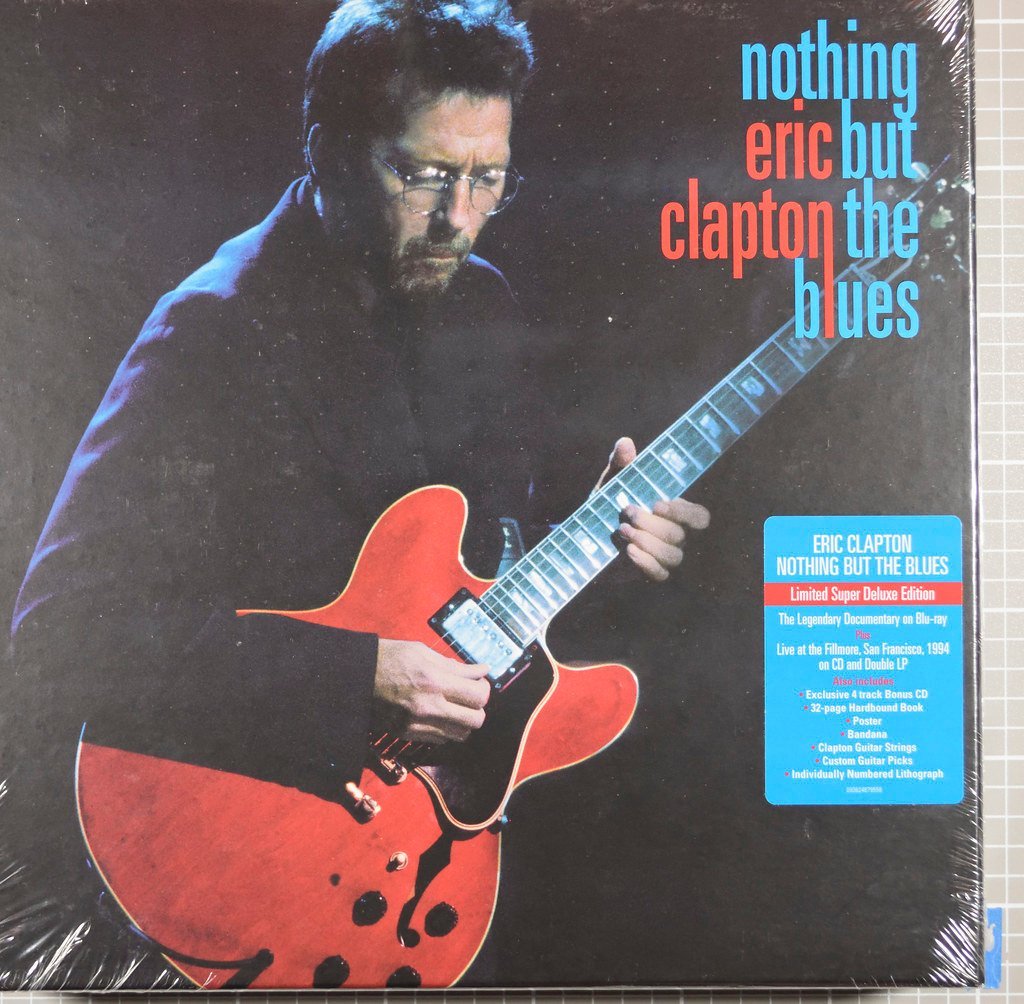
Eric Clapton burned for Pattie Boyd, wife of Beatles mate George Harrison. Tormented pleas fueled the plea, guitar duels screaming desire. The affair scorched friendships in rock’s elite circle.[5]
Piano coda aches unrequited, radio edit masking the obsession. Slow-burn hit status grew, Boyd eventually leaving Harrison for Clapton. It redefined heartbreak anthems, raw lust immortalized. Messy, real, and ridiculously catchy.
“Jeremy” by Pearl Jam
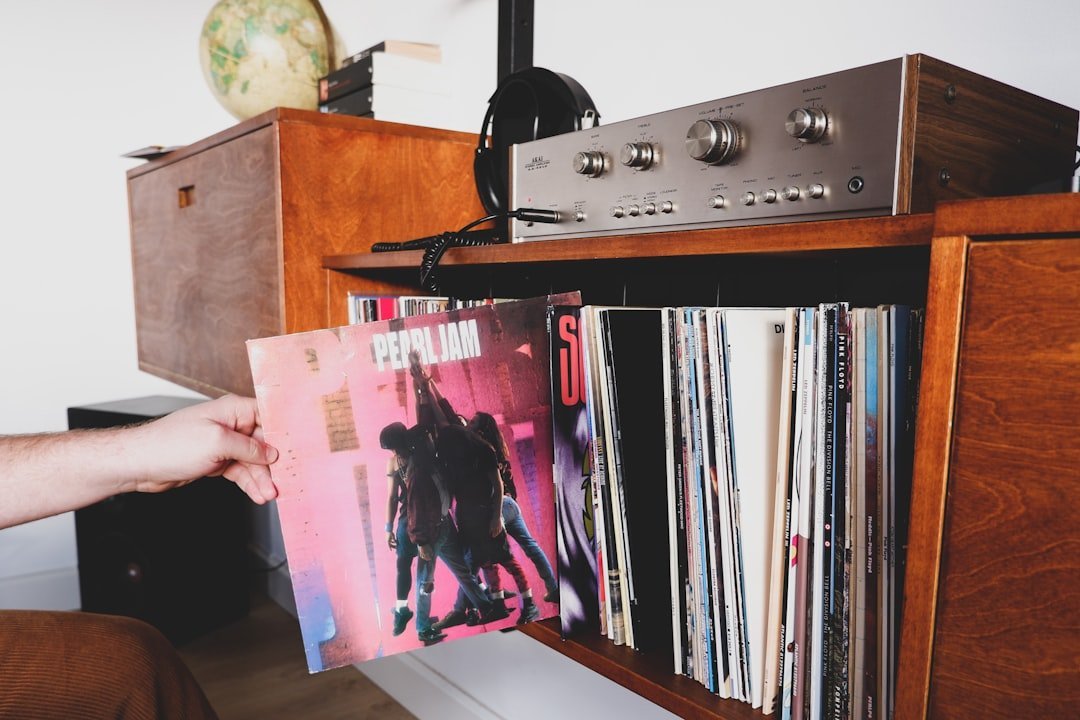
1991 Texas classroom: 15-year-old Jeremy Delle shot himself before 30 classmates. Eddie Vedder clipped the story, weaving his own bullied youth scars. Tragedy screamed for voice.[2]
Lyrics scar with “Jeremy spoke in class today,” blood on chalkboards vivid. Ten’s breakout amplified teen anguish cries. Airplay tormented Delle’s kin, yet sparked mental health talks. Brutal reminder: songs can wound while healing.
“Sunday Bloody Sunday” by U2
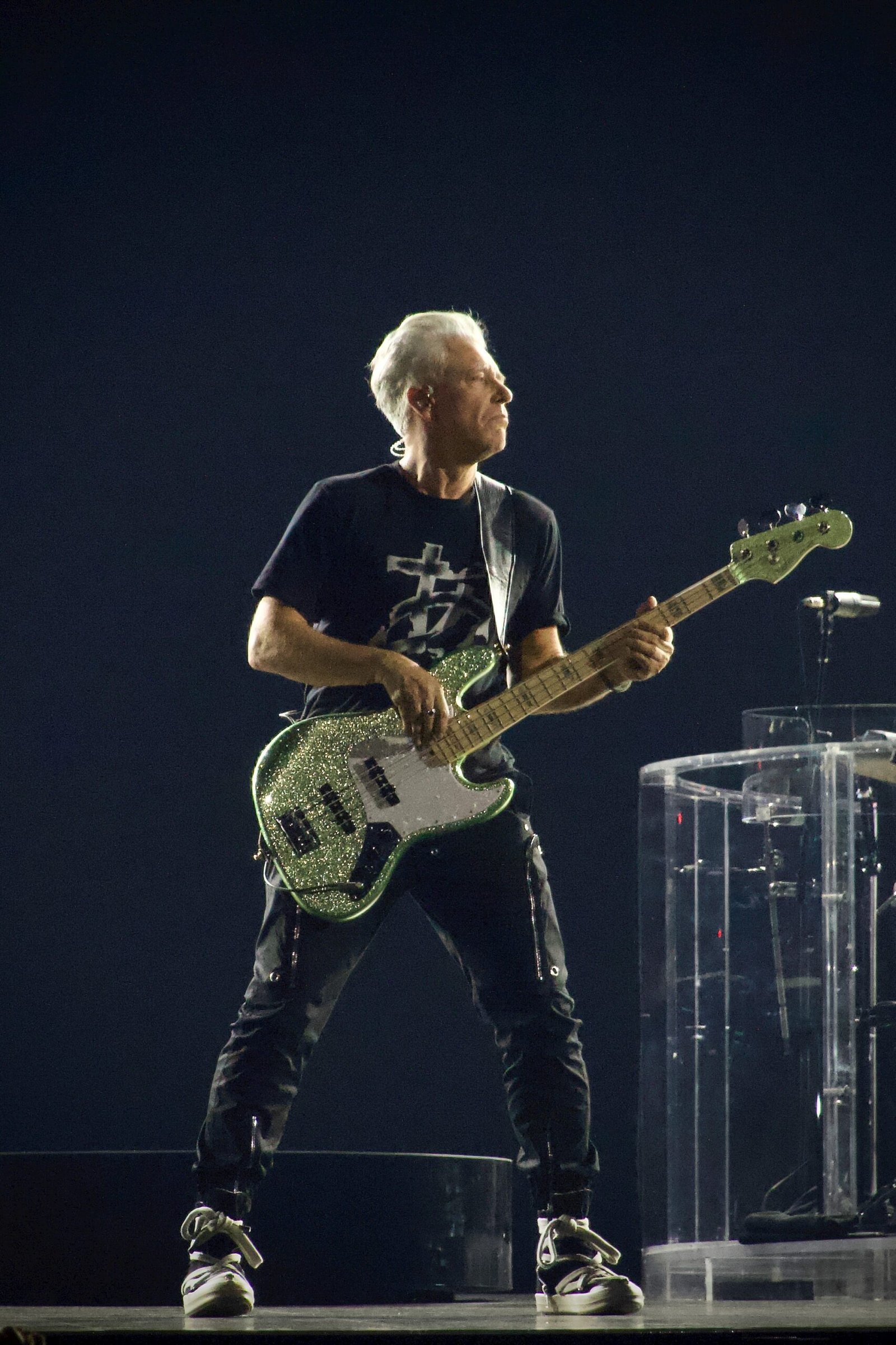
January 30, 1972, Derry, Ireland: British troops gunned down 13 unarmed Bloody Sunday marchers. Bono raged against Troubles’ cycle from afar. The pulse became protest incarnate.[2]
“How long must we sing this song?” begs amid white-flag fury. War album’s firebrand lit arenas, U2’s conscience forged. It transcended politics, urging peace worldwide. Still chills – rock demanding we remember.
Rock’s Storytelling Legacy
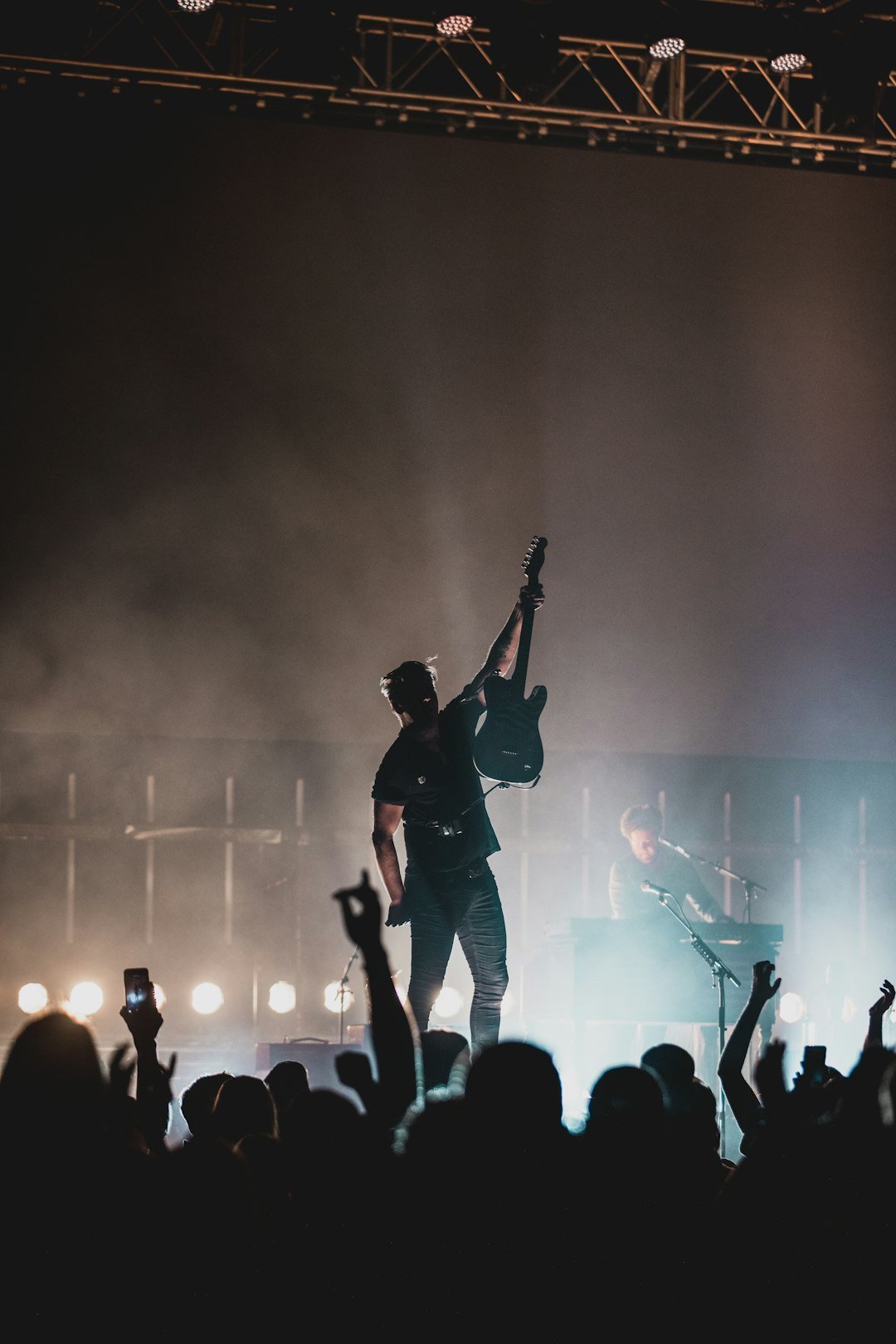
These anthems prove rock thrives on truth’s sharp edge. Tragedies twisted into triumphs, injustices into anthems that outlive headlines. Songwriters didn’t just play; they testified, making us feel the world’s pulse.
Next spin, layers deepen. What hidden story changes your go-to track forever? Drop your thoughts below – let’s keep the conversation rocking.

Christian Wiedeck, all the way from Germany, loves music festivals, especially in the USA. His articles bring the excitement of these events to readers worldwide.
For any feedback please reach out to info@festivalinside.com
