

- The Secrets Behind 10 Famous Historical Landmarks You Thought You Knew - August 16, 2026
- 10 Iconic Film Soundtracks That Are More Famous Than the Movies Themselves - August 16, 2026
- The Enduring Wisdom of 15 Classic Books That Resonate More Than Ever - August 16, 2026
There is something almost magical about a film soundtrack that breaks free from its movie and takes on a life of its own. Think about it for a second. You hear a song, just a few opening notes, and suddenly you are transported somewhere vivid and emotionally charged. Yet sometimes, if you are totally honest, you could not even describe the full plot of the film those notes came from.
Music has always held a strange power over cinema. It sneaks past our defenses and lodges itself in memory in ways that dialogue and visual storytelling sometimes simply cannot. Throughout film history, certain soundtracks have pulled off an extraordinary feat, becoming bigger cultural landmarks than the movies they were born to serve. Some of these albums have shattered sales records. Others rewrote the rules of an entire genre. A few managed to do both. Let’s dive into ten of the most extraordinary examples.
Saturday Night Fever (1977) – The Album That Launched a Genre
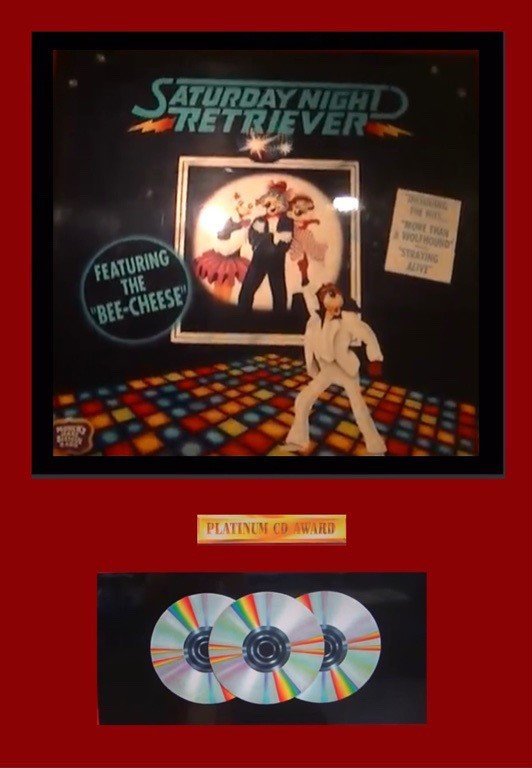
Let’s be real: this might be the single greatest example of a soundtrack dwarfing its film. Yes, there have been soundtrack albums that were bigger than their films before. Some have even kickstarted entire artist careers. But the Saturday Night Fever soundtrack did something even more extraordinary – it helped launch an entire genre. The Bee Gees wrote most of the key material practically overnight, and the result was something nobody could have predicted.
Prior to the release of Thriller by Michael Jackson, Saturday Night Fever was the best-selling album in music history, and still ranks among the best-selling soundtrack albums worldwide, with sales figures of over 40 million copies. The album stayed atop the charts for 24 straight weeks from January to July 1978 and stayed on Billboard’s album charts for 120 weeks until March 1980. That is not a soundtrack. That is a cultural event masquerading as one.
The soundtrack won the Grammy Award for Album of the Year. It is the only disco album to ever do so, and one of only three soundtrack albums so honored. The album was added to the National Recording Registry by the Library of Congress for being “culturally, historically, and/or aesthetically significant.” Meanwhile, the film itself – a genuinely good drama about a Brooklyn paint store clerk searching for identity on the dance floor – is now almost secondary in conversation to the record it inspired.
The Bodyguard (1992) – Whitney’s World-Conquering Vocal Triumph
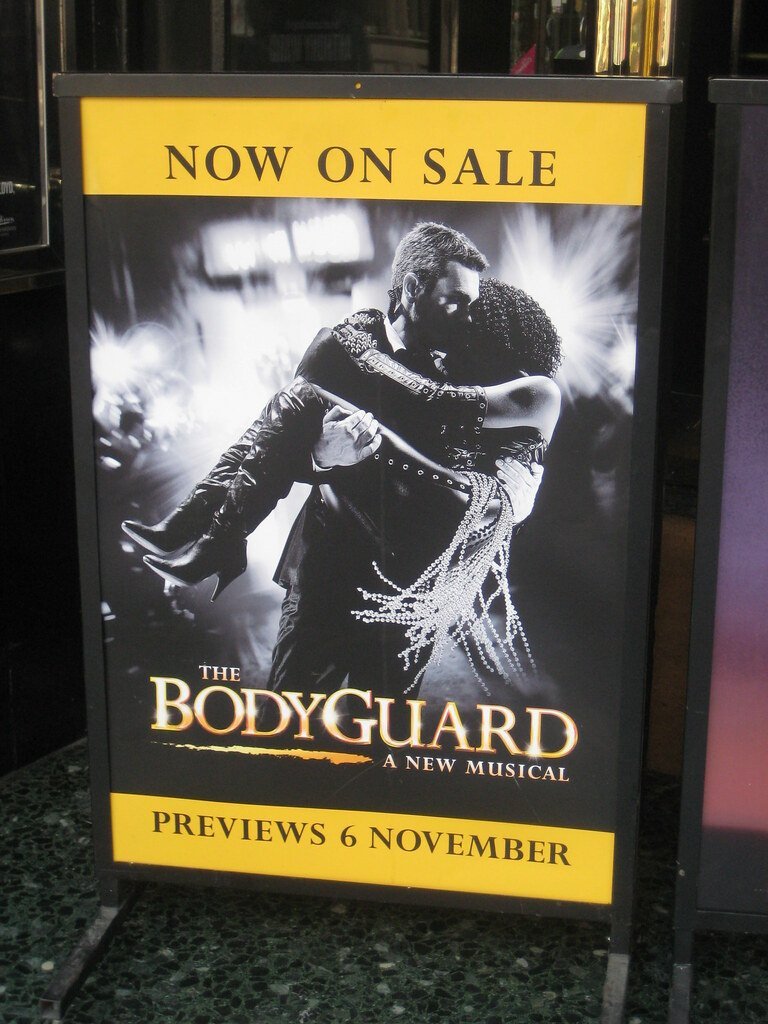
Honestly, when most people recall The Bodyguard today, they are not recalling Kevin Costner’s stoic performance or the thriller plot. They are thinking of one of the most electrifying vocal performances ever committed to tape. One of the most famous examples comes from 1992’s The Bodyguard. Though not everyone has seen the film, people of all generations can recognize its massive single: Whitney Houston’s smash cover of Dolly Parton’s “I Will Always Love You.”
The Bodyguard: Original Soundtrack Album set the bar impossibly high for the entire decade of the nineties. With a 20-week reign at No. 1, it remains the biggest-selling soundtrack of all time. This eighteen-times-platinum monolith stands as one of the ten best-selling albums of all time for a reason. That would be Side A, 26 minutes of once-in-a-generation vocal talent Whitney Houston yearning, grooving, hurting, hard-rocking, and singing gospel. The film was a modest critical success. The album was an era-defining phenomenon.
Pulp Fiction (1994) – The Scrapbook That Rewired Cinema
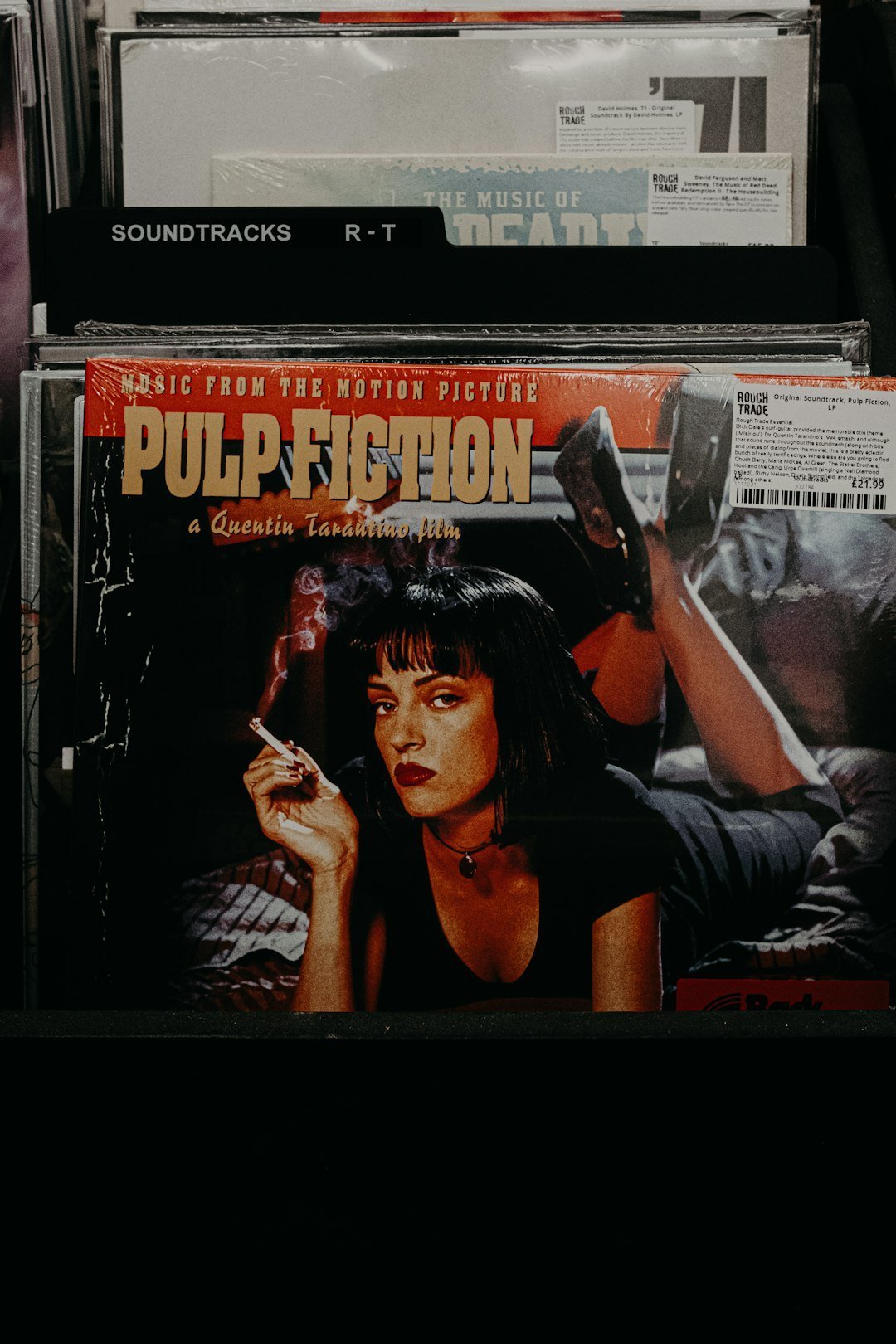
There is a particular kind of genius in knowing which song belongs in which scene. Quentin Tarantino possesses that genius in almost supernatural amounts. When the opening guitar riff of Dick Dale’s 1962 cover “Miserlou” transitions with the flick of a radio knob to Kool & the Gang’s “Jungle Boogie” during the opening credits of Pulp Fiction, it does more to explain the scrapbook nature of the movie than any dialogue can. It is cinema as a DJ set, and nobody had really done that before.
While The Bodyguard magnified the commercial potential of soundtracks, movie soundtracks like Quentin Tarantino’s Reservoir Dogs and Pulp Fiction framed the medium as an artistic showpiece. Throughout the nineties, Tarantino and fellow indie auteurs Paul Thomas Anderson, Richard Linklater, and Spike Lee made music a key character in their films. The cover of “Girl, You’ll Be A Woman Soon” became one of the soundtrack’s biggest hits, catapulting Urge Overkill out of Chicago indie-band obscurity and turning them into a household name. The soundtrack did not just accompany the story. It was the story.
Trainspotting (1996) – Britpop’s Defining Hour on Film
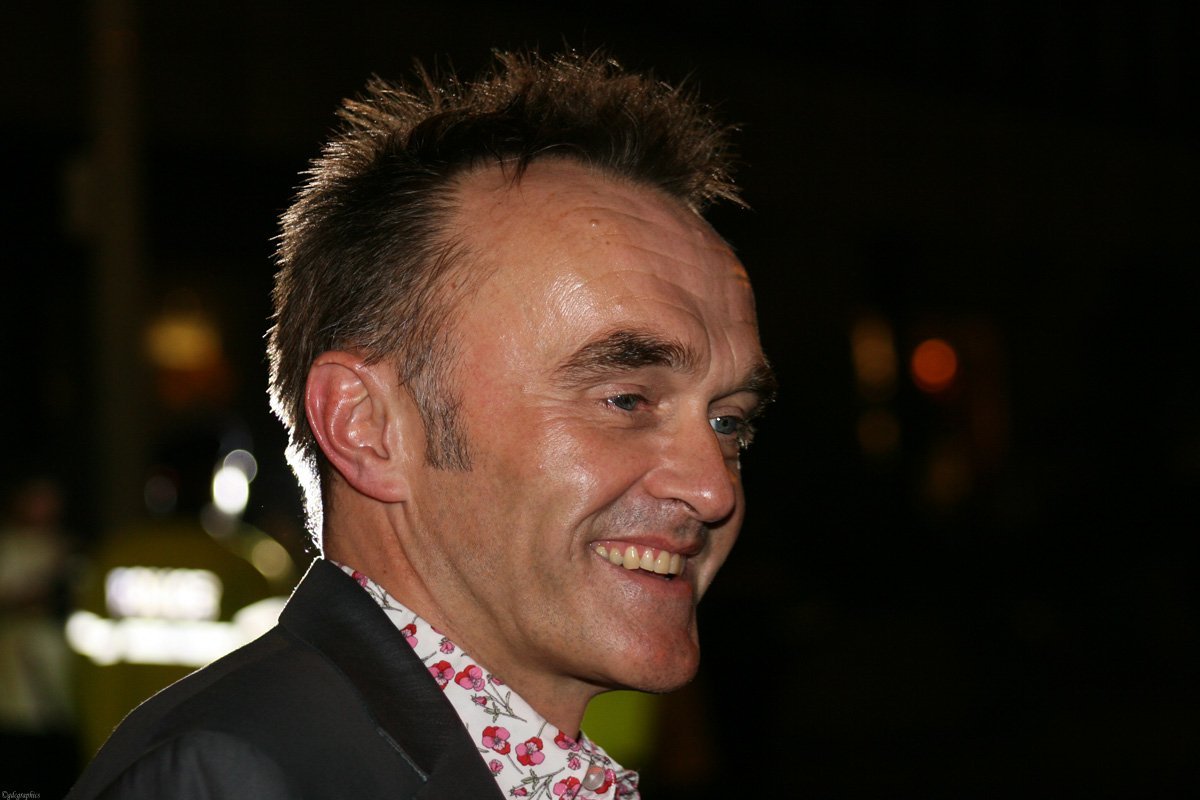
Danny Boyle’s gritty black comedy follows Mark Renton and his group of heroin-addicted friends navigating the underbelly of Edinburgh, Scotland. Twenty-five years later, the film’s soundtrack remains an iconic collision of Britpop, rock, and dance music, perfectly capturing the mid-nineties cultural climate. It is one of those rare instances where the music feels inseparable from the era it represents, like a time capsule you can actually dance to.
Iggy Pop’s drum-heavy bulldozer “Lust for Life” roared the film into audiences’ senses from the opening scene, while Underworld’s “Born Slippy .NUXX” became an idolized anthem of nineties rave culture, gaining worldwide fame and serving as the film’s emotional crescendo. The album’s brilliance lies in its eclectic curation: Lou Reed’s haunting “Perfect Day,” Pulp’s “Mile End,” Blur’s “Sing,” and New Order’s “Temptation” created a sonic landscape that felt underground but still universal. For an entire generation in the UK, this was more than a soundtrack. It was their anthem collection.
2001: A Space Odyssey (1968) – The Classical Revolution
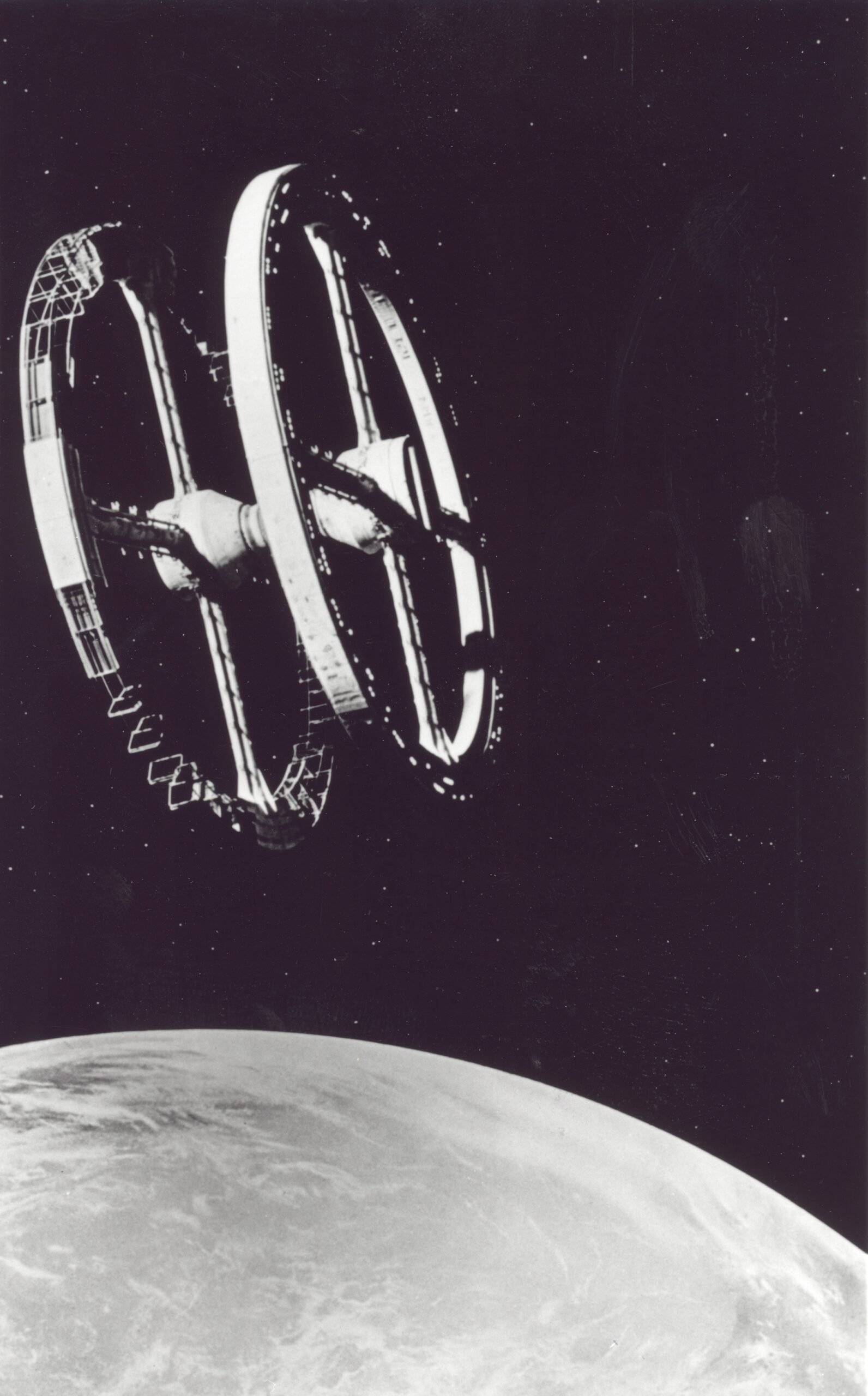
Here is the thing about Stanley Kubrick: the man did not do anything conventionally. While Kubrick initially commissioned noted Hollywood composer Alex North to score his interstellar masterpiece, he ended up scrapping North’s work in favor of classical music pieces he’d originally used as guides. From the Johann Strauss waltz “The Blue Danube” to avant-gardist György Ligeti and, most famously, Richard Strauss’ tone poem “Also Sprach Zarathustra,” Kubrick catapulted these composers back into the spotlight and made these classic pieces forever synonymous with his iconic film.
That Strauss’s tone poem “Also Sprach Zarathustra,” whose booming minute-long fanfare is synonymous with 2001, is one of classical music’s most instantly recognizable works can be credited almost entirely to Kubrick. Though Strauss became known late in life for his operas, his other music was largely overlooked until Kubrick’s masterpiece catapulted him into the pop-culture spotlight. Kubrick’s bold musical choices also opened the eyes and ears of filmmakers to the potential of concert music in new dramatic contexts – from George Gershwin in Manhattan to Carl Orff in Excalibur and Samuel Barber in Platoon. That is a legacy that stretches far beyond any single film.
Dirty Dancing (1987) – Nobody Put This Soundtrack in a Corner
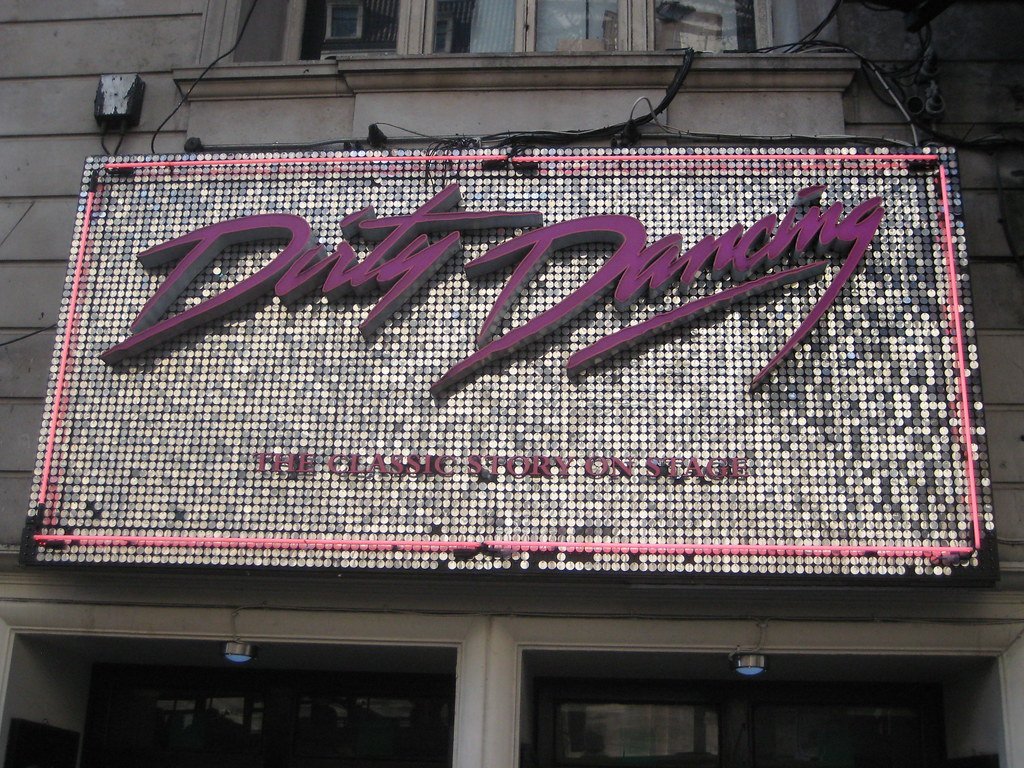
I know it sounds crazy, but the Dirty Dancing soundtrack is arguably more beloved today than the film itself. It sold more than 30 million copies and spent 18 weeks at No. 1 on the US albums chart, spurred on by Bill Medley and Jennifer Warnes’ “(I’ve Had) The Time of My Life,” Eric Carmen’s “Hungry Eyes,” and Patrick Swayze’s own contribution, “She’s Like The Wind.” That is an extraordinary run for a film tied to a summer romance set in a 1960s mountain resort.
“(I’ve Had) The Time of My Life” was sung by Medley and Warnes in the climactic scene in the Patrick Swayze and Jennifer Grey film. It won an Oscar for Best Original Song and helped the soundtrack album remain atop the Billboard 200 for 18 nonconsecutive weeks. The record captures something irresistible, a nostalgia for an era just out of reach, a yearning for joy that transcends the plot around it. People play it at weddings. That says everything.
Superfly (1972) – When a Soundtrack Outearned the Movie
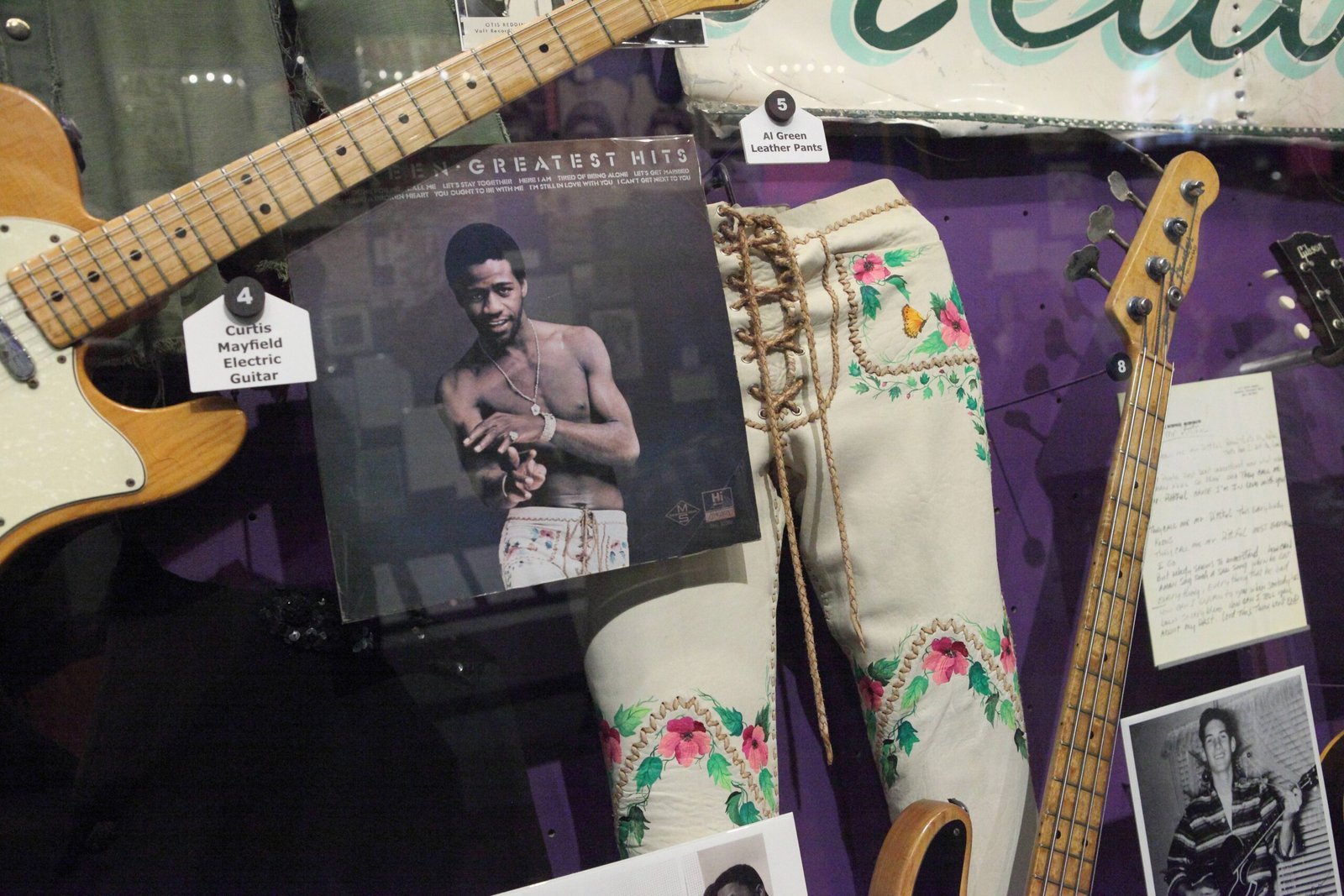
This is one of the most remarkable commercial stories in music history. Curtis Mayfield’s soundtrack to this crime film about drug dealer Priest planning one final score became more acclaimed than the movie itself. With its tagline “He’s got a plan to stick it to the man,” the film generated four million dollars in profits while the album generated five million dollars, a remarkable number for the era. Think about that for a moment. The music literally made more money than the movie it served.
Mayfield’s socially conscious gems, such as “Freddie’s Dead” and “Pusherman,” featured his trademark falsetto vocals and pioneering use of the wah-wah guitar, defining the sound of 1970s soul that influenced everyone from Stevie Wonder to D’Angelo. The album showcased how African American artists could use film soundtracks as platforms for social commentary within the emerging genre of films featuring African American protagonists in urban crime stories. Superfly the film faded from wide public conversation. The album never did.
Grease (1978) – The Summer Blockbuster Sound
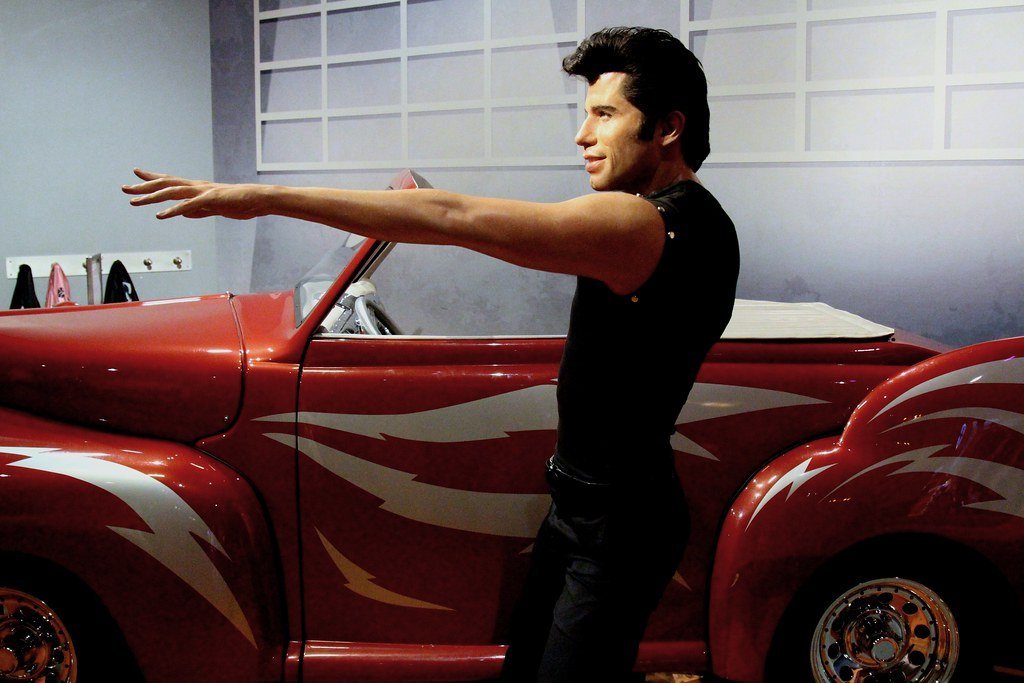
Grease was a massive hit as a film, no question. Barry Gibb wrote the title song for the John Travolta and Olivia Newton-John summer blockbuster. In an inspired move, the movie cast a star who was more or less from the era depicted in the film to sing it. The result was a soundtrack that crackled with an authenticity that pop music rarely achieves so effortlessly.
Grease has sold 28 million copies. There was big, big money to be made in soundtracks, and both the recorded music industry and Hollywood knew it. What is fascinating is that Grease the soundtrack continues to attract new generations who discover the music first, often on streaming playlists, long before they ever sit down with the film. It is the rare case of a Hollywood musical where the album has a staying power that almost rivals the film’s own staying power, track for track.
Chariots of Fire (1981) – A Synthesizer That Conquered the World
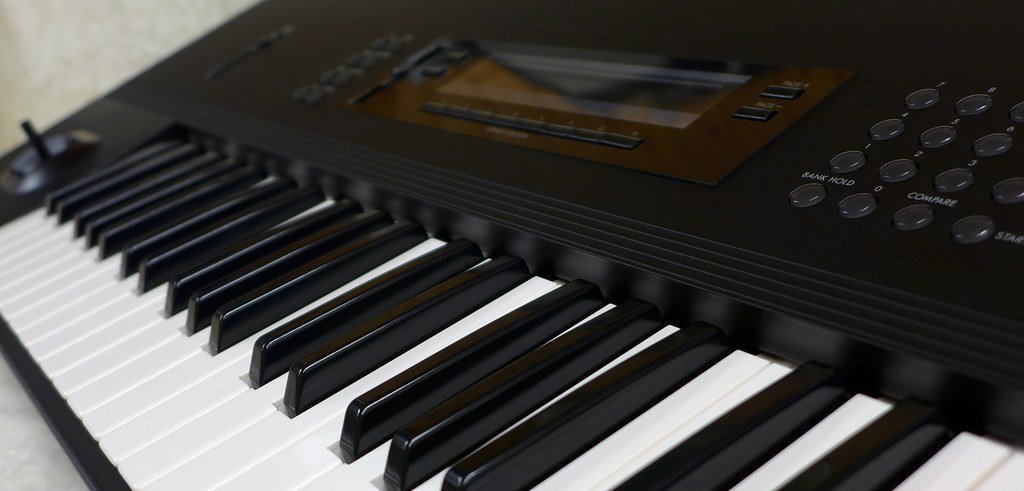
Few soundtrack choices in cinema history have been as boldly unexpected or as wildly successful. Greek synthesiser wizard Vangelis opted for a very modern, electronic score in contrast to the film’s 1920s setting. The famous theme has lived way beyond its original purpose and is widely used for sporting events in real life, forming a memorable moment at the opening ceremony of the London 2012 Olympics, with Sir Simon Rattle, the LSO, and Mr. Bean. That alone tells you almost everything you need to know about its reach.
Vangelis won an Oscar for his soundtrack. Today, it is hard to find anyone who can fully describe the plot of Chariots of Fire without hesitation, yet virtually everyone, everywhere, recognizes the synthesizer theme the moment it begins. It gets used for slow-motion athletic montages in commercials, parody sketches, and sporting events across the globe. The film was a worthy Oscar winner. The music became something almost mythological.
The Good, the Bad and the Ugly (1966) – Ennio Morricone’s Eternal Western
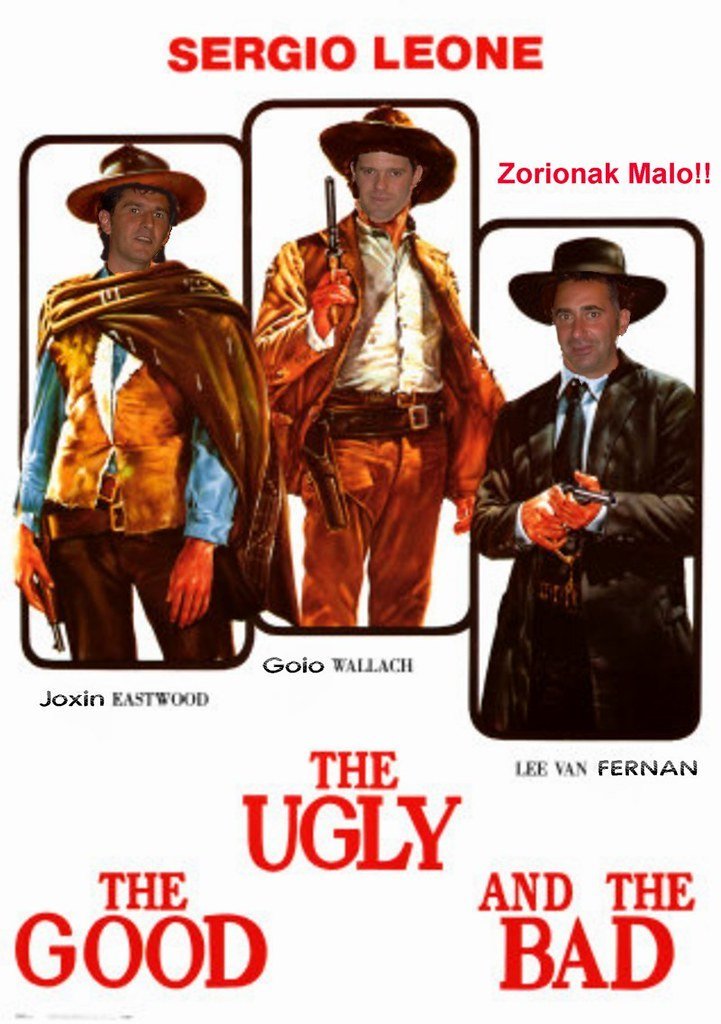
Italian master Ennio Morricone certainly created one of the most iconic pieces of film music with his main theme, and the rest of the score to The Good, the Bad and the Ugly comes complete with all the classic Morricone traits, including whistling, yodelling, and gunfire. It sounds almost absurd when you describe it that way. Whistling and gunfire as musical instruments. Yet it works with a ferocity that still feels startling.
The theme has become one of the most referenced and imitated musical motifs in history, appearing in everything from television commercials to comedies to political satire. People who have never seen a Sergio Leone western, who cannot name a single character from the film, will still whistle that melody back to you perfectly. Ranked among the most influential cultural artifacts in cinema history, these are soundtracks that represent more than just great music. Every album here rewrote the rules, and picking the best of all time is an exercise in passionate subjectivity. Morricone’s work here sits permanently at the very top of that conversation, unmistakable and untouchable.
The Music Never Leaves the Room
There is a larger truth hiding inside all of this. A film soundtrack is more a selection of songs chosen to be featured in a film, while scores are usually created by one or more composers with original instrumental music written specifically for the film. Yet in both cases, when the music is extraordinary enough, it stops being a companion to the story and becomes the story itself. It detaches, floats free, and anchors itself in collective memory independent of anything flickering on a screen.
From disco’s twilight to its revolutionary birth, the greatest soundtracks span five decades of musical evolution. The best ones transcended their films entirely, becoming cultural phenomena that shaped entire generations. Cinema gives music a platform. But sometimes, music returns the favor by keeping the film alive far longer than it would have survived on its own. That is a remarkable and deeply human exchange.
We tend to think of films as the senior partner in the relationship between movies and music. These ten examples suggest the opposite is sometimes gloriously true. Next time a melody stops you cold, ask yourself: do you even remember the movie? Chances are, the music already answered that question for you.

Besides founding Festivaltopia, Luca is the co founder of trib, an art and fashion collectiv you find on several regional events and online. Also he is part of the management board at HORiZONTE, a group travel provider in Germany.
