
- 20 Forgotten Writers Who Invented Modern Genres - September 21, 2026
- 10 Opening Lines That Were the Author’s Second Choice - September 21, 2026
- The 20 Quietest Songs That Leave the Loudest Impression - September 21, 2026
Every schoolchild in America learns the names Washington, Lincoln, and King. They’re on the money, carved into mountains, etched permanently into the national consciousness. History, though, has a cruel habit of forgetting the people who actually kept the wheels turning, who organized the marches, who planted the flags, who bled in the trenches without getting the statue.
One of history’s greatest downfalls is its asymmetry of acclaim, catapulting some figures into legend status while leaving others, even those of great cultural contribution, behind as mere footnotes. That’s not an accident. It’s a pattern. Often, the people history overlooks were women, people of color, or those who simply worked too quietly, too selflessly, or too far outside the mainstream to get their name in the newspaper. Their absence from the conversation doesn’t diminish what they did. If anything, it makes their stories more urgent to tell. So let’s dive in.
Bayard Rustin: The Man Who Organized a Movement from the Shadows
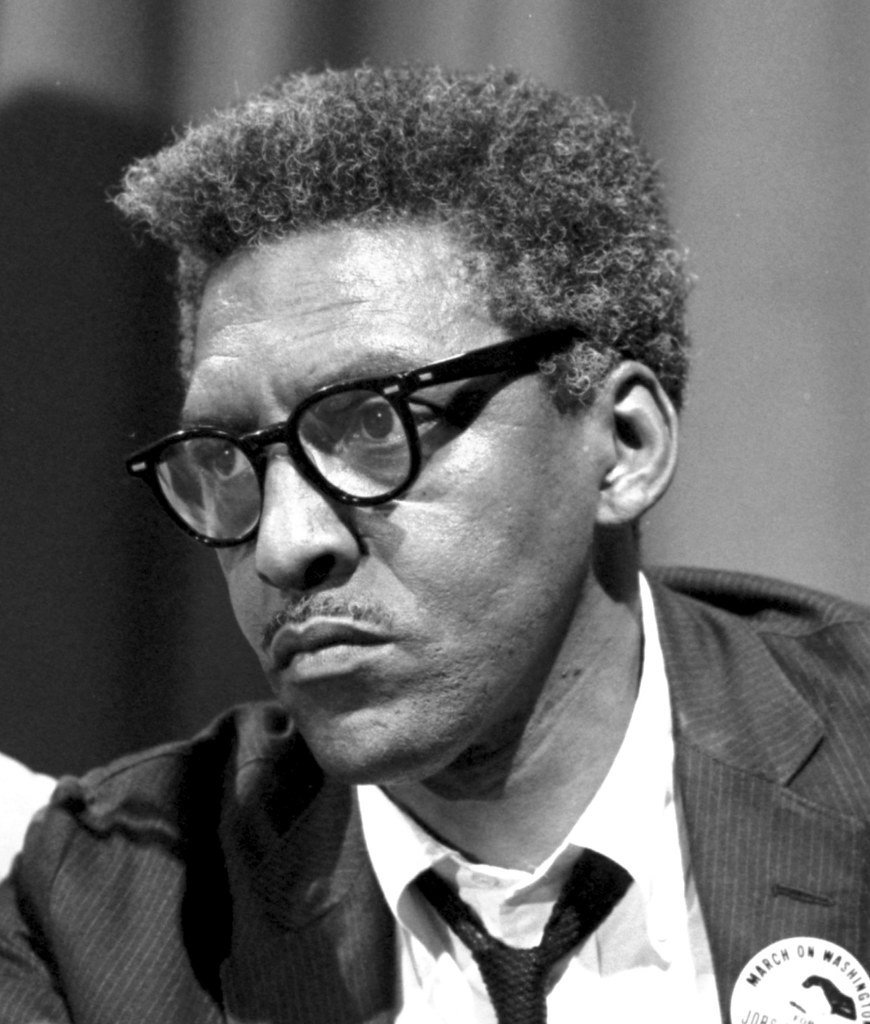
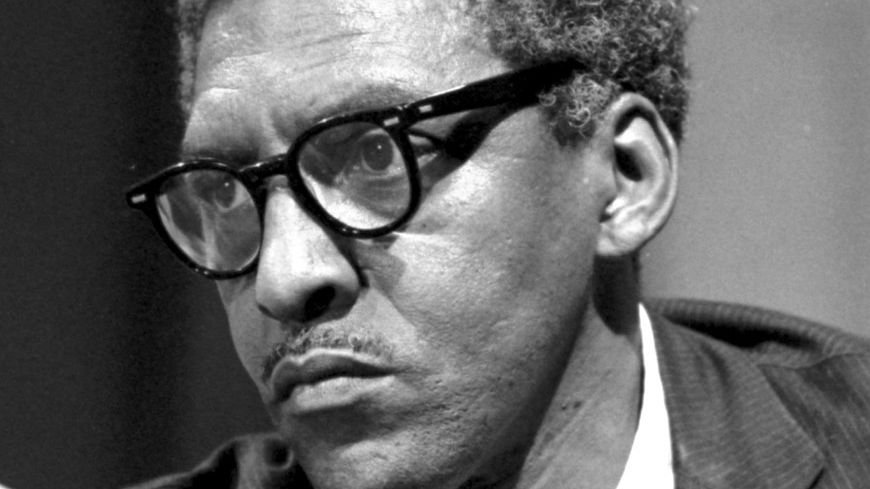
Here’s something that might genuinely surprise you. The 1963 March on Washington, one of the most iconic moments in American history, the rally where Martin Luther King Jr. delivered his “I Have a Dream” speech to a quarter million people on the National Mall, was almost entirely organized by one man who never received credit for it. Bayard Rustin was an American political activist and prominent leader in social movements for civil rights, socialism, nonviolence, and gay rights, and he was the principal organizer of the March on Washington for Jobs and Freedom in 1963. Think about that for a second. The single most famous gathering in the history of the American civil rights movement was his logistical masterpiece.
Rustin was a brilliant strategist, pacifist, and forward-thinking civil rights activist. In 1947, as a member of the Fellowship of Reconciliation, he planned the “Journey of Reconciliation,” which would be used as a model for the Freedom Rides of the 1960s. He served as a mentor to Martin Luther King Jr. in the practice of nonviolent civil resistance, and was an intellectual and organizational force behind the burgeoning civil rights movement during the 1950s and 1960s. Yet his name remained almost invisible to the general public for decades. Why? Rustin was a gay man and, due to criticism of his sexuality, usually advised other civil rights leaders from behind the scenes. Honestly, the injustice of that reality still stings. Rustin influenced organizations such as the Congress of Racial Equality, the Southern Christian Leadership Conference, and the Student Nonviolent Coordinating Committee to adopt non-violent tactics, yet the mainstream kept his name in the shadows. On November 20, 2013, Rustin was posthumously awarded the Presidential Medal of Freedom by President Barack Obama. Better late than never, though it still doesn’t feel like enough.
Matthew Henson: The Man Who Actually Stood on Top of the World First
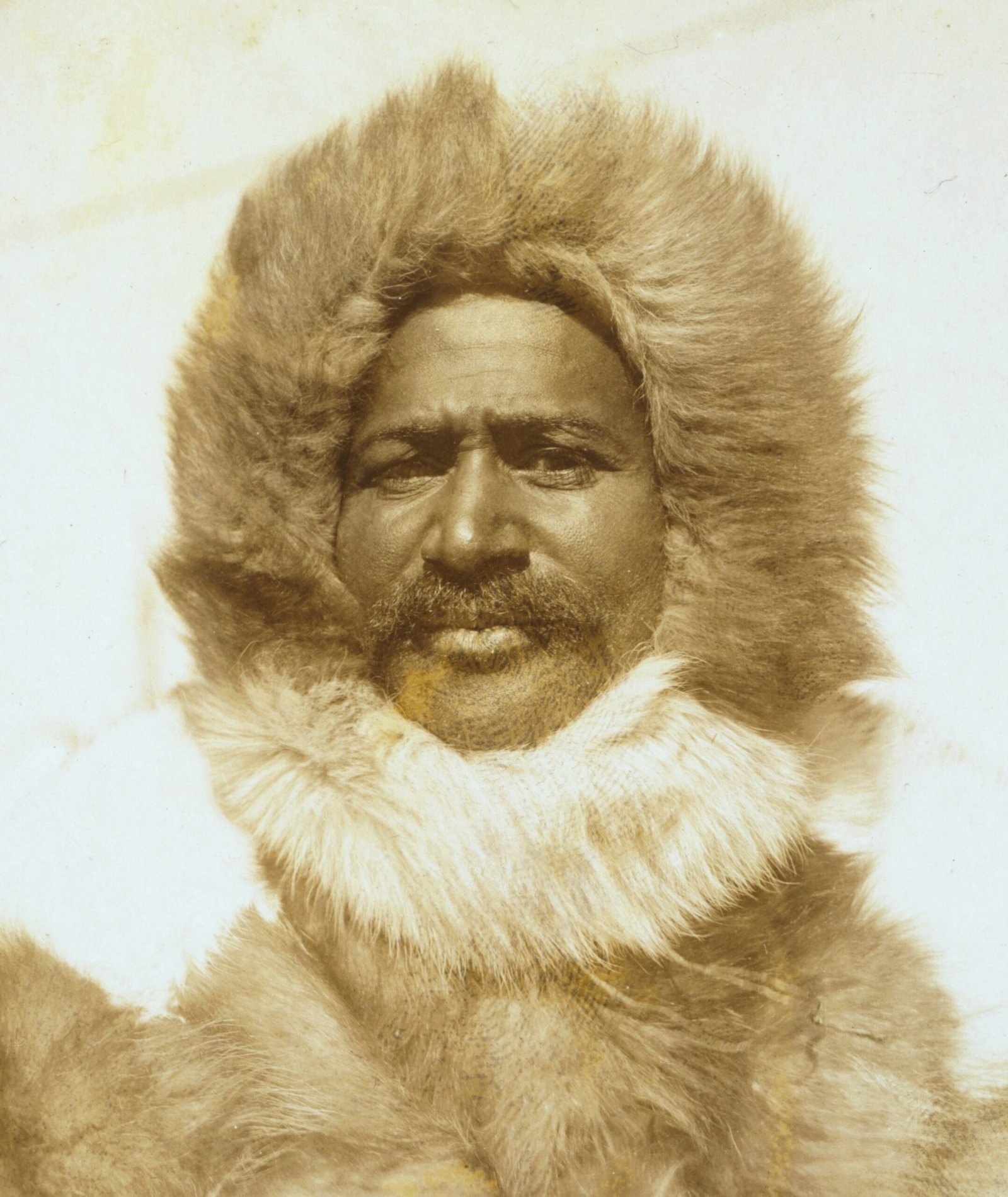
The history books used to say Robert Peary reached the North Pole. Clean, simple, heroic. The problem is that the story leaves out the man who arguably got there first and who made the entire expedition possible. Matthew Alexander Henson was an African American explorer who accompanied Robert Peary on seven voyages to the Arctic over a period of nearly 23 years. They spent a total of 18 years on expeditions together. He is best known for his participation in the 1908 to 1909 expedition that claimed to have reached the geographic North Pole on April 6, 1909. Henson later said that he was the first of their party to reach the North Pole.
His value to the mission went far beyond showing up. Although Peary was the public face of their partnership, Henson was the front man in the field. With his skills as a carpenter and craftsman, Henson personally built and maintained all of the sledges used on their expeditions. He was fluent in the Inuit language and established a rapport with the native people of the region. He was known by all he encountered as “Matthew the Kind One.” Peary himself reportedly said he couldn’t make it to the Pole without Henson. Yet when they returned home, as an unfortunate sign of the times, Henson was largely overlooked while Peary collected the accolades. During the following decades, Admiral Peary received many honors for leading the expedition to the Pole, but Henson’s contributions were largely ignored. It wasn’t until 1988 that Henson was finally reinterred at Arlington National Cemetery, where he and his wife Lucy Ross Henson were given the honor they deserved.
Henrietta Lacks: The Woman Whose Cells Changed the World Without Her Consent
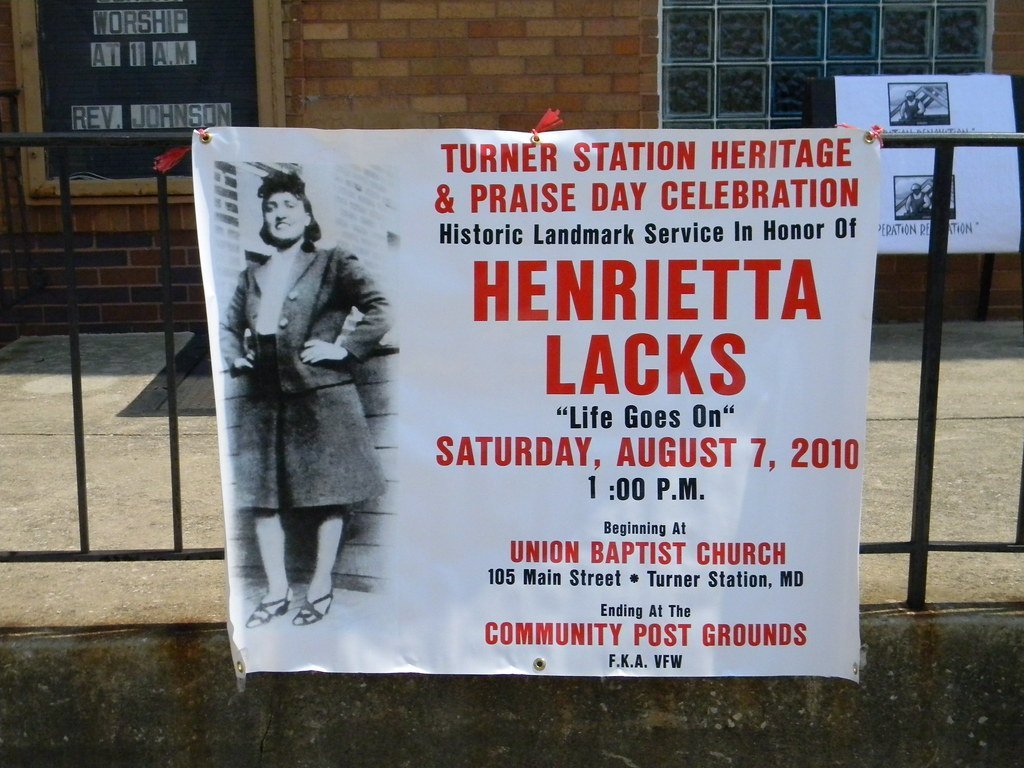
This one is both remarkable and deeply troubling. In early 1951, Henrietta began experiencing abnormal vaginal bleeding and sought care at Johns Hopkins Hospital, one of the few institutions at the time that treated Black patients. Doctors discovered a malignant cervical tumor, and she began undergoing radium treatments, the standard therapy at the time. Without her knowledge or consent, doctors took samples of her cancerous and healthy cervical cells and sent them to a prominent researcher. What happened next is the stuff of science fiction, except it’s completely real.
Unlike other cells that typically died within days in lab cultures, Henrietta’s cells proved astonishingly resilient. They multiplied indefinitely, making them the first known “immortal” human cells. Henrietta passed away on October 4, 1951, at the age of 31, but her cells would go on to change the landscape of modern medicine. The scale of what followed is almost impossible to wrap your head around. From polio and COVID-19 vaccines to cancer research and sequencing the human genome, HeLa cells have played an enormous role in many scientific discoveries and advancements. I think about that sometimes – one woman, one small-town life in Baltimore, and yet her biological legacy has arguably touched more human lives than almost any president. By the time her family learned of HeLa cells, they had been commercialized, distributed worldwide, and used in thousands of studies, all while the Lacks family struggled financially and lacked proper healthcare. The ethical reckoning from her story continues to this day.
Deborah Sampson: The Woman Who Fought the Revolution in Disguise
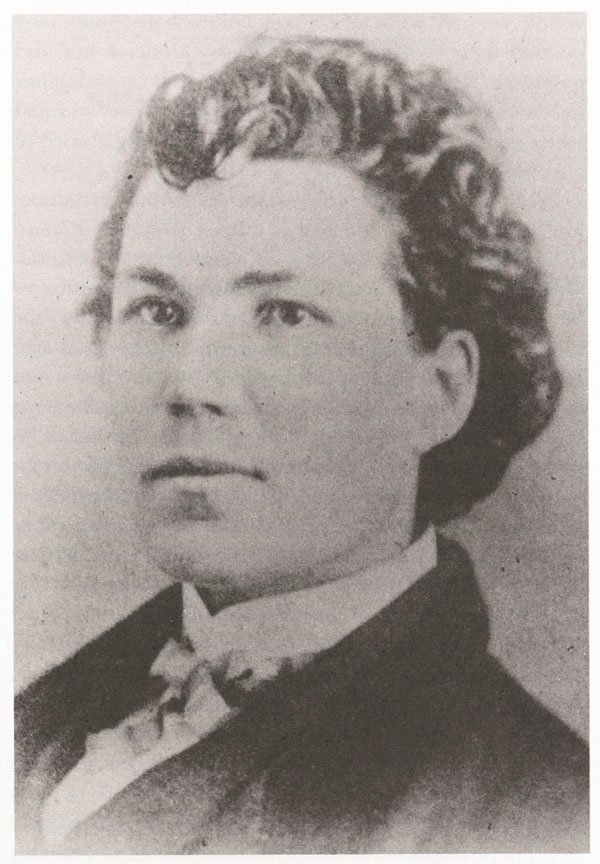
The American Revolution gets told as a story of great men. Generals, Founding Fathers, statesmen in powdered wigs. Rarely does it include the story of a young woman who disguised herself as a man, enlisted in the Continental Army, fought in actual combat, and extracted a bullet from her own leg rather than risk being discovered. Deborah Sampson defied convention, disguising herself as “Robert Shurtleff” to join the 4th Massachusetts Regiment in 1782. The daring scout went on expeditions, fought the British, and led a raid capturing 15 Tories. Twice wounded, Sampson extracted a pistol ball from her thigh herself to avoid detection. Her identity remained hidden for two years until illness struck and she was hospitalized.
Sampson received an honorable discharge in 1783 after her deception was revealed. Let’s be real here – this is one of the most audacious acts of any person in the entire Revolutionary War, male or female. The sheer nerve required, day after day, to maintain that deception while fighting a war, recovering from wounds, and navigating military life, is almost incomprehensible. Her grit and resolve made her one of the Revolutionary War’s most extraordinary and overlooked heroes. She later toured New England telling her story and received a pension for her military service. Yet her name barely registers in the popular imagination compared to far less remarkable figures. History really does owe her better.
Anna Hedgeman: The Invisible Architect of the March on Washington
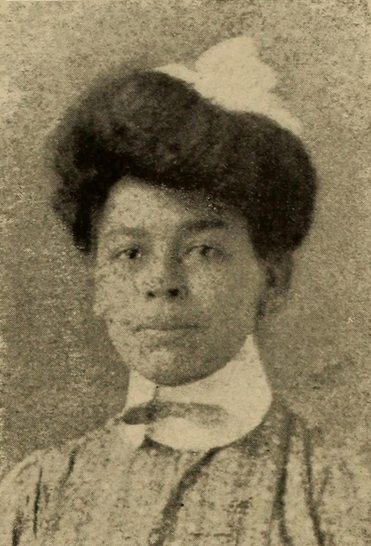
https://archive.org/details/passingofsaloona00hamm/page/1, Public domain)
Here’s a theme that keeps appearing in American history – the March on Washington had more unsung architects than one. Bayard Rustin was one. Anna Arnold Hedgeman was another. Hedgeman held various roles in the government, including working on Harry S. Truman’s reelection campaign in 1948 and serving in the cabinet of New York Mayor Robert F. Wagner from 1954 to 1958, the first African American woman to do so. Hedgeman was also instrumental in the planning of the historic March on Washington in 1963.
Hedgeman became the first African American graduate of Hamline University in 1922. She later worked for a number of religious organizations, most notably the Young Women’s Christian Association. Her career spanned decades of activism and public service, a life built entirely around pushing for equality at a time when the doors were barely cracked open for Black women in American public life. It’s hard to say for sure why figures like Hedgeman fall through the historical cracks, but the pattern is familiar – women of color who did essential organizational and administrative work rarely received the recognition heaped upon the charismatic speakers and frontline leaders. Whether through advocacy, innovation, or simple acts of bravery, each person who goes overlooked offers a unique perspective on their experiences, showcasing the wide array of contributions made by individuals often ignored. That description fits Hedgeman perfectly.
Haym Salomon: The Immigrant Who Bankrolled American Independence
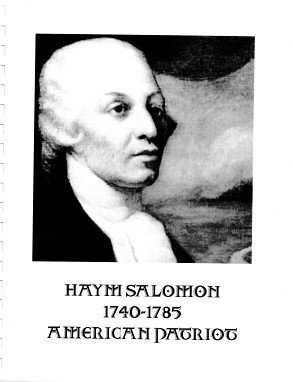
If you think the American Revolution was won purely on the battlefield, think again. Wars run on money, and at several critical moments during the Revolutionary War, the Continental cause was essentially broke. Enter Haym Salomon, a Polish-born Jewish immigrant and financial broker whose contributions to the founding of this country are almost completely absent from the mainstream narrative. A financial wizard, Haym was able to use his skills to raise funds for the Patriot cause. He not only converted French loans into cash but also provided personal loans to many of the country’s most famous heroes such as George Washington and Thomas Jefferson.
Think of it this way: the men whose faces now appear on American currency may have personally borrowed money from a man whose name almost no one knows. Salomon reportedly refused to charge interest on the personal loans he made to Founding Fathers and government officials, choosing to fund the revolution out of deep patriotic conviction. He died in 1785, essentially penniless, having poured his fortune into the cause of American independence. His family was never repaid. The course of history is not solely dictated by well-known figures, but also profoundly influenced by everyday people who took stands during times of need. Haym Salomon took that stand with his entire fortune, and American history has largely moved on without acknowledging him.
Lydia Darragh: The Quaker Spy Who Saved Washington’s Army
![Lydia Darragh: The Quaker Spy Who Saved Washington's Army (The History Trust of South Australian, South Australian Government Photo [1] Object record [2], CC0)](https://festivaltopia.com/wp-content/uploads/2026/04/1775319695208_1775319685406_woman_in_front_of_spanish_maize_renter_at_colonial_diaz-.jpeg)
Sometimes history turns on the quietest, most unexpected acts of courage. In December 1777, with George Washington’s army encamped at Valley Forge and the British comfortably occupying Philadelphia, a Quaker mother named Lydia Darragh did something extraordinary. In December 1777, Quaker mother Lydia Darragh pressed her ear to a door in her Philadelphia home and heard British officers planning a surprise attack on George Washington’s army. She risked being discovered and defied her pacifist upbringing by sneaking past guards and delivering the warning to American forces under the guise of buying flour. Washington’s forces were ready, so the British attack failed.
The weight of what she did is easy to underestimate. She was a Quaker, someone whose entire religious identity was built around nonviolence and non-interference. To become a spy, to walk through British lines alone, to deceive occupying soldiers – that went against everything she had been raised to believe. Darragh’s subdued disobedience serves as a reminder that ordinary people often make extraordinary choices that shape history. Yet she is almost never mentioned in the same breath as Paul Revere, whose midnight ride covered a warning of far more modest tactical consequence. Her name deserves to be in every American history classroom.
Conclusion: The Stories We Owe It to Ourselves to Remember
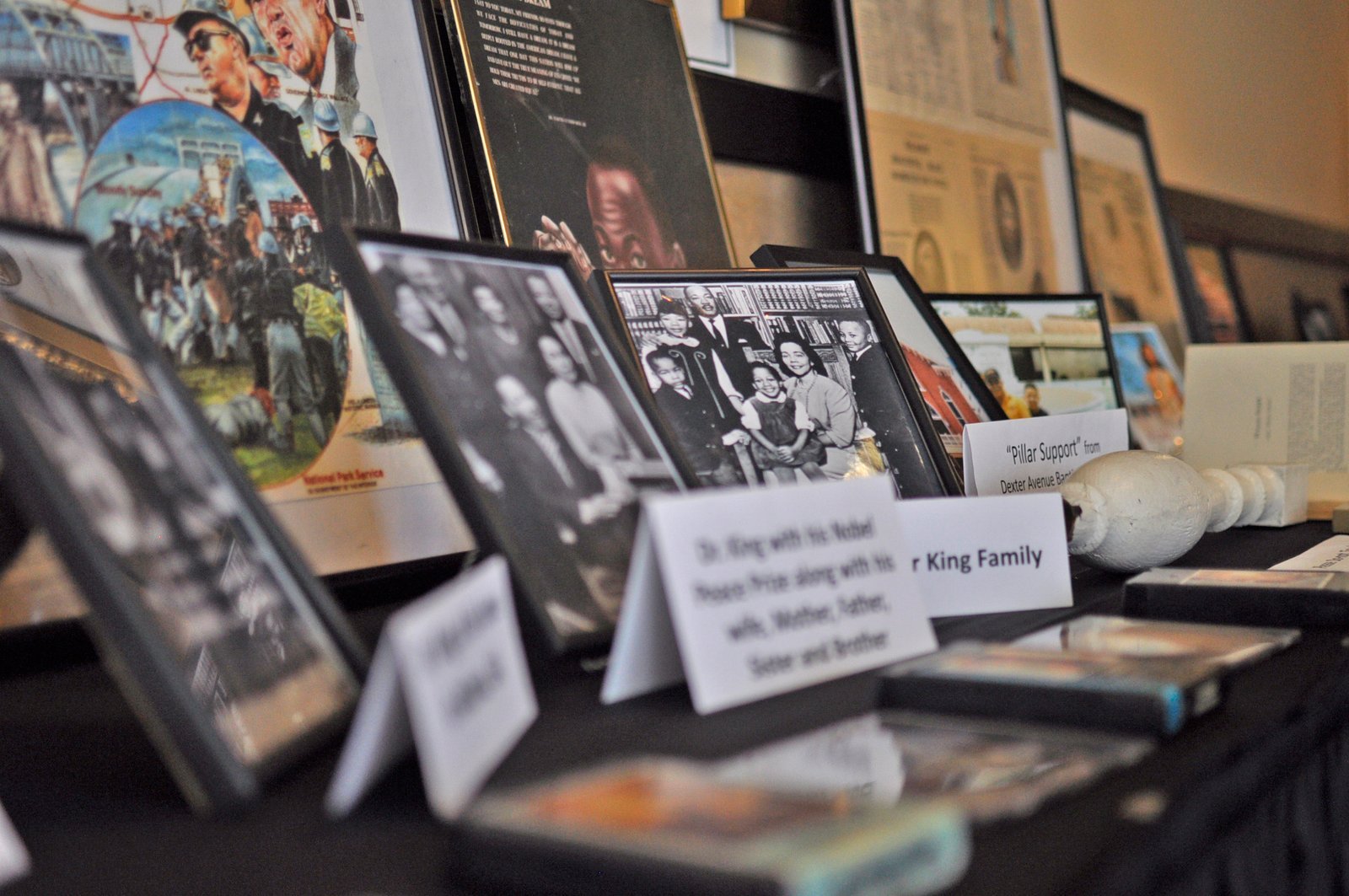
The process of recording history is deeply selective and subjective, and it is one of the great ironies of the human story that some of the most positively influential people who have walked the earth have receded into obscurity. These seven figures – Rustin, Henson, Lacks, Sampson, Hedgeman, Salomon, and Darragh – are proof of that irony. Their stories aren’t obscure because they were unimportant. They’re obscure because history often reflects the biases and blind spots of whoever was doing the writing at the time.
The good news is that none of this is permanent. We all know individuals, most of them unsung and unrecognized, who have, often in the most modest ways, spoken out or acted on their beliefs for a more egalitarian, just, and peace-loving society. To ward off alienation and gloom, it is only necessary to remember the unremembered heroes of the past, and to look around us for the unnoticed heroes of the present. The more we tell these stories, the fuller and more honest the American story becomes. History isn’t just what happened. It’s what we choose to remember and who we decide deserves to be remembered.
By recognizing their stories, we gain insight into the essential lessons that emerge from their experiences, particularly regarding courage, resilience, and the importance of standing up for one’s beliefs. One key takeaway is the necessity of inclusive historical narratives that embrace diverse voices. So here’s a question worth sitting with: how many more unsung heroes are still waiting to be found? What do you think? Tell us in the comments.

Besides founding Festivaltopia, Luca is the co founder of trib, an art and fashion collectiv you find on several regional events and online. Also he is part of the management board at HORiZONTE, a group travel provider in Germany.
