
- 7 Movie Endings That Were Changed at the Last Minute - September 20, 2026
- Why Some Songs Hit Harder at Night - September 20, 2026
- The 20 Authors Who Predicted the Future Without Trying - September 20, 2026
There is something almost impossible to describe about the feeling of standing in a crowd of hundreds of thousands of people, all of you united by a single sound, a single moment. Music has always had this power. It pulls strangers together like gravity, erasing distance, language, and difference in the span of a single song. But some concerts in history went so far beyond a typical show that they crossed over into something else entirely. Something closer to a shared human event.
These are not just concerts for the history books. These are moments that reshaped what we believed live music could be. From beaches packed with millions to stadiums that shook with collective emotion, the events on this list are staggering in their scale and their cultural weight. Let’s dive in.
Rod Stewart at Copacabana Beach, Rio de Janeiro (1994): The Untouchable Record
If someone told you a single concert once drew more people than the entire population of Los Angeles and Chicago combined, you’d probably think they were exaggerating. Honestly, I thought so too the first time I heard it. Yet the numbers are real. On December 31, 1994, Rod Stewart performed in front of a staggering 3.5 million people at Copacabana Beach in Rio de Janeiro to ring in the New Year.
This free concert witnessed a sea of people spread across the length of the 5 km long beach, and it remains the largest free concert attendance ever recorded. The New Year’s Eve crowd stretched across 4.5 kilometers of Copacabana Beach, while Stewart performed 15 classic hits, including “Maggie May” and “Da Ya Think I’m Sexy,” backed by a 10-piece band.
This record-setting event has influenced music and concert culture in a significant way, highlighting how concerts can not only bring people together but also boost economies and allow entire industries to test their limits and grow. The concert was the centrepiece of the New Year’s Eve celebrations in Rio, and there were certainly plenty of people present just for the fireworks – 100 tonnes and 13 solid minutes of them. Whatever drew people there, the record still stands to this day.
Jean-Michel Jarre in Moscow (1997): A Symphony for 3.5 Million
Here’s the thing about Jean-Michel Jarre: he is genuinely one of the most underappreciated figures in concert history, and events like this make you wonder how that’s even possible. His concert commemorating the 850th anniversary of Moscow was a spectacle of sound and light that captivated over 3.5 million attendees, held at Moscow State University, featuring an elaborate display of lasers and fireworks, transforming the entire venue into a visual masterpiece and setting a new benchmark for how live events could blend music, technology, and artistry.
The event was called “Oxygen in Moscow,” both as a tribute to Jarre’s most important album released in 1976 and to symbolically give a breath of fresh air to the city. The concert also ranks first in the Guinness World Records as the one with the most paying spectators, because the first 500,000 spectators had official tickets, while the remaining 3 million attended for free in the surrounding areas.
The electronic music pioneer performed at Moscow State University, incorporating the building’s iconic facade into a spectacular light show, with the performance featuring 2,500 lights, 3 control rooms, 100 technicians, and requiring 700 kilowatts of power to create the multimedia experience. Jarre essentially turned an entire city district into a living canvas. Few artists since have come anywhere close to matching that ambition.
Jorge Ben Jor at Copacabana Beach, Rio de Janeiro (1993): The Record Before the Record
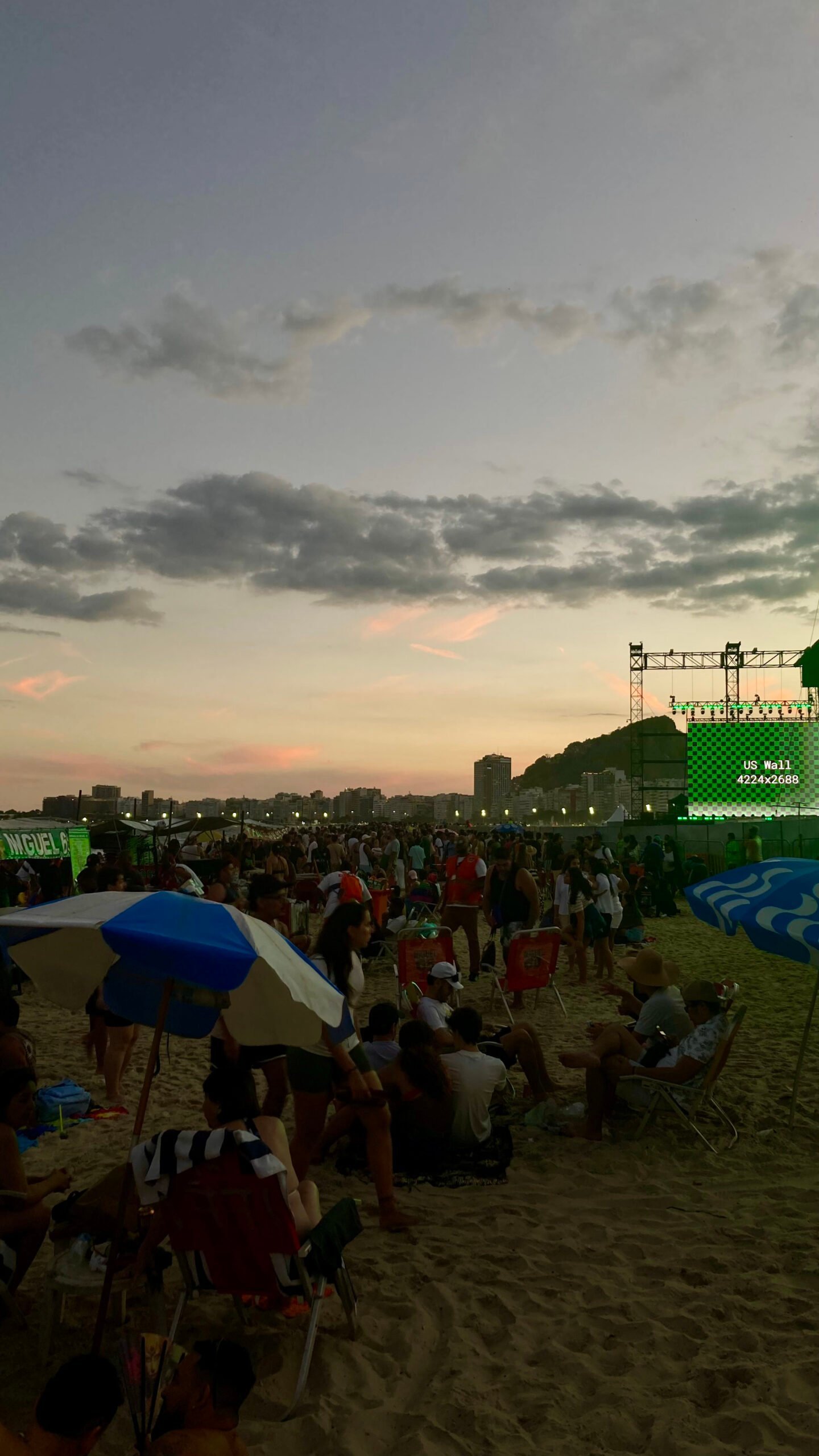
Before Rod Stewart made that beach legendary, there was another concert at Copacabana that shook the world. Not many people outside Brazil know this story, which is a shame, because it is remarkable. The year before Rod Stewart’s massive concert, Brazilian icon Jorge Ben Jor drew a crowd of 3 million to Copacabana Beach for a New Year’s Eve celebration, with his performance rich with the sounds of samba and bossa nova not only entertaining a massive audience but also showcasing the power of local music traditions to captivate huge crowds.
Exactly a year before the Rod Stewart concert, Jorge Ben Jor broke the 3 million mark, and that New Year’s Eve was actually the first time there was ever a gathering of such scale at Copacabana Beach. In other words, this concert is the one that truly invented the template. It proved to the world that Copacabana was capable of hosting the unimaginable.
It is worth pausing on the fact that a local Brazilian artist, not a globally marketed megastar, pulled off something that nobody else had ever done before. The connection between Ben Jor and his audience that night was clearly something profound, a celebration of culture and community that transcended anything a simple ticket could buy.
Live Aid at Wembley Stadium, London (1985): Where Music Became a Moral Force
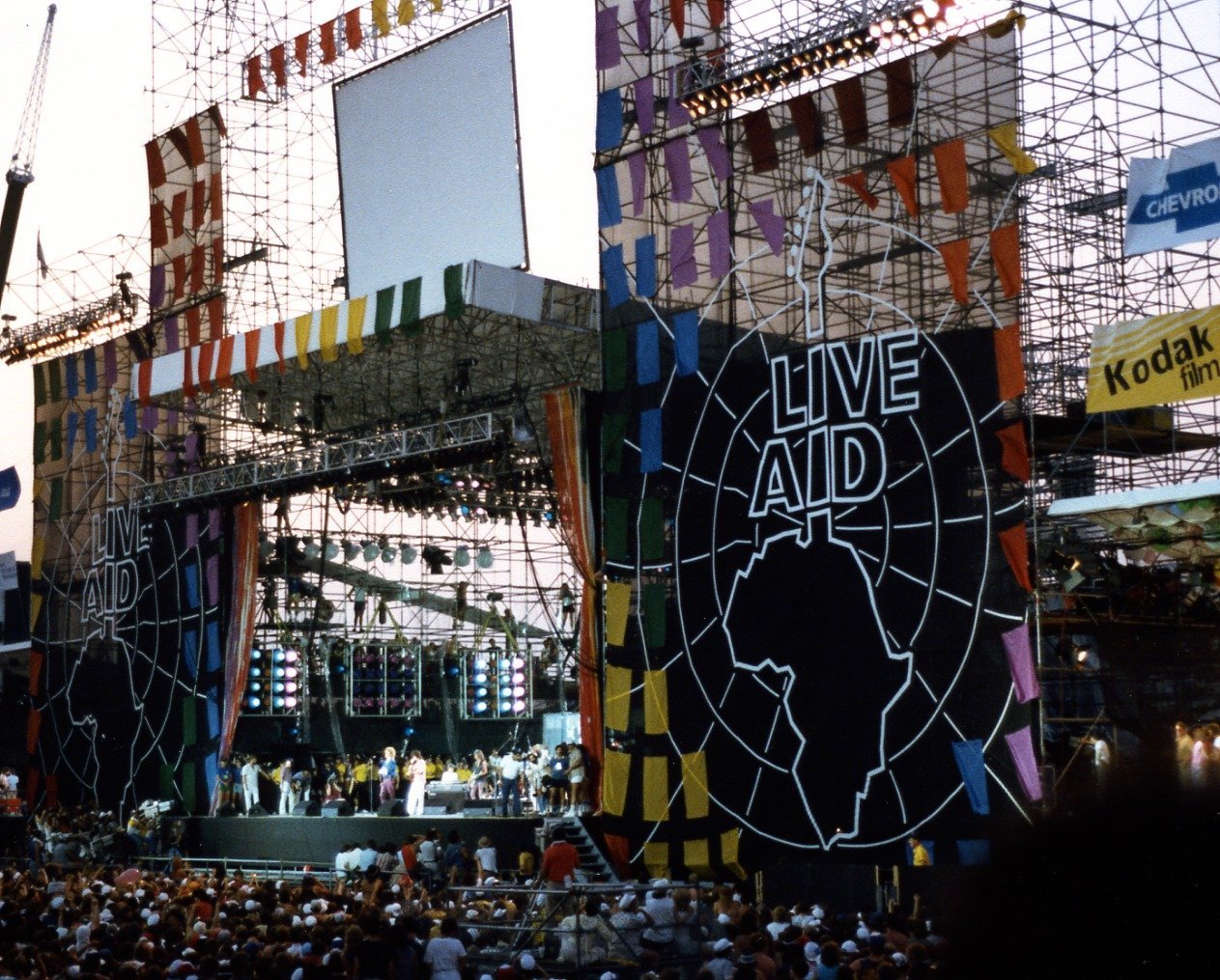
Some concerts are big in crowd size. Live Aid was big in a completely different way. Live Aid was a two-venue benefit concert held on Saturday, July 13, 1985, organised by Bob Geldof and Midge Ure to raise further funds for relief of the 1983–1985 famine in Ethiopia. An estimated audience of 1.9 billion people in 150 nations watched the live broadcast, nearly 40 percent of the world population at the time.
Approximately 72,000 people attended the Live Aid concert at Wembley Stadium in London, and about 89,000 attended JFK Stadium in Philadelphia. The numbers in the stadium were modest by the standards of this list. The number watching at home was anything but. Live Aid raised over $125 million for famine relief efforts in Ethiopia, making it one of the most successful fundraising events in history.
Queen had a 21-minute set at Wembley Stadium during Live Aid, and in 2005, it was voted as the best rock gig of all time. Frontman Freddie Mercury delivered an electrifying masterclass in showmanship and vocal power, a performance widely hailed as one of the most legendary in rock-and-roll history. I think it’s almost impossible to overstate what Freddie did that day. It remains breathtaking to watch even now, decades later.
The Rolling Stones at Copacabana Beach, Rio de Janeiro (2006): Rock’s Greatest Band, World’s Greatest Stage
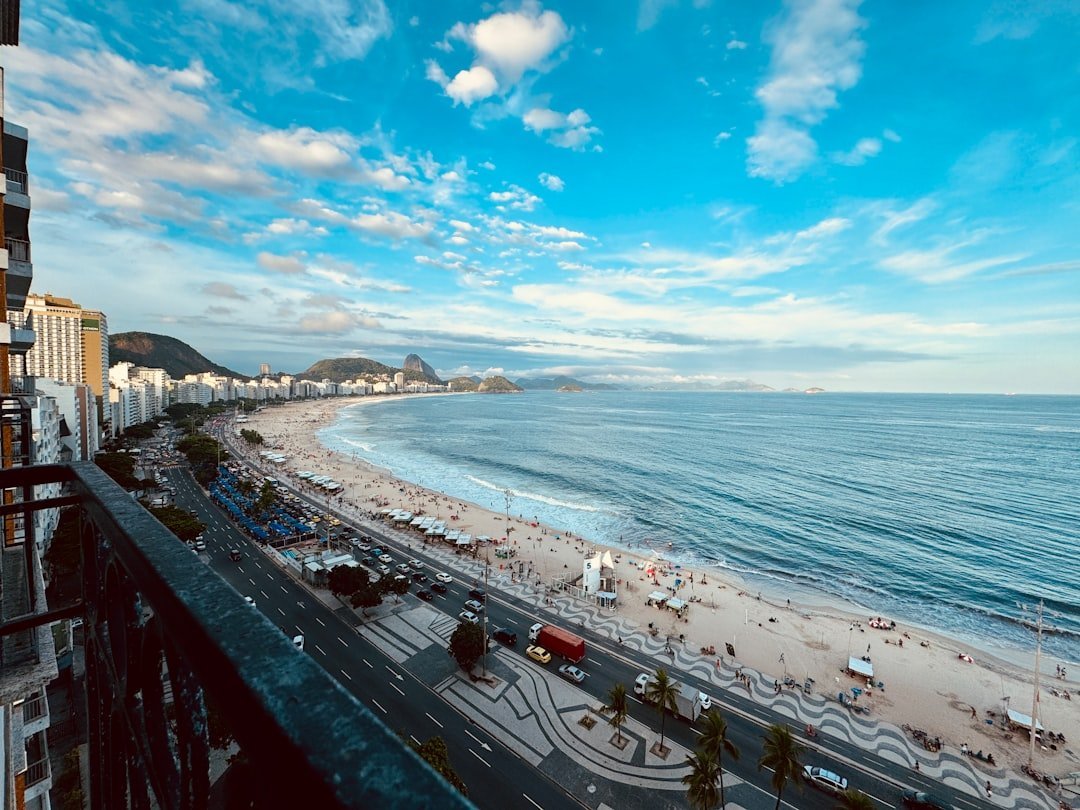
Let’s be real. When a band like the Rolling Stones picks a venue, the world pays attention. And when they chose Copacabana Beach as the setting for a free concert during their “A Bigger Bang” tour, the result was exactly what you’d expect. The Rolling Stones performed for 1.5 million fans on February 18, 2006, at Copacabana Beach during their A Bigger Bang tour, with the free concert on the shores of Rio being one of the band’s most memorable performances, showcasing their enduring popularity.
Copacabana Beach has become the setting for some of the most accurately recorded and legendary free concerts in history, with the Rolling Stones’ 2006 show drawing an estimated 1.2 to 1.5 million revelers mid-tour, in one of the most discussed beach concerts ever staged. Their concert was immortalized in the film “The Rolling Stones: A Bigger Bang – Live On Copacabana Beach,” making history with an attendance of 1.5 million people.
Think about what it means for a band that had already been performing for over four decades to still draw that kind of crowd. The Stones did not just show up. They delivered. The beach essentially became one enormous outdoor stadium, stretching as far as the eye could see, with the Atlantic Ocean as the backdrop.
Monsters of Rock at Tushino Airfield, Moscow (1991): Heavy Metal Meets Historical Upheaval
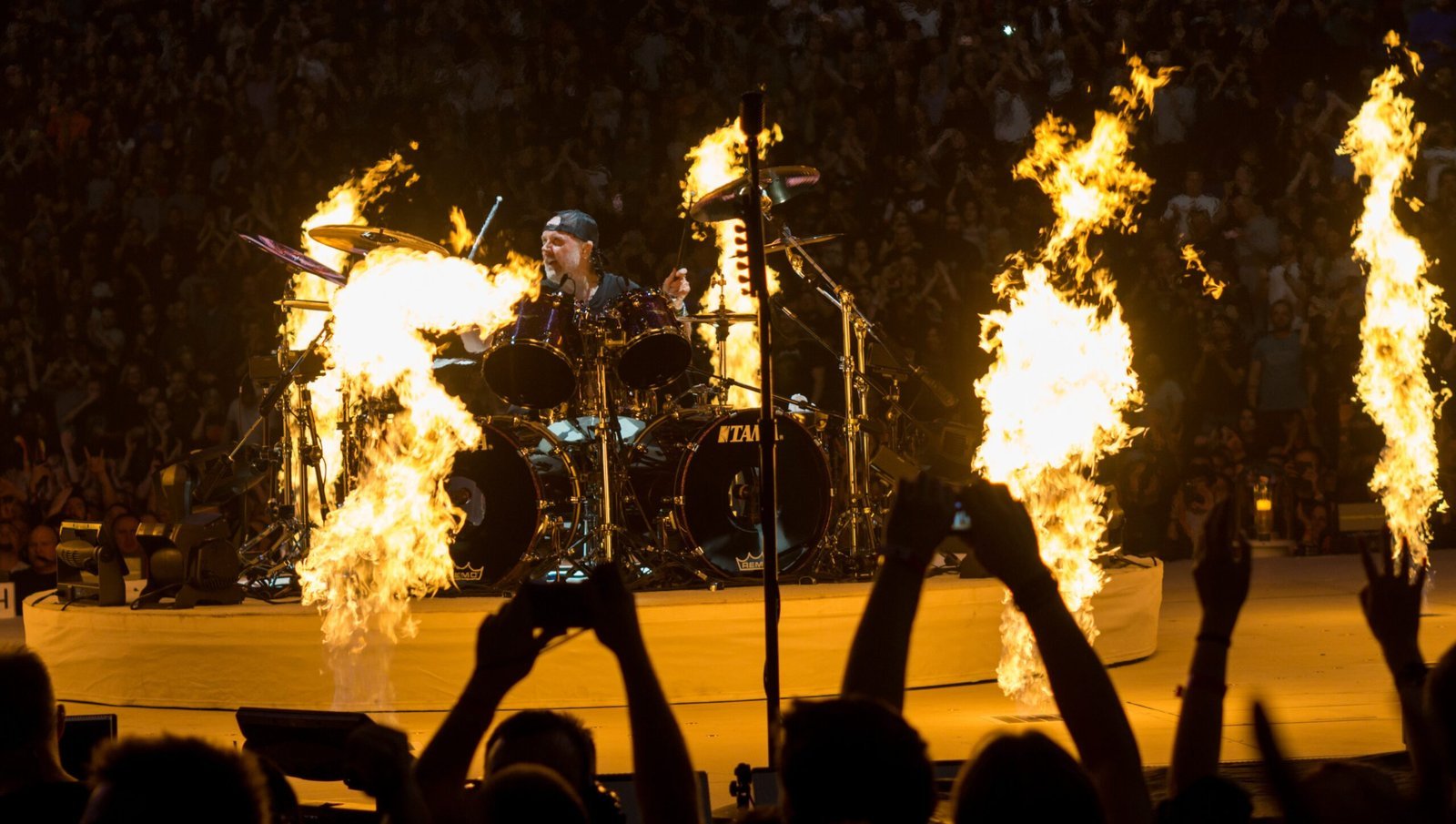
This one is easy to forget if you weren’t alive for it, but the context makes it absolutely extraordinary. On September 28, 1991, Moscow’s Tushino Airfield was packed with 1.6 million heavy metal fans for the Monsters of Rock festival, featuring AC/DC, Metallica, Pantera, The Black Crowes, and E.S.T.
Metallica’s historic performance at Tushino Airfield in Moscow attracted 1.6 million fans, with the concert taking place during a pivotal period in Russian history following the failed August Coup. The Soviet Union was collapsing. The world was shifting beneath everyone’s feet. Into that moment walked some of the loudest bands on the planet, and nearly two million people showed up to feel something real.
The band’s electrifying live set included hits like “Thunderstruck,” making it a high-voltage memory etched into the hearts of millions. For many, it was the first time they had ever experienced a Western rock concert, and the impact still resonates through music history. That detail is worth sitting with. For a generation of Russians, this was not just a concert. It was a symbol of freedom arriving in sound and fury.
Antonello Venditti at Circo Massimo, Rome (2001): Football, Music, and 1.8 Million Italians
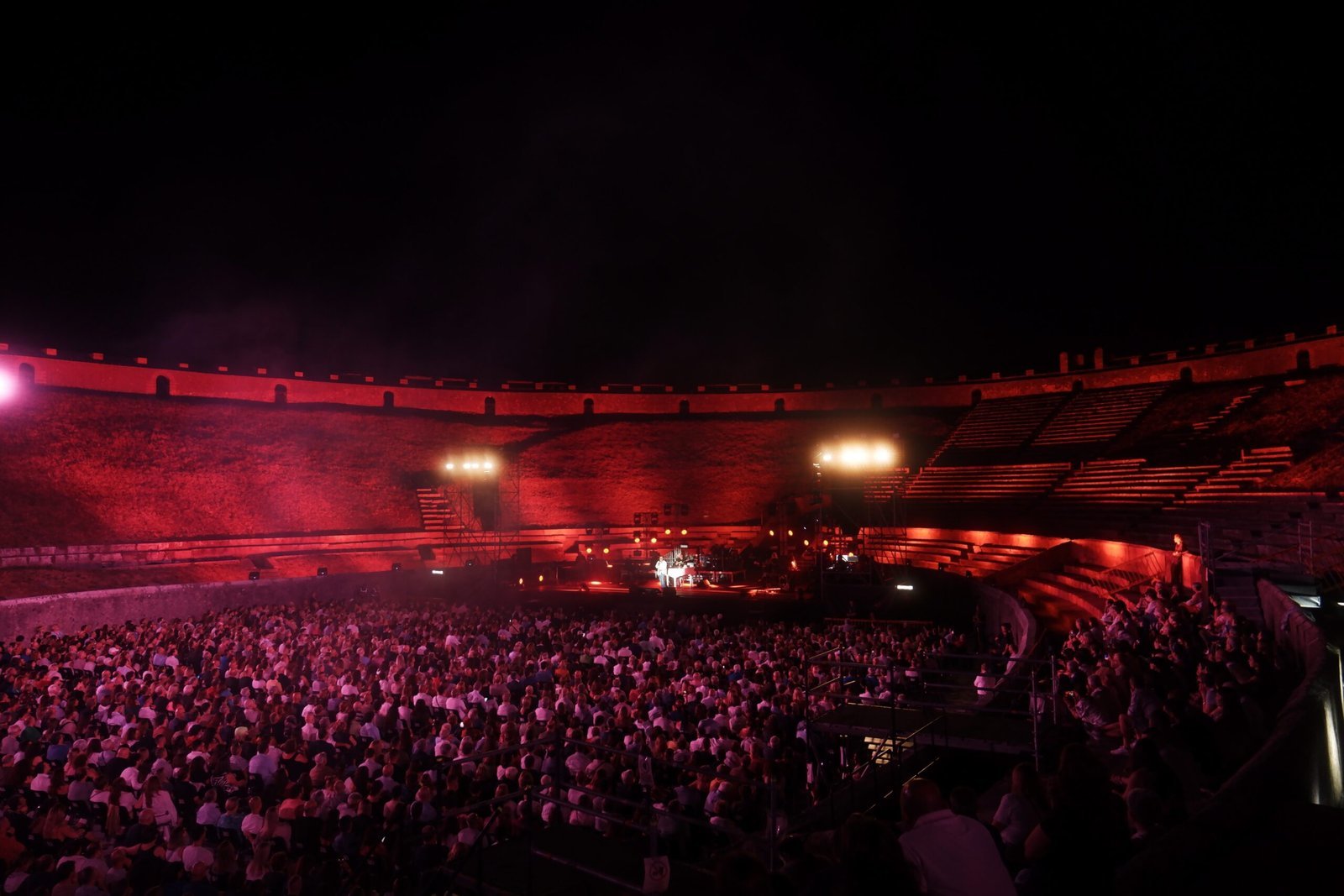
I know it sounds crazy, but a concert tied to a football championship ending up on a list of the world’s biggest live music events somehow makes perfect sense. Italy is that kind of place. In 2001, Antonello Venditti took to Rome’s historic Circo Massimo in order to celebrate AS Roma’s Scudetto Italian league title win, setting a record for the Italian artist and the country as one of the biggest concerts in Italian history, and given that this concert was a mass celebration, it was completely free to the public.
On June 24, 2001, Italian singer-songwriter Antonello Venditti performed at Circus Maximus in Rome, and with 1.8 million attendees, it remains one of the largest concerts ever held in Italy, bringing together music and football fans alike. The Circo Massimo is one of the most ancient entertainment venues in human history, originally built for chariot racing. Having 1.8 million people fill it for a modern pop concert is a genuinely surreal image.
For those outside Italy, Venditti may not be a household name. Inside Italy, he is a legend, the kind of artist whose songs feel like the emotional soundtrack to an entire generation. That night in Rome, two passions – football and music – fused into something that felt less like a concert and more like a national ceremony.
Jean-Michel Jarre at La Défense, Paris (1990): Bastille Day Goes Monumental
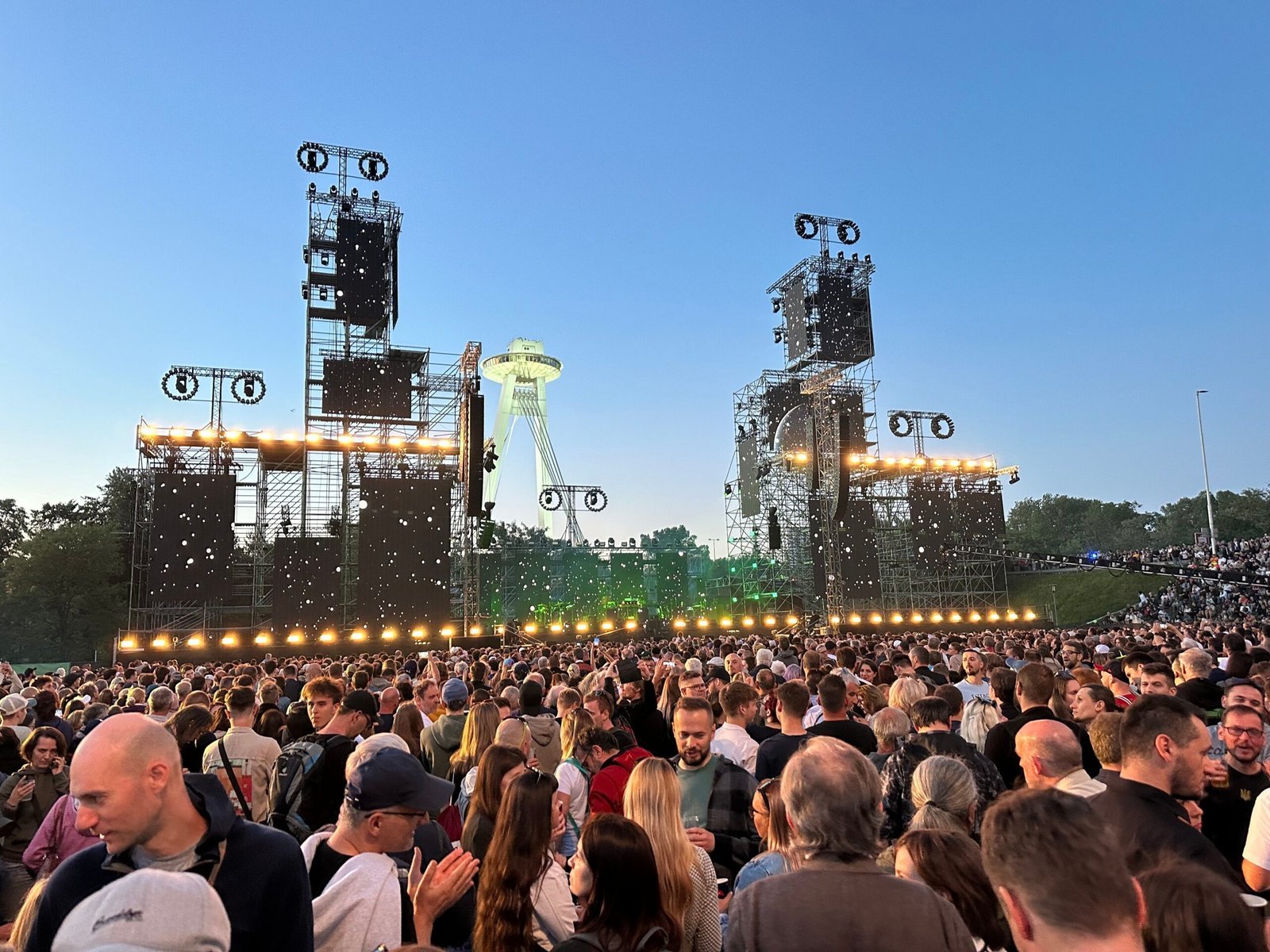
Jarre appears on this list more than once, and honestly, he deserves to. The man has a gift for transforming public spaces into spectacles that blur the line between concert and art installation. Jean-Michel Jarre performed his Bastille Day concert on July 14, 1990, in Paris, held at La Défense to celebrate the French Revolution, drawing 2.5 million people and cementing his reputation for producing jaw-dropping multimedia events.
The La Défense District of Paris was turned into a huge concert site to commemorate the 18th-century French Revolution, a celebration that has been and continues to be a famed yearly event, but with Jarre’s performance drawing in an additional attendance of a whopping 2 million-plus fans, this 1990 event has since gone down in history for its immensely sizable attendance.
Imagine the scene. The futuristic skyline of La Défense, lasers cutting through the Paris night, a crowd that stretched beyond any reasonable estimation. Jarre used the buildings themselves as projection screens, turning architecture into part of the performance. It is hard to say for sure, but I’d argue this was one of the first concerts to genuinely prefigure what modern large-scale festival production would become.
Simon & Garfunkel in Central Park, New York (1981): Half a Million in the Park
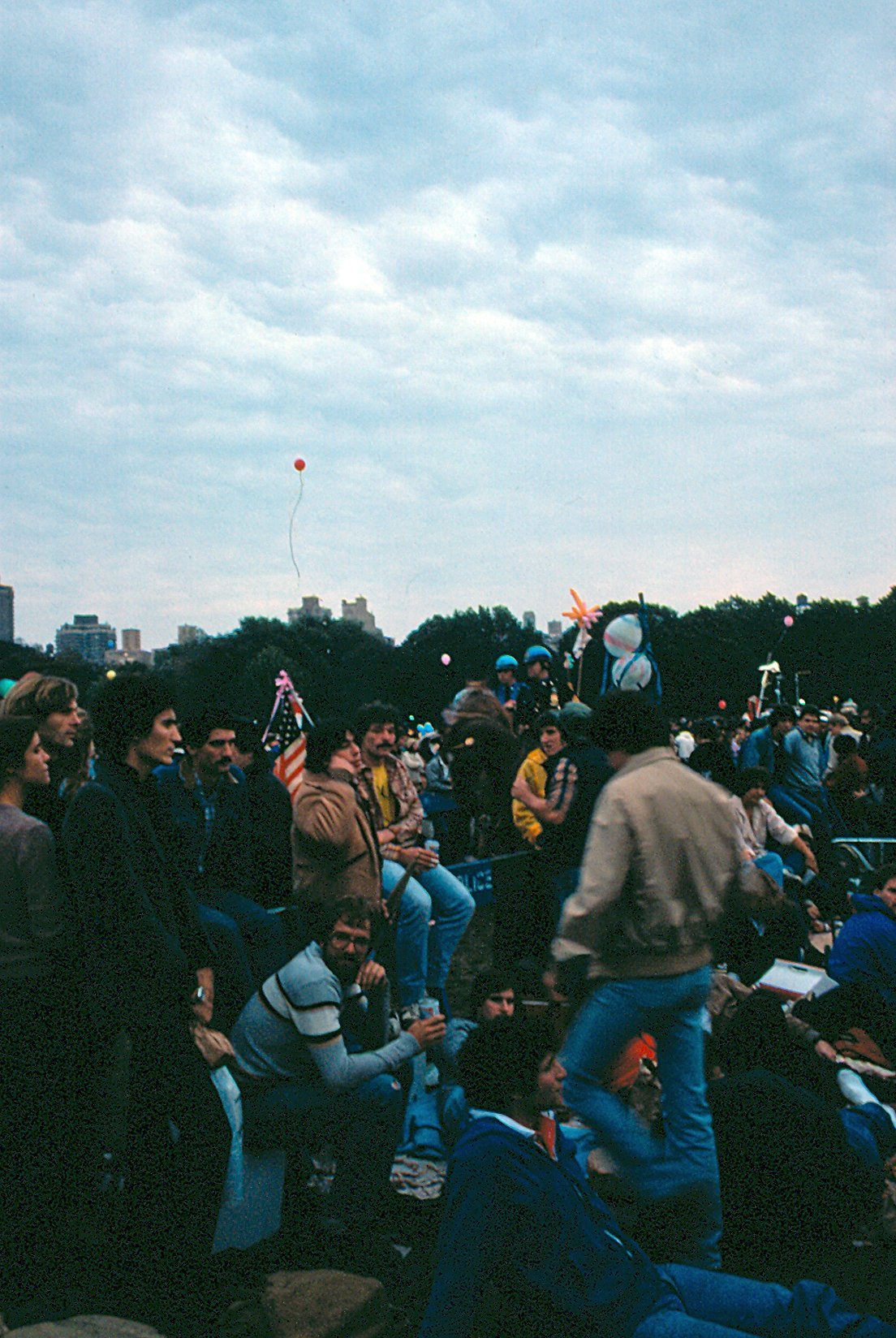
Not all historic concerts are defined by spectacle and pyrotechnics. Some are defined by something quieter – the sound of two voices that belonged together, finally in the same place again. Simon & Garfunkel reunited for their first live performance in 11 years as a duo in Central Park, with the free benefit concert supporting the Central Park Conservancy expecting around 300,000 guests, but an estimated half a million people showed up for the legendary reunion.
Simon and Garfunkel resumed their relationship for this reunion in Central Park on September 19, 1981, at a time when the park had fallen into a severe state of disrepair in the 1970s, and the proceeds from this reunion were allocated to its redevelopment and maintenance. HBO broadcast the performance, which was also released as the duo’s first live album, and the city reaped about $51,000 in profits from merchandising, television, and video rights.
The subsequent live album recorded that night peaked at number six on the Billboard 200 chart in 1982, and while the magic of the night sparked a world tour the following spring, the relationship between the two musicians proved creatively impossible to maintain. Half a million people stood under the New York sky that night for something fragile and beautiful. That is its own kind of record.
Garth Brooks in Central Park, New York (1997): Country Conquers the Big Apple
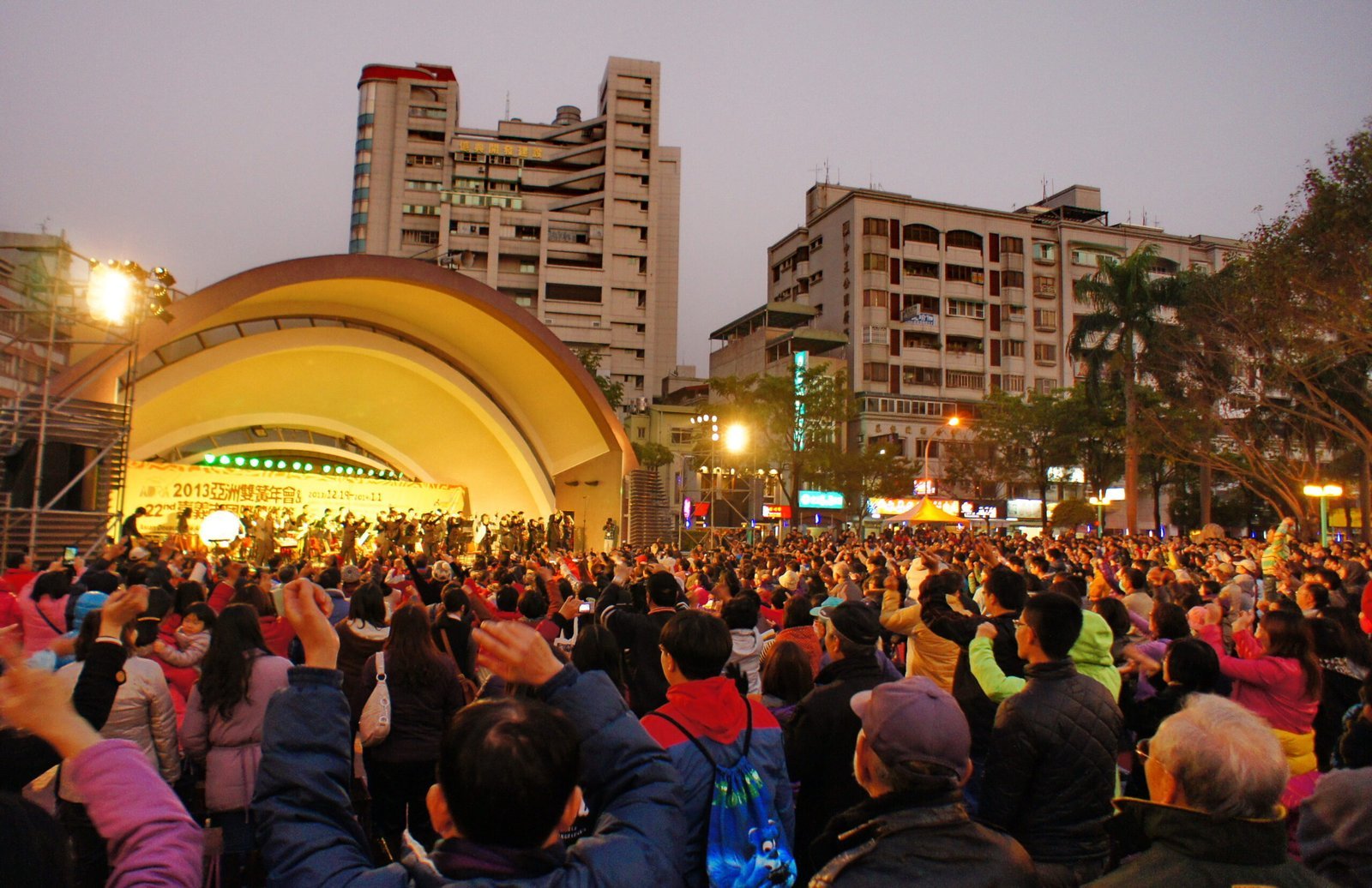
Nobody expected this. New York is not exactly famous for embracing country music, and when Garth Brooks announced a free Central Park concert in 1997, the city’s mayor estimated a modest 300,000 would show up. What actually happened was something else entirely. Garth Brooks’ concert, dubbed “Garthstock” paying homage to Woodstock, was free of charge and became the largest concert ever held in the park, with an estimated audience of over 1,000,000.
The New York City Fire Department estimated that 980,000 attended the event, and even if the lower estimate were accurate, Brooks would have still beaten the previous record of 600,000 set by Paul Simon in 1991. Brooks paid homage to Simon and his record-setting crowd by opening his concert with “A Heart in New York.”
Garth Live from Central Park was broadcast live on HBO, directed by Marty Callner, receiving 14.6 million viewers – the most of any concert special that year – and later received six Emmy Award nominations, including for Outstanding Variety, Music, or Comedy Special. At the concert, it was revealed that Billy Joel and Don McLean were the special guests, joining Brooks separately onstage to perform a selection of their songs. A country star, in New York City, with nearly a million people singing along. If that doesn’t restore your faith in music’s power to cross every boundary, nothing will.
Conclusion: Why These Moments Still Matter
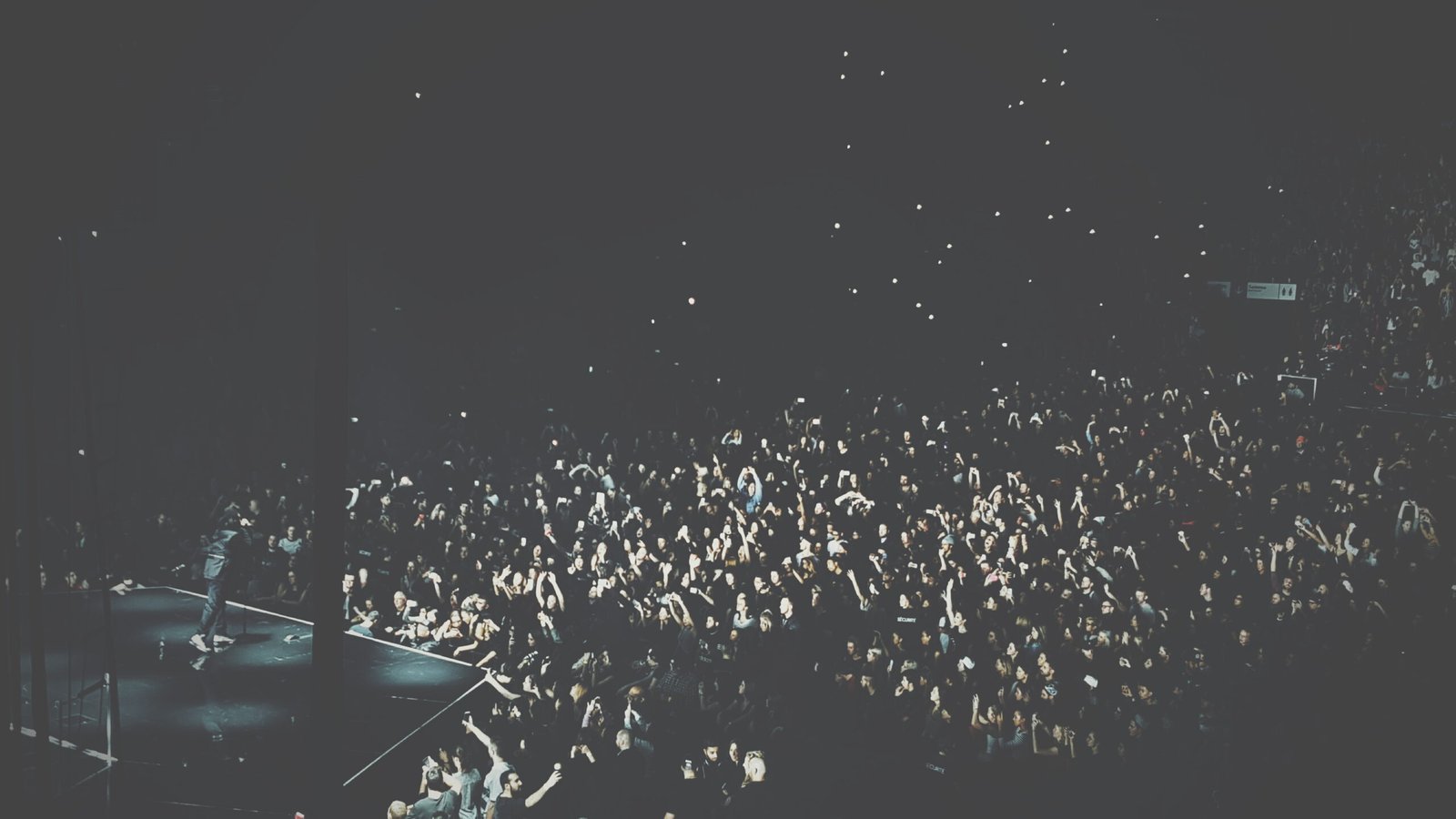
What ties all these concerts together is not just the staggering numbers. It is the feeling behind those numbers. Each event on this list represents a moment when people decided, collectively and sometimes spontaneously, that they needed to be somewhere together. Music gave them the reason.
Think about what it means that the ten biggest concerts in history were largely free. Yes, all of the largest concerts ever cost nothing to attend. There is something profound in that. The biggest moments in live music history were not exclusive. They were invitations. Open to anyone who could find their way there.
From the beaches of Rio to the ancient stadium of Rome, from a grief-stricken Wembley to a liberated Moscow airfield, these concerts remind us that music is not just entertainment. It is one of the few forces powerful enough to make millions of strangers feel, for a few hours at least, like they are part of something much larger than themselves. Which one of these would you have most wanted to be at? Tell us in the comments.

Besides founding Festivaltopia, Luca is the co founder of trib, an art and fashion collectiv you find on several regional events and online. Also he is part of the management board at HORiZONTE, a group travel provider in Germany.
