

For any feedback please reach out to info@festivalinside.com
- These 20 Books Had Different Titles Until the Last Minute - September 22, 2026
- The 20 Most Famous Songs Written in Under 15 Minutes - September 22, 2026
- 10 Albums You Shouldn’t Shuffle - September 22, 2026
Fashion has always had a strange relationship with time. It marches forward, yes, but every few decades it spins around, looks back, and borrows something from the past. Historically, this inclination toward retro can be traced to cyclical patterns in cultural adoption, with the fashion industry often revisiting earlier styles approximately every 20 to 30 years. It’s almost mathematical, when you think about it.
Fashion doesn’t exist in a vacuum. It’s influenced by social, cultural, and economic factors. When a particular era experiences a revival, it’s often linked to a sense of nostalgia or a desire to recapture a specific feeling or aesthetic. Right now, in 2026, the 70s and 80s are louder than ever on runways, sidewalks, and social media feeds. The reasons are layered, the looks are bold, and honestly, some of it is genuinely thrilling to watch come back. Let’s dive in.
1. Wide-Leg Flared Trousers: The Bottom-Heavy Silhouette That Never Really Left
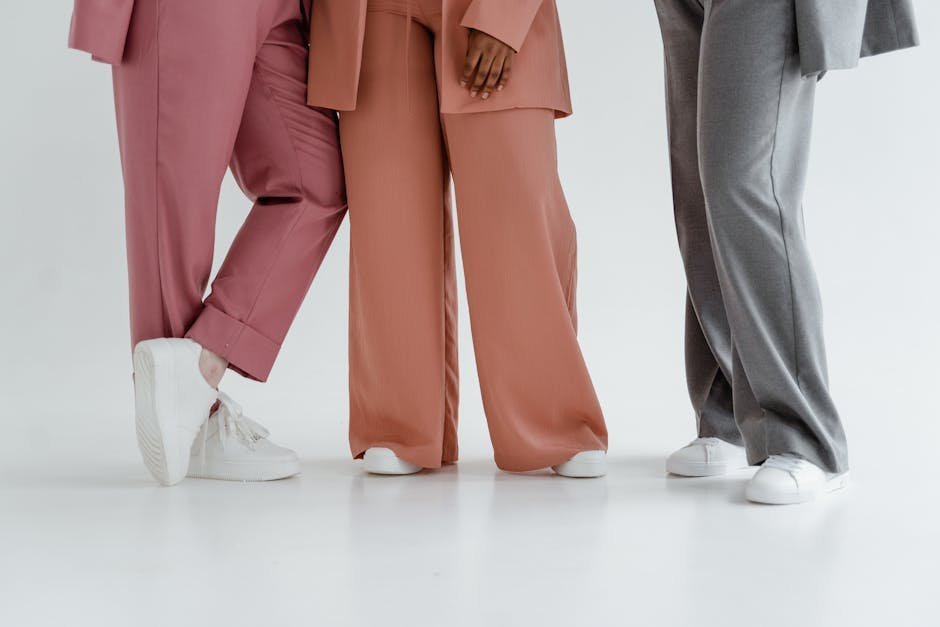
Few things capture the 70s spirit quite like a pair of gloriously wide, floor-grazing flares. The 1970s, with its bohemian spirit and relaxed silhouettes, continues to be a strong influence, with flowing maxi dresses, flared pants, and earthy tones leading the charge. Originally tied to a counterculture spirit of freedom and protest, flared trousers were a uniform for a generation rejecting the rigid conformity of the decade before them.
Flared jeans and bell bottoms, reminiscent of the 1970s, are back in a big way, offering a flattering and comfortable alternative to skinny jeans. Today’s version tends to be cleaner, more tailored at the hip, and available in a range of fabrics from crisp linen to rich suede. Think less Woodstock, more Parisian street style. The silhouette remains unmistakably retro, but feels surprisingly modern when paired with a structured blazer or minimal top.
2. Power Shoulders: The 80s Armor Is Back and It Means Business
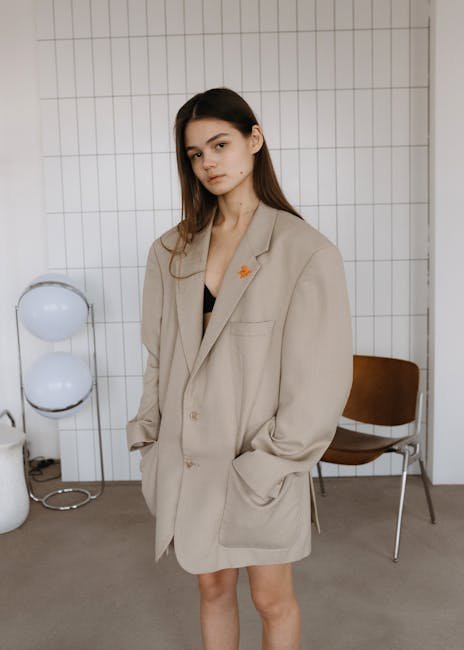
There’s something almost theatrical about a truly pronounced shoulder pad. The 1980s brought bold outfit statements such as oversized shoulder pads, neon colors, and statement jewelry, and this decade’s influence is evident in today’s power dressing, with oversized blazers and dramatic silhouettes making a prominent return. The original 80s power shoulder was born in an era when women were fighting hard for space in corporate boardrooms, and the clothing reflected that battle-ready ambition.
From the sexy pastel suits at Tom Ford to the beefed-up shoulders at Stella McCartney and Schiaparelli, homages to 80s fashion were far and away the biggest trend by decade at Paris Fashion Week. Today’s take softens the drama just slightly. When designers tap into the original power dressing mode, it reads like a call to bring back the old armor, or to take on an 80s air of optimism. Honestly, I think the appeal goes beyond aesthetics. It feels like a statement.
3. Boho Chic: The Free-Spirited 70s Look That Keeps Returning
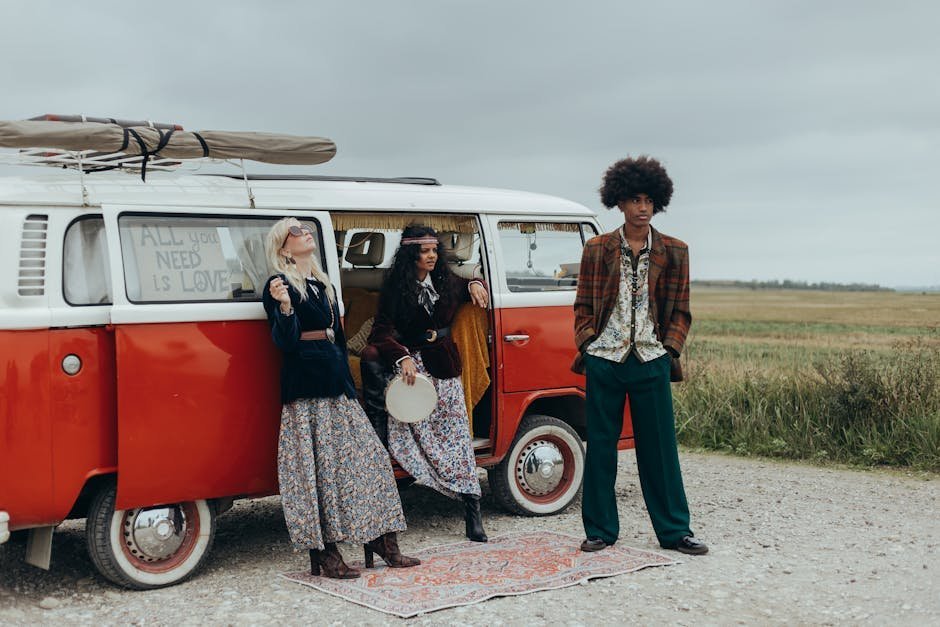
The carefree spirit of the 70s is alive again with the boho chic trend making waves. Maxi dresses, earthy tones, and chunky accessories are everywhere, channeling the laid-back vibe of the original bohemian era. Designers are reimagining peasant blouses, flowing skirts, and fringe details, making them relevant for today’s fashion enthusiasts. The original boho movement was rooted in a kind of anti-fashion ethos, ironically making it one of the most enduring aesthetics in modern history.
In 2025 and 2026, boho has enjoyed a return, particularly driven by Chemena Kamali, the creative director of Chloe, who is dedicated to taking the brand back to its original French Girl free-spirited DNA. The modern reinterpretation skews a little more refined, mixing flowy silhouettes with elevated fabrics and cleaner accessories. Many are drawn to this revival not just for its aesthetics, but also for the growing movement toward sustainable and mindful fashion, with vintage-inspired pieces encouraging shoppers to mix old with new.
4. Neon and Bold Color Blocking: When Subtlety Simply Wasn’t an Option
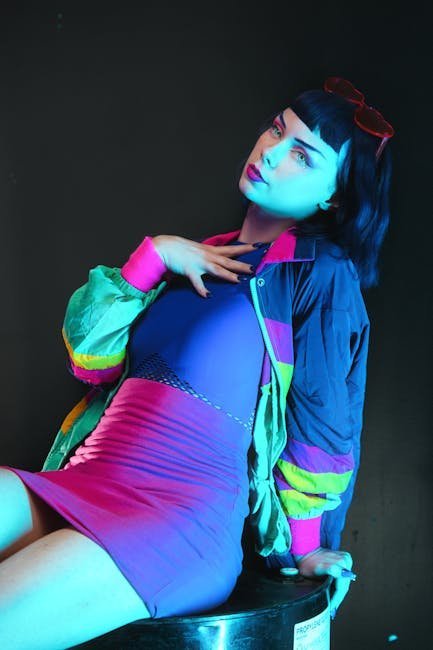
Bold colors, cool pastels, and neons defined the 80s, and they were often mixed together into graphic prints. This was a decade drunk on excess, on color, on the sheer joy of being visible. Neon was not just a color choice in 1985 – it was a personality. Electric pinks, acid yellows, and blazing oranges fought for attention on every street corner.
For the spring and summer 2026 season, the boldest designers chose to mix and match eye-popping shades for a thoroughly 80s take, with mint green against cobalt, lemon yellow paired with frosty blue, and royal purple partnering with powder pink. The difference today is a certain knowing restraint. In 2025 and 2026, these bold colors are being softened with the neutrals collected over the past couple of years, creating a balance that feels vibrant without veering into costume territory.
5. High-Waisted Denim: A Shape That Flatters Every Decade
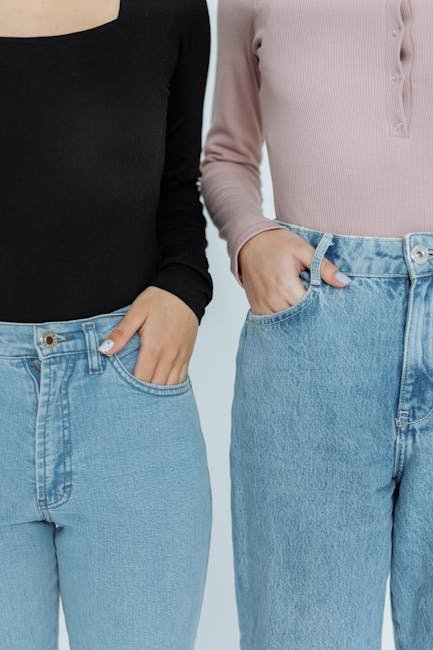
High-waisted denim has an almost mythological durability in fashion. Both the 70s and 80s loved a cinched, high-set waistband, though for different reasons. The 70s loved it for its ease and bohemian sensibility, while the 80s cranked it up with acid-wash treatments and dramatic tapering at the ankle. Each decade had its own signature palette, from earthy tones and mustard hues in the 1970s, to neon and electric shades in the 1980s.
Bold shoulders, high-waisted denim, and metallic accessories are all trending strongly in 2026. Today’s denim revival leans into clean, distress-free cuts. In the 1980s, denim vests were worn with denim skirts and acid-wash jeans with denim jackets; in 2025 and 2026, the trend is mixing and matching cleaner, distress-free denim instead. It’s a more refined take on double denim that somehow makes the whole idea feel fresh again.
6. The Penny Lane Coat: That Furry-Trimmed Icon You Suddenly Need Again
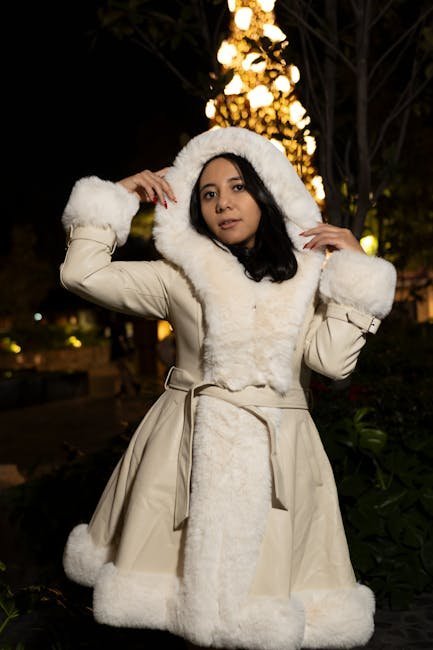
If you’ve spent any time on fashion social media in the past two years, you’ve noticed the return of a very specific silhouette. The Penny Lane coat, defined by its plush fur or shearling trim, wide collar, and often belted shape, was the ultimate 70s outerwear statement. Named after the fictional character in Cameron Crowe’s Almost Famous, it became synonymous with a certain effortlessly cool, rock and roll bohemian energy.
The iconic 1970s Penny Lane coat, characterized by its fur embellishments and flattering design, is making a fashionable comeback. Celebrities like Taylor Swift and Bella Hadid have been spotted wearing this vintage outerwear, inspiring fashion enthusiasts to incorporate this statement piece into their wardrobes. Its versatility allows it to elevate various outfits, making it a valuable addition to any vintage style collection. Today’s versions often swap real fur for sustainable alternatives while keeping that same luscious silhouette. It’s one of those pieces where the moment you try it on, you understand exactly why it came back.
7. Polka Dots: The Cheerful 80s Pattern Having Its Loudest Moment Yet
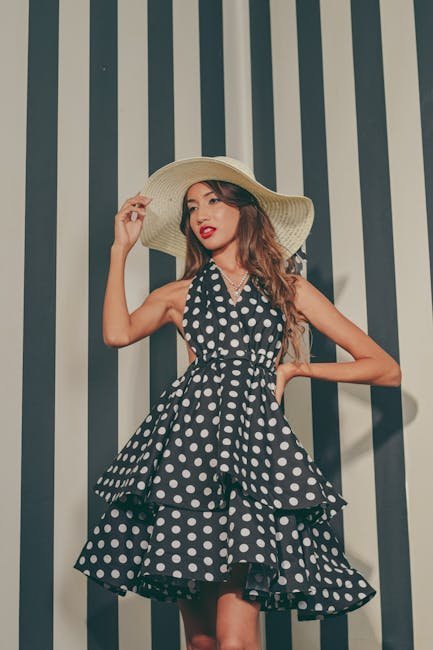
Let’s be real – polka dots have always been lurking somewhere in fashion. The 80s gave them a maximalist moment, blasting them across oversized silhouettes in clashing colors and unexpected textures. It was fun, unapologetic fashion at its most joyful. The fashion industry sees periodic returns of vintage trends, from bell-bottom jeans and polka dots to neon colors and shoulder pads, each revival adapted to fit contemporary tastes while retaining its vintage essence.
Polka dots are undergoing a renaissance courtesy of Jacquemus, Nina Ricci, Dries Van Noten, and Patou, appearing across sheer gowns, full-length coats, fitted blazers, and evening mini dresses, not only in black and white, but in dazzling primary tones. The modern approach encourages clashing them with florals and pairing them with exaggerated accessories. It sounds like chaos on paper, but somehow it works gloriously well in practice. Think of it like a jazz improvisation – there are rules, but the best players know when to break them.
8. Tailored Power Suiting: Structure as a Form of Self-Expression
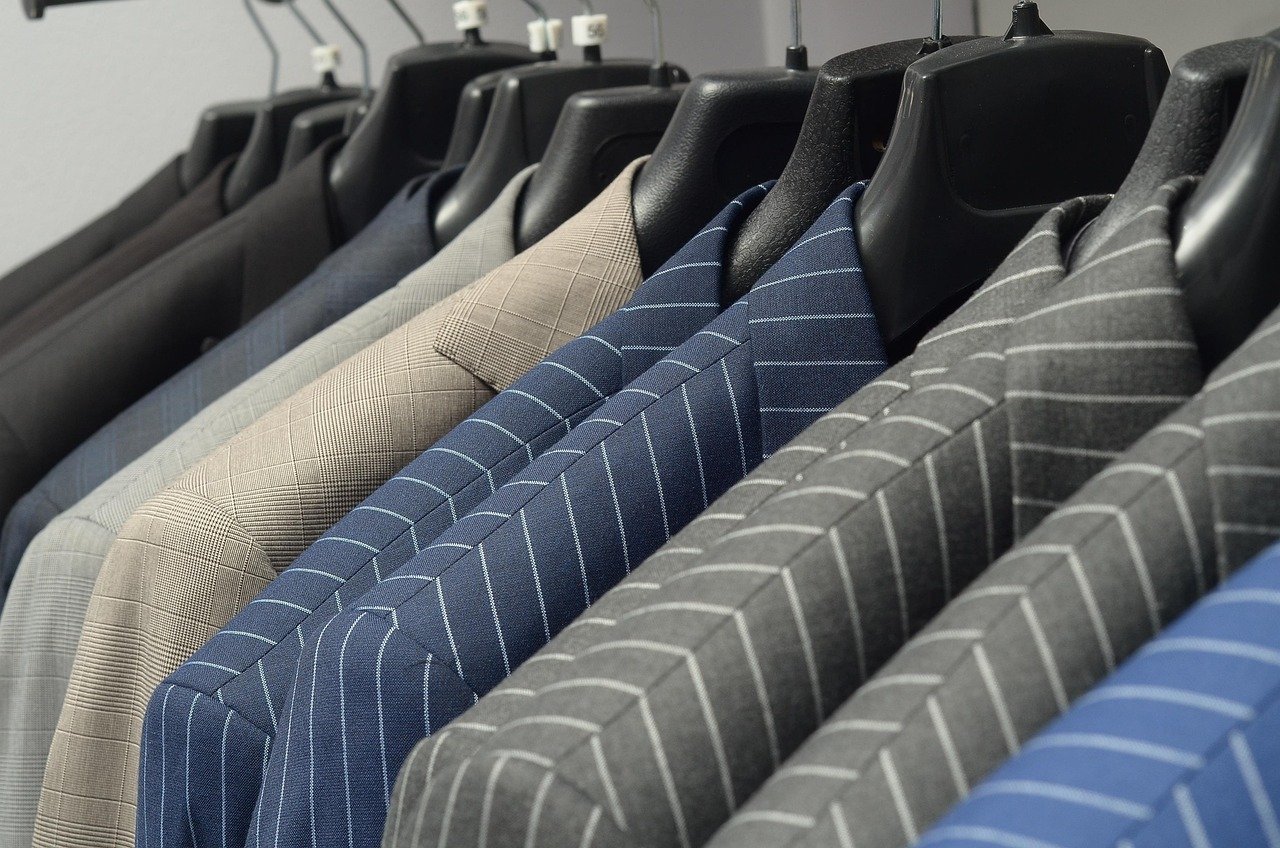
In the 80s, power suits meant blazers with sharp shoulders and wide pants, or structured jackets with pencil skirts. It was dressing with intent, with presence, with the clear message that you were there and you meant it. The corporate suit became a kind of war costume, and it was exhilarating.
Once associated with the power dressing of the 80s and 90s, sleek tailored suiting has made a sharp return, with three-piece sets and matching blazers and trousers dominating both runways and street style. Minimalists are especially drawn to the resurgence, as the clean lines and classic cuts offer endless styling possibilities. Unlike the oversized, boxy fits of previous years, today’s suiting is all about a flattering, streamlined look that can transition seamlessly from office hours to evening outings. Same power, smoother execution.
9. Wrap Dresses: The 70s Gift to Timeless, Effortless Dressing
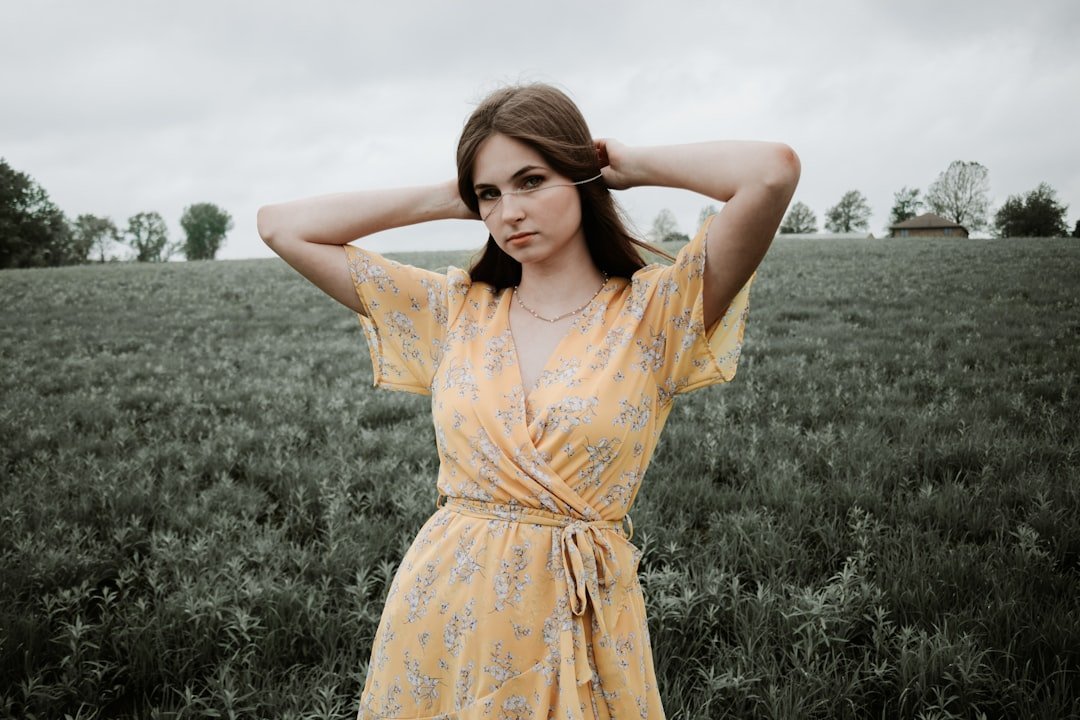
Few garments carry a more storied origin story than the wrap dress. Diane von Furstenberg popularized the style in the mid-70s as a garment built for the liberated, working woman – easy to put on, deeply flattering, and endlessly versatile. It was functional femininity at its most elegant, and it struck a cultural nerve that fashion has never quite recovered from.
Maxi dresses, a staple of 70s fashion, have returned with a modern twist. The wrap silhouette specifically is showing up across runway collections and high-street brands alike, often in updated prints and new fabric choices like satin, jersey, and even structured cotton. Retro fashion is not about exact replication but modern reinterpretation, and combining vintage-inspired pieces with contemporary cuts or fabrics keeps the look fresh and relevant, allowing retro outfits to feel timeless rather than outdated.
10. Metallics and Disco Fabrics: The 70s Wanted to Shine and So Do We
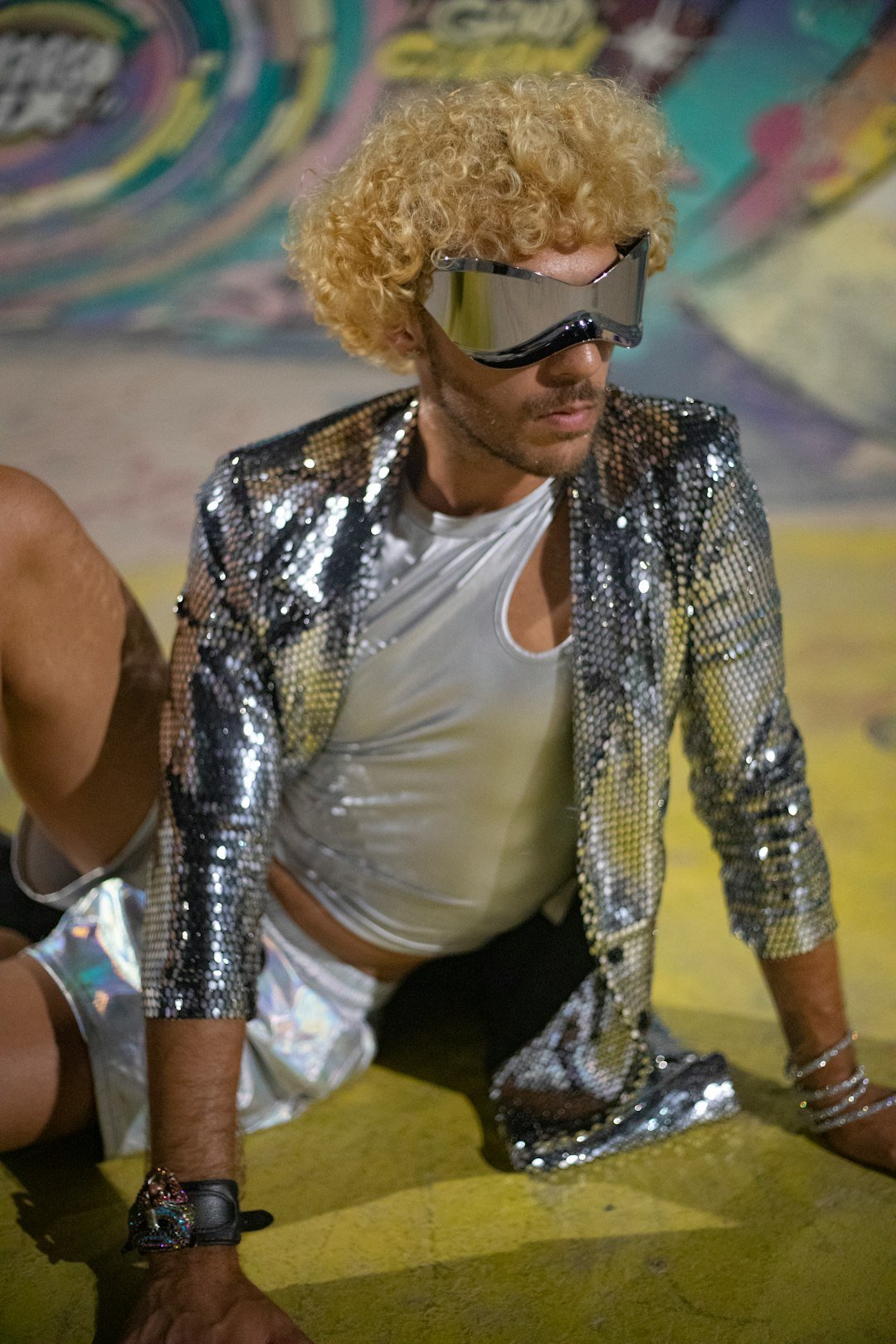
Few things say Saturday night in 1977 like a liquid-silver halter top catching the light of a disco ball. Metallics were the 70s declaration that getting dressed was a performance, a celebration, an event in itself. Power shoulders, metallic fabrics, and bold color-blocking defined the 80s too, extending the shimmering obsession into a second decade with an even more maximalist flair.
Metallic accessories are strongly trending in 2026, and the shine extends well beyond accessories now. Full metallic skirts, shimmering blazers, and lamé trousers are appearing on runways and in store windows. From flared pants to oversized blazers, retro fashion is making a confident return in 2026, backed by modern tailoring, eco-conscious fabrics, and fueled by pop culture revivals and Gen Z’s love for expressive, nostalgic fashion. Disco never really died. It just went to sleep for a while.
11. Peasant Blouses and Embroidered Tops: Slow Fashion’s Favorite Throwback
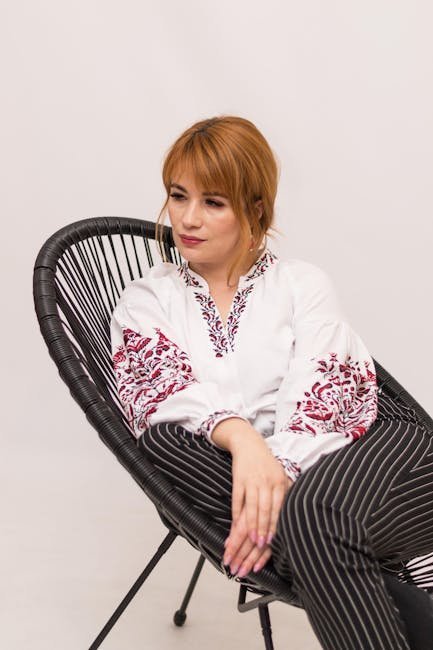
Peasant blouses with billowy sleeves, lace trims, and delicate embroidery are experiencing a renaissance. These romantic tops, inspired by the folk styles of the 60s and 70s, are being paired with everything from denim shorts to maxi skirts. The look is feminine, whimsical, and effortlessly chic. In the original 70s context, these blouses symbolized a return to artisanship, to the handmade, to something that felt personal in a world becoming increasingly mass-produced.
Clothing that feels special and handmade is in high demand, fueling the popularity of peasant blouses. Intricate details and soft fabrics evoke a sense of nostalgia while remaining relevant for today’s fashion landscape, adding a touch of romance to everyday wardrobes. It’s hard to say for sure, but I think this particular revival says something meaningful about where people’s heads are right now. There’s a hunger for the tactile, the crafted, the slow. And a billowy embroidered blouse delivers all of that in a single garment.
12. Earthy Tones and Natural Fabrics: The 70s Palette That Never Feels Dated
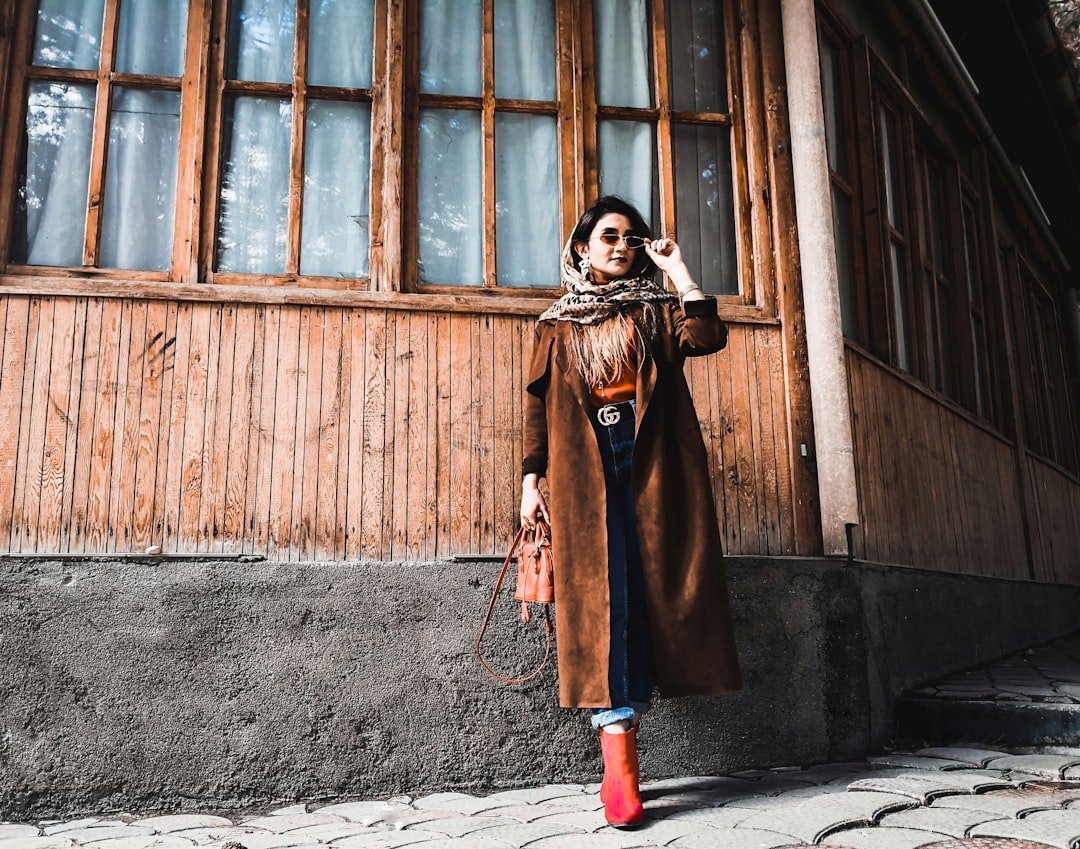
Earthy tones and natural fabrics, staples of 70s fashion, are once again dominating wardrobes, with warm browns, deep greens, and soft creams in materials like linen, cotton, and suede. The original 70s earth-tone aesthetic was rooted in a back-to-nature philosophy, a collective desire to step away from synthetic materials and industrial culture. Mustard yellows, burnt oranges, and terracotta reds created a palette that felt grounded and warm.
This trend is as much about sustainability as it is about aesthetics, with many designers prioritizing eco-friendly production methods. In 2026, the earth-tone revival comes loaded with extra meaning. The fashion landscape for 2025 and 2026 is a vibrant reflection of our evolving world, where sustainability meets maximalist expression, and heritage coexists with hyper-modernity. Choosing a terracotta linen blazer today isn’t just a style decision. For many shoppers, it’s a values statement too.
The Nostalgia Engine: Why Fashion Keeps Looking Backward
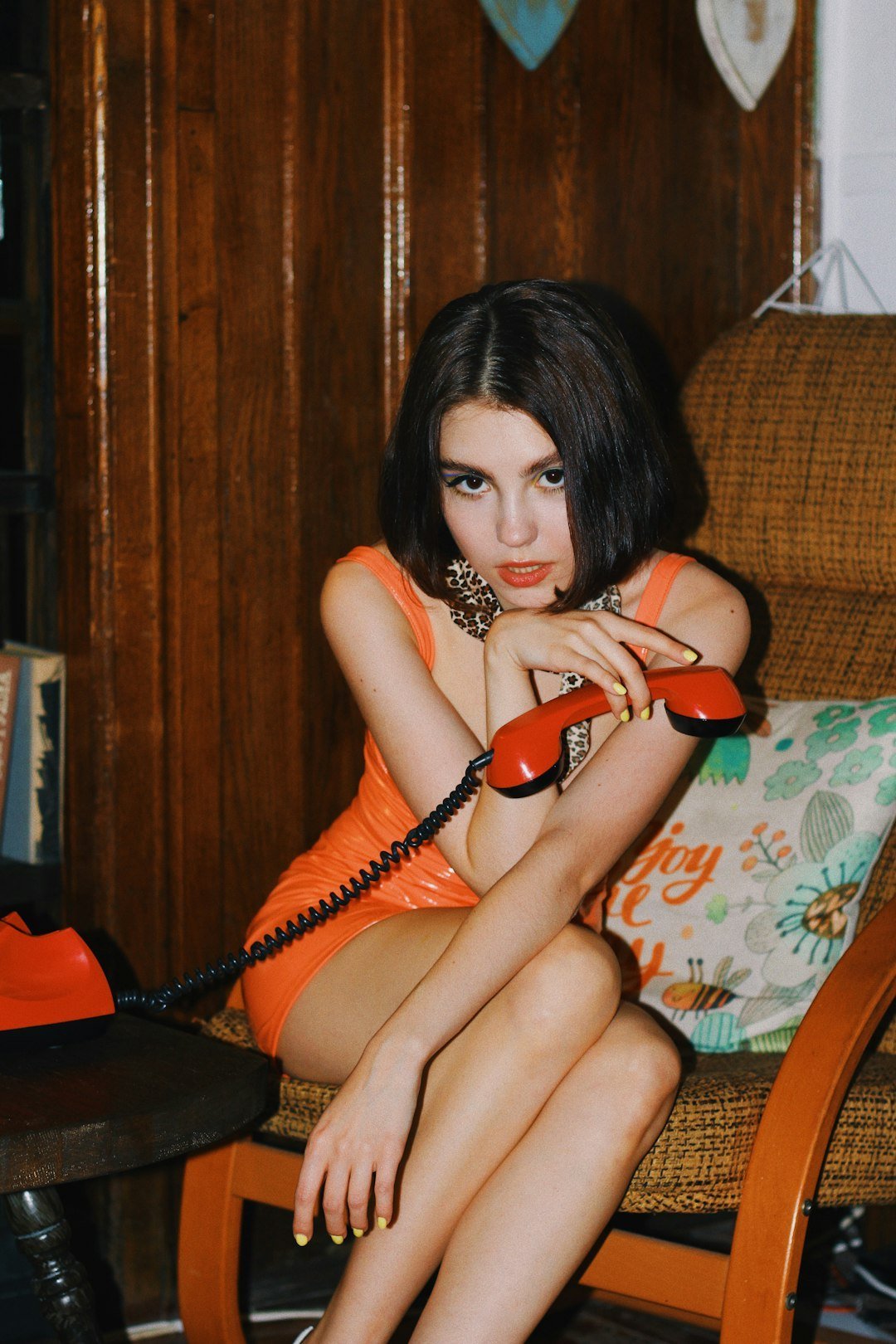
Here’s the thing about fashion revivals: they are never purely about clothes. There are several reasons why past trends resonate with contemporary audiences. Nostalgia plays a big role. People often feel a connection to the fashion of their youth or a period they associate with positive memories, and in times of uncertainty, people may look to the past for comfort and familiarity.
The revival of vintage is much more than a fleeting trend; it is a representation of a deep cultural phenomenon in how the past continuously enriches the present. Today’s fashion world honors history by reinterpreting past styles with a contemporary twist. There’s something almost poetic about it. Each generation discovers the aesthetics of a previous one, strips away the dated context, and reshapes it into something that feels new again.
Retro trends represent an ongoing exchange between past and present, allowing consumers to revisit treasured memories or delve into eras long gone. This blend of nostalgia and modern creativity encourages constant exploration and reinvention. The 70s and 80s continue to prove themselves as inexhaustible wellsprings of inspiration, not because they were perfect decades, but because they were bold, expressive, and unapologetically themselves. Fashion today could learn a thing or two from that confidence.
So the next time you slip on a pair of wide-leg trousers or reach for that gleaming metallic top, remember: you’re not just wearing a trend. You’re wearing a conversation between decades. What do you think – which of these 12 revivals surprised you the most?

Christian Wiedeck, all the way from Germany, loves music festivals, especially in the USA. His articles bring the excitement of these events to readers worldwide.
For any feedback please reach out to info@festivalinside.com
