

- 7 Movie Endings That Were Changed at the Last Minute - September 20, 2026
- Why Some Songs Hit Harder at Night - September 20, 2026
- The 20 Authors Who Predicted the Future Without Trying - September 20, 2026
We tend to look at famous buildings the way we look at celebrities – all polished surface, no inconvenient backstory. But the world’s most iconic structures are, in many ways, like icebergs. What you see from the street or the tourist path is just a fraction of what’s really there.
Beneath the marble, the iron, and the carefully maintained facades lie stories that are messy, strange, violent, and sometimes deeply human. Hidden rooms, wartime secrets, political propaganda, and forgotten tragedies are often embedded in the very walls that millions of visitors photograph each year. So the next time you gawk at a famous landmark, maybe ask yourself – what is this place not telling me? Let’s dive in.
The Eiffel Tower, Paris – The Iron Lady’s Surprising Double Life
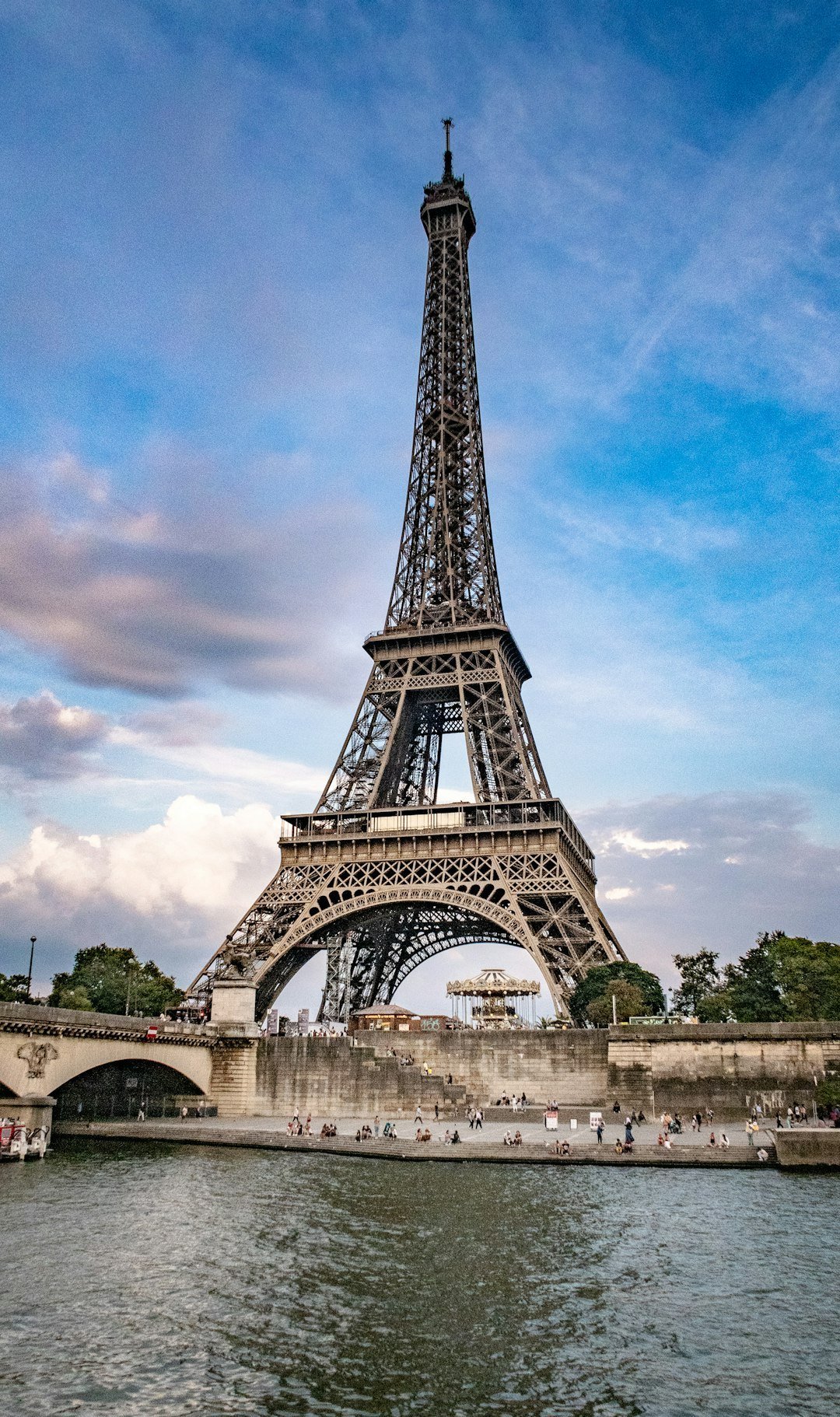
Here’s something most tourists strolling along the Champ de Mars don’t know: the Eiffel Tower was never intended to be permanent. The agreement between Gustave Eiffel and the city of Paris allowed the tower to stand for only 20 years, after which it was supposed to be dismantled. That’s right. One of the most iconic structures on Earth was almost torn down.
After its 20-year permit expired in 1909, the tower was saved from demolition because it had found a new, vital purpose as a radiotelegraph station. Its height made it an ideal antenna for the new technology, and its value to communications secured its future. Imagine that – the Eiffel Tower owes its survival not to beauty, but to bureaucratic utility.
During World War I, the French military used the tower’s radio and telegraph center to communicate with ground troops and battleships. It also intercepted enemy messages. In 1916 the tower picked up a message about a female spy known as the Mata Hari. Using the captured information, the French military tracked down and arrested the agent. Not quite the romantic icon that honeymoon postcards would suggest.
Then there’s the matter of the secret apartment. Gustave Eiffel built a private apartment for himself inside the landmark in 1889, and only he had access to this hidden room throughout his lifetime. In fact, many Parisians offered to rent the apartment for one night only, but he always refused, wanting to keep the space all to himself and the occasional guest. The sky-high hideaway had plush rugs, oil paintings, and even a grand piano.
The Colosseum, Rome – A Monument Built on Conquest and Blood
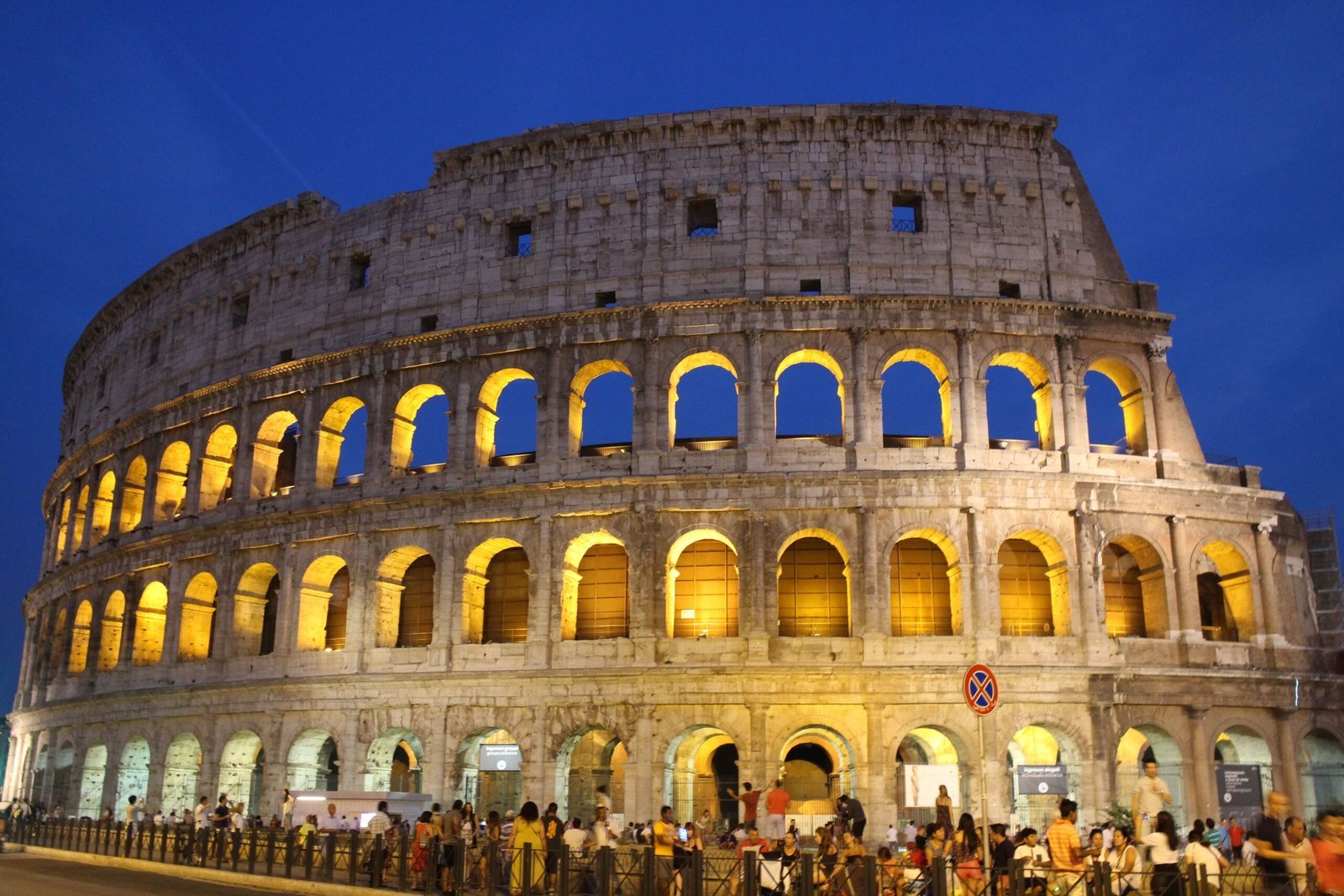
Millions of tourists pose for photos outside the Colosseum every year, often with no idea of the truly shocking origins of the building itself. After the suicide of the infamous Emperor Nero and a chaotic civil war, the new Emperor, Vespasian, faced a crisis of legitimacy. His solution was to take the most hated piece of real estate in Rome, Nero’s massive private lake, drain it, and announce he was building a stadium for the masses right on top of it. The message was clear: what was once the Emperor’s private playground now belongs to the people.
The actual building was done largely by Jewish slaves, overseen by Roman engineers and craftsmen. After gaining victory in the first Jewish-Roman war, the Jewish Temple of Jerusalem was sacked and many of the province’s inhabitants were made slaves. The scale of this forced labor is staggering, and it’s a part of the Colosseum’s story that rarely makes it onto the tourist signage.
The real genius of the Colosseum was hidden beneath the floor in the Hypogeum – a two-story subterranean labyrinth of tunnels, cages, and mechanical systems. It housed the gladiators, the condemned, and thousands of exotic animals brought from the corners of the Empire. Using a complex network of 28 man-powered lifts, or capstans, Roman stagehands could raise lions, leopards, or heavy scenery directly through trapdoors in the arena floor.
It is thought that over 500,000 people lost their lives and over a million wild animals were killed throughout the duration of the Colosseum hosted events. After ceasing to be used as an arena, at different points in history the Colosseum has been used as a cemetery, a place of worship, for housing, workshops for artisans and merchants, the home of a religious order, and a fortified castle. Its story doesn’t end with the gladiators. Not even close.
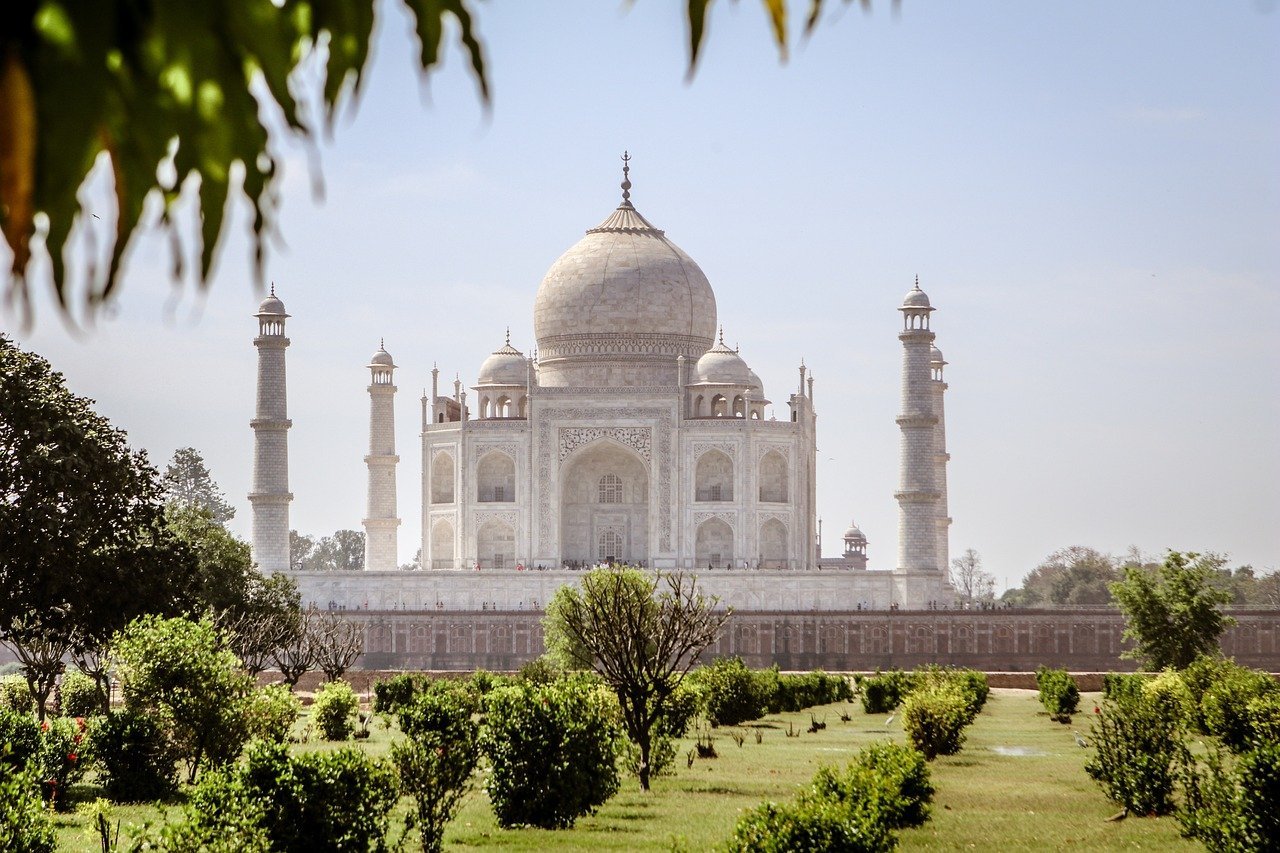
The Taj Mahal, India – Love Story or Political Statement?
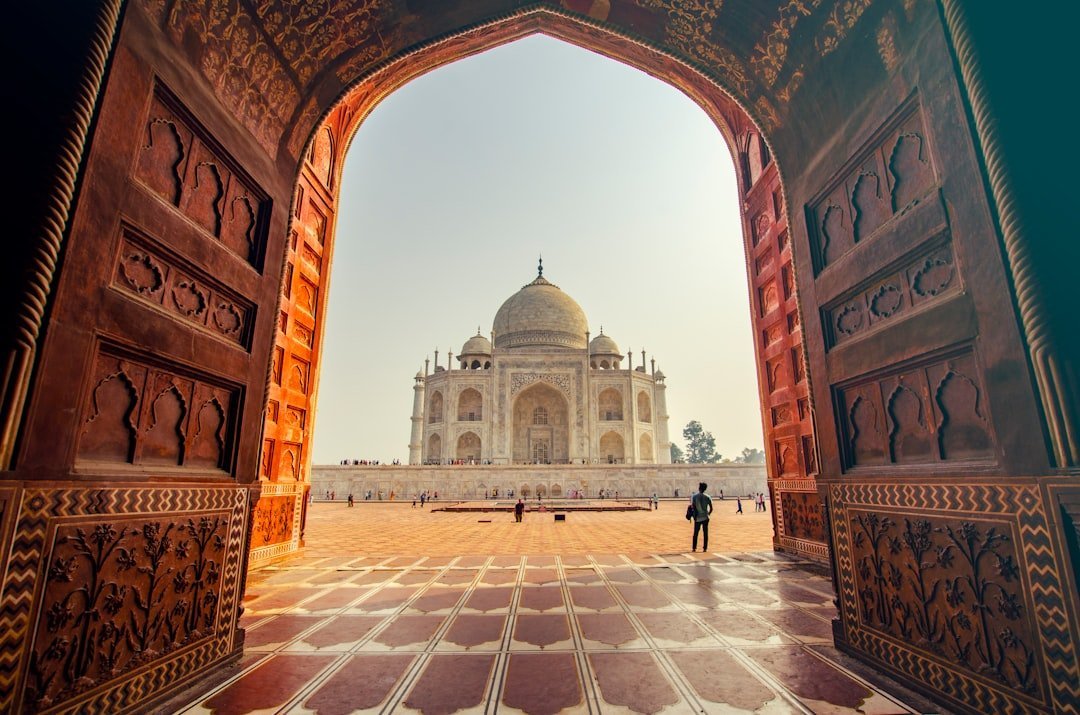
The Taj Mahal is sold to the world as the ultimate love story – a grieving emperor building a monument for his beloved wife. Honestly, the reality is more complicated. The Taj Mahal is famous for being the symbol of love, but ironically, it is also a symbol of Shah Jahan’s downfall. His imprisonment is described as one of the curses the Taj Mahal was responsible for. Aurangzeb, the son of Shah Jahan, was tired of his father’s extravagant lifestyle and the expenditure associated with it.
The architects who designed the Taj Mahal built several optical illusions into the Taj to create a sense of mystery. One such illusion is that the structure actually appears closer and larger from farther away at the main entrance, then seems to recede and grow smaller as you approach. The pillars which flank the mausoleum appear upright, while actually leaning outward so as to fall away from the palace in the event of an earthquake.
During World War II, the scaffolding made the Taj Mahal look like a simple bamboo stockpile or construction site. This camouflage remained in place from 1942 to 1945, successfully protecting the monument during one of history’s most destructive wars. That image – one of the most beautiful buildings on Earth disguised as rubble to avoid bombs – is one of the most quietly stunning things I’ve ever come across.
Historical records and archaeological evidence suggest Shah Jahan planned an identical “Black Taj Mahal” in black marble across the Yamuna River for his own tomb. Foundations were reportedly laid, and black marble was procured from Rajasthan quarries. However, excavations conducted in the 1990s debunked this claim. Archaeologists discovered that the supposed black marble ruins on the opposite bank were, in fact, discolored white stones.
The Statue of Liberty, New York – The Torch That Got Blown Up
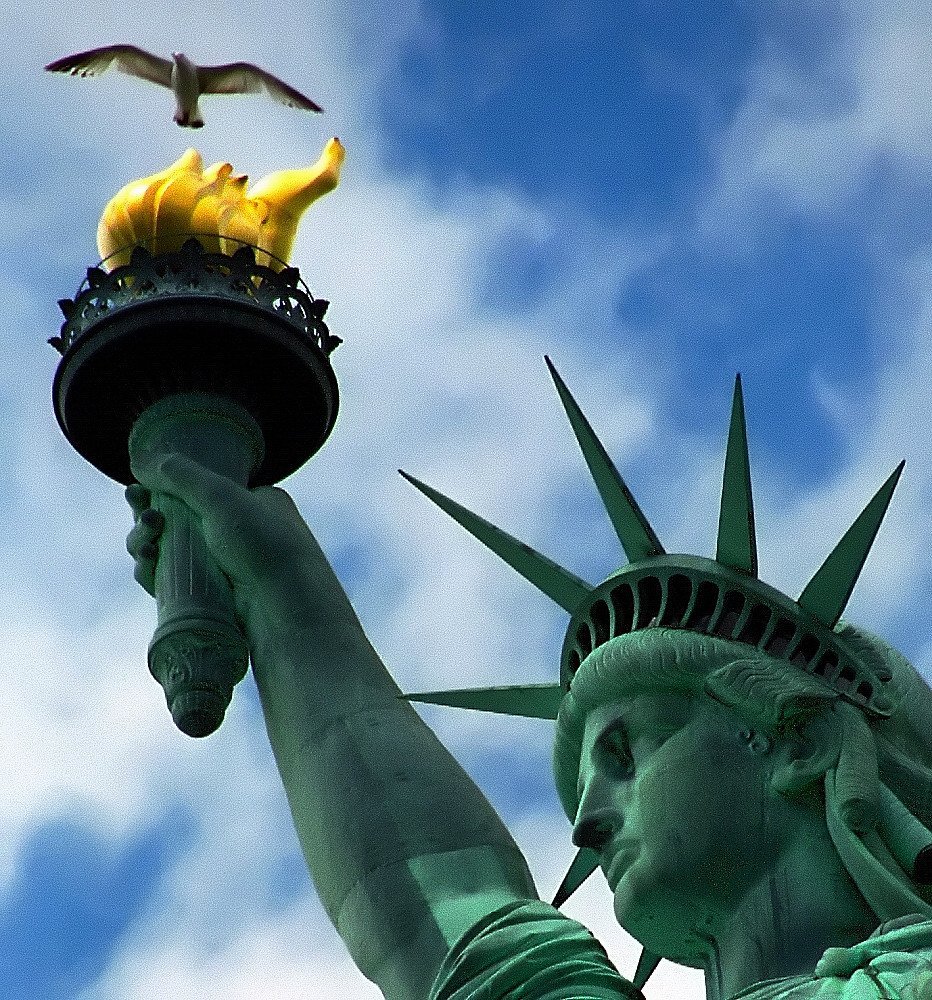
Most people picture the Statue of Liberty as a serene, untouchable symbol of freedom standing guard over New York Harbor. What they probably don’t know is that the torch, her most defining feature, was the site of a genuine act of wartime sabotage. Only ever accessible to VIP guests, the torch has been off-limits to all visitors since 1916. That year, German spies blew up a nearby munitions depot and the resulting explosion caused significant damage to the torch. It fell into disrepair and was eventually replaced in 1985.
The original torch can now be viewed in the Statue of Liberty Museum. Think about that for a moment. The most recognizable hand in American history, the one holding the flame of liberty, is sitting in a museum because a group of saboteurs targeted it during World War I. There’s something both tragic and deeply human about that.
The statue’s history is also intertwined with the Eiffel Tower in a way most people don’t know. There is a connection between the Statue of Liberty and the Eiffel Tower. The interior steel framework of the statue was designed by Gustave Eiffel and the engineers at his company. The same mind behind Paris’s iron lady also provided the skeleton for America’s icon of freedom. It’s the kind of detail that makes history feel less like a textbook and more like a conversation between cities.
Radio City Music Hall, New York – The Secret Apartment Nobody Knew About
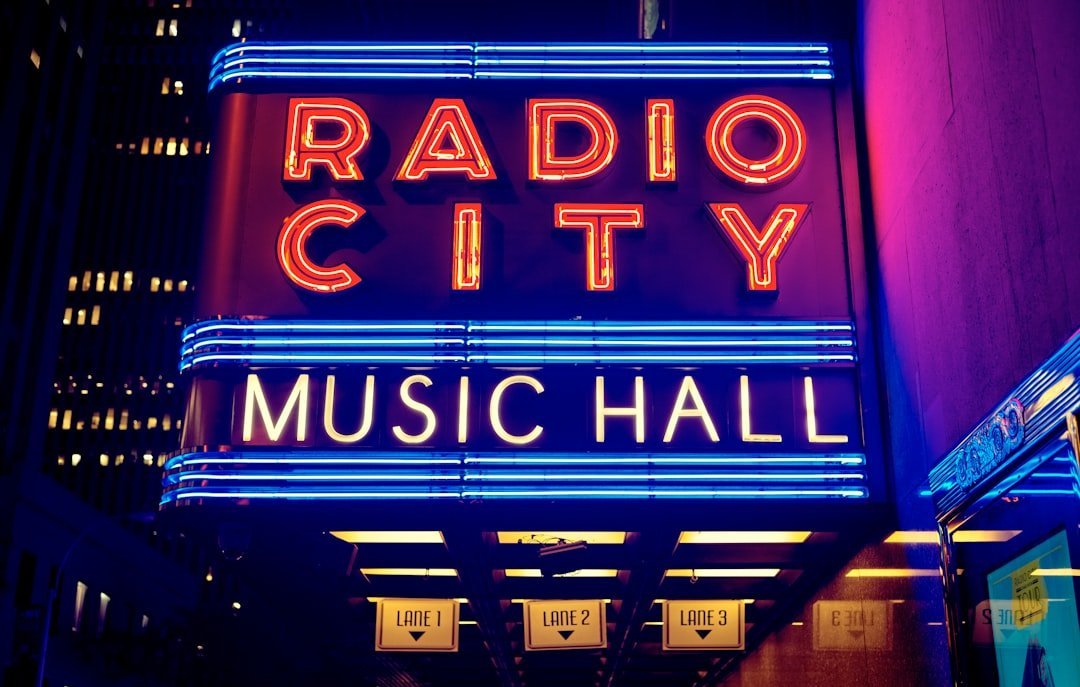
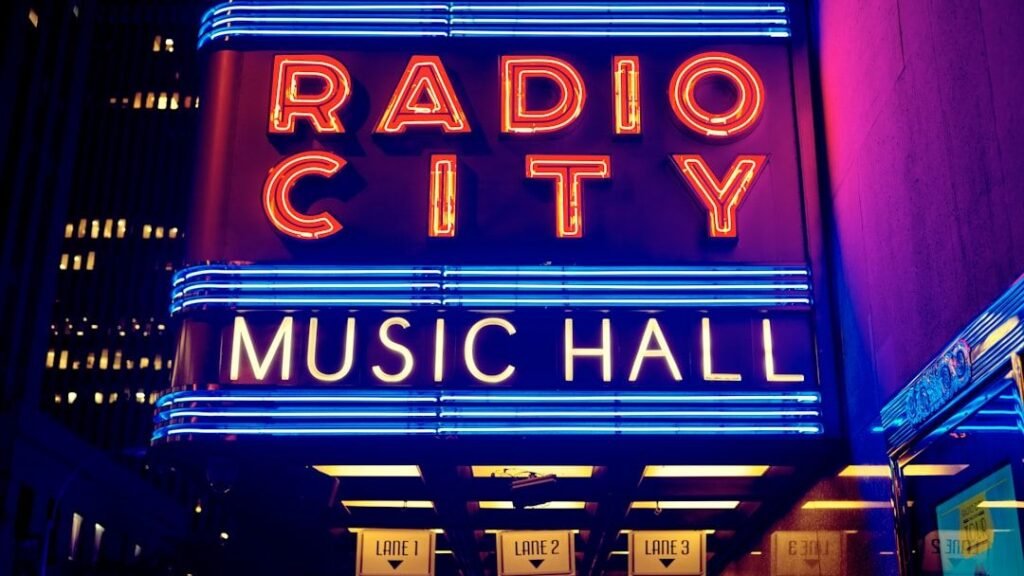
Here is one that genuinely took me by surprise. Radio City Music Hall is one of the most glamorous entertainment venues ever built, and for decades it held a secret that only a handful of people knew about. In 1932, architect Edward Durrell Stone and interior designer Donald Deskey finished work on a new art deco masterpiece in New York City. Members of the public immediately began visiting the venue, blissfully unaware of a spectacular hidden space. Stone and Deskey had built a lavish secret apartment on the building’s fifth floor, with 20-foot ceilings, custom wooden furniture, marble fixtures, and plenty of gold leaf. The recipient of this extravagant space was the legendary theater impresario Samuel “Roxy” Rothafel, who had organized the opening of Radio City.
Rothafel used the apartment as a private place to entertain his special guests, including Judy Garland, Walt Disney, and Alfred Hitchcock. When he died in 1936, the apartment was sealed off and abandoned, after which it sat unused for decades. Today, the untouched apartment remains closed to the general public but can be explored through special private tours.
Let’s be real – knowing that Alfred Hitchcock and Judy Garland once lounged inside a secret, gold-leafed apartment hidden inside a famous concert hall is exactly the kind of detail that makes history irresistible. The building stood before millions of audiences, year after year, quietly holding this incredible secret just a few floors above their heads.
Mount Rushmore, USA – The Hidden Room Behind Lincoln’s Head
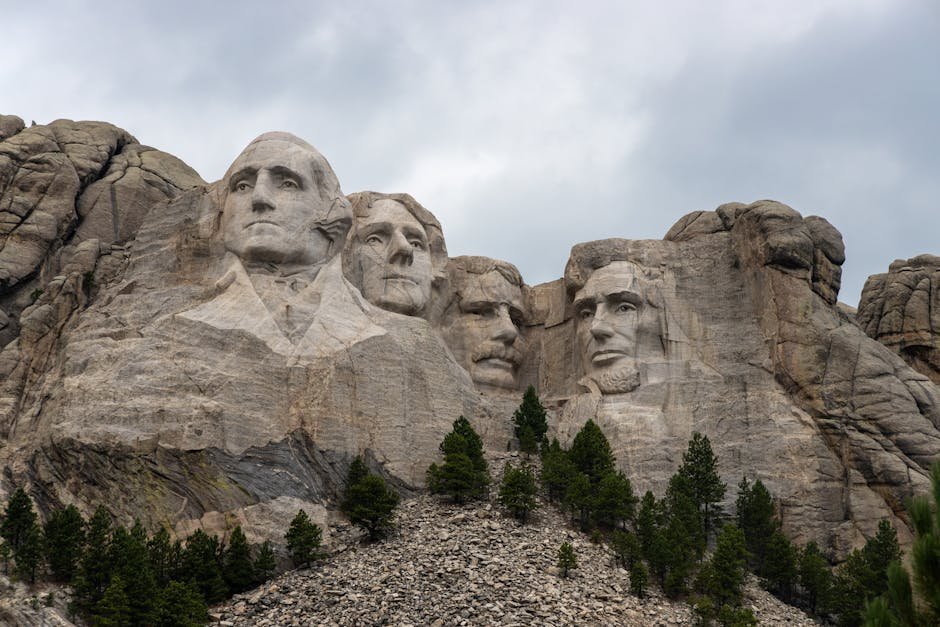
Behind Abraham Lincoln’s carved head lies an unfinished chamber that many visitors to Mount Rushmore don’t even know exists. Gutzon Borglum, the sculptor behind the colossal presidential faces, originally wanted to carve written descriptions of important U.S. historical events into the rockface, but the plan was scrapped because the letters would have to be impossibly large to be read from the ground.
Instead, Borglum decided to build a Hall of Records in the mountain – an 80-by-100-foot chamber behind the faces that would hold the most important documents from American history, such as the Constitution and the Bill of Rights. Tragically, Borglum’s vision was halted due to his death in 1941. The ambition behind the plan was staggering – a secret archive of American civilization hidden inside a mountain portrait of its presidents.
The repository includes a titanium vault containing 16 porcelain enamel panels with descriptions of the monument’s construction, the four presidents depicted at Rushmore, and a short history of the United States. The repository was never meant for public viewing, instead serving more as a time capsule. No public trail was ever built to the unfinished Hall of Records, and the room remains closed to the public.
It’s hard to say for sure whether Borglum’s original vision was genius or something slightly closer to grandiose obsession. Probably both. The idea of future generations stumbling upon a titanium vault buried in a mountain, containing the story of a civilization – there is something almost mythological about that. A message in a bottle, carved into solid rock.
The Brooklyn Bridge, New York – The Wine Cellars Hiding in Plain Sight
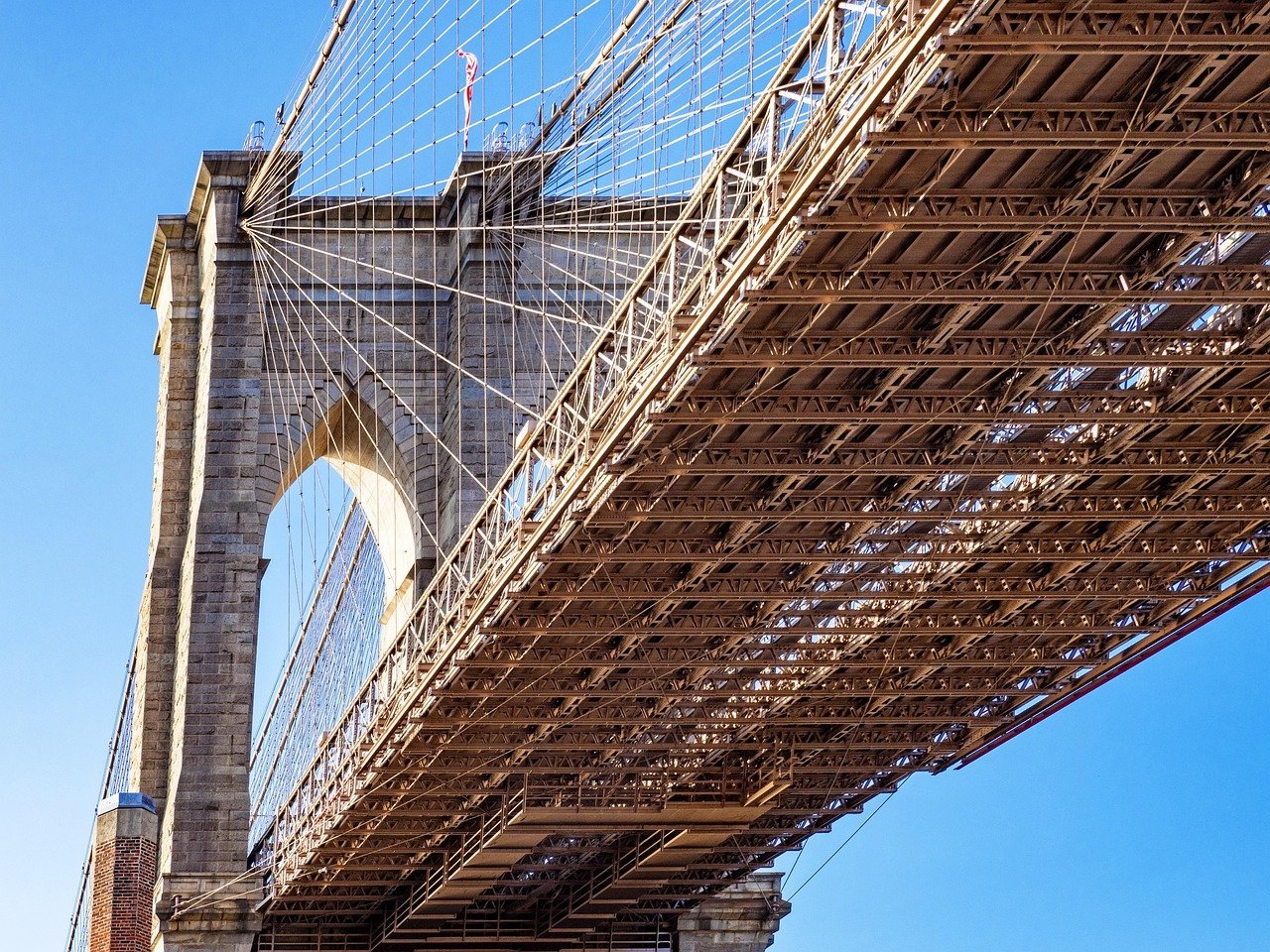
The Brooklyn Bridge is one of the most photographed structures in the world. Thousands of people cross it every single day without any idea that for much of its early history, there was a thriving alcohol business operating inside its stone foundations. When John Roebling designed the Brooklyn Bridge, he had a creative solution to two problems. First, how the city would pay for the expensive bridge. Second, how to avoid disrupting two successful liquor businesses located on the land he needed to build. To solve these dilemmas, he included two wine cellars and other vaults in the caverns below the bridge and rented them to vendors.
The vaults held alcoholic drinks starting in 1876, before the 1883 bridge opened. They were dark, cool, and consistently a steady temperature. Yearly rent varied, some paid $500, others $5,000 each year, but it certainly helped offset the expense. There is something wonderfully pragmatic about this. A national icon of engineering, partly funded by wine merchants storing their stock in the basement.
Several wine merchants and other alcohol sellers began renting the spaces in 1883, when the bridge was completed. Except for the Prohibition years, the cellars remained in operation until World War II. Today the vaults are storage units, but some lucky few get permission to tour this hidden history. That forgotten chapter of commerce and compromise, buried under one of New York’s most beloved landmarks, is a perfect reminder that even the grandest monuments come with a surprisingly practical backstory.
Conclusion: What Walls Remember
There is something quietly humbling about learning the hidden histories of buildings we thought we knew. Every stone, every rivet, every sealed door carries the memory of decisions made under pressure – political, personal, or military. These structures are not just monuments. They are archives.
What strikes me most is that the “official” story of any great building is almost always just the beginning. The real story lives in the underground tunnels, the sealed chambers, the secret apartments, and the sabotaged torches. Architecture, at its core, is a record of human ambition and human chaos, layered one on top of the other across centuries.
The next time you stand in front of an iconic building, consider what it might be hiding. Because history has a funny habit of storing its most interesting moments exactly where no one thinks to look. What hidden story about these buildings surprised you the most?

Besides founding Festivaltopia, Luca is the co founder of trib, an art and fashion collectiv you find on several regional events and online. Also he is part of the management board at HORiZONTE, a group travel provider in Germany.
