

- 20 Iconic Hidden Tracks from the CD Era - September 20, 2026
- 20 Books Written in Secret — and the Stories Behind Them - September 20, 2026
- The 20 Most Underrated Years in Music History - September 20, 2026
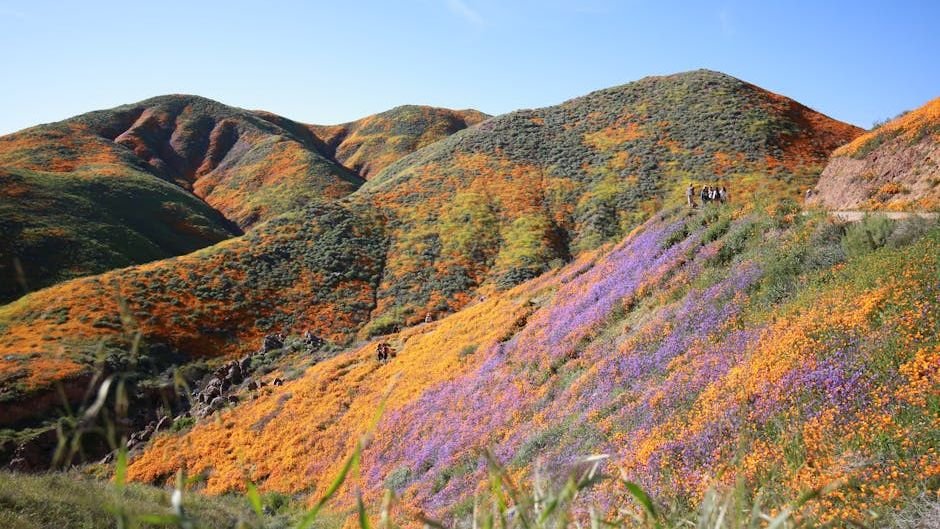
Imagine driving through a stretch of desert so barren you could film a post-apocalyptic movie there. Then suddenly, impossibly, the landscape erupts. Orange, purple, yellow, pink. As far as you can see, the earth is covered in wildflowers. That is the California superbloom, and in 2026, it is happening again in a way that has not been seen in a decade.
A superbloom is a rare desert botanical phenomenon, mostly in California and Arizona, where an unusual large proportion of wildflowers whose seeds have lain dormant in desert soil germinate and blossom at roughly the same time. There is no official scientific definition, no bureaucratic checkbox that confirms you have witnessed one. It is more of a feeling, really. For a true superbloom to occur, a high proportion of seeds that have remained dormant and built up in soil over several years must bloom at once, meaning destinations that did not experience a superbloom in the past few years are actually more likely to see one in the future.
Winter storms and record rainfall across California set the stage for what officials describe as a moderate to strong wildflower season this spring, raising hopes that the 2026 superbloom will rank among the state’s best in recent years. If you have ever wanted to chase one of nature’s most breathtaking short-lived spectacles, this is your year. Let’s dive in.
Where to Go: The Best Superbloom Locations in California
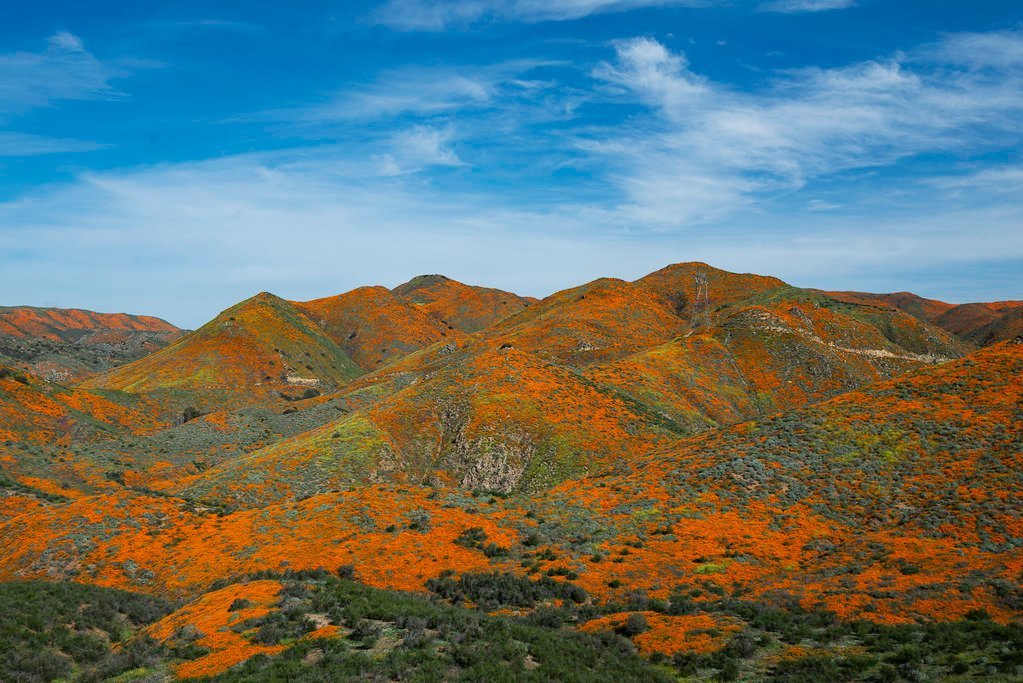
Let’s be real, location is everything when it comes to the superbloom. Not every patch of California turns gold overnight, and knowing where to point your car makes all the difference. Anza-Borrego Desert State Park, the state’s largest park, sits about a two-hour drive from San Diego and frequently hosts expansive wildflower displays along its desert valleys and canyons. Head off of dusty Henderson Canyon Road to spot mats of pink-purple sand verbena alongside desert lilies and big white evening primrose.
Death Valley is experiencing its most significant superbloom since 2016. Death Valley does not bloom every year, but solid winter rain transforms the low-elevation Badwater Road with dense patches of desert gold, purple phacelia, and the translucent white gravel ghost. Honestly, seeing Death Valley in full bloom feels like a hallucination. The same place that holds the record for the hottest temperature ever recorded on Earth, draped in wildflowers.
Remote and road-trip ready, Carrizo Plain is California’s largest remaining native grassland. Yellow daisies coat the hills, goldfields carpet the valley floor, and pink-purple owl’s clovers create striking striped bands across the plain. For Northern California fans, the North Table Mountain Ecological Reserve near Oroville is a volcanic mesa where wet springs bring vivid blooms and seasonal waterfalls that flow over mesa edges, with meadows filling with sky lupine, bright yellow goldfields, and dense mats of yellow edging the waterfall pools.
While superbloom forecasts look strongest in Southern California, there are still plenty of popular spots for spring wildflower viewing in central and Northern California, including Carrizo Plain National Monument in San Luis Obispo County, North Table Mountain Ecological Reserve in Butte County, and Mount Diablo State Park in Contra Costa County.
Timing Is Everything: When to Plan Your Visit
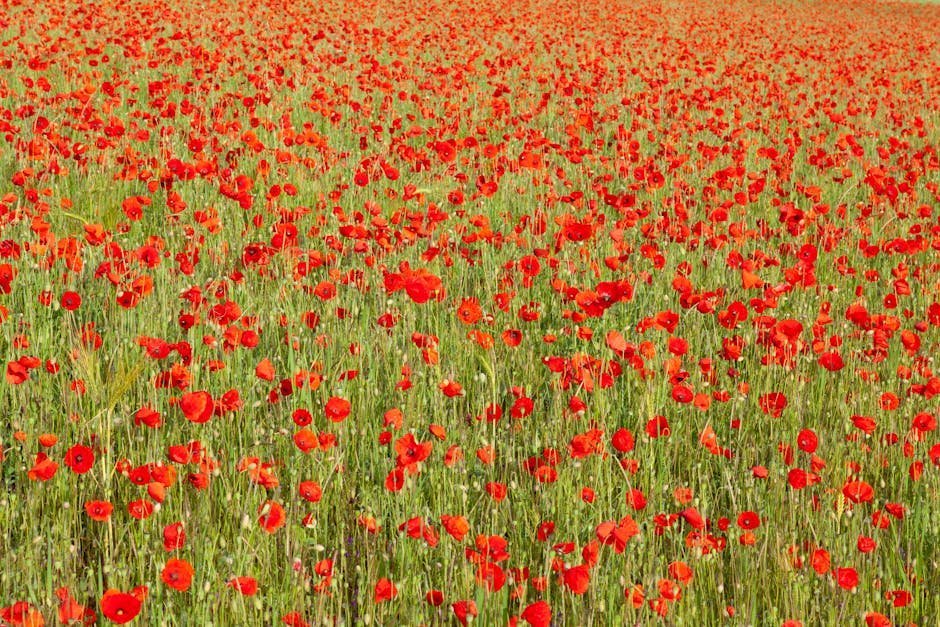
Here is the thing about superblooms: they do not wait for anyone. Miss the window and you are looking at brown hills and a long drive home. Timing your visit correctly requires some strategy, some flexibility, and honestly a little bit of luck. Blooms begin in the low deserts in February, then move north and upslope through spring. Think of it like a slow wave rolling across the state.
The 2026 wildflower season is expected to peak from March through April in low-elevation deserts and possibly extend into May and June in places with higher elevations. That is a generous window if you plan it smartly. Most superblooms last two to six weeks, typically peaking between March and April, with timing varying based on rainfall, temperature, and location.
For real-time tracking, do not rely on guesswork. Visitors can consult the California State Parks wildflower Bloom Updates page, which offers an interactive map, park-by-park notes on current blooms, and links to a live webcam at the Antelope Valley California Poppy Reserve. The free Wild Flower Hotline, run by the Theodore Payne Foundation, posts online and recorded updates each Friday from March through May on the best locations to see spring wildflowers in southern and central California. These resources are genuinely invaluable, the kind of thing that separates a memorable trip from a frustrating one.
Staying Safe in Desert Terrain
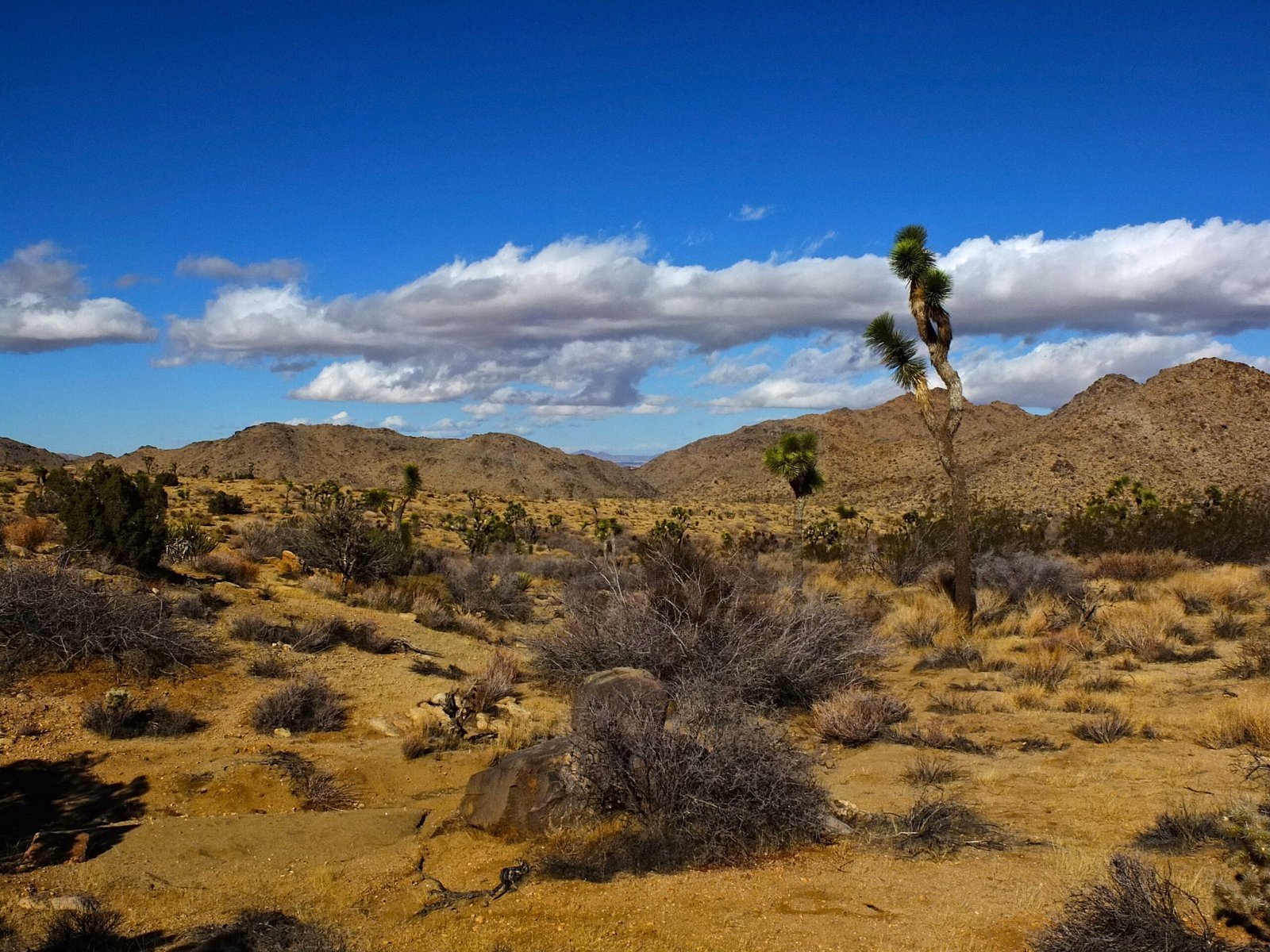
People dramatically underestimate how unforgiving desert environments can be, especially when they are dressed in floral color and feel deceptively inviting. A field of poppies does not change the fact that you are in a remote, sun-scorched wilderness. Officials remind drivers to carry enough water and fuel, since many superbloom locations sit in remote areas with limited services. This is not a suggestion. Run out of water in Death Valley and the situation turns serious, fast.
Bring plenty of water, wear sun protection, let someone know your plans, and start early to avoid afternoon heat. Starting early is not just a safety tip, it is also the single best decision you will make for your experience overall. The colors are more vivid, the crowds are thinner, and the desert feels almost magical before the midday sun beats down.
With the huge influx of outdoor enthusiasts seen in areas with spring wildflowers, GPS and cell connections are typically poor. Park rangers have suggested going analog during such times, embracing old-fashioned paper maps, compasses, and even walkie-talkies to get around and stay in touch with your group. Traffic will also be heavier than usual, and parking lots tend to hit capacity in record time. Plan for this. Leave earlier than you think necessary. Then leave thirty minutes earlier than that.
Some of the parks have critters like snakes that you do not want to cross, so sticking to the paths will help you stay safer too. It sounds obvious but when you spot a sea of orange poppies twenty feet off the trail, the temptation to wander is real.
Photography Tips for Capturing the Bloom
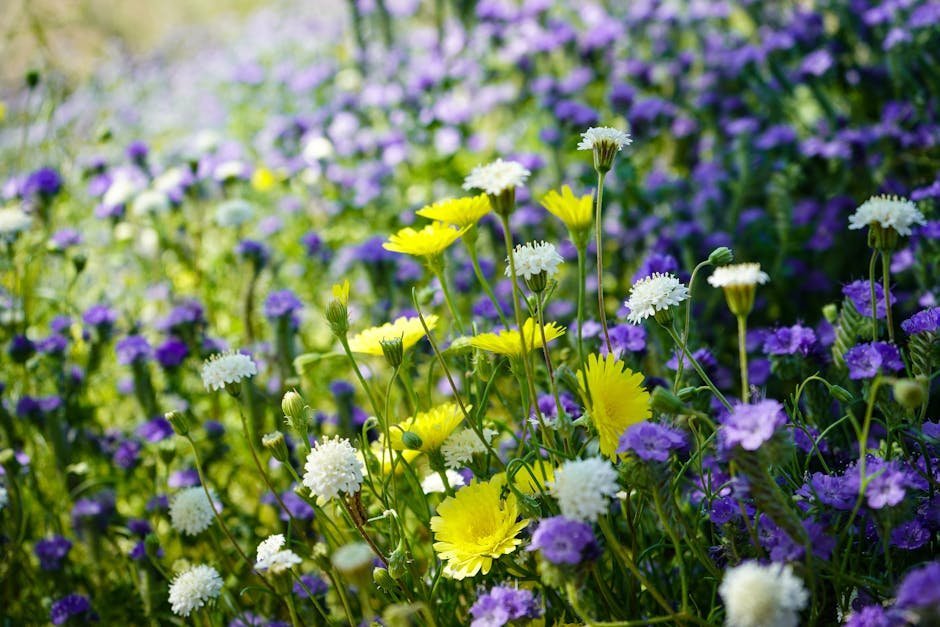
If you have a camera, a smartphone, or even just eyes, the superbloom will test every skill you have. The colors are almost unrealistically vivid. Getting a great shot, though, takes more than just pointing and clicking. The hour after sunrise and before sunset provides the best light, with warm tones that make colors pop and create dramatic shadows. I think this is the single most important tip for any wildflower photographer.
Early morning golden hour and late afternoon provide the best light. Midday sun washes out colors and creates harsh shadows. Overcast days actually work well for wildflower photography, reducing contrast and saturating colors. That overcast tip is one most people overlook. A cloudy day is not a wasted day at the superbloom.
Get down to flower level for unique perspectives that show the landscape stretching into the distance. While close-ups of individual flowers are beautiful, try to capture the scale of the bloom with wide shots that include mountains, valleys, or other landscape features. Use a polarizing filter to reduce glare and make blue skies even more dramatic, providing better contrast with the flowers. And one more thing: wind is your enemy for close-up shots, so calm mornings are ideal.
If you fly a drone, check the regulations first. Many of the parks and preserves where superblooms occur prohibit drone use entirely, and even where drones are technically permitted, the noise and rotor wash can disturb both wildlife and other visitors. The overhead drone shot may feel tempting, but it is worth skipping.
Conservation Guidelines: Protect What You Came to See
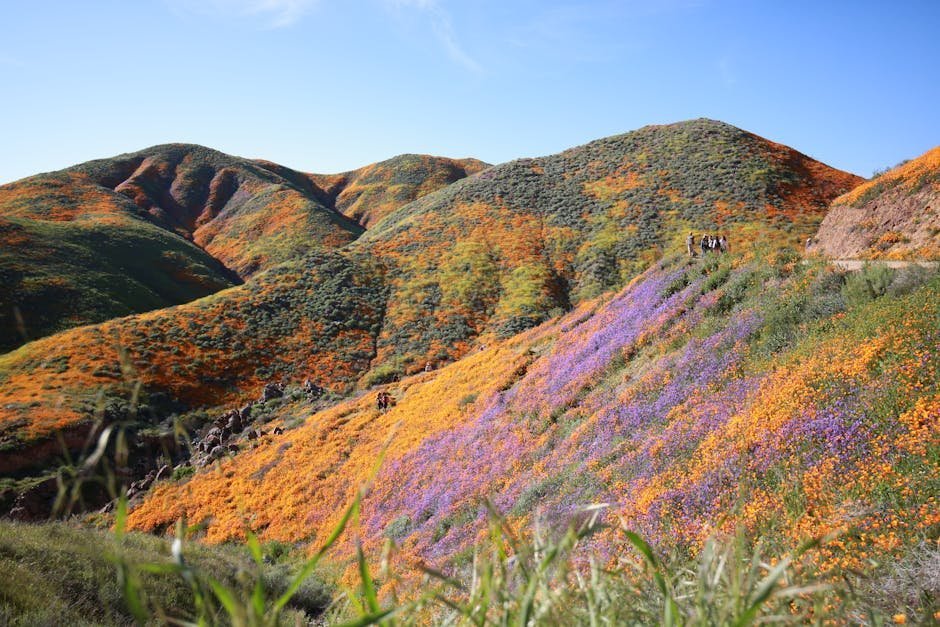
Here is where I have to get a little firm. The superbloom is fragile in a way that is genuinely hard to comprehend until you understand the science. When someone steps on a plant before it seeds, the loss is not just this year’s bloom. It is a withdrawal from a seed bank that the desert cannot replenish on any predictable schedule. Superblooms are not cyclical events that arrive on a timetable. They are driven entirely by the right combination of rainfall, temperature, and timing.
Human interference can be another factor in the likelihood of future superblooms, so take care to leave the flowers as you found them. Picking even one can impact the surrounding plants, and stepping off the paths and onto the flowered fields can similarly have generational impact, preventing the flowers from being able to seed and sprout again in subsequent years. Think of it like withdrawing from a savings account that took ten years to fill.
Desert and arid landscapes are slow to recover from the impacts of visitors. Today superblooms are confined to pockets of relatively undisturbed habitats, mostly in the vast southwestern deserts of California, Arizona, and Nevada, and pop up only after a good rain year, an increasingly rare event in an era of climate change.
California State Parks asks travelers to remain on marked trails, avoid stepping on or picking flowers, and keep vehicles on established roads, particularly in desert parks where a single footprint can damage plants and soils for years. Climate shifts, droughts, and human pressure make superblooms rarer. Visiting responsibly raises awareness and supports conservation, as many parks use visitor fees for habitat protection. The choice is straightforward. Tread lightly, and future generations get to experience this too.
A Conclusion Worth Remembering
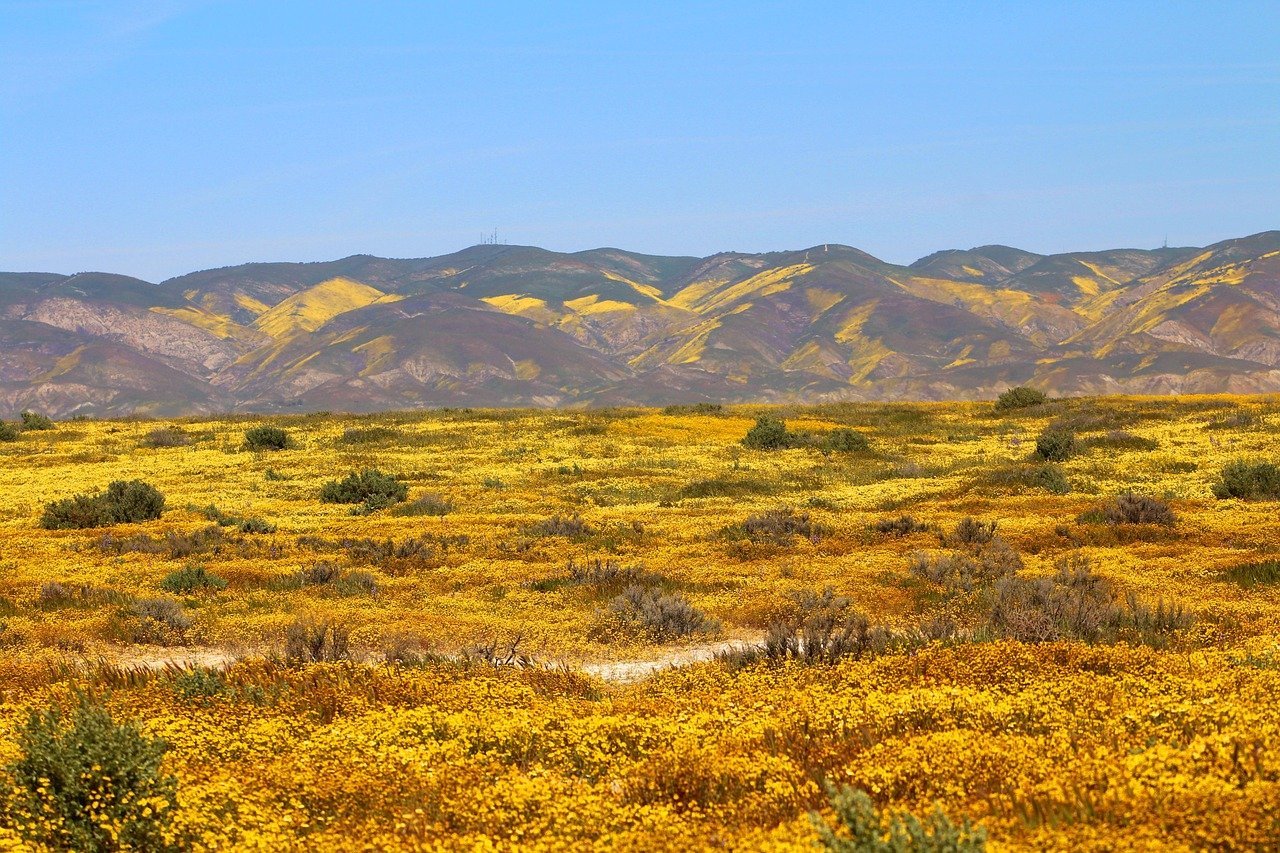
is already proving itself to be one of the most extraordinary natural events in recent memory. Early signs point to California’s biggest superbloom in a decade. Reservations are surging, roads are filling, and the internet is already turning orange with poppy photos. None of that should stop you from going. It should just motivate you to go prepared, go early, and go responsibly.
The superbloom is not just a pretty backdrop for photographs. It is a reminder of what the land is capable of when conditions align just right, a rare act of generosity from a climate that is usually harsh and uncompromising. We owe it the same generosity in return. Stay on the trail. Leave no trace. Do not pick the flowers.
The 2026 superblooms are extraordinary. Go see them. Photograph them. Share them. Share them in a way that does not invite the next wave of damage, and photograph them in a way that leaves the flowers standing for the person who comes after you.
After all, the next superbloom could be fifteen years away. What would you do differently if you knew this was the last one for a generation?
CEO-Co-Founder
