
For any feedback please reach out to info@festivalinside.com
- These 20 Books Had Different Titles Until the Last Minute - September 22, 2026
- The 20 Most Famous Songs Written in Under 15 Minutes - September 22, 2026
- 10 Albums You Shouldn’t Shuffle - September 22, 2026
There is something almost primal about a music festival. Tens of thousands of strangers descending on one place, sharing the same muddy field or sun-scorched desert, united by nothing but sound. It is a feeling that is genuinely hard to describe and even harder to forget.
From Woodstock’s legendary revolution in the 1960s to the contemporary mega-events like Coachella, festivals have not only defined genres but have also shaped generations. They are, in the truest sense, cultural landmarks. Not just concerts. Not just entertainment. They are moments that get etched into the memory of music history itself.
What makes a festival truly iconic? Is it the performers? The setting? The crowd? Honestly, it is all of it, and something more. Let’s dive in and explore the festivals that changed everything.
Woodstock (1969) – The Festival That Started It All
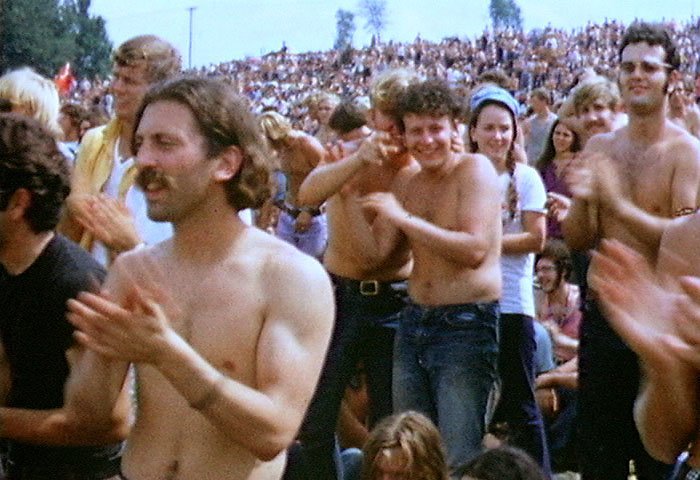
If you’ve ever wondered where the modern music festival really begins, look no further than a dairy farm in upstate New York. No recount of music festivals would be complete without mentioning Woodstock, the epitome of counterculture and free expression, held in August 1969 in Bethel, New York, where it became synonymous with peace, love, and music. It wasn’t supposed to be this big. It wasn’t supposed to be anything like what it became.
Over 400,000 attendees gathered to witness iconic performances from artists like Jimi Hendrix, Janis Joplin, The Who, and many more. Woodstock wasn’t just a concert; it was a cultural touchstone, a testament to the power of music to unite and inspire social change. Think about that for a second. Four hundred thousand people, barely any infrastructure, no social media, no livestreams. Pure chaos, pure magic.
Woodstock became a symbol of the counterculture movement of the 1960s and remains an enduring cultural touchstone today. Its legacy is impossible to overstate. Every festival that followed, in some way, owes a debt to that rain-soaked weekend in New York. It set the blueprint for what a collective musical experience could be.
Glastonbury Festival – Britain’s Muddy Crown Jewel
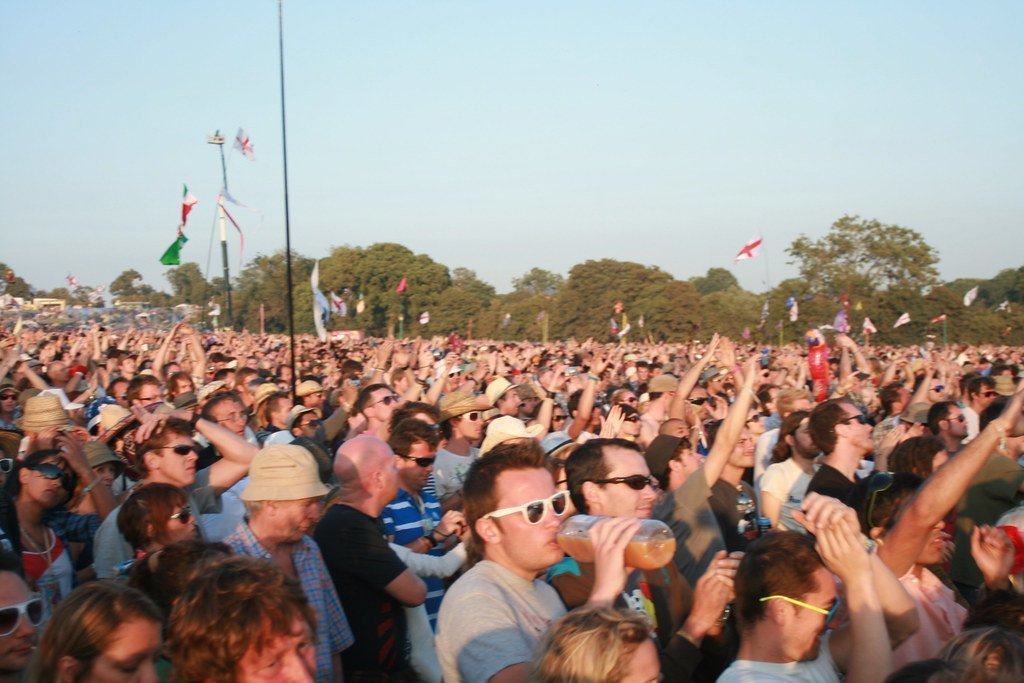
Glastonbury is one of those festivals that feels like it has always existed, like it was built into the English countryside itself. From its humble beginnings in 1970 as a two-day gig costing just £1 to attend, including free milk from founder Michael Eavis’s Worthy Farm, Glastonbury Festival has grown to be one of the festival circuit’s most legendary events, with tickets often selling out within 30 minutes of their release. Free milk included with the ticket. I know it sounds funny now, but there’s something beautifully eccentric about that.
The Glastonbury Festival of Contemporary Performing Arts is a five-day festival of contemporary performing arts held near Pilton, Somerset, England, in most summers. In addition to contemporary music, the festival hosts dance, comedy, theatre, circus, cabaret and other arts. It is not simply a music event. It is a universe.
Notable acts over the years have included David Bowie, Paul McCartney, Beyoncé, Johnny Cash, Radiohead, Adele, Tony Bennett, Coldplay, the Rolling Stones, Kanye West, Amy Winehouse, Stormzy, Lenny Kravitz, and Dolly Parton. That list alone tells you everything. In 2019, rapper Stormzy made history when he became the first Black solo British artist to headline Glastonbury Festival, a milestone that felt enormous for both music and culture. The term “Glastonbury moment” has become synonymous with a transcendent and transformative live music experience. That phrase says it all.
Coachella – Desert Sun, Celebrity Culture, and Art
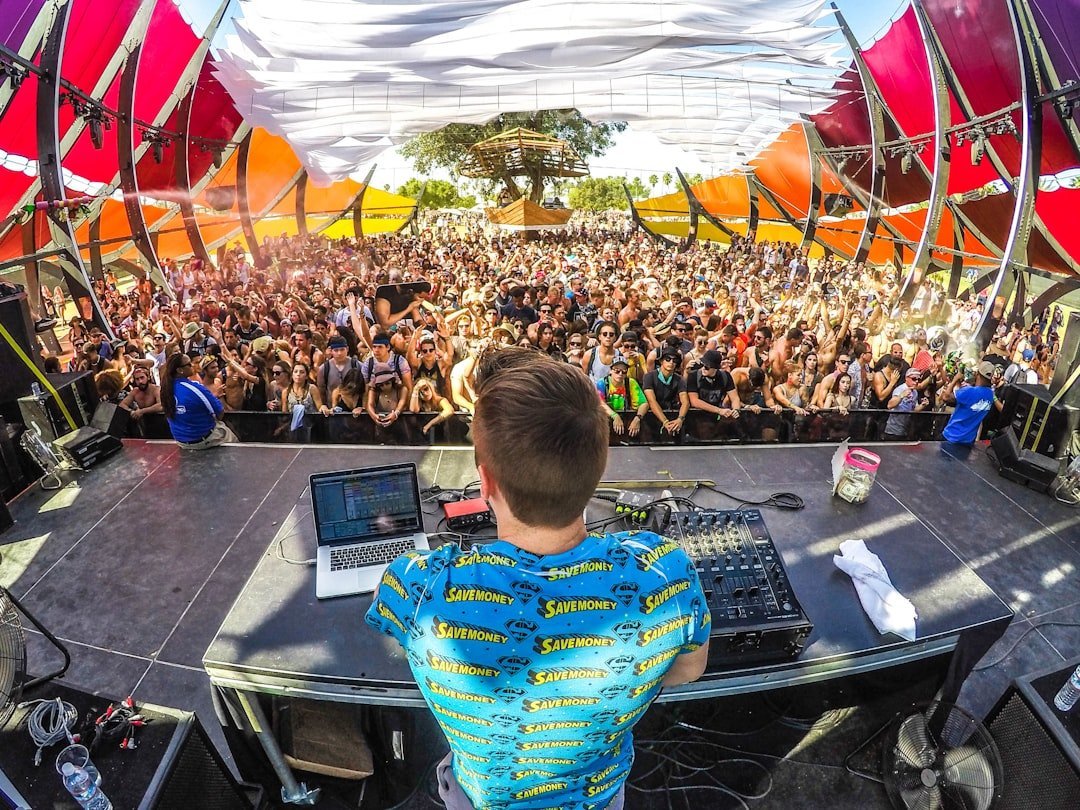
Coachella is a festival that people love to debate. Some think it’s too commercial, too celebrity-obsessed, too much about the Instagram posts and not enough about the music. Here’s the thing, though: the numbers and the history don’t lie. On the West Coast, Coachella has earned its reputation as one of the most iconic U.S. music festivals since its launch in 1999, located in California’s desert, known for its mix of rock, pop, indie, and electronic acts.
Known for its star-studded lineup and extravagant art installations, Coachella has become a symbol of music, fashion, and celebrity culture. From Prince’s legendary performance in 2008 to Beyoncé’s groundbreaking set in 2018, Coachella continually raises the bar for festival experiences, setting trends and shaping pop culture along the way. Beyoncé’s 2018 performance, nicknamed “Beychella,” is genuinely considered one of the greatest live performances in modern history.
Over the past 17 years, the festival has produced some memorable moments, notably Daft Punk’s 2006 set, often hailed as one of the best in Coachella history, and in 2012 when Dr. Dre and Snoop Dogg were joined on stage by a hologram of late rapper Tupac Shakur. That Tupac hologram moment genuinely broke the internet before “breaking the internet” was even a thing. The festival is not just about music; it also features a significant focus on art. Large-scale art installations and sculptures are a staple of the event, with new pieces debuting each year to captivate and inspire attendees. These installations create a unique visual experience that complements the musical performances.
Tomorrowland – The Fairytale That Became a Global Empire
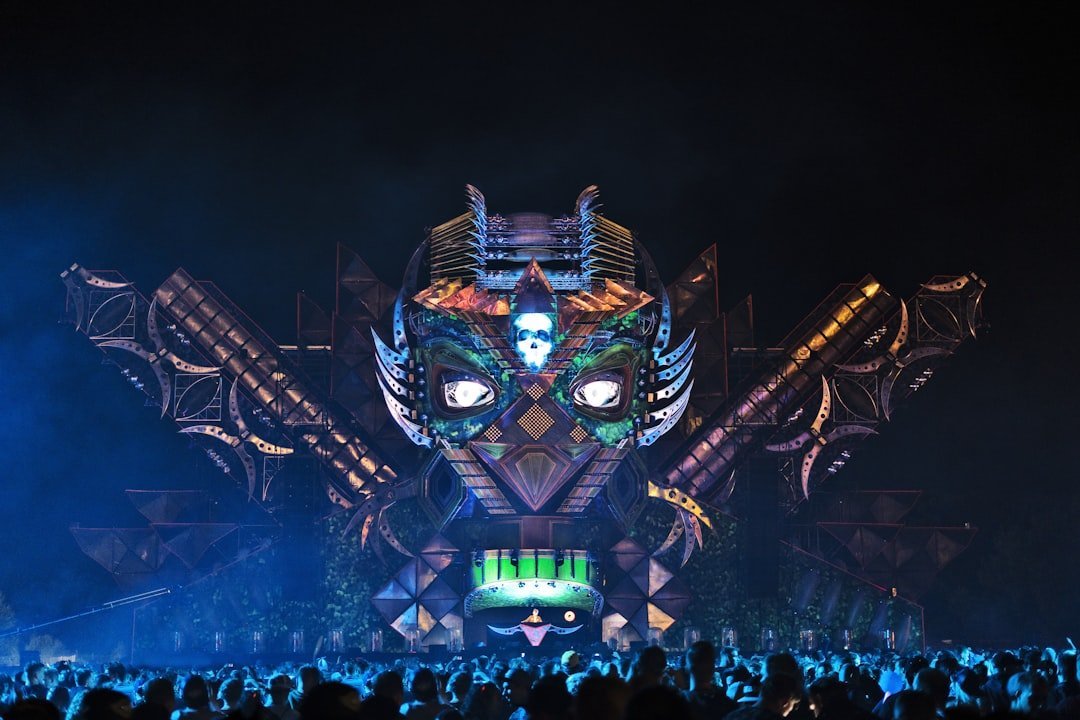
Imagine an electronic music festival so carefully designed that it feels less like a festival and more like stepping inside a dream. That is Tomorrowland. Tomorrowland is a large-scale annual electronic dance music festival held in Boom, Antwerp, Belgium, which held its first edition in 2005 from an idea conceived by brothers Manu and Michiel Beers in 2004. Since then, Tomorrowland has become one of the best known .
Founded in 2005 by brothers Manu and Michiel Beers, it began as a one-day electronic dance music festival attracting just 9,000 attendees with early headliners like Armin van Buuren and Coone. From these humble beginnings, it has grown into a global cultural phenomenon, now hosting over 400,000 “People of Tomorrow” from 200+ countries across two weekends annually. That jump from 9,000 to 400,000 is staggering.
Past performances have included industry giants like David Guetta, Armin van Buuren, and Martin Garrix. The festival’s stage designs are legendary, often resembling intricate fantasy worlds complete with stunning visual effects, pyrotechnics, and cutting-edge technology. It has won numerous accolades and awards, including being voted five times in a row as “best musical event of the year” at the International Dance Music Awards. There is honestly no other festival quite like it on earth.
Montreux Jazz Festival – The Sound of Lake Geneva
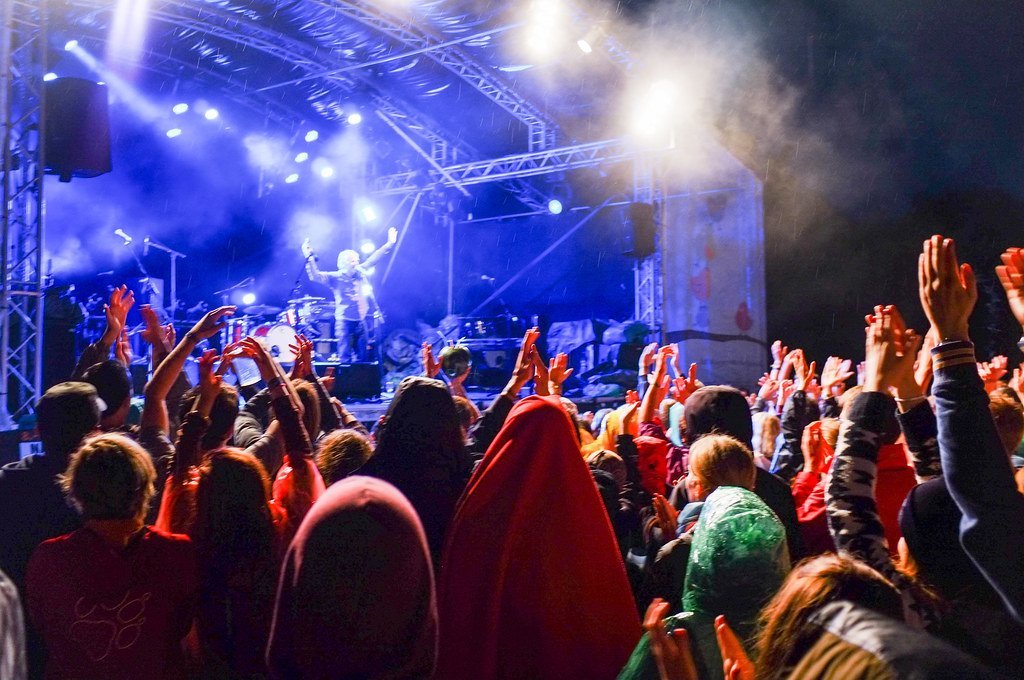
There is a reason some of the greatest musicians who ever lived chose Montreux as the stage for their most intimate performances. It isn’t just the music. It is the setting. Picture the Alps behind you, Lake Geneva shimmering in front, and a world-class artist playing a few meters away. Founded in 1967 by Claude Nobs, the Montreux Jazz Festival has become over the years an unmissable event, generating fantastic stories and performances.
In its 50 years of history, Montreux has hosted iconic performances by artists including Nina Simone, Miles Davis, Aretha Franklin, Ella Fitzgerald, Marvin Gaye, Prince, Leonard Cohen, David Bowie, Elton John and Stevie Wonder. That list reads like a who’s who of the entire twentieth century of music. The Montreux Jazz Festival became an annual affair, and it continued to grow, both in duration and in scope. By the late 1970s it typically spanned two weeks in early to mid-July and encompassed not only jazz but an eclectic mix of blues, gospel, soul, rock, and other popular music genres.
The fire at the Montreux Casino during a Frank Zappa concert inspired Deep Purple to write the hit “Smoke on the Water”, one of the most recognizable rock riffs in history. That alone cements Montreux’s place in music legend. The festival’s unique collection of audiovisual archives has been recognized by UNESCO’s Memory of the World Register. Through a partnership with EPFL, the archives, including more than 11,000 hours of live music, have been entirely preserved and digitalized since 2017. Over 11,000 hours of live music. Let that sink in.
Lollapalooza – Alternative America’s Beating Heart
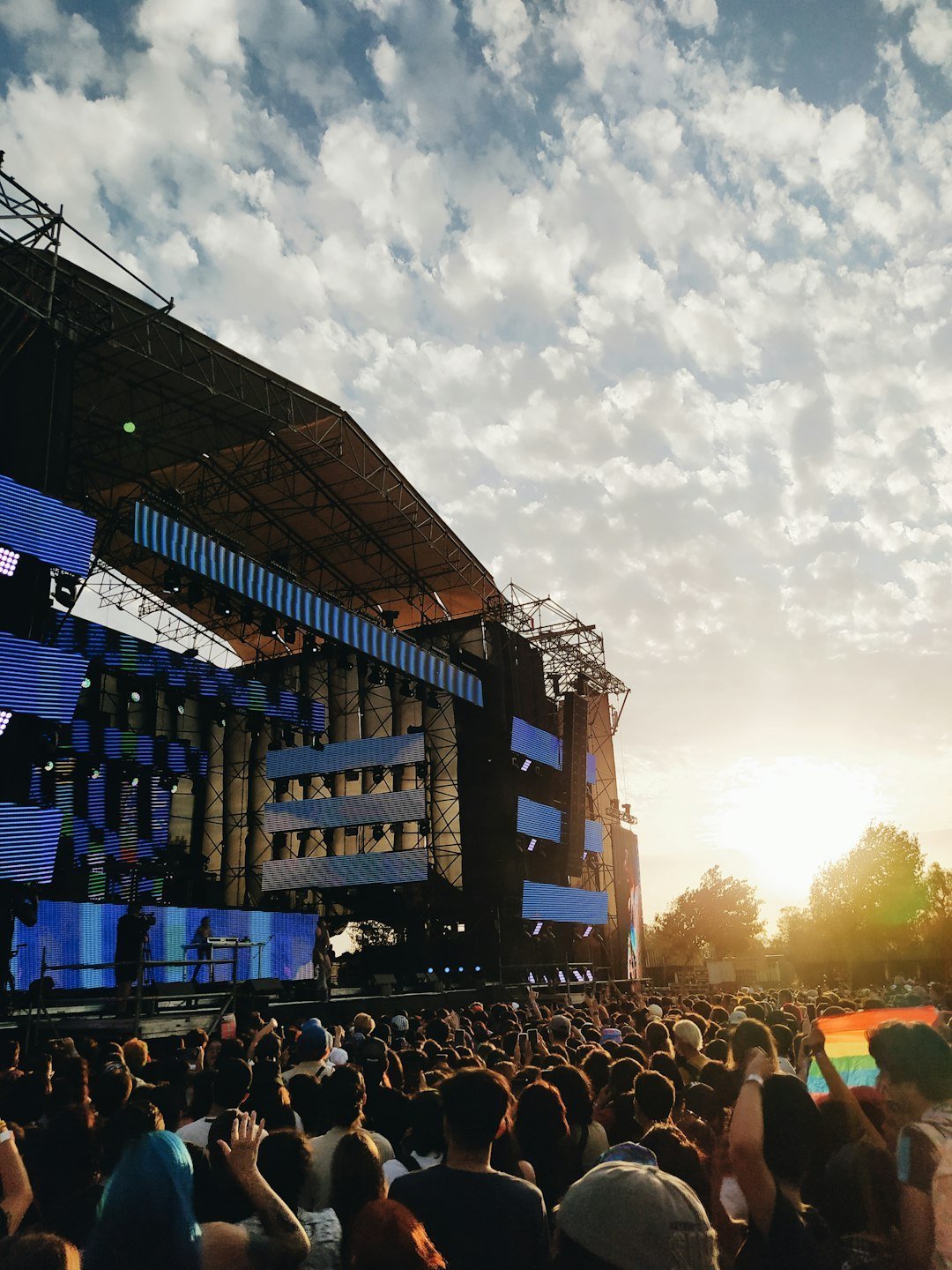
Lollapalooza started as a goodbye party. That might be the most rock ‘n’ roll origin story of any festival ever told. Lollapalooza was founded in 1991 by Perry Farrell, the lead singer of Jane’s Addiction, as a farewell tour for his band. Initially conceived as a traveling festival, it showcased alternative rock, punk, and hip-hop acts, becoming a cornerstone of the 1990s alternative music scene. It was never supposed to become a permanent institution. It became one of the biggest on the planet.
Founded by Perry Farrell, the festival initially toured North America before finding its permanent home in Chicago’s Grant Park. Lollapalooza boasts an eclectic lineup that spans genres like alternative rock, hip-hop, electronic, and beyond, featuring headliners such as Radiohead, Kanye West, and The Strokes. Chicago’s Grant Park, on the edge of Lake Michigan, is a genuinely breathtaking backdrop for a festival of this scale.
Beyond the music, Lollapalooza showcases art installations, culinary experiences, and sustainability initiatives, making it a multifaceted celebration of creativity and culture. With its expansion to international locations like Berlin, Paris, and Santiago, Lollapalooza has cemented its status as a global phenomenon, uniting music lovers from around the world in the spirit of discovery. A festival born as a farewell, now a global franchise. The music world is full of beautiful accidents like this one.
Rock in Rio – Brazil’s Magnificent Cultural Explosion
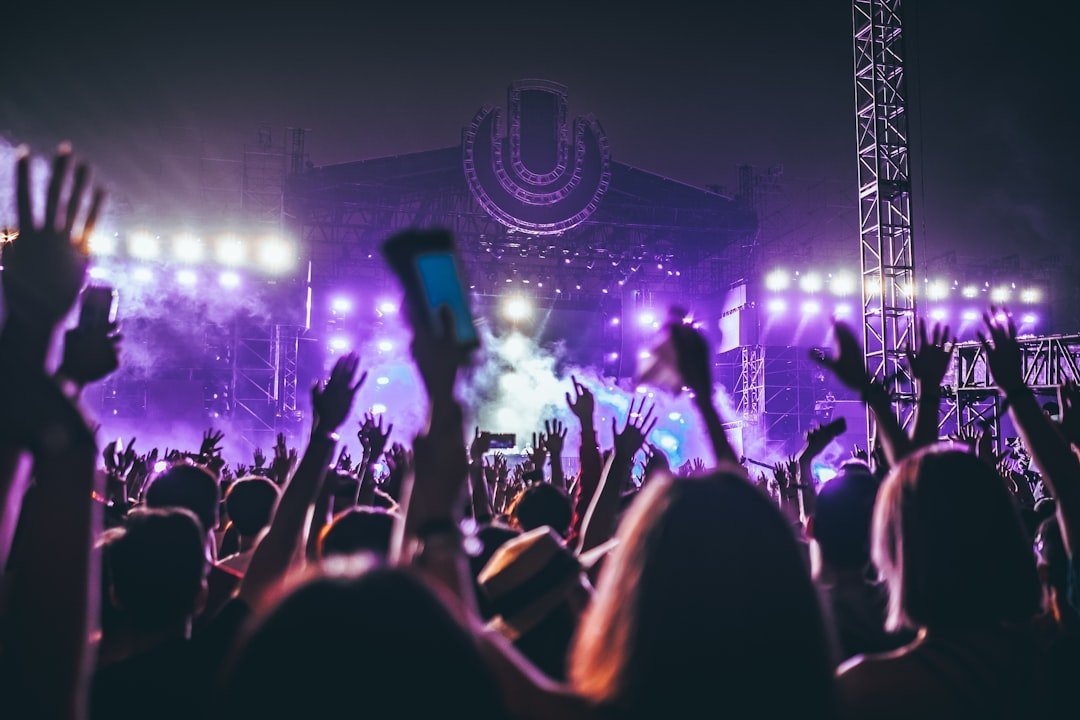
There are festivals. Then there is Rock in Rio. Rock in Rio, which originated in Rio de Janeiro, Brazil, has grown to become a globally recognized music festival. Initially focused on rock music, the festival has expanded to include pop, electronic music, and other genres, appealing to a diverse audience. The scale of this festival is almost incomprehensible to someone who hasn’t experienced it.
What makes Rock in Rio truly unique is its electrifying atmosphere, which is fueled by Brazil’s vibrant culture and the energy of Rio de Janeiro itself. The event captures the essence of the city, with enthusiastic crowds and a lively spirit that infuses the music and performances. Beyond the performances, Rock in Rio is a celebration of Brazilian culture, offering visitors the chance to experience the passionate energy that defines the city.
Think of it like this: if Glastonbury is Britain in a field, Rock in Rio is Brazil in its purest, most electric form. Events like Rock in Rio in Brazil showcase the universal language of music, bringing people together across cultures and continents. It is impossible to attend this festival and leave unchanged. The energy of Rio has a way of getting under your skin.
Roskilde Festival – Europe’s Generous Giant
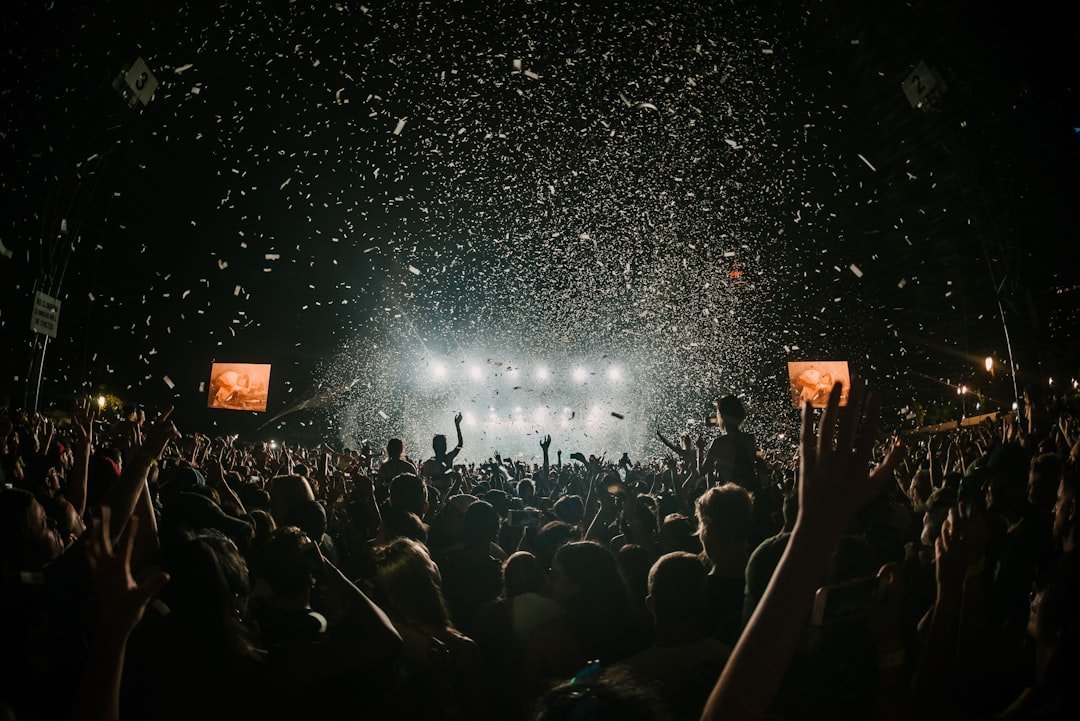
Most people outside Europe have never heard of Roskilde, and that is genuinely a shame. Denmark’s Roskilde Festival, held each year since 1971, is one of the world’s longest-running festivals, and today is an eight-day long, four days of music preceded by a four-day warm-up party, musical extravaganza attracting over 100,000 attendees each year. Eight days. Just sit with that. Most festivals last a weekend.
Featuring around 175 music acts across eight stages, Roskilde Festival has welcomed big names like Bob Marley, Metallica, and The Rolling Stones over the course of its history. Socially conscious festival-goers can rest assured, Roskilde is 100 percent non-profit and donates all of its profits to charitable organizations like Amnesty International and the World Wildlife Fund. A music festival that gives everything back. That is rare. That is remarkable.
There is something deeply compelling about the idea of one of the world’s biggest festivals running entirely on generosity and community spirit. This event started in 1971 after two high-schoolers decided Denmark needed a festival dedicated to music. Now, the four-day-long Roskilde is one of Europe’s oldest and biggest open-air festivals, and the festival changed gears within a year and is now mostly run by volunteers, with proceeds going to various causes. Two teenagers with a dream. Remarkable what that can become.
Burning Man – When a Festival Becomes a Philosophy
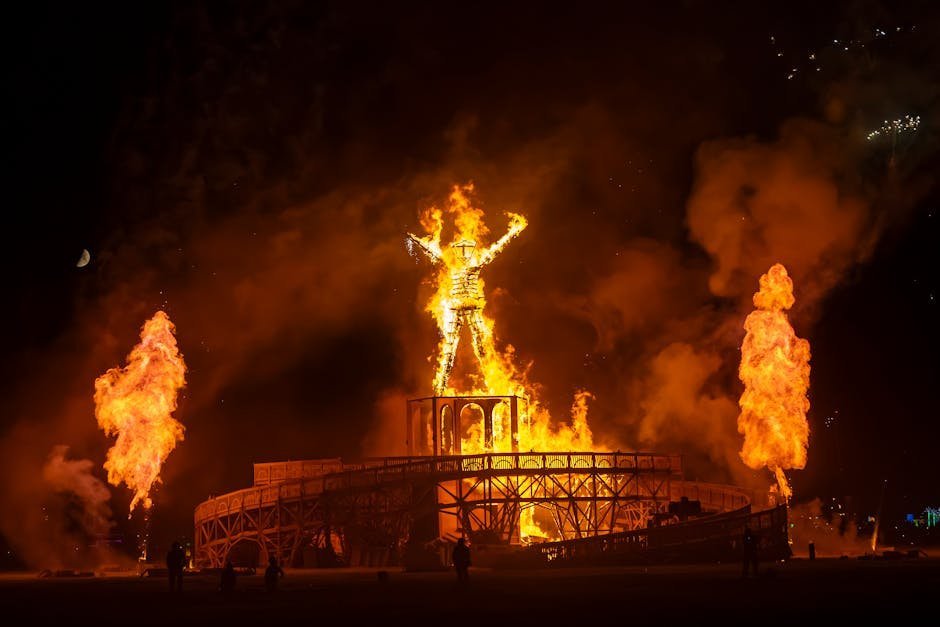
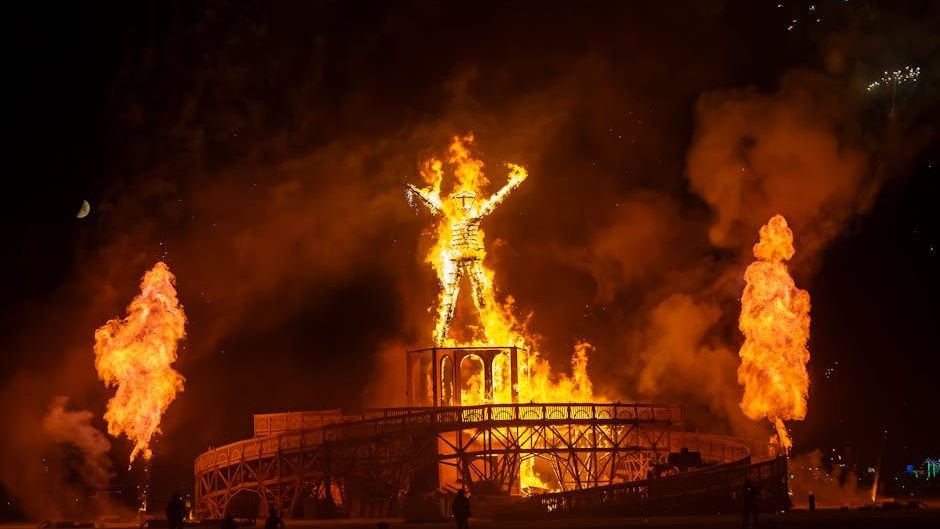
Burning Man is a category of its own. To call it simply a “festival” is a bit like calling the ocean a “swimming pool.” Burning Man, though more than just a music festival, is a cultural phenomenon in its own right. It began in 1986 in San Francisco, later moving to the Nevada desert. Unlike most festivals, Burning Man focuses on self-expression, community, and large-scale art installations. Attendees create a temporary city where music, art, and creativity flourish.
The Nevada desert, in the blazing heat of late August, becomes a temporary metropolis. People build it together from nothing, and then they tear it all down and leave no trace. There is something almost poetic about a city that exists only briefly, burns bright, and then disappears entirely. Burning Man is known for its “leave no trace” policy, which requires participants to remove all items they bring, emphasizing environmental responsibility.
Honestly, Burning Man resists easy description. It’s part music event, part art exhibition, part social experiment. The giant effigy of a man burning against the black Nevada sky is one of the most singular images in modern cultural life. For those who’ve been, they describe it as transformative. For those who haven’t, no amount of reading really prepares you for it.
The Montreal International Jazz Festival – A Record-Breaking Celebration of Sound
The Montreal International Jazz Festival holds a distinction that most festivals can only dream of. Named the world’s largest jazz festival by Guinness World Records after almost two million music lovers attended its 25th edition in 2004, it is a landmark event on the jazz circuit taking place over 10 days and featuring 3,000 artists from 30 countries across the globe. Nearly two million people. At a jazz festival. That tells you something powerful about what music can do.
Iconic artists including Ella Fitzgerald, Miles Davis, and Herbie Hancock have graced its stages since the inaugural festival in 1980, and of its 1,000-plus concerts taking place on stages and in venues across downtown Montreal, two-thirds are free to attend. Two-thirds of the concerts are free. That kind of access to world-class music is breathtaking, and it speaks to the festival’s deep commitment to its audience.
Montreal transforms itself during these 10 days into something entirely its own. The streets fill with sound. The whole city becomes a concert hall. It’s the kind of event that reminds you music doesn’t need barriers or ticket prices to connect with people. It just needs space, and willingness, and people who love it enough to show up.
A Conclusion: Why Festivals Will Never Die
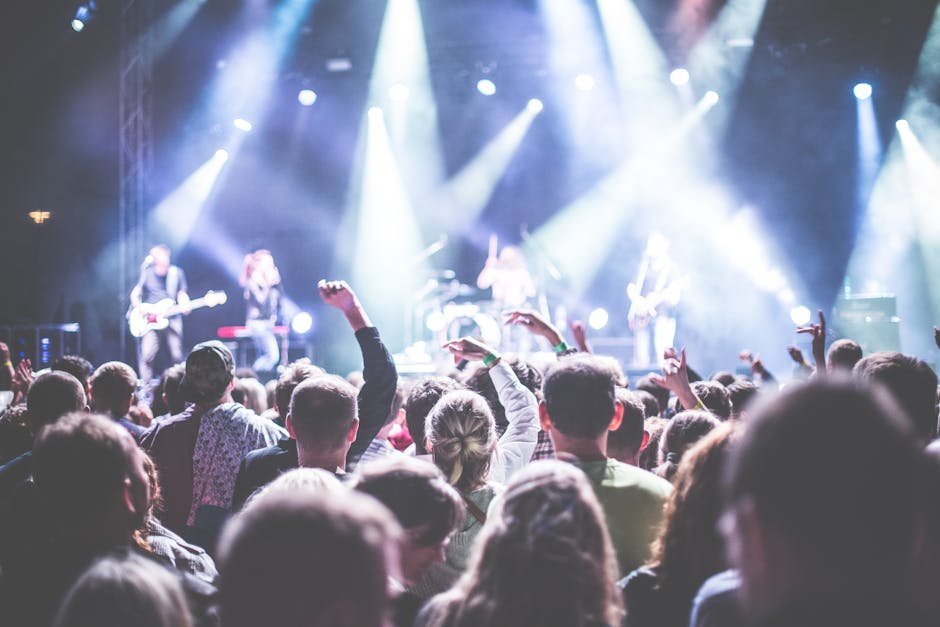
Music festivals have become global celebrations, drawing fans from every corner of the world. They span multiple days and bring together diverse artists for unique experiences. That has been true since Woodstock in 1969 and it remains true today. The format evolves, the technology changes, the headliners come and go. The hunger for shared experience, however, does not diminish.
The success of these pioneering festivals paved the way for a global explosion of music festivals, catering to diverse tastes and communities. Events like Tomorrowland in Belgium, Rock in Rio in Brazil, and Fuji Rock in Japan showcase the universal language of music, bringing people together across cultures and continents. Every country, every culture, has found its own version of this idea. That alone tells you something profound about human nature.
In an era where so much of life happens through a screen, the enduring power of live music festivals feels more urgent than ever. Nothing replaces standing in a crowd, feeling the bass in your chest, watching an artist you love perform something so good it makes your knees weak. The mud, the heat, the sore feet, the sunrise you catch on the way back from the main stage. That is what these festivals ultimately are: proof that some things are simply better experienced together.
What would you give to be at Woodstock in 1969, or front row at Glastonbury the night Stormzy made history? Which festival on this list has already made it onto your bucket list?

Christian Wiedeck, all the way from Germany, loves music festivals, especially in the USA. His articles bring the excitement of these events to readers worldwide.
For any feedback please reach out to info@festivalinside.com
