

For any feedback please reach out to info@festivalinside.com
- 10 Music Videos That Changed How We See the Song - September 20, 2026
- 20 Books That Went Viral Before Going to Print - September 20, 2026
- Top 10 Movie Soundtracks of All Time - September 20, 2026
Music has always been more than sound. It is a secret language, a coded confession, a painting hidden behind a perfectly ordinary frame. You hum along to a song for years, thinking you understand exactly what it is about, only to discover one day that you were completely wrong. Some of the world’s most beloved tracks are layered with meanings that their creators tucked away deliberately, whether to dodge censorship, process private pain, or simply invite the curious listener deeper into their world.
A great song often has more than one meaning. While the surface lyrics may speak of love, freedom, or heartbreak, there is often a deeper story, shaped by the artist’s life, the time in which it was written, or deliberate symbolism. Some artists cleverly hide personal confessions, social commentary, or cryptic metaphors behind catchy tunes. The result? Songs that reward attention in ways most people never expect. Let’s dive in.
1. “Every Breath You Take” by The Police – A Stalker’s Anthem Disguised as a Love Song
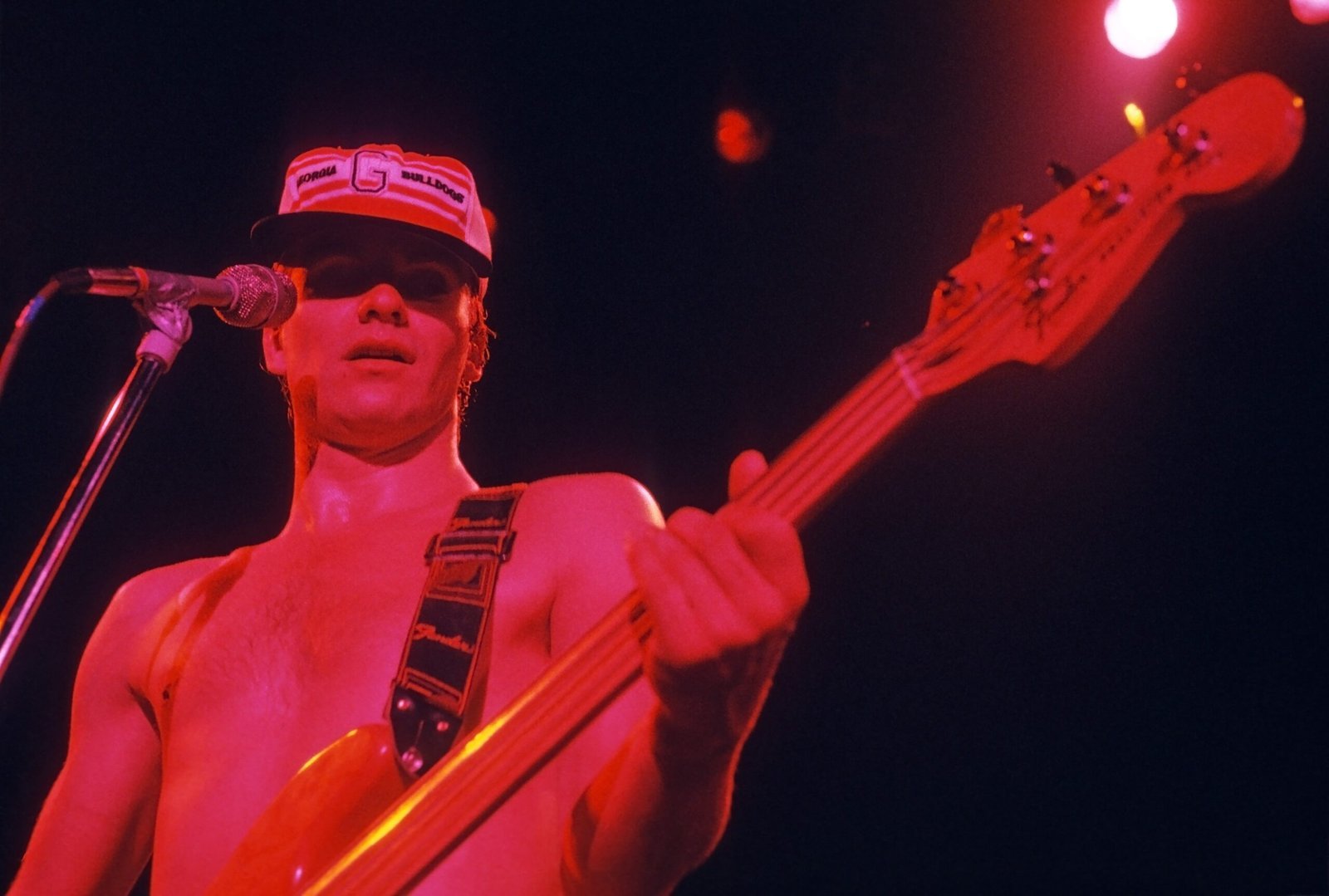
Here is a mind-bending one. Millions of couples have danced to this song at weddings. Whole rooms have swayed together with their arms around each other, treating it like a tender romantic declaration. Honestly, it is one of the biggest misreadings in music history.
Sting wrote the song in a paranoid state during a period when he suspected his wife might have been having an affair. The obsessive surveillance in the lyrics was never meant to be romantic. The song is all about stalking and possessiveness. Sting penned the famous lyrics during this dark emotional period, and the song takes on a much creepier tone when you realize it is about a scorned lover. It is one of those songs where the deeper meaning was sitting in plain sight, staring you in the face, but people just did not hear it for whatever reason.
Clear hints spring to the fore with lines like “Every smile you fake,” but overall, the message seemed to be masked for some as they were blinded by the sanguine sound of chiming guitars. Think about that next time someone proposes to this song.
2. “Hotel California” by The Eagles – Not Your Average Hotel Review
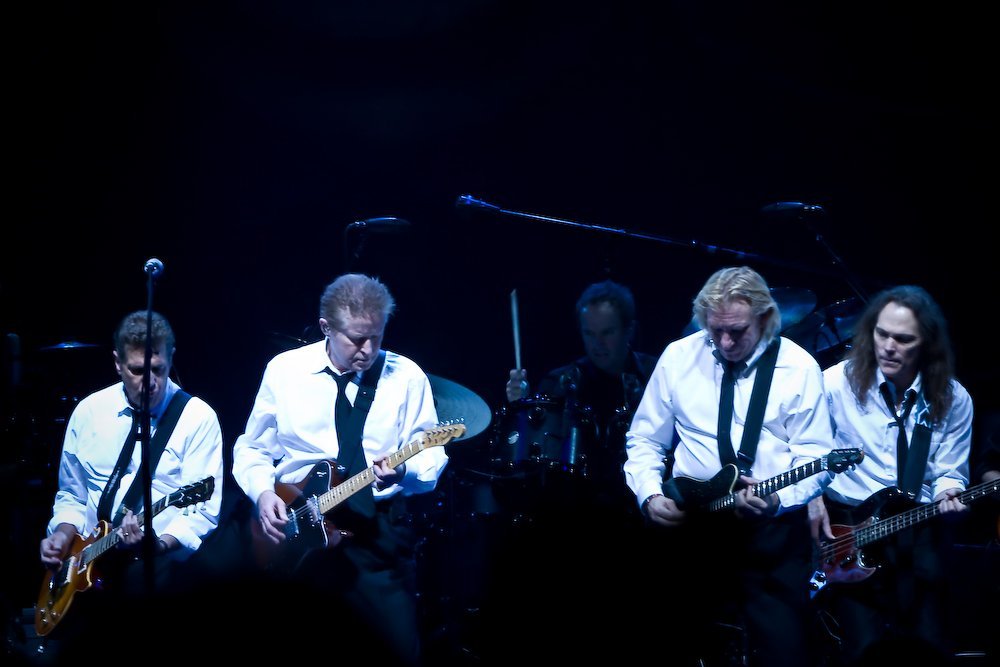
At first glance, this feels like a dreamy, slightly surreal story about a traveler checking into a strange hotel. The guitars are hypnotic. The vibe is eerie but cool. Surely it is just a fun piece of storytelling, right? Not quite.
Some folks may think “Hotel California” is about staying at a very weird inn. However, Don Felder, Don Henley, and Glenn Frey hoped to sneak a profound message into “Hotel California.” The band says the song is about excess and materialism in the U.S. Hotel California is a metaphor for the greed in the music industry that eventually leads to the artist’s own self-destruction. Even though Hotel California is not a real location, the Eagles based this iconic spot on the real-life Beverly Hills Hotel where the band had spent a significant amount of time.
The line “You can check out anytime you like, but you can never leave” has sparked countless interpretations, from critiques of consumerism to addiction. It is the kind of lyric that means something different depending on where you are in your life when you hear it. That is rare. That is craft.
3. “Imagine” by John Lennon – Peace Anthem or Political Provocation?

Everyone knows this song. It gets played at memorials, peace gatherings, and school assemblies worldwide. The piano melody is so gentle. The message seems so pure. So why did Lennon himself describe it in far more radical terms?
Lennon himself admitted that the song is basically a “Communist Manifesto.” Lennon waited until after the song was a major hit to reveal the hidden meaning, saying “Because it is sugar-coated, it is accepted. Now I understand what you have to do, put your message across with a little honey.”
Lennon’s lyrics subtly challenge political, religious, and societal norms. By inviting listeners to imagine a world without borders or religion, the song offers a radical rethinking of modern civilization, masked in gentle piano chords. It is a masterclass in delivery. The softer and more beautiful the package, the more radical the contents can be. Lennon understood that better than almost anyone.
4. “Blackbird” by The Beatles – Far From a Bird Song
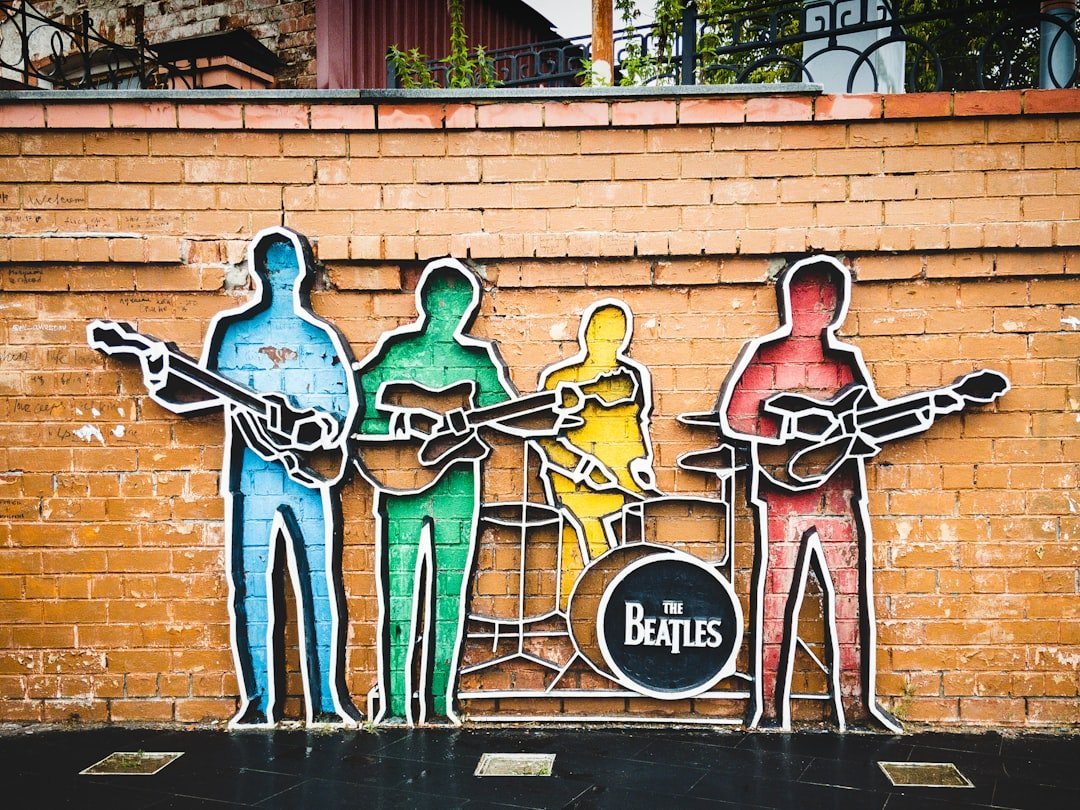
When Paul McCartney released this acoustic gem in 1968, most people probably pictured an actual bird. A lovely, metaphor-rich little creature learning to fly again. Sweet. Innocent. Tender. But that was never the point.
“Blackbird” is symbolic for U.S. African American women during the civil rights struggle. In British slang, “bird” means girl, leading “Blackbird” to mean “black girl.” Paul McCartney wrote the song as a response to high racial tensions during the Civil Rights Movement.
In 2008, Paul McCartney confirmed this in an interview with Mojo when he said it “wasn’t exactly an ornithology ditty; it was purely symbolic.” Think about that. A three-minute acoustic guitar track carried the weight of one of the most turbulent civil rights eras in American history. Hidden in plain sight, wrapped in gentle fingerpicking. That is extraordinary.
5. “Chandelier” by Sia – The Party Girl Who Was Falling Apart
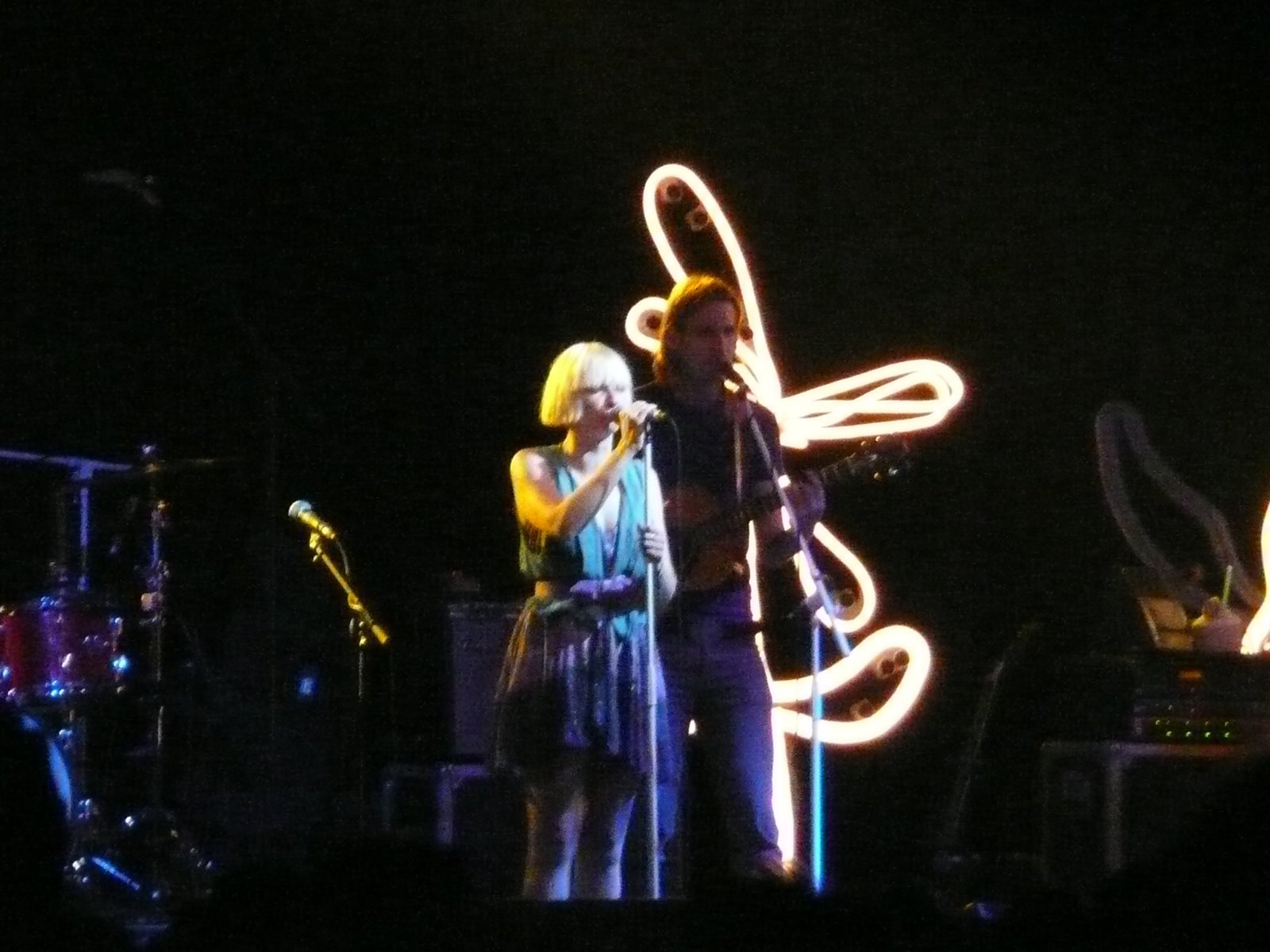
Few songs have managed to hide such raw darkness behind such a soaring, euphoric sound. Most people hear the chorus and feel uplifted. The voice is massive. The production is cinematic. It sounds, at its surface, like a celebration of being alive.
Arguably Sia’s most recognised anthem, Chandelier’s hidden meaning is melancholic. It examines her alcoholism as well as the pain that comes from it alongside the feelings of abandonment. Sia herself wrote the song to rebel against the never-ending urge to keep the party alive.
The song Chandelier by Sia is actually an anti-pop anthem that talks about her struggles with alcoholism and addiction. It is not a celebration at all. It is a desperate cry from someone clinging to one more night of numbness before facing what sobriety demands. The song is actually about Sia’s former illicit substance and alcohol addictions, and thankfully, she has been sober for several years now. The contrast between the triumphant sound and the tormented meaning is what makes it so deeply affecting.
6. “Lucy in the Sky with Diamonds” by The Beatles – The LSD Debate That Never Ends
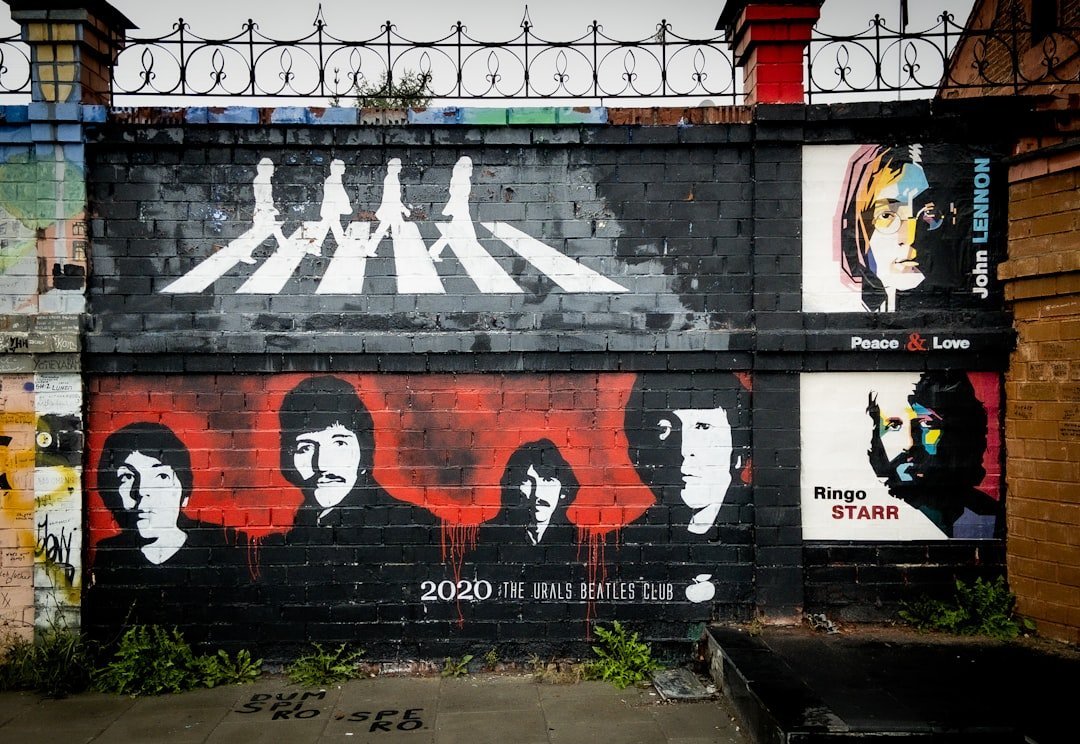
Let’s be real. The moment anyone points out that the initials of the title spell LSD, it is hard not to see it. The vivid, surreal imagery. The floating girl with the kaleidoscope eyes. The rocking-horse people. It is not exactly a documentary about daily life.
Even though the first letter of each word in the song title spells out “LSD,” John Lennon repeatedly denied claims that The Beatles’ 1967 hit “Lucy in the Sky with Diamonds” was about any questionable recreational activities. Lennon maintained that the title came from a drawing made by his young son Julian, who drew his classmate Lucy above a skyline with diamonds around her.
Julian drew his classmate Lucy above with diamonds in the sky around her and showed the drawing to his father. Whether or not the psychedelic imagery was intentional remains one of music’s most entertaining debates. I think both things can be true simultaneously, which is precisely what makes great songwriting so endlessly fascinating.
7. “Semi-Charmed Life” by Third Eye Blind – The Happiest Song About a Drug Binge
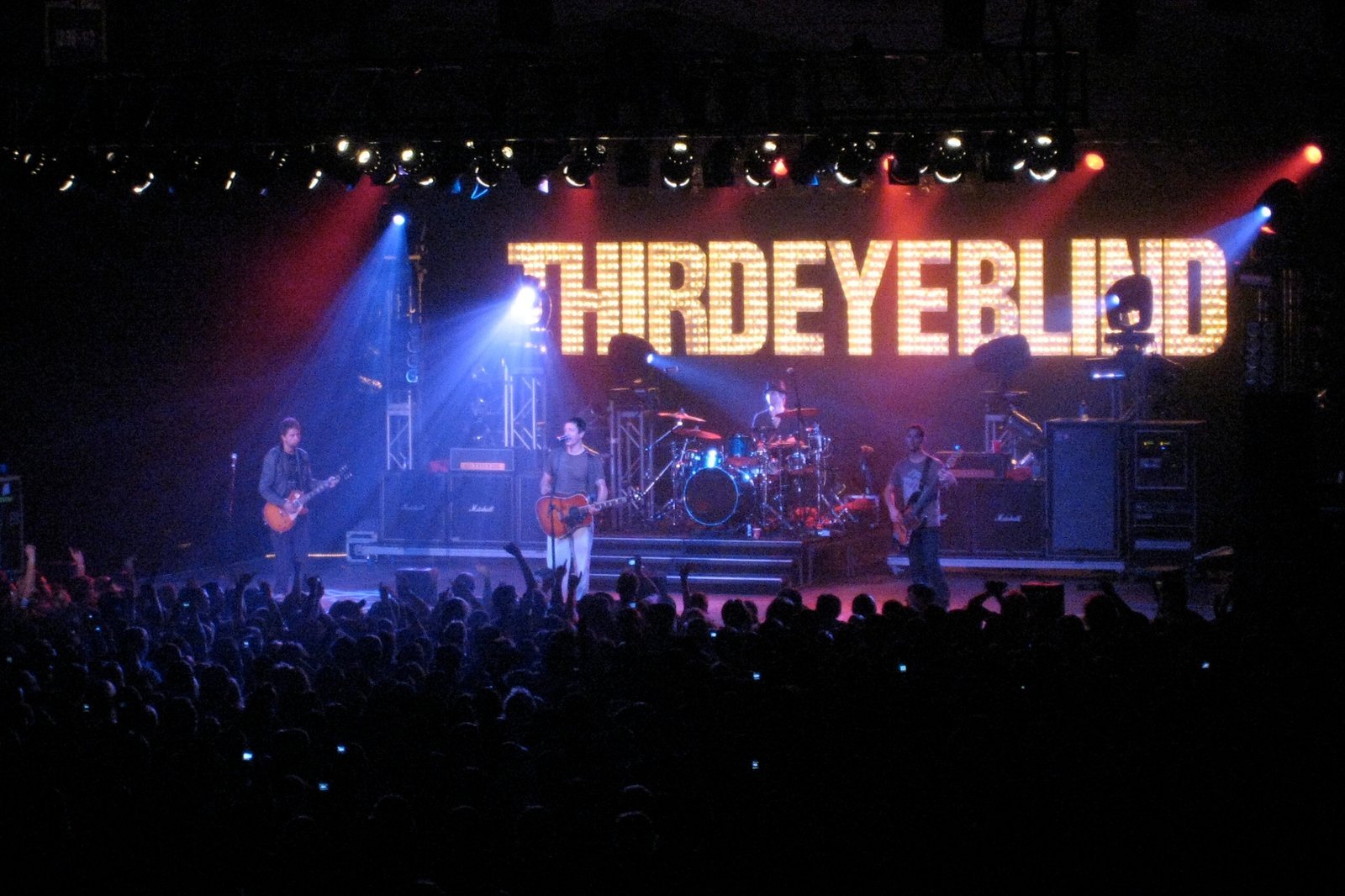
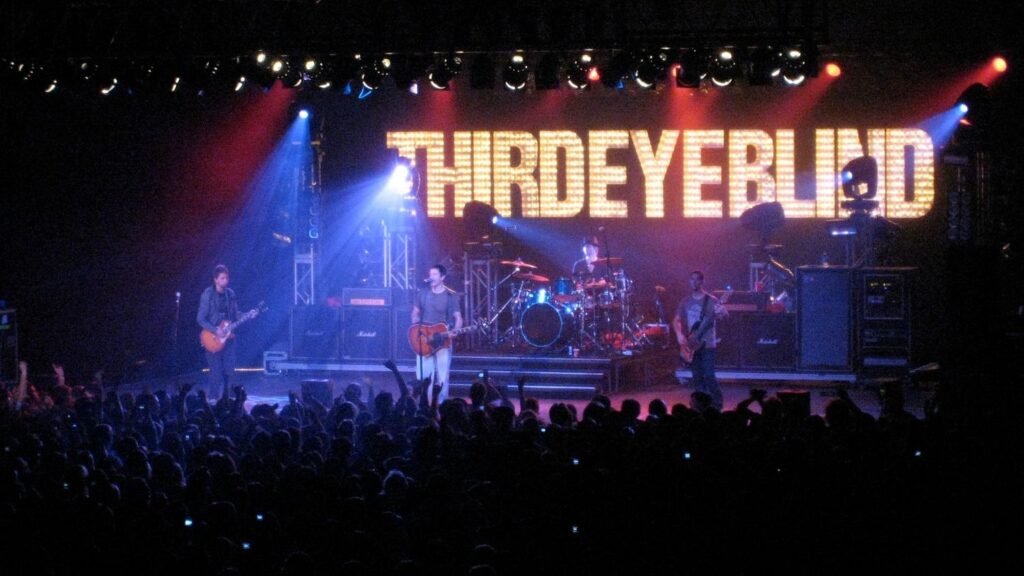
This one genuinely shocks people when they find out. “Semi-Charmed Life” has that irresistibly bouncy guitar riff. It sounds like summer. It sounds like freedom. It became a staple of late-nineties radio, played between pop hits and upbeat jingles.
Shortly after “Semi-Charmed Life” was released, Third Eye Blind frontman Stephan Jenkins explained in a 1997 interview with Billboard that it’s “a dirty, filthy song” about a drug-fueled bender. “It really is funny that people play it on the radio,” Jenkins said. “I think people hear ‘Semi-Charmed Life’ as a happy summertime jam.”
Even though the dark lyrics and extremely upbeat music do not seem like they go together at all, that was exactly the strange juxtaposition that the band was going for with this number. Songwriter Stephan Jenkins said that the music was attempting to recreate “that bright, shiny feeling” that using meth gives people. The radio edit stripped the most explicit references, which is why so many listeners had absolutely no idea what they were singing along to. That is a masterpiece of misdirection.
8. “Closing Time” by Semisonic – It Was Never About Last Call
Every bar on the planet has played this song. Every graduation, every slow goodbye, every late-night gathering winding down. The imagery of closing up a venue and heading home feels so universal. So fitting. So utterly appropriate for endings of all kinds.
This seemingly simple 1998 song about a bar closing after a long night of merrymaking is actually, at its core, something much more. During a 2008 performance, a decade after the Semisonic song first came out, lead singer Dan Wilson finally said “Closing Time” was actually about his impending fatherhood.
This song is often played during graduation ceremonies, or at the end of wedding receptions because the lyrics seem to reflect on the closing hours of a bar or life event. However, the track is actually about the birth of Semisonic singer Dan Wilson’s daughter. It is partially inspired by the birth of his daughter, Coco. So every time a bar cranks this song at midnight, they are accidentally playing a birth announcement. I know it sounds a little absurd, but honestly, it makes the song a hundred times more beautiful.
9. “Mr. Tambourine Man” by Bob Dylan – Not the Music Man You Thought He Was
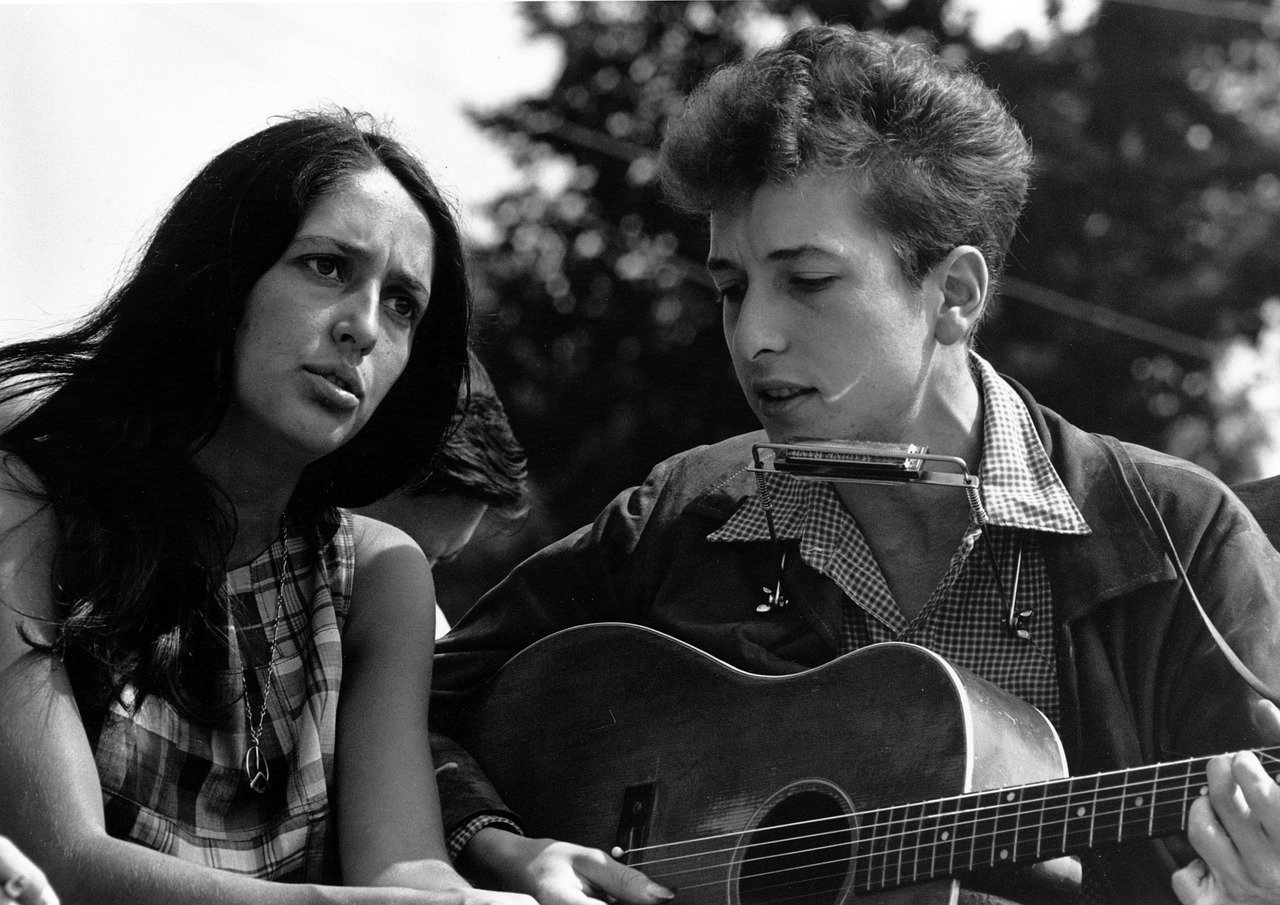
Bob Dylan built an entire career on ambiguity. His lyrics have been dissected by scholars, fans, and critics for decades. So it should come as no surprise that one of his most famous tracks is hiding something underneath the poetic imagery of a wandering tambourine player.
The song Mr. Tambourine Man by Bob Dylan is actually dedicated to a drug dealer. During the period this song was written and released, songs talking about illicit drug use would have most likely fallen victim to censorship. In order to avoid this, the artists had to get creative.
Especially in earlier decades, artists used coded messages to avoid censorship or backlash. Dylan was extraordinarily skilled at this. If you concentrate on the lyrics of Bob Dylan’s song Mr. Tambourine Man, you will instantly realize that it leaves very little room for interpretation. The “tambourine man” is not some whimsical folk figure dancing freely in the moonlight. He is a supplier. Once you hear that interpretation, the entire song shifts beneath your feet. That moment of realization is exactly what makes hidden meanings so powerful.
The Art of Listening Twice

There is something almost magical about discovering that a song you have loved for years is carrying a secret. It does not ruin the original feeling. If anything, it adds another dimension to it, like discovering a hidden room in a house you thought you knew completely.
Artists often use metaphors and symbolism to express complex ideas or emotions that cannot be said directly. Especially in earlier decades, artists used coded messages to avoid censorship or backlash. That tradition of hiding truth in plain sight is what separates a forgettable pop track from something that lasts generations.
Hidden messages encourage fans to dig deeper, analyze lyrics, and feel more connected to the artist. Hidden messages create a sense of mystery and intimacy between the musician and the listener. It is like being let in on a secret. And that secret, once discovered, makes you feel like you truly understand the artist in a way others do not.
The next time a song catches your ear, resist the urge to just nod along. Listen again. Read the words. Consider who wrote them, when, and why. There may be an entire world hiding just beneath the surface, waiting for someone curious enough to look. Did any of these hidden meanings surprise you? Which one hit you hardest? Tell us in the comments.

Christian Wiedeck, all the way from Germany, loves music festivals, especially in the USA. His articles bring the excitement of these events to readers worldwide.
For any feedback please reach out to info@festivalinside.com
