

- The 20 Musicians Who Said No to Fame - September 21, 2026
- 20 Novels You’ll Think About Every Time You Travel - September 21, 2026
- 15 Festivals Happening This June You’ll Wish You Knew About Sooner - September 21, 2026
There’s a reason people still talk about being at Woodstock, or how they wept in the front row at an Adele show, or how a single guitar riff during a stadium set made the hair on their arms stand up. Live music does something to us that a playlist on a commute simply cannot. It reaches into a part of the brain that craves not just sound, but presence, shared breath, collective feeling.
Think about it this way. A song on your phone is like a photograph. A concert is the actual moment the photo was taken. One is a record; the other is reality. And some realities change you. Let’s dive in.
The Art of the Stage: When Visual Spectacle Meets Sound
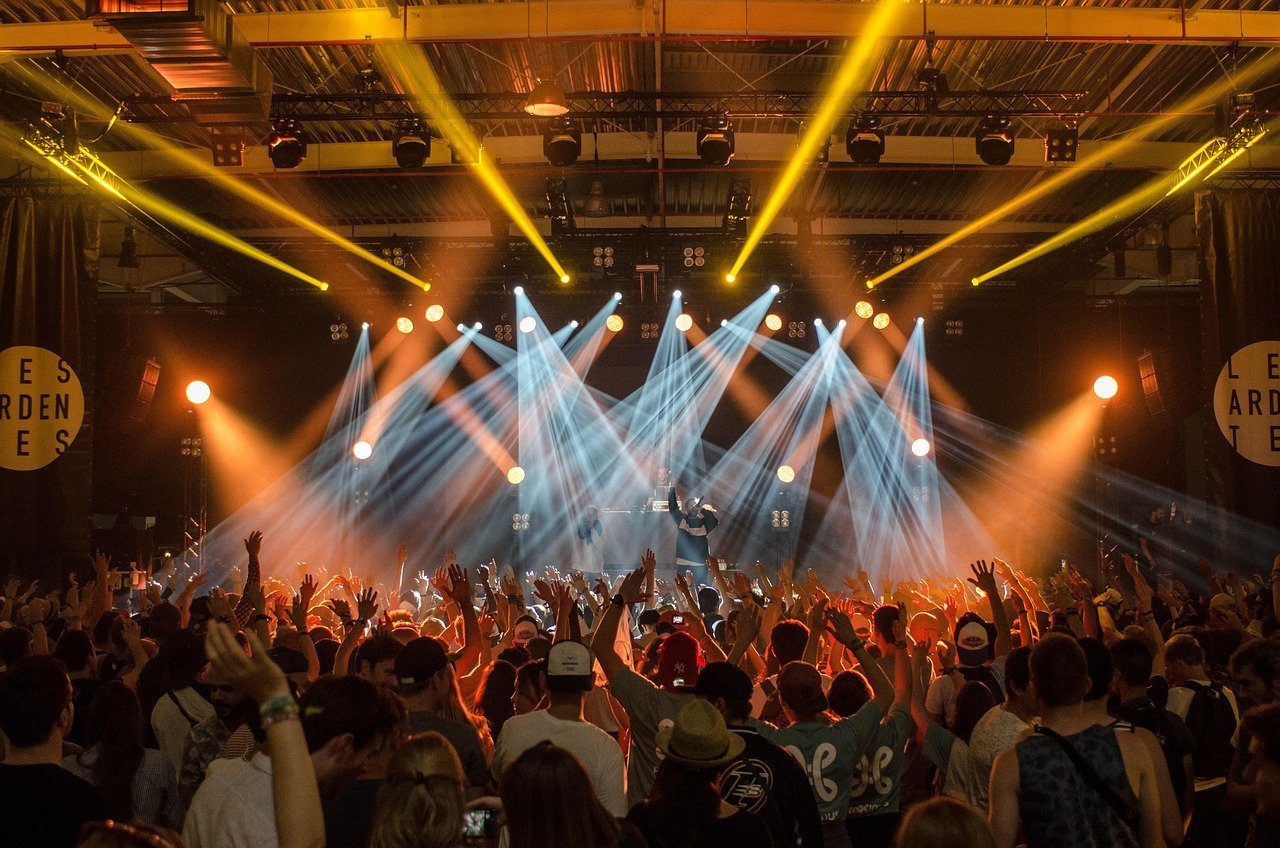
Staging in a concert isn’t decoration. It is architecture for emotion. The way a performer inhabits a stage, the way light wraps around a silhouette, the way a runway juts into the crowd – all of it speaks before a single note is played. Honestly, I think we underestimate how much of a concert we “hear” with our eyes.
Live performances have evolved dramatically over the decades, from small intimate venues to massive stadiums, fundamentally transforming the way we experience live music. The 1980s brought elaborate stage productions, with artists like Michael Jackson and Madonna redefining concert experiences with their theatrical performances. That shift was enormous. It turned concerts from musical events into full-scale sensory stories.
Bands like Pink Floyd and Queen introduced elements of visual spectacle, using lights, lasers, and giant screens. These weren’t gimmicks. They were the birth of the concert as an art form. That kind of ground-breaking approach changed electronic music forever, and from that point on, artists began to think outside the box and create elaborate, mind-blowing stage designs. The ripple effect is still felt every time a performer walks into a smoke-filled arena today.
The Artist-Audience Connection: The Invisible Thread That Makes It Real
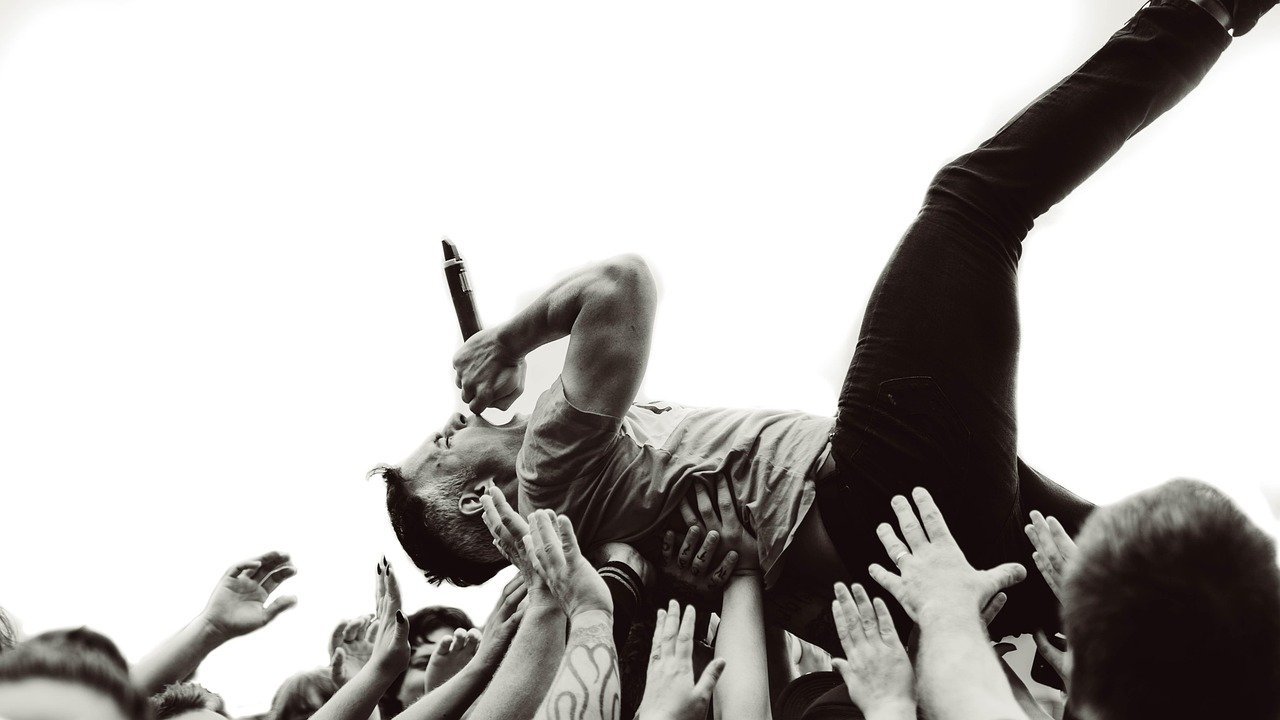
Here’s the thing about truly great performers: they don’t just stand and sing. They reach. There’s an unspoken contract between artist and audience, an exchange of vulnerability and trust that turns a room full of strangers into something that feels like family. Even for just two hours.
Live performances create a unique bond between the artist and the audience, where every cheer, every lyric sung in unison, and every encore adds to the magic. At its core, a live performance is about connection, whether it’s the connection between the artist and the fans or among the fans themselves, as concerts create a genuine sense of community. That’s not a small thing. That community feeling is increasingly rare in modern life.
When Queen took the stage at the Live Aid music festival in London, they delivered what is considered the greatest live performance in rock history. Freddie Mercury’s charisma and command of the crowd redefined the power of live music, and the lesson was clear: stage presence and connection with your audience can turn a good performance into a historic one. During “Radio Ga Ga,” Mercury engaged the audience and had them participate in a clapping sequence, and during “We Are the Champions” the entire stadium was singing along. That kind of collective participation is what separates a concert from a show.
Venue Atmosphere: Why Where You Are Changes Everything
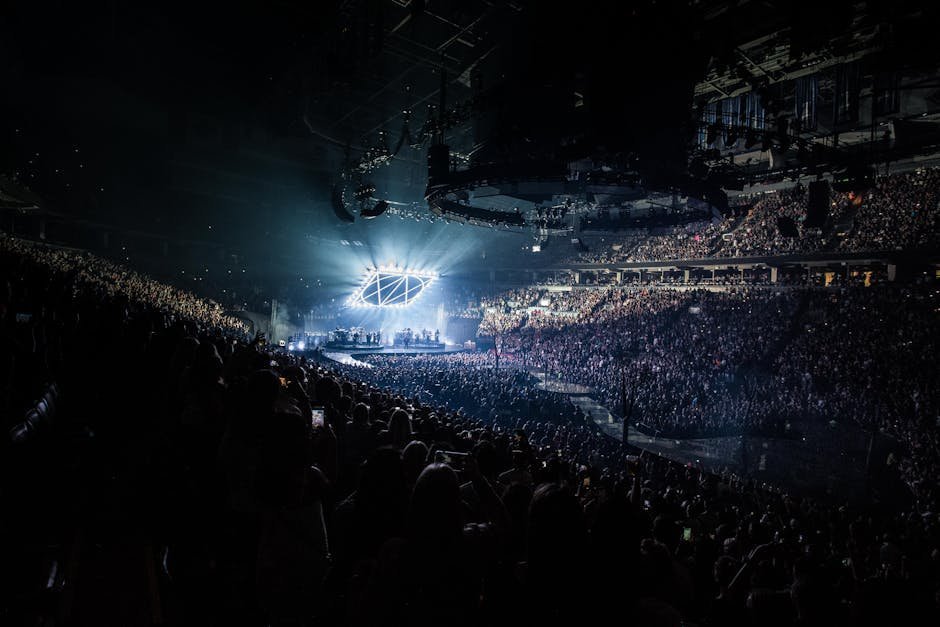
Not all venues are created equal. Some rooms have a personality of their own, an energy baked into the walls from decades of performances. Think of the difference between hearing a band in a 200-seat club versus a 20,000-seat arena. Both can be magic, but they cast completely different spells.
Memorable concerts often occur in iconic venues that enhance the sound and ambiance, making the experience even more special. Wembley, for example, is vast, unapologetically loud, and built for moments that feel historic while they are happening. The modern rebuild fixed many of the acoustic issues that plagued the old stadium, with improved roof geometry and touring-grade sound reinforcement. Some venues don’t just host concerts. They become participants in them.
The atmosphere at a venue like Wembley is overwhelming in the best sense. When it gets it right, the crowd becomes part of the performance. That’s an extraordinary idea when you sit with it. The thousands of people who paid for a ticket stop being an audience and become a component of the art itself. Many music fans search for the best places to catch live acts, taking into account the venue’s acoustics, seating arrangements, and the overall vibe. Venue scouting, for a true concert-goer, is practically a sport.
Cultural Significance: When a Concert Becomes a Historical Event
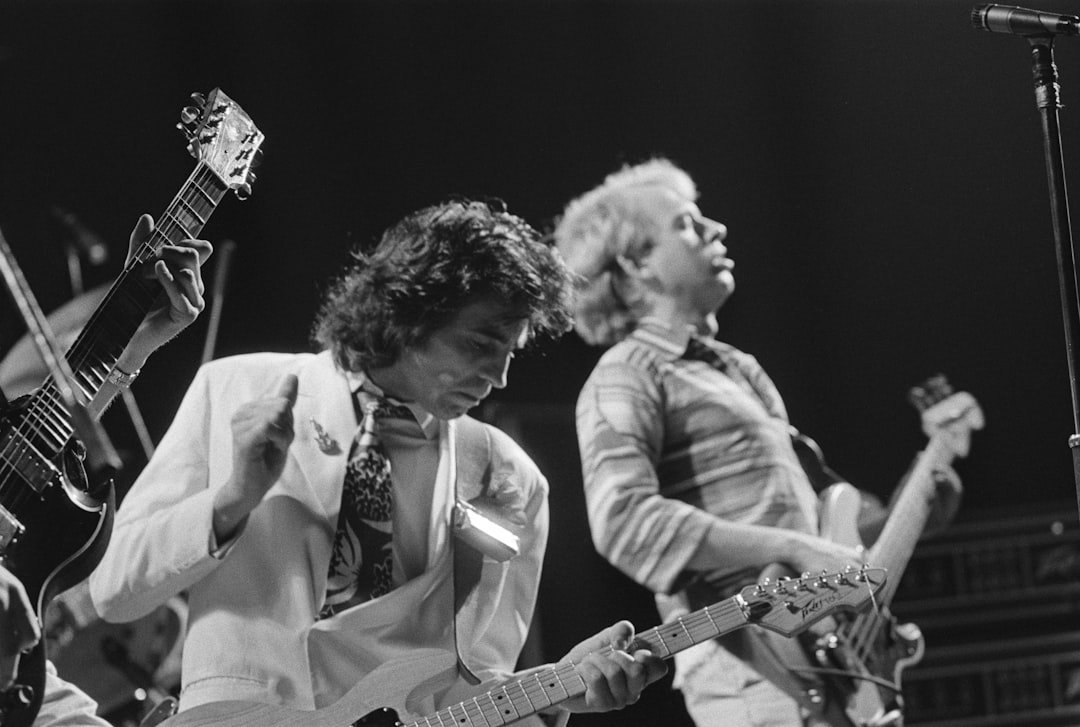
Some concerts stop being concerts the moment they begin. They become something else entirely. A statement. A turning point. A mirror held up to a generation that finally sees itself reflected clearly. Those are the shows people talk about for the rest of their lives.
The concerts that have made history extend far beyond their live event, offering a tableau for artists to underscore social causes, drive economic activity, and unite people. These gatherings frequently mark pivotal moments in cultural revolutions. Woodstock, held in August 1969 in Bethel, New York, was perhaps the most iconic concert of all time. Featuring the likes of Jimi Hendrix, Janis Joplin, and The Who, it was not just a concert but a symbol of peace and love during a tumultuous time in American history. That’s an enormous weight for three days of music to carry. It carried it.
In 2018, Beyoncé became the first Black woman to headline Coachella, delivering a performance that was as much cultural thesis as concert. Drawing from HBCU marching-band traditions, Black history, and her own iconic discography, she constructed a show of extraordinary precision and symbolism. Every step, costume change, and musical transition felt intentional, reframing what pop spectacle could communicate about identity, lineage, and power. That is not entertainment. That is a reckoning.
Legacy Moments: The Performances History Refuses to Forget
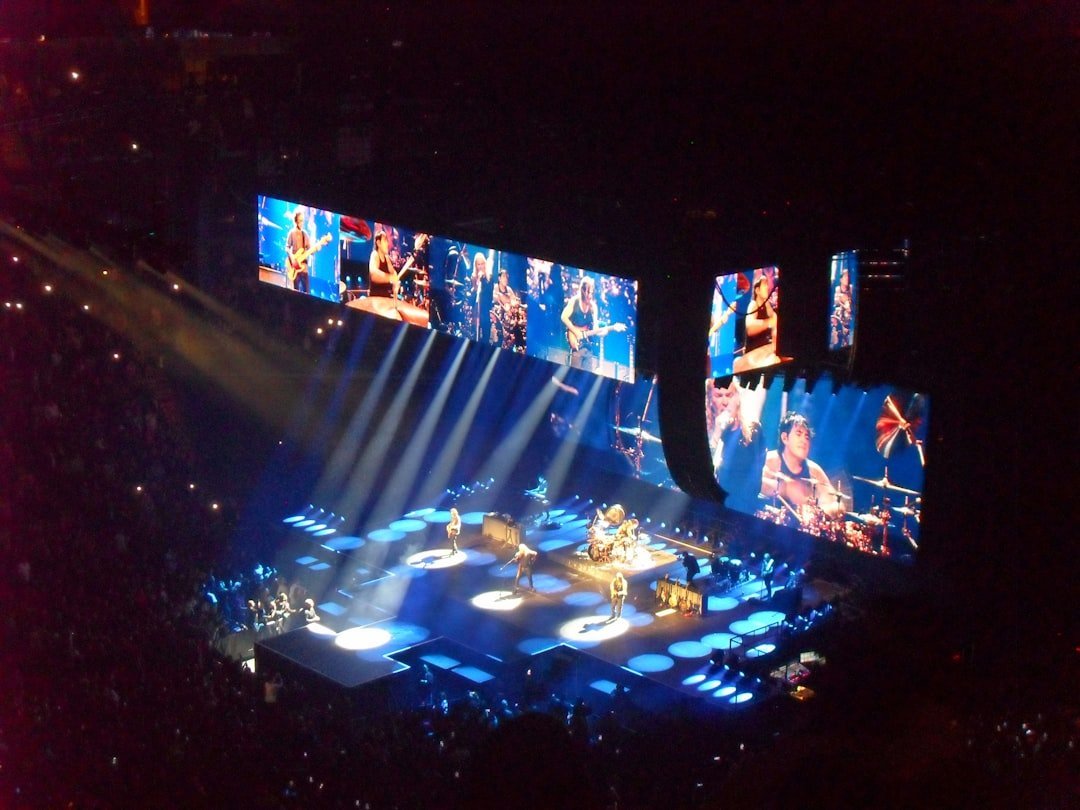
There are moments within concerts that take on a life entirely separate from the event itself. They become mythology. They get replayed on screens decades later, still sparking the same chill. Think of Prince throwing his guitar into the air and vanishing. Think of Freddie Mercury’s opening call-and-response with 72,000 people. These weren’t planned in the way we think. They were the product of an artist in complete, electric communion with a crowd.
On July 3, 1973, at London’s Hammersmith Odeon, David Bowie stunned his audience by announcing the “last show” not only of the tour but of his Ziggy Stardust persona. The declaration came without warning, and fans were devastated. Bowie, however, understood something crucial about performance art: characters must die to retain their power and cultural cachet. By killing Ziggy onstage, Bowie preserved the myth while freeing himself creatively, marking a turning point in pop stardom and emphasizing evolution over repetition. That single moment is studied by artists to this day.
Nirvana’s MTV Unplugged performance, occurring just months before Kurt Cobain’s tragic death, became a poignant farewell, leaving a lasting impact on both fans and the band’s legacy. Some performances don’t just entertain, they carve themselves into collective memory and refuse to leave. These concerts didn’t just happen; they exploded across generations, becoming shorthand for entire cultural movements. That is a kind of immortality most art can only dream of.
Conclusion: The Concert as a Living Memory
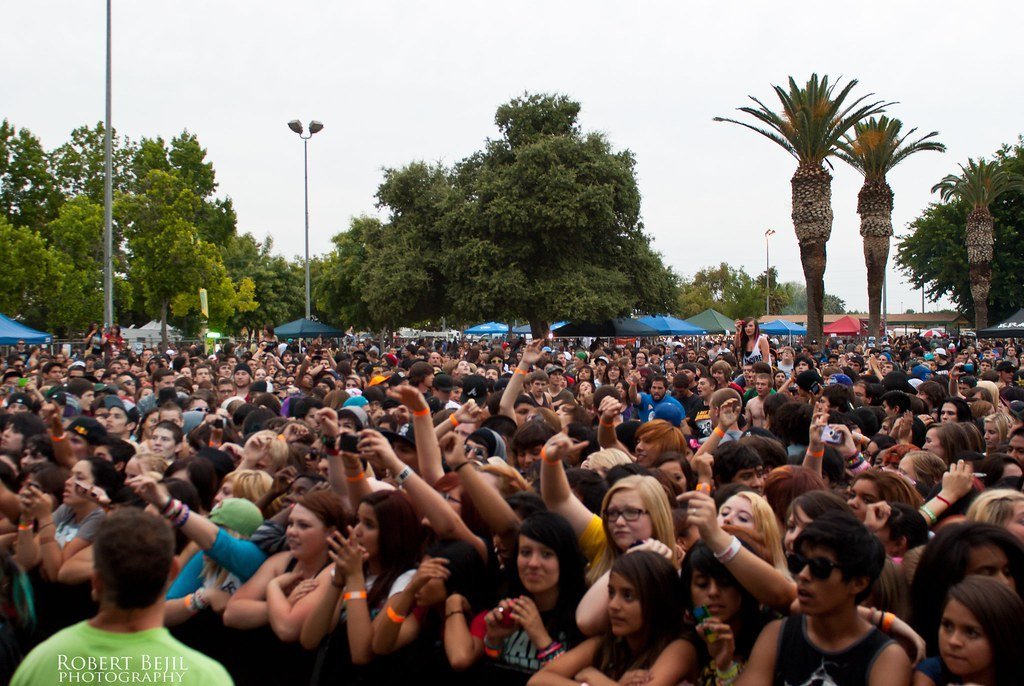
A great concert is not something you watch. It is something you survive, in the best possible sense. You emerge on the other side slightly different, a little fuller, having shared something unrepeatable with hundreds or thousands of other humans who were equally swept away. That experience cannot be downloaded. It cannot be streamed. It cannot be replicated in your living room, no matter how good your speaker system is.
A concert becomes historically significant when it transcends being just a performance and becomes a cultural event, shaped by factors like the scale of the crowd, the importance of the artist, and the event’s impact on the music industry. The truly memorable ones, though, don’t need scale to justify their greatness. Sometimes it’s just the right artist, the right venue, and a crowd that happened to be there on the exact right night.
Live music is the last truly irreplaceable art form. In a world where almost everything can be copied, paused, and revisited on demand, a concert exists only once. Every single performance, even on a long tour, is happening for the very first time and the very last time simultaneously. That’s a rare kind of beauty. What concert has stayed with you long after the lights came back on?
CEO-Co-Founder
