

- 20 Iconic Hidden Tracks from the CD Era - September 20, 2026
- 20 Books Written in Secret — and the Stories Behind Them - September 20, 2026
- The 20 Most Underrated Years in Music History - September 20, 2026
There’s something quietly powerful about picking up a book and suddenly feeling like the author somehow climbed inside your head. That strange, almost uncanny recognition. That moment when a character’s confusion feels like your confusion, their longing like your longing. Coming of age stories have done this for readers for centuries, and they show absolutely no signs of stopping.
Adolescent identity in literature is a significant theme that reflects the universal experiences of individuals transitioning from childhood to adulthood, encompassing various forms of writing that emphasize the psychological and emotional challenges faced by young people. At the heart of every coming-of-age story lies the struggle for identity and self-definition. Protagonists must navigate a complex web of influences, including family, culture, and social context, to forge a sense of self – a journey often marked by tension between conformity and individuality, as young people seek to balance their desire for autonomy with the need for acceptance and belonging.
Coming of age stories are special in literature because they offer more than just entertainment. They serve as empathy builders, helping readers step into the shoes of characters facing diverse challenges, and as emotional validators, acknowledging the complex feelings that accompany growing up and reminding readers that they are not alone in their struggles. These books are not just for teenagers going through a hard time. Honestly, they’re for anyone who still remembers what it felt like to not quite know who they were yet. Let’s dive in.
1. The Catcher in the Rye by J.D. Salinger
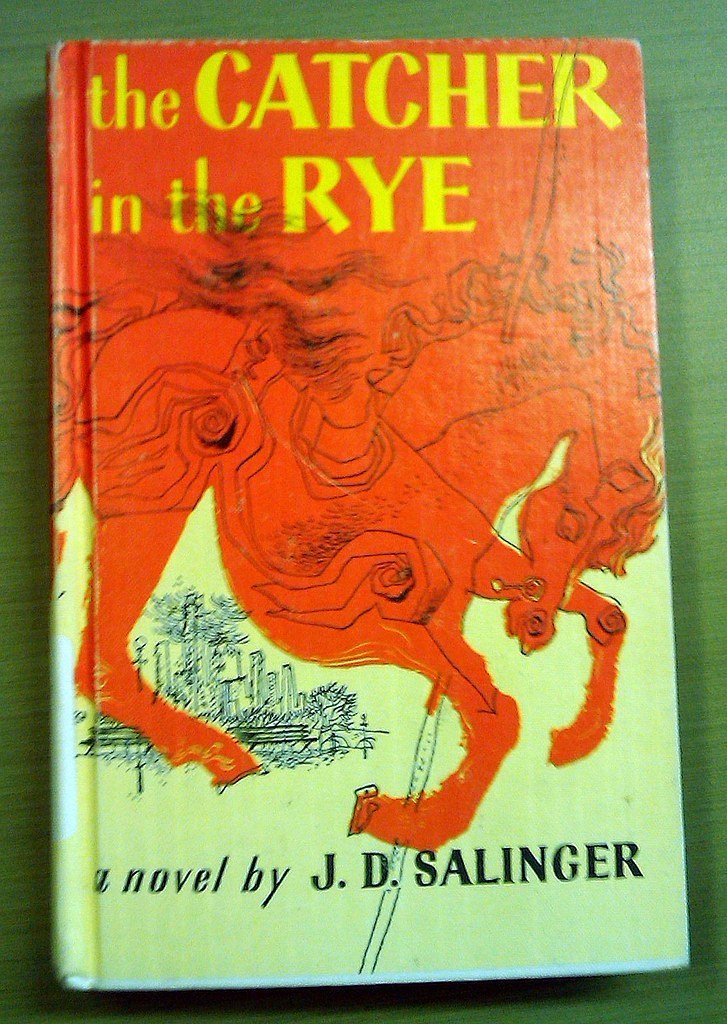
Few books have captured teenage alienation as precisely, and as brutally, as this one. Salinger’s seventeen-year-old dropout Holden Caulfield is the definitive voice of teenage angst and alienation. Written with the clarity of a boy leaving childhood, it deals with society, love, loss, and expectations without ever falling into the clutch of a cliché, and feels as relevant today as in the 1950s.
In The Catcher in the Rye, the protagonist Holden Caulfield goes through a transformative journey as he struggles with feelings of alienation and disillusionment. Through his experiences, Holden learns to accept the imperfections of the world around him and to embrace his own uniqueness. This journey teaches us about the importance of self-acceptance and the value of personal growth. For a modern teenager drowning in social media comparisons and performance culture, Holden’s raw refusal to be fake hits differently. He’s not a hero. He’s barely holding on. That’s exactly the point.
2. To Kill a Mockingbird by Harper Lee
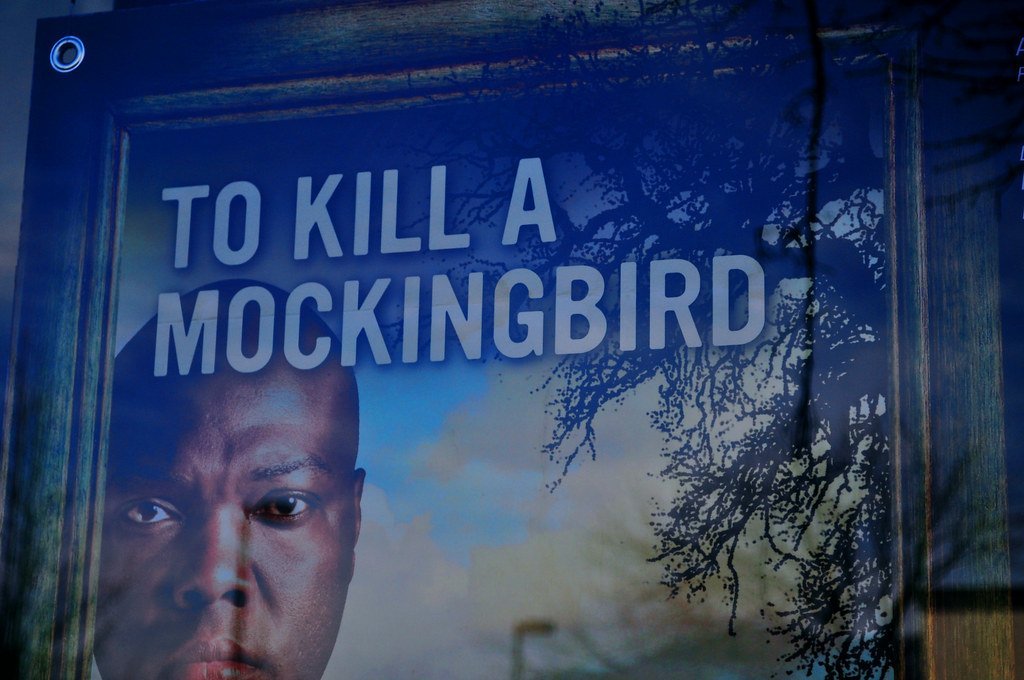
Some books make you want to be a better person. This is one of them. Voted the Great American Read and considered one of the best coming of age novels, To Kill a Mockingbird is a timeless classic that everyone should read. The story of young Scout and Jem watching their father Atticus Finch defend an innocent black man will make you want to stand up for those who can’t stand up for themselves.
Whether you’re reading about young boys learning moral courage in To Kill a Mockingbird or a teenage girl discovering her voice in other classic works, these books capture what it means to grow up and to keep growing. What makes this novel particularly powerful for teens today is the way it frames moral courage not as a grand gesture, but as a quiet daily choice. Scout’s confusion, her gradual understanding of injustice, mirrors the confusion many young people feel as they begin to see the world for what it actually is, not what they hoped it would be.
3. The Perks of Being a Wallflower by Stephen Chbosky
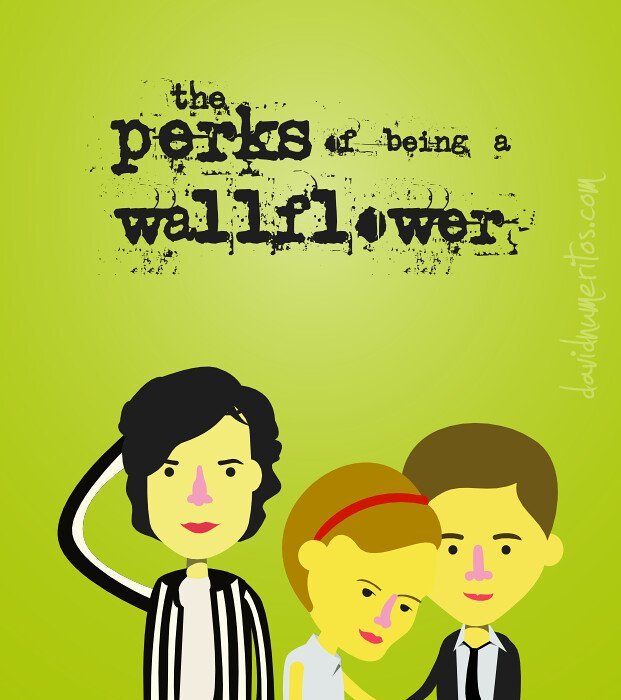
Let’s be real. This one hit a lot of us like a freight train. Published in 1999, The Perks of Being a Wallflower became a cult classic because of its honest look at the lives of everyday teenagers. Through the eyes of 15-year-old Charlie, this book details daily trials and tribulations while tackling hefty and controversial topics like drug abuse, teen pregnancy, and suicide. It also focuses on the roles that friendship, family, and love play in helping us through difficult times.
Told through a series of letters, The Perks of Being a Wallflower explores the emotional highs and lows of high school, including friendship, trauma, and personal growth. Chbosky’s portrayal of Charlie’s coming-of-age experience feels raw and real, making this a modern classic for readers who love stories about navigating identity and acceptance. There’s a particular kind of ache in this book. The feeling of being on the outside of something, watching others live fully while you struggle just to show up. Teenagers who feel invisible will find something rare here: the comfort of being seen.
4. The Outsiders by S.E. Hinton
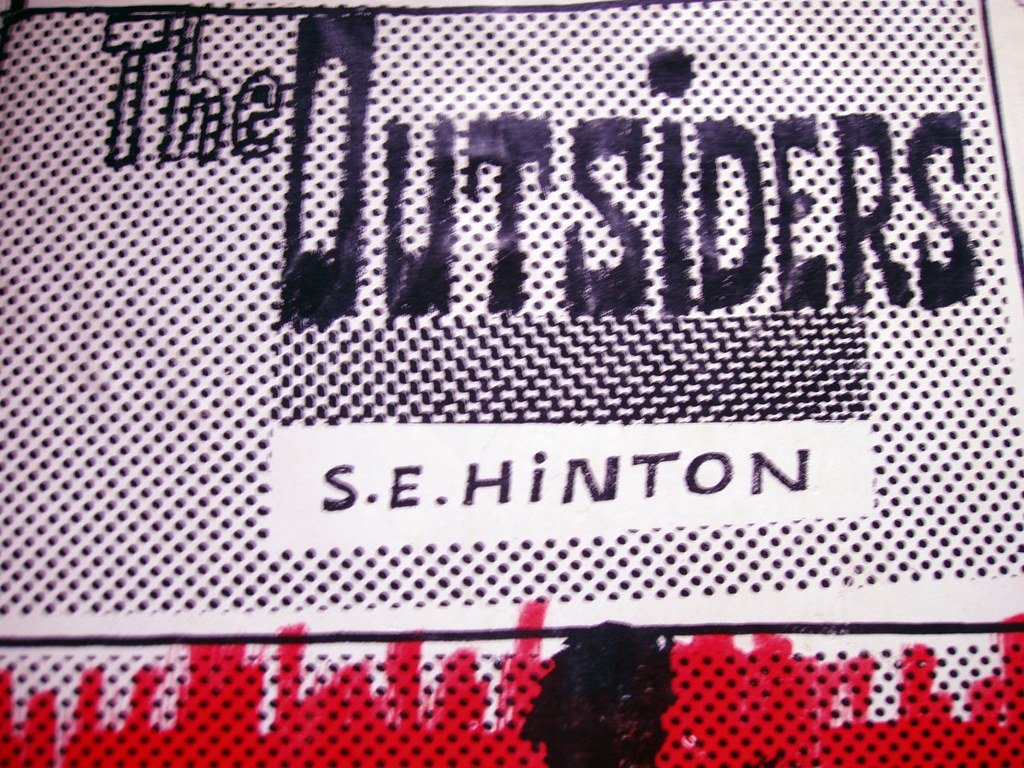
Here’s a jaw-dropping fact: S.E. Hinton began writing The Outsiders when she was just fifteen years old. Fifteen. Written when the author herself was just a teenager, The Outsiders captures the raw emotion of adolescence like few others. Told through the eyes of Ponyboy Curtis, this coming-of-age tale explores class divides, loyalty, and identity. With its young characters navigating a harsh world, it remains one of the most relatable books for young adults everywhere.
This 1967 novel by S.E. Hinton focuses on two weeks in the life of 14-year-old Ponyboy Curtis, a member of the working-class Greasers, and his rivals, the upper-crust Socials. Beloved by readers of all generations, The Outsiders is widely considered a groundbreaking piece of literature that paved the way for the entire YA genre. The themes of class struggle and tribal belonging are arguably even more relevant in 2026 than they were in 1967. Teenagers today navigate rigid social hierarchies both online and offline, and Ponyboy’s quest to exist beyond the labels placed on him remains something every young reader can feel in their bones.
5. The Hate U Give by Angie Thomas

If there’s one book on this list that feels urgently necessary for today’s teenagers, this might be it. The Hate U Give is a 2017 young adult novel by Angie Thomas, expanded from a short story she wrote in college in reaction to the police shooting of Oscar Grant. The book is narrated by Starr Carter, a 16-year-old African-American girl from a poor neighborhood who attends an elite private school in a predominantly white, affluent part of the city. Starr becomes entangled in a national news story after she witnesses a white police officer shoot and kill her childhood friend, Khalil.
Thomas’s novel is deeply invested in the complex dynamics of family, loyalty, and friendship, and the cultivation of the self during the transitory time of adolescence. The chief protagonist, Starr Carter, inhabits two opposing realms that she must traverse daily: the realm of Williamson Prep, her upscale suburban prep school, and Garden Heights, the gang-ridden, poor Black neighborhood Starr calls home. In order to survive, she must, in effect, become two different people. That tension between performing a version of yourself to fit in and staying true to who you are is something almost every teenager understands. This novel just refuses to let you look away from the consequences.
6. Persepolis by Marjane Satrapi
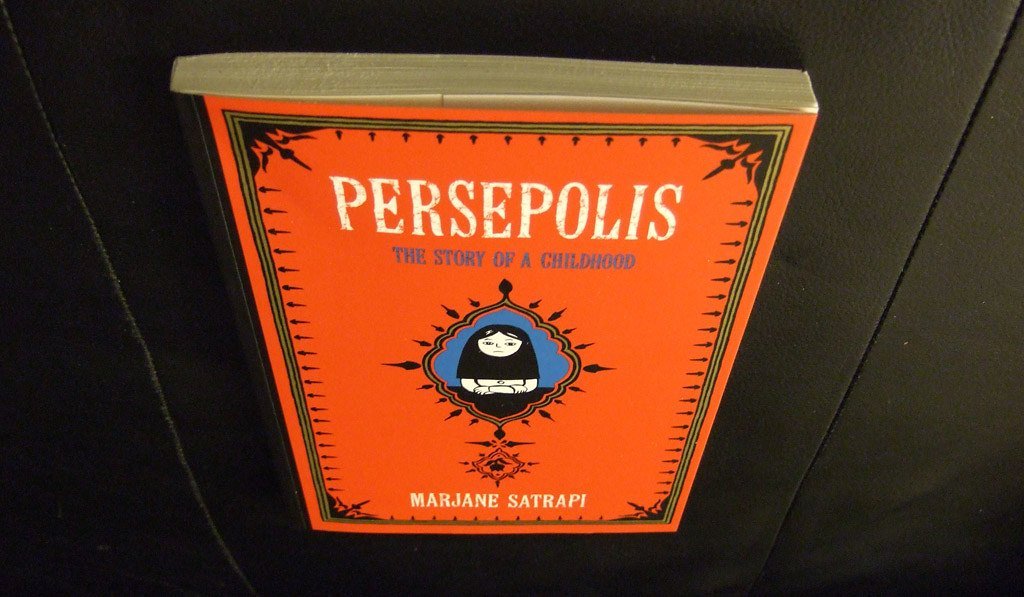
Coming of age stories don’t always happen in suburban bedrooms or high school hallways. Sometimes they happen against the backdrop of revolution. Persepolis is a series of autobiographical graphic novels by Marjane Satrapi that depict her childhood and early adult years in Iran and Austria during and after the Islamic Revolution. Through bold black-and-white illustrations and candid storytelling, Satrapi tells her story starting from a curious and outspoken child, growing up under an oppressive regime, to a rebellious teenager and, later, a young woman struggling with exile, identity, and belonging.
What stands out most in Persepolis is how Satrapi depicts the collision of innocence and political upheaval. One page shows Satrapi dreaming of being a prophet. The next portrays executions and bombings. Yet another illustrates her bargaining for a Michael Jackson button even though it was strictly forbidden. The memoir never sanitizes childhood; instead, it honors how children pick up the pieces adults break. I think the graphic novel format does something here that prose simply cannot. It makes the impossible feel immediate. For teenagers today grappling with political unrest, cultural identity, or the feeling of being caught between two worlds, Persepolis is an extraordinary mirror.
7. A Tree Grows in Brooklyn by Betty Smith
Don’t let the classic label fool you into thinking this one is dusty and distant. Published in 1943, Betty Smith’s debut novel is not only a beloved coming-of-age book but a universally regarded modern classic. It tells the sprawling tale of the Nolan family, first-generation immigrants who arrive in Williamsburg, Brooklyn at the turn of the 20th century. At its heart, however, A Tree Grows in Brooklyn is the story of the family’s eldest daughter, Francie. Sensitive, imaginative, and idealistic, her journey through the bittersweet, formative years of her youth can teach us all to believe in the prospect of a brighter future.
Covering poverty and the American dream, Betty Smith’s masterpiece points out the struggles of poor families of the early 20th century. Yet the enduring message of this classic book is one of hope for the future. Francie Nolan has become something of a literary soul sister for readers across generations, and it’s not hard to understand why. There’s something about watching someone dream relentlessly in the face of real hardship that is simply impossible not to be moved by. This book is quiet thunder.
8. Purple Hibiscus by Chimamanda Ngozi Adichie

Sometimes the walls that trap you are built by the people who love you. When Nigeria is shaken by a military coup, fifteen-year-old Kambili and her older brother Jaja are sent to live with their aunt. Outside of the city, in a loving, laughter-filled home, they begin to discover a life beyond the confines of their father’s religious fanaticism. Purple Hibiscus is Chimamanda Ngozi Adichie’s debut novel – an exquisite portrait of family, freedom, and the emotional turmoil of adolescence.
What makes this book so compelling for modern teens is how it handles the complexity of loving someone who also harms you. Kambili’s awakening is not dramatic or loud. It is slow, like a flower opening in winter. The genre has evolved to include diverse perspectives and experiences, addressing contemporary issues such as family dynamics, mental health, and cultural identity. Through these varied lenses, adolescent literature not only reflects the complexities of growing up but also fosters empathy and understanding among readers of all ages. Purple Hibiscus does exactly this, with a grace that feels almost breathtaking.
9. The Absolutely True Diary of a Part-Time Indian by Sherman Alexie

This book will make you laugh out loud and then quietly devastate you, often on the same page. Told through both prose and comic illustrations, this coming-of-age novel follows a Native American teen who transfers to an all-white high school off his reservation. It’s a brutally honest yet hopeful story about identity, resilience, and humor in the face of adversity.
The novel draws on Alexie’s own experience growing up on the Spokane Indian Reservation, and that autobiographical energy gives it a kind of urgency that is hard to manufacture. Being a teenager often means increased freedom and agency, but that’s usually accompanied by difficult choices and new responsibilities. Navigating shifting priorities and emotions while staying true to yourself can definitely be challenging, but the journey is invaluable. These books encapsulate the various definitions of “coming of age,” as protagonists face questions and conflicts which, although trying, ultimately help them find the most authentic versions of themselves. Junior’s journey does all of this, and more, with a voice that is completely unforgettable.
10. Little Women by Louisa May Alcott

There’s a reason this book has been adapted for film and television more times than almost any other novel on this list. Thousands of teenagers around the world have fallen in love with Marmee, her four daughters, and neighbour Laurie. This semi-autobiographical novel charts the highs and lows of the four sisters as they navigate their way from childhood to adulthood during the American Civil War.
Little Women, by Louisa May Alcott, is a coming-of-age novel following four sisters from childhood to adulthood. What makes it endure is not the era but the emotion. Jo March, in particular, is one of literature’s most complete portraits of a young person wrestling with ambition, self-doubt, and the pressure to conform to what others expect from her. In an age where teenagers are constantly asked to define themselves for audiences and algorithms, Jo’s insistence on defining herself for herself feels genuinely radical. Honestly, more radical now than it probably did in 1868.
The Enduring Power of Stories That Grow With You

Coming of age literature does something no self-help book, no app, and no algorithm can replicate. It gives young people a companion in the chaos. At its heart, a coming-of-age story tracks a character’s personal development, emotional, mental, even spiritual, as they cross some unseen threshold into a more defined version of themselves. Literary coming-of-age novels often linger in ambiguity, nuance, and emotional truth. They leave you thinking for days, not because of what the character did, but because of how closely their journey mirrors your own.
The reason these stories endure is simple: everyone has lived one. They remind us of the awkward, exhilarating, and transformative moments that shape who we are. Whether you find yourself in Holden’s cynicism, Starr’s courage, Marjane’s defiance, or Francie’s stubborn hope, these books offer something deeply rare. The sense that even in your most bewildering, most uncertain moments of growing up, you are not alone in the wilderness. Someone else has been there. They wrote it down. They left it for you.
What would you have discovered about yourself if you had read one of these books a few years earlier?
CEO-Co-Founder
