

- The 20 Writers Who Only Published After They Died - September 22, 2026
- Why 20 Nostalgia Hits Harder Through Headphones - September 22, 2026
- 20 Forgotten Writers Who Invented Modern Genres - September 21, 2026
There is something almost thrillingly meta about the greatest authors in history. They spent their careers building vivid worlds and breathing life into unforgettable characters, yet many of them were quietly – or not so quietly – sculpting something just as dramatic: themselves. The persona, the myth, the walking embodiment of an idea.
Think about it. When you hear a name like Hemingway or Oscar Wilde, you don’t just think of books. You think of a whole person, a lifestyle, almost a brand. It’s a strange kind of genius, that ability to turn your own biography into literature without ever writing an autobiography.
These eight writers didn’t just put characters on a page. In many ways, they became the most compelling character in any room they ever entered. Let’s dive in.
Ernest Hemingway: The Man Who Wrote Himself Into Myth
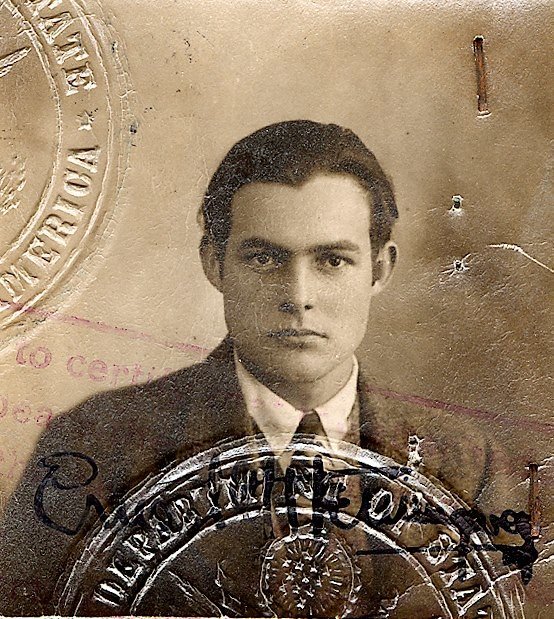
Few authors in history have blurred the line between life and fiction as deliberately as Ernest Hemingway. He created a larger-than-life version of himself for public consumption, a mythos meant to identify him with the similarly larger-than-life characters he wrote about. Think of the war veteran, the big-game hunter, the deep-sea fisherman – these weren’t just characters in his novels. They were expressions of the man he chose, very consciously, to become.
The “Papa Hemingway” persona actually served him as a defense, protecting the more complicated person behind that mask. Once the persona took hold, it did not let go, and as a consequence Hemingway dwindled into a celebrity, a person famous for being famous, whose personality had been narrowed down to a few instantly recognizable trademarks. Honestly, that’s a tragedy wrapped inside a triumph. The shield became the prison.
Hemingway eagerly collaborated in creating his public image in his nonfiction articles and books, by both revealing his private life and reveling in it. The process had the unfortunate effect of confusing Hemingway’s work with his life, or rather with those parts of his life that were lived in open view; it subordinated his literary accomplishment to his personal renown. His novels are masterworks, and yet for decades the man overshadowed the writing. There’s a lesson in that for anyone who confuses celebrity with legacy.
Virginia Woolf: The Author Who Carried Herself Like a Mask
Virginia Woolf was an English writer and one of the most influential 20th-century modernist authors. She helped pioneer the use of stream of consciousness narration as a literary device. Yet what makes her truly fascinating is not just what she created on the page, but how deeply her inner life and her literary identity became inseparable.
She kept the most detailed of diaries, and many of her introspective novels are literary tapestries of her experiences and memories. Yet she never published an autobiography. The art of “life-writing,” as she called it, requires a window on the soul, not just the facts of one’s life. Finding access to that inner self was a perpetual preoccupation for Woolf. She was always wrestling with the gap between who she actually was and the public figure people believed they knew.
Being the daughter of Sir Leslie Stephen, the editor of the Dictionary of National Biography, Woolf was personally connected to the genre of literary life. She made biography the substance of her experimental fiction. Mr. and Mrs. Ramsay, the main characters of To the Lighthouse, mirror Virginia Woolf’s own parents and the relaxed atmosphere of her childhood prior to her mother’s death. The boundary between memoir and novel, for Woolf, was always gossamer-thin.
Oscar Wilde: A Life Composed Like a Work of Art
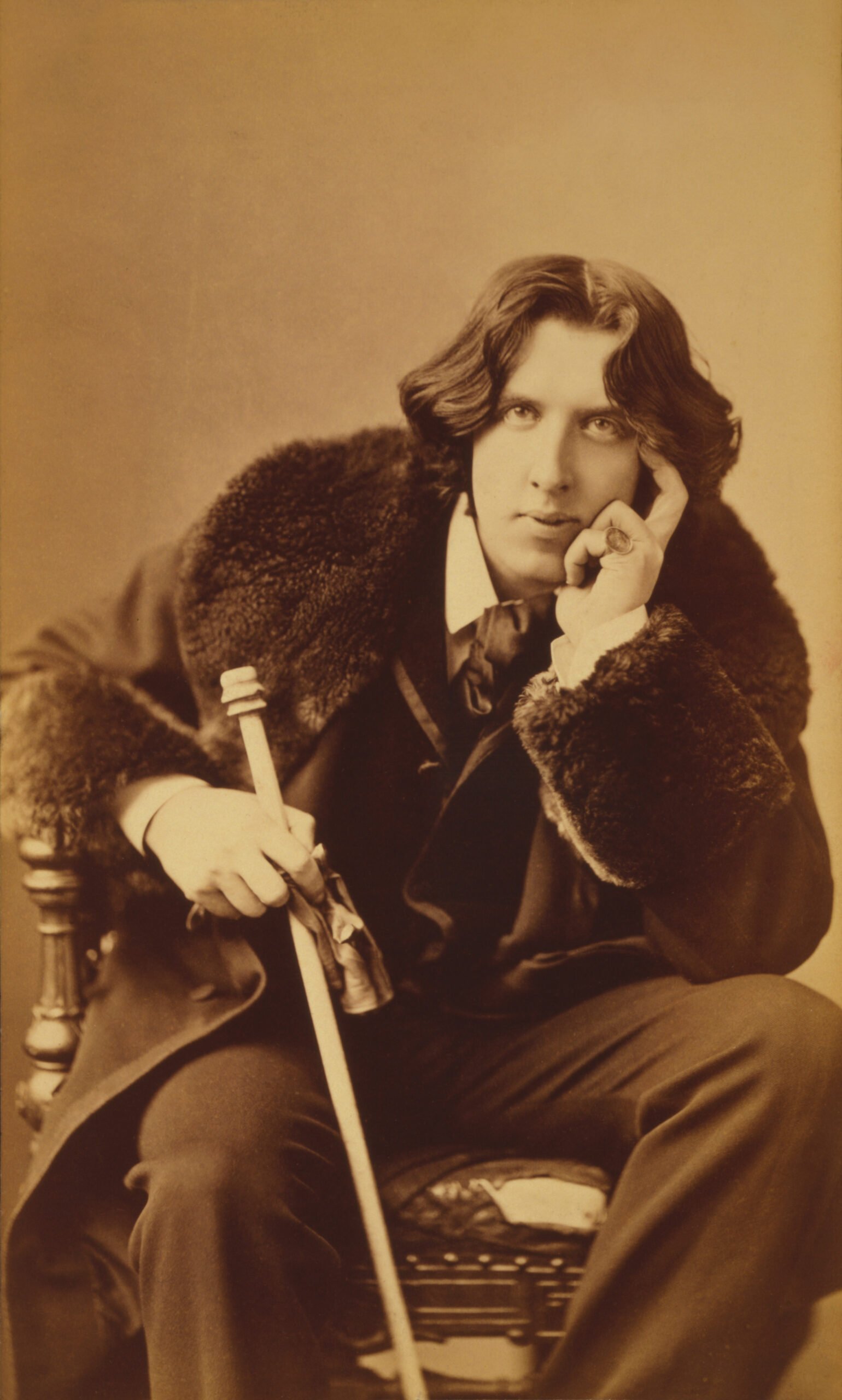
Known for his biting wit, flamboyant dress and glittering conversational skill, Wilde became one of the best-known personalities of his day. Here’s the thing about Wilde: he didn’t just write brilliant plays and essays. He performed himself in every drawing room, salon, and courtroom he ever entered, treating his own existence as the ultimate aesthetic project.
At Oxford, Wilde encountered aestheticism, the late 19th-century artistic and literary fashion that cultivated the “beautiful.” That suited Wilde’s burgeoning taste for the flamboyant, and he quickly became “aesthetic to the last degree,” decorating his rooms with William Morris wallpapers, bouquets of lilies and sunflowers, and rainbow-hued cut glass. He grew his hair long and cultivated his signature sartorial look: velvet jackets and sweeping capes. Before social media existed, Wilde had already mastered personal branding.
Imprisonment for homosexuality was a particularly tragic end for an artist who believed that style, in life as well as art, was of utmost importance. That ruinous final act gave Wilde the aura of a tragic figure whose life had moved in a clear narrative arc from obscurity to greatness and then to crushing downfall, with premonitions of catastrophe at every stage. It’s almost as if his own life read like one of his own plays, perfectly structured, devastating, and unforgettable.
Charles Dickens: The Celebrity Author Who Invented Modern Fame
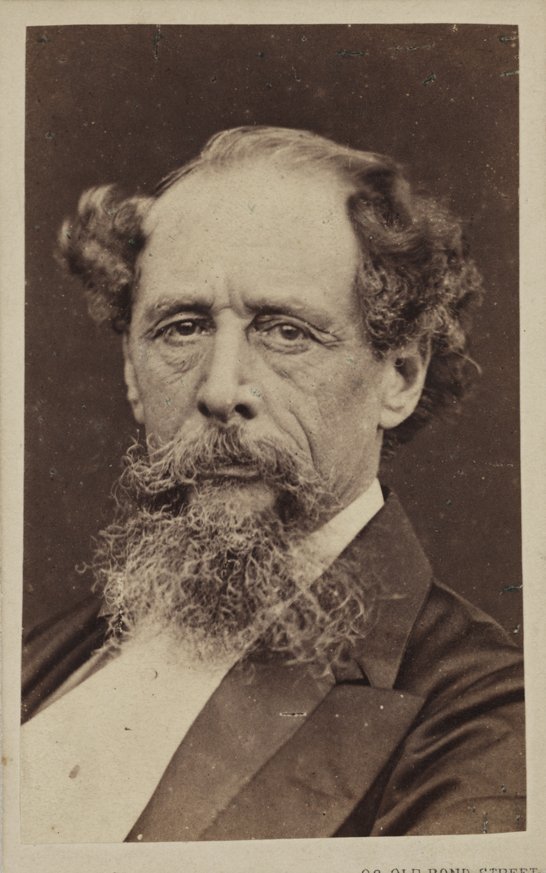
Charles John Huffam Dickens was an English writer and journalist. He created some of literature’s best-known fictional characters and is regarded by many as the greatest novelist of the Victorian era. His works enjoyed unprecedented popularity during his lifetime. Yet what is often overlooked is how skillfully Dickens managed and shaped his own public image alongside those fictional creations.
Dickens edited a weekly journal for 20 years, wrote 15 novels, 5 novellas, hundreds of short stories and nonfiction articles, lectured and performed readings extensively, was a tireless letter writer, and campaigned vigorously for children’s rights, education and other social reforms. The man was everywhere. He was not just a writer. He was an institution. I think that’s what separates him from almost everyone else: he made authorship itself into a public spectacle.
Dickens learned about authorial “branding” and brand maintenance from an earlier literary generation. Within a few years, Dickens had become an international literary celebrity, famous for his humour, satire and keen observation of character and society. The world knew what “Dickensian” meant while the man was still alive. Not many writers earn an adjective in their own lifetime.
Lord Byron: The Original Romantic Anti-Hero, in Real Life
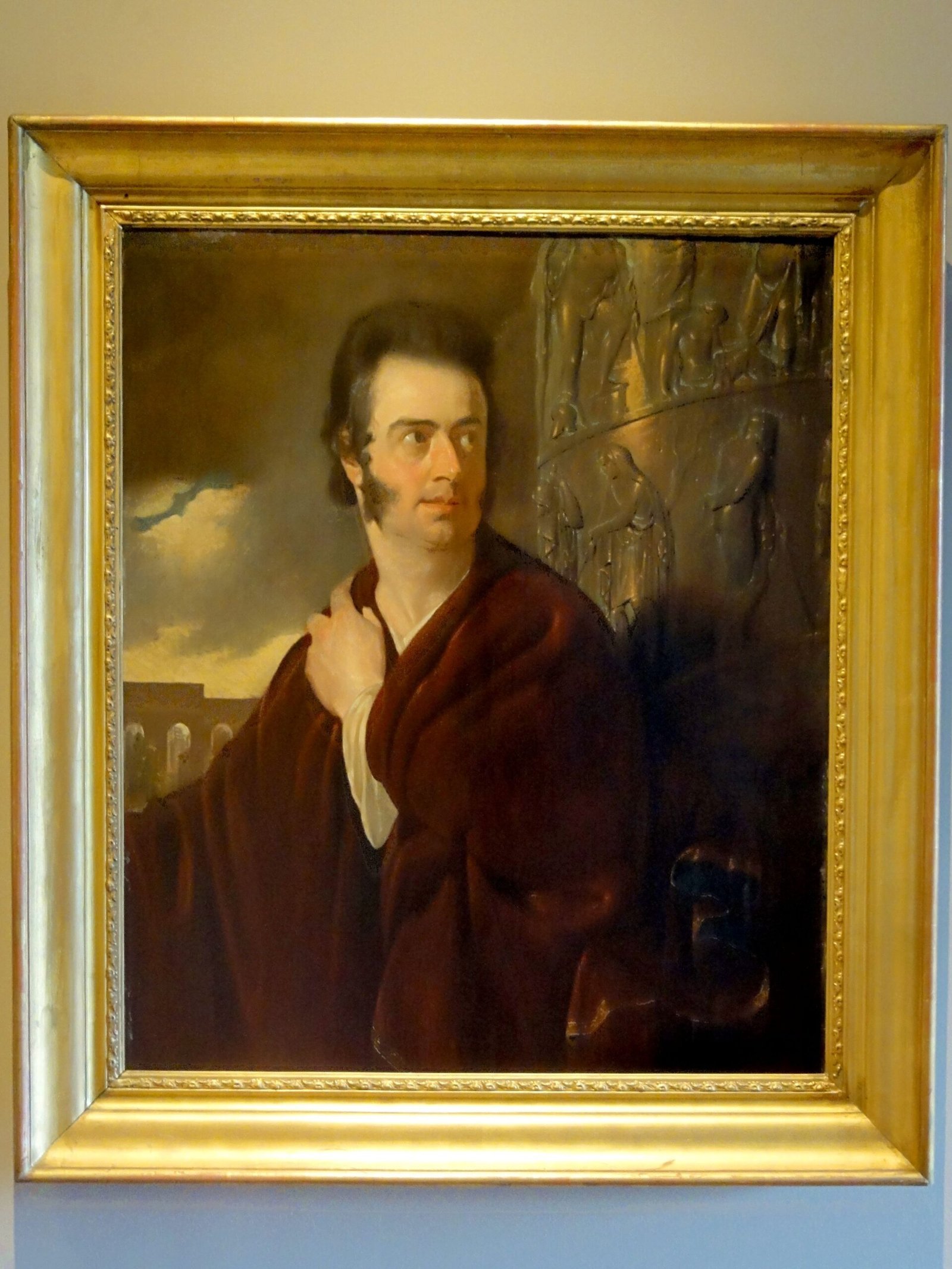
Lord Byron is, in many ways, the prototype for all literary self-mythologizers. Long before the internet and celebrity culture, Byron understood intuitively that the poet and the poem could be fused into a single, irresistible spectacle. He didn’t just write brooding, rebellious heroes. He was one.
Byron was the subject of more than 30 biographies, memoirs and critiques within five years of his death. As one scholar points out, “the Byronic myth mutated rapidly.” Depending on the biographer, he could be portrayed as a dandy, a revolutionary martyr, a lonely wanderer, an aristocratic aesthete, a moody artist, or a sexual predator. That’s what happens when a life is lived at the pitch of fiction. It becomes endlessly reinterpretable, like a great novel.
Byron’s actual travels, scandals, love affairs, and eventual death fighting for Greek independence were so dramatically structured that it becomes difficult to separate his biography from the characters he invented. His hero Childe Harold, brooding and exiled, was so closely associated with Byron himself that readers essentially read his poetry as autobiography. It was the 19th-century equivalent of an author inserting themselves directly into their own narrative, and it worked spectacularly.
Sylvia Plath: The Confessional Poet Who Became Her Own Subject
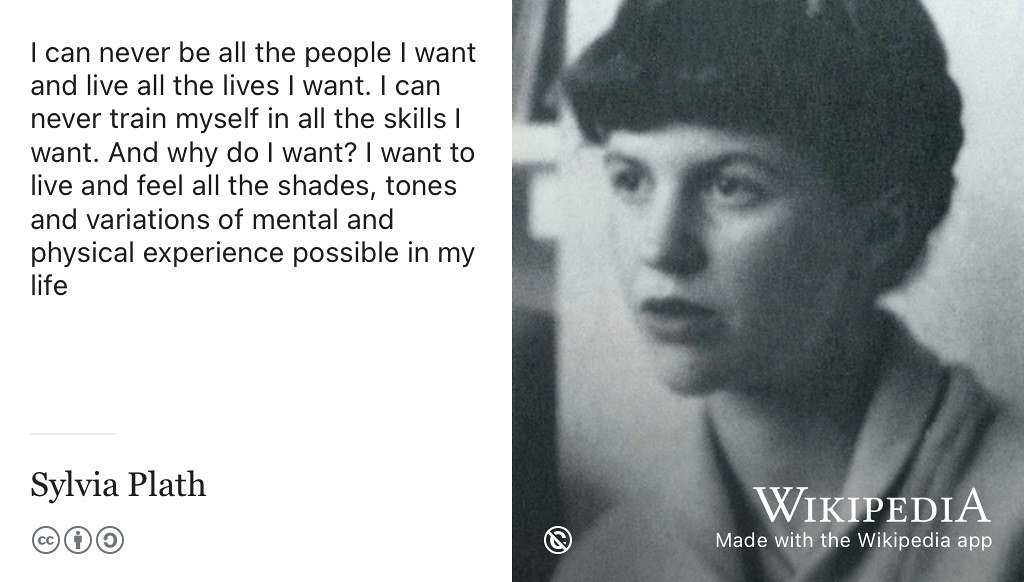
Sylvia Plath was an American poet and novelist whose best-known works explore the themes of alienation, death, and self-destruction. Her novel The Bell Jar is strongly autobiographical, and her later poems, such as “Daddy” and “Lady Lazarus,” show great power and pathos borne on flashes of incisive wit. Plath didn’t just draw from her life. In a very real sense, her life and her art became the same performance.
Intensely autobiographical, Plath’s poems explore her own mental anguish, her troubled marriage to fellow poet Ted Hughes, her unresolved conflicts with her parents, and her own vision of herself. Plath’s distinction as one of the most captivating and heart-rending women writers of the 20th century is well-known, and she is hailed as a leading figure of the confessional poetry movement. She built an entire literary movement around the radical idea that the self was a valid, even necessary, subject for art.
It’s hard to say for sure where Plath’s true self ended and her literary persona began. The in-between space is what characterizes Plath’s work, and our cultural fascination with her suicide is linked to the difficulty of reconciling all of these complexities and personas. Depression is a running theme in Plath’s writing, but it is only one of many. To set aside all the other emotions she felt in her rich tapestry of a life would not only be an insufficient analysis of what made her writing great, it would also be an affront to the woman behind the words.
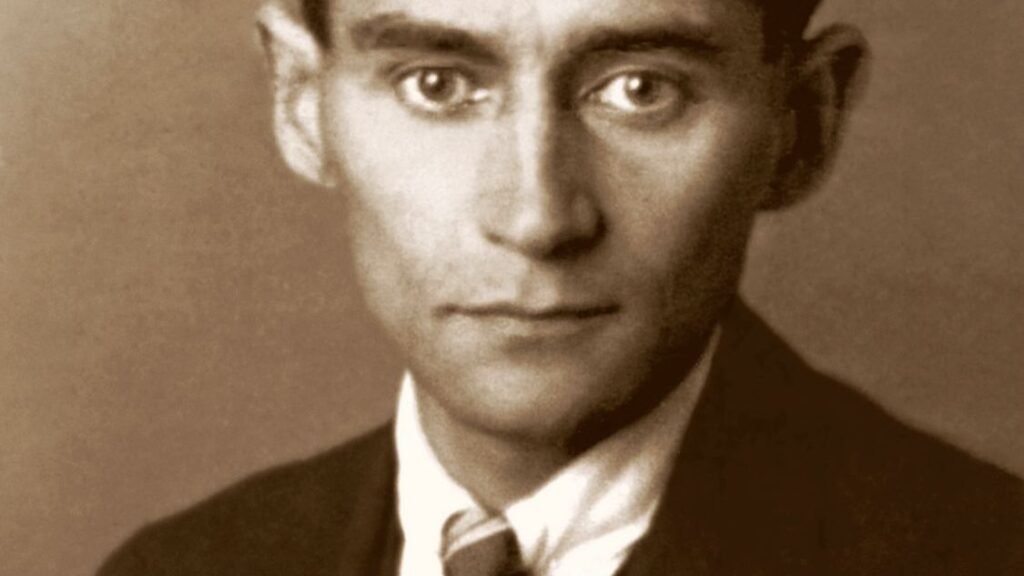
Franz Kafka: The Man Who Became His Own Nightmare
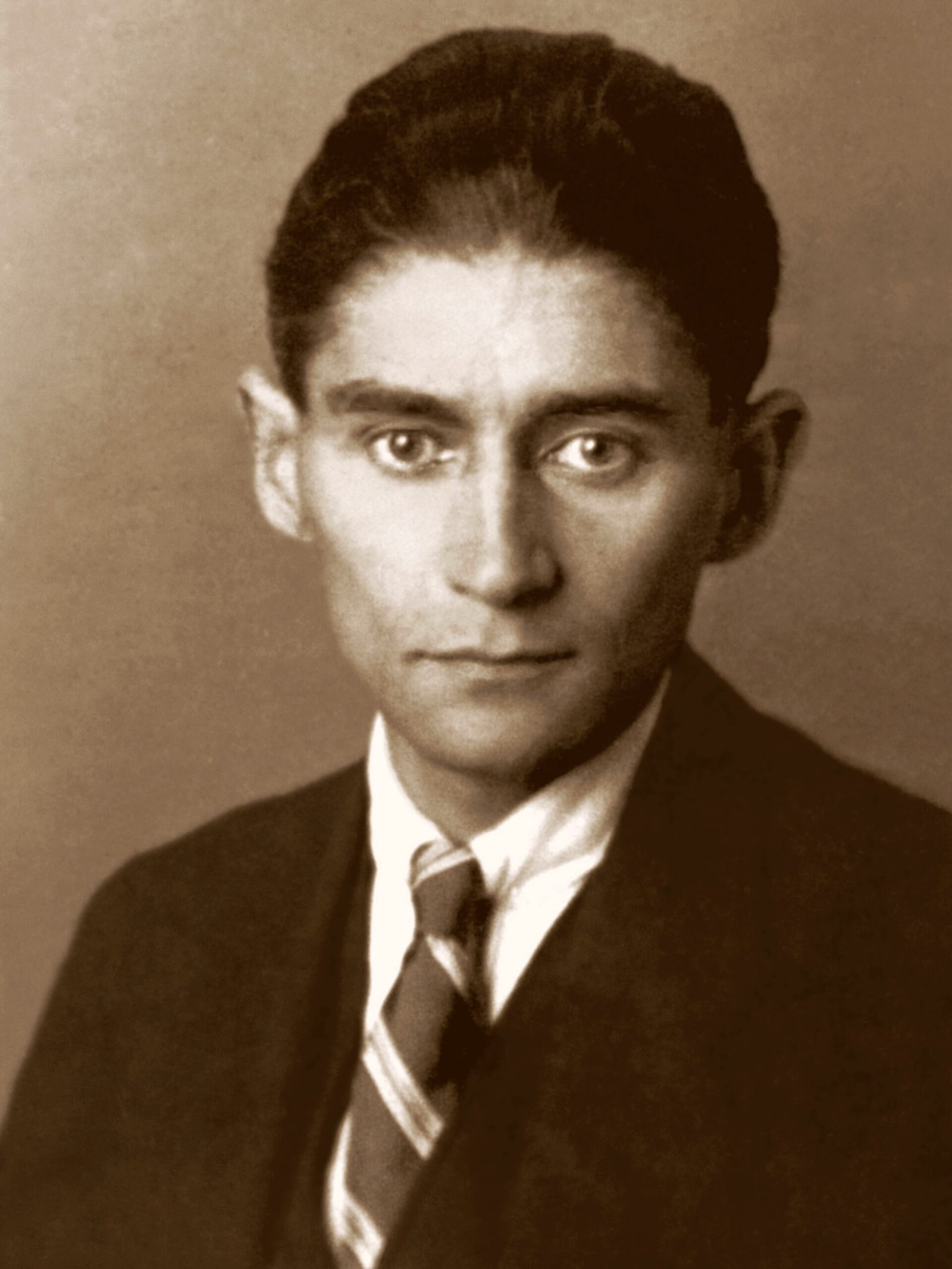
https://kafkamuseum.cz/en/photogallery/, Public domain)
Franz Kafka is one of literature’s most extraordinary cases of a writer who appeared to live inside the reality his fiction described. His work, full of nameless bureaucratic terror, alienation, and powerlessness, turned out to be startlingly close to the texture of his own emotional life. The horror wasn’t invented. It was observed, from the inside.
Kafka wrote entire diaries about his dissatisfaction with life, and “The Metamorphosis” is about the lack of connection he could find between his mind and the outside world. His famous long letter to his father, never actually sent, read more like a piece of literature than a personal document. It was a man trying to understand himself through the act of writing, which is, really, what all his fiction was.
Both Kafka and Plath explored darkness and loneliness in their work, and explored these themes fueled by their own experiences. Yet Kafka’s genius lay in universalizing his particular nightmare. Gregor Samsa waking up as a giant insect is funny, horrifying, and devastatingly personal all at once. It’s Kafka’s own sense of alienation in his family home, in his office job, in his skin, transformed into something millions of people immediately recognize in themselves. That’s the alchemy of the greatest personal writing.
Mark Twain: The Performance Was the Point
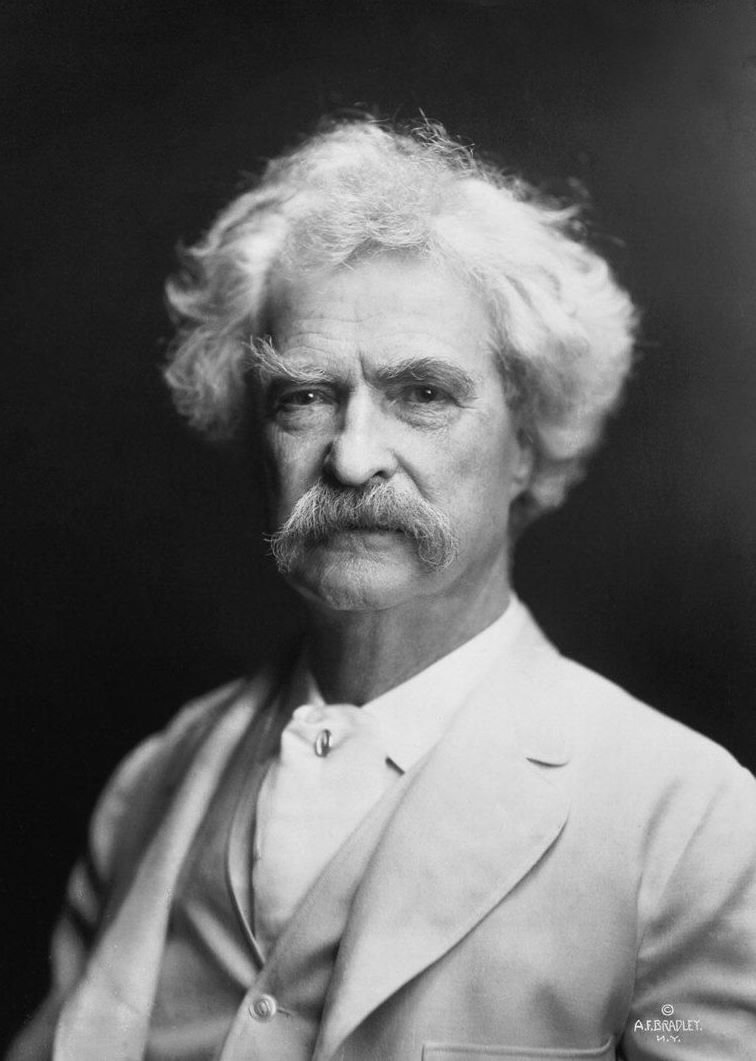
Ernest Hemingway ranks as the most famous of twentieth-century American writers, but like Mark Twain, he is one of those rare authors most people know about whether they have read him or not. The difference is that Twain, with his white suit, ubiquitous cigar, and easy wit, survives in the public imagination as a basically lovable figure. That white suit. That cigar. That drawl. Twain engineered every bit of it.
Mark Twain was the pen name of Samuel Langhorne Clemens, and that detail says everything. He essentially created a second self and then lived inside that creation so completely that the original man became almost invisible. His public persona as the wisecracking American sage was so powerful, so perfectly calibrated, that it outlived everything else. He didn’t just play a character. He retired into one.
Twain’s autobiographical writings, his lectures, and his correspondence all reveal a deeply conflicted man carrying private grief, financial ruin, and deep skepticism about human nature. The warm, avuncular figure the public adored was partly true, but it was also a masterful construction. Much like Huck Finn navigating a world that makes no sense, Twain himself was always negotiating the gap between what society expected and what he actually believed. In that sense, his life and his greatest characters were in constant, fascinating conversation.
Conclusion: The Author as Their Own Greatest Creation
There’s a pattern in all of this that I find genuinely thrilling. The authors we remember most vividly are almost always the ones who understood that identity itself is a kind of fiction. They weren’t just writing characters. They were writing themselves, sometimes consciously, sometimes not, sometimes with brilliant control and sometimes spinning out of that control entirely.
Hemingway’s swaggering persona eventually consumed the writer inside it. Woolf’s fluid, searching inner life became the very technique that revolutionized modern fiction. Wilde turned his entire existence into a performance and paid for it with everything he had. Plath made her pain into poetry so precise it still cuts decades later.
The line between author and character, between life lived and life written, is thinner than we like to admit. These eight figures prove that the greatest literary creations are sometimes not on the page at all. They are the person holding the pen. What do you think – is living as your own character an act of artistic genius, or ultimately a trap? Tell us your thoughts in the comments.

Besides founding Festivaltopia, Luca is the co founder of trib, an art and fashion collectiv you find on several regional events and online. Also he is part of the management board at HORiZONTE, a group travel provider in Germany.
