

- 20 Forgotten Writers Who Invented Modern Genres - September 21, 2026
- 10 Opening Lines That Were the Author’s Second Choice - September 21, 2026
- The 20 Quietest Songs That Leave the Loudest Impression - September 21, 2026
There is a certain kind of city that stops you mid-step. Not because of a famous landmark you’ve seen a thousand times in photos, but because something about the air, the cobblestones, the smell of street food mixed with old stone, hits you all at once. Those are the cities that stay with you long after you’ve unpacked your bags.
Real beauty in a city isn’t something you can fully capture with a camera. Beauty in a city is not only about grand monuments or postcard views. Truly beautiful cities are the ones that make you slow down, observe, and feel connected to history, to people, and to everyday life unfolding around you. The cities on this list earn their place not just for how they look, but for how deeply they feel. Some will surprise you. All of them will linger. Let’s dive in.
1. Paris, France – The City That Never Stops Being Itself
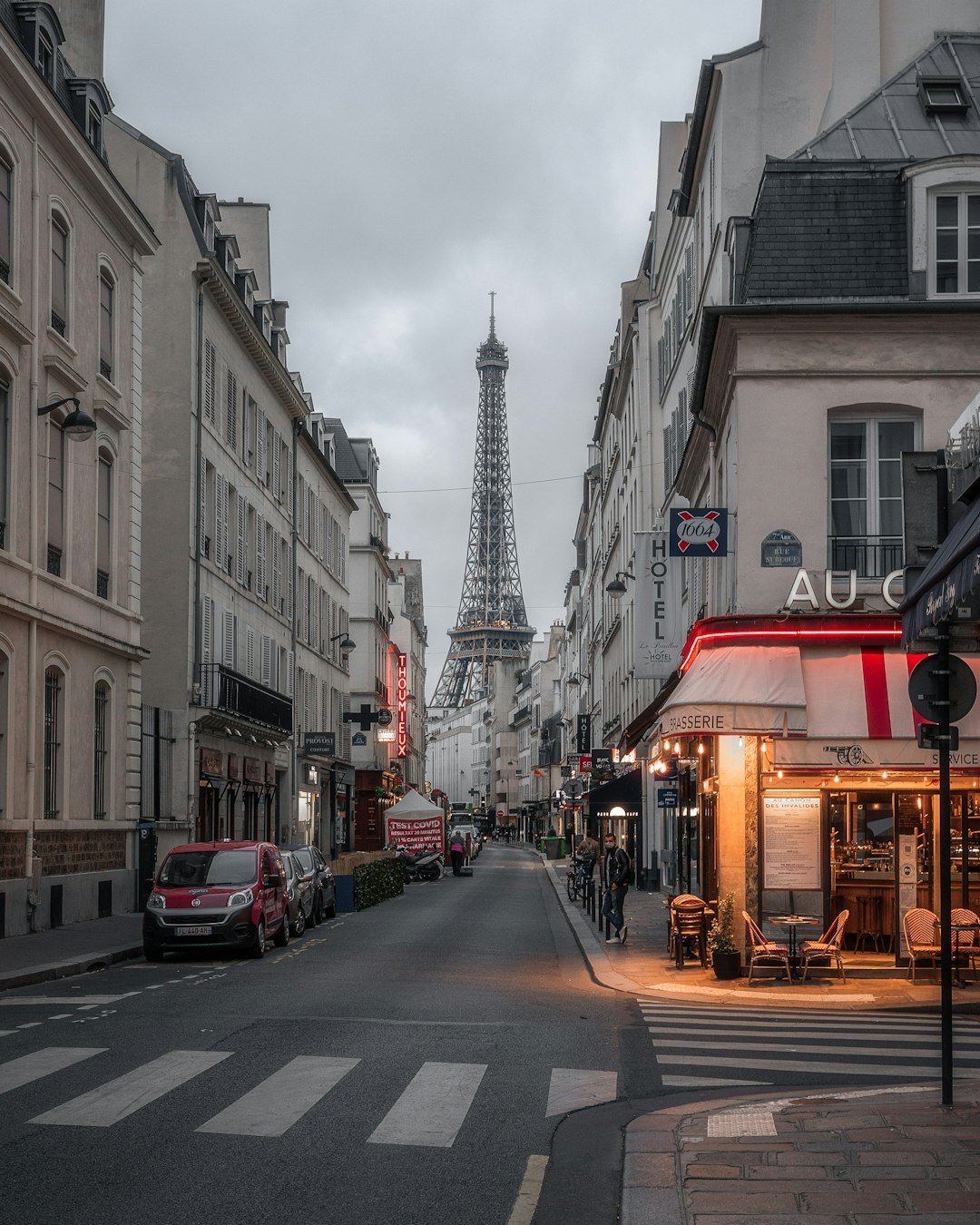
Honestly, it would be a crime to write a list like this and leave Paris off it. Paris combines iconic landmarks with a lifestyle steeped in elegance and artistic expression. The Eiffel Tower, the Louvre, the Arc de Triomphe – they all exist not as museum pieces but as part of the living fabric of the city. People walk past them on their way to buy a baguette.
Cafés spilling onto cobblestone avenues and manicured gardens reinforce the sense that the city is curated for both aesthetic pleasure and daily enjoyment. Every stroll reveals layers of architectural and cultural detail, from historic Haussmann buildings to contemporary galleries, making Paris an enduring standard of urban beauty.
What I think makes Paris truly special is that it manages to be both aspirational and deeply livable. Paris really shines when it comes to culture, as it has more art galleries than almost anywhere else. It’s the kind of city where beauty is simply the default setting.
2. Kyoto, Japan – Where Time Moves Differently
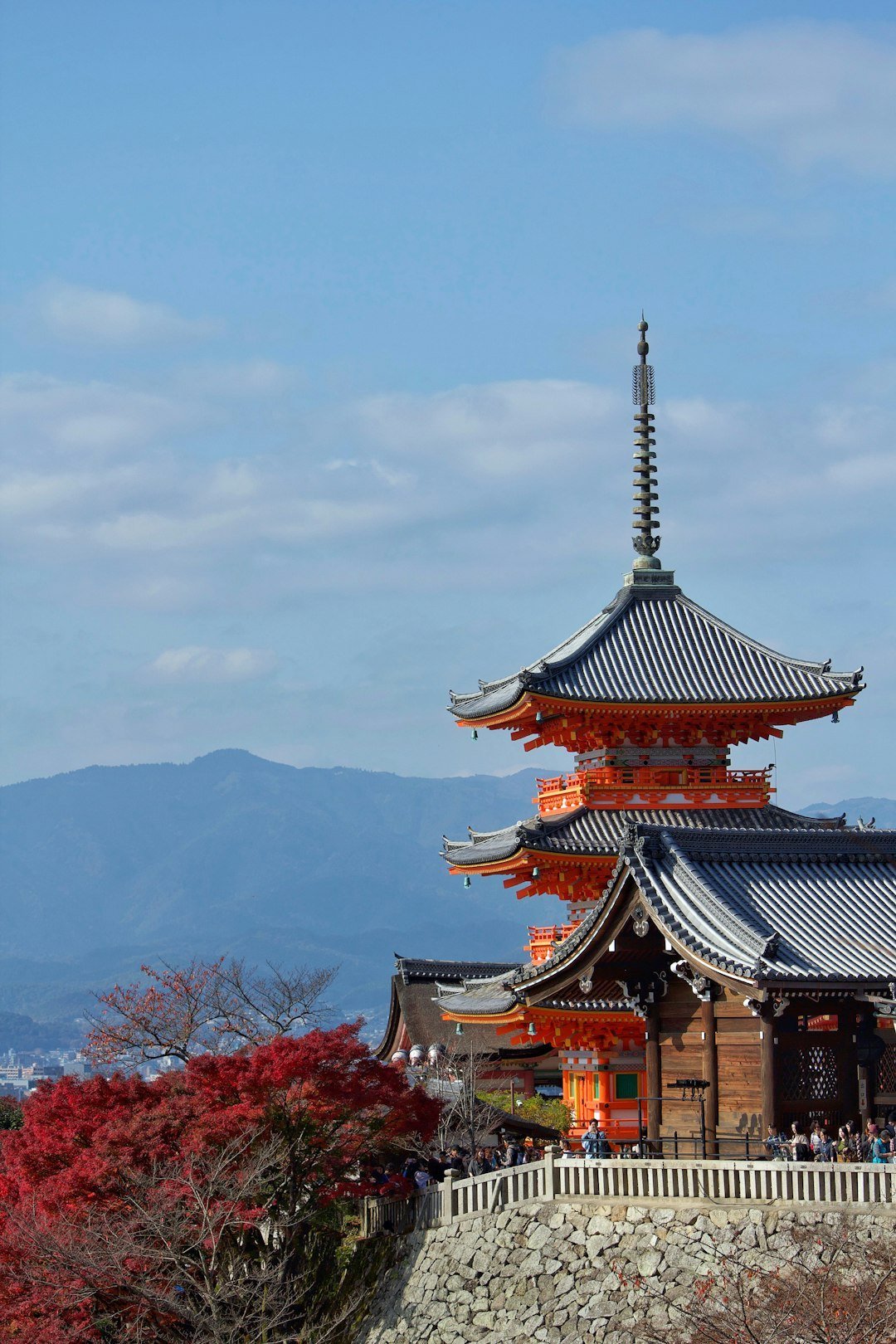
Kyoto moves at a gentler rhythm than most global cities. As Japan’s former imperial capital for more than a thousand years, it preserves an extraordinary collection of temples, gardens, and traditional neighborhoods. Wooden machiya townhouses line narrow streets, and seasonal change transforms the city into a living painting. That description alone should make you want to book a flight.
Today, Kyoto is home to more than 2,000 temples and shrines, including an amazing 17 UNESCO World Heritage Sites. Think about that number for a second. Seventeen. In spring, pale cherry blossoms frame canals and shrines. In autumn, fiery maple leaves drape temple grounds in red and gold. Kyoto’s beauty lies not only in landmarks but also in its quiet details – stone pathways, tea houses, and the distant toll of temple bells.
One of Japan’s most well-known geisha districts, Gion has been a bustling district since the Middle Ages, where traditional nightlife of Japanese culture comes alive. Gion breathes with the many performing arts of old-world Japan such as geisha and maiko dances, bunraku puppet theater, and traditional Japanese music. Kyoto is the kind of place you need at least a week to even begin to understand.
3. Venice, Italy – A City That Shouldn’t Exist, Yet Does
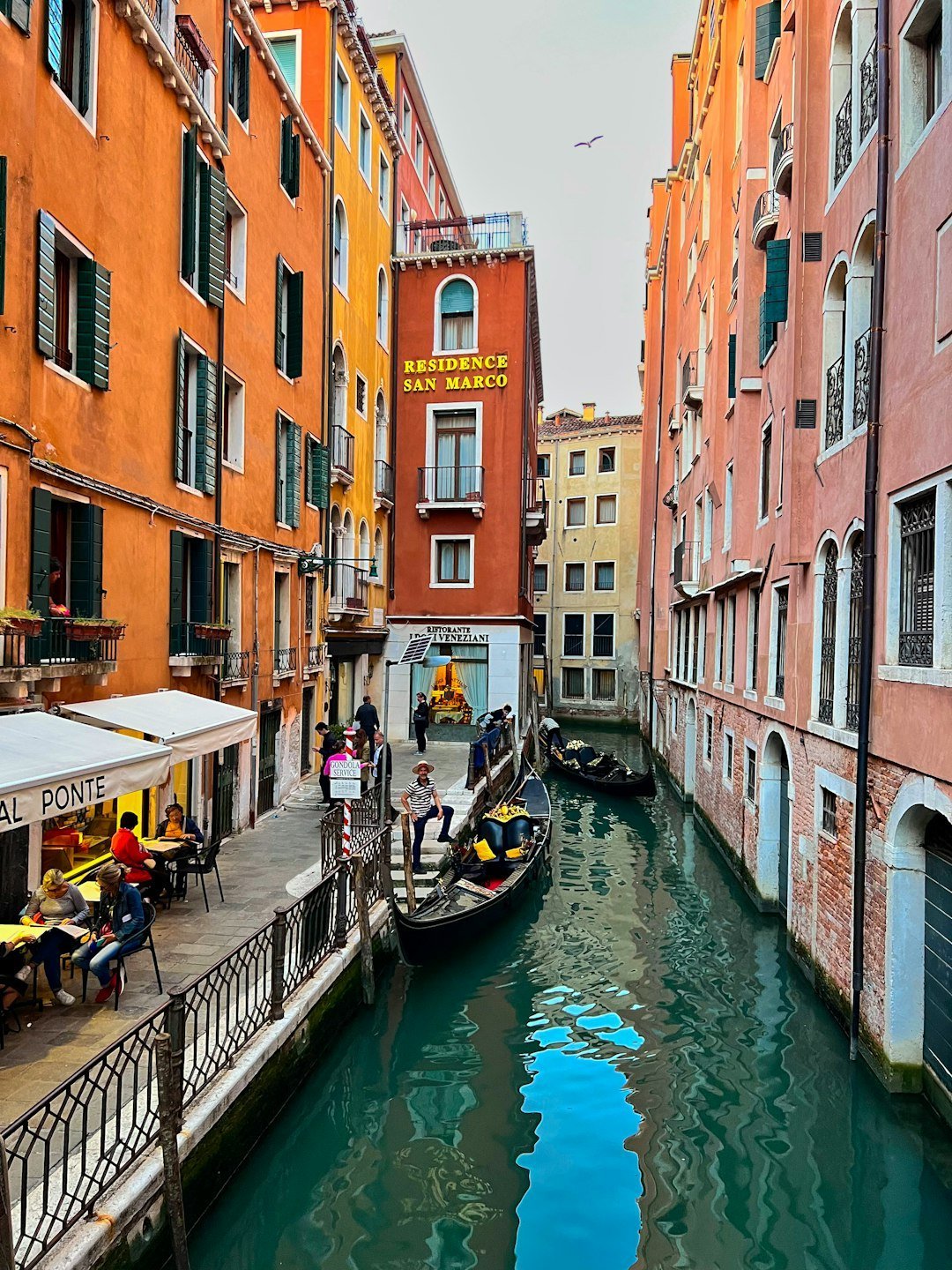
Venice feels unreal, as if it shouldn’t exist – and yet it does. Built on water, with canals replacing roads, the city’s beauty is immediate and emotional. Early mornings reveal Venice at its best: quiet streets, reflections in the water, and soft echoes of footsteps. It’s the closest thing on earth to walking through a dream.
Venice captivates with its network of islands, canals, and bridges, forming an architectural pattern unlike any other city. The Rialto Bridge and other ornate crossings frame views of the Grand Canal, while gondoliers’ songs animate the waterway experience. The city’s charm is amplified by the delicate interplay of historic palaces, piazzas, and waterways, creating a sensory environment that is as beautiful to hear as it is to see.
Here’s the thing about Venice: it rewards patience. Despite crowds in popular areas, Venice still offers moments of solitude if you wander far enough. Its beauty is fragile, unique, and unforgettable. Venice’s vulnerability to rising sea levels also adds urgency to experiencing its ephemeral splendor. Don’t wait too long.
4. Prague, Czech Republic – A Fairytale You Can Actually Walk Through
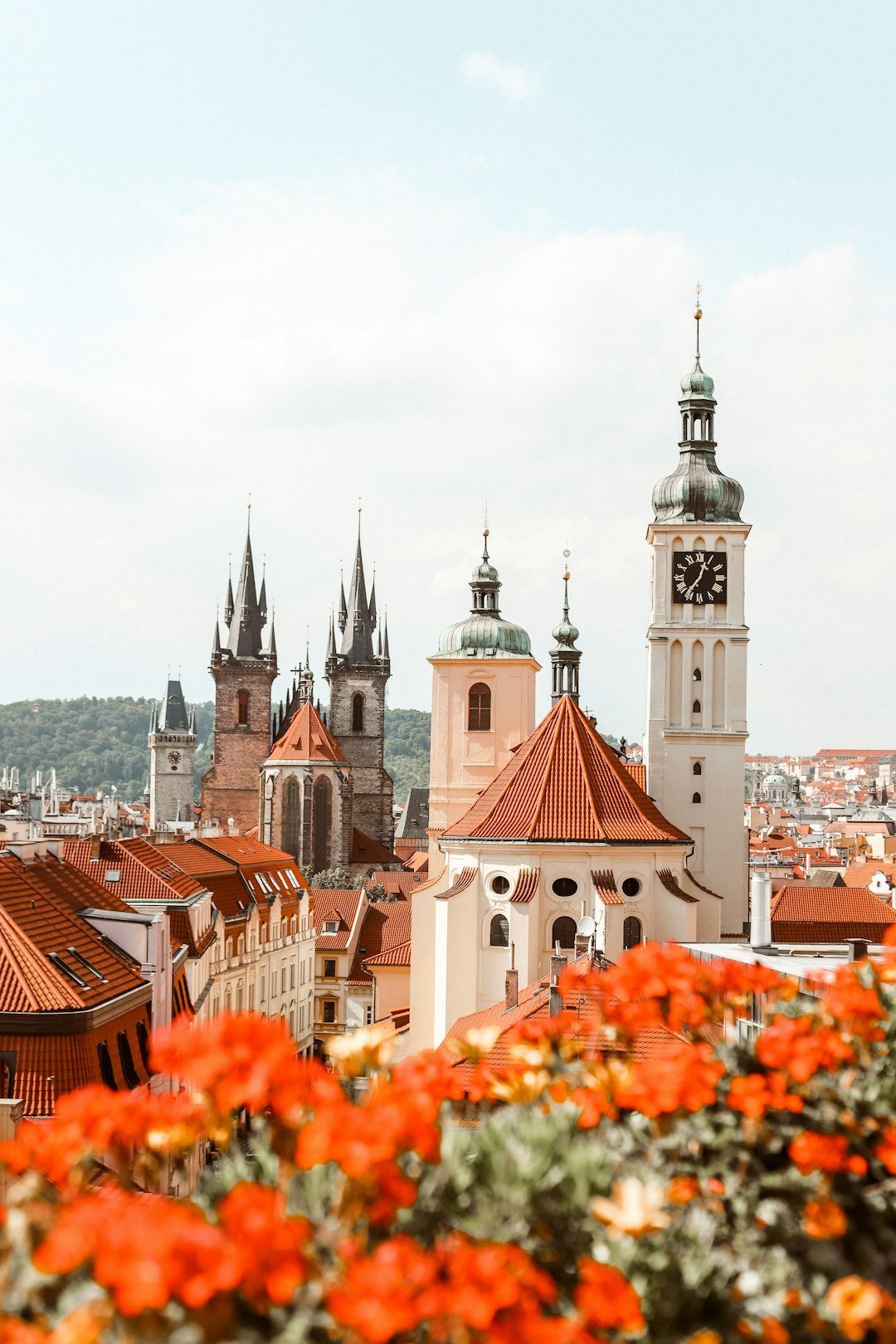
There are cities that look beautiful in photos, and then there are cities that look even better in real life. Prague is firmly in the second category. Prague’s historic center resembles a medieval fairytale. Spires, domes, and red rooftops cluster along the Vltava River. The city escaped much of the destruction seen elsewhere in Europe, preserving centuries of architecture.
The Czech capital city is a living museum of Gothic, Baroque, and Art Nouveau architecture. At Old Town Square, the Prague Astronomical Clock has been marking the hours since 1410, making it the third-oldest astronomical clock in the world still in operation. The spires of St. Vitus Cathedral in Prague Castle and the quiet lanes of the Jewish Quarter, where centuries of Jewish heritage and survival stories unfold, are not to be missed.
Crossing the iconic Charles Bridge at dawn, with its 30 statues silhouetted against the rising sun, is a moment every traveler should experience. Let’s be real – Prague is one of those cities that permanently lodges itself in your heart.
5. Florence, Italy – The Renaissance Is Still Very Much Alive
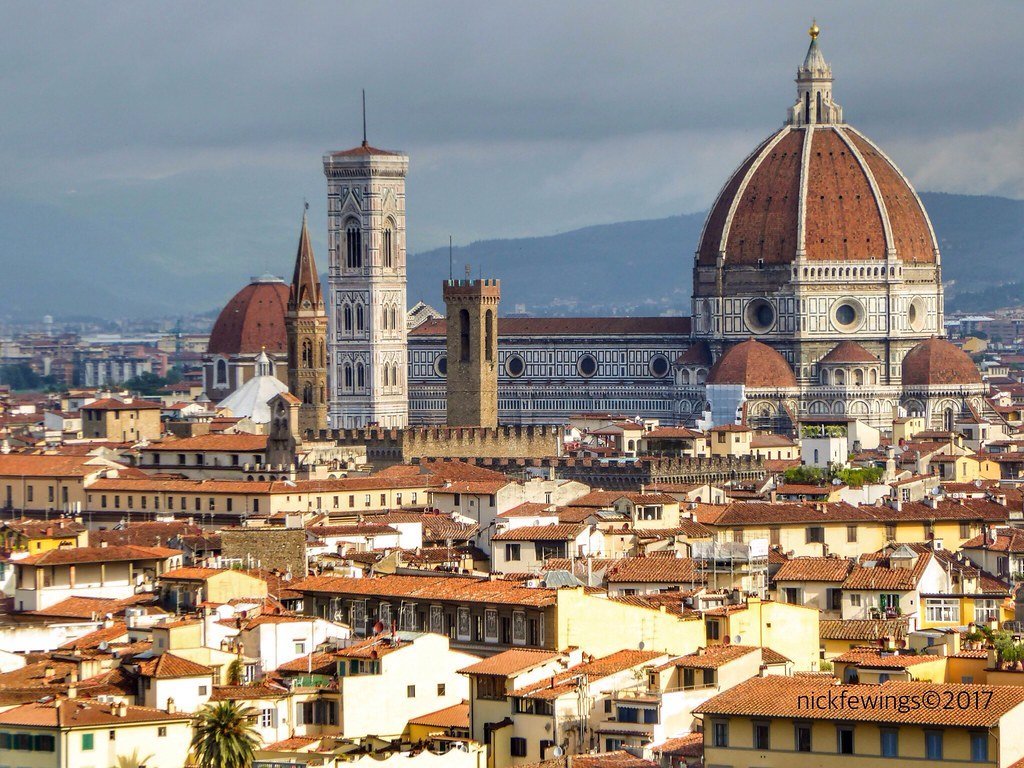
Florence feels like an open-air museum, but it never feels distant or formal. Art, architecture, and daily life exist together naturally. Renaissance buildings, quiet squares, and narrow streets create a sense of intimacy despite the city’s historical importance. It’s one of those rare places where the phrase “living history” actually means something.
Florence is a jewel of art and history that has enchanted the entire world for centuries. Declared a UNESCO World Heritage Site in 1982, Florence is a place where every corner tells a story, where shapes and colors blend into an unparalleled urban landscape. The Duomo alone is worth the trip, rising impossibly above the rooftops like a red-tiled miracle of human ambition.
Florence’s artistic heritage, influenced by legendary artists, writers, and intellectuals, is apparent in the sublime architecture and many museums and galleries that adorn the city’s streets and squares to this day. Probably above all, Michelangelo’s unparalleled sculpture of David, which he carved out of a single block of marble during the early 1500s, is housed in the Galleria dell’Accademia and should be seen up close for its sheer beauty.
6. Barcelona, Spain – Gaudi Changed Everything
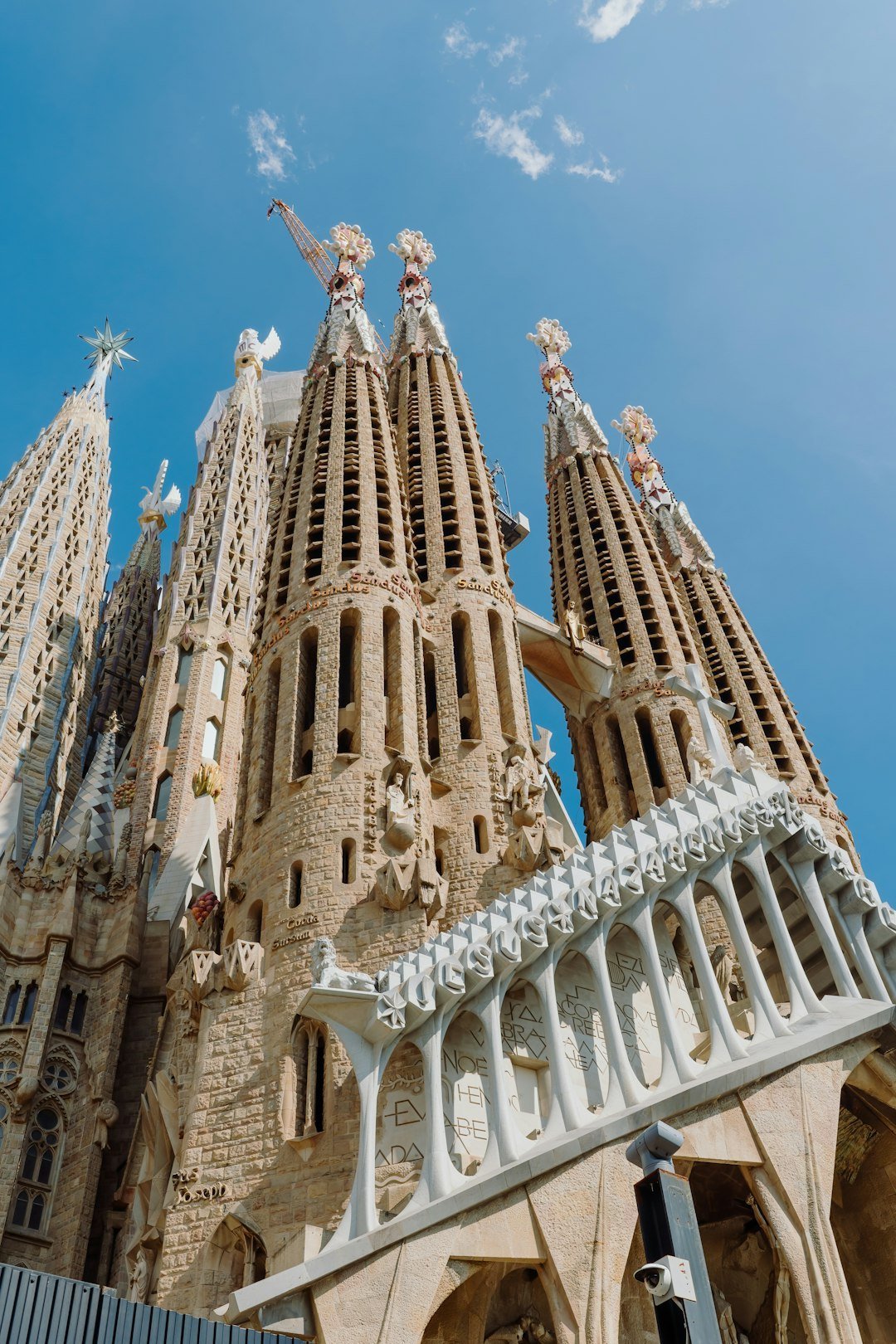
Most cities have a signature style. Barcelona has something far rarer: a singular genius who redesigned the entire urban experience. Barcelona’s beauty is inseparable from the legacy of Antoni Gaudi, whose works such as La Sagrada Familia, Casa Batlló, and Park Güell transform the cityscape into a living gallery. Beyond Gaudi, the city features museums, plazas, and vibrant neighborhoods that showcase a fusion of Gothic, Art Nouveau, and contemporary styles. Each street presents opportunities to encounter public art, intricate facades, and cultural textures that engage both sight and imagination.
Barcelona feels playful, creative, and deeply human. Architecture by Antoni Gaudi adds imagination and softness to the city’s structure. Streets are walkable, neighborhoods feel alive, and life spills outdoors naturally. The mix of beaches, history, food, and design gives Barcelona a relaxed yet artistic personality. It’s one of those cities where you constantly feel like you stumbled into someone else’s art project – in the best possible way.
I think Barcelona is proof that a city can have a genuine personality. It’s beautiful not because it’s perfect, but because it feels lived-in and expressive. There’s nowhere else on earth quite like it.
7. Istanbul, Turkey – Where Two Continents Collide
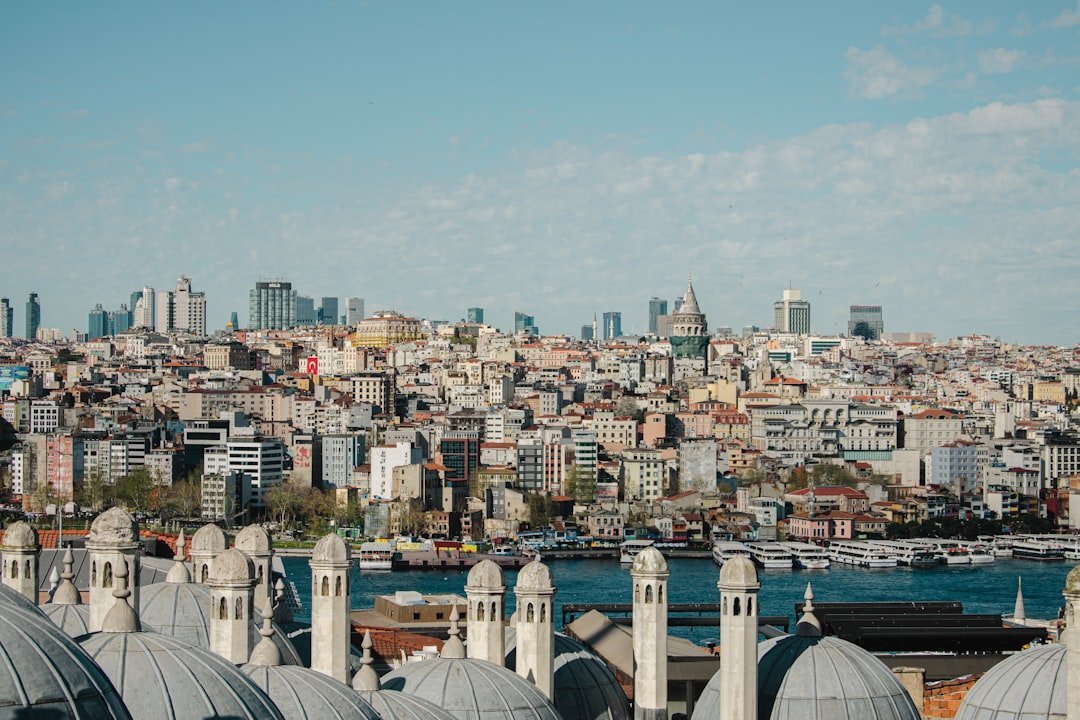
Istanbul’s beauty is complex and deeply layered. It’s a city where continents meet, cultures overlap, and history feels alive rather than preserved behind glass. Mosques, markets, ferry rides, and street life blend into a sensory experience. The call to prayer echoing across the city, the movement along the Bosphorus, and the warmth of local interactions make Istanbul feel vibrant and emotional.
Istanbul served as the capital during the Roman, Eastern Roman/Byzantine and Ottoman eras. History here is not confined to books and archives alone; it resides in the buildings, streets, cemeteries, parks, gardens, and even the trees, plants, and neighbourhood names. Istanbul is immensely rich in cultural heritage, and the historic peninsula of the city is a UNESCO World Heritage site.
The Grand Bazaar alone functions like a city within a city. Wandering through the Grand Bazaar in Istanbul feels like stepping into a living fabric of history and culture. The moment you enter the maze-like expanse of the Grand Bazaar, the world behind you fades away, replaced by a labyrinth of narrow, winding alleys where the air is thick with the scent of spices, leather, and incense. Overwhelming, yes. Worth it, absolutely.
8. Vienna, Austria – Elegance as a Way of Life
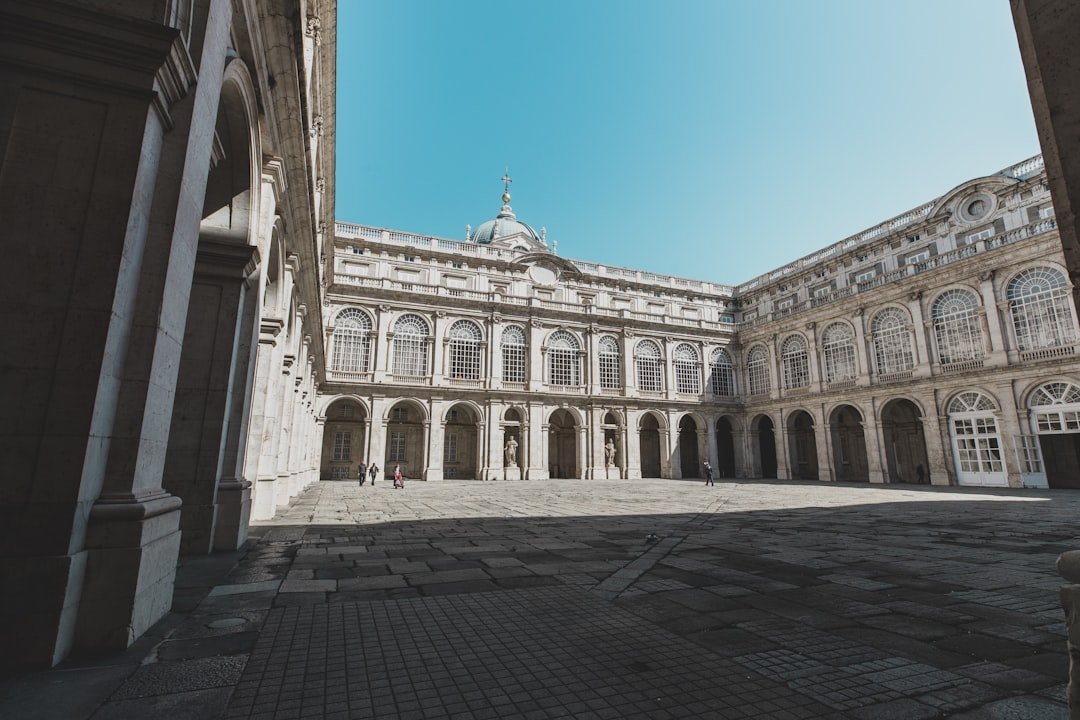
Vienna stands out for its imperial grandeur, lavish palaces, legendary coffeehouse culture, and world-class classical music scene. Honestly, walking down the Ringstrasse for the first time feels like stepping into a 19th-century painting. The scale of Vienna’s architecture is genuinely jaw-dropping.
Vienna’s coffeehouse culture, recognised by UNESCO, feels particularly romantic in spring, when the light filters through the tall windows and the hum of piano music drifts through the air. This is a city where sitting still is considered a serious cultural activity. Vienna is elegant without being sterile. Wide streets, grand buildings, and a calm pace make it feel refined.
Vienna offers a fascinating mix of architectural styles. You’ll find historic buildings like the Royal Palace, a stunning example of Baroque design, and the medieval Storkyrkan cathedral. Alongside these, the city showcases modern design, including its notable Nordic Classicist public library. It’s hard to say for sure, but Vienna might just be the most quietly impressive city in all of Europe.
9. Budapest, Hungary – Europe’s Most Underrated Masterpiece
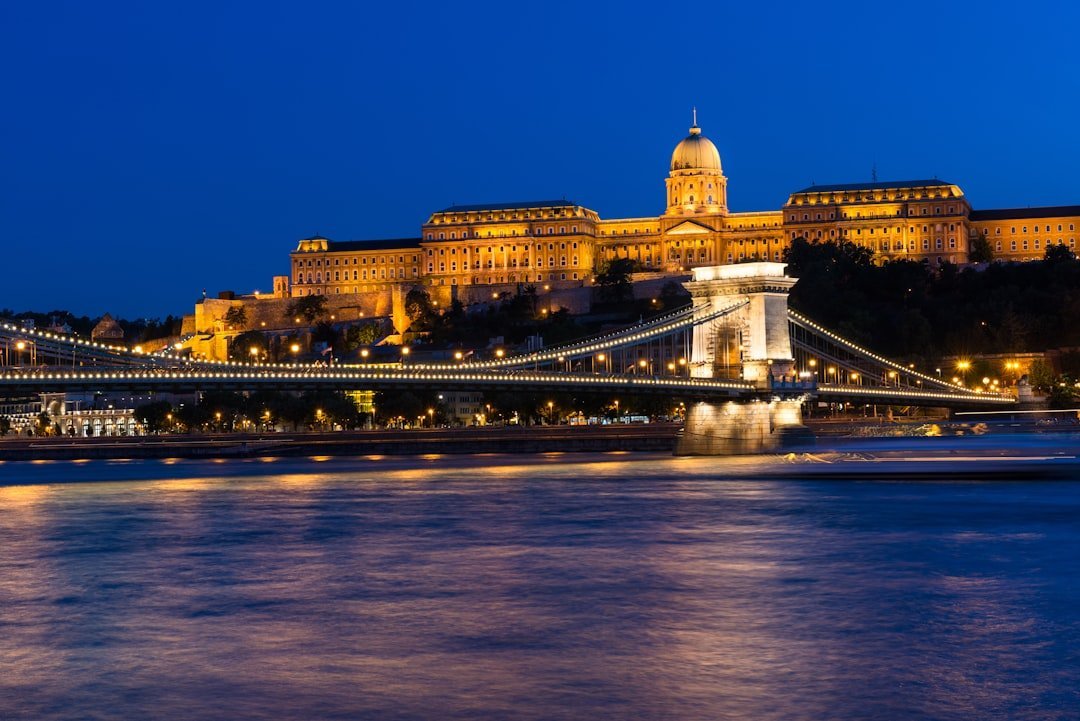
Along both sides of the romantic Danube River, with the Buda Hills to the west and the start of the Great Plain to the east, Budapest is perhaps the most beautiful city in Eastern Europe. Parks brim with attractions, the architecture is second to none, museums are filled with treasures, pleasure boats sail up and down the scenic Danube Bend, Baroque and Turkish-era thermal baths billow steam, and the city’s famous ruin bars and nightclubs throb till dawn.
Budapest’s unique blend of Art Nouveau architecture, café culture, and Danube views makes it one of Europe’s most captivating capitals, and in spring, when locals return to the streets and musicians play along the river, its beauty feels renewed and real. Few cities manage to feel simultaneously grand and intimate, historic and electric.
Budapest has the oldest underground railway on the European continent. Its Millennium Underground, inaugurated in 1896, was Europe’s second metro line, following only the London Underground. So even the transportation system is a heritage monument. That’s Budapest in a nutshell.
10. Lisbon, Portugal – The City That Looks Different Every Hour
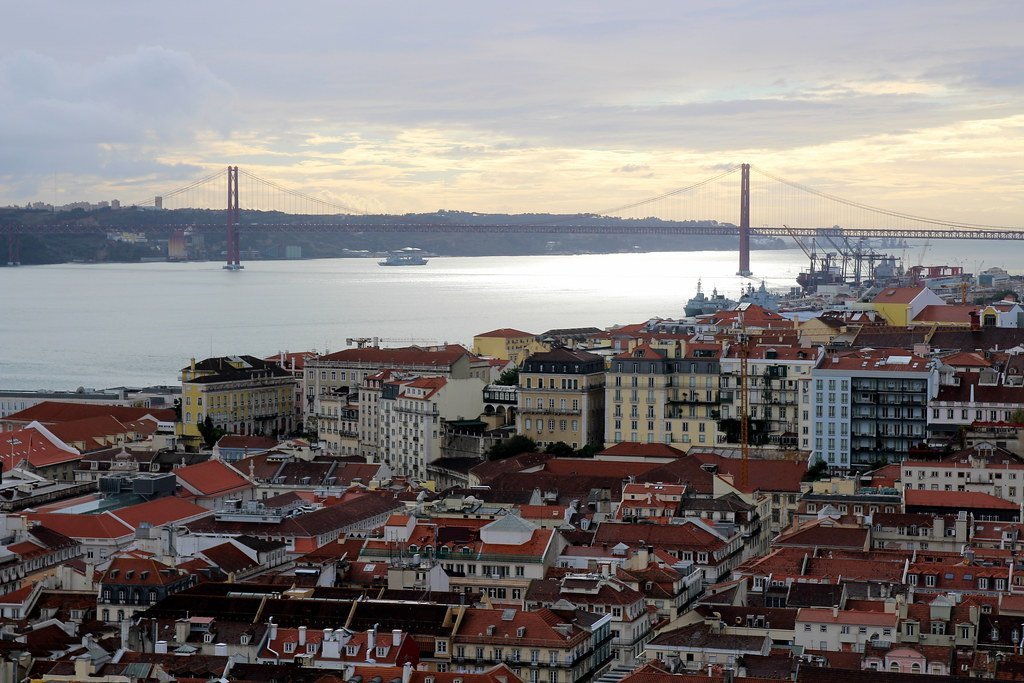
Hills, viewpoints, tiled facades, and shifting coastal light define Lisbon. It looks different every hour, which is exactly why it’s addictive. It’s the kind of city that feels modest at first glance and then slowly reveals itself to be completely extraordinary. Think of it like meeting someone who turns out to be the most interesting person in the room.
Most of the Portuguese expeditions of the Age of Discovery set out from Lisbon during the period from the end of the 15th century to the beginning of the 17th century, including Vasco da Gama’s expedition to India in 1498. The following years of the 16th century began Lisbon’s golden era. This period saw the rise of the exuberant Manueline style in architecture, which left its mark in many 16th-century monuments including Lisbon’s Belém Tower and Jerónimos Monastery, which were declared UNESCO World Heritage Sites.
Lisbon hosts many fine examples of Portuguese azulejo tile art, a use of ceramic tile as an architectural finish for both building interiors and exteriors dating from the 15th century. This art form is celebrated in Lisbon’s National Museum of the Azulejo and as a station feature in the Lisbon metro. Visitors can explore the Belem Tower, the Alfama district, or enjoy Fado music performances in local taverns. No list of beautiful cities is complete without Lisbon.
11. Edinburgh, Scotland – Moody, Mysterious, and Magnificent
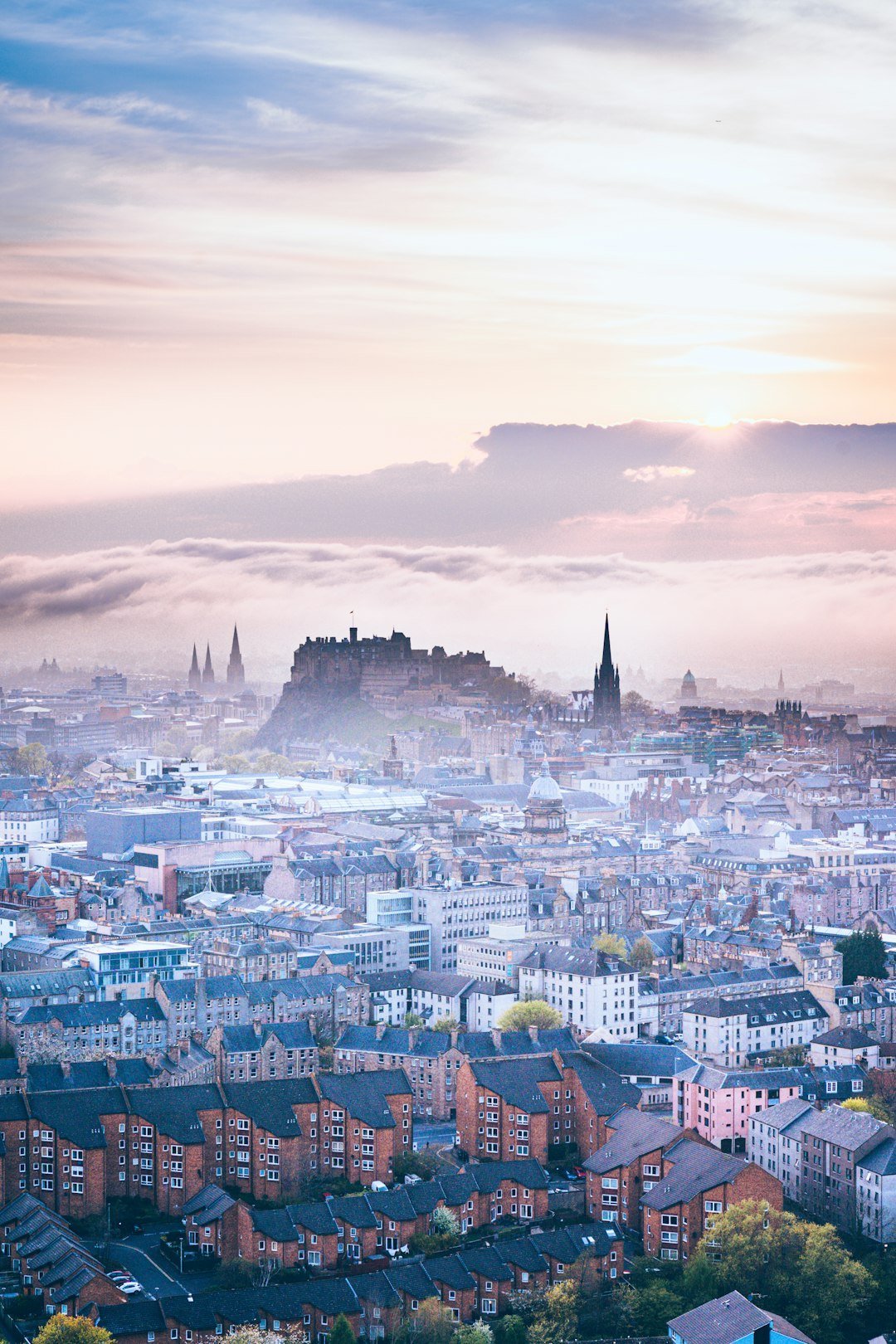
Edinburgh’s beauty is subtle and atmospheric. Stone buildings, winding streets, and misty hills create a sense of mystery. The city feels strong, grounded, and thoughtful. Walking through the Old Town feels like stepping into another era, while the surrounding landscapes add depth and silence. There’s a kind of dark romance to Edinburgh that no other city quite matches.
Edinburgh doesn’t demand attention – it earns it slowly, through mood, history, and presence. The castle perched on volcanic rock above the city is one of the most dramatic urban skylines on the planet. Pair that with the medieval closes and alleyways of the Royal Mile, and you have a place that seems designed by a very gifted novelist rather than by urban planners.
The city also punches well above its weight culturally. Every August, the Edinburgh Festival Fringe transforms it into one of the world’s great cultural gatherings, drawing artists from every corner of the globe. It’s hard to say for sure, but I think Edinburgh might be the most atmospheric city in all of Europe. The kind of place where you half-expect to meet someone who’s been alive for three centuries.
12. Amsterdam, Netherlands – A City Built on Genius and Water
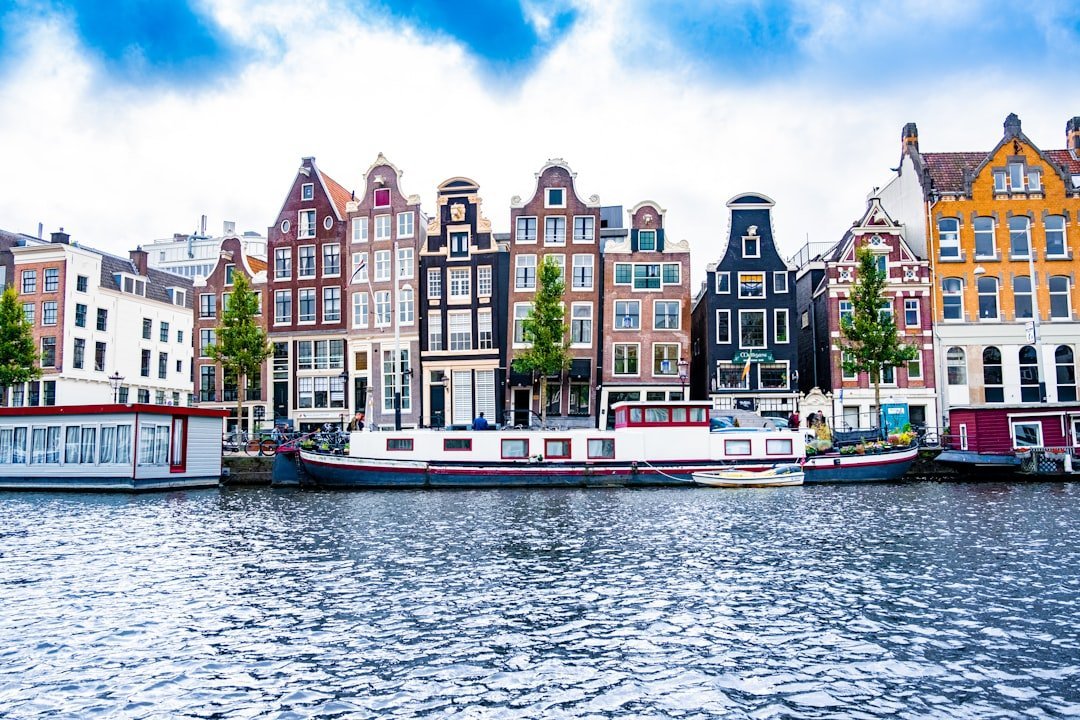
Amsterdam, a city celebrated for its picturesque canals and rich history, continues to charm visitors in 2026. The Dutch capital offers a unique blend of old-world architecture and a dynamic, modern culture. Every canal, every narrow merchant house leaning slightly into its neighbor, tells a story about a city that was engineered out of sheer determination.
As you wander around the cobblestones of Old Amsterdam or the paved plazas of its neighborhoods, you’ll be fascinated by the effortless way architects have preserved historical beauties while upgrading modern structures. Many styles are visible, from Gothic revival to industrial to Art Deco. Amsterdam manages that rare trick of feeling both deeply rooted in the past and completely alive in the present.
Experts recognize cities where even routine experiences – walking down a street, taking a ferry, or sipping coffee in a plaza – become visually and emotionally memorable. Amsterdam is the perfect embodiment of that idea. Whether you’re cycling along the Prinsengracht on a grey morning or watching the golden light fall on the canal houses at dusk, the city is constantly performing something beautiful.
Conclusion: Travel With Your Eyes, Your Curiosity, and Your Heart Open

The most beautiful cities in the world share something that goes well beyond architecture or scenic viewpoints. A beautiful city balances visual appeal with emotional depth. Architecture matters, but so does atmosphere. Natural surroundings, cultural richness, walkability, food, and the way locals live all shape how a city feels. That’s the kind of beauty that stays with you for decades.
There’s a tendency to travel through cities like we’re ticking boxes – Eiffel Tower, check; Colosseum, check; selfie at Sagrada Familia, check. But the real reward comes when you slow down, wander without a plan, and let a place surprise you. In these great cities, even routine experiences – walking down a street, taking a ferry, or sipping coffee in a plaza – become visually and emotionally memorable. A single trip can offer encounters with centuries-old culture and contemporary vibrancy side by side.
Each of these twelve cities has something that a photograph simply cannot convey. They all have a feeling. The best way to experience these wonders is not through photos but by standing before them. So go. Be present. Let the city do what the best cities always do – make you forget, for a while, that anywhere else even exists. Which one of these is already calling your name?

Besides founding Festivaltopia, Luca is the co founder of trib, an art and fashion collectiv you find on several regional events and online. Also he is part of the management board at HORiZONTE, a group travel provider in Germany.
