


- The 20 Musicians Who Said No to Fame - September 21, 2026
- 20 Novels You’ll Think About Every Time You Travel - September 21, 2026
- 15 Festivals Happening This June You’ll Wish You Knew About Sooner - September 21, 2026
There’s a rule that serious readers rarely admit to breaking. If you’ve read a book and then watched its film adaptation, you’re supposed to declare the book superior. Always. No exceptions. It’s practically a badge of honor in literary circles, like refusing to dog-ear your pages or admitting you actually enjoyed an audiobook.
Honestly, though? That rule is overdue for a serious challenge. Sometimes a director, a cast, and a cinematographer walk into a story and find things the original author never quite managed to unlock. The camera catches a silence, a glance, or a moment of sheer dread that no paragraph could replicate. The result is something that doesn’t just match its source material. It surpasses it. These are ten of those rare, remarkable cases. Be surprised by what you find here.
1. The Godfather (1972) – Francis Ford Coppola
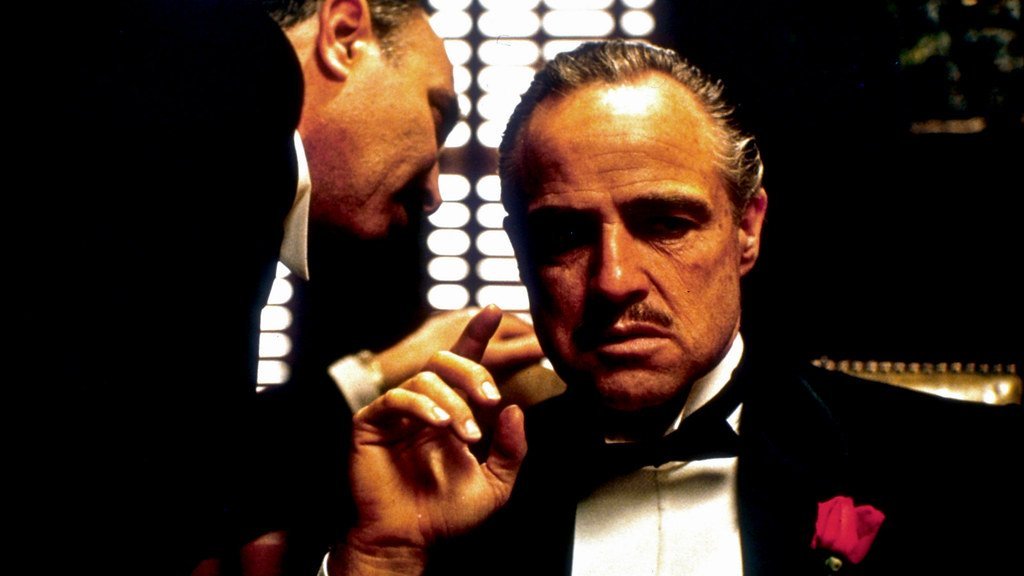
The Godfather was Mario Puzo’s attempt to write the most commercial book possible, a page-turner designed to climb the bestseller list. Puzo himself never claimed it was serious literature, and in many ways, it shows. The novel sprawls with subplots about Hollywood singers, tedious romantic detours, and secondary characters who consume entire chapters without much payoff. Usually, characters are more complex in the original book than in a subsequent film adaptation. In this case, the opposite is true, and reading Puzo’s somewhat leaden prose really does make you appreciate the depth and nuance that actors like Al Pacino, Marlon Brando, James Caan, Robert Duvall, and John Cazale brought to their characters.
It’s what Coppola and Puzo did to bring the film to the big screen that made the story an iconic piece of Americana, turning what might have been just another bloody gangster film into a social critique of the American Dream. The most significant deviation of the film from the novel was that the novel had a more positive ending, in which Kay Corleone accepts Michael’s decision to take over his father’s business. The film ends with Kay’s realization of Michael’s callousness, a theme that would develop into something far more haunting. That single change made Michael Corleone one of cinema’s greatest tragic figures. The book never quite managed that.
2. The Shining (1980) – Stanley Kubrick
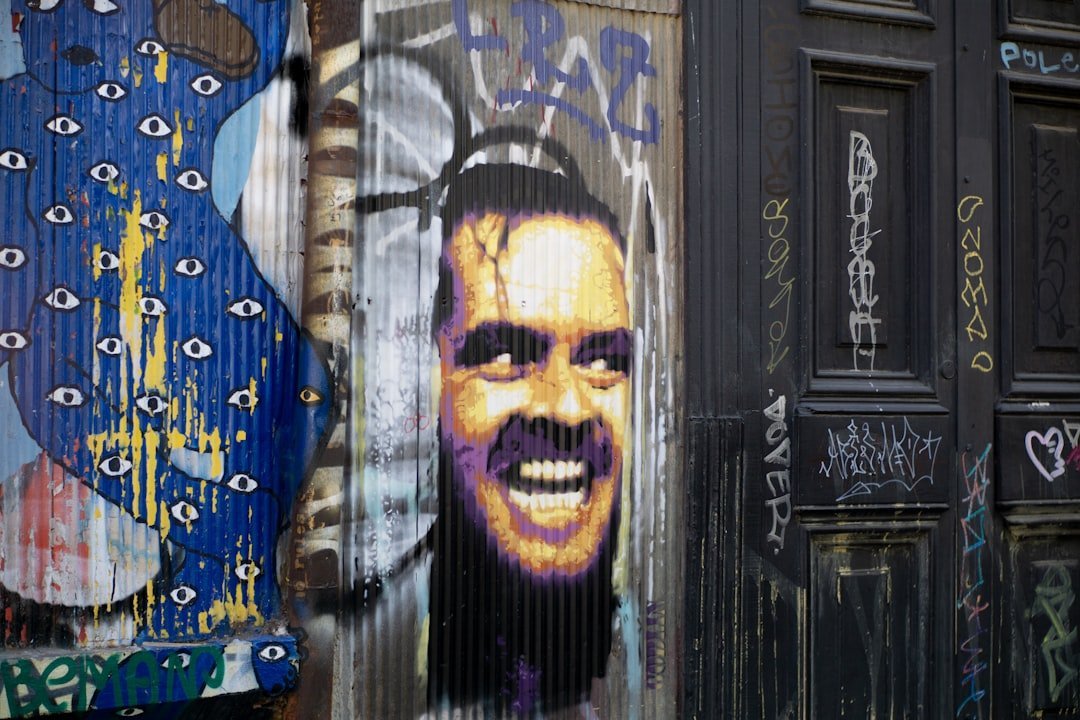
Few film feuds are as legendary as Stephen King versus Stanley Kubrick. Despite being considered one of the greatest movies ever made, it is no secret that Stephen King is not a fan of Stanley Kubrick’s 1980 adaptation of his novel. The movie greatly differs from his 1977 novel much to his disappointment, and he maintains the belief that Kubrick failed to handle the story’s themes. King had written about addiction, family trauma, and supernatural evil with deeply personal stakes. Kubrick stripped most of that away.
Here’s the thing, though. What Kubrick built in its place is genuinely terrifying in a way the novel simply is not. In the film, there are most certainly spirits present, but it’s far more ambiguous than the world of the novel. Kubrick straddles the line between the supernatural and the very real psychological effects of cabin fever, so Jack’s final spiral into madness is as much a product of his own struggles and deteriorating mental health as it is the influence of the hotel. Kubrick’s version lacks some of the psychological insights of the book, but it cuts through the excesses of King’s novel to produce something far sleeker and more impactful. The famous frozen maze ending, Jack Nicholson’s unhinged performance, and John Alcott’s cold, fluorescent cinematography created horror that outlives any single reading.
3. Jaws (1975) – Steven Spielberg
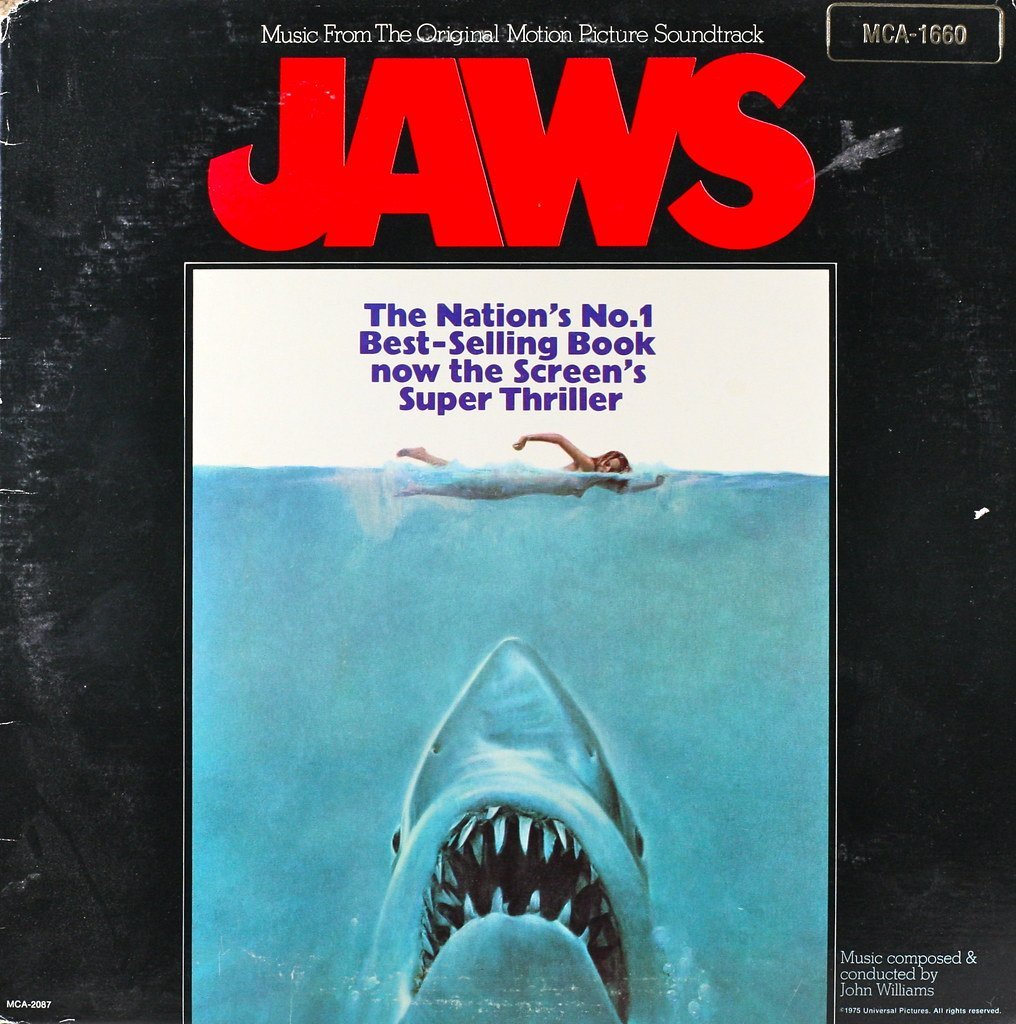
Before being filmed by Steven Spielberg, Jaws was a best-selling novel by Peter Benchley, first published in 1974. The novel was a pretty standard horror-thriller, filled with violence and terror, while the film took a more sparse and palatable approach. Benchley’s book is weighed down by a subplot involving a shady affair between marine biologist Matt Hooper and Chief Brody’s wife. It’s messy, it’s distracting, and it kills the tension.
Spielberg wisely tossed nearly all of it. The result was the creation of the cinema blockbuster, and the elevation of the shark to a level of worldwide recognition. The movie also chose to make the characters far more likeable and sympathetic, notably omitting the novel’s adulterous relationship, which is probably what helped it along to becoming so beloved. The film has a flawless three-act structure, balanced character development and clear character motivation, a coterie of excellent minor characters and a believably omnipotent antagonist. People wouldn’t go near the ocean for years after watching it. That’s the power of a film over a page.
4. Fight Club (1999) – David Fincher
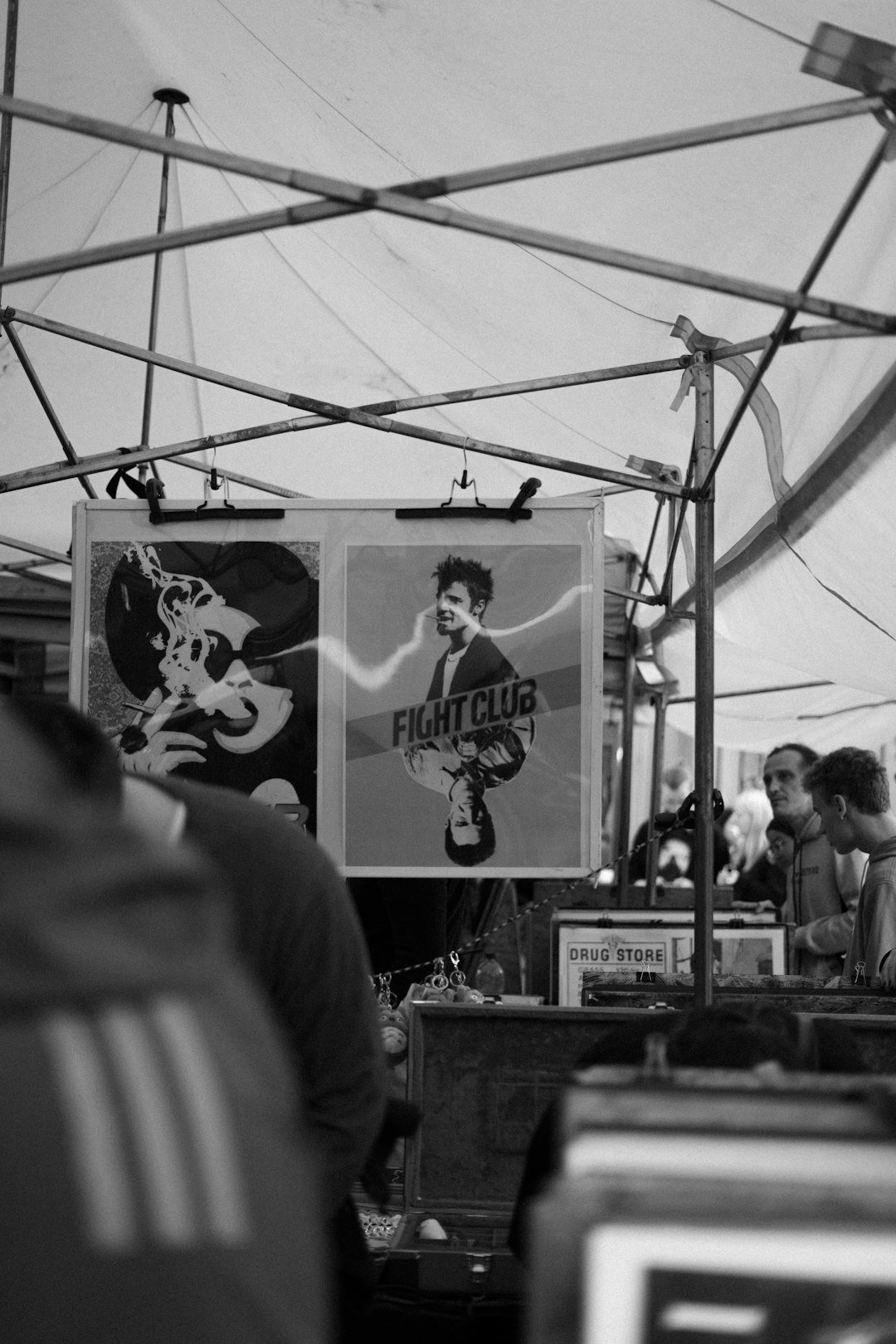
Chuck Palahniuk’s satirical novel, first written as a short story, is about a man struggling to make sense of life in the modern world and is undeniably excellent. You can tell that he really poured all of his pent-up frustration at the publishing industry, consumerism, and contemporary America right into it. The book is sharp, anarchic, and full of ideas. It’s also occasionally self-indulgent in ways that only Palahniuk can get away with.
Then David Fincher came along and did something remarkable. Brad Pitt and Edward Norton are one of the most dynamic, entertaining duos ever seen together on-screen, and the frenetic, anxious energy of the book is captured so perfectly by Fincher’s masterful directing. Overall, it’s a loyal adaptation of a novel with a punchy, attention-grabbing narrative voice, something quite hard to translate into film. The twist is similarly not a simple feat to pull off on-screen, but Fincher was eager to prove himself in a work just as edgy and hard-hitting as Palahniuk’s writing. Even Chuck Palahniuk himself agreed that the movie is better. When the original author says the film surpasses his own book, that is about as clear a verdict as you can get.
5. The Silence of the Lambs (1991) – Jonathan Demme
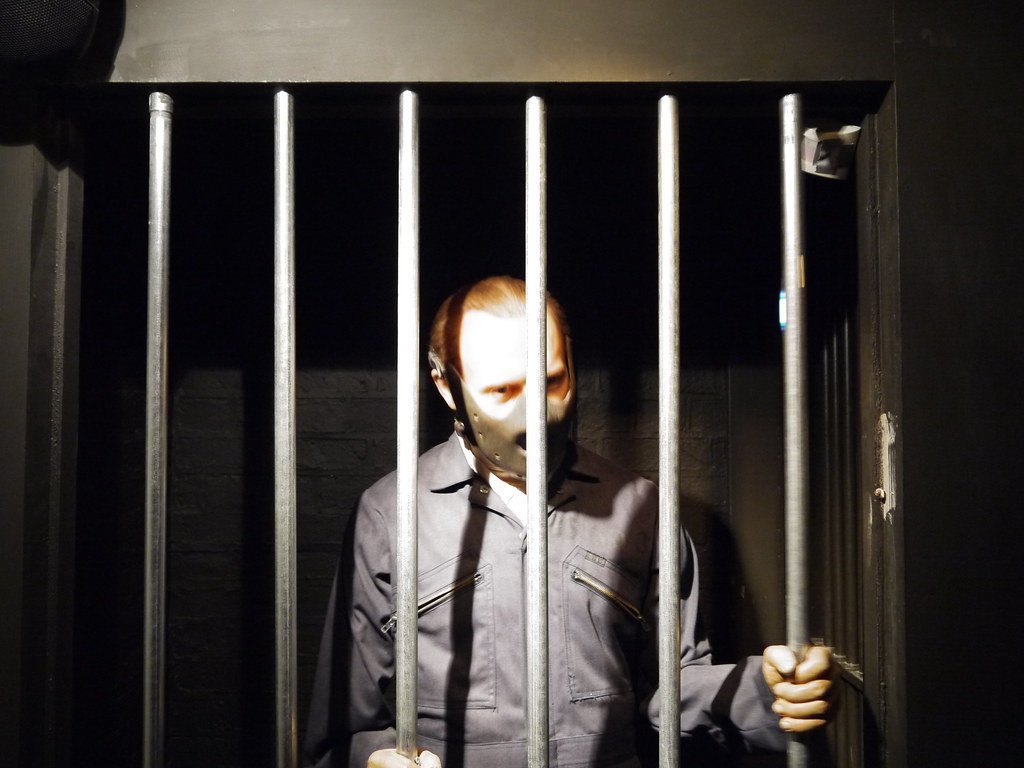
Thomas Harris wrote a genuinely gripping thriller. The novel has FBI politics, procedural detail, and a Hannibal Lecter who is physically unusual, described as having red eyes and an extra finger. It’s compelling on paper, but the book spreads its attention across many points of view. Where the book utilises many points of view, the film mostly refocuses the narrative on one character. That character is Clarice Starling, and that choice changed everything.
While Hannibal Lecter is more of a shadowy background character in the book, the movie zeroes in on the relationship between Hannibal and Clarice, to awesome and terrifying effect. The pitch-perfect casting of both characters, plus the long, lingering dialogue scenes featuring just the two of them, is more engaging than the actual central plot of both the book and the movie. What makes this such an incredible adaptation is largely the casting of Jodie Foster as Clarice Starling and Anthony Hopkins as Hannibal Lecter: their chemistry elevates them above their literary counterparts. The film became a cultural icon precisely because of what it focused on and what it let breathe.
6. One Flew Over the Cuckoo’s Nest (1975) – Miloš Forman
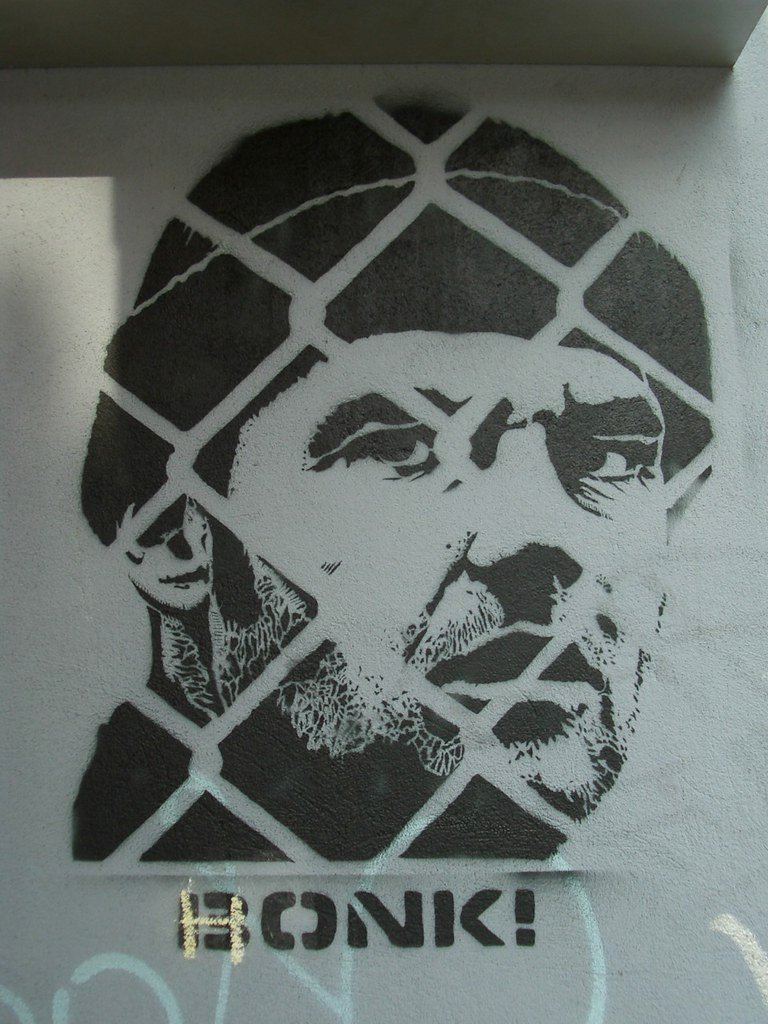
Ken Kesey’s novel is a literary classic, there is no disputing that. It sits on high school reading lists and belongs in any serious canon of American literature. The novel is told entirely from the perspective of Chief Bromden, a Native American patient who pretends to be deaf and mute, and whose rich inner voice filters every scene through a haze of paranoia and poetry. It’s a challenging and brilliant narrative device.
As portrayed by Jack Nicholson, McMurphy is an enduring cinematic antihero. The film shifted perspective from Chief, who narrates the novel, to McMurphy, thereby making the central conflict between McMurphy and Nurse Ratched all the more dynamic. The result is electric in ways the novel, for all its literary ambition, cannot match in pure emotional impact. The film was nominated for nine Academy Awards and won five of them: Best Picture, Best Director, Best Actor for Jack Nicholson, Best Actress for Louise Fletcher, and Best Adapted Screenplay. Jack Nicholson and Louise Fletcher were indeed lauded for their respective performances. That’s a sweep, and it was earned.
7. Blade Runner (1982) – Ridley Scott
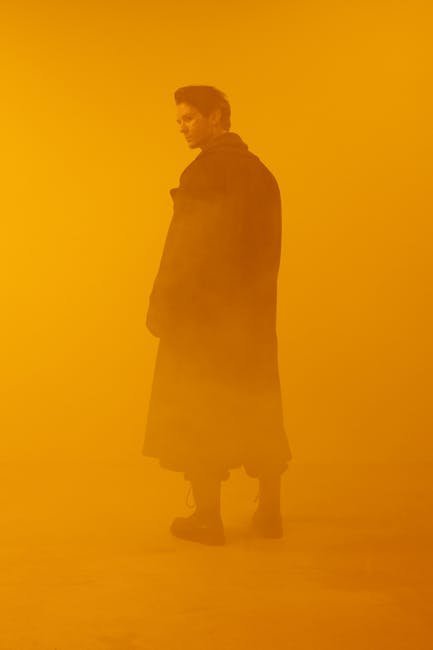
Philip K. Dick’s novel “Do Androids Dream of Electric Sheep?” is a genuinely fascinating science fiction work. It explores questions of empathy, authenticity, and what it actually means to be alive, with a richness that film could never fully contain. Dick’s world is dense with religious imagery, a global mood disorder called Mercerism, and concerns about owning real versus artificial animals. The novel is philosophical and strange in the best way.
Ridley Scott took the bones of Dick’s premise and built something entirely different around them. Blade Runner surpasses the book thanks to its decision to leave the question of whether Deckard is a replicant up in the air for the viewer to think about. Blade Runner is also full of stunning visuals that arguably created the genre of cyberpunk, and inspired countless sci-fi spinoffs made in a similar style. Blade Runner is a loose adaptation of Philip K. Dick’s novel, which is a sci-fi classic in its own right. The movie works better as a dark vision of humanity’s future, and the ambiguity over whether or not Deckard is a replicant was a smart addition to the film. That lingering ambiguity is the gift the film gives its audience, something no page can duplicate quite so hauntingly.
8. A Clockwork Orange (1971) – Stanley Kubrick

Anthony Burgess’s novel is genuinely brilliant, written almost entirely in a slang language invented by Burgess himself called Nadsat. It’s an intellectual challenge, a linguistic stunt, and a disturbing meditation on free will and state control. The book is remarkable. It also contains an ending that Burgess himself considered essential to the moral argument of the entire work, a final chapter showing Alex maturing and choosing goodness on his own terms.
Kubrick’s unique aesthetic makes this version of the story more effective than the novel. He also wisely adapted the American edition of the book, which scrapped Burgess’s ending and saw Alex find apparent redemption, which is actually the more dramatically satisfying and ambiguous choice for a film audience. Kubrick’s stylized ultraviolence, Malcolm McDowell’s magnetic performance, and the Beethoven-soaked soundtrack created something that functions almost as a nightmare you cannot argue your way out of. I think Burgess was right about the moral architecture of his story. But Kubrick was right about what makes great cinema.
9. Stand By Me (1986) – Rob Reiner

Stephen King’s novella “The Body,” collected in the anthology “Different Seasons,” is a quiet, tender piece of writing. It follows four boys on a journey to find a dead body near the railroad tracks, and it captures childhood friendship with real emotional honesty. King writes the story as a middle-aged narrator looking back, filtering the whole adventure through layers of nostalgia and loss. It’s good, but that framing device creates a certain emotional distance.
Stand By Me isn’t vastly different from The Body, a novella originally included in the King collection Different Seasons. Director Rob Reiner better captured the bittersweet childhood nostalgia and dark humor of the story, making the movie a beloved classic. This Stephen King adaptation takes the crown as one of the most faithful to the novella, as well as one of the very best. The unforgettable film will leave you shattered and nostalgic in a way we so rarely experience nowadays. The casting of River Phoenix, Wil Wheaton, Jerry O’Connell, and Corey Feldman as four boys who feel heartbreakingly real is what transforms a good story into an emotional gut punch that still hits hard decades later.
10. Requiem for a Dream (2000) – Darren Aronofsky
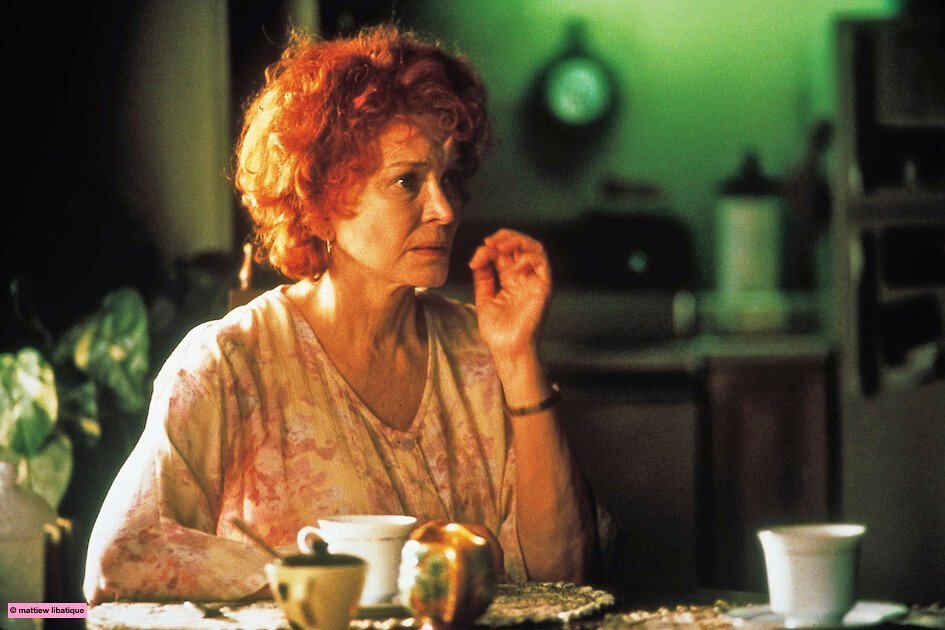
Hubert Selby Jr. published the groundbreaking original novel in 1978, and while it is undeniably a fantastic piece of fiction, Aronofsky’s adaptation takes the source material to dazzling new heights. Selby’s prose style is harsh and deliberately uncomfortable, without punctuation in places, written to feel like a descent you cannot stop. It is art. But it is also, honestly, quite difficult to finish.
Darren Aronofsky’s nightmarish portrayal of drug addiction features an all-star cast, including Ellen Burstyn, Jared Leto, Jennifer Connelly, and Marlon Wayans, but it’s never the actors that you focus on. Rather, it’s the intensity of their characters’ journeys into spirals of addiction, where there are no happy endings, just bleak train rides into hell. Through stylish jump cuts, split-screens, and tightly edited montages, Aronofsky created a work with meticulous sound design that blends hip-hop, classical, and electronic elements. The result is a film that doesn’t just tell you about addiction. It makes you feel trapped inside it. No novel, however well written, can do that with quite the same visceral immediacy.
What This All Proves About Storytelling

The debate between books and films will never really end, and maybe it shouldn’t. Both forms have unique gifts. Books flesh out their stories, can dive easily into any character’s head to hear what they are thinking or feel what they are feeling, and can be as long as they need to be in order to tell their story. Films, on the other hand, compress, clarify, and confront the viewer with images and sound in ways that bypass rational defenses entirely.
The best movie adaptations, the ones that succeed in being better than the book, succeed because they don’t try to be straight adaptations. They find what the story is truly about underneath all the pages and they chase that truth through a completely different set of tools. Film adaptations of novels earn significantly more at the box office than original screenplays, which tells us something about the appetite audiences have for these reinventions. But box office numbers aren’t what make these films endure. What makes them endure is the rare alchemy of a great story meeting a great filmmaker at exactly the right moment.
Every single film on this list was treated as something of a risk, a liberality with the source material, a gamble on vision over fidelity. Every single one of them paid off. So the next time someone tells you the book is always better, gently point them toward the Overlook Hotel, the Corleone family dinner table, or a shark-terrorized New England beach. What do you think? Is there a film adaptation you love even more than one that’s on this list?
CEO-Co-Founder
