

- 20 Forgotten Writers Who Invented Modern Genres - September 21, 2026
- 10 Opening Lines That Were the Author’s Second Choice - September 21, 2026
- The 20 Quietest Songs That Leave the Loudest Impression - September 21, 2026
Hollywood’s grip on global pop culture runs deep. We often picture grand Western shootouts or towering monsters as pure American inventions, straight from the studios of Tinseltown.
Yet borders blur in cinema. Talents from afar craft stories that echo Yankee dreams, fooling even die-hard fans. Let’s uncover these surprises.[1][2]
A Fistful of Dollars
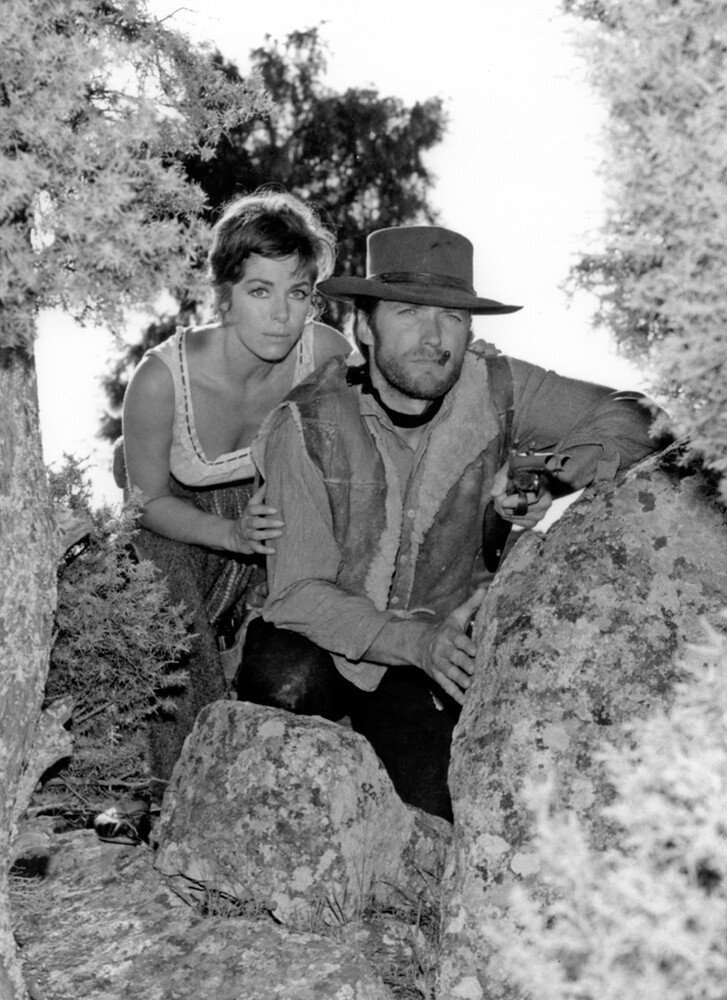
Picture this: a lone gunslinger rides into a dusty border town, sparking a bloody feud between rival gangs. That gritty tale kicked off in Italy, directed by Sergio Leone in 1964 with Spanish co-production muscle. Starring a then-unknown Clint Eastwood, it borrowed heavily from Akira Kurosawa’s Yojimbo but wrapped everything in sun-baked European sets.
The film’s raw style exploded the Western genre wide open. It birthed the Dollars Trilogy, pulling in massive crowds worldwide despite initial skepticism. Hollywood soon chased its shadow, proving one Italian vision could redefine cowboy lore forever.[1]
The Good, the Bad and the Ugly
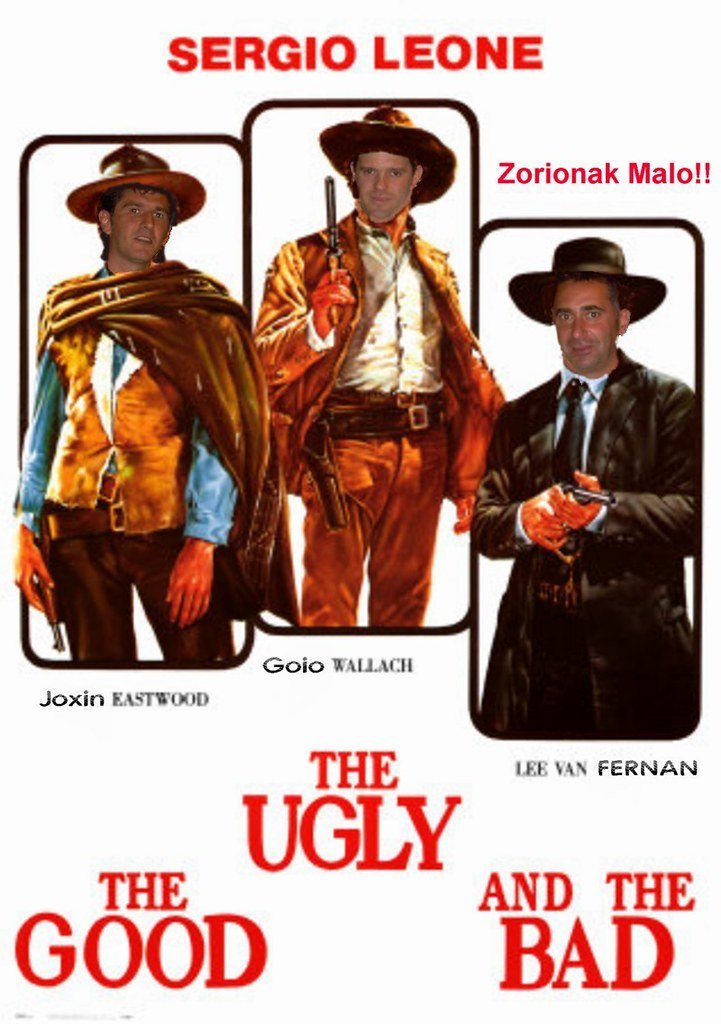
Three outlaws chase buried Confederate gold amid Civil War chaos. Sergio Leone helmed this 1966 epic in Italy and Spain, dubbing it into English for that seamless punch. Ennio Morricone’s iconic score sealed the illusion, with Eastwood, Eli Wallach, and Lee Van Cleef dominating dusty plains far from Hollywood.
Cultural shockwaves hit hard. It grossed millions, topping charts and inspiring endless parodies. This Spaghetti Western masterpiece shifted how we see anti-heroes, blending operatic flair with brutal realism that American films scrambled to match.
Once Upon a Time in the West
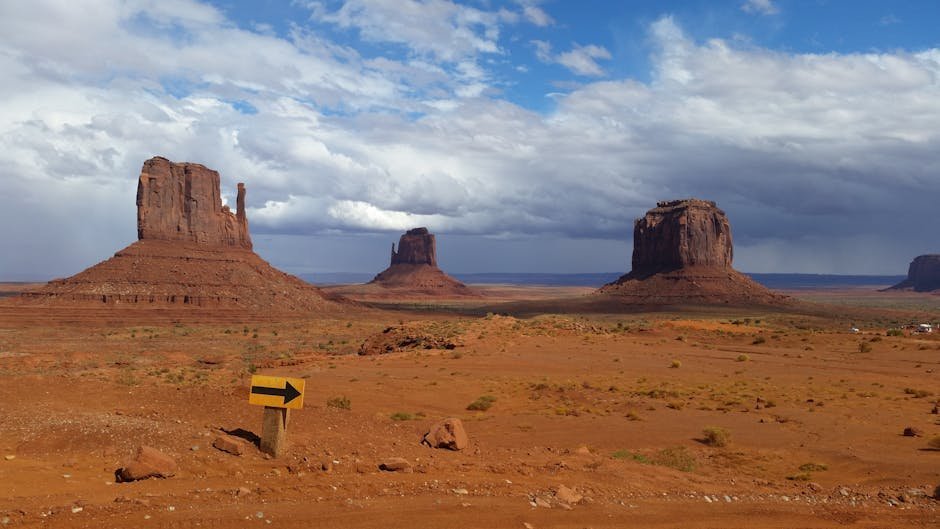
A mysterious harmonica man seeks revenge in Monument Valley lookalikes. Leone struck again in 1968, filming across Italy, Spain, and even America for authenticity. Henry Fonda’s chilling villain turn, alongside Charles Bronson, masked the foreign roots completely.
Its influence lingers in epic storytelling. Critics hail it as the pinnacle of Westerns, shaping directors like Tarantino. Nearly three hours of tension redefined patience in cinema, proving European patience pays off big.
Django
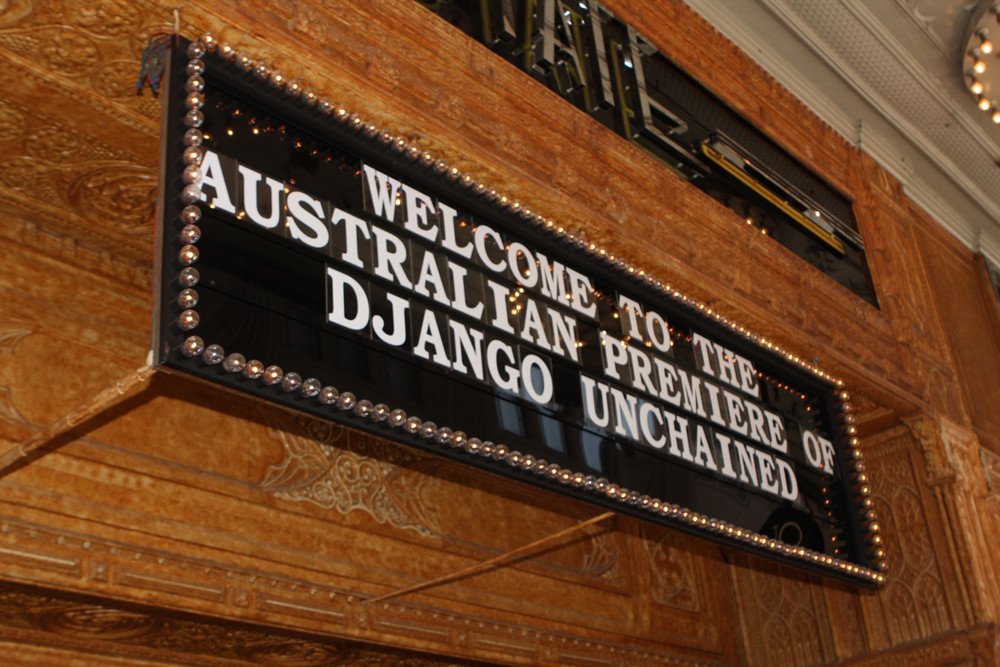
A coffin-dragging gunslinger unleashes hell on racist thugs. Franco Nero starred in Sergio Corbucci’s 1966 Italian-Spanish-Yugoslav mashup, shot in gritty low-budget glory. Nudity, gore, and mud defined its unpolished edge, miles from polished MGM lots.
Spawned over 30 unofficial sequels, flooding Europe. It amplified Spaghetti Western violence, influencing blaxploitation crossovers. Django’s swagger became a rebel icon, challenging sanitized American heroism head-on.
Godzilla
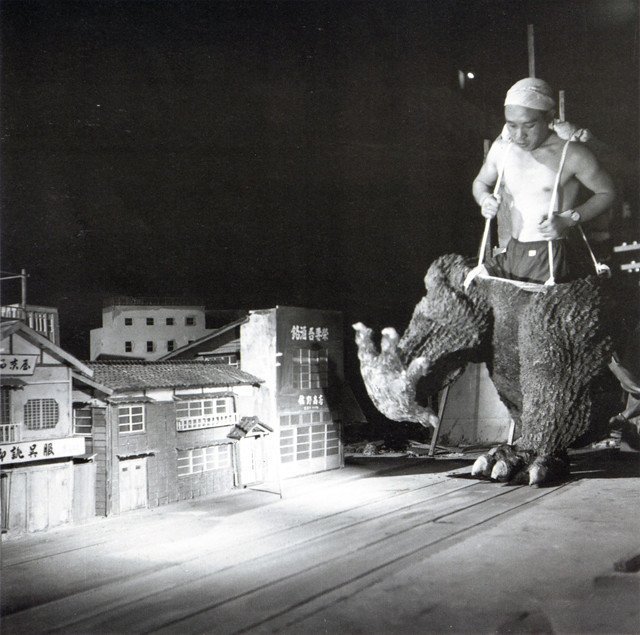
A colossal lizard rampages through Tokyo, born from atomic nightmares. Ishirō Honda unleashed this 1954 Japanese beast, blending sci-fi horror with post-war trauma. American edits later softened it, dubbing Raymond Burr in for familiarity.
Launched kaiju mania worldwide. Over 30 sequels followed, embedding Godzilla in pop culture from comics to cartoons. It warned of nuclear folly, a sobering foreign voice in monster mash-ups.
Mad Max
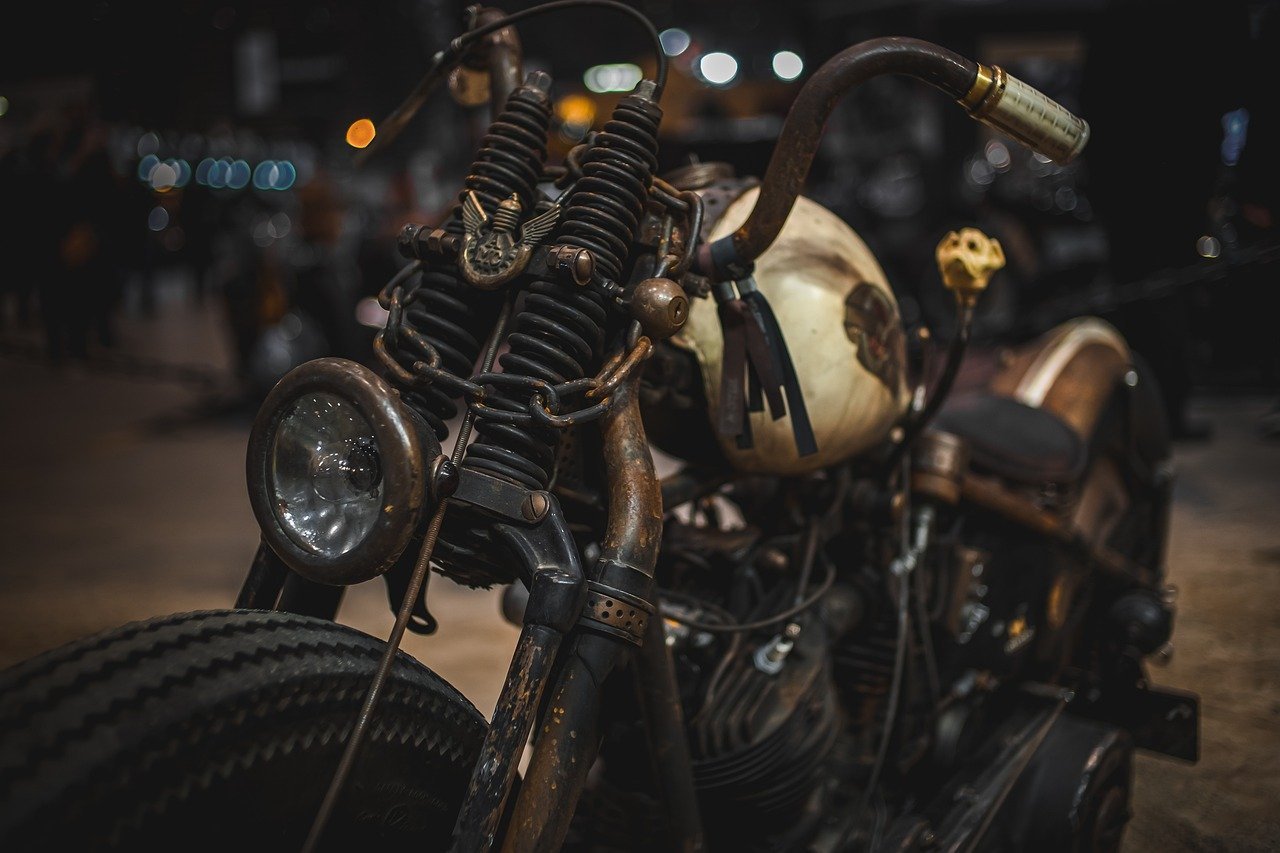
A cop hunts road warriors in a petrol-starved apocalypse. George Miller crafted this 1979 Australian rawhide thriller on shoestring budgets down under. Mel Gibson’s breakout role, wild chases, and leather gear screamed Hollywood muscle cars.
Kicked off a franchise grossing billions. Redefined dystopian action, paving roads for sequels like Fury Road. Australia’s outback grit showed outsiders nail vehicular mayhem better than expected.
Metropolis
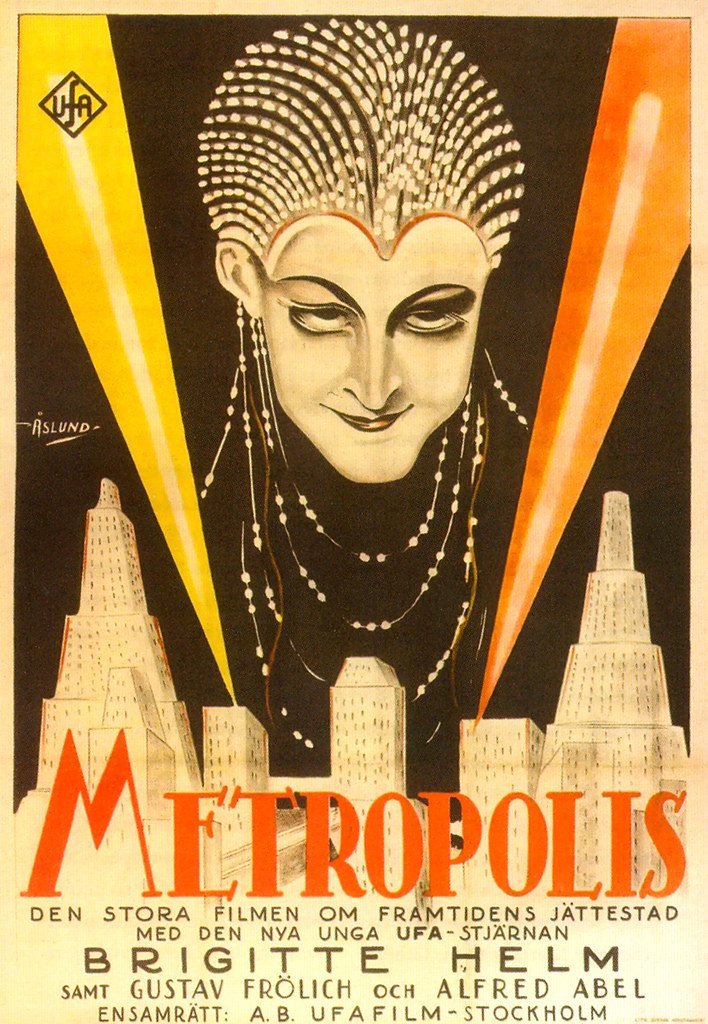
Futuristic towers hide worker uprisings in a divided city. Fritz Lang’s 1927 German silent spectacle wowed with massive sets and robot Maria. Expressionist shadows and art deco dreams predated Hollywood sci-fi by years.
Oscars nodded to its restored cut. Influenced Blade Runner and Star Wars visuals. Lang’s vision of class war endures, a blueprint for dystopias everywhere.
M
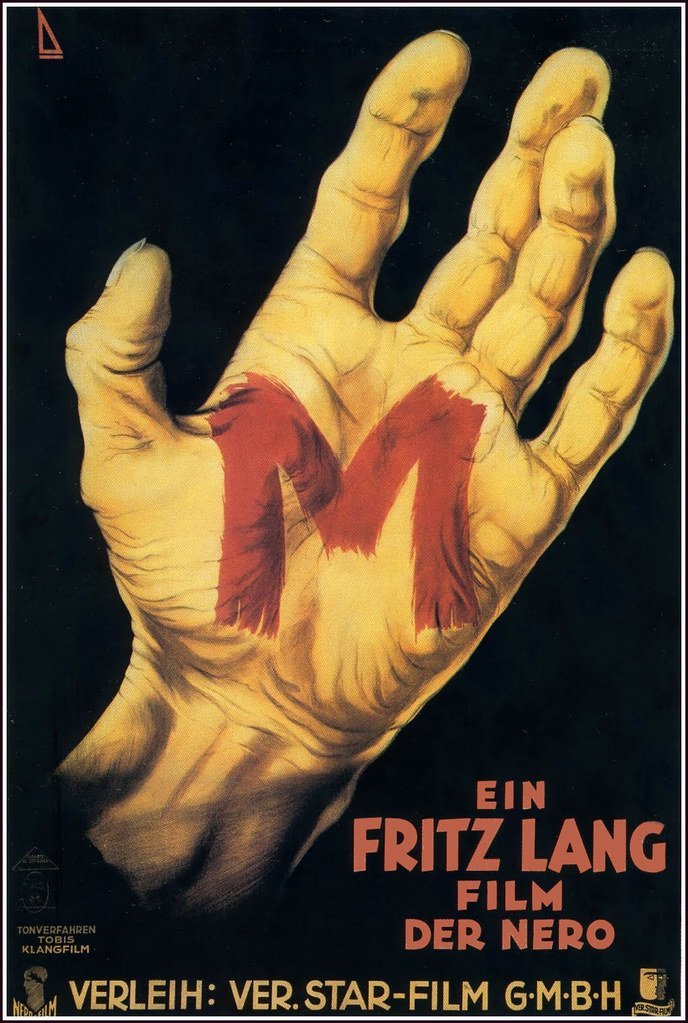
A child killer haunts Berlin, sparking vigilante hunts. Lang followed up in 1931 Germany, casting Peter Lorre in a sound breakthrough. Street realism and mob justice felt like early Warner Bros. grit.
Pioneered psychological thrillers. Nazis banned it, yet it inspired Hitchcock endlessly. Lorre’s whistling fiend etched moral ambiguity into crime tales.
Global Cinema’s Hidden Exchange
These films prove ideas travel faster than accents. Italian vistas birthed new Westerns, Japanese horrors towered over Tinseltown, proving talent ignores passports.
Hollywood thrives on such imports, remaking and riffing endlessly. Next time a cowboy squints or a monster roars, pause. Where did that spark really ignite? What hidden gem have you overlooked?[3]

Besides founding Festivaltopia, Luca is the co founder of trib, an art and fashion collectiv you find on several regional events and online. Also he is part of the management board at HORiZONTE, a group travel provider in Germany.
