
- The 20 First and Last Sentences of These Books Say Everything - September 22, 2026
- 10 Stories That Are Way Shorter Than You Remember - September 22, 2026
- The 20 Most Quoted Lyrics in Instagram Captions — Ranked - September 22, 2026
Poetry has always been a mirror to the soul’s deepest storms. Across eras, from Romantic tempests to modern confessions, personal agonies have ignited verses that cut straight to the heart. These struggles – lost loves, madness, exile – didn’t just inspire words; they defined legacies.
Imagine lives so wild they make the poems seem tame. Here’s the thing: raw pain often births the greatest art. Let’s uncover eight poets whose realities eclipsed their dramatic lines.
Sylvia Plath: The Bell Jar of Despair
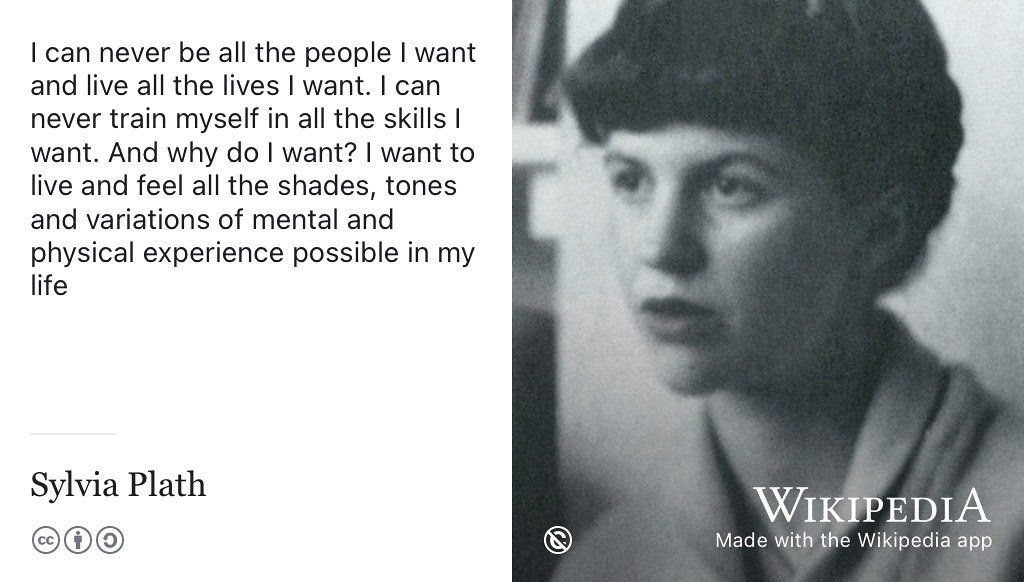
Sylvia Plath battled relentless depression from her early twenties, marked by suicide attempts and electroshock therapy. Her marriage to Ted Hughes crumbled amid infidelity rumors and bitter custody fights, pushing her into isolation in a cold London flat. On a snowy February morning in 1963, she took her own life at age 30, leaving two young children behind. That raw anguish seeped into every line she penned.
Plath pioneered confessional poetry with Ariel, where poems like “Daddy” unleashed fury against her father and husband. Her work shattered taboos on mental illness, influencing generations of writers to bare their souls. Honestly, her verses feel like screams frozen in time, more visceral because they echoed her unraveling world. No wonder readers still feel the chill.
Edgar Allan Poe: Orphaned in Shadows
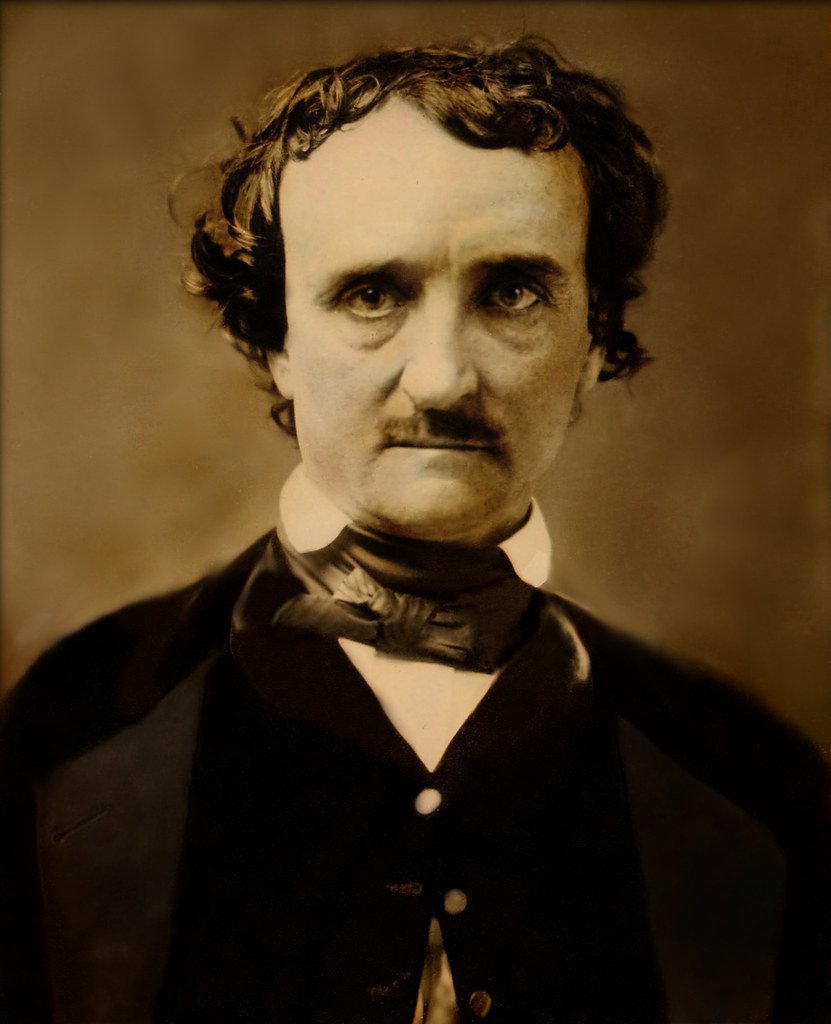
Edgar Allan Poe lost his mother at three, faced foster rejection, and gambled away his military career. Poverty hounded him as he edited magazines, while his young wife Virginia slowly succumbed to tuberculosis before his eyes. Alcoholism gripped him tight, culminating in a mysterious death in a Baltimore gutter at 40, whispering “Lord help my poor soul.”
Poe’s tales and poems, like “The Raven,” birthed Gothic horror and detective fiction. His melancholy rhythm captured eternal loss, shaping everyone’s idea of the haunted mind. Think of it: a life of endless graves fueled verses that haunt us still. His influence lingers in every thriller’s dark pulse.
Lord Byron: Scandal’s Exile
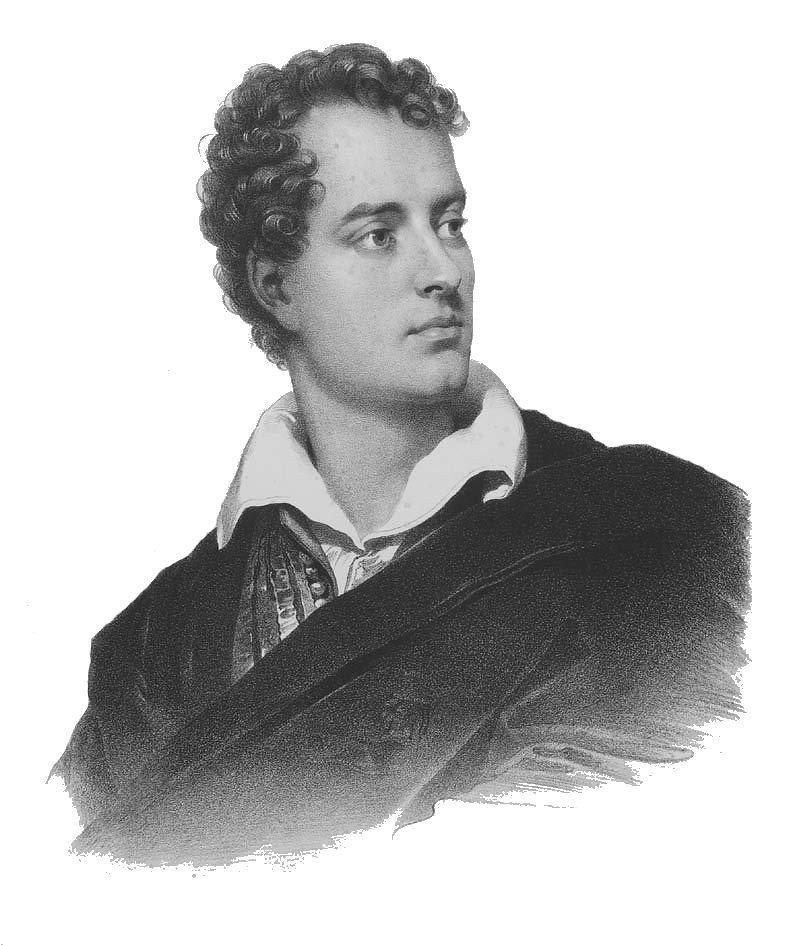
George Gordon, Lord Byron, limped through life with a clubfoot, fueling his defiant swagger. Wild affairs with his half-sister and others sparked London’s outrage, forcing exile across Europe. He joined Greek revolutionaries, only to die of fever at 36, his body rejected by England.
Byron defined Romanticism with Don Juan‘s satirical bite and Childe Harold‘s brooding hero. His charisma made “Byronic” a synonym for tortured allure. Lives imitated his art, as fans chased similar freedoms. Pretty wild how one man’s chaos redefined rebellion in verse.
Percy Bysshe Shelley: Drowned Rebel
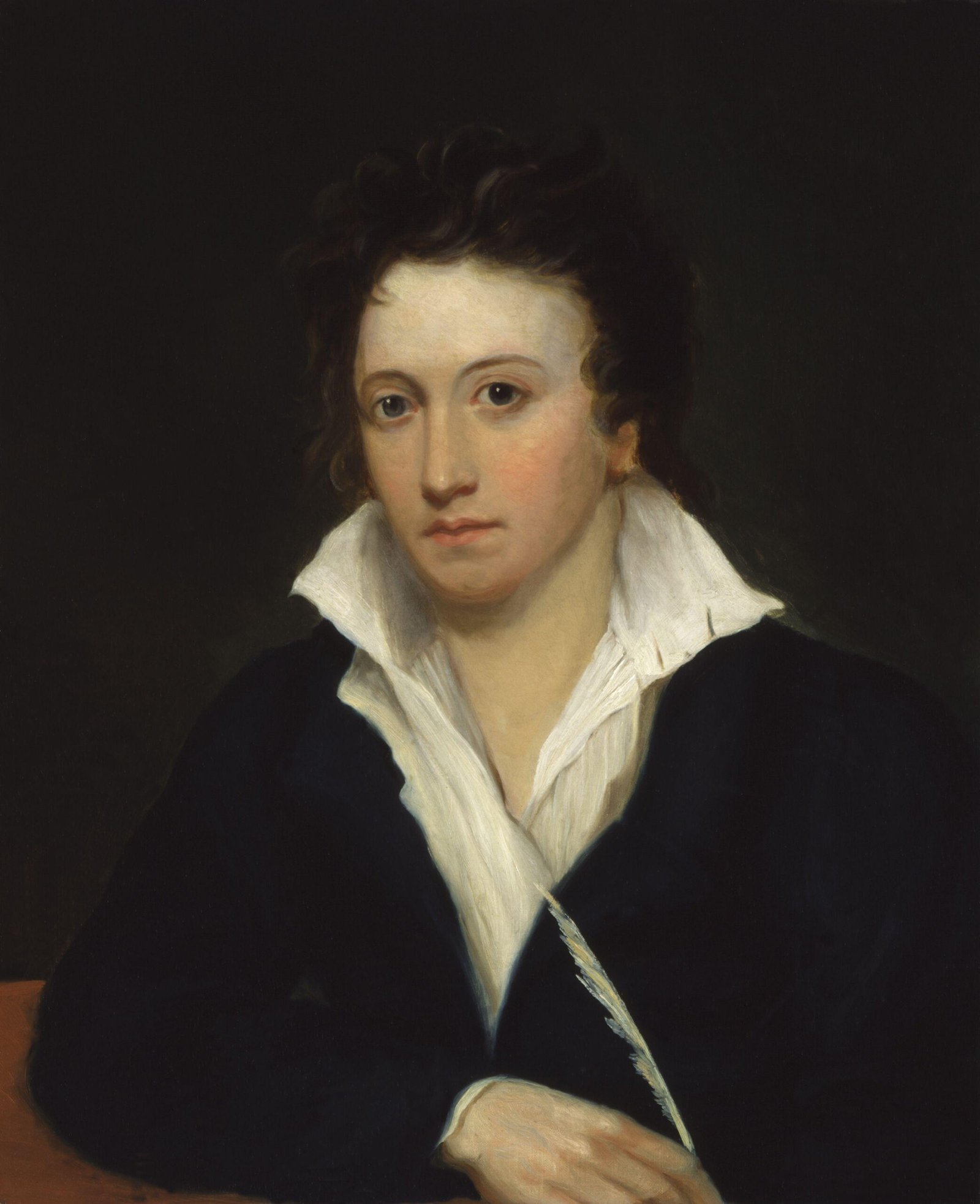
As such, use of this image in the jurisdiction of the claimant or other countries may be regarded as copyright infringement. Please see Commons:When to use the PD-Art tag for more information., Public domain)
Percy Bysshe Shelley got expelled from Oxford for atheism, eloped with 16-year-old Mary Godwin amid scandal. Two wives and lost children scarred him, yet he championed radicals in a repressive era. A sailing mishap claimed him at 29, his bloated body washing ashore with Keats’s volume in his pocket.
Shelley’s Prometheus Unbound envisioned defiant freedom, inspiring political dreamers. His odes blended nature’s fury with human passion, echoing his stormy pursuits. It’s like his life was one long ode to defiance. That energy still electrifies free thinkers.
John Keats: Tuberculosis’ Cruel Thief
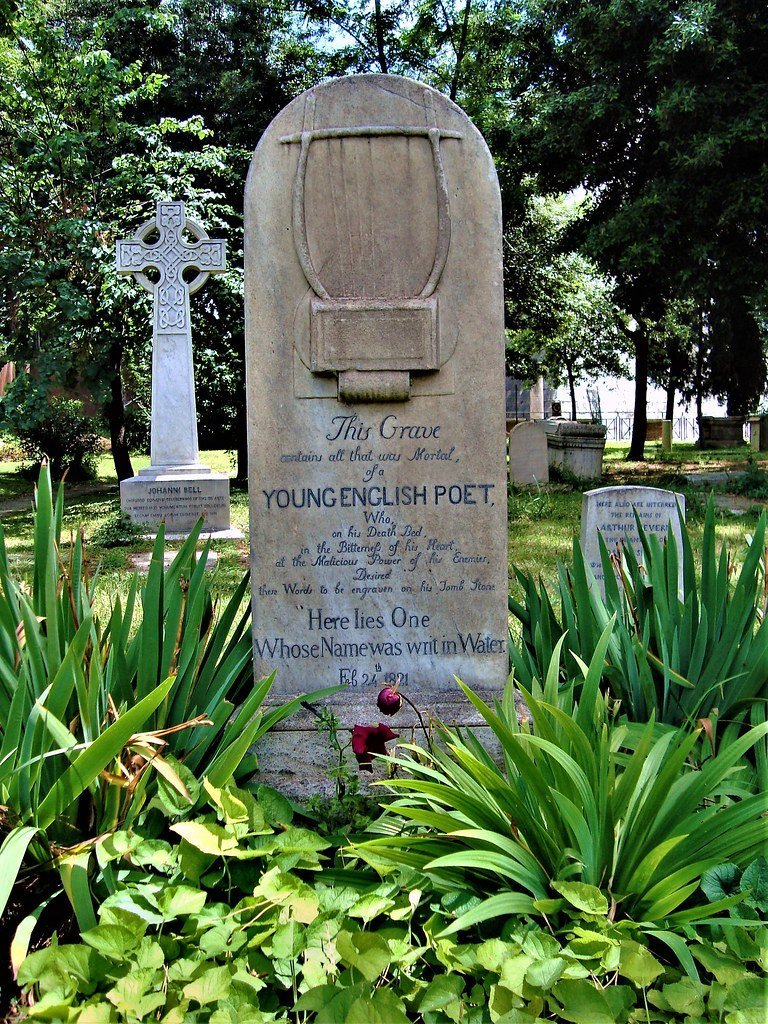
John Keats nursed his mother and brother through tuberculosis, only to feel its grip himself at 25. Rejected by Fanny Brawne, he sailed to Italy hoping for cure, but blood-flecked despair ended him in Rome. “Here lies one whose name was writ in water,” his epitaph sighed.
Keats’s odes, like “To a Nightingale,” immortalized fleeting beauty amid pain. His sensuous language elevated English poetry, proving brevity breeds intensity. No exaggeration: his short fuse burned brightest. Readers savor that bittersweet glow even now.
Dylan Thomas: Whiskey’s Wild Call
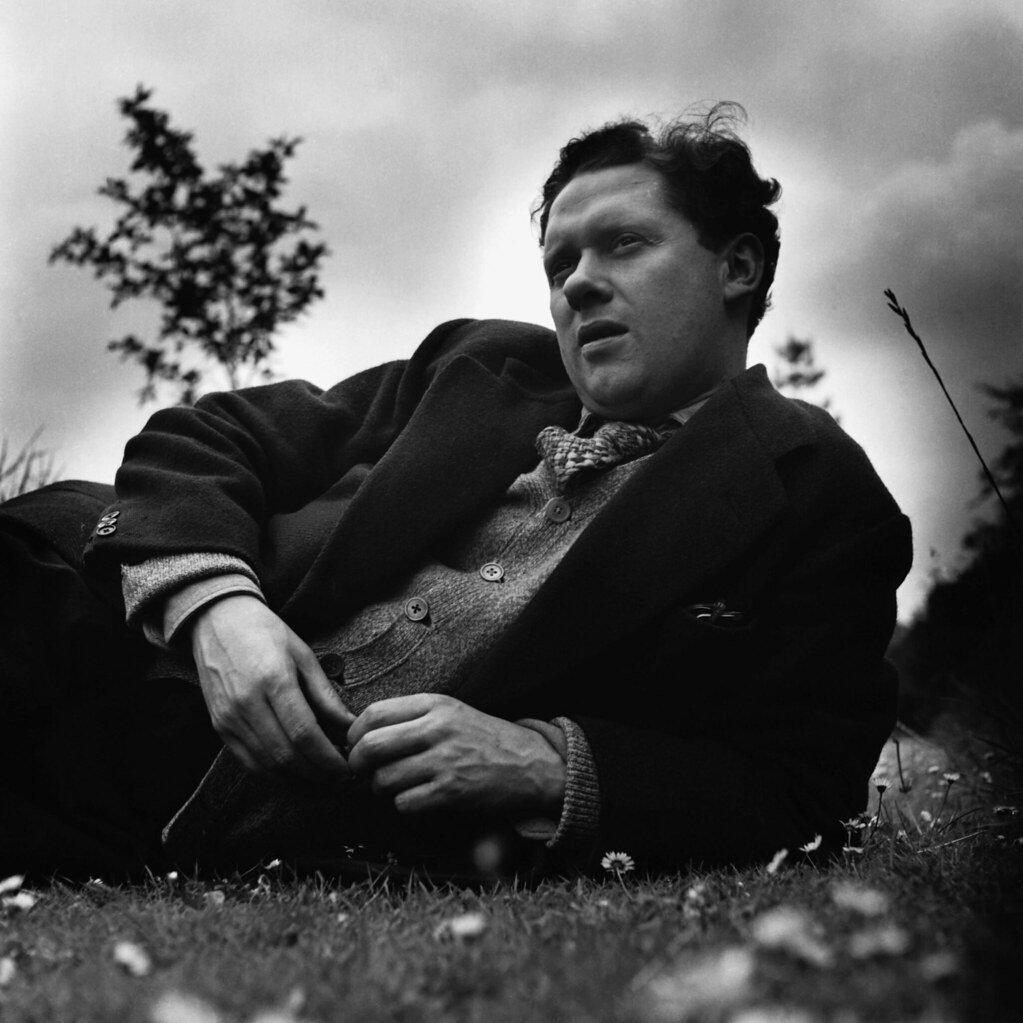
Dylan Thomas caroused through bohemian nights, guzzling whiskey while begging loans from admirers. Four trips to America for readings masked debts and a crumbling marriage. He collapsed in a New York hotel at 39, pneumonia sealing his boozy fate.
Thomas’s Do Not Go Gentle raged against death with hypnotic cadence. Under Milk Wood painted Welsh whimsy laced with tragedy. His voice, gravelly and alive, pulls you into chaos. Lives like his make poetry feel dangerously fun.
Anne Sexton: Confessed Torments
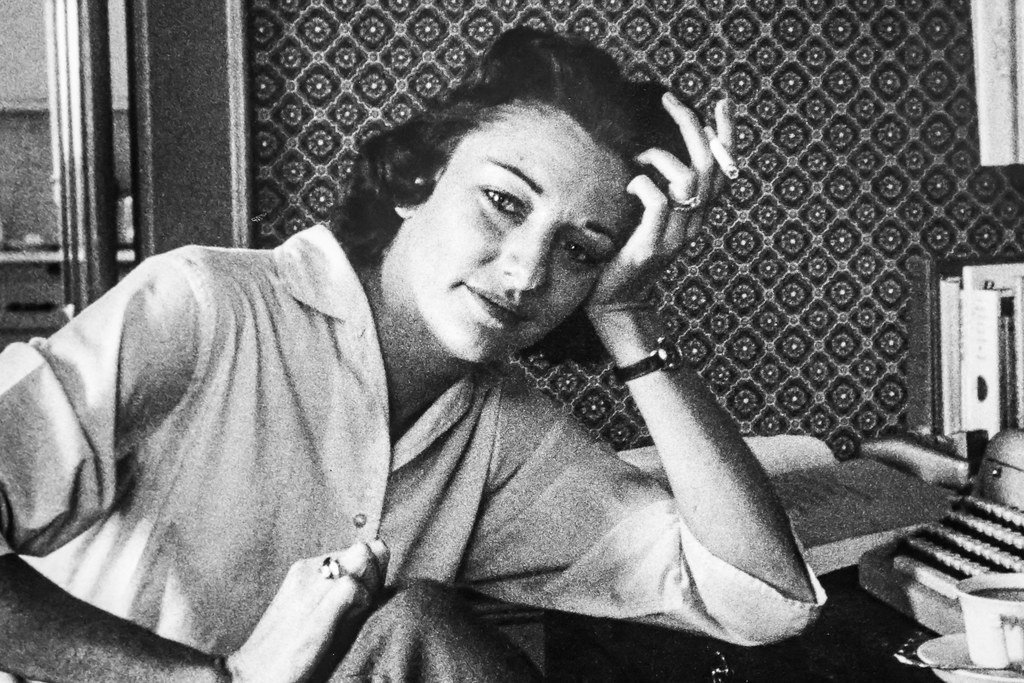
Anne Sexton endured postpartum psychosis, institutionalizations, and affairs that wrecked her family. Therapy birthed her art, but mania won; she gassed herself in her garage at 46 after lunch with her daughter. Childhood nanny’s shadow haunted every step.
Sexton’s raw confessions in Live or Die won a Pulitzer, baring incest and suicide thoughts. She humanized feminine rage, paving confessional paths. It’s tough to read without flinching – that’s her power. Her honesty demands we face our own cracks.
Charles Baudelaire: Vice’s Grip
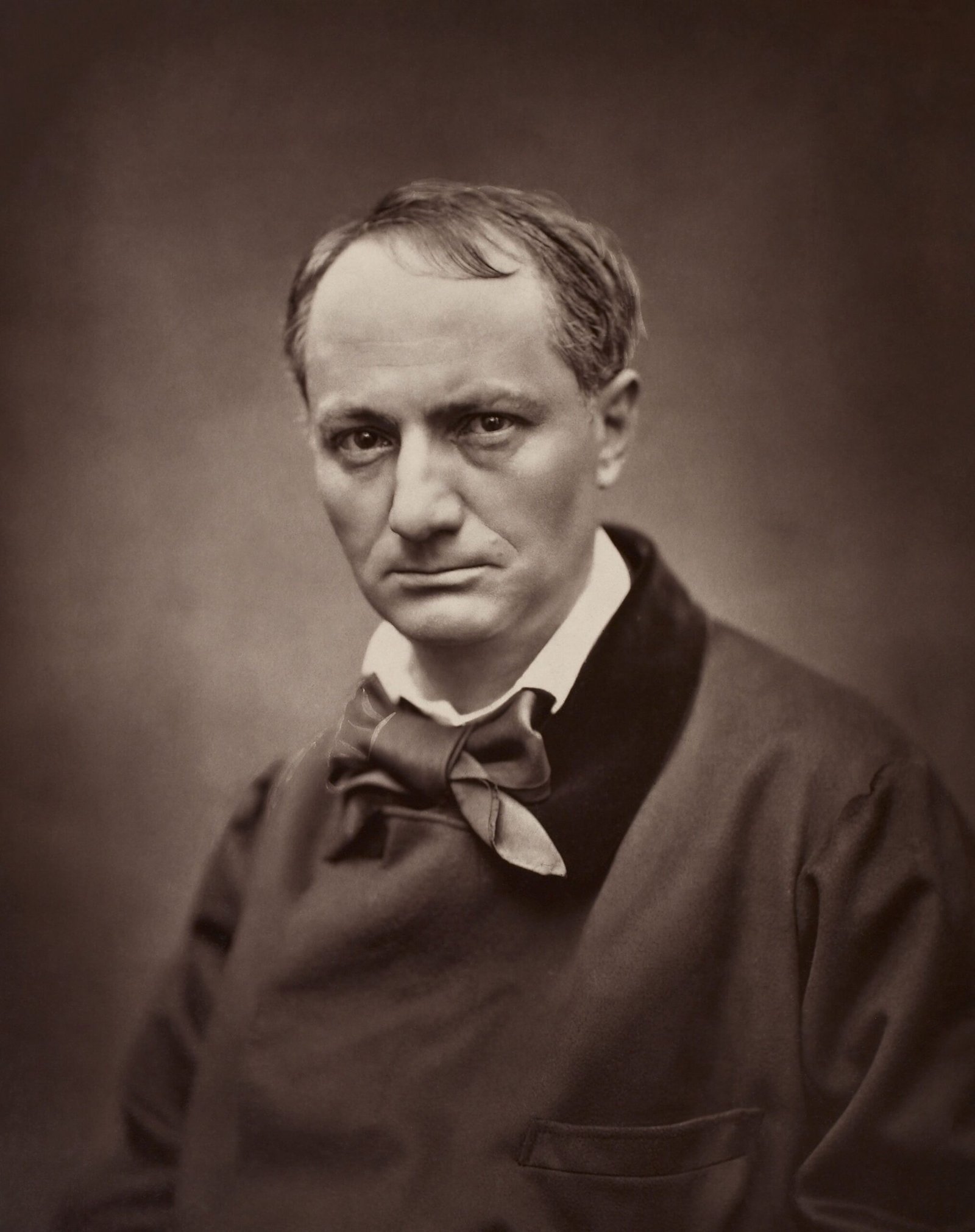
British Library: Image; Metadata, Public domain)
Charles Baudelaire squandered inheritance on opium, hashish, and prostitutes, defying bourgeois Paris. Syphilis eroded him, trials censored his work, and poverty starved his genius. He fled to Belgium, dying at 46 in morphine haze.
Les Fleurs du Mal glorified spleen and ideal beauty, launching modernism. Baudelaire fused decay with ecstasy, influencing everyone from Eliot to punk. Like a flower in sewage, his life bloomed defiant. That paradox still shocks.
Conclusion: Life’s Raw Muse
These poets prove biography isn’t footnote – it’s the fire forging verse. Tumultuous paths didn’t dim their words; they amplified them into timeless roars. We read not just poems, but survived souls.
Struggle shapes art’s sharpest edge. Which poet’s chaos resonates most with you? Share in the comments.

Besides founding Festivaltopia, Luca is the co founder of trib, an art and fashion collectiv you find on several regional events and online. Also he is part of the management board at HORiZONTE, a group travel provider in Germany.
