

- 20 Iconic Hidden Tracks from the CD Era - September 20, 2026
- 20 Books Written in Secret — and the Stories Behind Them - September 20, 2026
- The 20 Most Underrated Years in Music History - September 20, 2026
Libraries have always been more than dusty stacks of books. They stand as grand cathedrals of the mind, where soaring arches and intricate details whisper stories of human ingenuity right alongside the wisdom in the volumes they hold.
Picture walking into spaces that blend timeless knowledge with breathtaking design, pulling you into a world where architecture elevates every page turned. These ten libraries prove that beauty and brains can coexist spectacularly. Let’s explore these wonders.[1][2]
1. The Library of Trinity College Dublin
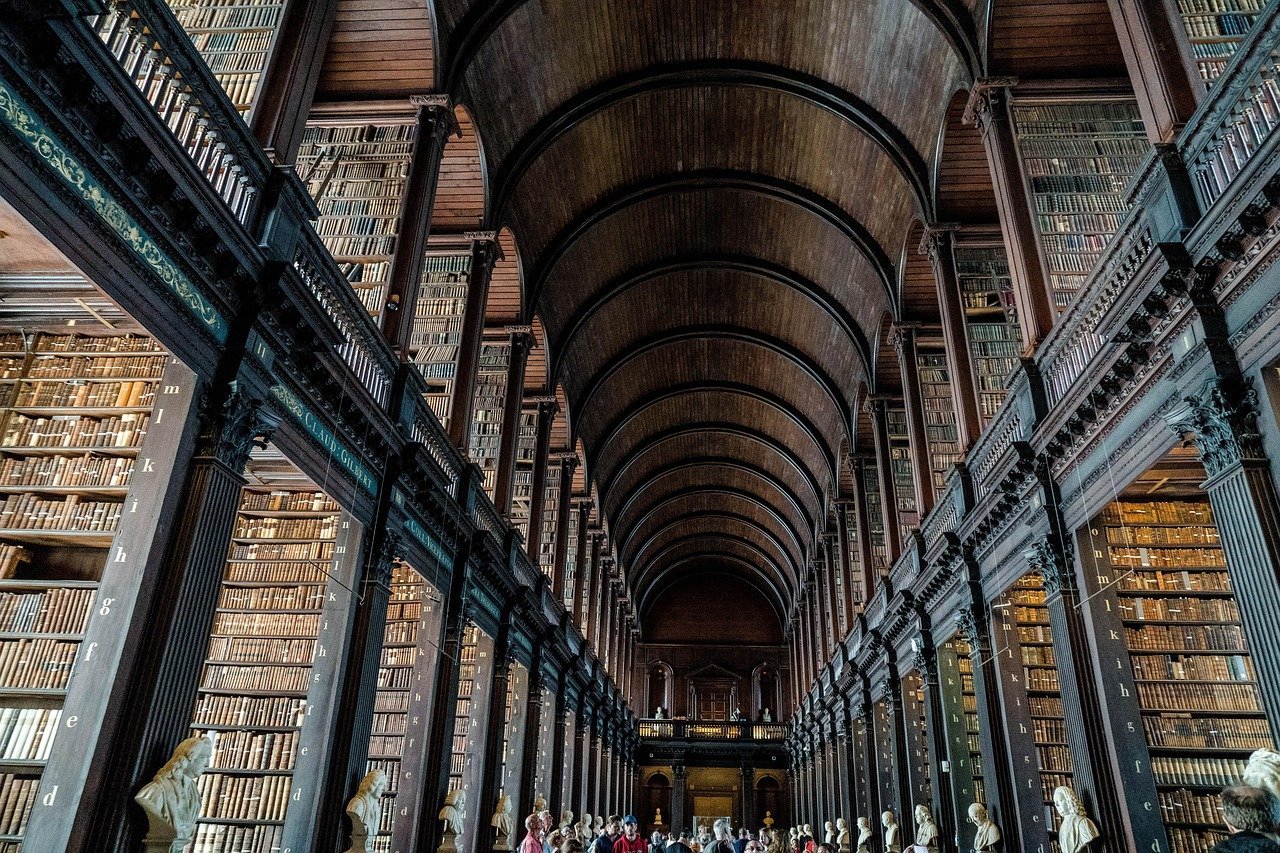
The Long Room stretches an impressive 65 meters, lined with dark polished shelves and marble busts of literary giants. A barrel-vaulted oak ceiling, added in 1860, towers above, creating a sense of endless possibility. Natural light filters through, highlighting the aged leather spines in a golden glow.[1][2]
Ireland’s largest library houses over six million volumes, including the priceless Book of Kells, a medieval illuminated masterpiece. It draws scholars and dreamers alike, evoking the magic of ancient lore amid modern curiosity. Honestly, stepping inside feels like entering a Harry Potter scene, but with real history pulsing through every corner.[2]
2. State Library of South Australia (Mortlock Chamber)
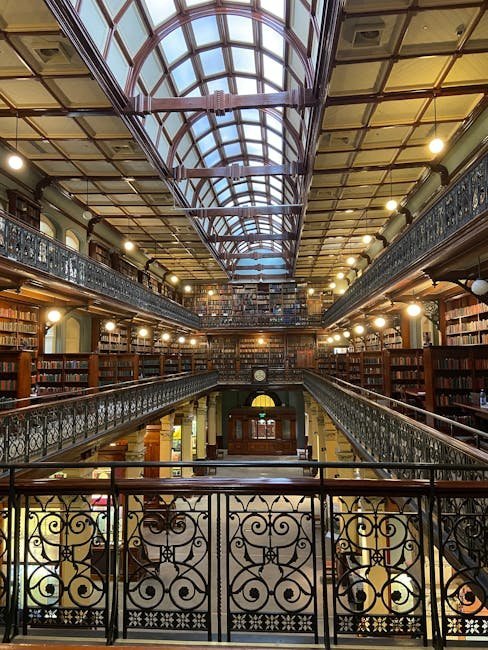
The Mortlock Chamber boasts a Victorian elegance with its long, barrel-vaulted skylight flooding the space in soft daylight. Ornate ironwork and towering bookshelves create a dramatic backdrop, like a stage set for intellectual drama. Galleries overlook the main floor, inviting eyes to wander upward.
Established in 1836, this chamber opened in 1884 and safeguards South Australia’s history from pre-colonial days onward. It serves as a vital archive, blending public access with scholarly depth. Here’s the thing: it’s not just pretty; it’s a living chronicle of a nation’s story.[2]
3. Abbey Library of St. Gallen
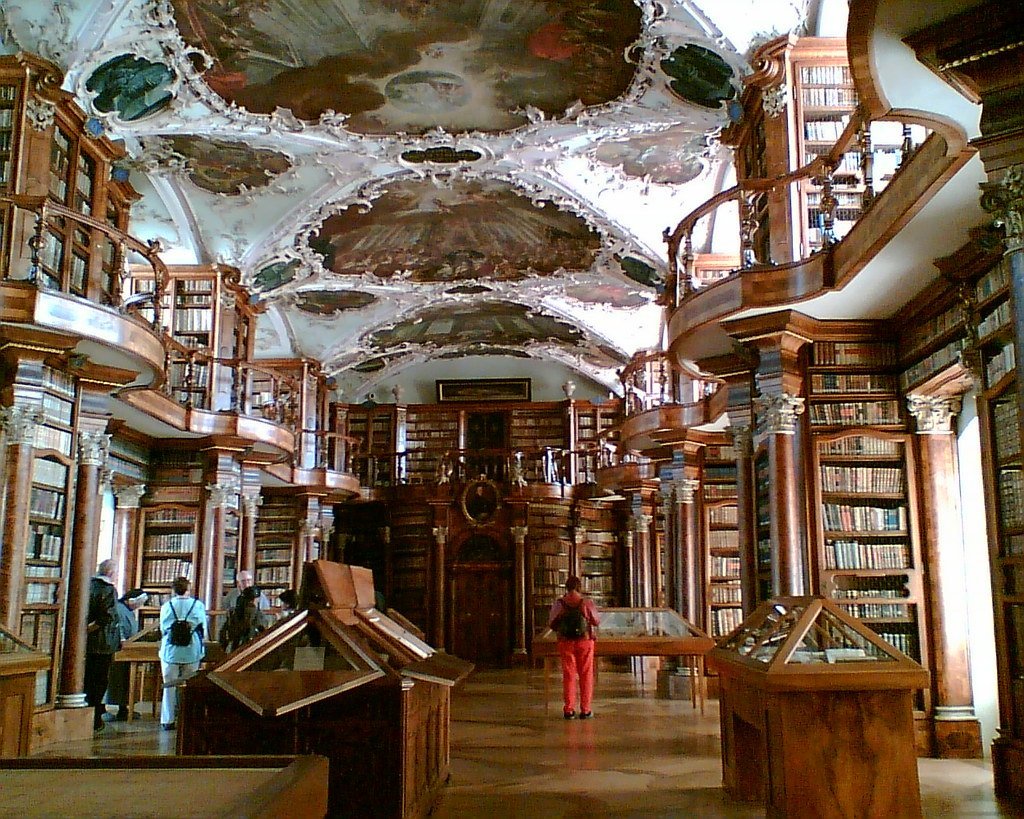
Gleaming wooden interiors crown with intricate Baroque frescoes from 1767, their vivid colors popping against warm paneling. Curved ceilings and detailed carvings draw the gaze, while shelves brim with ancient tomes. Light plays across the surfaces, making every detail shimmer.
Roots trace to the mid-8th century, making it one of the world’s oldest monastic libraries, born from a scriptorium founded by Irish monk Gallus. It preserves centuries-old manuscripts and even a 16th-century globe replica. This place hums with the weight of preserved wisdom, a quiet testament to enduring faith and learning.[2]
4. Duke Humfrey’s Library, University of Oxford
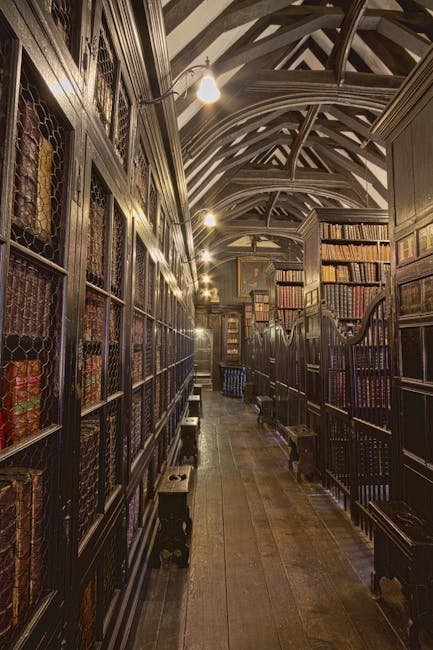
Historic oak bookcases line the walls, paired with painted ceiling panels that add a splash of Renaissance flair. Built above the Divinity School, its intimate scale feels grand yet approachable. Chains once secured books here, a nod to medieval security.
Dating to the 15th century, it received a boost from Humphrey of Lancaster’s manuscript donation, surviving Reformation upheavals to become part of the Bodleian. Today, it’s a haven for rare books, fueling Oxford’s legendary scholarship. You can’t help but feel the ghosts of great thinkers lingering in the air.[2]
5. Admont Abbey Library
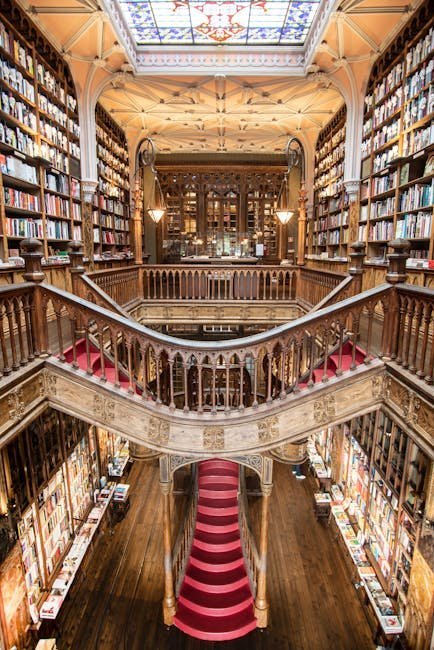
A late Baroque masterpiece from 1776, with pristine white walls accented by gold and vibrant ceiling frescoes across seven cupolas. Forty-eight windows bathe the space in light, while oversized sculptures of Death, Judgment, Heaven, and Hell add dramatic flair. Bookcases gleam with delicate gilding, pure elegance.[1]
The world’s largest monastic library holds 70,000 volumes in the hall alone, plus ancient manuscripts dating back to the 8th century. Founded in 1074 by Benedictines, it endured wars and crises, symbolizing resilient knowledge. It even inspired Beauty and the Beast’s grand library, blending fantasy with fact.[2]
6. Cuypers Library, Rijksmuseum, Amsterdam
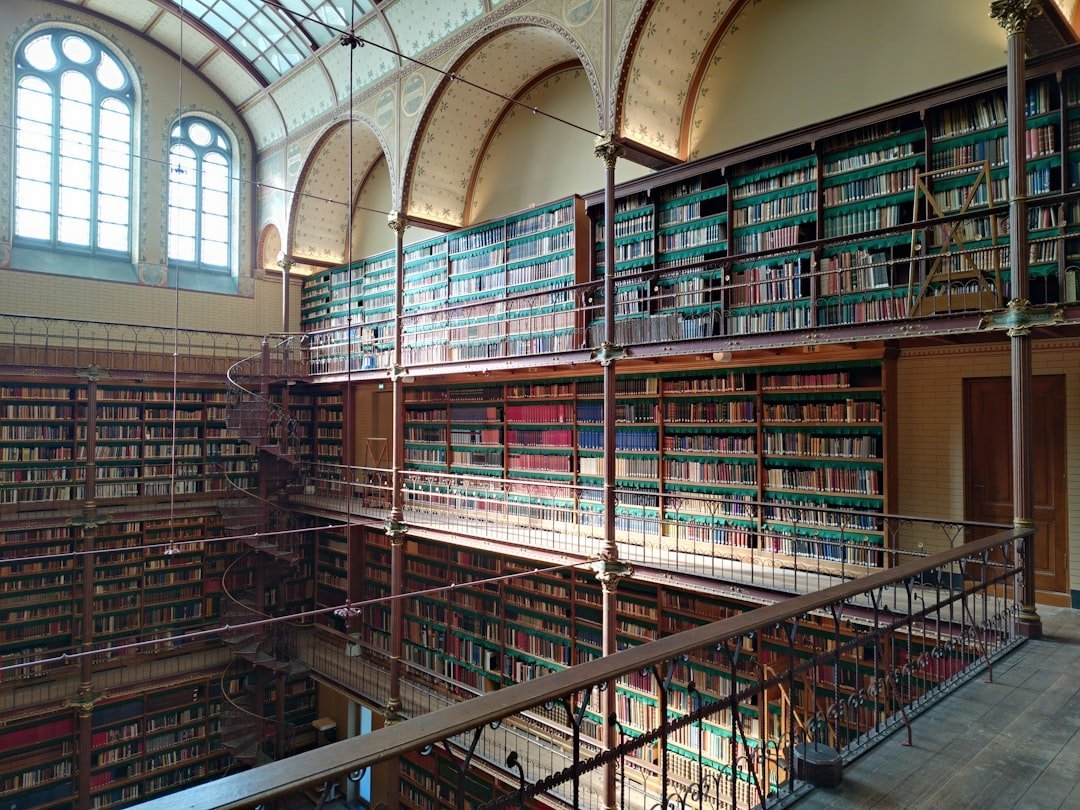
Austere neo-Gothic style features massive skylights pouring natural light onto rows of books. Balconies offer elevated views, enhancing the sense of depth and discovery. Stone arches frame the space, sturdy yet soaring.
Opened in 1885, it’s the Netherlands’ oldest art history research library with 450,000 volumes. Housed in the Rijksmuseum, it supports deep dives into cultural heritage. Access feels exclusive, like uncovering hidden gems of artistic insight.[2]
7. State Library Victoria, Melbourne

Neo-Classical grandeur with Corinthian columns and a sweeping portico across an entire city block. Twenty-three interconnected buildings blend historic charm with modern updates from Vision 2020. Expansive reading rooms invite lingering under high ceilings.
Australia’s oldest public library since 1854, one of the world’s first free ones, it champions open knowledge. The redevelopment fused old and new seamlessly. Walking its halls, you sense a bridge between eras, pulsing with democratic spirit.[2]
8. The Royal Portuguese Cabinet of Reading, Rio de Janeiro
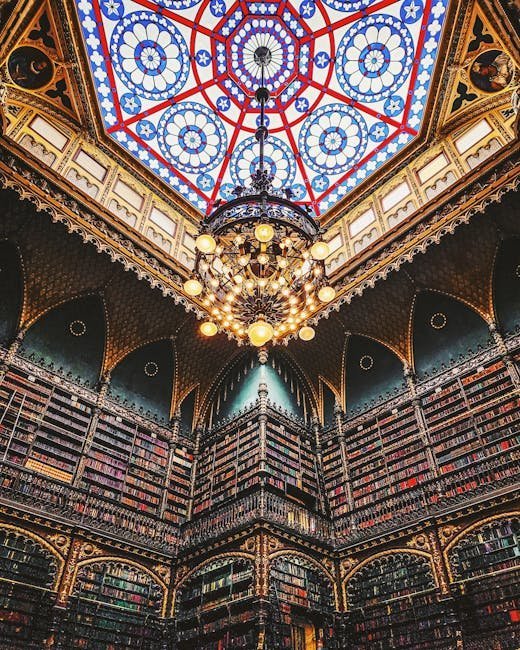
Neo-Manueline design echoes Portugal’s Jerónimos Monastery, with carved oak galleries, statues of explorers, and a massive chandelier. Ornate moldings and a stained-glass skylight create jewel-box intimacy. Four stories rise in intricate detail.[1]
Founded in 1837 by immigrants, it boasts the largest Portuguese literature collection outside Portugal, over 350,000 volumes including rarities. Time magazine ranked it among the world’s most beautiful. It celebrates discovery and language, a cultural anchor in Brazil’s vibrant heart.[2]
9. Wiblingen Abbey Library
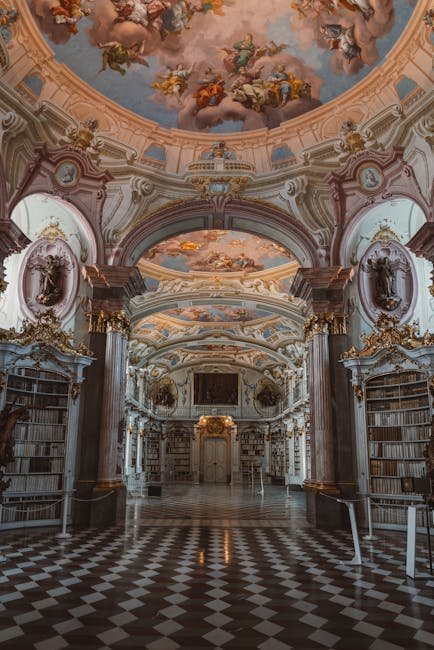
Late Baroque meets Rococo with vibrant red and blue marble columns, balconies, and balustrades, all gilded to perfection. Ornate frescoes and stuccoes overwhelm in the best way, framing rare books dramatically. It’s like a palace for pages.
From a 1093 Benedictine abbey, the early 18th-century library holds over 15,000 treasures. It embodies Enlightenment pursuit of wisdom, hosting events amid its splendor. This gem near Ulm draws admirers for its artistic and literary fusion.[2]
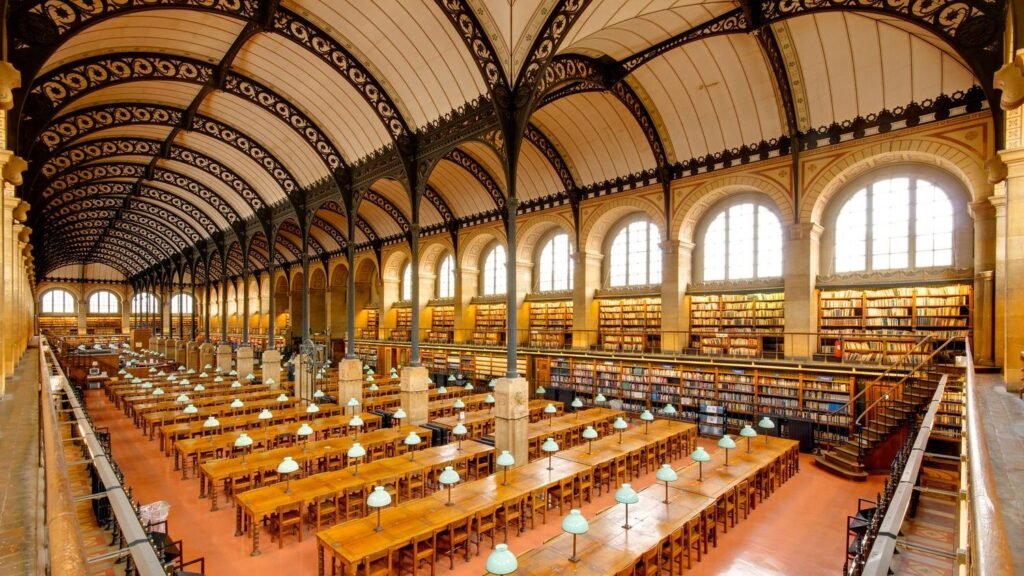
10. Sainte-Geneviève Library, Paris
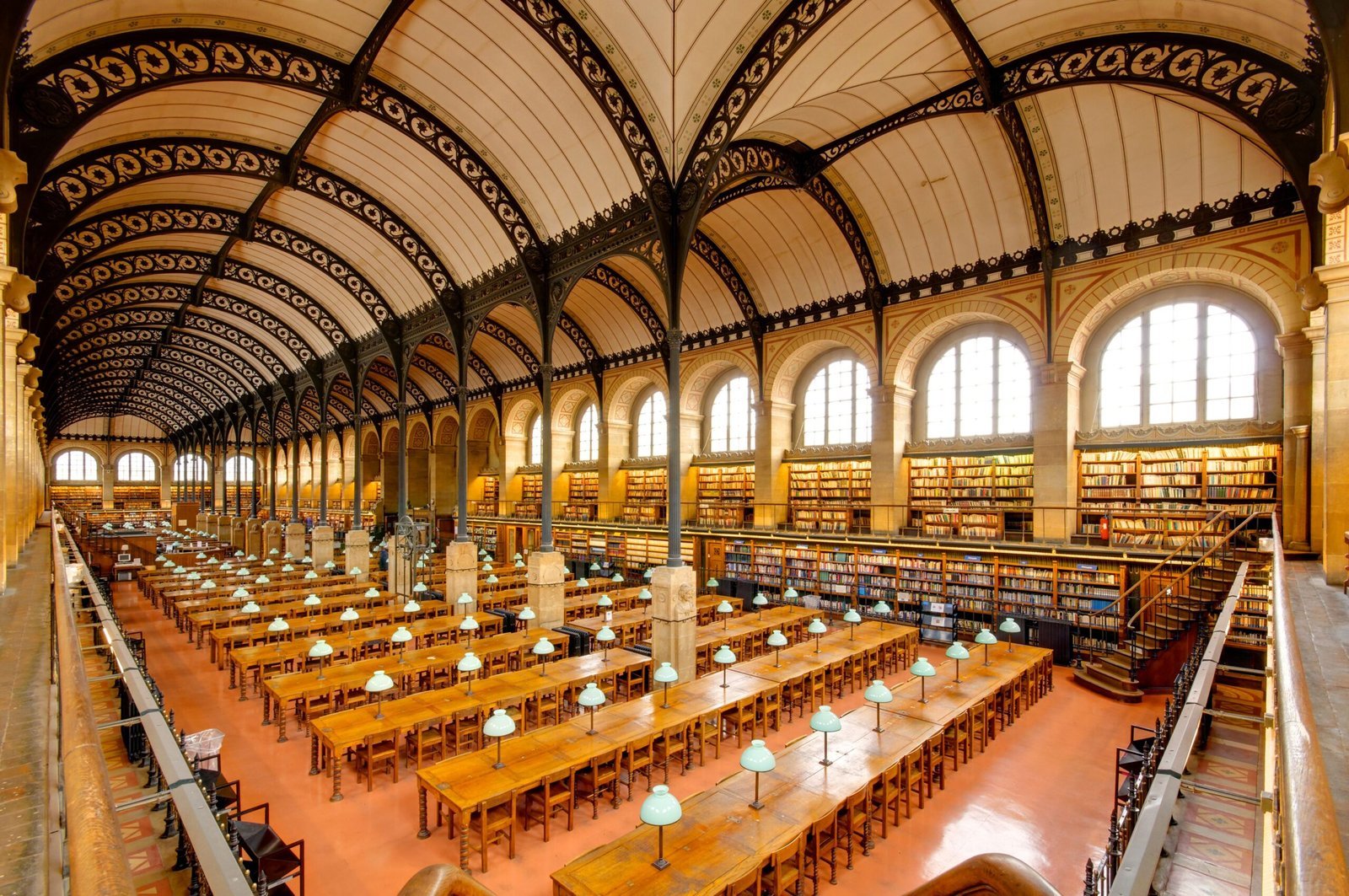
19th-century innovation shines with a double-barreled roof on slim iron columns and lattice metalwork ceiling. The vast open space feels airy, revolutionary for its time. Bookshelves climb high, lit by strategic glazing.
Tied to a 6th-century abbey collection, completed in 1851 by Henri Labrouste, it houses millions of documents. A public-university staple, it revolutionized library design with iron’s strength. Paris’s intellectual pulse beats strong here.[2]
Conclusion: Monuments to Learning
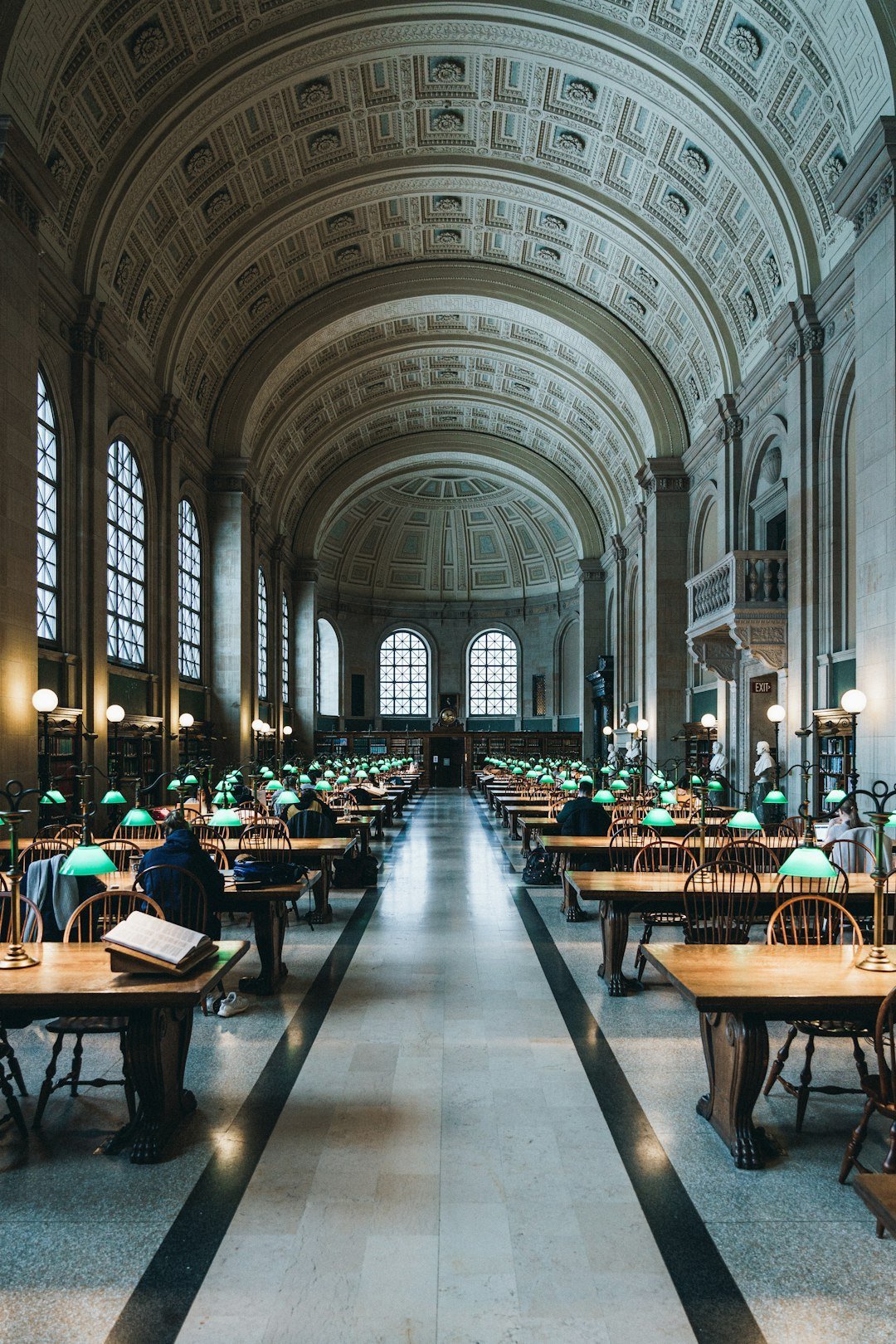
These libraries tower as eternal monuments to human curiosity, their stones and shelves echoing centuries of ideas exchanged. They remind us that true beauty lies in spaces that nurture the mind.
What strikes you most about these architectural gems? Share your favorites below – we’d love to hear.[1][2]
CEO-Co-Founder
