

- 7 Movie Endings That Were Changed at the Last Minute - September 20, 2026
- Why Some Songs Hit Harder at Night - September 20, 2026
- The 20 Authors Who Predicted the Future Without Trying - September 20, 2026
There is something almost magical about watching a great director find their footing. Before the blockbusters, the awards, the cultural footprint – there was a much smaller room, a borrowed camera, and an idea that refused to stay quiet. Early works have a raw, unfiltered quality that mainstream success sometimes sands away. They reveal instincts, obsessions, and the embryonic DNA of a style that would later shake the world.
Honestly, studying the debut films of legendary directors is one of the most fascinating rabbit holes in all of cinema. You start to see the patterns. The same visual logic. The same thematic obsessions. The signatures were always there, even when budgets were measured in pocket change. So prepare yourself, because some of these early stories will genuinely surprise you. Let’s dive in.
1. Steven Spielberg – The Boy Who Terrified the World with a Truck
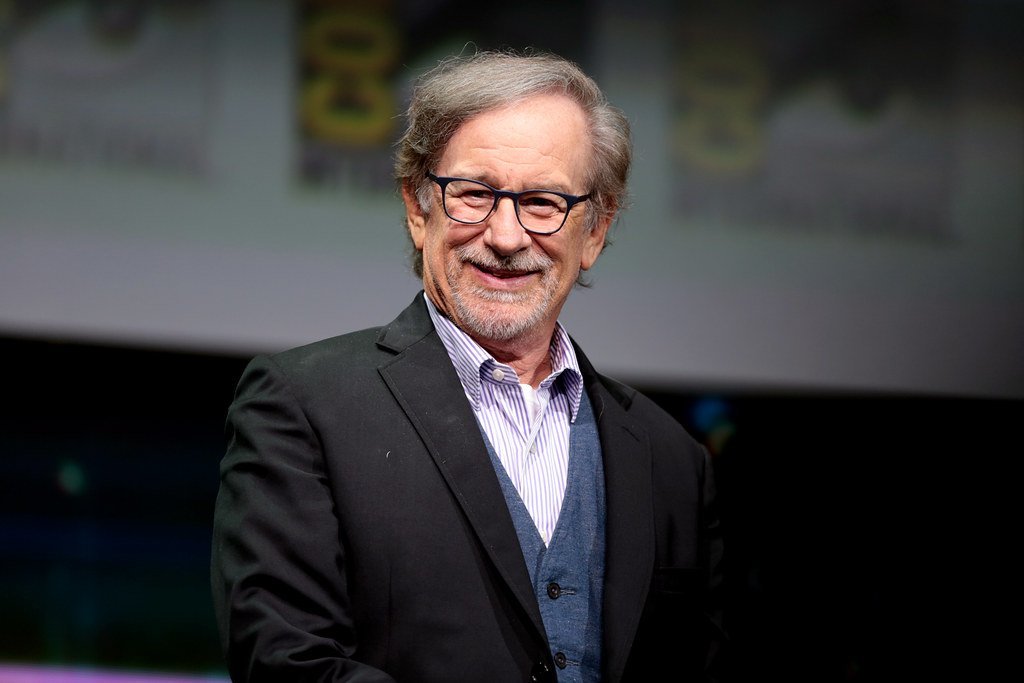
Most people think Jaws was where Spielberg began. It wasn’t, not even close. He began making short films with his father’s 8mm camera when he was just 12 years old. That is not a hobby – that is an obsession. His short film “Amblin” impressed a studio boss so much that Spielberg became the youngest director ever to receive a long-term contract from one of the major Hollywood studios.
The early work that really signals his genius, though, is the 1971 TV movie “Duel.” While Spielberg had directed several episodes of popular TV shows in the late 1960s, “Duel” was his first standalone feature-length film. Though broadcast as a TV movie in the United States, it received a theatrical release in Europe. The entire film consists of a Peterbilt 281 tanker, whose driver is never fully in view, attempting to run a terrified traveling salesman off the road. Simple premise, extraordinary tension. He used the environment, the pacing, and the camera angles brilliantly to make the truck itself a terrifying character. The film’s intense action sequences and psychological depth demonstrated his command of the medium.
From the beginning of his career, Spielberg’s shooting style consisted of extreme high and low camera angles, long takes, and handheld cameras – and all of that was already visible in “Duel.” Soon he was allowed to release his first feature film, “Sugarland Express,” in 1974, and then followed a work that founded modern blockbuster cinema: “Jaws.” The path from a truck chase on a desert highway to one of the highest-grossing films ever made is, genuinely, one of cinema’s most thrilling stories.
2. Orson Welles – The 25-Year-Old Who Rewrote the Rulebook
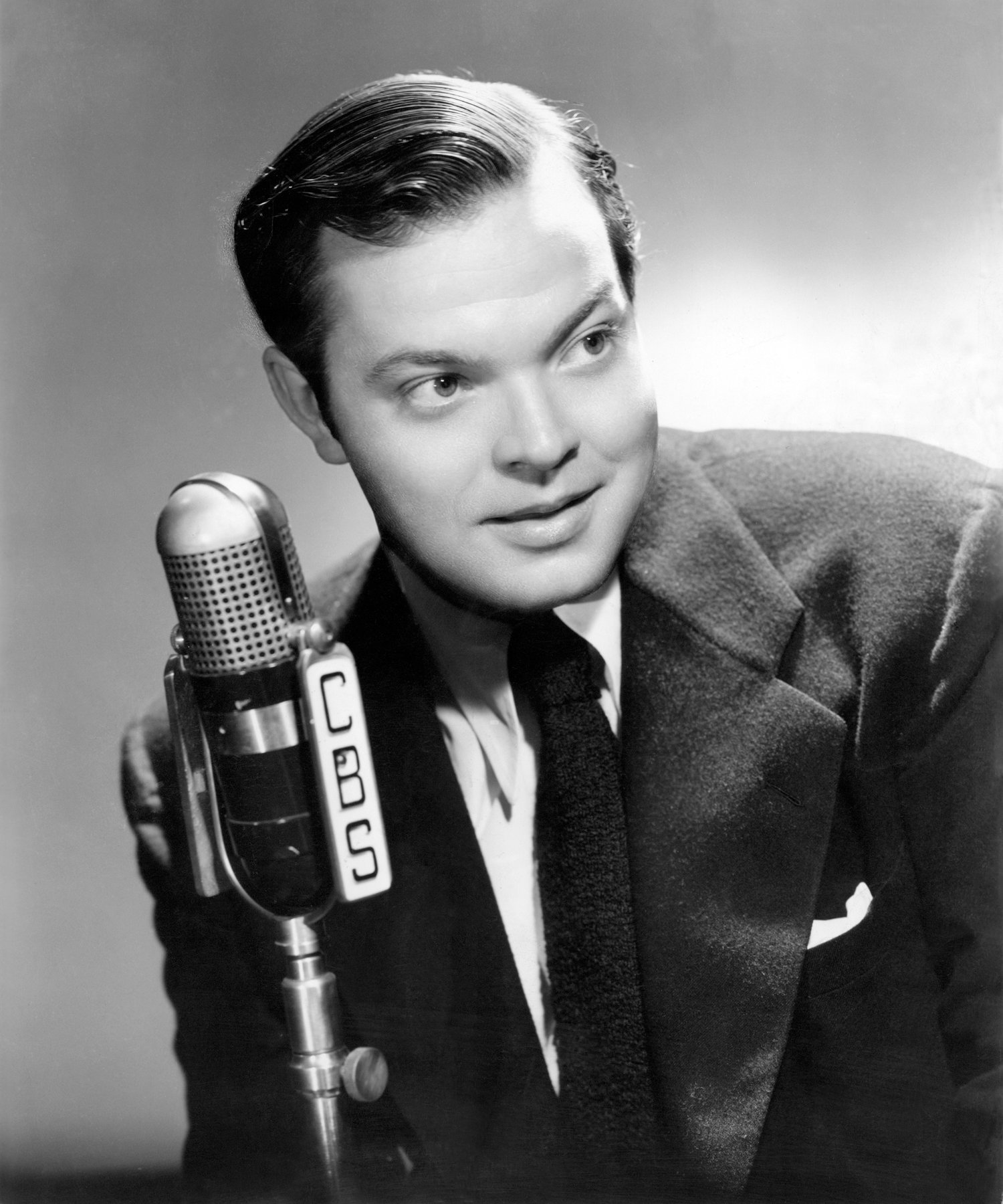
Here’s the thing about Orson Welles: his very first film is widely considered the greatest film ever made. That is an almost absurd fact when you sit with it. At 25, he made his debut film, “Citizen Kane” (1941), which was eventually hailed as a masterpiece and rated one of the greatest films ever made. Welles was given complete artistic control over his first film project, a freedom unheard of at the time.
His distinctive directorial style featured layered and nonlinear narrative forms, dramatic lighting, unusual camera angles, sound techniques borrowed from radio, deep focus shots and long takes. Every one of those tools was deployed to devastating effect in “Citizen Kane.” The film is structured as a mystery, exploring the life of Charles Foster Kane through fragmented narratives provided by various characters, which leaves the audience with unresolved questions about Kane’s true essence. This approach marked a departure from the conventional storytelling methods of the time.
Although “Citizen Kane” was given a limited release, it received overwhelming critical praise. It was voted the best picture of 1941 by the National Board of Review and New York Film Critics Circle. The film garnered nine Academy Award nominations but won only Best Original Screenplay. From 1962 to 2012, it topped the decennial Sight and Sound poll of the Greatest Films of All Time. Welles started at the top, and cinema has been chasing that height ever since.
3. Quentin Tarantino – A Video Store Clerk Who Changed Everything
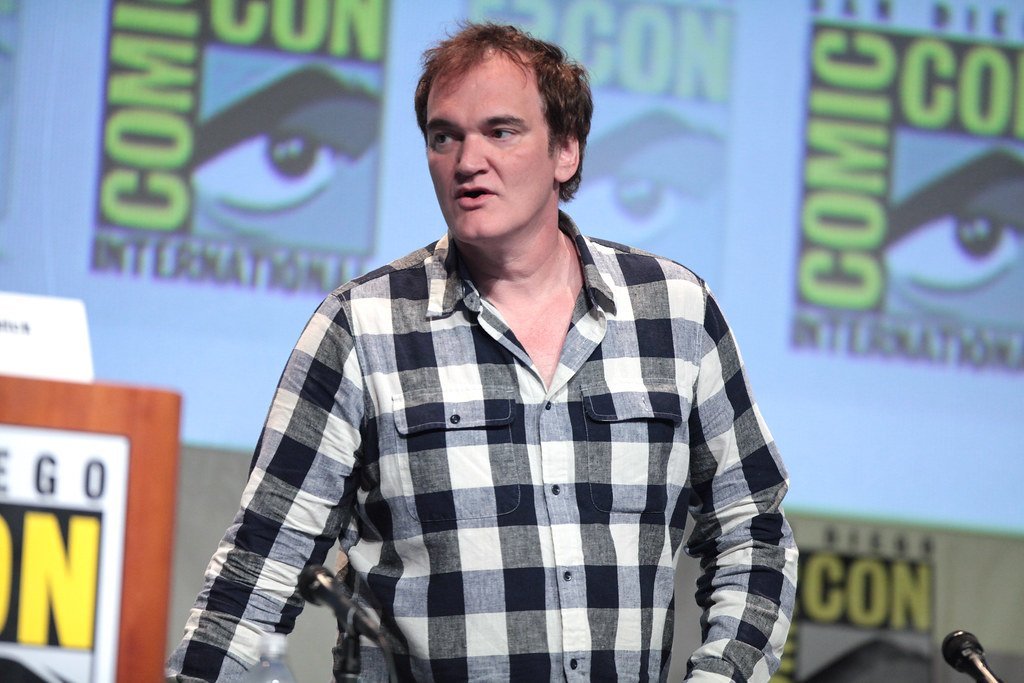
Tarantino never went to film school. He watched films obsessively from behind a video store counter and absorbed decades of cinema like a sponge. He first began his career in the 1980s by directing and writing “Love Birds in Bondage” and writing, directing and starring in the black-and-white “My Best Friend’s Birthday,” an amateur short film which was never officially released. Those early experiments were rough, unpolished, and full of ideas that had nowhere to go yet.
In January of 1992, first-time writer-director Tarantino’s “Reservoir Dogs” appeared at the Sundance Film Festival. The film garnered critical acclaim and the director became a legend immediately. He directed, wrote, and appeared in the violent crime thriller “Reservoir Dogs,” which tells the story of six strangers brought together for a jewelry heist. Proving to be Tarantino’s breakthrough film, it was named the greatest independent film of all time by Empire.
What followed was equally seismic. His second film, the crime comedy-drama “Pulp Fiction” (1994), was a major success and won numerous awards, including the Cannes Film Festival’s Palme d’Or and the Academy Award for Best Original Screenplay. The DNA of “Reservoir Dogs” – the sharp dialogue, the non-linear structure, the stylized violence – was already fully formed. It was never a fluke. It was a voice.
4. David Lynch – The Man Who Made Surrealism Terrifying
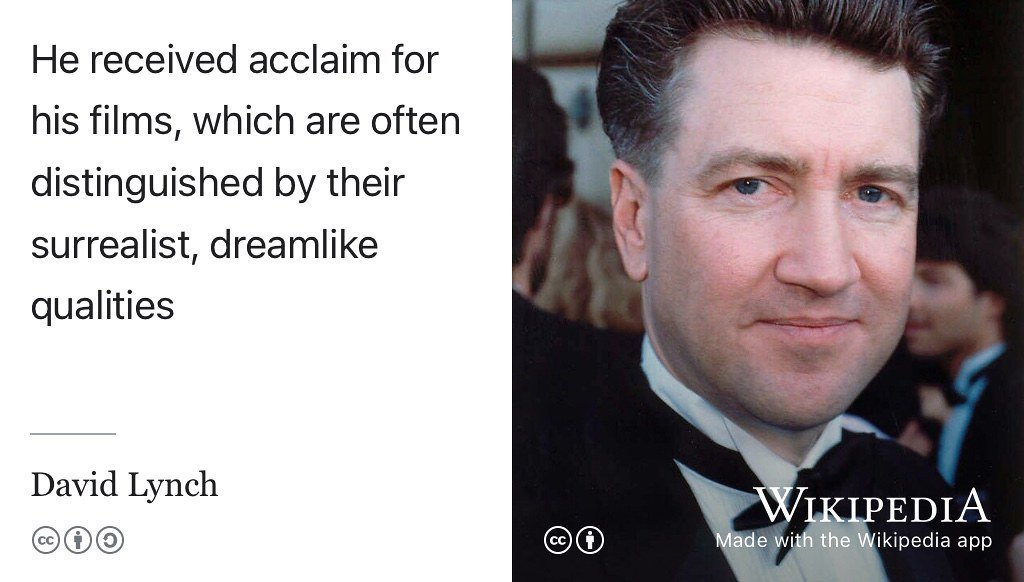
David Lynch spent five years making his debut film. Five years. Think about that patience, that obsession. Eraserhead tells the story of Henry Spencer, who lives in an industrial wasteland, taking care of his severely deformed baby after his wife leaves him. As Henry struggles to adjust to this new reality, he experiences a series of bizarre hallucinations. One of these hallucinations serves as the most iconic image of the film: Henry’s head is removed and used in a factory to manufacture pencil erasers.
The end result was a fever dream of sound and vision in black and white that combined absurdity, surrealism, and horror to create something nobody ever expected. Its industrial sound design, stark imagery, and ominous atmosphere served as the model for Lynch’s distinctive cinematic style. I think that’s what makes “Eraserhead” so important: it was not an attempt to break into Hollywood. It was a fully realized personal universe, projected outward.
Eraserhead is a black-and-white surrealist masterpiece, and his early work stood out so much that filmmakers like Mel Brooks and George Lucas sought Lynch out to direct their projects. Eraserhead spawned one of the most unique and idiosyncratic film careers ever. Lynch’s entire career is a direct line from that industrial wasteland. The furniture was always strange. The logic was always dream-like. It started on day one.
5. Ridley Scott – From Advertising to the Grandest Canvases in Cinema
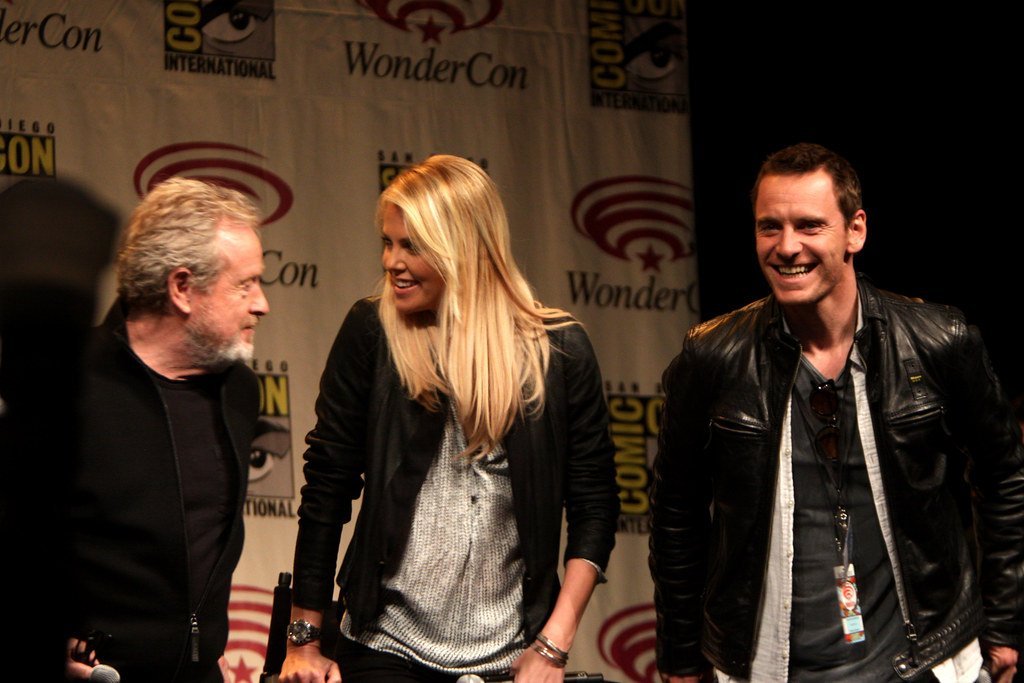
Ridley Scott did his first professional work in commercial television advertising, which became more cinematic in the 1960s and 1970s. That background gave him an extraordinary eye for image composition and atmosphere – essentially skills usually drilled into directors over years of feature filmmaking. He arrived at features already knowing how to make every frame count.
Scott did not direct his first feature film, “The Duellists,” until age 40. His flair for historical storytelling was evident in his first film, “The Duellists,” released in 1977. Based on a short story by Joseph Conrad, it shows many of the features that would characterize Scott’s later works, including his keen eye for action scenes and a powerful, intense humanity.
This movie won the Best Debut Film award at the 1977 Cannes Film Festival. It features Harvey Keitel and Keith Carradine as enemies in Strasbourg in the early 1800s. Praised for its historical accuracy, “The Duellists” marked the beginning of a varied and successful career for Scott, who would go on to make Alien, Thelma and Louise, Blade Runner, and Black Hawk Down. Every one of those later masterworks has the visual heartbeat of that dusty, gorgeous debut.
6. Stanley Kubrick – From Chess Hustler to Cinema’s Most Precise Visionary
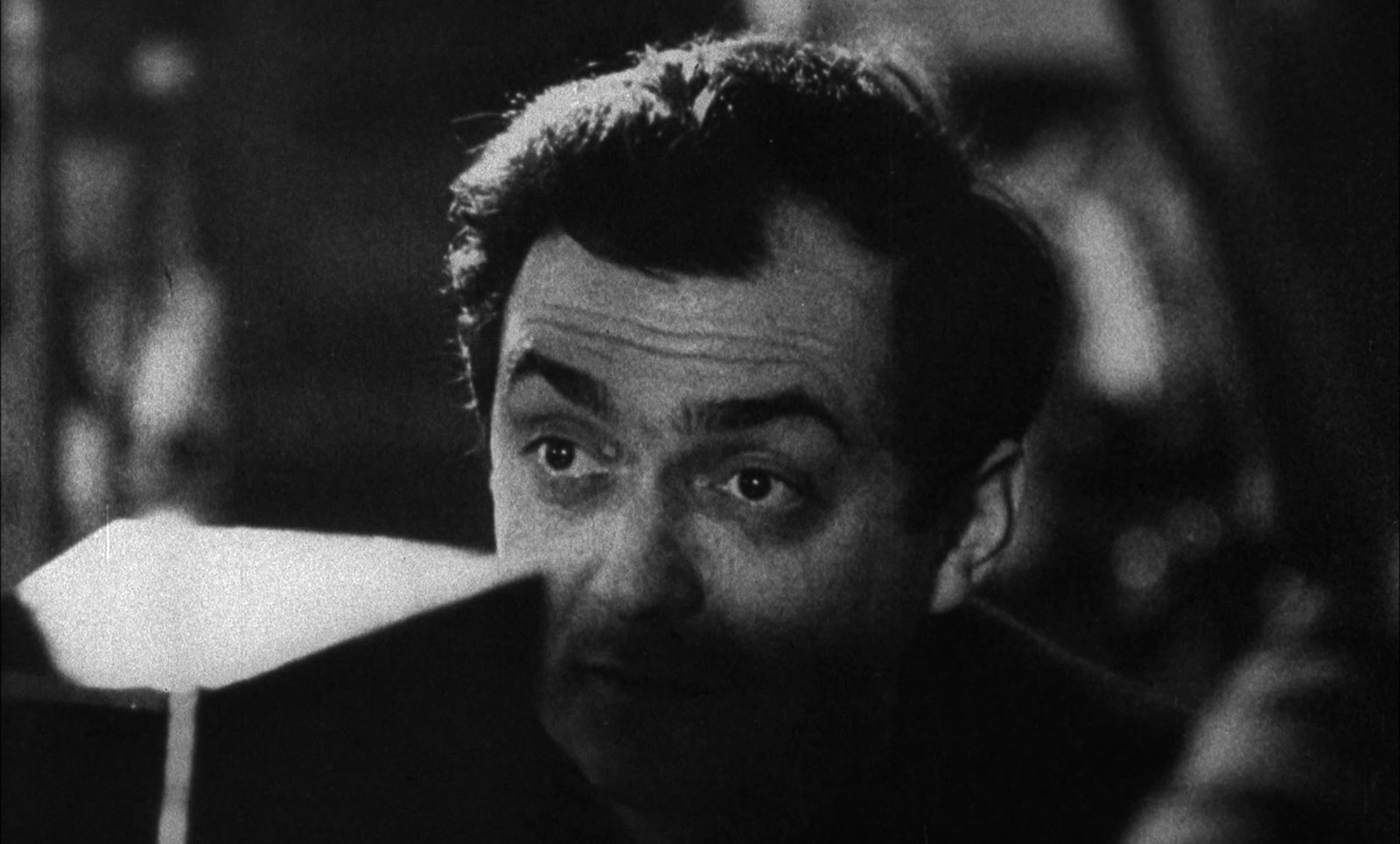
Stanley Kubrick’s route into filmmaking is one of the more unusual ones. Together with friend Alexander Singer, Kubrick planned a move into film, and in 1950 sank his savings into making the documentary “Day of the Fight.” By attracting investors and hustling chess games in Central Park, Kubrick was able to make “Fear and Desire” in 1952 in California. Yes, he hustled chess to fund his first film. That’s the origin story of one of cinema’s most meticulous geniuses.
Kubrick considered “The Killing” to be his first mature feature, after a couple of short warm-ups, with the movie marking his first real foray into major Hollywood filmmaking, coming on the heels of his career as a photographer, his work in short film, and the releases of his first two features, “Fear and Desire” and “Killer’s Kiss.” The quality that stands out most in “The Killing” today is its timelessness. Despite being released nearly 70 years ago in a completely different era of Hollywood, the film has a modern sensibility. It is easy to see the ways in which Kubrick’s third picture influenced the genre it belongs to.
Every obsession Kubrick would carry for the rest of his career was already visible: control, precision, the cold logic of human behavior, the mechanics of a plan falling apart. Later films like “2001: A Space Odyssey,” “The Shining,” and “Full Metal Jacket” are all grown from the same philosophical root.
7. François Truffaut – A Troubled Youth Who Turned Pain Into Art
At just 27, François Truffaut used his own turbulent youth as a subject to transform into the cinematic excellence we know as “The 400 Blows.” The film was shockingly autobiographical for a debut, the kind of move that requires either extraordinary courage or the reckless confidence of youth. Probably both. The movie centers on Antoine Doinel, a resourceful youth misunderstood by everyone because of his rebellious streak. Desperately in search of love and autonomy, Antoine finds solace in movies. In the climax, he escapes to the sea. As he sprints toward it, he looks into the camera, and the film concludes with a freeze-frame of his face, hinting at his isolation and the ambiguity of his future.
Truffaut’s use of natural lighting, handheld camerawork, and location shooting eliminated the constraints of a studio production. Critics praised its raw, intimate narrative and nearly journalistic eye. This was cinematic revolution disguised as personal confession. Its nomination for the Palme d’Or and Truffaut’s win for Best Director at Cannes caused the French New Wave to progress from being a film philosophy to a globally recognized cinema.
A debut that launched an entire movement. Not just a career, a movement. That rarely happens, and it says everything about what Truffaut was expressing in that one small, intimate film about a boy running toward the sea.
8. Sam Raimi – A Michigan Kid Who Terrorized and Redefined Horror
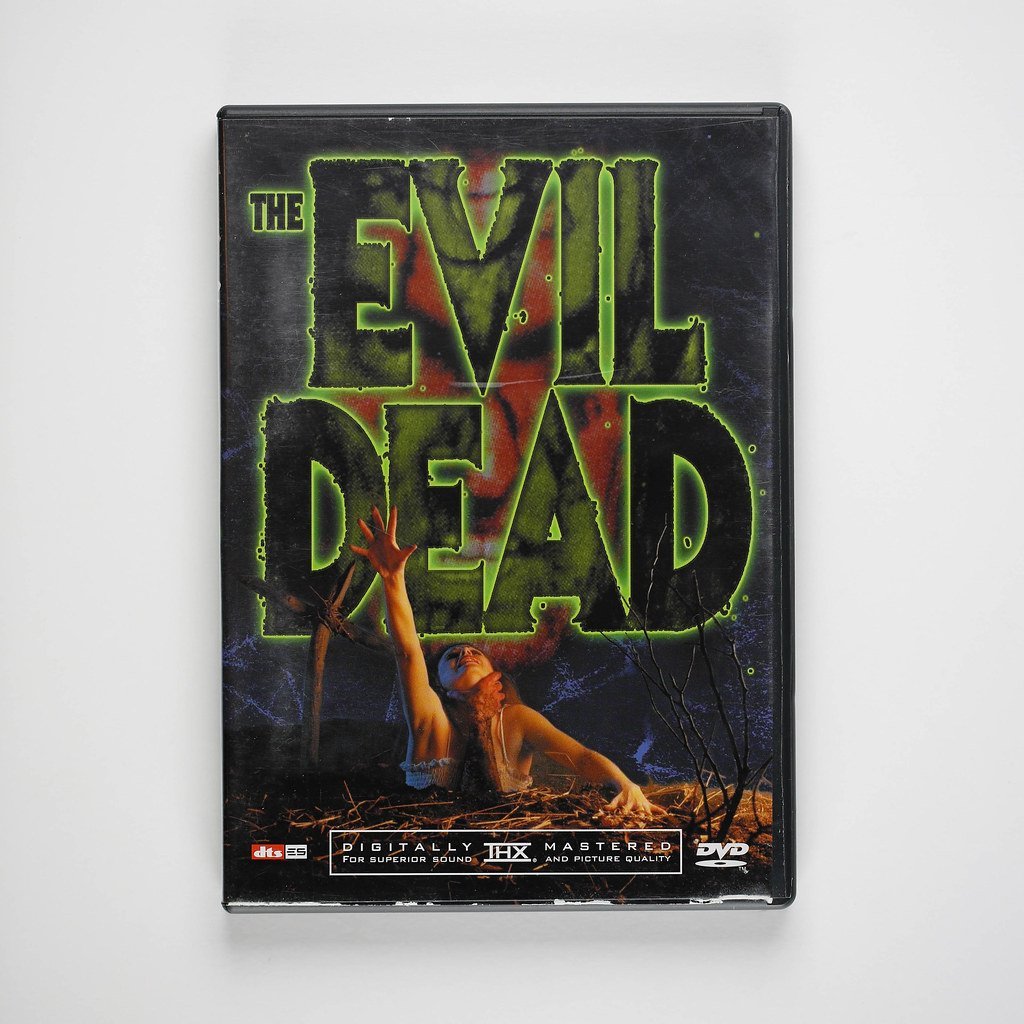
“Sam Raimi has always had an eye for the grotesque and the gory, and he showed that with his directorial debut, “The Evil Dead.” It manages to strike just the right balance between gory schlock and genuine terror. It showed that Raimi definitely had his own unique sense of style, and it helped pave the way for his subsequent career successes, both in the horror genre and beyond. What is remarkable is that “The Evil Dead” was essentially made by a group of friends with near-nothing resources and a clear, shared vision.
Sam Raimi’s work has been monumental for the horror genre, as “The Evil Dead” and its sequels mocked the outrageous nature of horror tropes. In modern horror filmmaking, subversion of genre norms and clichés is common due to Raimi’s influence. Films like “Barbarian” and “Cabin in the Woods” are essential modern horror movies that subvert audience expectations, and their creative philosophies stem from Sam Raimi’s genius directorial debut.
Honestly, it’s hard to overstate how much the DNA of contemporary horror can be traced back to that cabin in the woods. What looked like cheap, gleeful excess was actually a blueprint for how to use genre conventions as a weapon. Raimi understood that before almost anyone else.
9. Christopher Nolan – The Director Who Built a Career on Ten Thousand Dollars
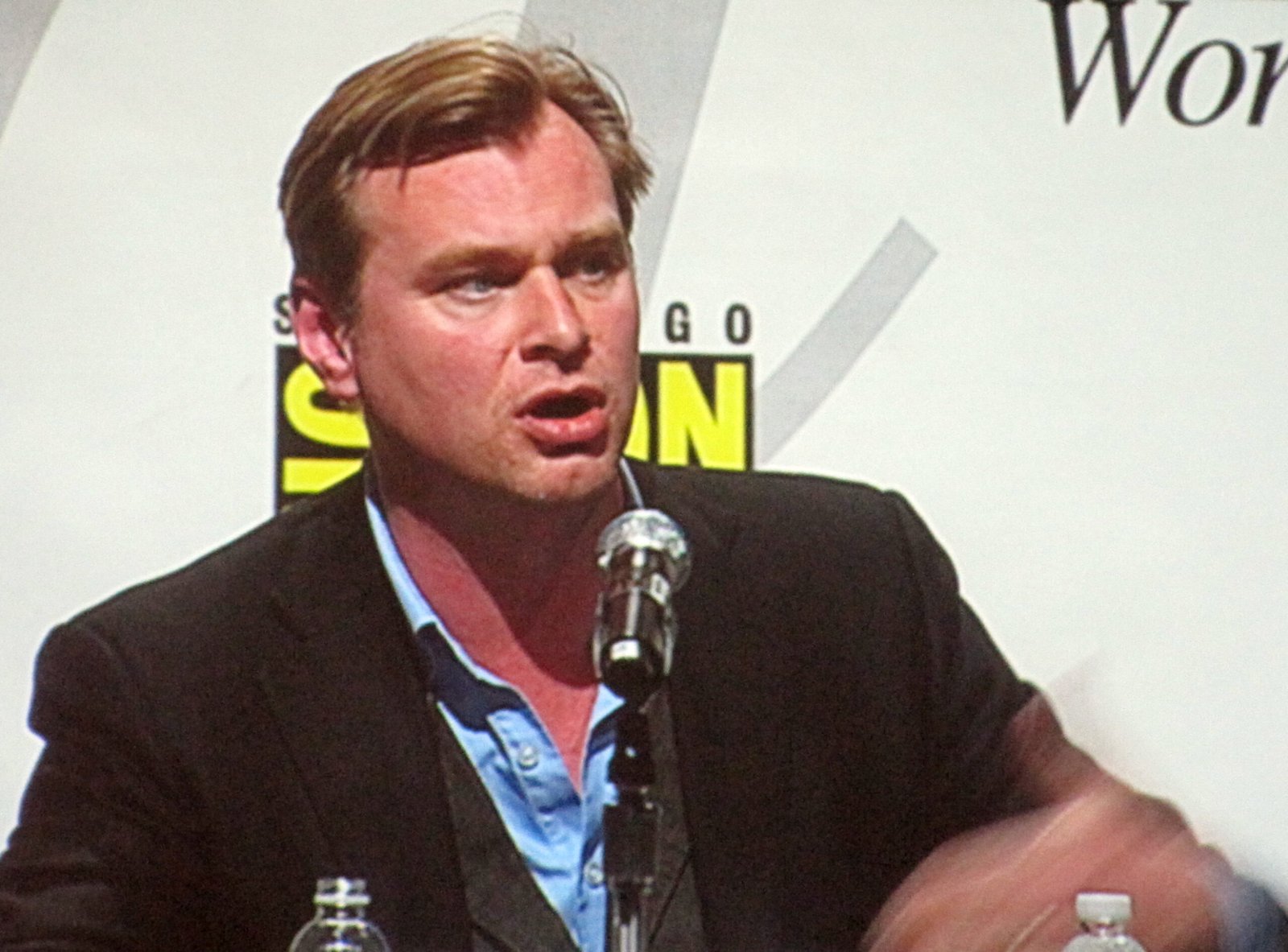
Like others, Nolan was working on an extremely short budget with his first film. He paid for the 16mm film out of his own pocket, and he insisted on extensively rehearsed scenes so as not to require numerous takes. He largely eschewed professional film lighting in favor of whatever light was readily available. That is the founding logic of one of cinema’s most commercially powerful directors today.
“Following” is a black-and-white noir about a writer tailing strangers, shot by Christopher Nolan for $6,000. Its twisty narrative and clever structure show Nolan’s knack for mind-bending stories early on. The film’s DIY vibe, with friends as crew, added raw charm. This lean thriller laid the foundation for Nolan’s blockbuster future. Think about that: the same structural intelligence behind “Inception,” “Memento,” and “Oppenheimer” was already operating in a grainy, low-light film about a man following strangers through London streets.
The movie “Oppenheimer” was a cultural phenomenon that, on top of grossing almost one billion dollars worldwide, swept the 2023 and 2024 award season. The distance between “Following” and “Oppenheimer” is staggering. Yet the mind that constructed them both is unmistakably the same one. That is what makes Nolan’s early work so extraordinary to look back on.
10. Jordan Peele – The Comedian Who Shocked the World with Horror
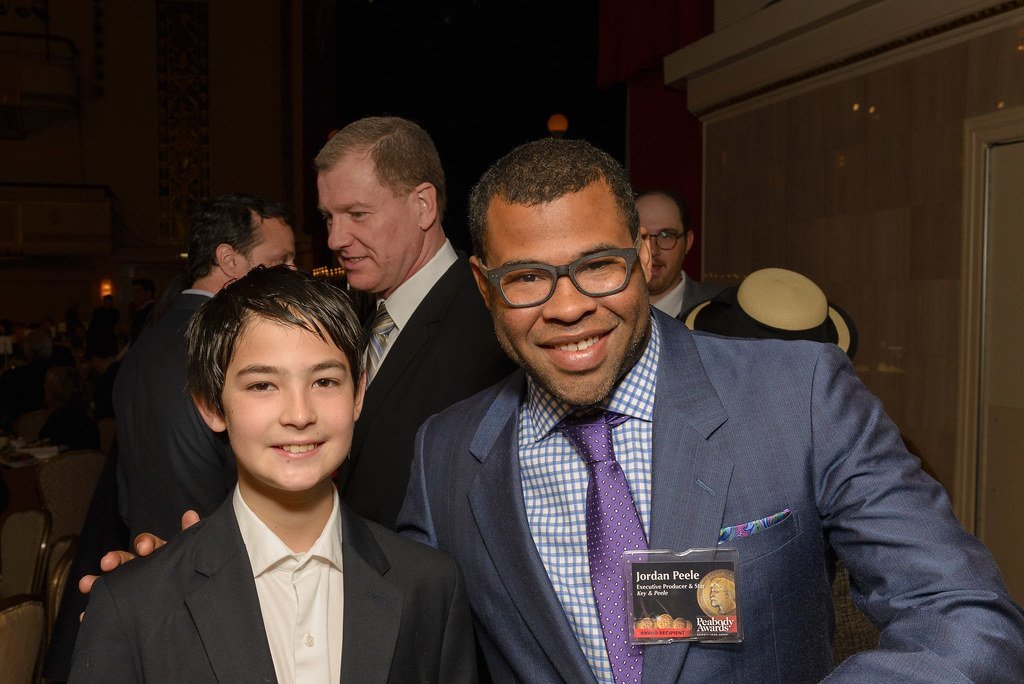
Nobody saw it coming. Jordan Peele spent years being known for sketch comedy, and then he made one of the most culturally impactful horror films of the modern era. With “Get Out,” Jordan Peele demonstrated that he was one of his generation’s most insightful and talented horror filmmakers. In the film, he takes all of the conventions of horror and uses them to examine the pervasive damage and power of White supremacy in the United States.
Its $4.5 million budget yielded $255 million worldwide. Peele won an Oscar for Best Original Screenplay, and his bold vision redefined horror, making race and privilege impossible to ignore. As Peele’s debut, “Get Out” has inspired waves of genre-bending movies, horror and non-horror alike, that mix contemporary social themes. That is an extraordinary legacy for a first film.
It’s the kind of horror film that gets right under the viewer’s skin and stays there, and it achieves that not through cheap tricks but through something much harder to pull off: genuine ideas. Peele showed that a debut film can carry the full weight of a director’s worldview without compromise. That confidence, that clarity of vision from the very first frame, is what separates the truly iconic from everyone else.
The Art of Beginning: What Early Films Tell Us About Greatness
Looking back at these ten directors, a pattern emerges that is hard to ignore. The skills, the obsessions, the aesthetic instincts – they were never really learned in the traditional sense. They were there from the beginning, waiting to be expressed more fully. Whether it was Spielberg terrifying audiences with a truck, Lynch building an entire surrealist universe in five years, or Peele using genre conventions as a social mirror, the earliest works were not warmups. They were declarations.
There is something deeply inspiring about that, particularly in an age where the path to creative recognition can feel impossibly long and steep. Most of these directors started with almost nothing. No budget, no studio backing, sometimes no formal training whatsoever. What they had was an unstoppable need to put something on screen. The resources caught up later. The vision was always the foundation.
Cinema rewards those who have something genuinely personal to say, regardless of the size of the stage. The early works of these legends are proof of that. They are not just stepping stones. They are windows into the minds of artists at their most unfiltered, most revealing, most honest. If you haven’t explored them yet, you’re in for something special. What would you have guessed: that genius announces itself so early, so clearly, and so undeniably?

Besides founding Festivaltopia, Luca is the co founder of trib, an art and fashion collectiv you find on several regional events and online. Also he is part of the management board at HORiZONTE, a group travel provider in Germany.
