


- 20 Iconic Hidden Tracks from the CD Era - September 20, 2026
- 20 Books Written in Secret — and the Stories Behind Them - September 20, 2026
- The 20 Most Underrated Years in Music History - September 20, 2026
There is something almost mysterious about the way certain songs manage to outlive the era that created them. Rock anthems, in particular, have always been more than just music. They have been battle cries, escape routes, and mirrors held up to entire generations. From the Vietnam-era counter culture of the 1970s to the flannel-and-fury attitude of the 1990s, rock anthems have always reflected themes of rebellion, personal expression, and societal changes, serving as a voice for counterculture movements across generations.
Think about it for a moment. You hear four notes from a guitar and suddenly you are 17 again, windows down, the world feeling impossibly large. That is the power these songs hold. These tracks didn’t just entertain – they inspired fashion, language, and cultural movements. They’re woven into the soundtrack of life, played at major events, movies, and even sports arenas. Their timeless appeal proves that rock anthems are more than just songs – they’re cultural touchstones. So, let’s dive into the 15 that stand above all the rest.
1. “Bohemian Rhapsody” by Queen (1975)
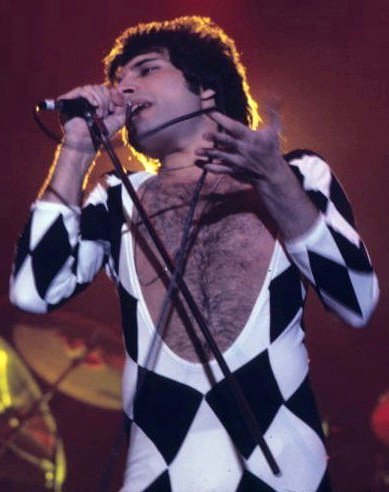
Honestly, few songs in the history of popular music have had the audacity to be this completely, gloriously strange. Clocking in at nearly six minutes, the track defies conventional norms of the era when radio-friendly, three-minute singles dominated the charts. The song’s operatic structure, blending ballad, opera and hard rock elements, was a bold departure from the norm. Recording began in August 1975 at Rockfield Studios in Wales, and the process was as epic as the song itself.
For the grand chorale, the group layered 160 tracks of vocal overdubs using 24-track analogue recording, with Mercury singing the middle register, May the low register, and drummer Roger Taylor the high register. The result was something the music world had simply never heard before. In December 2018, “Bohemian Rhapsody” officially became the most-streamed song from the 20th century, surpassing Nirvana’s “Smells Like Teen Spirit” and Guns N’ Roses’ “Sweet Child O’ Mine,” and also became the most-streamed classic rock song of all time.
The song opened Queen’s celebrated Live Aid set in July 1985 and has remained remarkably popular. In 2004, the song was inducted into the Grammy Hall of Fame, and Mercury’s vocal performance was named by the readers of Rolling Stone magazine as the best in rock history. Later, in 2018, the biographical film “Bohemian Rhapsody” brought the story of Queen and their iconic hit to the big screen. Rami Malek’s portrayal of Freddie Mercury earned him an Academy Award for “Best Actor,” and the movie reignited interest in Queen’s music, introducing it to a new generation.
2. “Stairway to Heaven” by Led Zeppelin (1971)
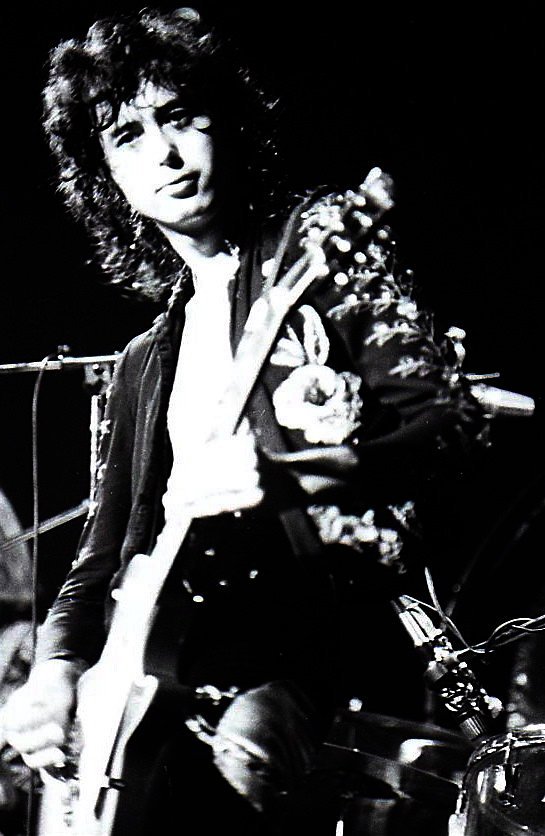
Released on 8 November 1971 on the band’s untitled fourth studio album, “Stairway to Heaven” was composed by guitarist Jimmy Page with lyrics written by lead singer Robert Plant, and is widely regarded as one of the greatest rock songs of all time. What makes it so extraordinary is its architecture. It begins almost like a folk lullaby and ends like a thunderstorm. This build from quiet folk to thunderous rock wasn’t standard in 1971. “Stairway to Heaven” helped pioneer this approach, influencing countless bands to create their own epic songs with dramatic builds.
The most famous rock song of all time was not a chart hit because it was never released as a single to the general public. Radio stations received promotional singles which quickly became collector’s items. Yet it somehow became inescapable. By most measures, it is the most-played song in the history of American FM radio. I think there’s something poetic about a song that never needed to be sold in the traditional sense, yet conquered everything anyway.
In 2004, Rolling Stone magazine put it at number 31 on their list of “The 500 Greatest Songs of All Time.” Guitar World magazine also rated Jimmy Page’s guitar solo the best in its 100 Greatest Guitar Solos in Rock and Roll History. Decades of parody, tribute performances, legal battles, and cultural debate have done nothing to diminish its power. Stairway to Heaven has had a lasting impact on popular music, inspiring generations of musicians and serving as a benchmark for artistic achievement in rock music.
3. “Smells Like Teen Spirit” by Nirvana (1991)
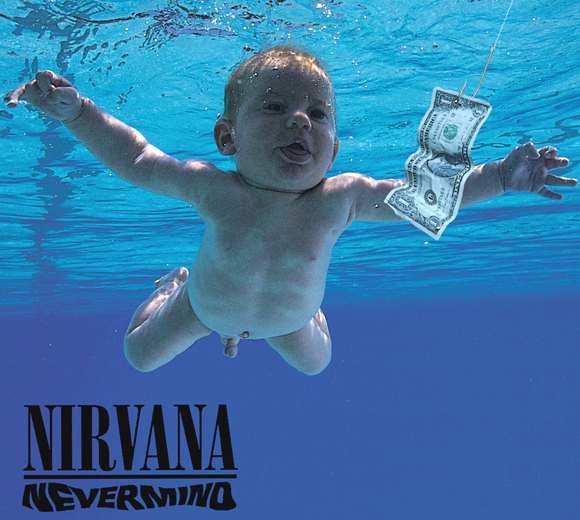
Standing as Nirvana’s breakthrough hit and arguably the most iconic song of the 1990s grunge movement, “Smells Like Teen Spirit” was released as the lead single from “Nevermind” in September 1991, catapulting the Seattle trio from underground favorites to worldwide superstars almost overnight. Its raw intensity, dynamic shifts between quiet verses and explosive choruses, and Kurt Cobain’s cryptic lyrics created a perfect storm that captured the disaffected zeitgeist of Generation X. The timing was everything. Glam metal was fading. The world was hungry for something real.
It marked the beginning of the end for the dominance of hair metal and glam rock, ushering in an era where authenticity and raw emotion were prized above all else. The song also came from a wonderfully bizarre origin. The unusual title came from a chance incident involving Kathleen Hanna, lead singer of the riot grrrl band Bikini Kill. After a night of drinking, Hanna spray-painted “Kurt Smells Like Teen Spirit” on Cobain’s wall. Cobain, unaware that Teen Spirit was actually a brand of deodorant, was struck by the phrase and interpreted it as a revolutionary statement about youth culture.
Having sold over 13 million copies worldwide, it is one of the best-selling songs of all time, and the success propelled “Nevermind” to the top of several album charts, marking the point when grunge entered the mainstream. In January 1992, “Nevermind” replaced pop superstar Michael Jackson’s “Dangerous” at number one on the Billboard 200. That’s not just a chart note. That’s a cultural earthquake.
4. “(I Can’t Get No) Satisfaction” by The Rolling Stones (1965)
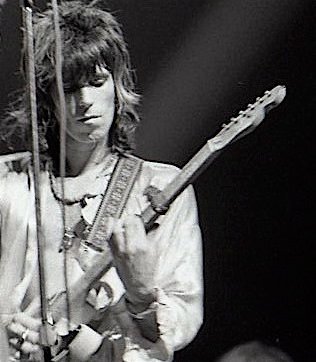
The Stones were already dangerous, but this song turned them into a force of nature. Released in 1965, it arrived at a moment when post-war youth were growing restless, impatient with authority and starving for identity. Songs like “Satisfaction” by The Rolling Stones became anthems of their time. These tracks captured the essence of their decades and made a lasting impact on culture and society. That iconic guitar riff, cooked up by Keith Richards on a portable tape recorder in a Florida hotel room, became the sound of an entire generation’s frustration.
The song’s themes of consumerism, empty promises, and restless desire were almost unsettlingly ahead of their time. With its raw energy, the track captured frustration while igniting passion among listeners, and rock culture influenced society’s outlook on life, making personal expression vital for many fans around the world. Even today, in 2026, the opening riff still hits like a slap in the face, in the best possible way. It’s the kind of song that reminds you why rock music was invented in the first place.
5. “Born to Run” by Bruce Springsteen (1975)

Bruce Springsteen’s “Born to Run” captured the restless spirit of youth in the 1970s. The song’s lyrics about racing down highways, leaving small towns, and chasing dreams spoke to a generation yearning for freedom and escape. Its explosive energy, poetic storytelling, and iconic saxophone solo turned it into a generational anthem. It’s cinematic in the truest sense. You don’t just listen to this song. You feel like you’re living it.
Starting the list of anthems is “Born to Run,” a timeless anthem by legendary American singer-songwriter Bruce Springsteen. The 1975 song captivated audiences with its powerful lyrics and infectious energy, catapulting Springsteen to international stardom. This iconic track is the title song of his third studio album, which is widely regarded as one of the greatest rock albums of all time and marked a turning point in his career. It’s hard to say for sure, but I believe this song captured something universal: the desperate, gorgeous need to escape and become someone.
6. “Purple Haze” by Jimi Hendrix (1967)
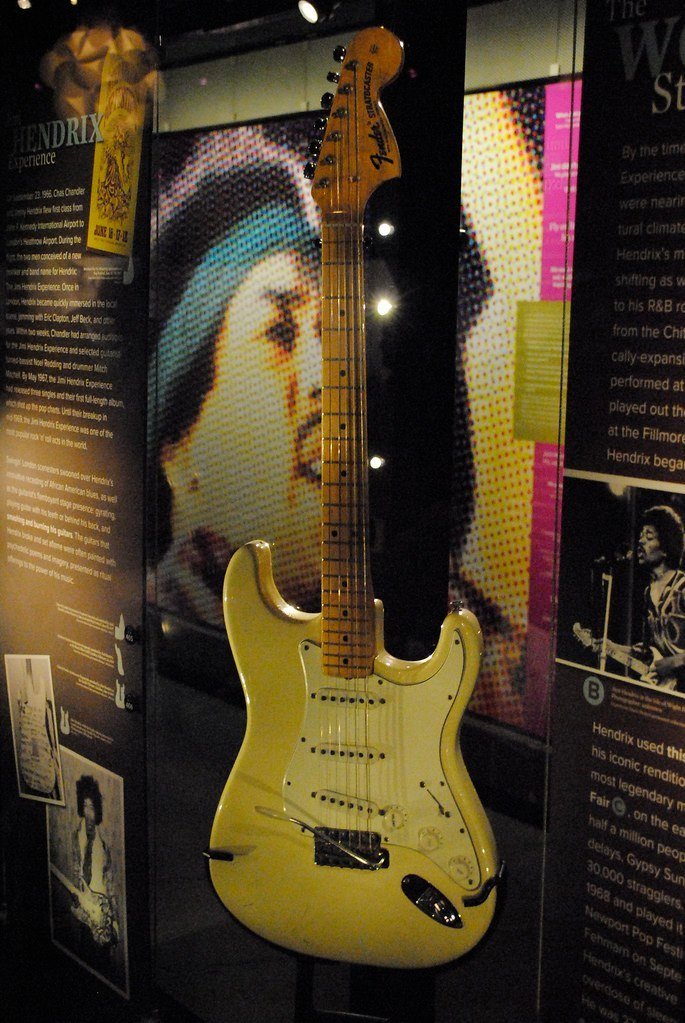
There are guitar riffs that define eras, and then there is the opening to “Purple Haze,” which basically reinvented what the electric guitar was capable of expressing. A psychedelic rock classic, the track pushed the boundaries of guitar music. Its innovative use of feedback and distortion set a new standard for musical experimentation. Hendrix’s electrifying guitar work and enigmatic lyrics created a soundscape that was both mind-bending and profound. Released in 1967, it arrived like a lightning bolt during one of the most turbulent years in American cultural history.
The song’s influence on the rock genre is immeasurable, with its pioneering techniques and artistic vision. “Purple Haze” remains an iconic piece of music history, showcasing Jimi Hendrix’s genius and his lasting impact on rock and roll. Let’s be real: no guitar player before or since has made the instrument sound quite like Hendrix did. Every generation of rock guitarist has had to reckon with this song, and most of them have simply accepted they’ll never fully measure up.
7. “Hotel California” by Eagles (1977)

Eagles’ “Hotel California” is a haunting rock epic that transports listeners to a surreal world of luxury and despair. Its intricate guitar solos and enigmatic lyrics weave a captivating tale of excess and entrapment. The song’s rich textures and haunting melodies create an atmosphere that is both dreamlike and unsettling, leaving a lasting impression. On the surface it’s a song about a California hotel. Beneath that, it’s one of the most chilling dissections of the American Dream ever committed to tape.
The dual guitar outro is, without exaggeration, one of the finest musical moments in rock history. Two guitars weaving around each other in a conversation that doesn’t resolve so much as it simply fades into the dark. Classic rock is more than just a genre, it’s a powerful cultural force that shaped decades of music, fashion, and attitude. These songs highlight the timeless tracks that became anthems for rebellion, freedom, and raw emotion. From thunderous guitar riffs and poetic lyrics to unforgettable choruses, these songs have transcended their eras to become permanent fixtures in the soundtrack of rock history.
8. “London Calling” by The Clash (1979)

Here is a song that actually sounds more urgent in 2026 than it did when it was released. The Clash wrote “London Calling” at the very end of the 1970s, when economic collapse, racial tension, and nuclear anxiety gripped Britain. The song became an anthem of change during a time of social unrest. The band’s message resonated deeply with listeners craving personal expression and storytelling through music. As one of the legendary rock bands, they left a lasting impact on society and culture that defined generations. Today, their tracks remain among the top impactful rock hits celebrated by audiences around the world.
As an anthem for a generation, “London Calling” remains as relevant today as ever, a testament to The Clash’s impact and enduring legacy in the world of music. The raw, almost panicked energy of the track, combined with a surprisingly funky bass line, makes it feel alive in a way that very few punk or post-punk records do. It’s the sound of people who are genuinely scared but playing louder rather than hiding.
9. “Born to Be Wild” by Steppenwolf (1968)

Released in 1968, “Born to Be Wild” is not only one of the most famous classic rock songs, but also the track that introduced the phrase “heavy metal” to popular culture. With its thunderous energy and rebellious attitude, it became a countercultural anthem after being featured in “Easy Rider” and remains synonymous with biker culture and rock freedom. The film connection is crucial. There is a cinematic power to this song that keeps it alive decades later.
Think of it as shorthand for a particular kind of American freedom. Open road, no rules, no apologies. It’s a simple concept, but Steppenwolf turned it into something almost mythological. The song arrived in the same year as the assassinations of Martin Luther King Jr. and Robert Kennedy, when an entire country was desperately seeking something to hold onto. “Born to Be Wild” gave rebellious youth a highway to race down.
10. “Black Hole Sun” by Soundgarden (1994)

Soundgarden’s “Black Hole Sun” is a testament to the decade’s fascination with the strange and the subconscious. With its surreal lyrics and wonderfully psychedelic guitar tones, it’s a track that stands out even in the eclectic tapestry of 90s rock. Chris Cornell’s haunting vocals drift over a dreamlike melody that gradually builds into a truly crushing crescendo. It earned a Grammy and became Soundgarden’s signature hit. Cornell’s voice was something that defied easy categorization. It was too rich for grunge, too raw for stadium rock. It was simply its own thing.
The music video was eerie and unforgettable, featuring those unsettlingly smiling mannequins and dystopian suburbia, cementing the song as a genuine cultural artifact. It captured something specific about mid-90s anxiety: the sense that beneath the manicured surface of suburban life, something dark and unknowable was always humming along. That feeling has never really gone away, which is perhaps why the song still resonates so deeply.
11. “We Will Rock You” by Queen (1977)
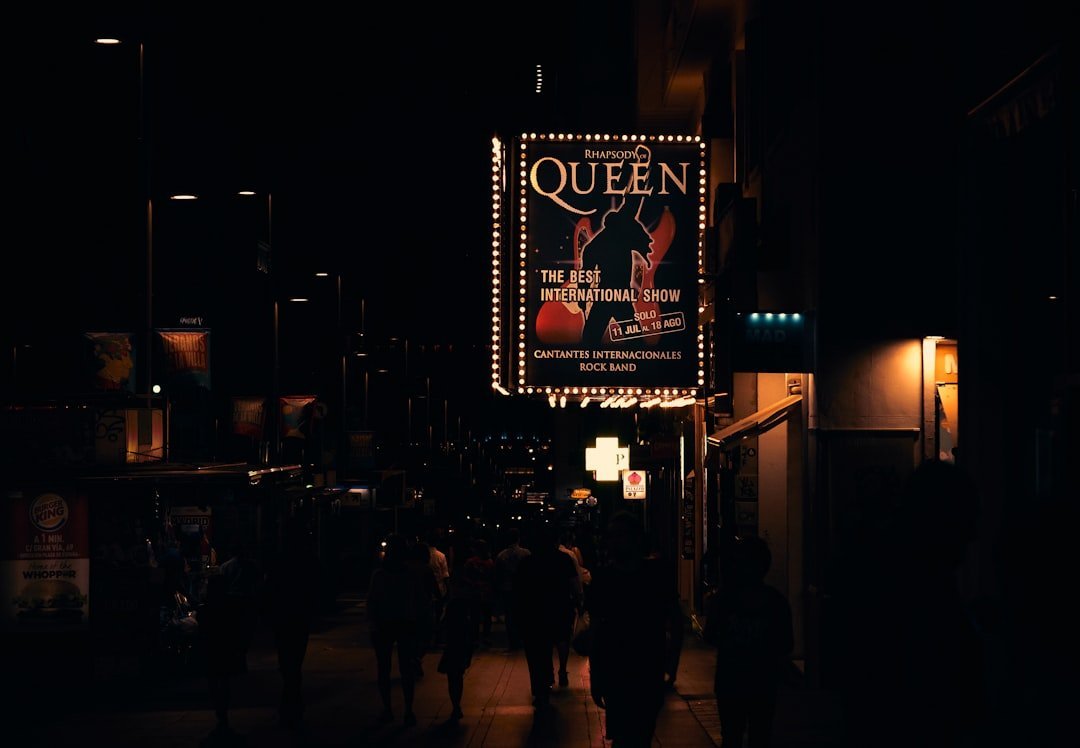
Sometimes the most powerful rock anthems are the ones built on the simplest possible foundation. “We Will Rock You” is essentially two beats, a clap, and a stomp. Then Brian May’s guitar. That’s it. And yet it has become the anthem played at nearly every major sporting event on Earth. The most significant impact of rock anthems has been their ability to inspire and connect people from all walks of life, with stadium crowds singing along to “We Will Rock You” in one of the most universal rock experiences imaginable.
Brian May wrote the song specifically so that an audience could participate without even knowing the words. It was crowd communication as pure design. That instinct was genius. Rock anthems have significantly shaped popular culture, influencing fashion, film, and even politics. From the leather jackets and ripped jeans of the punk movement to the iconic guitar-smashing antics of Jimi Hendrix, rock anthems have helped define what it means to be cool and rebellious. “We Will Rock You” still achieves something no app or algorithm has ever replicated: it makes total strangers feel like one tribe.
12. “Livin’ on a Prayer” by Bon Jovi (1986)
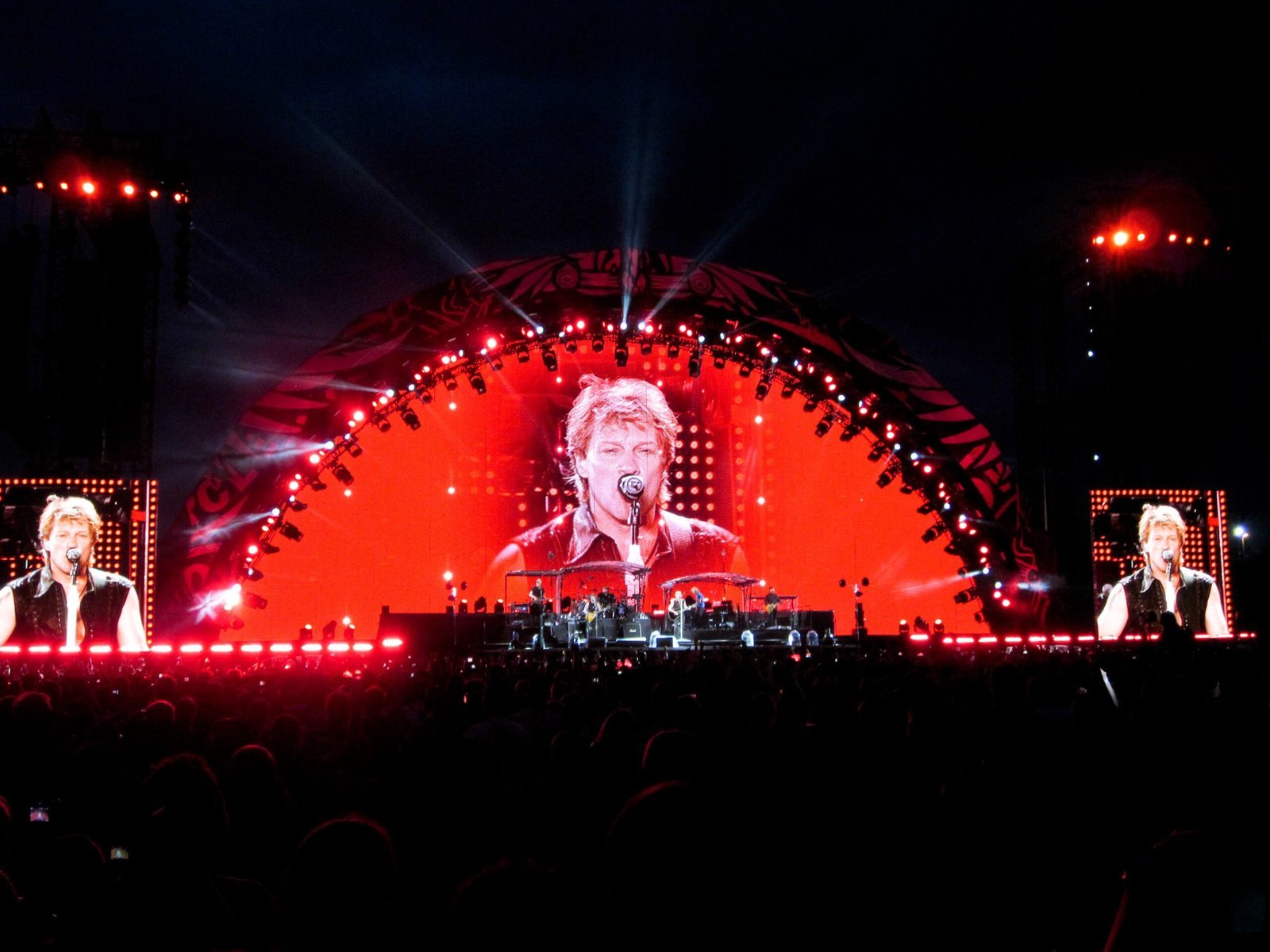
Bon Jovi’s “Livin’ on a Prayer” became the ultimate 80s rock anthem, with its soaring chorus still popular in karaoke today. The story of Tommy and Gina is deceptively simple: two working-class kids hanging on by their fingertips, refusing to let go of each other or their dreams. The message resonated deeply with working-class Americans facing economic uncertainty during the Reagan era. It was the right song for the exact right moment in history.
Jon Bon Jovi’s soaring vocals take listeners on an emotional journey from struggle to triumph. MTV played this video constantly, showing the band’s leather-clad swagger and stadium-ready energy. Radio stations couldn’t get enough either, pushing it to number one on the Billboard Hot 100. Here’s the thing about this song: it shouldn’t feel as timeless as it does. Power ballads were supposed to belong to a specific era. Yet every single year, in stadiums and living rooms and karaoke bars, that moment halfway through the song where everything drops before the final chorus still makes people lose their minds.
13. “Sweet Child O’ Mine” by Guns N’ Roses (1987)

Slash’s opening guitar riff ranks among the most recognizable in rock history, instantly transporting listeners back to 1987. What started as a simple warm-up exercise transformed into a love letter that launched Guns N’ Roses into superstardom. That arpeggio riff was, famously, something Slash played to warm up, never intending it to be a real song. Producer Canned Axl Rose heard it and built something extraordinary around it. Accidents, it turns out, can be magnificent.
Guns N’ Roses’ “Sweet Child O’ Mine” featured one of the most legendary guitar intros and brought a raw emotional edge to rock music. Critics initially dismissed the band as just another hard rock act, but this song proved them spectacularly wrong. It climbed to number one and introduced mainstream audiences to a grittier side of rock. Decades later, its opening notes remain one of the most reliable ways to clear a dance floor and replace it with pure air guitar. That’s cultural staying power in its most joyful, unpretentious form.
14. “My Generation” by The Who (1965)

The Who’s “My Generation” became an anthem of youthful defiance when it was released in 1965. The song captured the spirit of young people refusing to be ignored or dismissed, with the line “Hope I die before I get old” shocking older audiences. Pete Townshend wrote the song from the perspective of a young man who had been mocked for his fashion choices. What emerged was something that transcended fashion entirely, becoming a declaration of generational war.
Roger Daltrey’s deliberate stutter throughout the track was a masterstroke. It gave the song an urgency, an almost uncontrollable energy, as if the words couldn’t get out fast enough. The sheer rawness of it set the template for punk rock a full decade before punk even existed. The songs that have endured represent the heart and soul of classic rock, a genre defined by innovation, rebellion, virtuosity, and cultural impact, and “My Generation” may be the purest distillation of all four qualities at once.
15. “Under the Bridge” by Red Hot Chili Peppers (1992)

This song was a significant departure from their funk-punk roots, showcasing a vulnerability rarely heard in rock at the time. Anthony Kiedis’s lyrics delve into loneliness, addiction, and the isolation of Los Angeles, with a stripped-down arrangement that really highlights his voice and John Frusciante’s delicate guitar work. It humanized the band and propelled them into the mainstream. It’s one of those songs that feels almost too personal, like you’re accidentally reading someone’s diary.
The track proved that rock could be deeply personal and introspective, yet still command massive audiences. There is a specific, aching kind of loneliness that this song captures. Not dramatic, not theatrical. Just quiet and real, the loneliness of someone sitting under a bridge in Los Angeles, feeling invisible. Looking back, it’s incredible how these tracks still resonate. They captured something essential about the era: a blend of angst, rebellion, vulnerability, and pure, unadulterated sonic energy. “Under the Bridge” remains one of the most honest songs rock has ever produced.
The Enduring Magic of Rock Anthems

What these 15 songs share is something that no streaming algorithm could ever manufacture: genuine emotional truth. They were written by people who were angry, in love, afraid, or just impossibly alive, and that energy somehow survived every remix, movie placement, and karaoke rendition. Classic rock is more than just a genre. It’s a powerful cultural force that shaped decades of music, fashion, and attitude. These timeless tracks became anthems for rebellion, freedom, and raw emotion. From thunderous guitar riffs and poetic lyrics to unforgettable choruses, these songs transcended their eras to become permanent fixtures in the soundtrack of rock history.
In 2026, with music more disposable and algorithm-driven than ever, these anthems feel even more precious. They remind us what it sounds like when artists make music without a formula, when they swing for something real and connect. The songs that defined each generation have left an indelible mark on music and culture. They not only reflect the times in which they were created but also inspire future generations of artists. As we continue to explore new sounds and styles, the legacy of these defining tracks will undoubtedly influence the music landscape for years to come.
Rock anthems don’t just age well. They deepen. The more life you live, the more layers you hear in them. Which of these fifteen hits closest to home for you? Tell us in the comments.
CEO-Co-Founder
