

- 20 Forgotten Writers Who Invented Modern Genres - September 21, 2026
- 10 Opening Lines That Were the Author’s Second Choice - September 21, 2026
- The 20 Quietest Songs That Leave the Loudest Impression - September 21, 2026
Indigenous storytelling has always been a lifeline for Native American communities. These tales, passed down through generations, weave together the threads of culture, identity, and history in ways that no textbook ever could. They capture the resilience of peoples who have faced unimaginable challenges yet continue to thrive.
From ancient oral traditions to modern novels, these stories challenge stereotypes and invite readers into profound worlds. Let’s dive into ten standout books that every reader should explore.[1][2]
1. House Made of Dawn by N. Scott Momaday
N. Scott Momaday, a Kiowa author and the first Native American to win the Pulitzer Prize for Fiction in 1969, crafts a poignant tale in this groundbreaking novel. It follows Abel, a World War II veteran returning to his Jemez Pueblo home, grappling with alienation, alcoholism, and cultural disconnection. Through vivid landscapes and spiritual rituals, Momaday explores the struggle for identity amid clashing worlds.[1]
The book’s cultural significance lies in its revival of Native literary voices, blending myth, memory, and modernity. Themes of belonging, nature’s healing power, and ceremonial traditions resonate deeply. Today, it remains essential for understanding the post-war trauma many Indigenous veterans faced and the enduring strength of heritage.[3]
2. Ceremony by Leslie Marmon Silko
Leslie Marmon Silko, a Laguna Pueblo writer, delivers a mesmerizing narrative in her 1977 novel about Tayo, another World War II survivor battling “battle fatigue.” Weaving poetry, prose, and folklore, the story confronts witchery – symbolizing destructive forces like war and cultural erasure. Silko masterfully merges timelines, spirits, and reality to depict a quest for wholeness.[1]
Its themes of storytelling’s power, tradition versus modernity, and communal healing hold immense cultural weight for Pueblo peoples. Ceremony challenges readers to see the interconnectedness of all life. In our time, it speaks urgently to mental health, environmental crises, and the need for cultural revival, making it timeless reading.[4]
3. Love Medicine by Louise Erdrich
Louise Erdrich, an enrolled member of the Turtle Mountain Band of Chippewa Indians, launched her acclaimed series with this 1984 novel. Spanning decades on a North Dakota reservation, it follows interconnected Ojibwe families through love, loss, and betrayal via multiple voices. Erdrich’s lyrical prose captures the chaos of reservation life with humor and heartbreak.[2]
The book highlights themes of family bonds, Catholicism’s clash with Indigenous spirituality, and survival against poverty. Its cultural importance stems from humanizing Native experiences beyond tragedy. Essential today, it reminds us of enduring love and resilience in Indigenous communities facing ongoing marginalization.[5]
4. The Night Watchman by Louise Erdrich
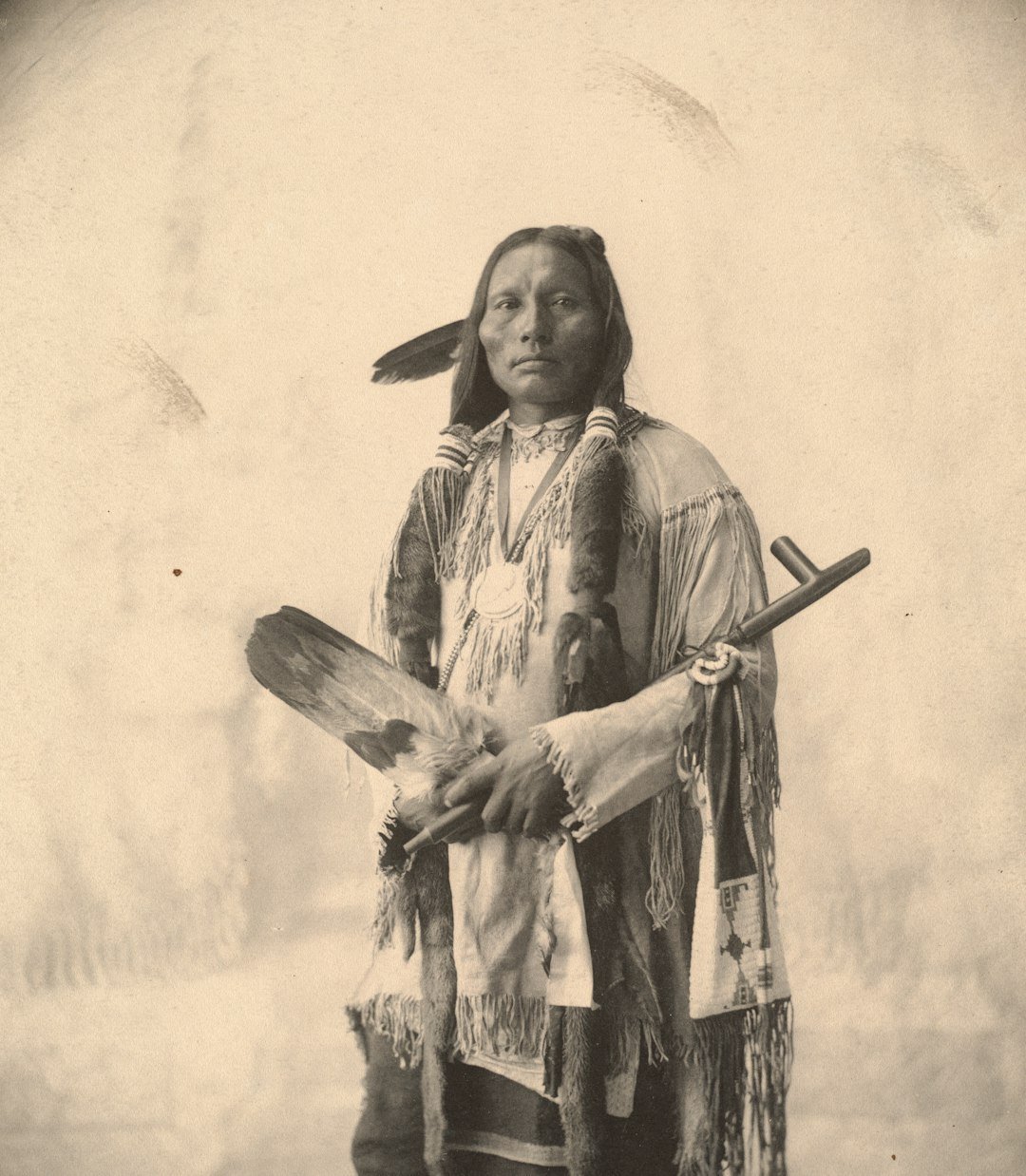
Erdrich draws from her grandfather’s life in this 2020 Pulitzer winner, set in 1950s North Dakota. Thomas Wazhashk, a Chippewa night watchman, fights federal termination policies threatening his tribe. Interwoven stories of romance, mystery, and activism paint a vivid portrait of resistance.[2]
Themes of sovereignty, labor, and women’s strength underscore its significance to Ojibwe history. It exposes forgotten government assaults on Native lands. Readers today find it vital for grasping persistent fights for tribal rights and the quiet heroism in everyday Indigenous lives.[6]
5. There There by Tommy Orange
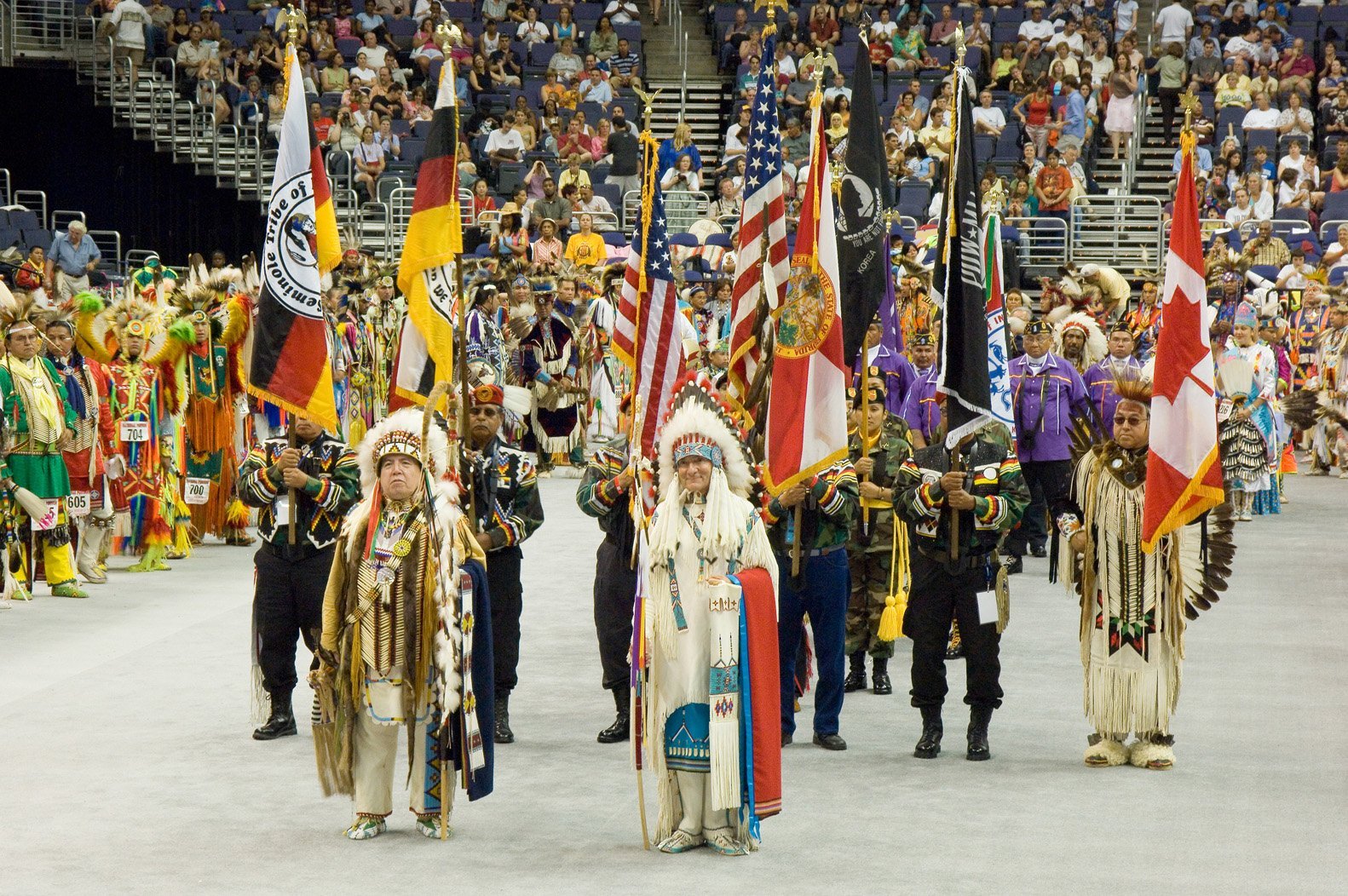
Tommy Orange, an enrolled member of the Cheyenne and Arapaho Tribes, bursts onto the scene with this 2018 debut. Set in Oakland, it tracks urban Native Americans converging at a powwow, each with personal demons from addiction to violence. The polyphonic structure mirrors the complexity of contemporary Indigenous identity.[2]
Challenging the myth of vanishing Natives, it delves into trauma’s generational echoes and urban disconnection. Culturally, it redefines “Indianness” in cities. Essential now, as more Natives live off-reservation, it sparks vital conversations on belonging in modern America.[5]
6. The Round House by Louise Erdrich
In this 2012 National Book Award winner, Erdrich centers on Joe, a 13-year-old Ojibwe boy seeking justice after his mother’s assault on their North Dakota reservation. Legal loopholes expose jurisdictional nightmares for Native victims. The coming-of-age tale blends mystery, humor, and rage.[2]
Themes of violence against women, tribal law, and father-son bonds highlight systemic failures. Its cultural punch lies in amplifying #MMIW awareness. Today, it remains crucial amid ongoing violence epidemics and justice reforms in Indian Country.[5]
7. The Absolutely True Diary of a Part-Time Indian by Sherman Alexie
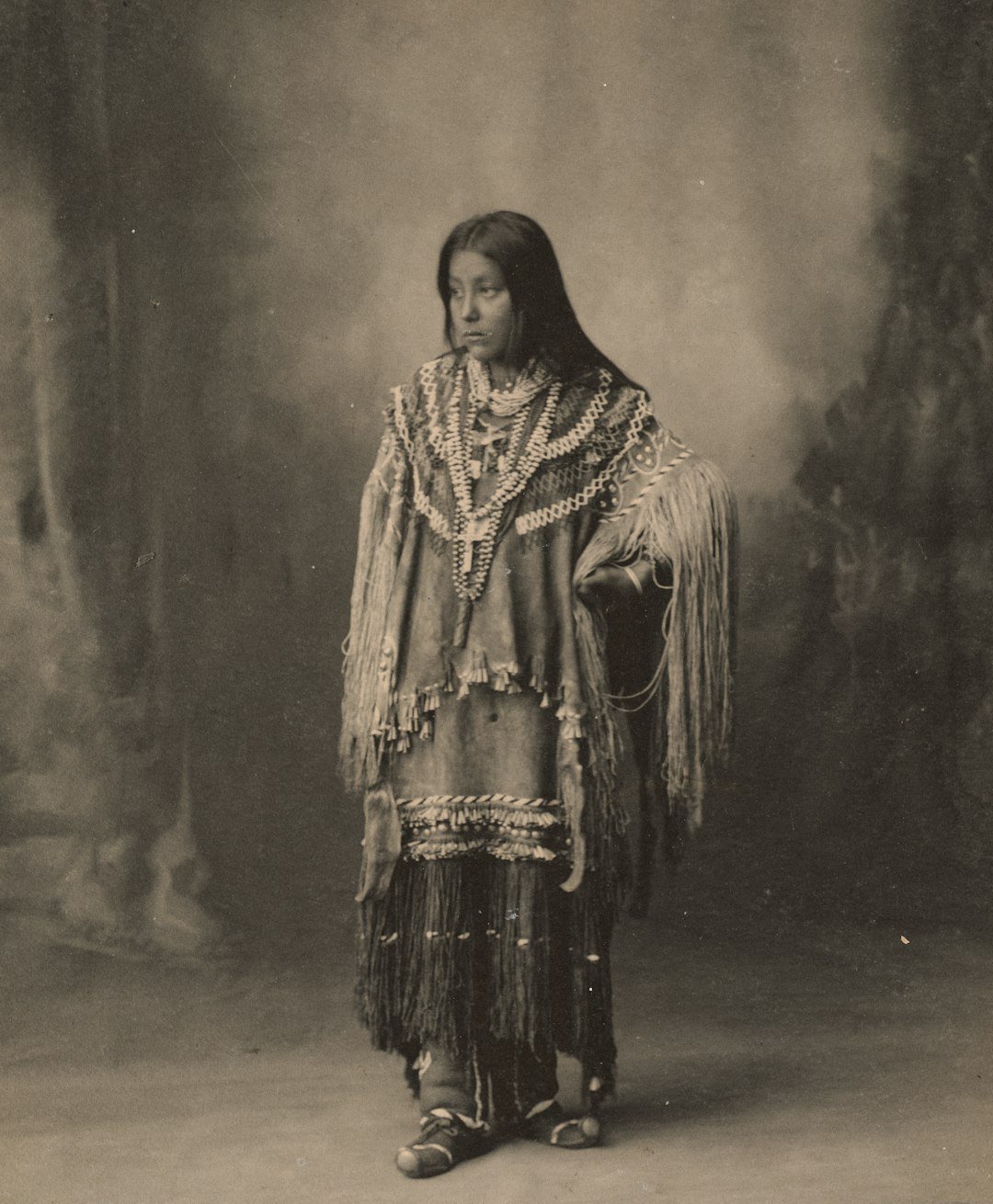
Sherman Alexie, Spokane-Coeur d’Alene, penned this semi-autobiographical YA novel in 2007. Junior leaves his reservation school for a better one off-res, facing poverty, bullying, and loss. Cartoon illustrations add raw humor to the pain.[2]
Exploring ambition, friendship, and escaping cycles of despair, it resonates with reservation realities. Culturally, it demystifies Native youth struggles. Still essential, it inspires readers to chase dreams despite odds, though Alexie’s controversies add layers to its legacy.[5]
8. Winter in the Blood by James Welch
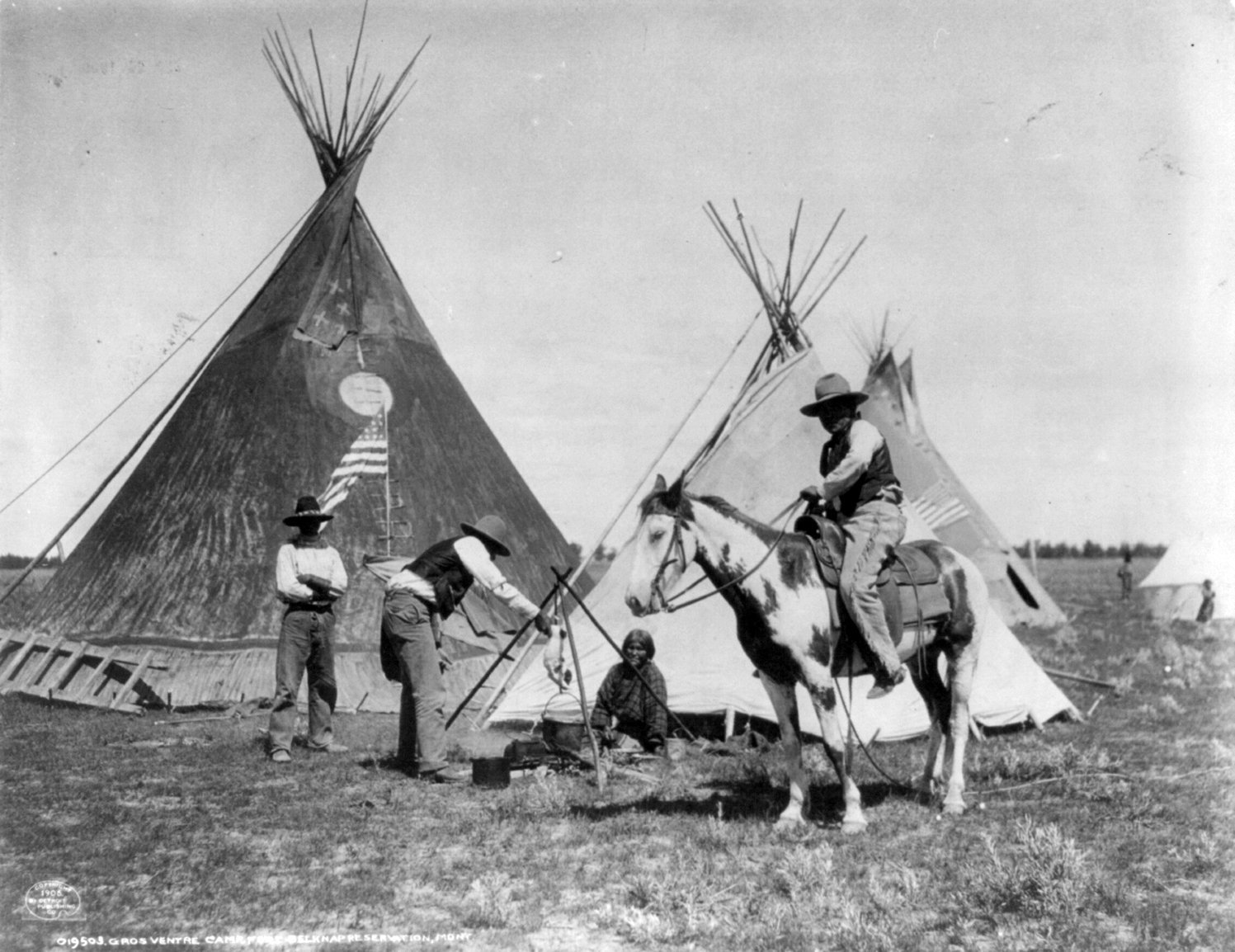
James Welch, Blackfeet-Gros Ventre, wrote this sparse 1974 debut about an unnamed narrator on a Montana reservation. Adrift in grief and booze after family deaths, he chases a lost wife amid surreal encounters. Welch’s stark prose evokes profound isolation.[1]
Themes of alienation, memory, and Blackfeet identity critique assimilation’s toll. It paved the way for Native realism. Today, its unflinching look at despair and quiet hope keeps it relevant for discussions on mental health in Indigenous spaces.[1]
9. The Only Good Indians by Stephen Graham Jones
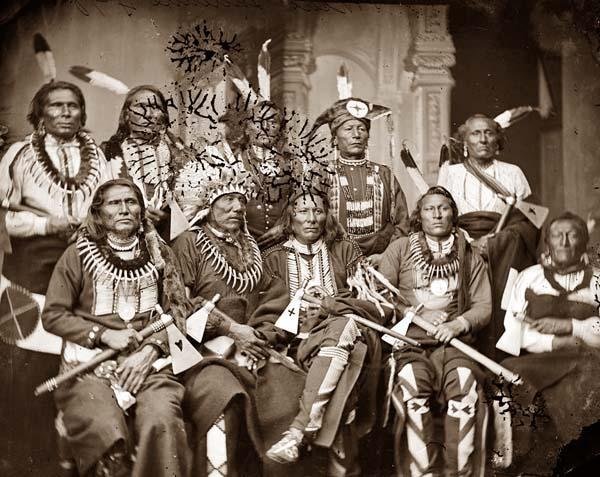
Stephen Graham Jones, Blackfeet, unleashes horror in this 2020 novel. Four Blackfeet men face a vengeful elk spirit from a past hunt gone wrong. Blending slasher tropes with cultural lore, it grips with relentless tension.[2]
Guilt, masculinity, and tradition clash in supernatural fury, signifying generational reckonings. It elevates Native voices in genre fiction. Essential reading now, proving Indigenous stories thrive in horror, confronting stereotypes head-on.[5]
10. Firekeeper’s Daughter by Angeline Boulley
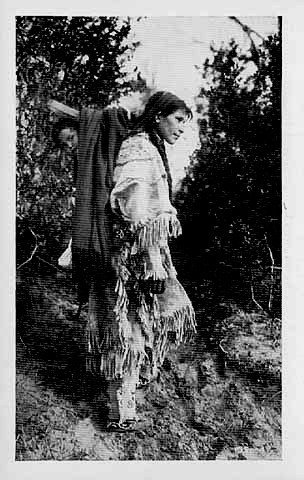
Angeline Boulley, Anishinaabe, debuted with this 2021 thriller. Daunis, biracial Ojibwe, goes undercover after her brother’s murder, navigating FBI intrigue and cultural secrets. Identity and betrayal fuel the pulse-pounding plot.[2]
Themes of heritage, activism, and women’s power spotlight Sault Ste. Marie Tribe life. It breaks barriers for Native YA thrillers. Today, its empowerment message and cultural authenticity make it a must for young readers discovering their roots.[5]
Growing Recognition of Native American Literature
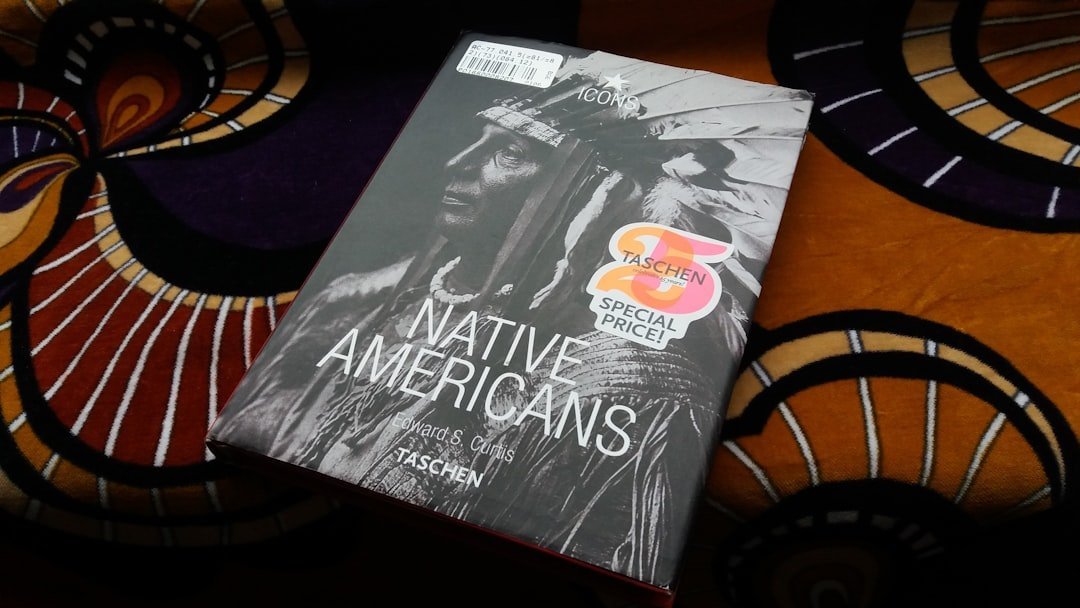
Native American literature surges forward, claiming Pulitzers, bestsellers, and screens. Voices like Erdrich and Orange shatter invisibility, enriching global stories with Indigenous depth. This renaissance honors ancestors while tackling tomorrow’s fights.
Honestly, it’s thrilling to witness. What book will you pick up first? Share in the comments.[2][1]

Besides founding Festivaltopia, Luca is the co founder of trib, an art and fashion collectiv you find on several regional events and online. Also he is part of the management board at HORiZONTE, a group travel provider in Germany.
