

- 20 Books With No Chapters - September 21, 2026
- The Golden Age of Ringtones: How Artists Cashed In and Built Careers in the 2000s - September 21, 2026
- How Pop Song Lengths Have Changed Over the Last Century – And Why - September 21, 2026
There is a rich, living tradition of storytelling woven through the fabric of American literature that too many readers have never encountered. Indigenous voices carry histories, philosophies, grief, humor, and resilience that cannot be found anywhere else on Earth. They challenge us, unsettle us, and sometimes break our hearts wide open in the best possible way.
The Indigenous peoples of what are now the United States and Canada have a rich history of oral tradition and folk literature that dates back thousands of years, and in the 20th and 21st centuries many Native American and First Nations writers emerged to become among the most exciting voices in American and Canadian literature. Yet honestly, mainstream publishing and school curricula have historically kept these voices at the margins. That is changing, slowly but unmistakably.
Native American literature remains highly relevant and important in contemporary society, providing a window into the experiences and cultures of Native American communities, and offering a powerful means of challenging stereotypes and misconceptions, promoting cross-cultural understanding and empathy. The ten below are where you start. Be surprised by what you find.
1. N. Scott Momaday – The Grandfather of Modern Native Literature
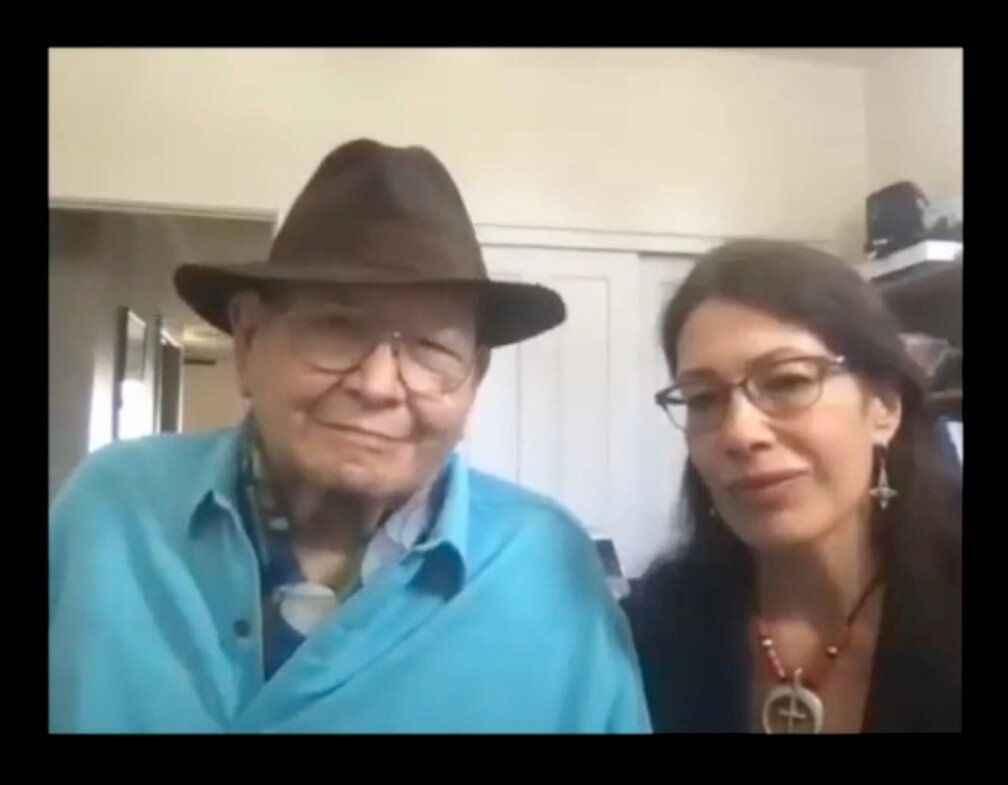
If there is one author who cracked open the door for all Native American writers that followed, it is N. Scott Momaday. His novel House Made of Dawn, published in 1968, is widely credited as leading the way for the breakthrough of Native American literature into the mainstream, and it was awarded the Pulitzer Prize for Fiction in 1969. Think about that for a moment. Before this book, Indigenous fiction was largely invisible to mainstream American audiences.
House Made of Dawn explores the complexities of identity, tradition, and cultural dislocation through the story of Abel, a Native American man navigating between his heritage and contemporary life. The narrative is non-linear, blending memory and symbolism, with emotional resonance stemming from Abel’s experiences on the reservation and in urban settings. The novel illustrates the challenges faced by Indigenous individuals, including the clash between traditional values and modern society, as well as the struggle for personal and cultural identity.
A writer, teacher, artist, and storyteller, Momaday is one of the most celebrated Native American writers of the past century. His novel House Made of Dawn is widely credited with helping Native American writers break into the mainstream, and since then, he has published several more novels, collections of short stories, plays, and poems and has been honored with numerous awards, including a National Medal of Arts. He has been called the dean of American Indian writers, and he influenced other contemporary Native American writers from Paula Gunn Allen to Louise Erdrich.
2. Louise Erdrich – The Architect of a Universe
Louise Erdrich is the kind of author whose work you can live in. At her best, she spins interconnected tales of unforgettable characters, and to read her works is to play an active reader-role within an elaborately structured, historically allusive universe that is rich in layered meaning. Her recurrent themes concern the ties between people and geographical locations, the importance of community among all living beings, the complexities of individual and cultural identity, and the exigencies of marginalization, dispossession, and cultural survival.
Born in Minnesota and raised in North Dakota, Erdrich is the daughter of a German American father and a French Ojibwe mother, and her novels focusing on Native themes have made her one of the most acclaimed contemporary American writers. Many of Erdrich’s novels explore issues of gender, race, religion, and justice. Her novel The Night Watchman was inspired by her maternal grandfather, who served as a tribal chairman of the Turtle Mountain Band of Chippewa. Set in the 1950s, the book centers on a small community of Native people who travel to Washington, D.C., to fight a proposed termination bill, and in 2021 it won the Pulitzer Prize for fiction. That is a career arc that demands your attention.
3. Joy Harjo – The Poet Laureate Who Changed Everything
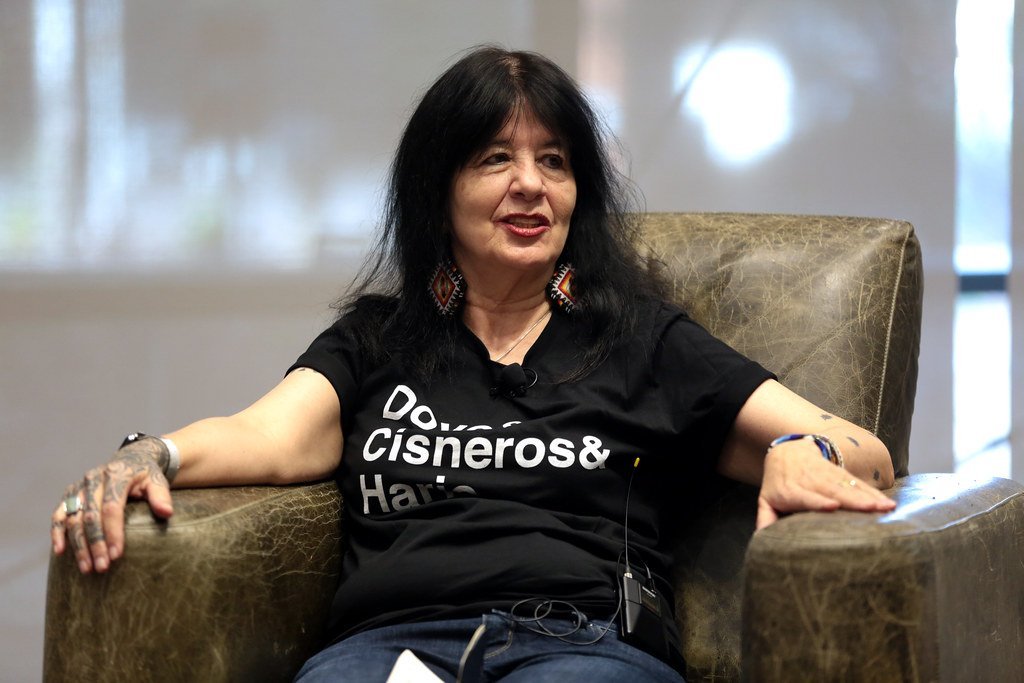
Joy Harjo is, without exaggeration, one of the most important poets in American history. Her work features Native symbolism, imagery, history, and ideas set within a universal context and deals with social and personal issues, particularly feminism. What makes her writing so compelling is its dual nature: deeply rooted in Muscogee Nation tradition, yet radiating outward to touch anyone who has ever felt displaced or searched for belonging.
While Harjo has written memoirs, screenplays, and children’s books, as well as numerous musical works, she is primarily known as a poet who honed her skills at Iowa’s prestigious Writers’ Workshop. Some of her best-known collections include In Mad Love and War, which won the American Book Award and the William Carlos Williams Award, The Woman Who Fell from the Sky, and A Map to the Next World. In 2022 she published Weaving Sundown in a Scarlet Light, a collection of 50 poems to celebrate a half century of her career. Fifty years of extraordinary poetry. Let that sink in.
4. Leslie Marmon Silko – The Storyteller of Ceremony
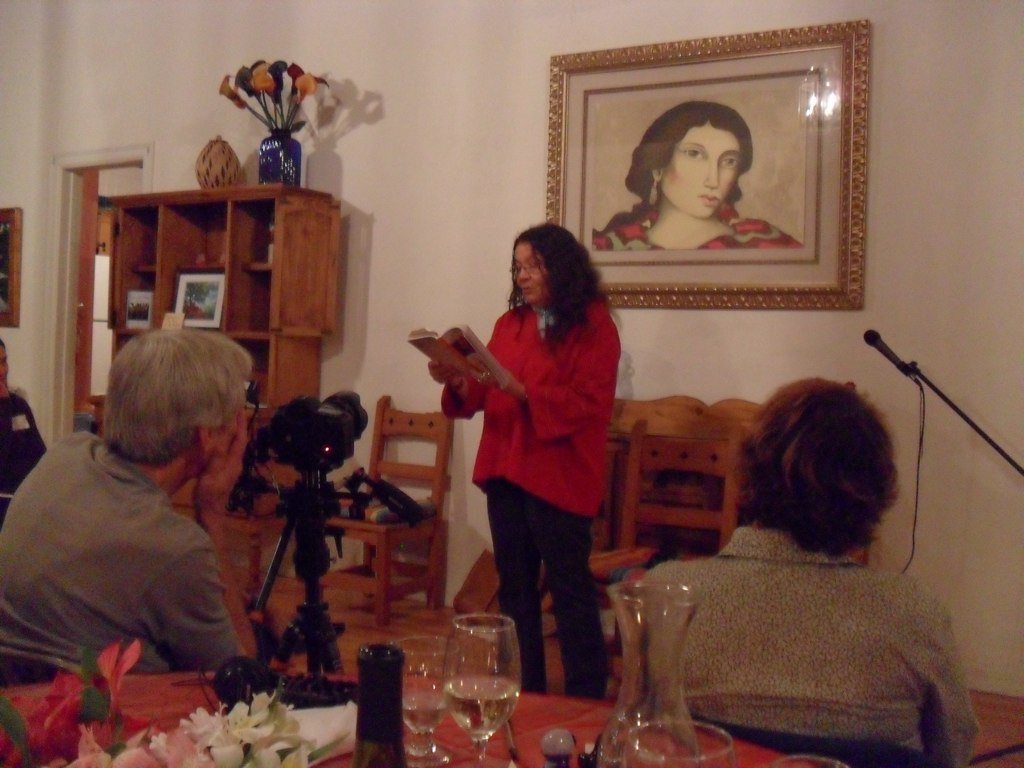
Leslie Marmon Silko is certainly one of the most well-known working today, and she was one of the debut recipients of a MacArthur grant, having been contributing to and shaping Indigenous literature in America since the 1970s. Her prose occupies a strange, beautiful zone between oral tradition and written fiction – like standing at the edge of a canyon and hearing voices in the wind.
Her debut, and arguably most famous novel, Ceremony, follows Tayo, a Native American man who returns to his reservation after WWII and finds both himself and the world he left changed forever. Silko uses a blend of poetry, prose, and white space to tell an unforgettable story. Like much of her work, it is nonlinear and expansive, the kind of book that requires some work to read – work that is absolutely worth it. A poet and novelist of mixed Laguna Pueblo, white, and Mexican ancestry, Silko draws on the stories she heard while growing up on the Laguna reservation in New Mexico.
5. Tommy Orange – The Voice of the Urban Native
Here’s the thing about Tommy Orange: he arrived on the literary scene and immediately rewrote the rules. Orange, an enrolled member of the Cheyenne and Arapaho Tribes of Oklahoma, established himself as one of the leading voices of the new generation of Native writers with his debut novel, There There. The book was a cultural thunderclap.
Orange and his contemporaries seek to separate themselves from predecessors like Sherman Alexie and Louise Erdrich, and he focuses on what he calls the “urban Indian,” exploring issues of identity politics, a sense of belonging, as well as issues including poverty, depression, alcoholism, unemployment, and suicide. His second novel, Wandering Stars, tackles issues of generational trauma and the legacy of colonization, addressing both historical events and places, such as the Sand Creek Massacre and the Carlisle Indian Industrial School. Orange is not just telling stories. He is insisting the world pay attention.
6. Sherman Alexie – The Complicated Genius
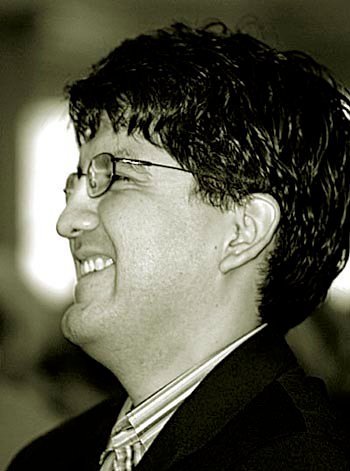
No list of must-read Native authors can ignore Sherman Alexie, even as his legacy has become complicated in recent years. He has authored several novels and collections of poetry and short stories, a number of which have garnered him prestigious awards including a National Book Award. In his work, Alexie draws on his experiences growing up on the Spokane Indian reservation, addressing sometimes difficult themes like despair, poverty, alcoholism, and Native American identity with humor and compassion.
I think what made Alexie so revolutionary was his refusal to make Native suffering solemn and heavy all the time. He could be devastatingly funny and heartbreaking in the same sentence. His generation is heir to the first “Native Renaissance,” which spanned from the 1960s to 1990s, and included the likes of N. Scott Momaday, whose House Made of Dawn won the 1969 Pulitzer Prize for Fiction. In his darkly comic short story collection The Lone Ranger and Tonto Fistfight in Heaven, Alexie depicts the distances between Indians and whites, reservation Indians and urban Indians, men and women, and most poetically, between modern Indians and the traditions of the past.
7. Robin Wall Kimmerer – Science Meets Sacred Knowledge
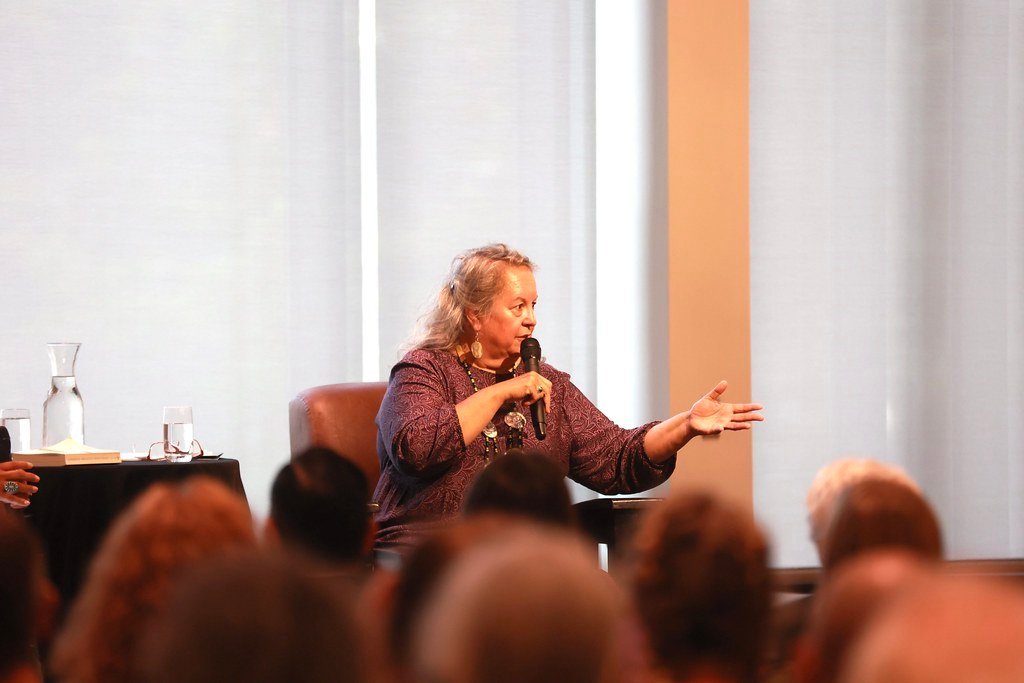
Robin Wall Kimmerer occupies a completely unique space in American literature. She is a botanist and an enrolled member of the Citizen Potawatomi Nation, and her writing braids Western science together with Indigenous philosophy in a way that feels almost miraculous. Kimmerer is a plant ecologist whose academic work and books for a general readership attempt to bring Indigenous knowledge and Western scientific ways of understanding nature into conversation with one another.
In Braiding Sweetgrass, Robin draws deeply from Indigenous knowledge systems, particularly those of her Potawatomi heritage, to articulate an ethic of reciprocity and respect towards the natural world. The book explores the concept of the gift economy, which is central to many Indigenous philosophies and contrasts with capitalist economic models based on commodity exchange. The gift economy is rooted in principles of reciprocity, gratitude, and abundance. It is hard to say for sure, but I believe this is one of those rare books that can genuinely change the way you see everything around you.
8. Vine Deloria Jr. – The Intellectual Warrior
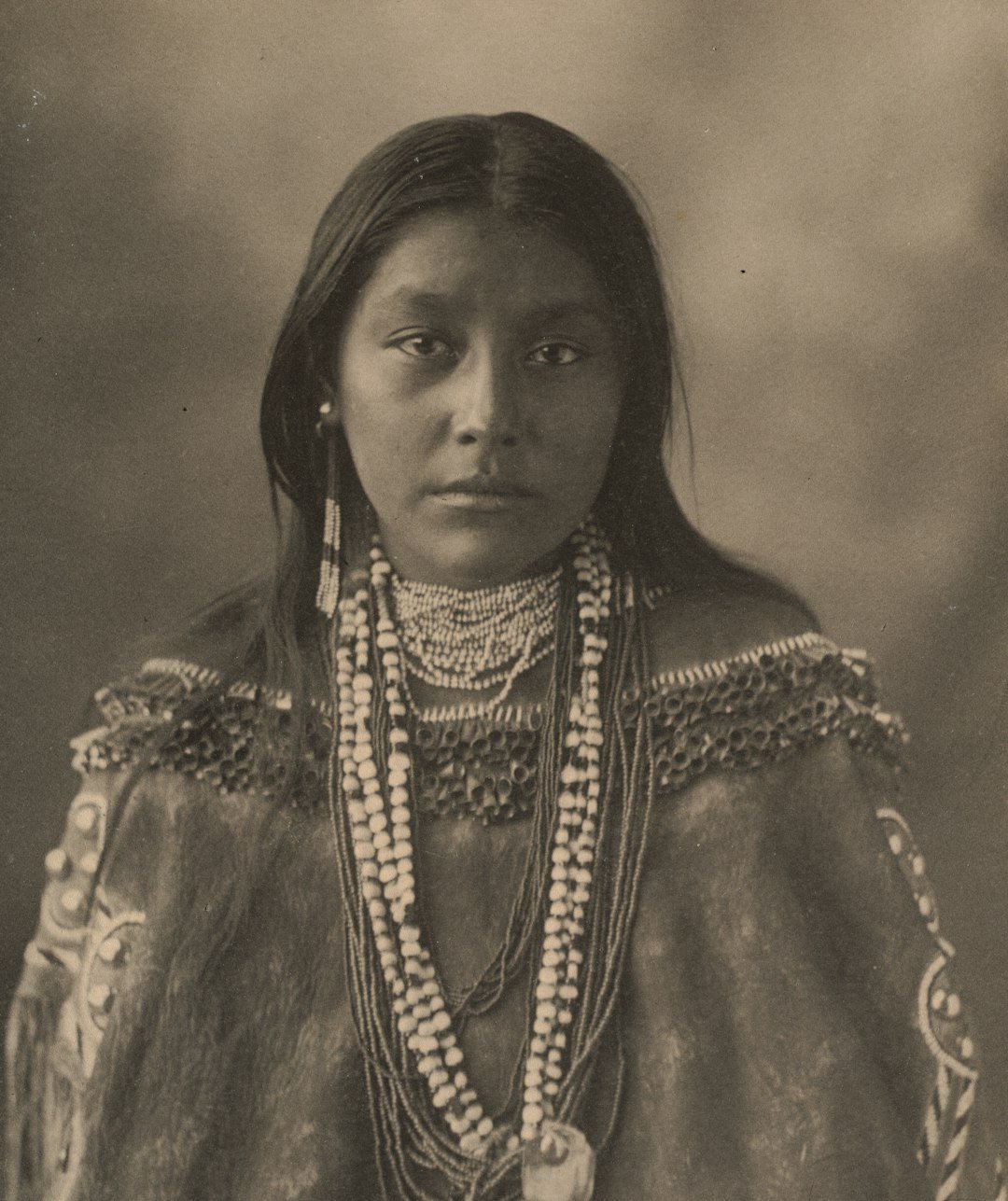
To understand where Native American non-fiction and political writing stands today, you have to understand Vine Deloria Jr. Vine Victor Deloria Jr. was an author, theologian, historian, and activist for Native American rights, widely known for his book Custer Died for Your Sins: An Indian Manifesto, which helped attract national attention to Native American issues. Published in 1969, that book hit like a stone thrown through a plate glass window.
One of the most outspoken voices in Indian affairs for decades, Deloria’s writings helped to redefine Native activism in the 1960s and 1970s. He is perhaps best-known for Custer Died for Your Sins, which upon its publication generated unprecedented attention to Indian issues. He would go on to write more than 20 books, addressing stereotypes, challenging accepted ideas of American history, and helping the American Indian Movement gain momentum. Deloria has been credited with coining the term “Red Power,” the civil rights activist movement of Native Americans in the late 1960s and 1970s.
9. David Treuer – The Myth-Breaker
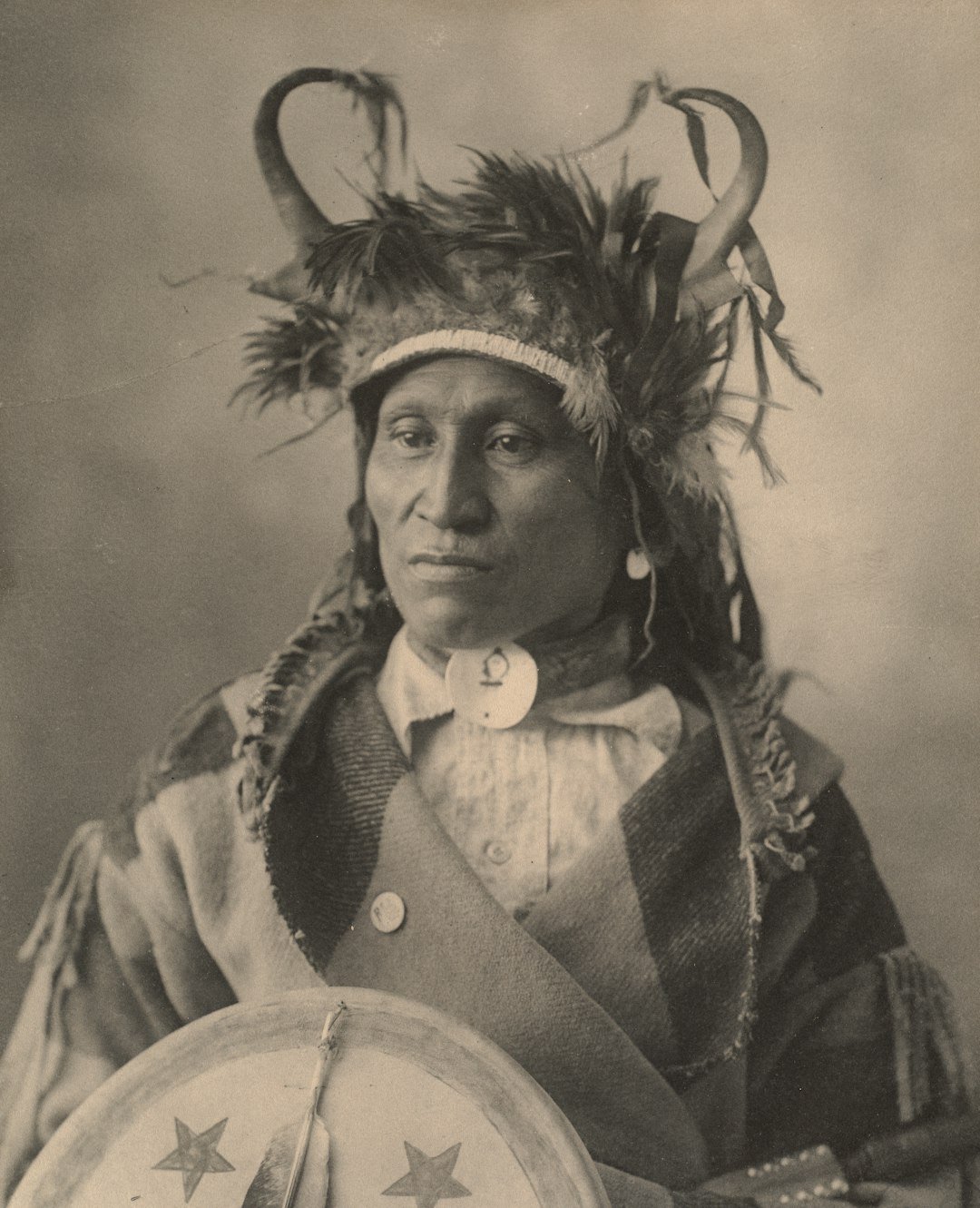
David Treuer is one of the most intellectually daring Native writers working today. Ojibwe author David Treuer is best known in the book world for his comprehensive history of Native America, The Heartbeat of Wounded Knee. Through an in-depth exploration of Native history in the late 19th, 20th, and 21st centuries, he refutes the harmful stereotype that Native American history is ancient history. It is a challenging and thought-provoking book about essential American history that is too often overlooked.
Treuer, a professor of literature and creative writing, is known for stories that defy the stereotypes of Native American literature. His first novel, Little, was published in 1995, and he has since written several works of fiction, non-fiction essays, and short stories. He is also known for a controversial collection of essays titled Native American Fiction: A User’s Manual, which challenges the work of great Native American writers like Sherman Alexie and Louise Erdrich. Let’s be real – a writer willing to challenge his own literary tradition is a writer worth reading.
10. James Welch – The Quiet Titan
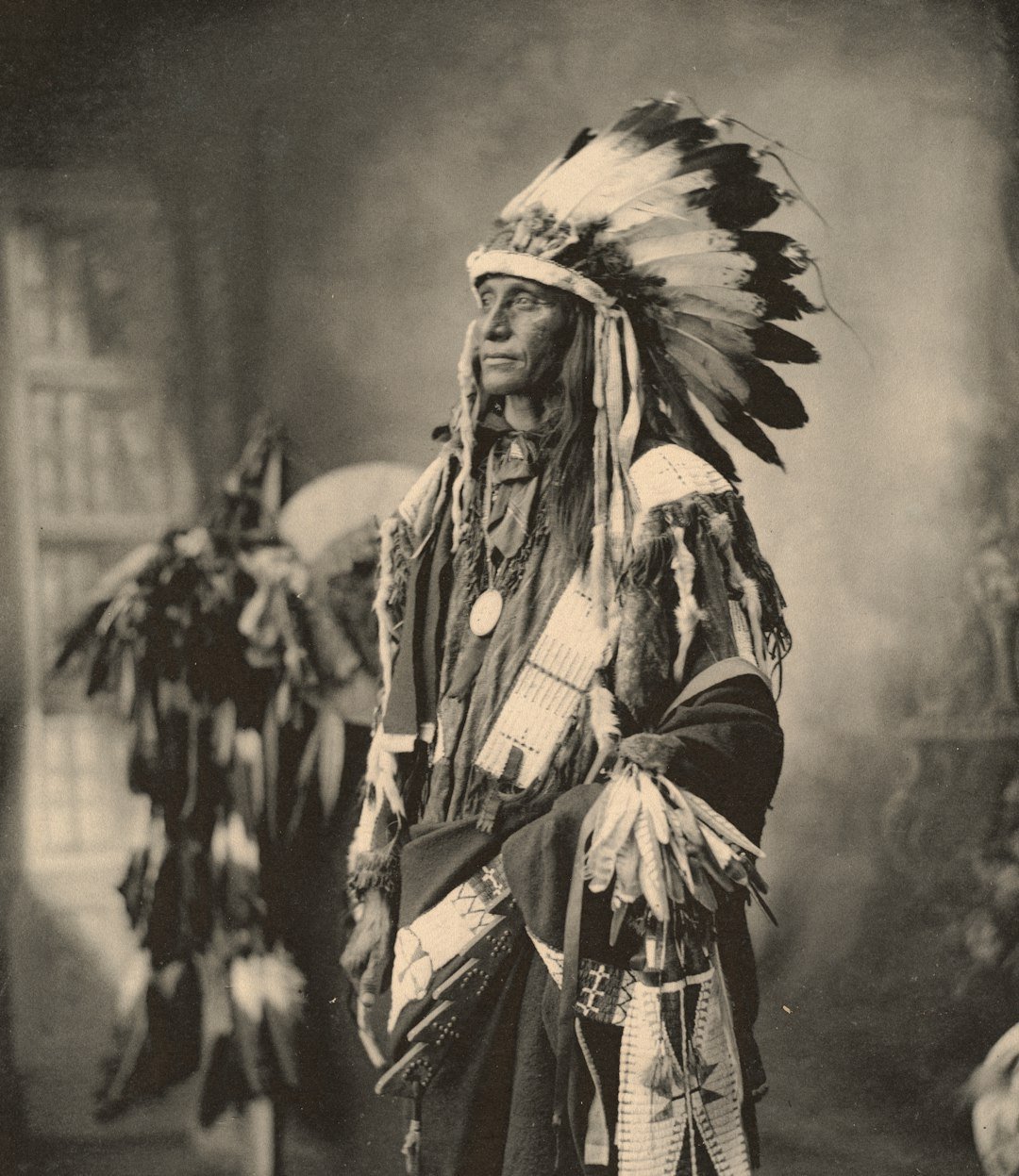
James Welch does not always get the same recognition as some of his contemporaries, and that is a genuine injustice. Considered one of the founding authors in the Native American Renaissance, Welch was one of the best-known and respected during his lifetime. The author of five novels, his work Fools Crow won an American Book Award in 1986 and Winter in the Blood has been named as an inspirational work by many other authors. Welch also published works of non-fiction and poetry, and even won an Emmy for the documentary he penned with Paul Stekler called Last Stand at Little Bighorn.
Welch’s debut novel became a seminal piece of Native American literature. Written at a time when Native American voices were largely unheard, it charts the story of a nameless youth from Montana who finds momentary relief in alcohol as he struggles to find the meaning of life after a family tragedy. There is a quiet, devastating restraint to Welch’s prose that sneaks up on you. You finish a page and realize you have been holding your breath the whole time.
Conclusion: Why These Voices Matter More Than Ever
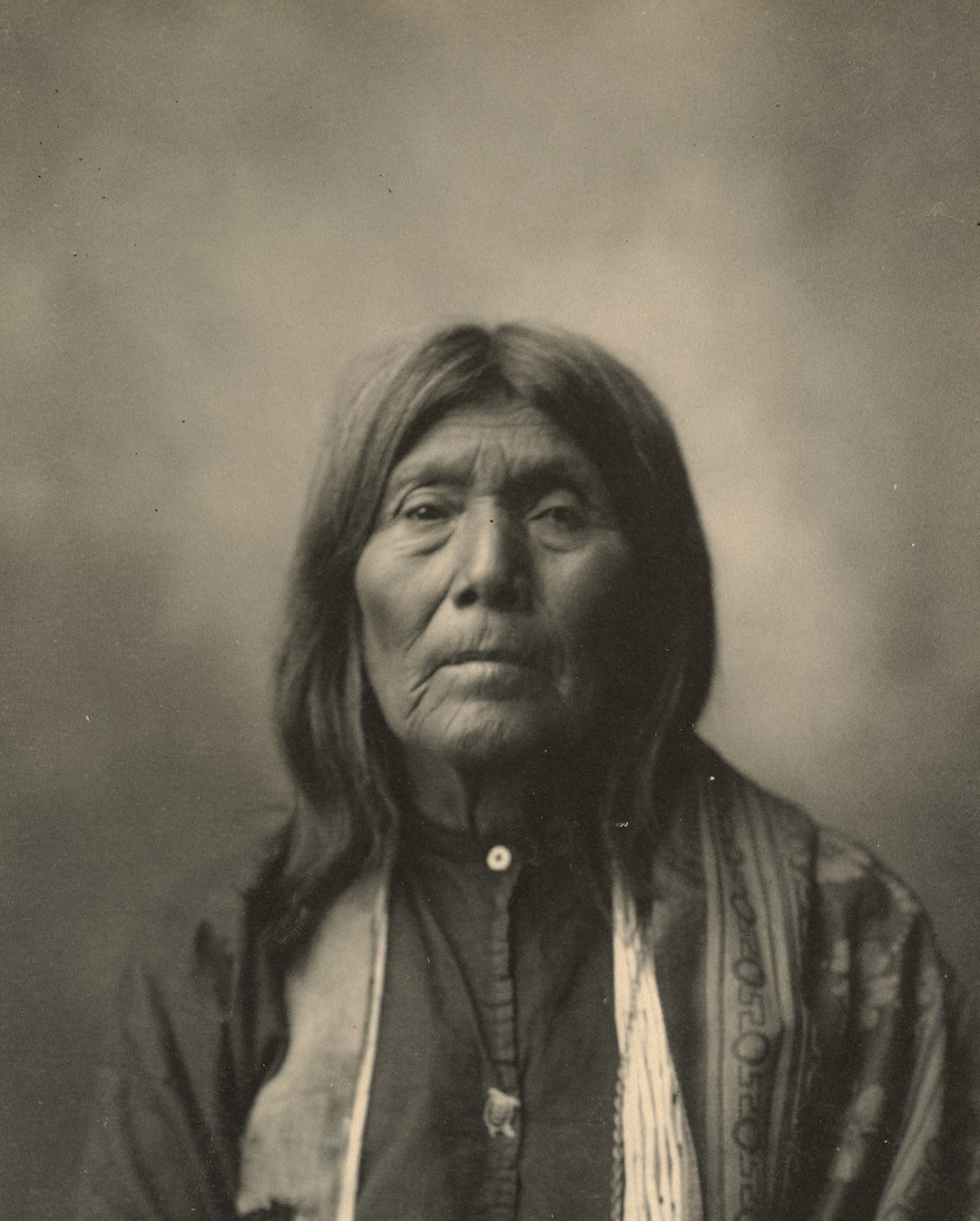
American literature is immeasurably richer for the contributions of Indigenous writers, yet it has taken far too long for the broader reading public to recognize this fact. Contemporary are making significant contributions to the literary landscape, pushing the boundaries of literary genres and styles. Authors such as Sherman Alexie, Louise Erdrich, and Tommy Orange are widely recognized for their innovative and powerful writing, and their work is characterized by its diversity and creativity, reflecting the complex and multifaceted experiences of Native American communities.
Over the centuries, have used literature to assert tribal self-determination and protect traditional homelands and territories. That is not a small thing. That is literature functioning at its highest possible purpose – not just as entertainment, but as survival and testimony. Contemporary Indigenous literature in North America is currently overflowing with stories of all kinds, whether you’re into memoir, history, lighthearted YA, fantasy, sci-fi, poetry, or family dramas.
Reading diversely is not a trend or a checkbox. It is how we understand the full, complicated, extraordinary story of this land and its people. These ten authors are not a complete picture – they are a beginning. The question is: which one will you pick up first?

Besides founding Festivaltopia, Luca is the co founder of trib, an art and fashion collectiv you find on several regional events and online. Also he is part of the management board at HORiZONTE, a group travel provider in Germany.
