

- 20 Iconic Hidden Tracks from the CD Era - September 20, 2026
- 20 Books Written in Secret — and the Stories Behind Them - September 20, 2026
- The 20 Most Underrated Years in Music History - September 20, 2026
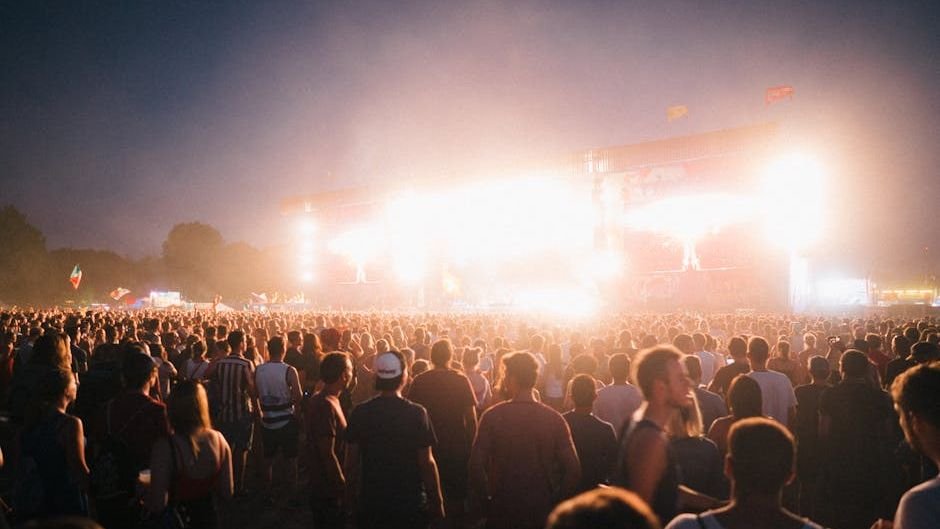
There is something almost inexplicable about the power of a great music festival. It is not just the sound. It is the feeling of thousands of strangers becoming one living, breathing thing, shaped by a shared beat, a shared belief, a shared moment in time. Throughout history, music festivals have done far more than entertain. They have served as vibrant celebrations of culture, community, and artistry, evolving significantly and reflecting the deepest societal changes and technological advances of their eras.
Historical events have influenced the transformation of music festivals time and again, from world conflicts that led to the emergence of jazz and folk, to political upheavals that launched entirely new genres. Some festivals planted seeds of revolution. Others gave voice to the voiceless, or simply proved that human beings can gather in enormous numbers and choose to be peaceful rather than destructive. These ten gatherings are not just events. They are turning points. Let’s dive in.
1. Woodstock (1969) – The Festival That Defined a Generation
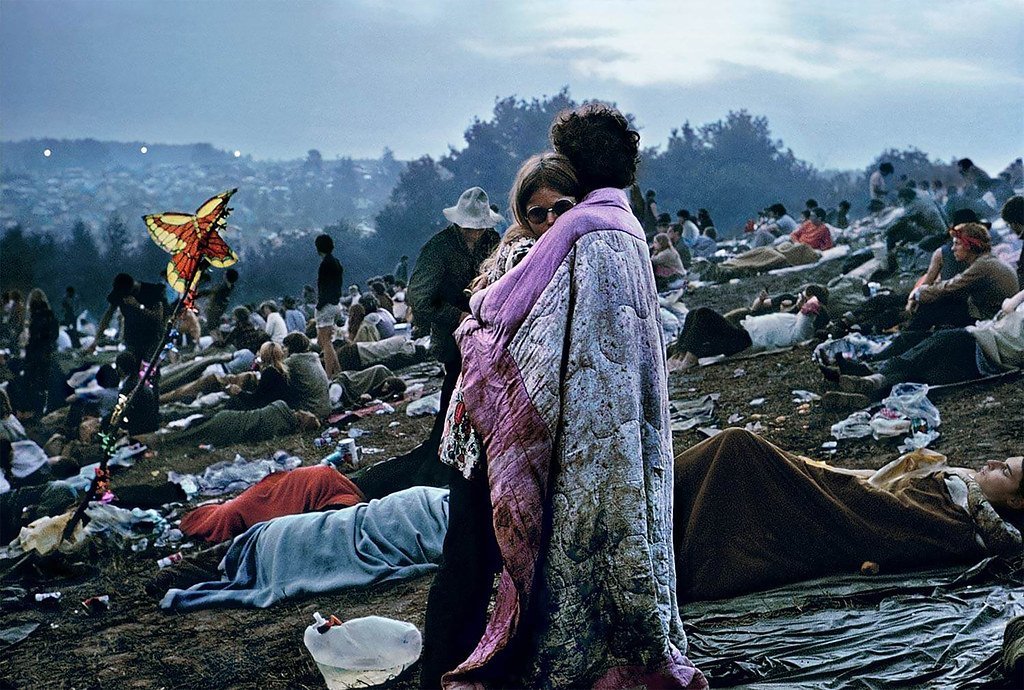
Honestly, if there is one festival you could point to and say it genuinely rearranged the cultural furniture of the entire world, it is this one. The Woodstock Music and Art Fair was held from August 15 to 18, 1969, on Max Yasgur’s dairy farm in Bethel, New York, billed as “an Aquarian Exposition: 3 Days of Peace and Music” and attracting an audience of more than 460,000. Tickets were cheap, the weather was terrible, the roads were impassable, and it became one of the most written-about events in American history.
Woodstock featured a who’s who of 1960s rock acts, including Jimi Hendrix, Sly and the Family Stone, the Who, the Grateful Dead, Janis Joplin, the Jefferson Airplane, Ravi Shankar, Crosby, Stills, Nash and Young, the Band, Santana, Creedence Clearwater Revival, Joan Baez, and Joe Cocker. Think about that lineup for a moment. It reads like a dream. African-American folksinger Richie Havens opened the concert and played until he was completely out of material, eventually improvising the song “Freedom,” which became one of the festival’s signature events.
It was one of the largest music festivals in history and became the peak musical event to reflect the counterculture of the 1960s, widely regarded as a pivotal moment in popular music history and a defining event for the early baby boomer generation. It left an indelible impression not only on the artists and attendees, but also on the minds of millions of young Americans who experienced Woodstock secondhand through news media accounts, a widely seen documentary film, and the consumer products that soon followed.
2. Monterey Pop Festival (1967) – Where Rock Found Its Voice
Two years before Woodstock stole the thunder, another festival quietly lit the fuse. Held in Monterey, California, on June 16 to 18, 1967, the Monterey Pop Festival was the first commercial American rock festival. I think it is criminally underrated in the popular imagination, because without Monterey, there simply is no Woodstock. Preceding Woodstock by two years, it was the first major rock festival and started the rock festival tide.
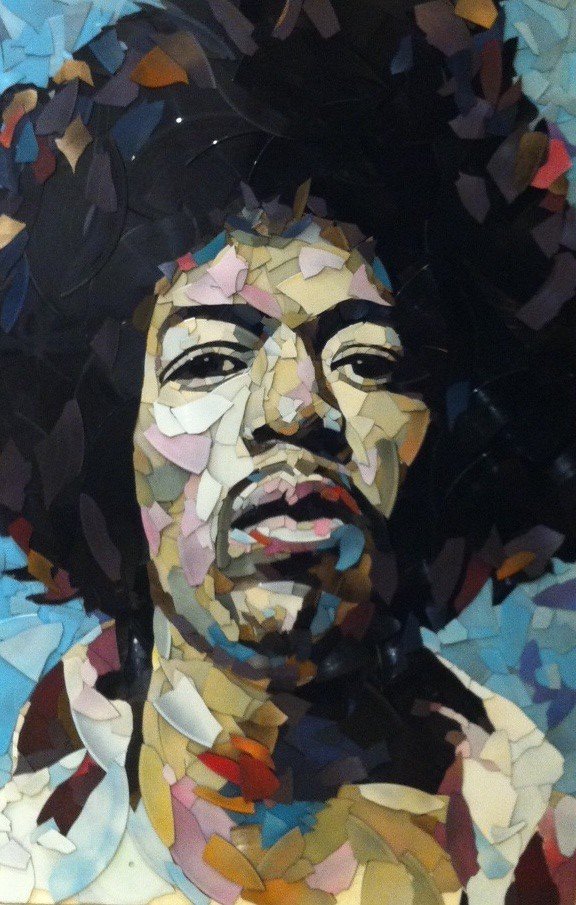
The lineup included The Grateful Dead, Janis Joplin, and The Who, but it was Jimi Hendrix whose groundbreaking performance made rock and roll history when he set his guitar on fire and smashed it to pieces on stage. Janis Joplin’s performance of “Ball and Chain” was a major part of helping Big Brother and the Holding Company get signed to Columbia Records later that year, with established artists such as Cass Elliot staring in jaw-dropping wonder as Joplin delivered a blues-soaked performance.
It was multi-racial, national and international, brought together musical talent from diverse genres, established new rock stars as art and culture leaders, and legitimized the rapid expansion of rock music into today’s multi-billion dollar industry. It was a celebration of benevolence and cultural change, the key event of the Summer of Love, and one of the chief defining moments of the baby boom generation.
3. Newport Folk Festival (1965) – Bob Dylan Goes Electric
Here is the thing about the Newport Folk Festival: most people today remember a single moment, not the festival itself. Established in 1954, the Newport Jazz Festival brought jazz from the clubs to the public on a grand scale, highlighting the genre’s complexity and cultural significance. The Newport Folk Festival, its sibling event, carried a similarly powerful legacy rooted in community and storytelling. World War II played a pivotal role in creating the Newport Folk Festival, organized by Louis and Elaine Lorillard, who met during the war and shared a combined goal to revolutionize the artistic community by promoting jazz and folk music.
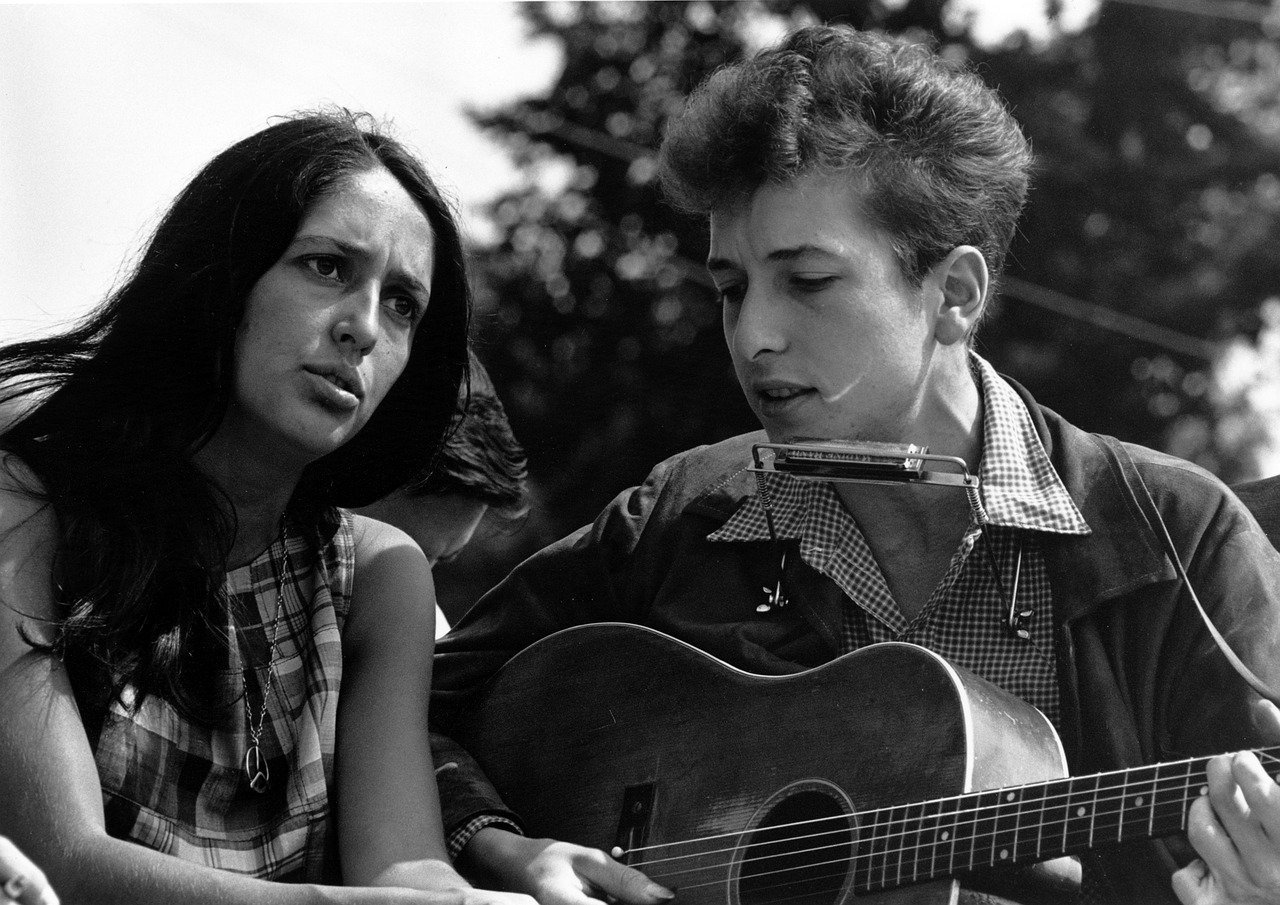
In 1965, something happened at Newport that reverberated through every corner of the music world. Bob Dylan walked on stage with an electric guitar and changed the very definition of what folk music could be. Bob Dylan played a Fender Stratocaster electric guitar for the first time on stage as he performed at the Newport Folk Festival on July 25, 1965, in Newport, Rhode Island. Purists in the crowd famously booed. Others heard the future arriving.
That single act of artistic defiance cracked open a philosophical debate about authenticity, commercialism, and artistic freedom that still echoes in music today. The Newport Folk Festival had always been a platform for both tradition and dissent. Dylan simply pushed that tradition to its absolute limit. The event expanded to attract over 11,000 people by 1954, and the festival is ongoing today, a testament to its extraordinary endurance as a cultural institution.
4. Isle of Wight Festival (1970) – Britain’s Riotous Answer to Woodstock
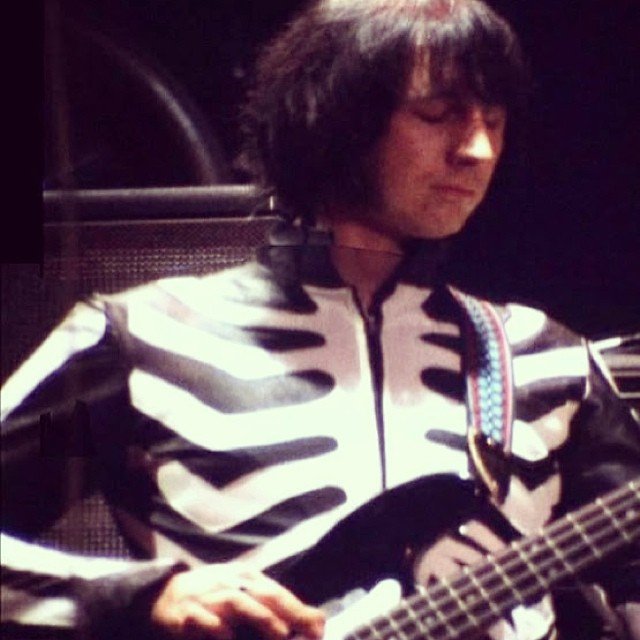
If Woodstock represented idealism at its peak, the Isle of Wight Festival of 1970 represented something more complex, more jagged, and in many ways more honest. The Isle of Wight Festival 1970 was held between 26 and 30 August at Afton Down on the western side of the Isle of Wight in England, and is often acknowledged as the largest musical event of its time, with a larger attendance than Woodstock. Guinness World Records estimated 600,000 to 700,000 people attended. That is an almost incomprehensible number of human beings on a small island off England’s coast.
Joan Baez, Joni Mitchell, Jimi Hendrix in his last ever UK appearance, Miles Davis, The Doors, The Who, Jethro Tull, Emerson, Lake and Palmer, and many others all appeared at the third Isle of Wight Festival. Jimi Hendrix headlined the event, delivering one of his final live performances before his untimely death. It was a bittersweet, almost ghostly moment in rock history.
The unexpectedly high attendance levels led, in 1971, to Parliament adding a section to the Isle of Wight County Council Act 1971 preventing overnight open-air gatherings of more than 5,000 people on the island without a special licence from the council. That is the mark of a truly impactful festival: it literally changed the law. It was the last major music festival of the hippie era, capturing the counterculture movement at its peak.
5. Glastonbury Festival (1970 Onwards) – The Living, Breathing Giant
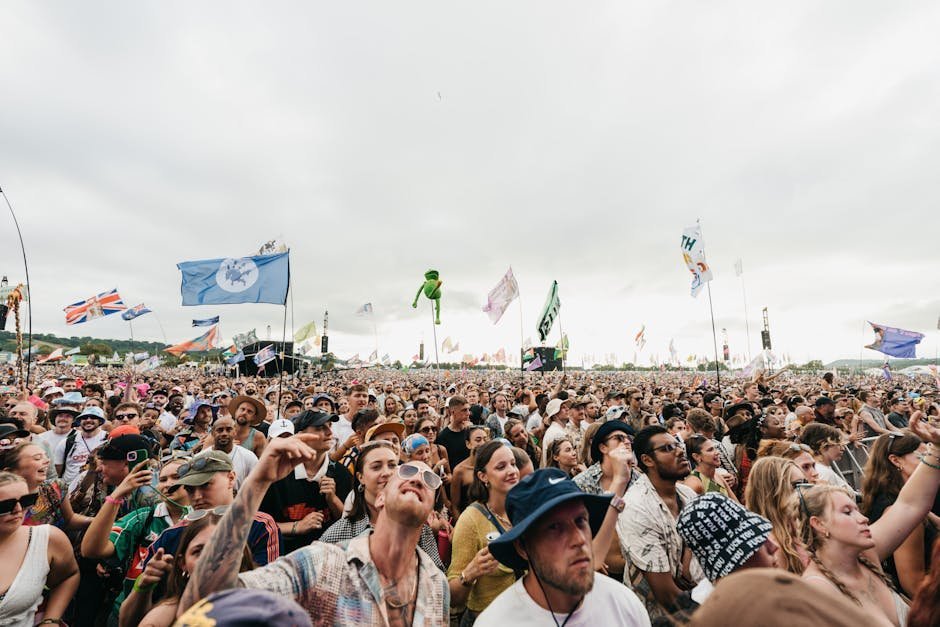
Glastonbury is different from every other festival on this list because it did not burn brightly and fade. It kept growing, kept evolving, and kept surprising people for more than half a century. Established in 1970, the Glastonbury Festival in the UK has grown into one of the largest greenfield music and performing arts festivals in , initially inspired by the ethos of the 1969 Woodstock Festival and embodying the spirit of freedom and artistic expression.
The 1971 Glastonbury festival, free to the public, featured artists including Fairport Convention, Joan Baez, and a young David Bowie, and was the first music festival to feature a pyramid stage, which was inspired by the Great Pyramid of Giza. That pyramid stage went on to become one of the most recognizable symbols in global live music. David Bowie’s sunrise performance in 1971 is still one of the most talked-about moments in Glastonbury history.
Over the years, it has showcased legendary performances from the likes of David Bowie, Beyoncé, and Radiohead, and beyond music, Glastonbury features a variety of performing arts, including theatre, circus, and cabaret, making it a culturally rich experience that continues to inspire festivals worldwide. The festival’s commitment to sustainability and social causes further enhances its appeal, making it a must-attend event for music lovers worldwide.
6. Live Aid (1985) – When Music Tried to Save
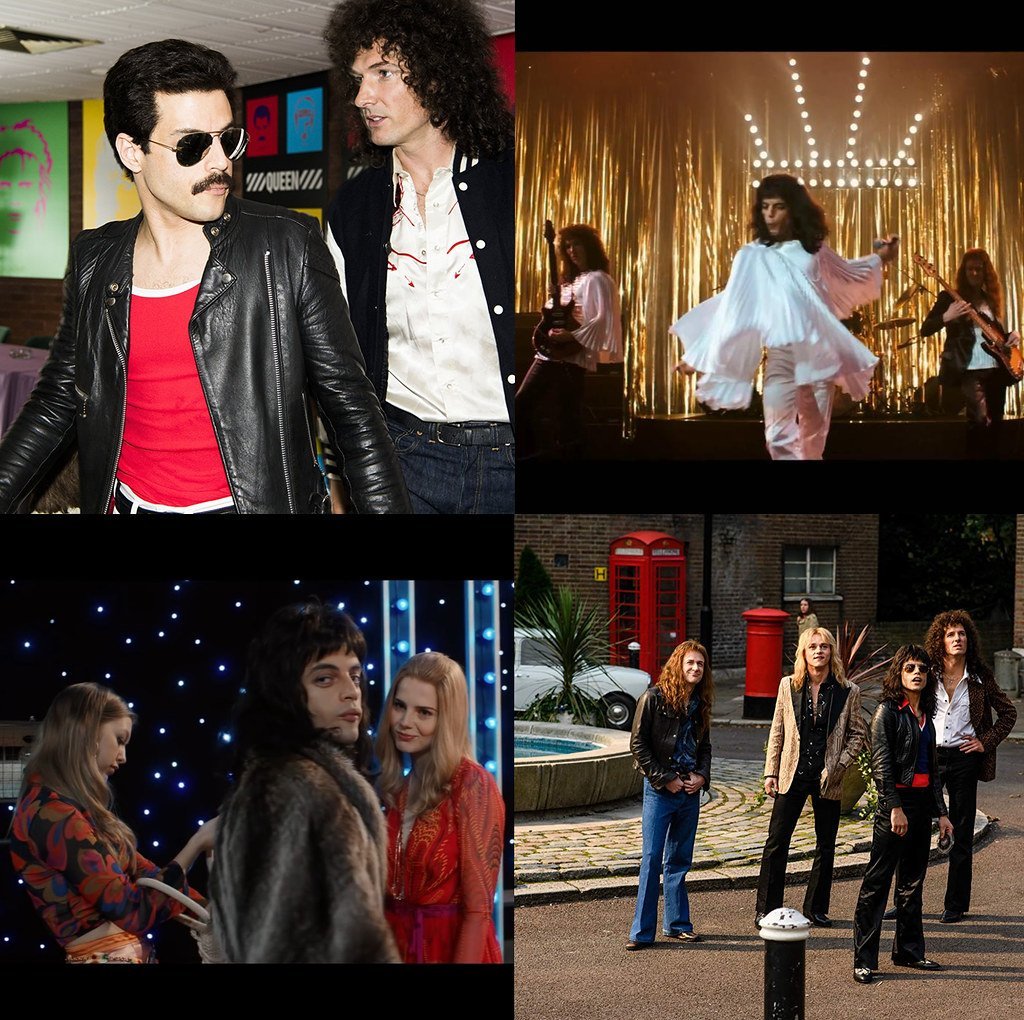
It sounds almost too bold, doesn’t it? A music concert trying to end famine. Yet on July 13, 1985, that is exactly what witnessed. Live Aid was a dual-venue benefit concert organized to raise funds for famine relief in Ethiopia, broadcast live to an estimated global television audience of nearly one and a half billion people. It was, quite simply, unlike anything that had come before. Because all of the artists donated their performances to charity at Monterey Pop, it resulted in the forerunner to Live Aid, Band Aid, and Farm Aid, meaning Live Aid had a philosophical ancestor reaching back nearly two decades.
The concert was held simultaneously at Wembley Stadium in London and JFK Stadium in Philadelphia. Queen’s performance at Wembley is widely considered one of the greatest live sets in rock history, a masterclass in stage presence that sealed their legendary status permanently. The event starred a virtual galaxy of artists including David Bowie, Paul McCartney, Elton John, U2, Dire Straits, and many others.
Live Aid proved something profound: music could mobilize political will and global compassion in ways that traditional fundraising simply could not. It was the blueprint for every charity concert, awareness event, and benefit performance that followed. The idea that a guitar could do what a press release could not was, in 1985, genuinely revolutionary. It showed the influence of modern-day stars such as U2, Bruce Springsteen, and R.E.M., who were all giving lobby space and onstage shout-outs to progressive organizations at their shows, suggesting Live Aid cemented a new standard for artist activism.
7. Lollapalooza (1991) – Alternative Culture Goes Mainstream
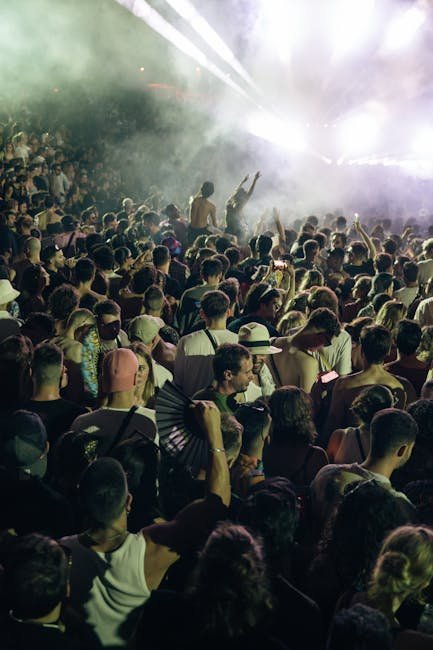
Let’s be real: Lollapalooza did not just create a festival. It created a cultural category. Jane’s Addiction frontman Perry Farrell founded Lollapalooza to give his band a proper send-off, with the first Lollapalooza in 1991 doubling as the farewell tour for the band. What happened next nobody quite predicted. That first lineup brought together Nine Inch Nails, Ice-T debuting his notorious metal band Body Count, Living Colour, Siouxsie and the Banshees, Violent Femmes, and more.
While Lollapalooza became synonymous with “alternative” culture in the 90s, the definition was inclusive. There was always a metal band, a rap act, and usually a trailblazing punk act, including Ramones, who delayed their break-up for a few months so they could do Lollapalooza in 1996. That is the kind of festival loyalty that goes far beyond ticket sales. Lollapalooza was one of the first places where concertgoers discovered virtual-reality games, making it a genuinely forward-thinking space.
Greenpeace set up an “Eco-Village” at the festival, demonstrating the potential of solar heating and recycling, while also pointing fingers directly at corporate offenders, including scolding the festival’s own sponsor for environmental violations. It is hard to think of another concert series that literally called out its own sponsor in a press release. That kind of activism would ripple through festival culture for decades. The festival has expanded internationally, with editions in countries like Brazil, Argentina, and Germany.
8. The Harlem Cultural Festival (1969) – The Story Almost Missed
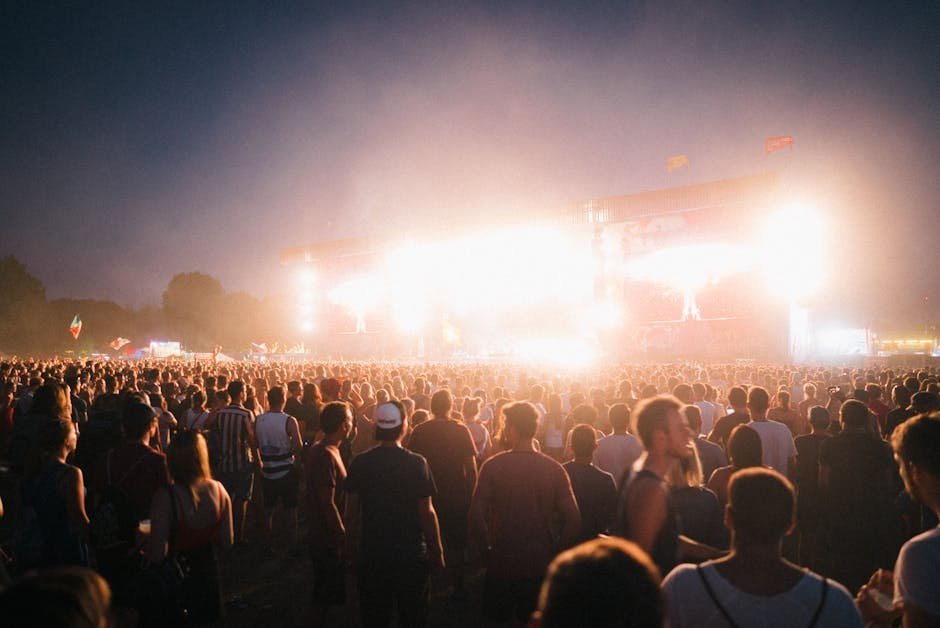
This one still makes me feel something close to anger, if I am being honest. Over six weekends in the summer of 1969, nearly 300,000 Black people gathered in Harlem’s Mount Morris Park for the Harlem Cultural Festival, a series of concerts celebrating Black music, with a star-studded roster of artists representing Black sounds from West Africa to Motown and beyond. It happened the same summer as Woodstock. Almost nobody in mainstream culture talked about it for fifty years.
The Harlem Cultural Festival demonstrates the centrality of Black popular music as both an expression and active part of the Civil Rights and Black Power era. San Francisco-based Sly and the Family Stone excited the crowd with their boundary-busting sound and appearance, and that same summer the group also appeared at Woodstock, bringing the same mix of pop, rock, soul, and funk that thrilled the Black crowds in Harlem to the mostly white audience gathered upstate.
Though filmed by Hal Tulchin, much of the Harlem footage was unseen for fifty years, even as the Woodstock film mythologized that festival and the hippie era in cultural memory. These performances are documented in the Oscar-winning 2021 documentary “Summer of Soul,” which finally gave this extraordinary event the recognition it deserved. It is a reminder that music history, like all history, depends on who gets to tell it.
9. Reading Festival (1992) – Nirvana’s Unforgettable Moment
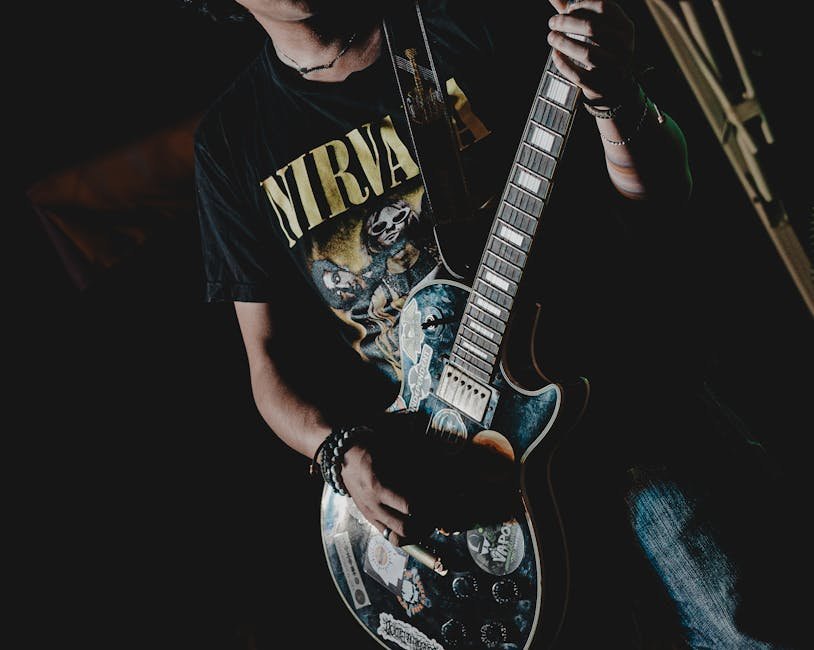
The Reading Festival is ‘s oldest popular music festival. That alone earns it a place in any serious conversation about music history. Rooted in the National Jazz Festival of 1961, it evolved through rock and punk into a defining institution for British youth culture. The Reading and Leeds Festivals originated from The National Jazz Festival that commenced in 1961 and hold a venerable spot in the echelons of British music history, with evolving audience tastes leading to an expansion into rock, punk, and alternative music.
In 1992, the headlining acts included Public Enemy, The Wonder Stuff, and Nirvana, and it was Nirvana’s iconic headlining set that is still remembered to this day. Kurt Cobain arrived at the festival in a wheelchair, mimicking rumors of his failing health, then rose to the mic and delivered one of the most electrifying sets in the festival’s entire history. It was theatre, defiance, and genius wrapped into one.
The Reading Festival’s longevity is itself a statement about the durability of live music as a cultural institution. While many festivals chase novelty and spectacle, Reading has survived by remaining fiercely committed to the raw energy of guitar-driven music. It is not glamorous in the way Coachella is glamorous. It is something better. It is real. Music festivals have increasingly mirrored societal changes, adapting to and reflecting the evolving cultural and technological landscape, and Reading has done this with more consistency than almost any other event on earth.
10. Coachella Valley Music and Arts Festival (1999 Onwards) – The Festival of the Social Media Age
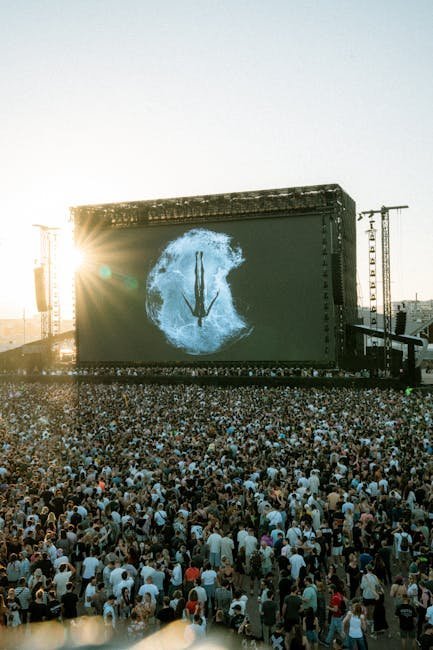
The first Coachella took place in 1999 in Coachella Valley in southern California and has since become one of the more prominent North American music festivals. Think of it as the festival that moved the conversation from fields to feeds. Coachella’s unique blend of music, art, and fashion has made it a cultural phenomenon, setting trends in the festival world. There is almost no modern festival anywhere in that has not been shaped, at least partly, by what Coachella became.
A particularly notable moment took place in 2012, when a hologram of Tupac Shakur appeared performing during a set with Dr. Dre and Snoop Dogg. That single technological moment triggered global headlines and a conversation about the future of live performance that is still ongoing in 2026. Coachella did not just host music. It hosted the future. Not only does it feature a diverse group of marquee performers, but in recent years it has also featured notable reunions, with 2003 considered a breakout year in terms of increased media attention, featuring the Beastie Boys, Red Hot Chili Peppers, The White Stripes, and a reunited Iggy Pop and The Stooges.
By the late 20th and early 21st centuries, music festivals exploded in popularity around , with major events like Coachella in the U.S. and Glastonbury in the UK becoming international sensations, drawing massive crowds and a mix of genres, helping elevate music as a global experience where people from different cultures and backgrounds could converge to celebrate music. Coachella is the clearest expression of that globalization, for better or worse.
Conclusion: The Stage Was Always Bigger Than the Music
Looking back across all of these extraordinary gatherings, one thing becomes unmistakably clear: the greatest festivals were never really about the lineup. They were mirrors. Music festivals have increasingly mirrored societal changes, adapting to and reflecting the evolving cultural and technological landscape, and they demonstrate music’s ability to unite diverse communities, fostering cultural exchange that embraces unity and diversity.
Woodstock reflected a generation desperate for peace. Live Aid reflected a world learning to see beyond its own borders. The Harlem Cultural Festival reflected a community asserting its full and equal place in history. Each of these events, in its own way, said: we are here, we matter, and will be different now. The evolution from the legendary Woodstock of 1969, with its powerful symbol of peace and music, to today’s high-tech festivals that incorporate virtual reality showcases the dynamic adaptation of these events to changing times and technologies.
While some claim that music festivals have shifted their focus toward commercial success, they inarguably continue to serve as powerful platforms for unifying people through music and celebration. From a muddy dairy farm in Bethel to a sun-soaked California desert, humans keep showing up, keep singing, and keep proving that a shared song is one of the most powerful forces we have ever invented. What festival, past or present, would you say changed you the most? Drop your answer in the comments.
CEO-Co-Founder
