

- 15 Festivals Happening This June You’ll Wish You Knew About Sooner - September 21, 2026
- 15 Musicians Who Switched Genres and Shocked Everyone - September 21, 2026
- 20 Books That Start at the End — and Still Surprise You - September 21, 2026
There is a particular kind of magic that happens in the first sentence of a great novel. Before you even know the characters, before the plot has taken a single step, a few carefully chosen words can pull you in so completely that you forget the world around you. It is not an accident. It is craft at its most precise and its most daring.
Opening lines do several things at once. They establish the voice of the narrator, hint at the emotional landscape of the story, and make an unspoken promise to the reader. Writers agonize over opening lines for a reason. A first line is an invitation. It sets the tone. It makes a promise. The best ones tend to stay with us for years, sometimes for an entire lifetime. Let’s dive in.
“Call Me Ishmael.” – Moby-Dick by Herman Melville (1851)
Honestly, if you were going to pick the single most famous opening line in all of English-language literature, this is probably it. Three words. Three. Moby-Dick’s first sentence is just three words: “Call me Ishmael.” This line establishes the relationship between the narrator and the reader, dictating the tone and mood of the entire novel. The audacity of it is almost breathtaking when you think about it.
The narrator does not claim that Ishmael is his real name, making it clear that what is important in the story is not the facts but Ishmael’s interpretation of them. This subtle distinction opens up a universe of ambiguity. The line encodes major motifs of Moby-Dick including alienation, exile, identity, narrative framing, and the relationship between individual and myth, all in extremely compact form.
The opening line is significant for many reasons, but the most overt of these is the name, Ishmael. This is a reference to an important figure within the Abrahamic religions, Judaism, Islam, and Christianity. Melville, who was raised as an orthodox Calvinist, would have known the name from the biblical Book of Genesis. The choice was no accident. The Biblical name Ishmael has come to symbolize orphans, exiles, and social outcasts. By contrast with his eponym from the Book of Genesis, who is banished into the desert, Melville’s Ishmael wanders upon the sea.
The opening sentence of Moby-Dick, short as it is, does a fair bit of work. It anchors the story in a first person narrative, with all the unreliability and limited scope that may imply. It also recognizes the reader with its direct command, creating immediacy and intimacy. Think of it like someone grabbing you by the collar at a party and saying, “Listen, I have to tell you something.” You lean in. You cannot help it.
“It Was the Best of Times, It Was the Worst of Times.” – A Tale of Two Cities by Charles Dickens (1859)
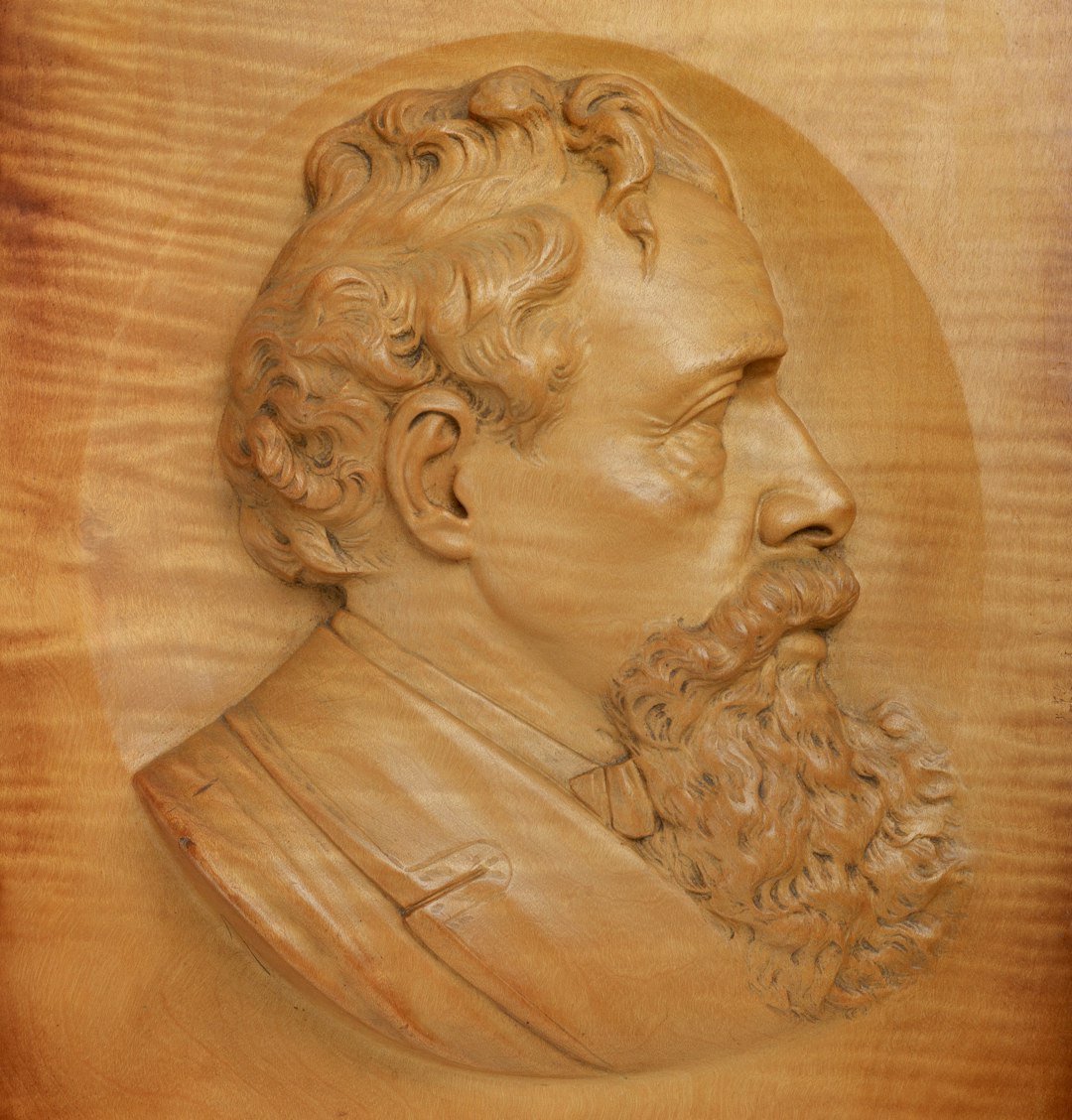
If Melville’s opener is a whisper, Dickens’s is a thunderclap. The full opening sentence of A Tale of Two Cities is actually a sprawling, almost breathless paragraph of contrasts. This iconic phrase carries a weight of historical and literary significance. It’s more than just a sentence; it’s a poignant encapsulation of duality, a reflection on eras defined by extreme contrasts.
The A Tale of Two Cities first paragraph makes use of a literary technique called antithesis. Antithesis refers to the contrast or opposition in the meanings of contiguous phrases or clauses. This is a way of saying that words or phrases with opposite meanings are used closely together, usually with the same general sentence structure, and are deliberately contrasted with each other. The result feels almost like a poem recited aloud. It has rhythm. It has weight.
While this novel overtly comments on the socio-political proceedings of the French Revolution, it also speaks to the cultural climate in Dickens’ contemporary period. Dickens lived and wrote during the Industrial Revolution in England, an age defined not only by rapid technological growth for Western societies, but also by the suffering and maltreatment of the hundreds of thousands of laborers who made it possible. Therefore, in terms of social progress and class distinctions, it was an age of paradox.
With well over 200 million copies sold, the opening lines of A Tale of Two Cities really do rank as amongst the most famous in the history of English literature. Even today, in 2026, people reach for this phrase when the world feels like it is spinning in two directions at once. There is probably no greater testament to the lasting power of a single sentence.
“It Is a Truth Universally Acknowledged…” – Pride and Prejudice by Jane Austen (1813)
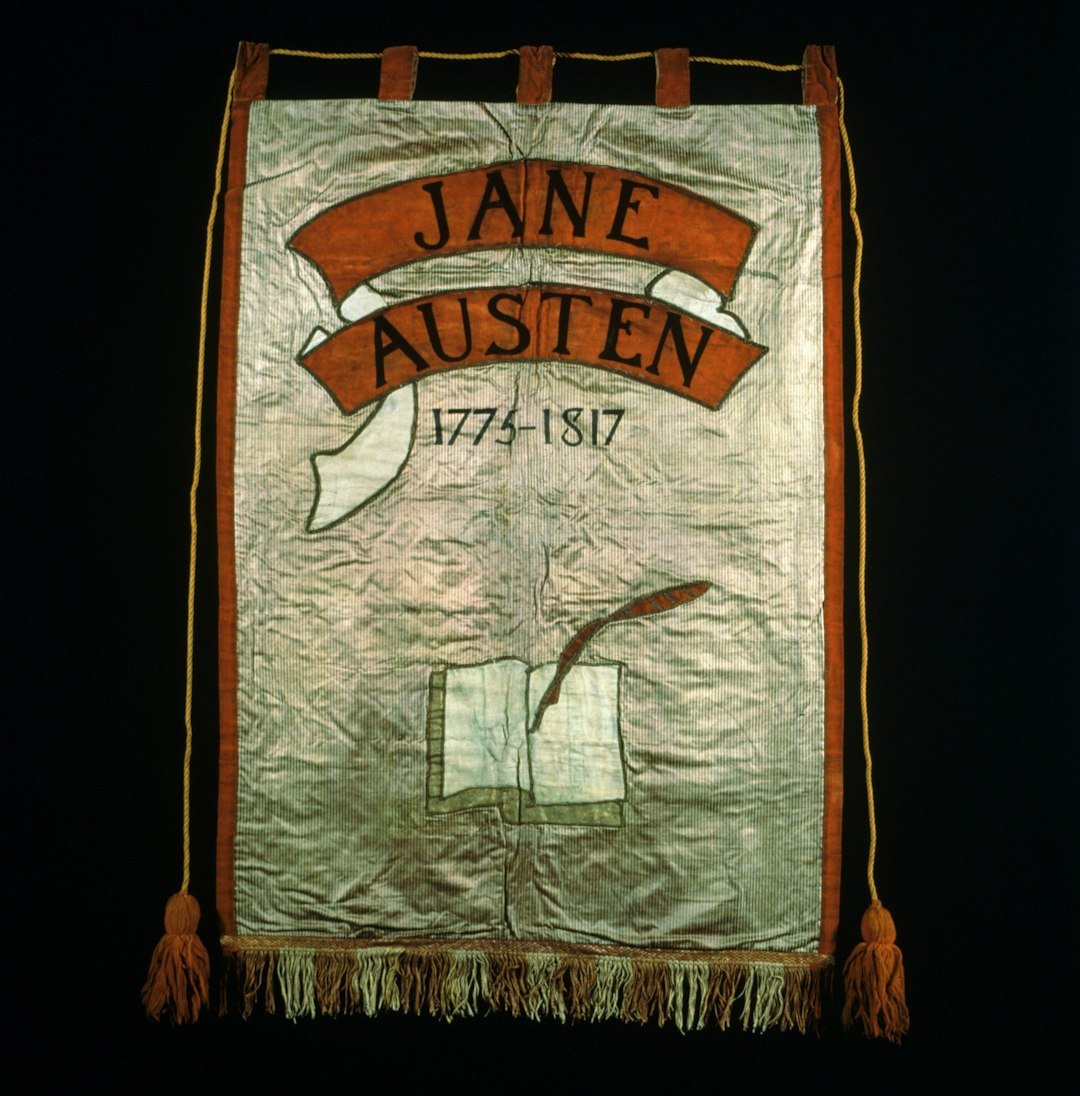
Here is the thing about Jane Austen: she was funnier than most people give her credit for. That opening line of Pride and Prejudice lands like a perfectly timed joke. Jane Austen’s opening is famous for its wit and irony, poking fun at societal expectations in Regency England. With this sentence, Austen captures the pressure placed on wealthy bachelors, and the families eager to marry their daughters off to them.
Jane Austen’s opening offers an assertion, a statement of objective truth, which is in fact anything but objectively true. Austen is signalling to her readers to be on their guard, to be prepared to detect the irony dripping from her narrator’s words as she uses the innovative device of free indirect speech to ventriloquise the opinions and voices of the novel’s characters. It is satire dressed up as sincerity. An absolutely masterful trick.
The line simultaneously sets up the novel’s plot and delivers a sly critique of class and gender roles. Readers today still find its humor and insight fresh, proving Austen’s observations endure. This opening instantly establishes the book’s playful, satirical voice, drawing readers in with a smile. I think it takes real genius to say something that everyone around you believes, and make the reader feel the absurdity of it all in the very same breath. Austen does it in one sentence.
“It Was a Bright Cold Day in April, and the Clocks Were Striking Thirteen.” – Nineteen Eighty-Four by George Orwell (1949)
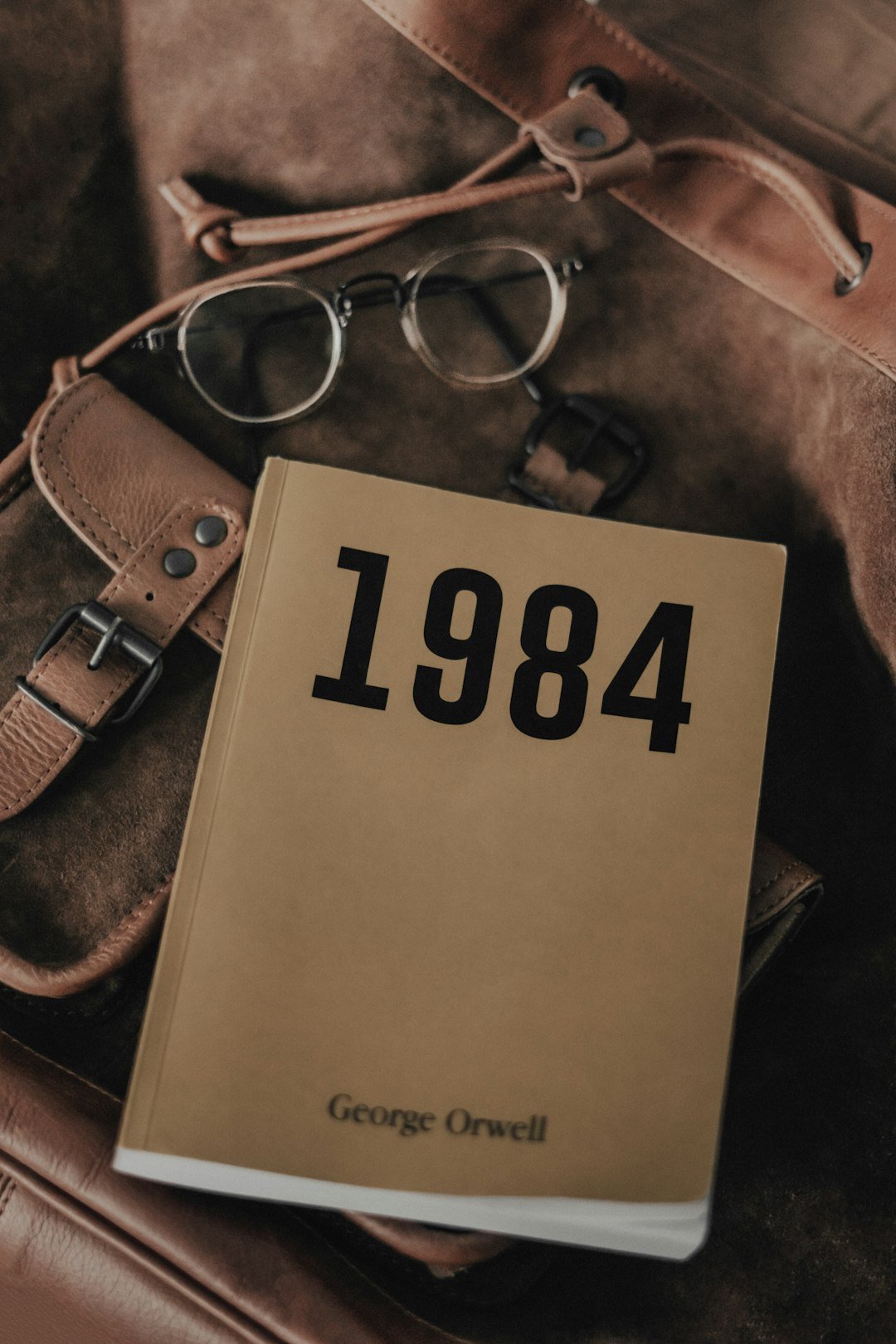
Something is wrong. You know it immediately. You cannot point to exactly what it is, but something is deeply, irreversibly wrong. That is precisely the feeling Orwell engineered with this deceptively simple sentence. George Orwell’s unsettling opening line signals that something is deeply wrong in the world of “1984.” The image of clocks striking thirteen, a time that doesn’t exist, immediately puts readers on edge, hinting at the distorted reality of a totalitarian regime.
References to a thirteenth stroke of the clock indicate that some event or discovery calls into question everything previously believed. Put another way, the thirteenth stroke of the clock calls into question not only the credibility of itself but of the previous twelve. The horror is in the normalcy of it all. Nobody in Winston Smith’s world looks up in surprise at the clocks. In this world, the clocks striking thirteen is not an aberration, but a normal way of life. In this way, Orwell subtly alerts the reader that statements of truth in this fictional society should be called into question.
The phrase “bright cold day” sets a mood of sterile oppression, making readers feel the chill of Big Brother’s gaze from the very start. It’s a masterclass in how just a few words can shape a reader’s expectations. Orwell introduces comfort and dread simultaneously, the way a familiar street can feel threatening at night. It is the most unsettling kind of wrongness: the wrongness that looks almost ordinary.
“There Was No Possibility of Taking a Walk That Day.” – Jane Eyre by Charlotte Brontë (1847)
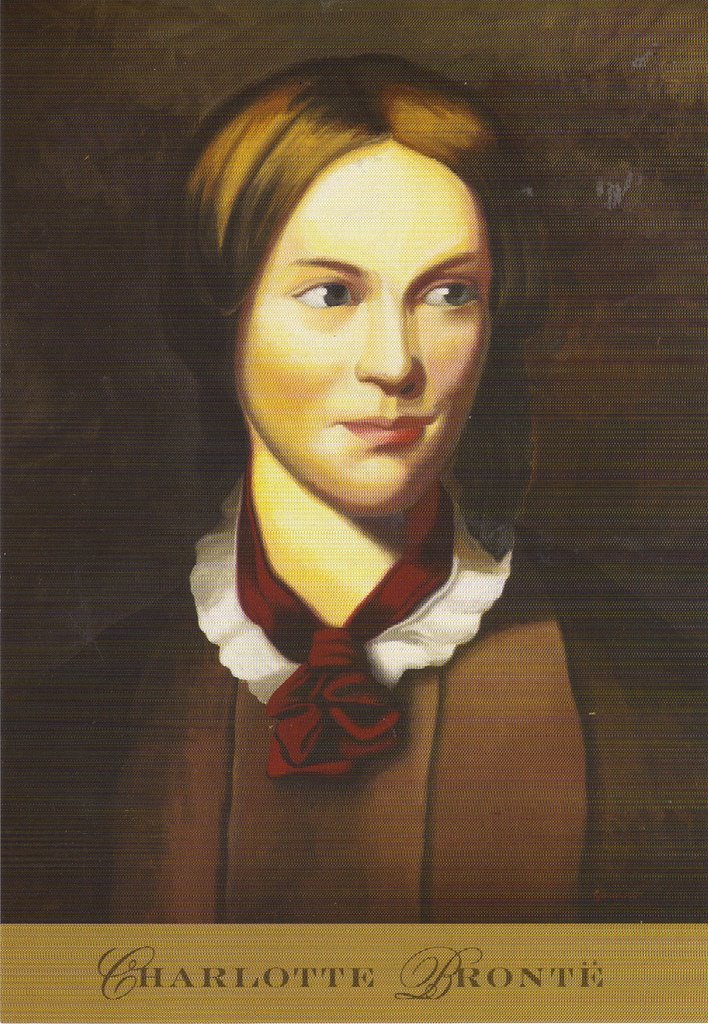
Deceptively plain. That is the first thought most readers have about this opener, and that is exactly the point. One of the opening lines regularly studied in literature courses is the simple ten-word sentence that opens a novel sent unsolicited and under a pseudonym to a London publisher late in August, 1847. It reads, “There was no possibility of taking a walk that day.” The simplicity of the sentence is deceptive. Why do they walk, we ask, and where do they walk?
Bleak and succinct, the famous first line of Jane Eyre brings readers directly into her life. In ten words, Brontë establishes confinement, restraint, and frustration. Jane cannot go outside. The world is locked away from her. That physical restriction is a perfect metaphor for everything Jane must endure before she finds her freedom. The genius is in how much is left unsaid.
What makes this line so remarkable is that it operates on multiple levels without straining for effect. It sounds casual, almost like the first line of a diary entry. Yet embedded in it is the entire emotional architecture of the novel: the sense of being trapped, of having a life governed by forces outside your control. You feel the chill before you know there is one.
“Stately, Plump Buck Mulligan Came From the Stairhead…” – Ulysses by James Joyce (1922)
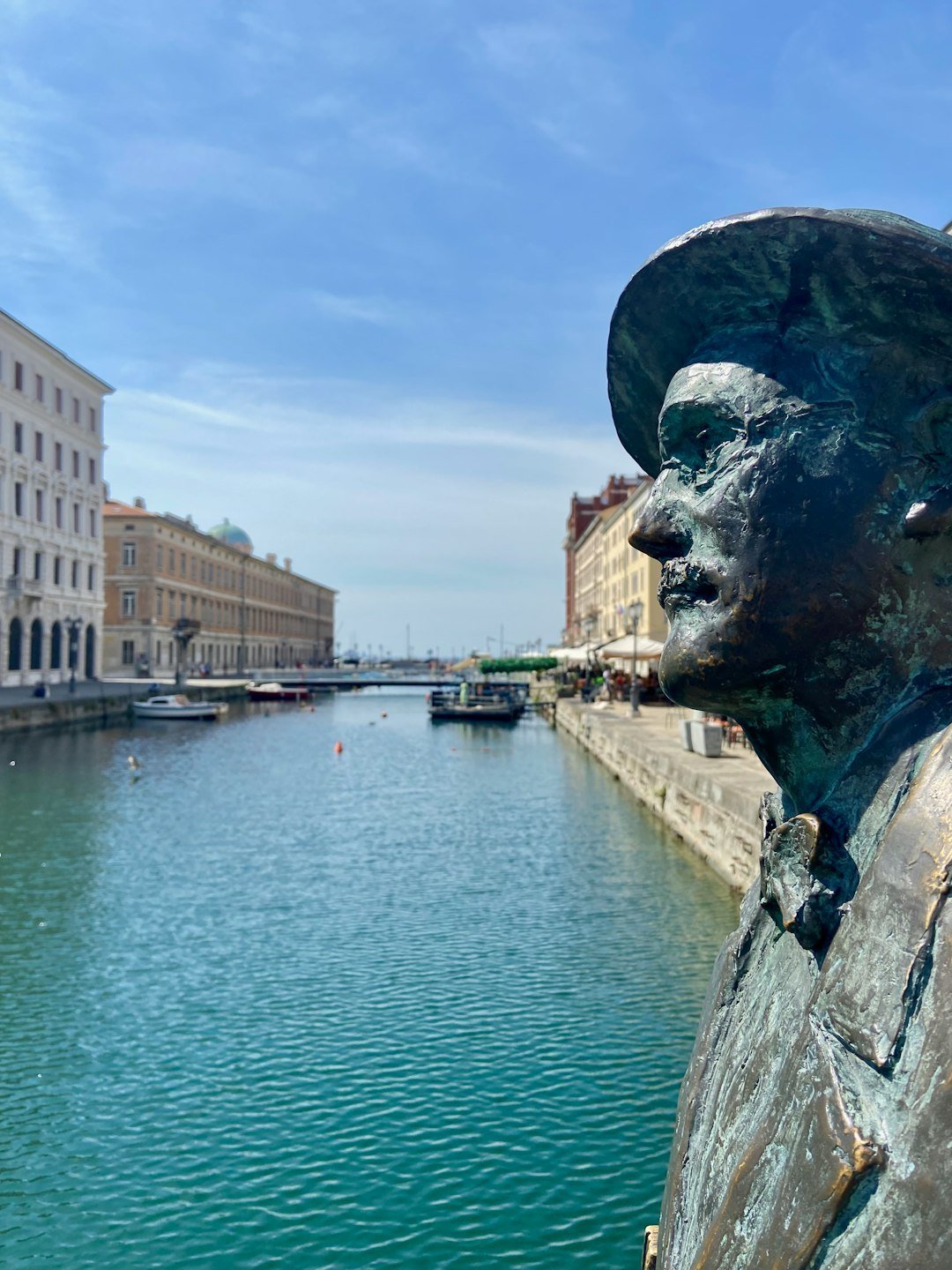
Few opening lines in the English literary canon are quite so theatrical, quite so gleefully self-aware, as the first sentence of James Joyce’s Ulysses. It does not ease you in. It tosses you, fully clothed, into a very specific world with a very specific energy. Written by Irish author James Joyce, Ulysses chronicles the passage of Leopold Bloom through Dublin during an ordinary day, 16 June 1904, and draws many parallels with Homer’s poem The Odyssey through its characters and events. It is widely regarded as one of the most important works of modernist literature.
The choice of the word “stately” is interesting. It grants Buck Mulligan a kind of mock grandeur, the grandeur of a man playing priest with a shaving bowl held aloft. Joyce is already laughing at ceremony, at pretension, at the whole idea of solemnity. The opening line is a performance within a performance. It tells you, without saying so, that language itself is going to be the real protagonist of this novel.
I think the reason Ulysses still intimidates readers today is partly because of that bravado. The opening does not apologize, does not explain, and does not offer a hand to hold. It simply begins, with maximum confidence and minimum explanation. That combination of assurance and obscurity is, in many ways, the most honest possible portrait of Joyce himself.
“In My Younger and More Vulnerable Years My Father Gave Me Some Advice…” – The Great Gatsby by F. Scott Fitzgerald (1925)

There is something quietly devastating about this opening. It is the voice of a man looking back, and even before you know who Nick Carraway is, you sense that whatever he is about to tell you changed him. The opening of The Great Gatsby reads: “In my younger and more vulnerable years my father gave me some advice that I’ve been turning over in my mind ever since.” The phrase “more vulnerable years” is doing extraordinary heavy lifting here. It tells you youth has passed, and perhaps innocence too.
Fitzgerald plants nostalgia and unease in the same breath. The mention of advice that has been “turned over” repeatedly suggests it never fully resolved, never fully satisfied. Nick is a man haunted by something before the novel has offered a single fact. That is a remarkable psychological setup achieved in under thirty words. It is the kind of writing that makes other writers quietly envious.
The line also establishes the retrospective tone of the entire novel. Everything we read comes filtered through a memory, through hindsight, through the slow-burning recognition of what was lost. Fitzgerald understood that the most powerful stories are often told from a place of aftermath. The opening makes that contract with the reader immediately, honestly, and unforgettably.
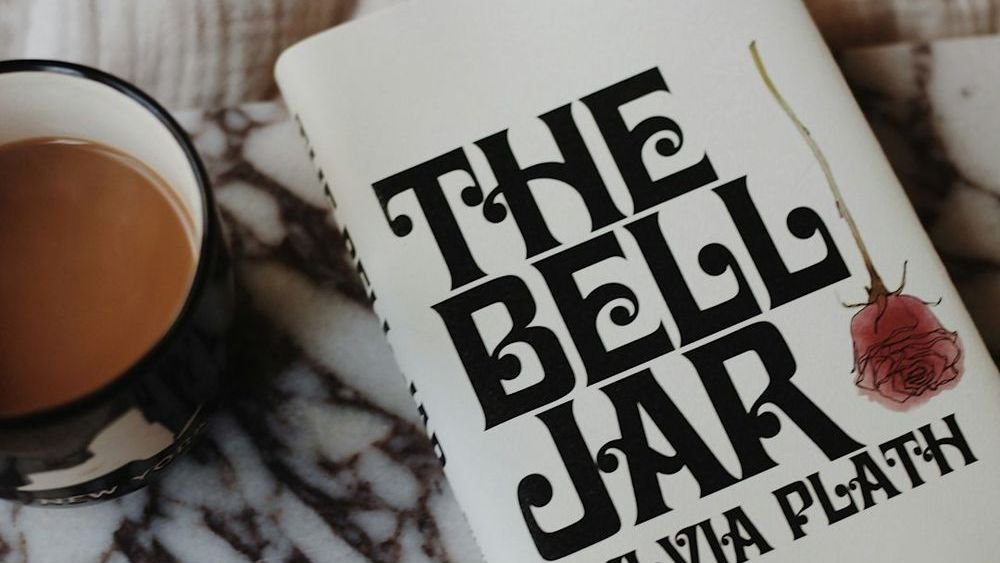
“It Was a Queer, Sultry Summer, the Summer They Electrocuted the Rosenbergs…” – The Bell Jar by Sylvia Plath (1963)
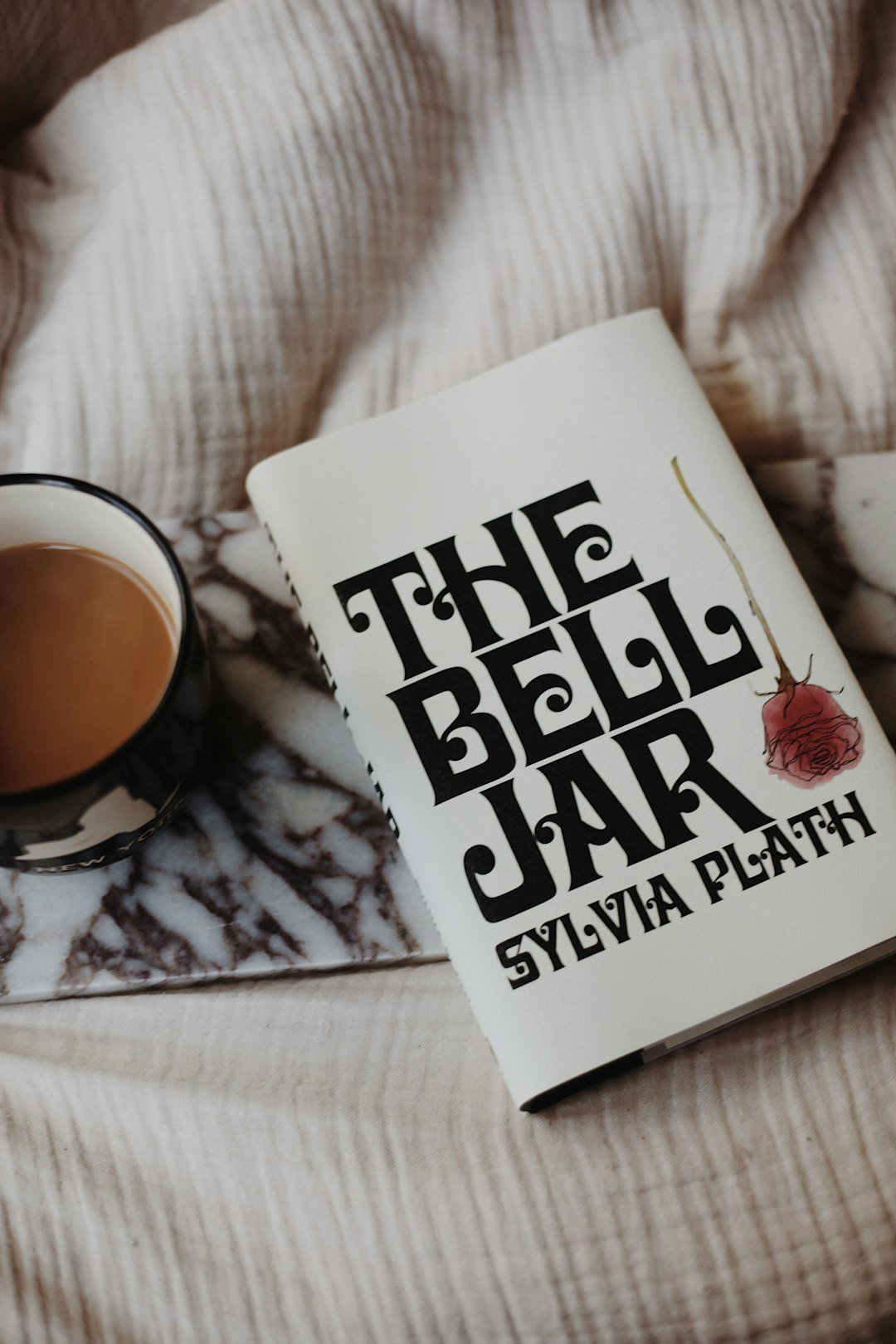
Few opening lines in modern literature set mood as forcefully, or as uncomfortably, as this one. Sylvia Plath does not warm up. She throws you directly into heat, discomfort, and death in the very first clause. The Rosenberg executions are real history. The personal and the political crash together immediately, without warning. It is startling and deliberately so.
The word “queer” here is used in its older sense of strange, unsettling, and off-kilter. That one word carries the entire emotional register of the novel: a world that appears normal but feels persistently, inexplicably wrong. It mirrors the inner experience of the protagonist, Esther Greenwood, whose mental decline runs alongside the summer heat like two tracks that inevitably converge.
What Plath achieves with this line is a fusion of the external and the internal. The electrocution of real people in the real world becomes a mirror for Esther’s psychological state. The opening of The Bell Jar is described as “a queer, sultry summer, the summer they electrocuted the Rosenbergs, and I didn’t know what I was doing in New York.” That final clause, the quiet confession of not knowing what you are doing, is perhaps the most truthfully human thing written in any opening line on this list.
Conclusion: The Weight of a First Sentence

What all of these lines share, beyond brilliance, is intentionality. Not one of them arrived by accident. Each writer understood that the first sentence is a kind of door, and the quality of that door tells the reader everything about the house behind it. Some of literature’s most famous lines come to us within the first paragraphs of our favorite novels. They are the hooks onto which we latch, and the springboards that launch us further into the narrative.
There is something almost philosophical about the power of literary beginnings. In just a handful of words, a great writer can establish an entire emotional universe. They can make you feel dread, longing, irony, wonder, or grief before you even know the character’s name. That is not a small thing. That is one of the most difficult feats in the craft of writing.
The best opening lines stay with us forever. We quote them, tattoo them, use them as Instagram captions. Perhaps more importantly, they remind us why literature matters at all. Not just as entertainment, but as a way of feeling less alone in whatever era we happen to inhabit, whether it is the best of times, the worst of times, or, honestly, some confusing mixture of both. Which of these opening lines has stayed with you the longest? Tell us in the comments below.
CEO-Co-Founder
