

For any feedback please reach out to info@festivalinside.com
- 10 Music Videos That Changed How We See the Song - September 20, 2026
- 20 Books That Went Viral Before Going to Print - September 20, 2026
- Top 10 Movie Soundtracks of All Time - September 20, 2026
There’s something quietly fascinating, maybe even a little unfair, about the way some fictional characters take on a life so vivid, so outsized, that they completely eclipse the very people who invented them. Most people can describe Sherlock Holmes in precise detail. Far fewer could name three other books Arthur Conan Doyle ever wrote. That strange imbalance, where a creation outshines its creator, is one of literature’s most enduring paradoxes.
It happens more often than you’d think. A writer spends years, sometimes decades, pouring life into a character, only to find that character eventually walks off the page and into a cultural space so vast that the author becomes almost a footnote. Honestly, it’s both a triumph and a kind of cruel irony. Let’s dive in.
1. Sherlock Holmes – Created by Arthur Conan Doyle
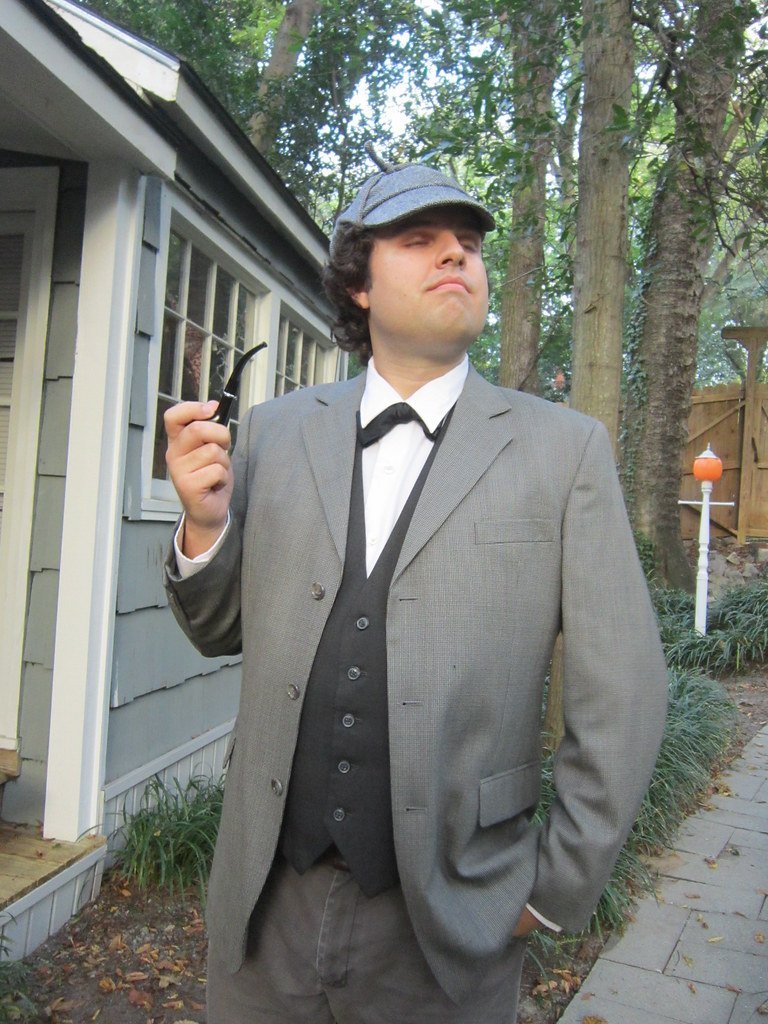
Few literary figures have colonized popular culture the way Sherlock Holmes has. By the 1990s, over 25,000 stage adaptations, films, television productions, and publications had featured the detective, and Guinness World Records lists him as the most portrayed human literary character in film and television history. That number has only grown. Think about that for a moment. Tens of thousands of separate works all centered around a single fictional man who never once existed.
Holmes’s popularity and fame are such that many have believed him to be not a fictional character but an actual person, and many literary and fan societies have been founded on this pretence. There’s something almost surreal about that. A fictional detective so convincing that generations of readers have sent real letters to his fictional address at 221B Baker Street.
Arthur Conan Doyle, a Scottish writer and physician, created the iconic detective while struggling to establish his medical practice in Southsea. Born in Edinburgh in 1859, Doyle’s medical training profoundly influenced his writing. He was a man of wide interests, ranging from spiritualism to historical fiction, yet almost none of those pursuits survived in the public imagination.
In fact, he killed Sherlock off in order to create works of greater literary merit, but Sherlock’s popularity forced him to bring him back. Although Conan Doyle aspired to write more “serious” literature, the success of his Holmes stories would define his reputation for the rest of his life. There’s real pathos in that. The man who wanted to be remembered for grand historical novels will forever be the guy who wrote about the detective he tried to kill.
2. Count Dracula – Created by Bram Stoker
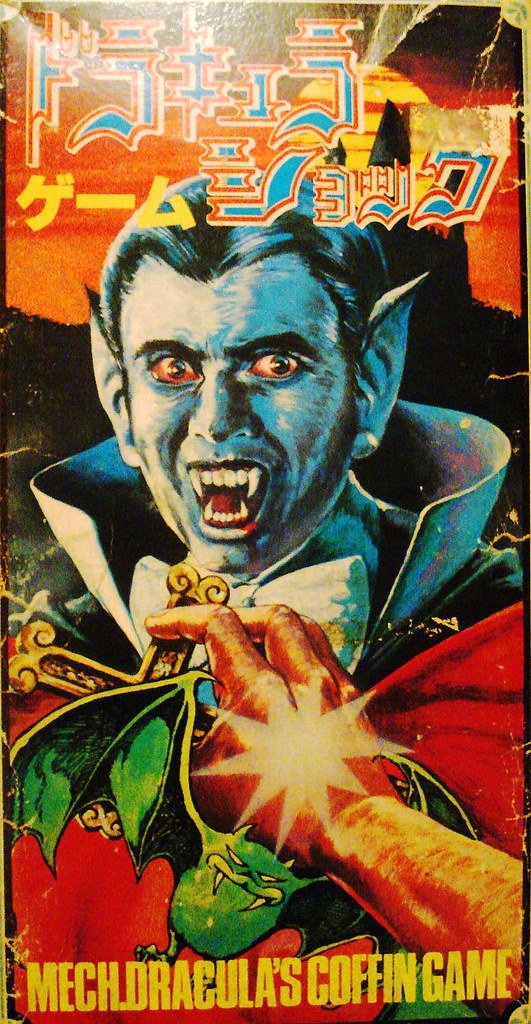
Dracula is everywhere. In films, television, Halloween costumes, children’s cereal boxes. Scholars John Edgar Browning and Caroline Joan S. Picart note that the novel and its characters have been adapted for film, television, video games and animation over 700 times, with nearly 1000 additional appearances in comic books and on the stage; in 2015, the Guinness Book of World Records named Dracula the most portrayed literary character, noting he had appeared almost twice as much as Conan Doyle’s Sherlock Holmes. That is a staggering cultural footprint for one character.
Stoker’s portrayal of a charismatic and mysterious antagonist revolutionized the vampire archetype, setting the stage for countless imitations and reinventions in both literature and popular culture. Every vampire story you’ve ever loved, from Anne Rice to Twilight to What We Do in the Shadows, owes some debt to Stoker’s creation.
Abraham Stoker was an Irish writer, barrister, and theatre manager. He was the author of Dracula (1897) and the creator of the fictional character Count Dracula. Here’s the thing: during his own lifetime, Stoker was actually far better known as a theatre manager than as a writer. During his life, he was better known as the personal assistant of actor Sir Henry Irving and the business manager of the West End’s Lyceum Theatre.
Stoker wrote a dozen horror and mystery novels and novellas, including The Jewel of Seven Stars (1903), The Lair of the White Worm (1911) and The Mystery of the Sea (1902), but his reputation as one of the most influential writers of Gothic horror fiction rests solely with Dracula. A dozen novels, and only one survived the test of time. That’s the kind of creative fate that keeps writers up at night.
3. Frankenstein’s Monster – Created by Mary Shelley
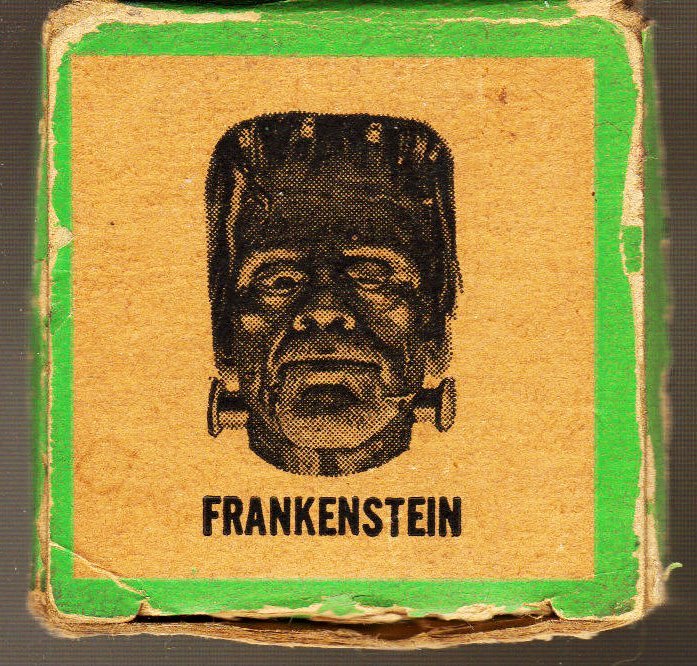
Interestingly, most people call the monster “Frankenstein” when that’s actually the doctor’s name. The creature, often mistakenly referred to as “Frankenstein,” becomes a symbol of isolation, otherness, and humanity’s ethical dilemmas. That name confusion is itself a kind of cultural tribute, proof of how deeply the character has lodged itself into global consciousness.
It has had a considerable influence across literature and popular culture and spawned a complete genre of horror stories and films. Every mad scientist, every story about creation turning on its creator, every cautionary tale about playing God in the lab, all carry traces of Shelley’s monster. In an era now consumed by AI ethics discussions, the creature is arguably more relevant than ever.
Mary Shelley was an extraordinary figure whose life reads almost as dramatically as her fiction. Mary Shelley’s “Frankenstein; or, The Modern Prometheus” is a work of fiction, but its inspiration draws heavily from the scientific endeavors of its time. The early 19th century was a period of significant scientific discovery, and debates about the boundaries of life and the power of man to play God were rife. Shelley’s tale of Dr. Victor Frankenstein and his ill-fated monster is a cautionary tale about the dangers of unchecked ambition and the responsibilities that come with creation.
The amazing part is she was only twenty when Frankenstein was published. Probably eighteen when she started writing it. A teenager essentially invented the science fiction genre. That fact alone deserves far more attention than it typically gets.
4. Don Quixote – Created by Miguel de Cervantes
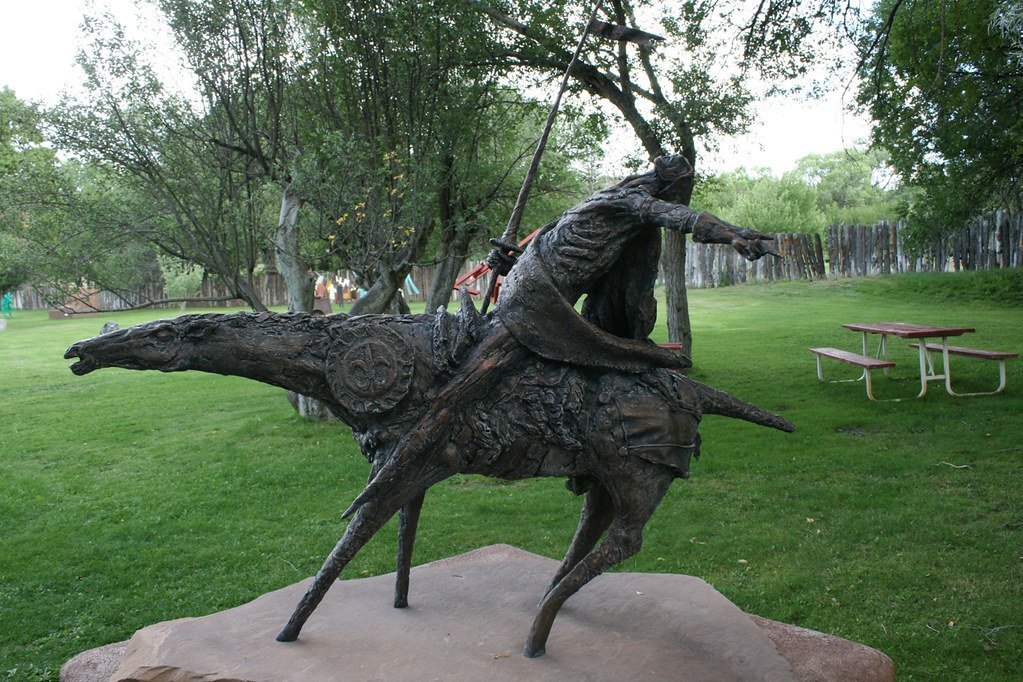
Don Quixote, the full title being The Ingenious Gentleman Don Quixote of La Mancha, is a Spanish novel by Miguel de Cervantes. Originally published in two parts in 1605 and 1615, the novel is considered a founding work of Western literature and the first modern novel. That’s one of the most remarkable sentences in all of literary history. The very first modern novel happened to also produce one of the most iconic characters ever written.
The character of Don Quixote became so well known in its time that the word quixotic was quickly adopted by many languages. Characters such as Sancho Panza and Don Quixote’s steed, Rocinante, are emblems of Western literary culture. The phrase “tilting at windmills” to describe an act of attacking imaginary enemies derives from an iconic scene in the book. Entire idioms that we use today in everyday speech trace back to this one character. That’s an extraordinary kind of cultural legacy.
The life of Cervantes was remarkably turbulent. In 1571, Cervantes fought as a soldier in the Battle of Lepanto. He was 24 at the time, was injured and lost the use of his left hand. From that moment, he knew he could no longer be a soldier, but he really wanted to write. There’s something genuinely moving about a man who lost his ability to fight and channeled all that energy into a novel that would outlast empires.
A vast public reads Don Quixote and many cultured people appreciate the Exemplary Novellas, but, outside Spain, his other works are known only to specialists and to a tiny minority of lovers of literature. Cervantes produced plays, poems, novellas, and pastoral romances. To most of the world, only one thing matters: the man on the horse tilting at windmills.
5. Hamlet – Created by William Shakespeare
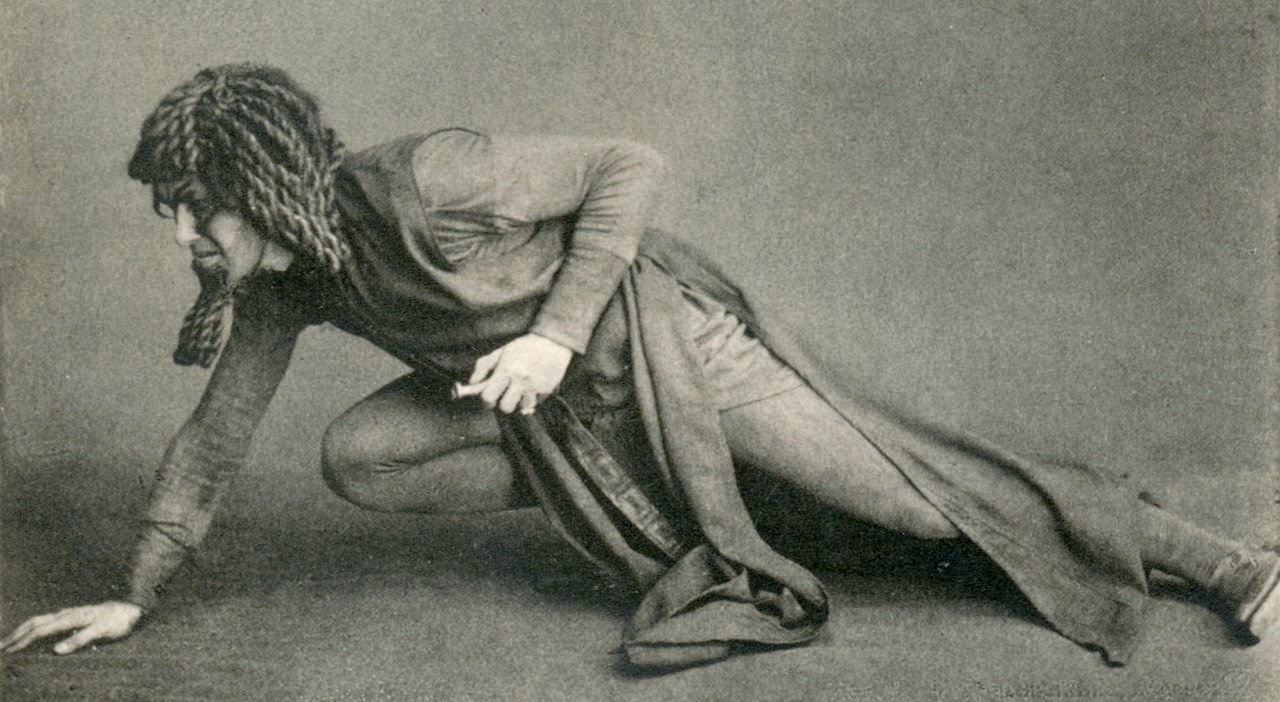
Shakespeare is one of the few names on this list who might genuinely compete with his own characters in terms of fame. Yet even here, the argument holds. Ask someone on the street to name five Shakespeare plays and they’ll likely struggle. Ask them to describe Hamlet, and they’ll nail it. It could be argued that Shakespeare produced a greater number of memorable characters: Hamlet, Macbeth, Othello, King Lear, and so on, characters who also happen to be tragic.
Hamlet in particular has transcended the stage to become a universal archetype of the brooding, philosophically tortured soul. The phrase “to be or not to be” is recognized across cultures that have never read a single line of the play. It’s one of those rare cases where even the words themselves have outgrown their context entirely.
Shakespeare was born in Stratford-upon-Avon in 1564 and spent much of his professional life in London as an actor, playwright, and theatrical co-owner. What’s genuinely interesting is how little we actually know about him. The question of whether he is the true author of his plays has circulated for some time. The man is almost as mysterious as his most famous character, which might explain why the characters seem more real to us than the author himself.
6. James Bond – Created by Ian Fleming
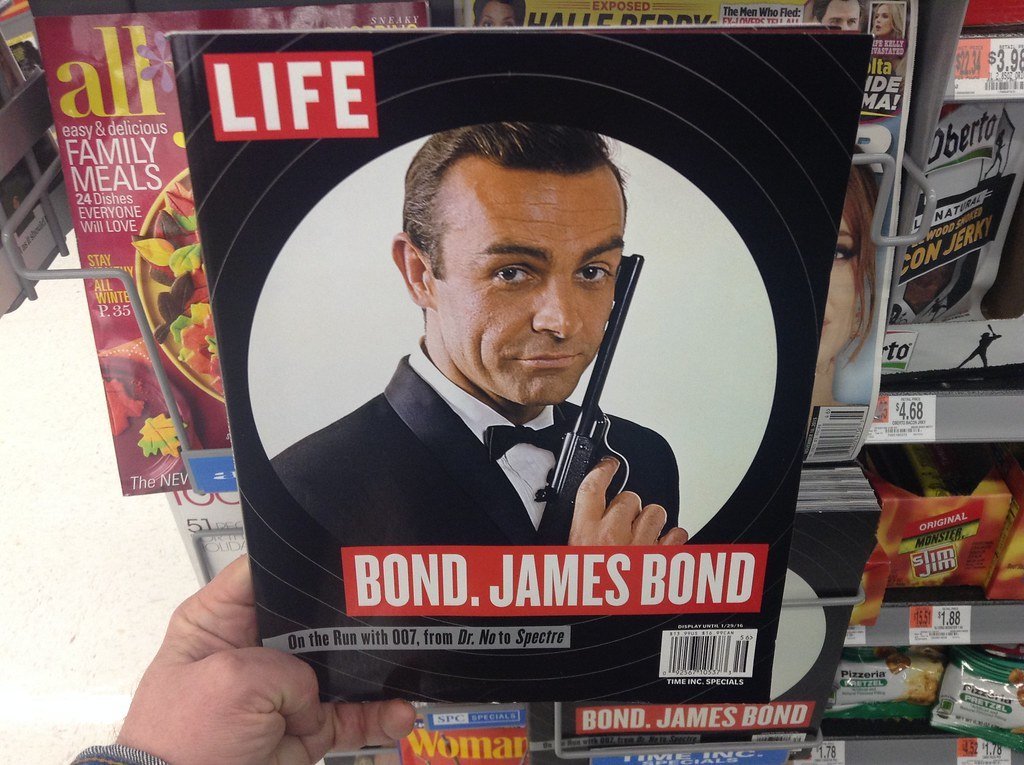
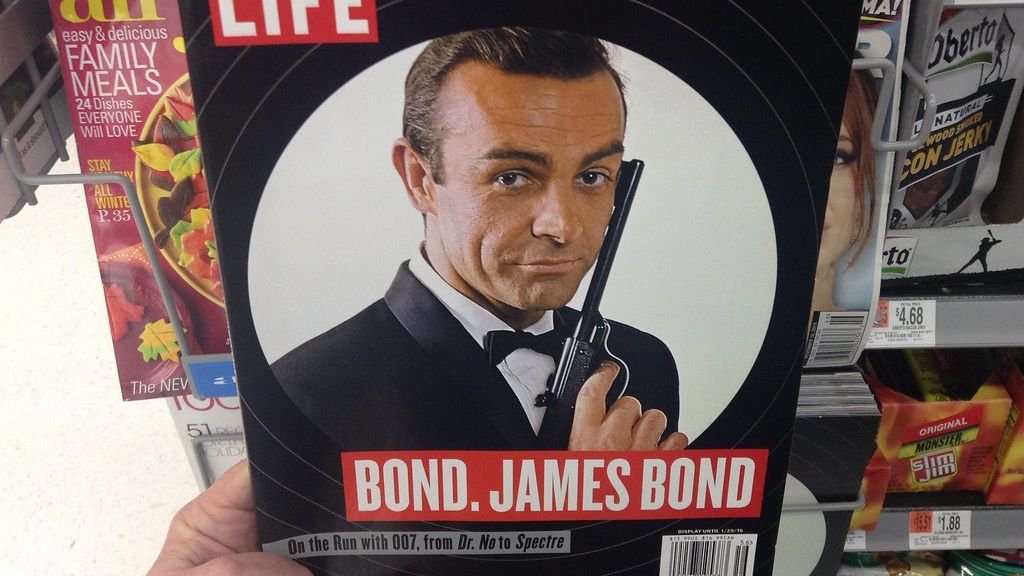
James Bond is less a character now and more a global institution. The creator of James Bond did not know when he released his first book that his character would achieve the heights of fame that it did. In fact, now, the character has a life of its own, completely separate from the author. Movie and other adaptations ensure that James Bond lives on, irrespective of the intentions of the author. That last point is worth sitting with. Bond now exists entirely outside the books. Most fans have never read a single Fleming novel.
James Bond was created in 1953 by Ian Fleming for the novel Casino Royale. Fleming was a British journalist, naval intelligence officer, and writer with a genuinely fascinating personal history. Yet ask a random person who Ian Fleming is, and you’ll often get a blank stare followed by “oh, the James Bond guy.” The character swallowed the man whole.
Fleming wrote fourteen Bond novels in total, and they were sophisticated, psychologically nuanced works that dealt with Cold War anxiety, masculinity, and post-imperial British identity. None of that complexity tends to survive in the pop culture version of Bond. What survives is the silhouette, the martini, and the catchphrase. Honestly, it’s a little sad.
7. Alice – Created by Lewis Carroll
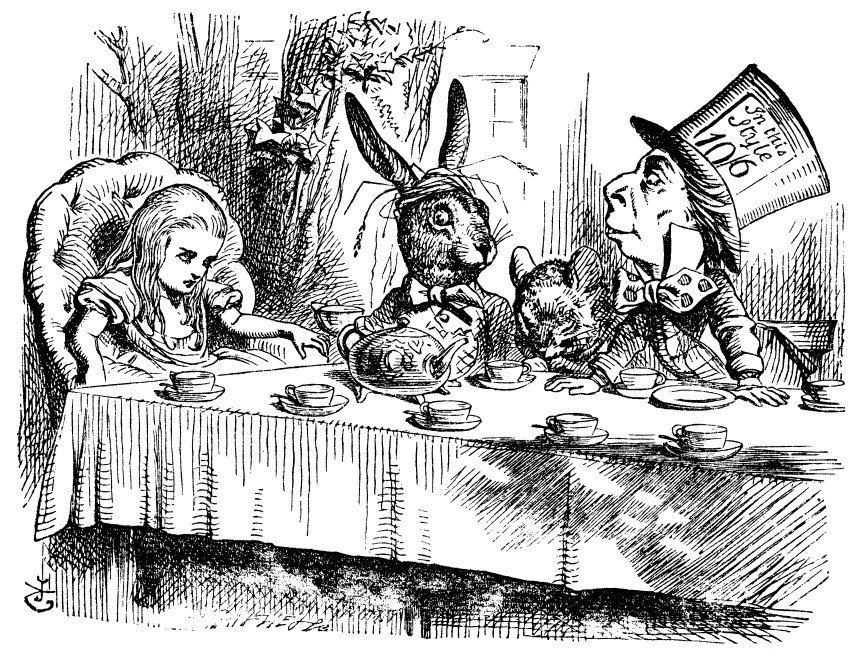
In Lewis Carroll’s classic novel Alice in Wonderland, Alice’s curiosity leads her to a wondrous, wacky world. As she explores Wonderland, Carroll’s young heroine asks every question that adults are too polite and afraid to say out loud. Alice reminds us that our imaginations are a powerful thing, and that sometimes you need to lean into nonsense to make sense of the world. That description barely scratches the surface of how far Alice has traveled beyond the pages of her original story.
Alice has become one of the most recognizable children’s figures in the world, appearing in films, ballets, video games, fashion collections, and psychological studies. The imagery of Wonderland has been co-opted by pop culture so thoroughly that many people who’ve never read Carroll’s original work still feel intimately familiar with Alice’s world.
Lewis Carroll was actually the pen name of Charles Lutwidge Dodgson, a mathematics lecturer at Christ Church, Oxford, who was known for his work in logic and mathematical puzzles. The contrast between the orderly, academic Dodgson and the surreal, anarchic world of Alice is almost comedic. It’s hard to say for sure, but it’s entirely possible that more people know Alice’s cat than know Dodgson’s real name.
8. Atticus Finch – Created by Harper Lee
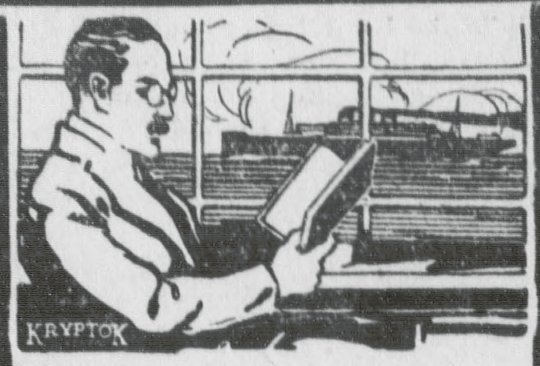
Calm and principled Atticus Finch is the moral backbone of Harper Lee’s To Kill a Mockingbird. He doesn’t fight with fists or fury, he wins by refusing to compromise on what’s right, even when an entire town questions his judgment. In a story about prejudice and justice, Finch proves that courage is as simple as standing up for what you believe in. Lee’s novel was published in 1960, but decades later, Finch’s integrity still hits home. His name has become synonymous with moral fiber and common decency.
Atticus Finch is one of those rare fictional characters who has migrated out of literature entirely and into moral philosophy. He’s invoked in law school classrooms, courtroom speeches, political debates, and parenting books. People name their children after him. That kind of cultural resonance is something most real historical figures never achieve.
Harper Lee herself lived a remarkably private life after the explosive success of To Kill a Mockingbird in 1960. She largely withdrew from public life and published very little for decades, which in a strange way allowed Atticus to become even more prominent in her absence. The author receded; the character advanced. By the time Go Set a Watchman appeared in 2015, the public reaction was almost entirely about Atticus rather than about Lee herself.
9. Huckleberry Finn – Created by Mark Twain
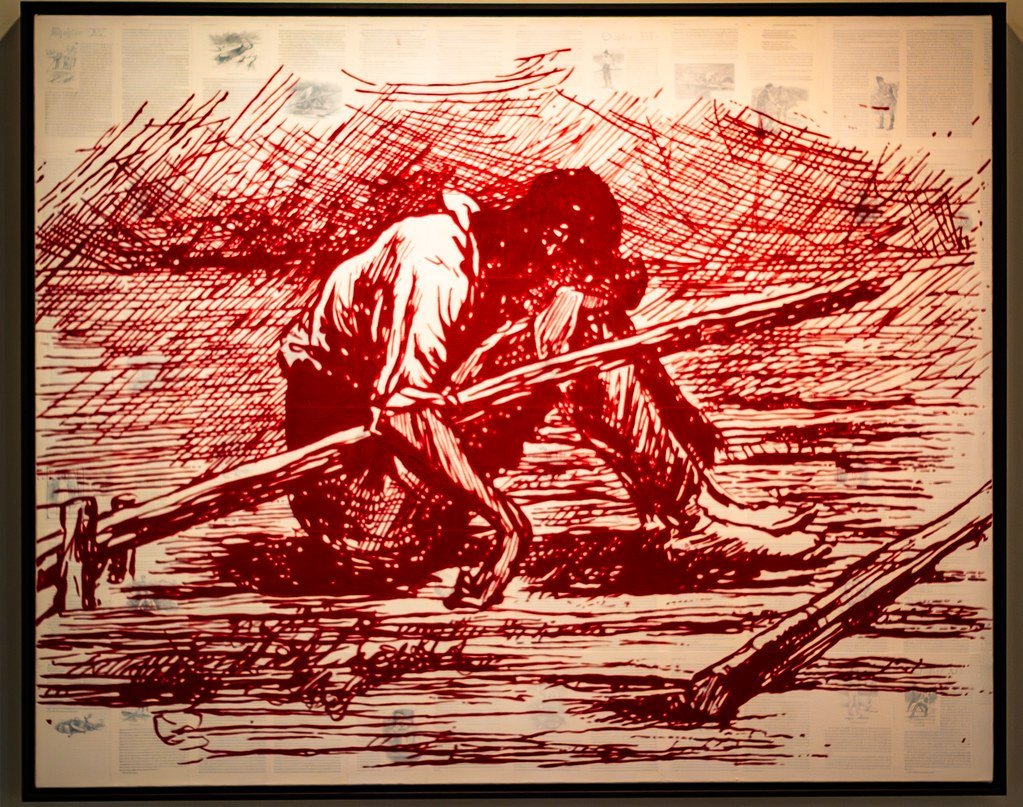
Restless and allergic to authority, Huckleberry Finn is the protagonist in one of Mark Twain’s most popular works, The Adventures of Huckleberry Finn. His raft ride down the Mississippi River becomes a crash course in friendship and freedom, as the resilient Huck learns how to choose what’s right over what’s easy. Huckleberry Finn is funny and flawed. This deeply human literary character forces you to think about identity and question your own sense of morality.
Huck Finn’s journey down the Mississippi has become almost mythological in American culture. It’s a story about freedom, race, childhood, and moral courage that resonates across generations in ways that feel completely contemporary. The character of Huck carries enormous symbolic weight in discussions about American identity, far more than most real historical figures from the same era.
Mark Twain, the pen name of Samuel Langhorne Clemens, was himself a celebrity of the first order during his lifetime, one of the most recognizable and quoted men in America. He was a speaker, satirist, and cultural phenomenon. Yet even he is arguably overshadowed today by the raggedy boy on the raft. Twain wrote prolifically across dozens of genres, but in the popular imagination, he is primarily the man who created Tom Sawyer and Huck Finn. His name survives; their stories do the actual living.
10. Cyrano de Bergerac – Created by Edmond Rostand
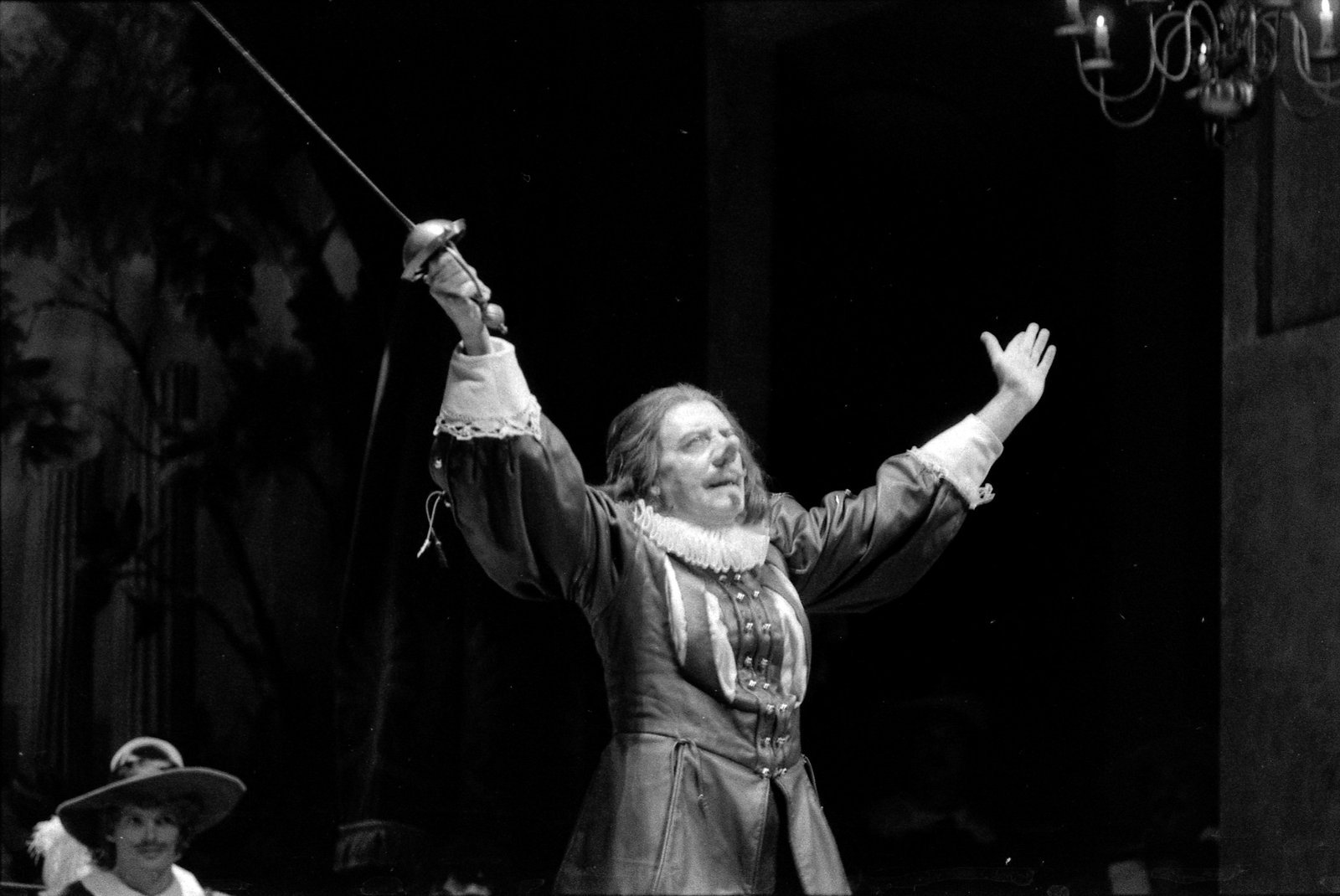
The fictional Cyrano de Bergerac is more famous than both his author Edmond Rostand and the historical Cyrano (1619-1655) on whom the play was based. Let’s be real, that’s a double eclipse. The fictional character has swallowed both the real historical person and his literary creator simultaneously. It’s an almost uniquely remarkable case in literary history.
Cyrano, the long-nosed poet who hides his love behind another man’s words, has become a global symbol for unrequited love, eloquence, and the tragedy of self-doubt. His story has been adapted into films, musicals, operas, and modern romantic comedies. The 2021 film adaptation brought the story to a new generation with zero knowledge of Rostand’s play. Cyrano was the star. Rostand was barely mentioned.
Edmond Rostand was a French playwright born in 1868 who achieved extraordinary success with Cyrano de Bergerac when it premiered in 1897. The play was an immediate sensation and made Rostand one of the most celebrated writers in France almost overnight. He wrote several other plays and poems that were well-received in his time. Today, outside of France and academic circles, almost none of those other works are remembered. It’s Cyrano. Always Cyrano.
Conclusion: The Strange Immortality of Fictional People
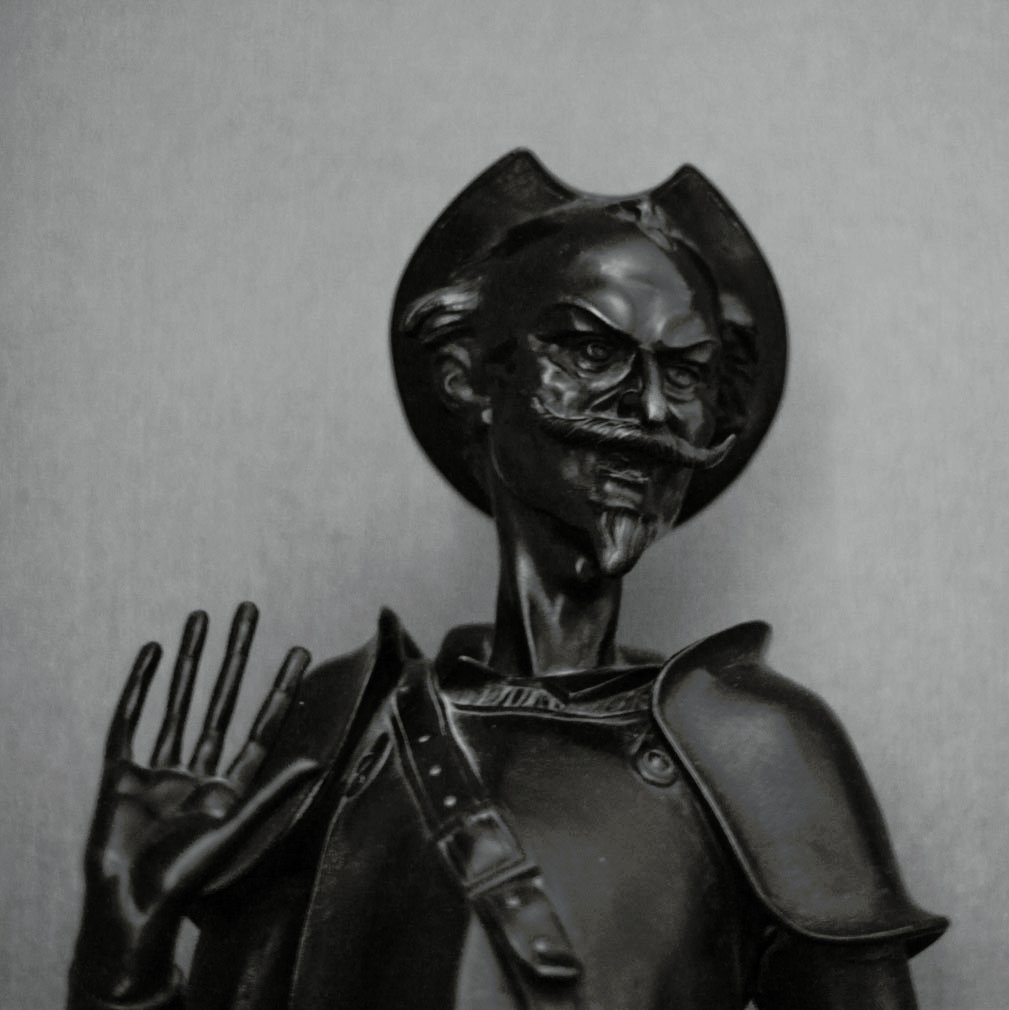
There’s a particular kind of literary success that is, in some ways, bittersweet. The writer spends years crafting a character so vivid, so true, so emotionally alive, that the character escapes. It walks out of the book and into the world and keeps going long after the author is gone. Sherlock solves crimes in television series the author never dreamed of. Dracula haunts films shot decades after Stoker’s death. Don Quixote tilts at windmills in languages Cervantes never spoke.
In one sense, this is the ultimate creative achievement. To invent something so real that the world forgets it was invented at all. Although it is quite likely that the author becomes famous by virtue of his work, there are some rare cases where the character becomes more iconic than the author. These ten cases are not merely rare. They are extraordinary.
The real question, I think, isn’t whether these characters deserve their fame. They clearly do. The question is whether we, as readers and as a culture, owe a little more attention to the complicated, fascinating, often struggling human beings who sat down one day and simply started writing. Did any of these authors or characters surprise you? Drop your thoughts in the comments.

Christian Wiedeck, all the way from Germany, loves music festivals, especially in the USA. His articles bring the excitement of these events to readers worldwide.
For any feedback please reach out to info@festivalinside.com
